

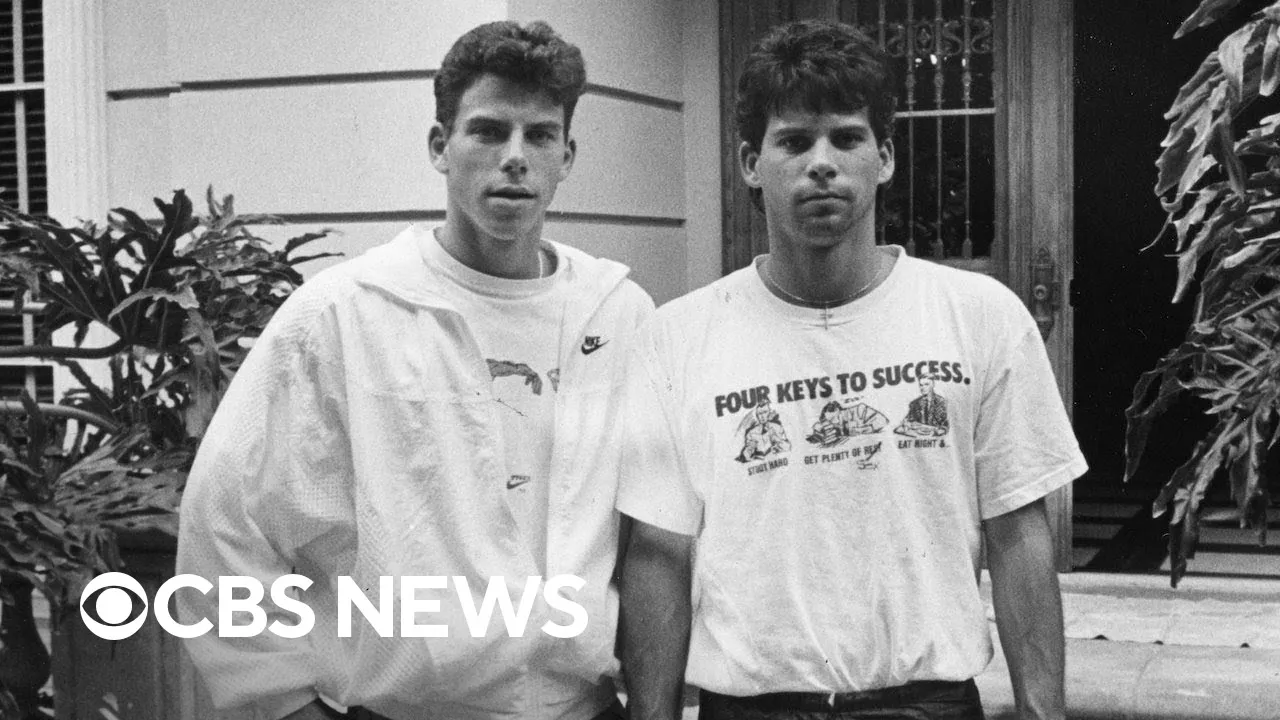




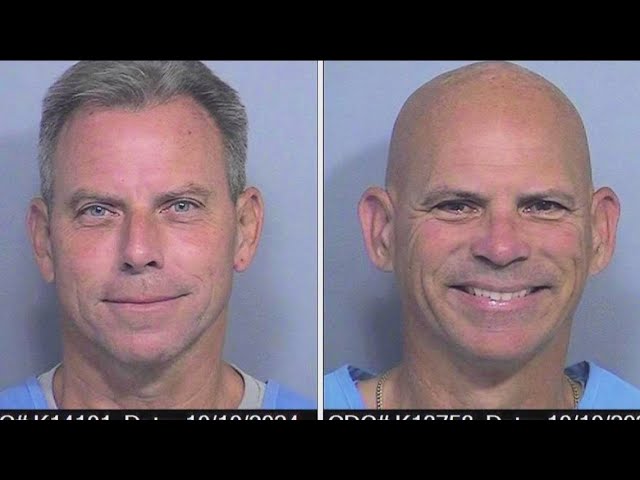
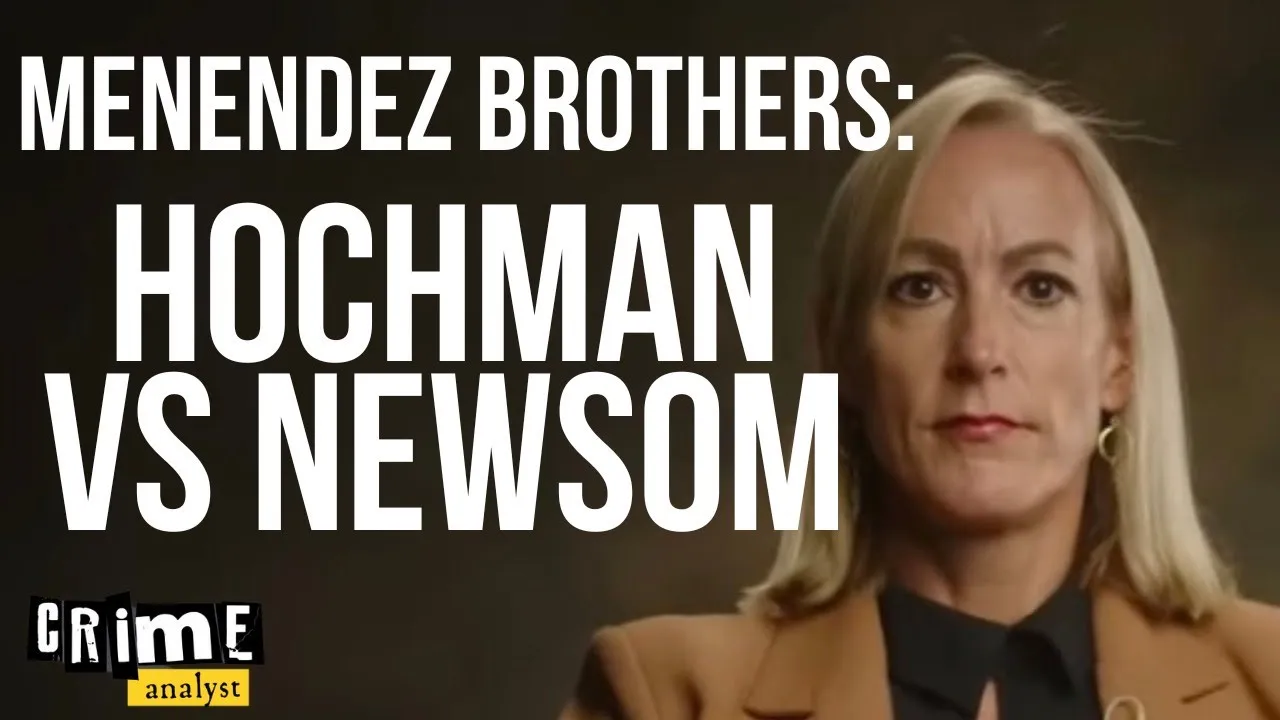

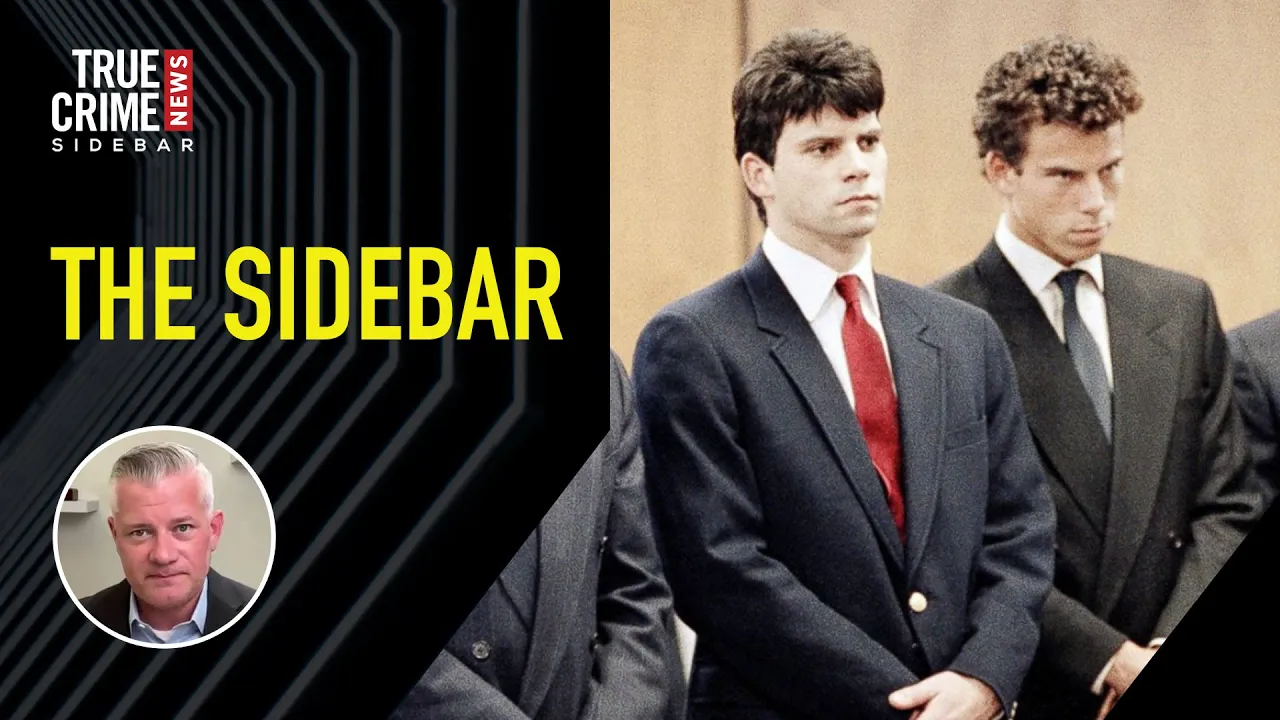









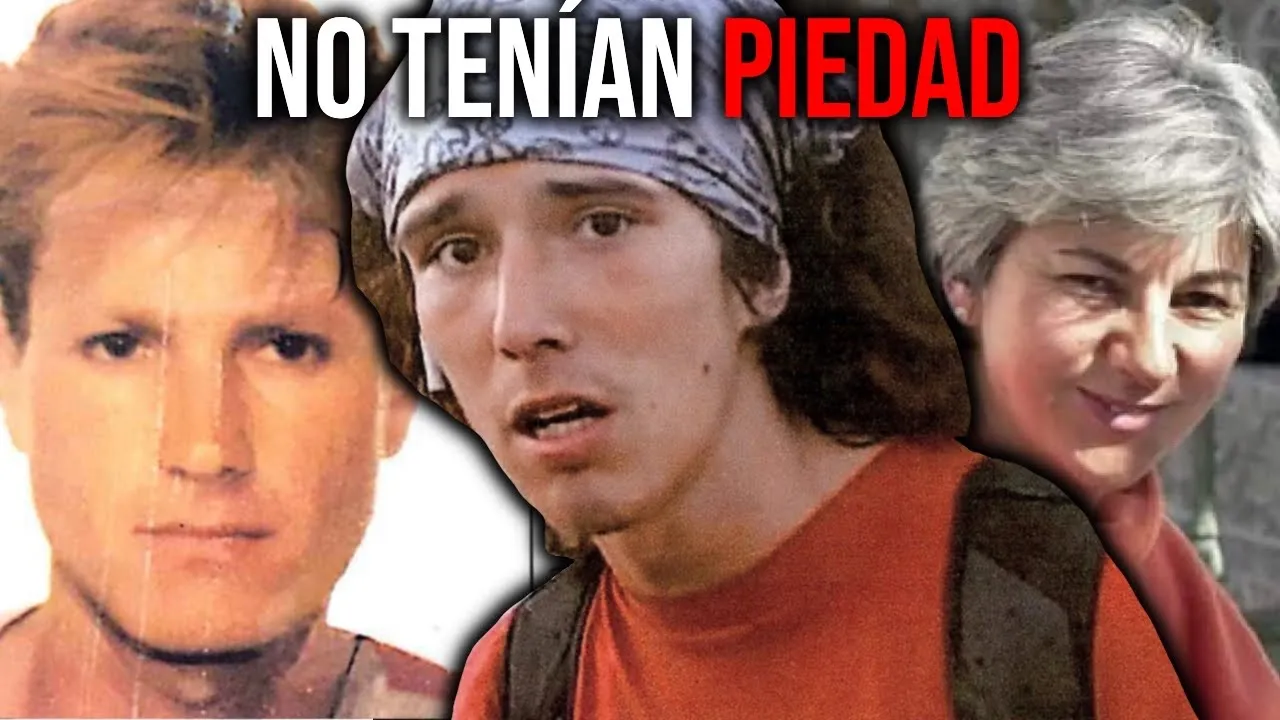



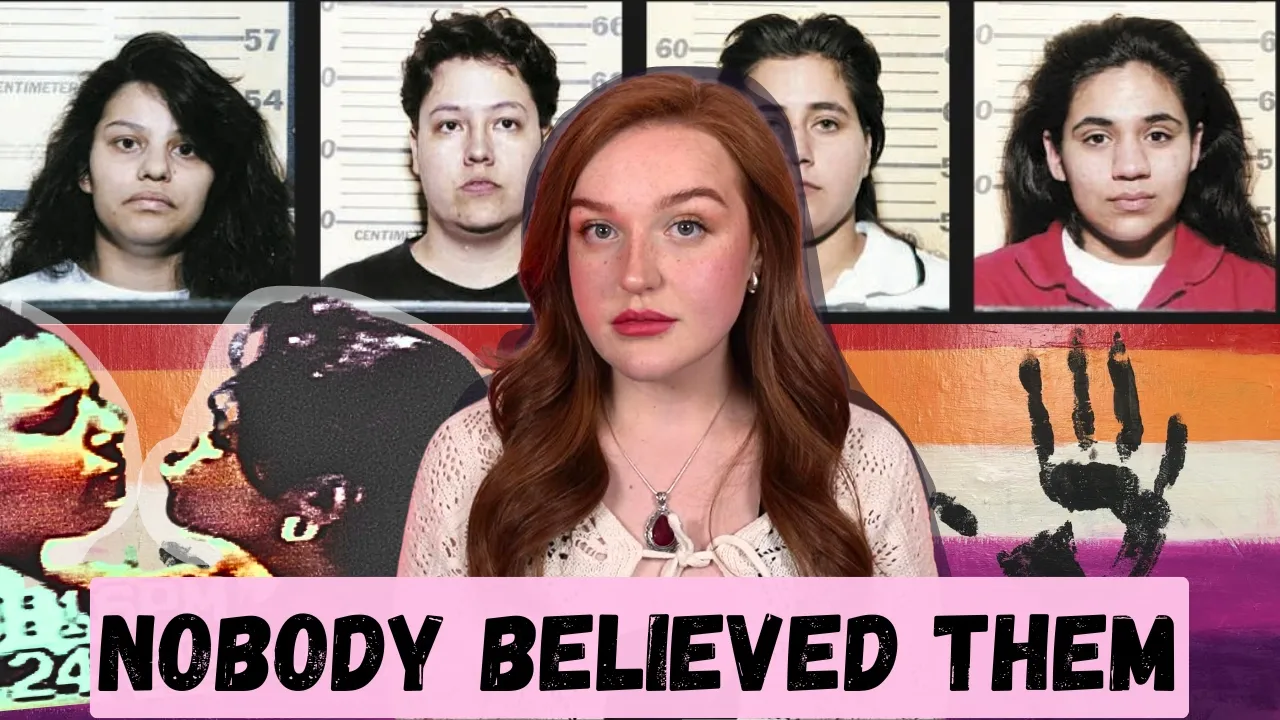

The Menendez brothers' case illustrates how evolving societal understanding of childhood sexual abuse trauma can lead to reconsideration of criminal convictions decades later; the brothers were convicted of first-degree murder in 1996 but new evidence—including a contemporaneous letter from Eric to his cousin describing ongoing abuse and allegations from former Menudo band member Roy Rosello about being abused by Jose Menendez—has prompted a habeas corpus petition arguing that the brothers' actions may constitute manslaughter rather than murder under imperfect self-defense doctrine, highlighting how trauma rewires the brain and affects decision-making in ways that were not fully understood in the 1990s.
Menendez Brothers Resentencing: New Evidence Explained | 48 Hours Review
Added:The historical context and key details of the 1989 Menendez brothers' trial, including the charges, defense arguments of abuse, and their initial sentencing of life without parole.
Basic legal terminology regarding post-conviction relief, such as 'resentencing,' 'writs of habeas corpus,' and the legal standards for introducing 'newly discovered evidence.'
The concept of 'imperfect self-defense' and how allegations of chronic physical and sexual abuse are legally integrated into homicide defenses.
The structural differences between first-degree murder and manslaughter convictions, including how sentencing guidelines differ for each under state law.
The evolving legal and psychological frameworks surrounding trauma and abuse, and how modern courts evaluate 'Battered Child Syndrome' compared to the judicial system of the 1990s.
The role of prosecutorial discretion and the statutory authority of District Attorneys to recommend resentencing under progressive criminal justice reform laws.
An analysis of how true-crime media, documentaries, and social media campaigns influence public perception and apply pressure on active legal proceedings.
Comparative case studies of other historical convictions that have been re-evaluated or overturned due to changes in societal standards, trauma informed science, and retroactive legislation.
502.9K views5.8Klikes1:01:49Original Release: 2024-10-11
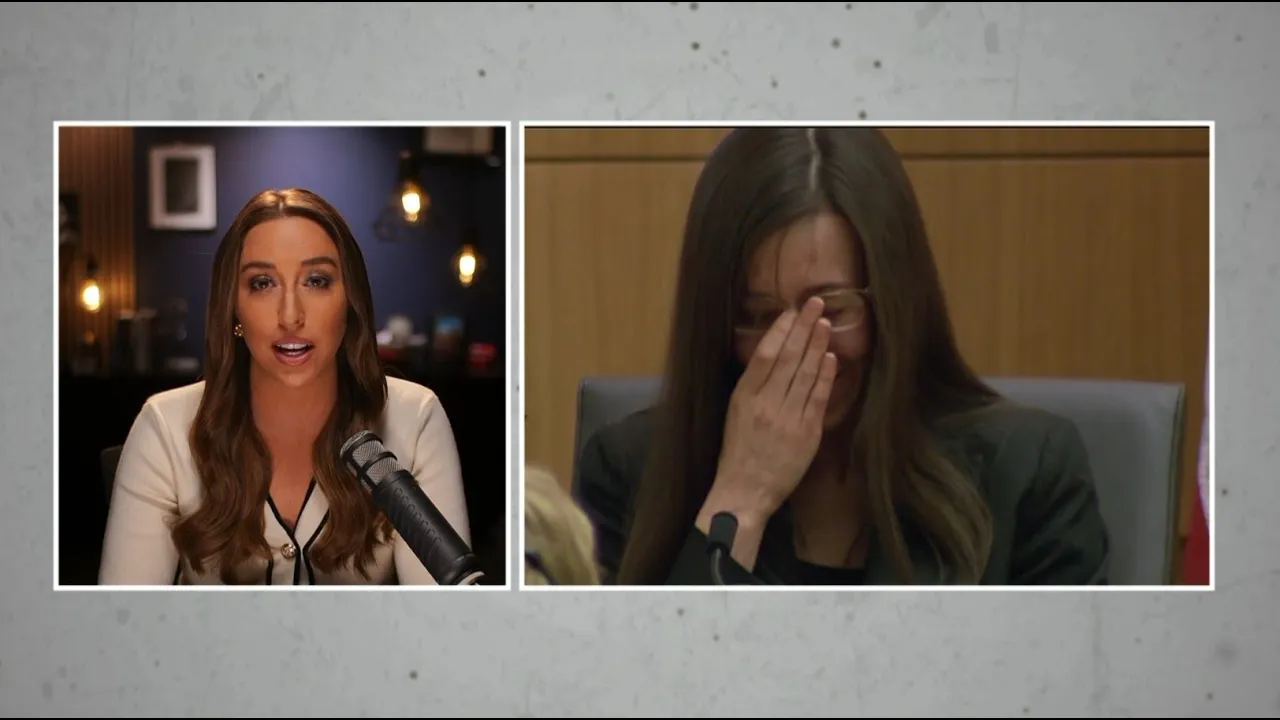
[Music] you have a prepaid call from Lyle Menendez my name is ly Menendez I'm at parg Donovan State Prison in San Diego California and I am here for killing my parents my brother and I were convicted together first-degree murder verdicts for both Eric and Lyall Menendez excuse us this is a special report from the vanise courthouse both Menendez brothers have been found guilty how big a deal was the Menendez case well when you think back it was huge the Mendez family was very wealthy this was Beverly Hills murders just don't typically happen Kitty was my baby sister there was a brutal murder everyone from the gardener to the president had a view of what happened I'm Jackie Lacy I'm the former elected district attorney of Los Angeles County a couple was sitting around watching TV when their adult sons came in with shotguns and slaughtered them what did these parents do to deserve that there must be a reason but just never been a kid of kill or innocence it was always about why it happened Jose Menendez was the self-made millionaire he was very driven very demanding the prosecutions theory was they got tired of their lives being micromanaged they wanted to spend the money the way they wanted to spend the money they were buying Rolex watches they were buying real estate the way that they acted was not like oh my goodness my parents are dead it was soulless it was strictly Greed from day one you believe they wanted a portion of the money they wanted it all my name is Cliff Gardner I represent Eric and ly Menendez it's not a complex case it's a simple case they abused their whole life my dad had been molesting me he B me did you ask him not to yes the brothers were claiming that we were molested by our father when we threaten to go public they threaten to kill us and so we had to go in and kill them before they killed us I thought he was going to kill me that night I never saw anything in the home never I have got to think that there was their attorney ideas that if your only way you're going to save your ass is to say that you were molested and that's what they did it's divided the family immensely I love my cousins they shouldn't have gone through what they went through they're not lying they were being abused as you sit there in prison there is some news now that could really impact you and your brother's case right yes that's pretty just sort of shocking former Mano singer Roy roselo claims he was drugged and raped by Jose Menendez in the mid 80s menudo had just signed with RCA records where Menendez was a top executive we now have evidence that makes absolutely clear that those boys were molested and if those those boys were molested it would have been manslaughter and they would be out the judge in this case if he finds that the New Evidence is credible and the conviction should be vacated do you think the DA's office would seek a new trial I think they would spend a lot of time thinking about it 34 years of incarceration you wonder when world have Fair review of this so maybe now my hope in the case is that they'll finally walk out of prison [Music] Lyall and Eric Menendez have been behind bars in California for more than three decades for the 1989 killing of their parents Jose and kitty Menendez convicted of first-degree murder and sentenced to life in prison I really can't in a case that captured the nation's attention they had no hope of ever walking free but new evidence may change that Eric chose not to speak with us for this broadcast but Lyle did you have a prepaid call from Lyle Menendez this call and your telephone number will be monitored and recorded hi Lyle can you hear me hi yeah I can hear you what did you think when you heard about these new claims and evidence I mean for me I just was happy just a burden to be telling what happened to and just have so much doubt in the public a the question is not whether the Menendez brothers killed their parents they admit that they did instead the focus of the case has long been why they did it they insist that they killed out of fear and in self-defense after a lifetime of physical emotional and and sexual abuse suffered at the hands of their parents one of their lawyers Cliff Gardner says the New Evidence corroborates those claims and lessens their culpability if the judge finds this evidence credible I think it is sufficient to give them a new trial but to understand how we got here we have to go back to the beginning the evening of August 20th 1989 when Lyall Menendez made this call to 911 from the the family's Beverly Hills mansion Beverly Hills emergency yes please uh what's the problem Sor K my parents pardon me after officers responded to the scene then 21-year-old Lyle and 18-year-old Eric reported that they had arrived home to find their parents shot to death in the family room Jackie Lacy was a deputy district attorney in Los Angeles at the time I think one of the Beverly Hills detective is described it as one of the most brutal crime scene he had ever seen in his life I've been in this business for over 33 years and I've heard of very few murders that were more Savage than this one was Jose Menendez a former top executive at RCA records and his wife Kitty had been shot multiple times at close range with a shotgun it was an expression of hatred for these two people and that was the last time I saw alive Milton Anderson Kitty's older brother still remembers receiving the news my brother called me and he said that kitty and Jose were were dead I loved her sister Kitty was a very ambitious girl she was a very beautiful woman Kitty and Jose met when they were in college in Illinois Jose had come to the US from Cuba they went on to marry and start a family like and Eric were their only children over the years with Kitty by his side Jose excelled in his career working for RCA records among other major companies he was going right up the ladder without any hesitation at the time of his death Jose was working for a film studio running their home video division investigators initially suspected that the killings may have been tied to his business dealings Lyall sort of indicated you know my dad dealt with Shady characters and once you say something like that detectives are going to start to look at okay what were his business contacts family members and investigators wondered whether it may have been Mafia related at the time the home video industry was known for having ties to the Mob everybody said it was a mob headit because it was so brutal it it really was like a scene out of The Godfather movies initially Lyall and Eric Menendez were not even on investigators radar they didn't do any gunshot residue test on their hands they let him go back and get evidence without even thinking hey could it have been the kids but they didn't stay off investigators radar for long their behavior in the wake of the crime eventually Drew scrutiny the brothers appeared to be spending their parents' money and lots of it they were investing in businesses they acted like they had won the lottery and their Behavior at their parents Memorial Services raised some eyebrows at the podium L read a letter from Jose there was filled with love and pride for his sons did you see Lyall get emotional as he was reading that letter no l also made a statement that his father always said you can never fill my shoes and he jokingly said guess what I'm wearing my father's shoes today struck you as odd that he would say something like that I was very odd while all that may have seemed unusual it wasn't hard evidence but then about 6 months later police got a tip from an unlikely Source the girlfriend of a psychologist who Lyle and Eric Menendez had been talking to she told police that the brothers had confessed to the killings in therapy and there was an audio taped recording of it but for that confession who knows knows whether they've ever been caught on March 8th 1990 after police got their hands on that tape ly Menendez was taken into custody Eric Menendez who was out of the country at the time surrendered to police days later not many Hollywood murder mysteries ever took a more dramatic turn than police are describing in a couple of savage Beverly Hills killings police say the motive was apparently money a 14 million inheritance to be shared by the brothers but years later when the case made its way to trial the brothers would make it clear that it might not be so simple in August 20th 1989 did you and your brother kill your mother and father why did you kill your parents cuz we were afraid [Music] in the summer of 1993 nearly four years after Jose and kitty Menendez were gunned down in their home their sons Lyle and Eric Menendez went on trial they face the death penalty good afternoon the only question in this case is why did these killings occur why they were killed is what what the focus of all of our evidence will be on what the defense was arguing was that since this was a self-defense case the brothers were deserving of a lesser charge and Punishment the defense attorneys who tried the case didn't respond to our request for an interview Cliff Gardner represents Lyall and Eric Mendez today they had the defense of imperfect self-defense imperfect self-defense meaning the brothers honestly believe that they had to take action to save their their lives even though it might not seem rational and if it's honest but unreasonable you are coupable of manslaughter not of murder both brothers took the stand ly Menendez spoke of sexual abuse at the hands of his mother and father he said his father began sexually abusing him when he was only 6 years old he would uh fondle me and he would ask me to do the same with him over time he said it became worse he break me but while Lyall said his father stopped sexually abusing him when he was eight Eric said it never ended for him and that he finally confided in his older brother days before the crime at age 18 I didn't know what to do at the time so I figured I'd tell Lyall and maybe he could help me he started telling me that one of the reasons he had never told me before was cuz my dad had always threatened his life the brothers testified that Lyall soon confronted their parents and that their mother indicated she knew about the abuse all along in Anger Lyle said he directed a threat at his father I told him that I would tell everybody then he said we all make choices in life son Eric made his you've made yours what did you think was going to happen I thought we were in danger I thought he had no he felt he had no choice but to what that he would kill us the brothers testified that they got into another argument with their parents on the night of the crime and that they believed their parents were about to kill them to keep the family secret from coming out so they said they grabbed shotguns that they had bought 2 days earlier for protection went into the family room and started shooting their parents at one point even stopping to reload and what did you do after you Reloaded I ran around and shot my mom the defense may call its next witness to bolster their claims of abuse the defense called to the stand numerous relatives friends and acquaintances of the family who described incidents of phys physical and emotional abuse that they said they observed Alan Anderson Lyall and Eric's cousin was one of those Witnesses growing up Allan would spend summers at the Menendez home he had a lot to say about Jose hitting the kids with a belt never had a problem with that and kitty she wouldn't get up to console the children nothing while none of the witnesses including Allan ever saw Lyle or Eric Mendez being sexually abused Allan did recall something that struck him as odd Jose would tell the boys in the bedroom and then he would close the door and then he'd take showers with him he says during that time Kitty wouldn't let him go near the room so I was not allowed while the boys were alone with Jose with the door closed in the master bedroom to go down the hall to probably not hear whatever I may hear another cousin Diane Vander Molen gave similar testimony and she also recounted a conversation she says she had with Lyle when he was eight um he proceeded to indicate to me by touching himself uh down and and saying that his dad and him had been touching each other down there and what did you do I went and got Kitty and uh told her what was going on and what happened when Kitty came down she didn't believe me Andy Cano yet another cousin also took the stand and testified about a conversation he says he had with Eric when Eric was about 13 He told me his father was massaging his he told me never to reveal it to anybody still prosecutors argued that even if Lyle and Eric Mendez were abused it doesn't give them the right to kill and they pointed out that when the brothers confessed to that psychologist they never mentioned abuse use or self-defense then the timing of disclosure was convenient the prosecutors who tried the case didn't respond to our requests for an interview former Los Angeles County DA Jackie Lacy reviewed portions of the trial at our request and people do make things up when their life is on the line but all these years later ly Menendez maintains they are telling the truth and the reason they didn't come forward then was complicated what was holding you back just shame just not wanting it to be public the pure nature of the crime however says Lacy doesn't support the brother's claim that they acted in self-defense prosecutors pointed out that Jose and kitty were watching TV at the time they were killed and they weren't armed in order to get close enough to blow somebody away you would have been been able to see that they didn't have weapons ly Menendez is adamant that he and his brother were in fear for their lives for me it was just dark and confusing and total belief that there was danger you know it's fight or flight to a degree that was Panic the prosecution argued the evidence proves the killings were premeditated when the brothers purchased those shotguns prose computer said that they took steps to cover their tracks like driving to a gun store all the way in San Diego San Diego is not a Round the Corner Drive last time I checked it was two hours sometimes after they killed their parents they went around and picked up the expended shotgun shell casings so that their fingerprints wouldn't be discovered on those shells there was a lot of thought and a lot of deliberation that went into it they also got rid of the shotguns made that 911 call who is the person that was shot my mom and my dad and misled the initial investigators prosecutors pointed to money as the motive they said Jose Menendez told his sons he had removed them from his will and based on their investigation they suggested that after the crime Lyall Menendez attempted to destroy o will on the family computer Lyall denies doing that and insists money had nothing to do with what happened if there was a new will it was never found we never had any financial problems with my parents although the brothers were tried together there were two separate juries deciding their fate when deliberations began they stretched on for weeks before both juries determined they were divided over whether Lyall and Menendez should be convicted of murder or manslaughter therefore I find that the jury is hopelessly deadlocked a mistrial was declared it was just a devastating result I needed it to be over one way or the other but it was far from over prosecutors would try the case again they needed a win the heat was on [Music] nearly two years passed as Lyall and Eric Menendez sat in jail awaiting a second trial some of their family members like Alan Anderson believed that they were justified in the killings I know they did what they did because they were in fear of their life While others like Kitty's brother Milton Anderson considered them coldblooded Killers I don't believe that Jose or Kitty would do any of the things that they were accused of Jose was changing his will and that's when they went out and bought the shotguns at the retrial which began in October 1995 one jury instead of two would hear the case no video cameras were allowed in court and a new team of prosecutors would employ a different strategy the first TR was okay there may have been AB but we don't allow vigilantes in our society the second trial of the prosecution's case there was no abuse at all and what made it easier for prosecutors to argue that says attorney Cliff Gardner is the fact that the prosecution raised new and successful objections to the admission of a large amount of Defense evidence now the jury would hear from only some not all of the witnesses who knew the Menendez family and helped corroborate the brother's claims of abuse the da was not going to take another loss they could not take another loss the judge who had also presided over the first trial excluded the testimony on the grounds that it was irrelevant repetitive and in some instances lacking in Foundation because this time ly Menendez would not take the stand Eric did testify why did you decide not to speak uh for two reasons I was just done after the first trial and I didn't have the attorney that I trusted so much to ask me these deep personal questions but Carol Nara the only surviving lead prosecutor from the second trial who declined to speak with us suggested in a 1996 interview there might have been another reason why Lyall didn't take the stand there were things that had been developed since the first trial that would have damaged his credibility a great deal prosecutors said they had new evidence that Lyle had asked to friend and a former girlfriend to fabricate testimony Lyall admits to 48 hours that he did do that but says he later withdrew those requests because Lyall didn't take the stand his cousin Diane vandermolen was prohibited from testifying about that conversation she says she had with Lyle when he was eight in which she says Lyle told her that his father was touching him the jury did still hear from cousin Andy Cano about that similar coners ation he claimed to have had with a 13-year-old Eric but the prosecution attacked his credibility the state's position was that Andy was a liar and when cousin Alan Anderson took the stand prosecutors attacked his credibility too bringing up the fact that ly Mendez gave him money after the crime Anderson says it was to help pay for a medical procedure he didn't say anything like well if I go to court know or no he it was just straight up between him and I him being a nice cousin knowing I was in financial bind he knew he had the resources to help me at the second trial prosecutors placed more of a focus on the brutality of the crime and they painted Jose as a restrained loving father someone incapable of molesting his children prosecutors referred to the brother's defense as the abuse excuse in the first trial that defense called more than 50 Witnesses this time they called about half it wasn't that they didn't want to present them they were not allowed the jury deliberated for days and then the verdicts are in in the retrial of Eric and Lyle Menendez guilty of first-degree murder I hugged my brother we cried and I said look we're going to be okay I was not happy at all at the jury's recommendation the brothers were sentenced to life in prison without the possibility of parole and you believe they deserve that oh what they did to my sister they should have gotten a death penalty Lyall and Eric Mendez were sent to separate prisons more than two decades ped and then around 2020 the case made a surprising Resurgence on social media following a documentary that aired on the case in which Eric Menendez repeated his claims of abuse droves of people took to Tik Tok and Instagram to express support for him and his brother Dr Judy ho is a neuros pychology who specializes in childhood sex abuse trauma Dr Ho is also a 48 Hours consultant we asked her to review the case I definitely think that our society has just become more knowledgeable about trauma and the impact of sexual trauma Dr Ho says research shows that just because the brothers delayed reporting abuse it doesn't mean they made it up that's all very consistent with people who have been through trauma and maybe feel like it was even their own fault in some ways or they're ashamed of the trauma and there's a lot more self-stigma and shame associated with male victims she also says that the abuse the brothers describe could even help explain why the crime was so brutal it makes sense that in that moment it's almost like a break down and that's not to make an excuse for anything that they've done but it's just to describe the State of Mind of this is years and years of abuse where they couldn't act to protect themselves and once they pulled the trigger it was like there was no turning back but could Lyle and Eric Mendez have truly been in fear for their lives that night they're 18 and 21 why couldn't they leave right well certainly there was a path that they could have taken is to try to get away from the family but it sounds like even at that age they were very much under the control of their father still I think that often times where people are not aware of is that trauma completely rewires the brain they probably did think at one point it was either them or their parents that it was a fight ORF flight conditioning that had come up attorney Cliff Gardner believes the case would be tried differently today the idea back then was a dads don't molest their children and if by chance it happened these are 18 and 21y old kids they're strapping young men they just leave and both those I think are undercut in in what we know today still a better understanding of the effects of sexual abuse and some social media support would do little on their own to make a difference in the brother's case legally instead what their defense needed was new evidence and eventually that's what it got did you or Eric think that another person would accuse your father of child molestation I did not I could not believe it [Music] over the years Lyall and Eric Mendez appealed their convictions but were unsuccessful it seemed unlikely that they would ever see beyond Prison Walls but then new evidence began to surface the first piece in the form of a letter just kind of out of the blue one of uh my father's sister found a letter in store appet attorney Cliff Gardner says the letter was written by Eric Mendez to his cousin Andy Cano in December 1988 about 8 months before the crime it's not dated but you were able to get a frame of reference of the timing of it based on the contents of the letter exactly he talks about the Christmas party we know the Christmas party that they put on was in Christmas of 88 he talks about hiring a new tennis coach there's a number of things in the letter that allow us to authenticate when it was written and it's a particular section of the letter that Gardner says is key he says I've been trying to avoid Dad it's still happening Andy but it's worse for me now every night I stay up thinking he might come in I'm afraid he's crazy he's warned me a hundred times about telling anyone especially ly no one knew about it a trial it was never presented remember Andy Cano did testify at both trials he said that Eric Mendez at age 13 confided in him that his dad had been touching him prosecutor suggested that Cano was lying he explained to me that these massages that his father was giving him were beginning to hurt the letter is significant why well the state's position was that Andy was a liar Andy was making it up this shows that Andy wasn't making it up it's contemporaneous evidence from Eric to his cousin Andy about what was happening but the letter was just the beginning more evidence has surfaced that Gardner says further supports ly and Eric Mendes's long-standing claims that they were sexually abused a man named Roy roselo has come forward claiming that he was sexually abused by Jose Menendez too I was a member of the boy band menudo which was big in late 70s mid 80s there a sensation in the Spanish-speaking world and throughout Latin America their appeal has caught on big menudo originated in Puerto Rico the band is best known for producing bigname Talent like singer Ricky [Music] Martin the idea behind the band was to keep it perpetually young few of the performers remained in the group beyond the age of 16 instead being rotated out for younger Talent it turns out Jose Menendez had ties to the group Jose Menendez was working at RCA at the time and RCA signed menudo to a recording contract former menudo member Roy roselo now 54 was not available for an interview with 48 hours but in a sworn affidavit filed just last year he claims he went to Jose menendez's home in the early 80s at the direction of the band's then manager Edgardo Diaz roselo would have been between 14 and 15 years old at the time he says he drank a glass of wine then felt like he had no control over his body he says Jose Menendez took him to a room and raped him roselo first spoke publicly about the allegations in a [Music] documentary roselo also alleges that he was sexually abused by Jose Menendez on two other occasions right before and right after the performance at Radio City Music Hall in New York I met Roy and he talked to me about it it was a difficult conversation for him it was difficult for me to hear but I thought Roy was credible it can take years for people to recognize what happened to have the courage to come forward when I first heard I cried for me it was very meaningful to just have things come out that caused people to really realize okay at least this part of what it's about is true ly Menendez says he remembers mudo band members coming over to the family home when they lived in New Jersey before moving to Beverly Hills he does not recall roselo specifically what do you remember about the mudo band members going to your home only that my father had sort of intimate involvement with that particular group they usually would not have too much involvement with groups other than negotiations but with Mano and Ardo Diaz he traveled with them he went to their concerts he stayed in hotels that they stayed at Lio Menendez says he didn't think much of it until rumors began surfacing towards the end of he and his brother's first trial people in the industry were talking about that maybe something had happen because there was a sex scandal in the group Roso along with other former menudo members have long accused Edgardo Diaz the band's one-time manager of sexual abuse Diaz has always denied the allegations and no charges have been filed against him the Los Angeles Police Department recently investigated a specific incident in which Roso alleged Diaz raped him at this hotel in the 1980s the LA County DA's office is now reviewing the case but what does this new evidence mean in terms of of Lyle and Eric mendez's case importance of the New Evidence you have to look back and understand what the state's position was at the second trial the state's position was that the sexual abuse never happened and the state's position as to Jose Menendez was he wasn't the type of person who would molest a young boy this new evidence takes both those arguments and undercuts them entirely Gardner has filed a habous petition asking that his client's convictions be vacated the boy who abused his children they were abused their whole life and this is a manslaughter case not a murder case it's just that simple and if they were convicted of manslaughter they would have received a much shorter sentence and been out a long time ago but will a judge by Gardner's argument it is very very possible that Jose Mendez was a child molester but you don't get to murder him and his wife in Cold Blood what do you make of the New Evidence to see a timeline of how the case unfolded go to 48 [Music] hours.com after attorney Cliff Gardner filed the habus petition in May 2023 asking that that Lyle and Eric Menendez convictions be vacated it turned into a waiting game for a judge to rule we ask former da Jackie Lacy what she makes of the New Evidence starting with that letter the one that appears to have been written by Eric Menendez to his cousin Andy Cano months before the crime the interesting thing about the letter is that there are only two people who can authenticated Andy Kano and Eric Mendez Andy Cano died in 2003 and Lacy points out that he never mentioned the letter when he testified you would think when Andy was on the stand twice he'd have brought that up and oh yeah he told me about it recently and here's the letter the timing of that letter though you are able to sort of pin down because you know he the holidays because he writes about his Christmas plans but Natalie look at it another way and you could include those details and get that letter together after they were caught this letter for all we know could have been written by Eric Menendez shortly after the murder given to Kano and Kano may have gotten cold feed about it and not submitted it but Gardner argues the New Evidence is sound he says the reason the letter was not brought up at trial is likely because Eric Menendez and Andy Cano forgot about it if you look at the letter it's not just about what Jose's been doing it's about all sorts of other things was just one of many letters that they wrote to each other there really shouldn't be any doubt about the authenticity of the letter and as for Roy roselo the former mudo band member can you discount his claims alog together no I think what the judge has to away and consider is is this newly discovered evidence that would have changed the verdict and Lacy says she does not believe it would have they're still stuck with the planning the cover up the money that they spent afterwards I think that you could argue the sexual abuse occurred on the other hand at the moment these men are driving down to San Diego paying for the murder weapons coming back and waiting for an opportune time to go in and kill their parents the molestation is not occurring right then I do not believe that at the time they murdered them that they were in danger at that particular minute of being murdered by those people I think they hated them they might have had a good reason to hate them but we can't condone vigilantism when you calmly and logically looked at the facts surrounding the killing it's a murder but Gardner believes the New Evidence would have made a difference to the jurors he says evidence of abuse can mitigate a crime and that's why pro prosecutors fought so hard to keep it out of the second trial sexual abuse physical abuse is relevant to your state of mind uh and state of mind is the key in determining whether something's murder or whether something's man what this evidence does is it puts you back in the situation that they were in with the first trial that there was corroboration for the abuse and in the first trial remember two jurries were divided over whether the brothers should have been convicted of murder or manslaughter the court declares a mistrial Gardner thinks this new evidence combined with that of the first trial rules out murder entirely My Hope in the case is that the judge will realize that this new evidence is indeed credible and persuasive and he'll vacate the convictions if that happens it would be up to the Los Angeles County District Attorney's Office whether to retry the case in a statement the District Attorney's office said it is investigating the claims made in the habius petition Alan Anderson wants to see his cousins released what I would say the prosecutor as a judge would be please look at all of the evidence they are speaking the truth they shouldn't be in there as long as they've been but still Kitty Mendes's brother Milton Anderson feels just the opposite he says he doesn't believe the New Evidence is credible I don't think it's evidence and he wants his nephews to stay put I think they should die of old age and prison I loved my sister and I protected her in life and I will love my sister and protect her in her death ly Mendez says he understands his uncle's Pain part of my remorse is for the pain I caused people like him as they await a judge's decision ly and Eric Menendez who reside in the same prison since 2018 are focused on Rehabilitation and continuing their education I connect with other prisoners that have sex abuse histories and work with them both brothers are married to women outside prison I think it has made a huge difference to have love and support like that I try not to be defined by that one night and so of a lifelong journey not to be defined by that one night new CBS next a former state trooper's wife found dead in her bathtub it was a gunshot but was it a cover up for murder Dan thought he was smart enough to trick everybody the packed duffel bag wet towels it looks odd a new 48 Hours next on CBS and streaming on Paramount Plus [Music] welcome to postmortem I'm your host anarie green now throughout the '90s notorious murder cases grip the nation there was serial killer Jeffrey dmer the unsolved murder of John B Ramsey the OJ Simpson trial but among these shocking cases was a pair of brothers who admitted to killing their parents it's the story of the Menendez brothers they've been behind bars now for over three decades but could new evidence result in the reopening of the case of Lyle and Eric Menendez with me today are CBS News correspondent Natalie Morales and coordinating producer Alicia tahada welcome guys good to be with you anory thank you this was a blockbuster case in the '90s Natalie yes well yeah if you were around in the late ' 80s early '90s and I was I mean you were watching this case you were talking about this case it grabbed all the headlines let me take you back though to the beginning and it goes back to the night of August 20th 1989 the night Eric and Lyle uh mendis gunned their parents down in the den of their Beverly Hills California Mansion at the time the brothers Eric was 18 Lyall 21 their father Jose Menendez was a welltoo entertainment executive shot in the head from Point Blank Range their mother Kitty was shot multiple times um the Brother's first trial broadcast on court TV in 1993 it was gavel to gavel coverage it became a national sensation and the question was not did they do it they admitted to killing their parents it really became at the trial why they did it they claimed self-defense citing years of abuse at the hands of their mother and father the brothers were tried together separate juries though deciding their fate both though in that first trial deadlocked between murder and manslaughter convictions the second time around the prosecutors attacked the brother's abuse allegations more aggressively the number of witnesses allowed to testify were reduced substantially the jury convicted the two Brothers two counts each of first-degree murder and conspiracy to commit murder in 1996 they were sentenced to life in prison without parole so the Mendez Brothers have been in prison almost 27 years but it's been 34 years since they've been arrested but now the case is back in the spotlight because there is new evidence and a habous petition to try to vacate their convictions so this wasn't just a national story it was an international story because I'm living up there in Canada and I remember being drawn in by it part of it had to do with the two brothers they're goodlooking they're living a life that is the Envy of so many people and then the narrative was but they just wanted more so you couldn't help but to be drawn in by the opportunity to look behind the scenes at what it was like in Beverly Hills and hey hey all those rich people they're not so happy after all and it's interesting that you said uh it's a international Case Jose Menendez was Cuban and was known to be very outspoken about Cuban politics in Miami um so this was very popular amongst the Latin Community as well yes and as you said this case though it it happened in Beverly Hills I think what really grabbed people's attention was this is a a wealthy neighborhood it's not known for violent crime the former Los Angeles district attorney who we talked to in the hour Jackie Lacy she described these murders being so brutal by these two very privileged young men there they are in their Polo sweaters and their Oxford shirts and they do appear to have everything but as we hear at the trial and as their story unfolds and what they tell us is emotional uh abuse and physical and sexual abuse that they were enduring at the hands of both their mother and father was so horrendous and awful and and that's where this case really now in hindsight we can look at this case in this lens now we look at it much more differently we can understand uh especially men as victims of sex abuse and sex crimes in a much more different way yeah culturally um we were very different particularly around our sensitivity to um sexual abuse and also what was happening at that time was there was this expansion of new coverage right we had CNN we had court TV and so we were really able to watch these cases unfold in a way that we never had before and so these cases kind of seeped into the culture as well like part of the pop culture our conversations at the water cooler um everyone remembers watching OJ Simpson you remember exactly where you were and the verdict came down and this was another case like that in fact Saturday Night Live that late night sketch comedy show on NBC even did a skit on it I want to play that let me ask you once again is it your testimony that you and your brother Eric in fact had nothing to do with the murder of your parents Jose and kitty Menendez that's correct then can you tell the court who did murder your parents our other two brothers others Danny Menendez and Jose Menendez Jr what's happening in this scene and part of the reason that the audience is laughing at the end is because the actor playing Lyall Menendez is sobbing he's sort of bent over acting pretending to cry in real life Lyle was on the stand talking about horrendous sexual abuse that he had endured and he was crying he was sobbing but that was fod for humor at that time yeah it it was very emotional that testimony and it's it's interesting to hear that clip now and it almost kind of makes your skin craw now with the sensitivities that we have to to sex abuse victims the prosecution coined what the brothers were saying as as the abuse excuse and and they were ridiculed they were mocked at the time particularly in the second trial and this this became a Crux of their argument according to the prosecution so I talked about how sort of what was New Media back then um Drew us into this case right and now there's social media that has helped to renew interest in this case right people are are starting to look at this differently uh if you go to YouTube there's several sitcoms from the 9s that were making fun of uh the Menendez brothers and and now uh social media especially the Tik Tok Community is very outspoken about this case so I think Society is seeing um abuse victims very differently now and especially male abuse victims yeah I guess for younger people this is all brand new right A lot of these uh social media users have watched the trial the trial is on YouTube and they're reacting to the brother's testimonies it's one thing though to have a new point of view but an Marie the the reason why now what is new in this case and there is now new evidence and new information that is coming to light and that's why we're taking a look in this 48 Hours again and let's begin with first a letter that the brother's attorney Cliff Gardner has brought to our attention the defense said Eric wrote a letter to his cousin Andy in the months before the murder Andy died in 2003 but this letter was written in the months before the murder of the Menendez parents and the letter reads in part I've been trying to avoid Dad it's still happening Andy but it's worse for me now every night I stay up thinking that he might come in I'm afraid this letter is such a key piece of evidence according to um the Menendez attorney Cliff Gardner says this is contemporaneous proof that supports once again that the brothers were telling the truth that the abuse was happening we've seen cases of abuse before where it seems like the victim should be able to get out of it should be able to leave but instead the victim chooses murder the Gypsy Rose Blanchard case is probably the most recent case to sort of really make the headlines and she was just released from prison Gypsy rolls pled guilty to second degree murder uh her boyfriend stabbed her mom uh to death and she was part of the planning in that murder it was later theorized that her mother suffered from Moon chowen by proxy so Gypsy endured many years of abuse in order for her mother to maintain the image that she was a very sick child she says she wanted to escape from her situation not necessarily kill her mother uh but that's what ended up happening she says that she thought that running away would make things worse so this is similar to what the NZ brother's claim in that they didn't see another way out that it was a fight ORF flight type of situation and Gypsy Rose she served her time um and now she's out and and she's speaking uh about abuse so it's interesting because people on social media are talking about the Menendez brothers and relating it to the Gypsy Rose case and saying well she served her time um perhaps the Menendez brothers have served their time as well I think the other thing that's really interesting about this case is the way the brothers were portrayed in the media right particularly after the murders so right after the murders the the brothers spent a significant amount of money uh they bought Rolex watches uh cars Lyall invested in a business so that's why the prosecution said this was murder out of greed and like Jackie Lacy uh who we interviewed in our hour said they wanted to spend the money the way they wanted to spend the money so part of something that came up recently um in in the past few years uh was an NBA trading card and it appears as though Lyle and Eric are sitting courtside at a New York Nicks game and uh this would have been taken uh in between the time they committed the murders and before their arrest this was such a well-known case and the images of these two young men I mean I could still remember exactly what they look like what was it like to interview Lyall all these years later yeah it was it was uh very enlightening Lyle is now a 56-year-old man he speaks as somebody who has done a lot of therapy and is somebody who speaks with a lot of self-reflection um he also is somebody who works with a lot of sex abuse victims in prison that's part of the work that he likes to do now and he does have a lot of regrets and he talks about that at length all these years later it's still very emotional for him to talk about what happened on that night and the events leading up to what happened to his parents said did you try to speak with Eric we did ask Lyle if Eric would speak to us uh Lyle says that this is very traumatic for them to to speak uh about and and it's very exhausting and he chose uh to just uh speak to us himself and speak on Eric's behalf as well do they have a relationship cuz I know sometimes when people are involved in a crime together um authorities do not let them stay connected so they do when they were uh initially convicted they were sent to separate prisons uh so they were separated for several years and uh they were reunited a few years ago and they actually share cells right next to each other so they see each other every day wow that must mean a lot for both of them when he spoke about uh that reunion with his brother and how they were given a moment to to embrace and just H have a solo moment with each other after being separated for so many years Lyle was very emotional I can imagine um for the hour you interviewed two family members of the Mena's brothers and they had very different opinions on the convictions do you know how this case has impacted the menendez's family oh yes I mean it's completely shattered uh the families some family members that you know don't talk to one another anymore Uncle Milton who is is very much of the thinking that the Menendez brothers are where they are and deserve to be locked up for life and they deserve to die in prison and then we have cousins who feel that they have serve their time and that they deserve to be free that they have done the time they've done their Penance and that they've gone through enough in the hour you Incorporated Dr Jud Ho's expertise about childhood sex abuse trauma and I thought she really did an excellent job discussing sexual trauma but can you share just how you decided that it was important to include an expert Voice who doesn't have anything to do with the case directly but to add to this hour Dr Judy hoe uh is a clinical forensic neuropsychologist also a professor at Pepperdine University uh she specializes in child abuse but but she also specializes in evaluating the minds of criminals and alleged criminals so we thought this is our expert uh so she reviewed the case and um and she gave us her analysis she's also really good at being able to to talk about like what happens in in the brain for example with with childhood sex abuse victims and how brains can can be rewired and how the Menendez brothers were 18 and 21 year-old young men why couldn't they just pick up and leave the reality according to Dr hoe is those who have endured that kind of abuse still feel like that control never goes away and it's not going to go away until that person who is controlling goes away and that's perhaps what contributed to the Menendez brothers killing their parents yeah when listening to Dr Judy ho I just kept on thinking my how far we have come in society when it comes to understanding um the trauma um the enduring trauma of sexual abuse but I also thought we still have much further to go and in the hour I think it's the doctor that kind of points out that there's still less sympathy for male victims um which brings me to uh Roy rosello he he's come forward uh to say that he was sexually abused and raped by Jose Menendez he spoke about this for the very first time in the peacock documentary Menendez plus manuno boys betrayed do you know why uh Roy rousell finally came forward why he decided to talk about this Roy roselo is a former member of the boy band Mano which was big back in the 80s back then Jose Menendez worked as an executive for RCA records and RCA signed manulo to a recording contract roselo along with other former menudo members have long accused Edgardo Diaz the band's one-time manager of sexual abuse Diaz has always denied the allegations and no charges have been filed against him but two journalists Robert Rand and NY inlan began investigating whether Jose Menendez was somehow tied to the alleged sex scandal within menudo they ended up interviewing roselo and produced that peacock documentary that you mentioned wow and the significance of Roy roselo coming forward uh according to Cliff Gardner who is one of the brothers defense attorney is that during the second trial uh the prosecution said there is no evidence that Jose Menendez was a child abuser there's no evidence of him ever abusing any children and he was a restrained man and so Cliff Gardner says now we have evidence that Jose Menendez was a child abuser according to Roy roselo so this this is significant new evidence all the evidence that we have talked about what is next for the Menendez brothers then well right now we're waiting for the Los Angeles County District Attorney's office to respond to the habius petition with their own Court filing we've reached out to the district attorney's office they're investigating the claims made in that habus petition and it will come down to whether or not a judge is going to uh decide whether the convictions will be vacated if they are then it's going to be up to the district attorney's office as to whether or not they want to retry the case but that's a lot it's a lot to be decided it is a lot yes and Cliff Gardner the brother's appet attorney hopes that the convictions will be overturned and that the brothers will walk free he says the brothers killed in self-defense and they never should have been convicted of first-degree murder he says that manslaughter was a more appropriate charge and had they been convicted of manslaughter they would have been released from prison a long time ago well this is another fascinating hour once again I thought I knew the story and there's so much more to it um that is all for this week's postmortem Natalie Alicia thank you so much thank you for having us join us next Tuesday everyone for another postmortem and watch 48 hours Saturdays 10 9 Central on CBS and of course streaming on Paramount plus and if you are liking the show please rate and review 48 Hours on Apple podcast and follow 48 Hours wherever you get your podcast and you can also listen adree on the Amazon music and wry app or with a 48 Hours Plus subscription on Apple podcasts
Up Next

14:48
Minnesota Supreme Court Ruling on Duty to Retreat and Self-Defense
@AttyTomGrieve
100.7K views•2024-08-01
4:27
US Secondary Sanctions Impact on EU Businesses and Blocking Legislation
@Bureauvandijk
1.6K views•2019-03-20

5:27
Forensic Phonetics: Speaker Identification in Legal Cases
@nptel-nociitm9240
539 views•2025-03-19

24:42
Police Interrogation Tactics: False Confessions & Legal Reform
@LastWeekTonight
7M views•2022-04-18
Related Study Plans & Knowledge Roadmaps
Structured learning paths in Law
law
Self-Defense Law: Imminence & Castle Doctrine
01Foundations of Self-Defense Law
02Imminent Threat & Reasonable Belief
03The Principle of Proportionality
+ 3 more learning modules
12h6 modules
Explore Roadmap
law
Defamation Law: First Amendment & Actual Malice
01Introduction to civil torts and the First Amendment
02Elements of Defamation: Libel and Slander
03Public Figures vs. Private Individuals
+ 2 more learning modules
8h5 modules
Explore Roadmap
law
Hearsay Rule: Trial Evidence & Exceptions
01Introduction to Trial Evidence & Courtroom Basics
02Demystifying Hearsay: The Core Definition
03Non-Hearsay: Exclusions Under FRE 801(d)
+ 3 more learning modules
14h6 modules
Explore Roadmap
law
Medical Malpractice: Law, Liability & Care
01Foundations of Tort Law and Civil Liability
02The Four Elements of Medical Malpractice
03Defining and Proving the Standard of Care
+ 2 more learning modules
12h5 modules
Explore Roadmap