





















Romanticism in English literature (1780-1815), inspired by the French Revolution's ideals of liberty, equality, and fraternity, emerged as a reaction against the Industrial Revolution and Enlightenment rationalism. Key characteristics include: emphasis on emotions and feelings as the epistemological basis for human knowledge, Wordsworth's definition of poetry as 'spontaneous overflow of powerful feelings recollected in tranquility,' celebration of imagination leading to original creativity, deep love for nature with its therapeutic value, lyricism and subjectivity, love for simplicity and folk literature, and the unique ability to find beauty in both familiar and exotic objects.
Romanticism in English Literature | Key Features & Writers
Added:An understanding of the Age of Enlightenment (the Age of Reason) and how Romanticism arose as a direct counter-reaction to its emphasis on logic, science, and empirical order.
Basic historical knowledge of the French Revolution and the early Industrial Revolution, which served as major socio-political catalysts for the movement's themes of liberty and anti-urbanism.
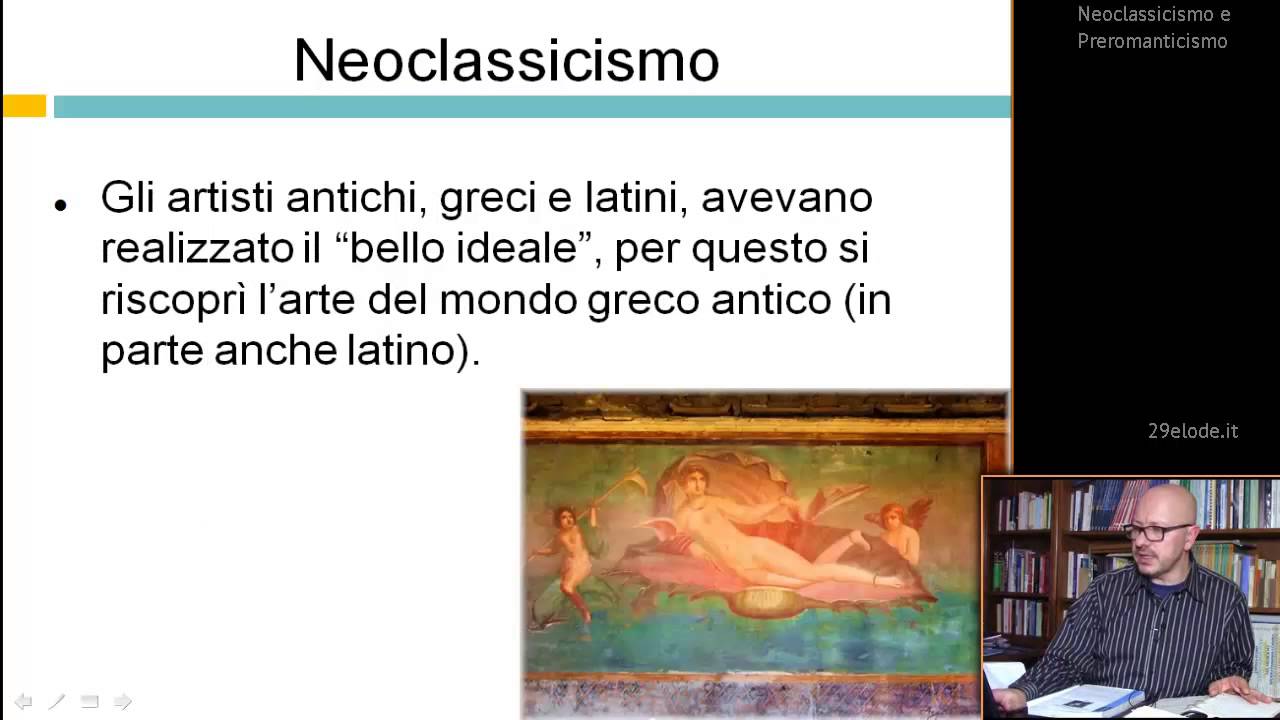
Familiarity with Neoclassicism, the dominant 18th-century literary movement that prioritized classical forms, restraint, and societal rules over individual emotion.
A foundational grasp of basic literary analysis terms such as imagery, metaphor, and theme.
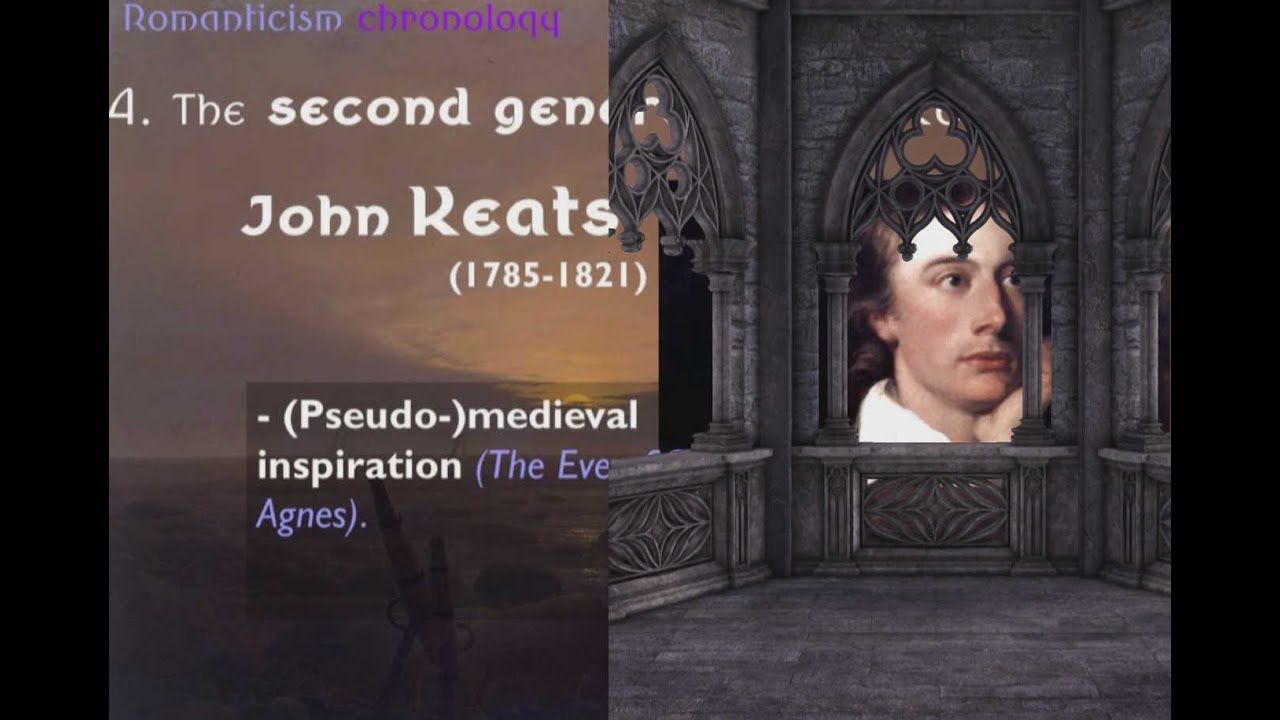
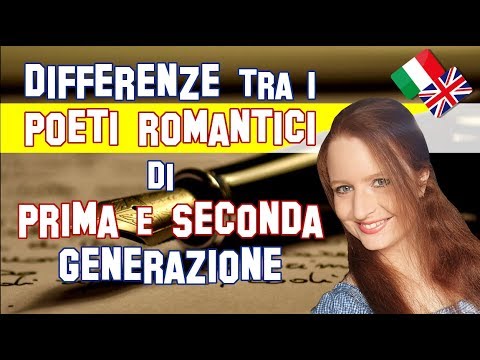
An in-depth comparative study of First-Generation Romantics (e.g., William Wordsworth and Samuel Taylor Coleridge) versus Second-Generation Romantics (e.g., Lord Byron, Percy Bysshe Shelley, and John Keats).
An exploration of the philosophical concept of 'the Sublime' and how Romantic writers depicted the awe-inspiring, terrifying power of untamed nature.
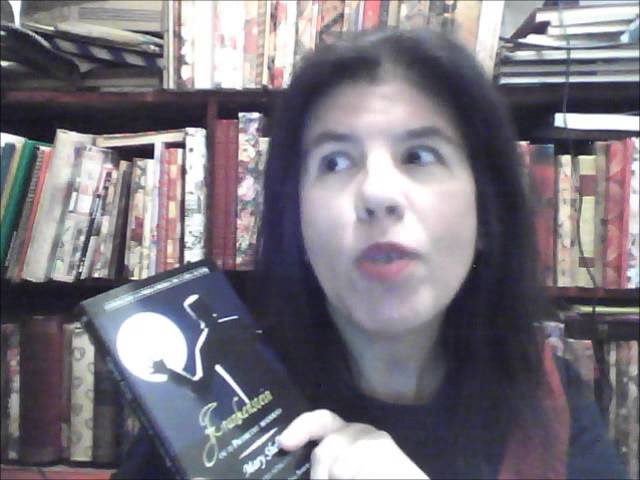
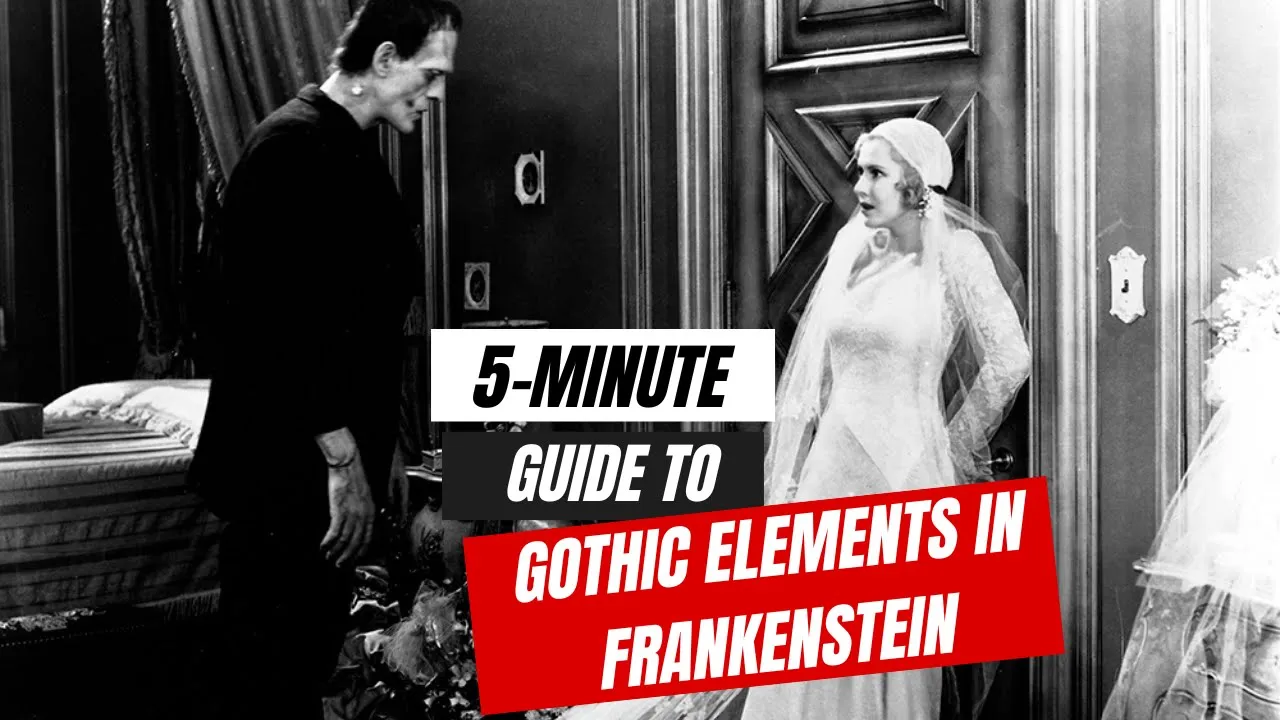
Analyzing the evolution of Romanticism into Gothic Literature, focusing on how emotion and the supernatural manifest in works like Mary Shelley's 'Frankenstein'.
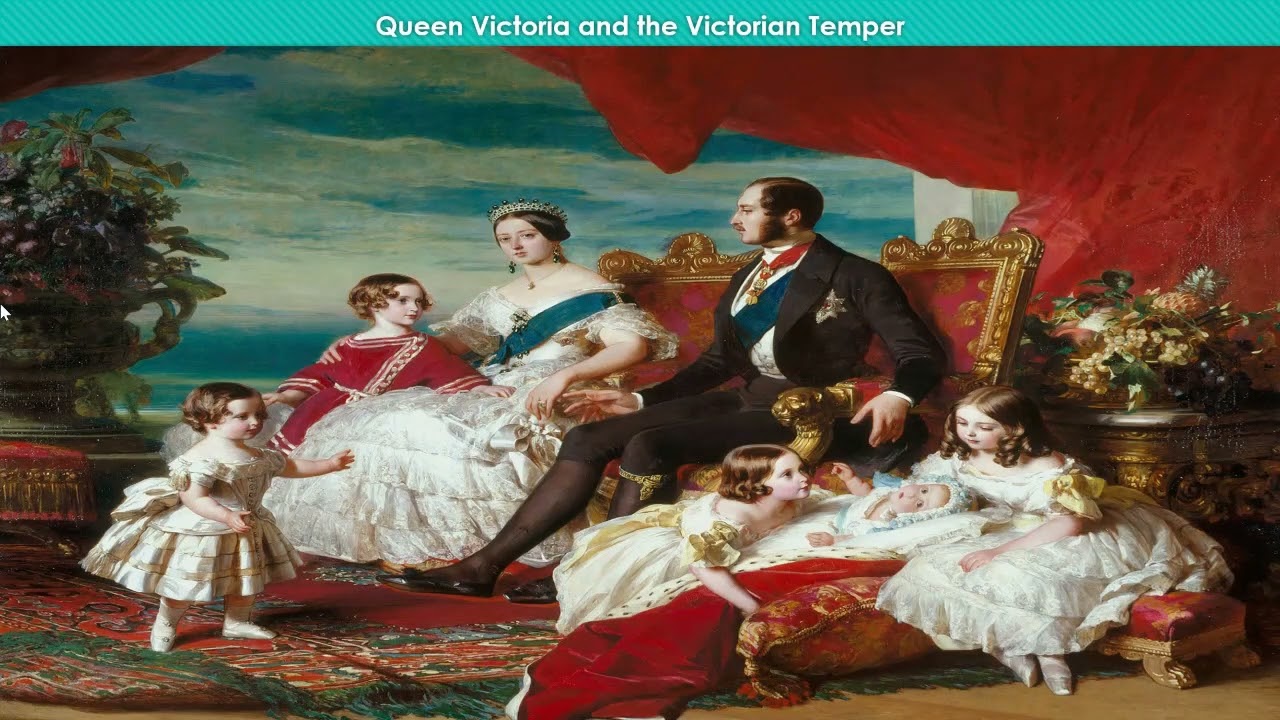
A study of the transition into Victorian Literature to observe how writers adapted or rejected Romantic ideals in the face of mature industrialization and scientific progress.
Tracing the global influence of English Romanticism on American Transcendentalism, looking at the works of Ralph Waldo Emerson and Henry David Thoreau.
148.2K views2Klikes6:53Original Release: 2014-09-27
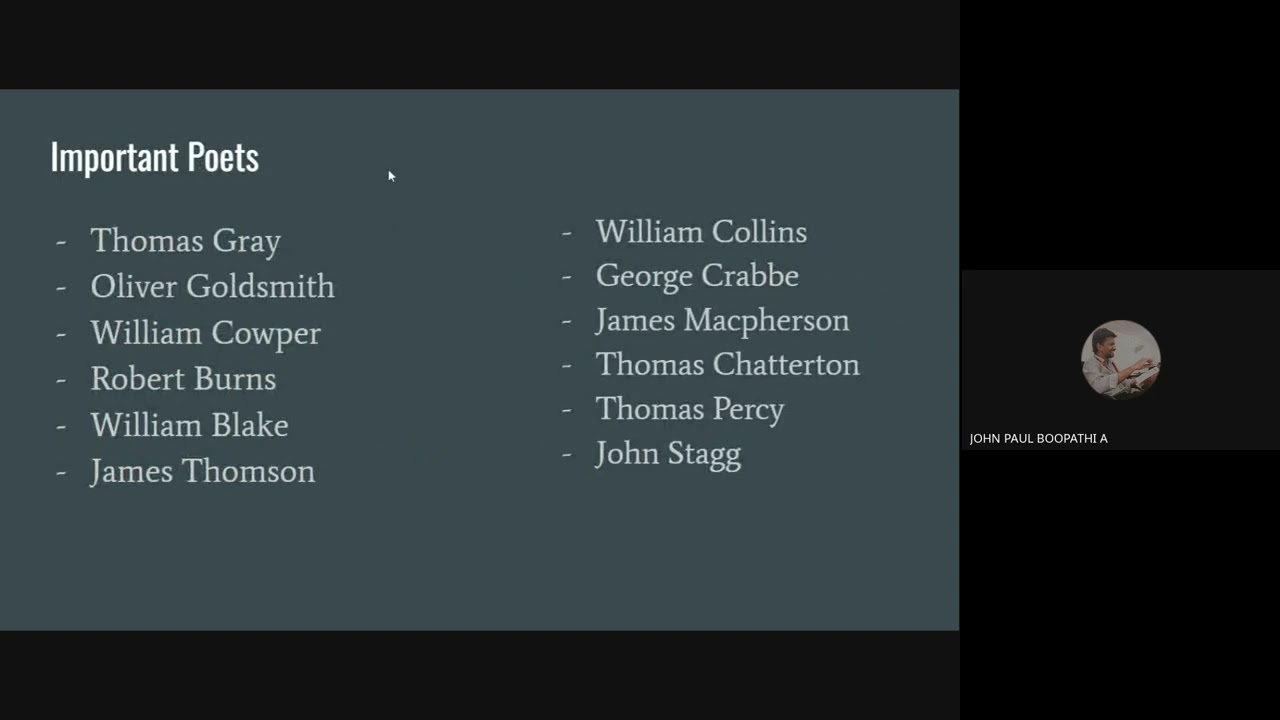
[Music] hello I'm Dr Aisha M Rashid from aligar Muslim University it's the Department of English today I would talk about Romanticism in English literature I'll first talk about the Romantic Era the Romantic Era span approximately from 1780 to 1815 its important writers were Blake woodsworth kidge Shelly Byron keiths lamb Etc then I'll talk about what inspired the Romantic Revival or romantic revolution in literature architecture in various forms of art the background of Romanticism is that it was inspired by the French Revolution which happened in 1788 89 romantic imagination was ignited by the watchwords of the French Revolution Liberty equality and fraternity so we see a democratic Spirit entering human mind uh since due to the Romantic Revolution romantic ideas were in reaction to the Industrial Revolution The Romantics felt that Industrial Revolution reified human beings um undermined human emotions and intuition so they wanted to bring to the Forefront human emotions and intuitions it was also a reaction definitely um it's very obvious that it was a reaction to the Age of Enlightenment and its emphasis on reason being the root of all Sciences uh now i' would like to talk about some Salient romantic traits as I have said earlier that the romantic attached a lot of importance to emotions and feelings they thought that emotions and feelings could be epistemological basis for all human Sciences human and all human Endeavors their thoughts human thoughts and actions Wordsworth uh defined poetry as spontaneous overflow of powerful feelings recollected in Tranquility The Romantics also laid emphasis on imagination imagination leading to original creativity especially it was theorized by kidge the romantics in their attempt to uh have originality u in their works and in their belief that originality should be the basis for all works of art uh based on imagination um revive medievalism and they went beyond rational and classicist ideals in doing so a very important feature of the romantics Romanticism is that they had immense love for nature it was in reaction to the industrial revolution of course that they wanted human beings to come back to the lap of Nature and try uh try to take solay uh guidance from nature since they believed in therapeutic value of nature especially worth worth did this with a lot of um enthusiasm in his poetry you can we can observe in Wordsworth passion for nature um uh in various forms he is sometimes um all struck by Nature you uh we find that he has Terror and passion and inspiration drawing from nature nature becomes in the romantics uh the basis for all human thoughts and actions as I've already mentioned since they believed in originality and not in Conformity so we find lyricism and subjectivity as a very important feature of all the Romantic literature they have love for Simplicity also so we see that there is there has been an attempt to bring folk literature to the Forefront to into the mainstream literature uh um especially it was done by Wordsworth and when he talks about poetic diction in his preface to lyrical ballads he talks about simple diction being of uh the best form the best vocabulary suitable for poetic writing Romantics also try to exoticize The Familiar what wordsword tried to do he tried to bring the attention of the people to what had become familiar to them and since things around them natural phenomena around uh human beings become U familiar too familiar so much so that people stop noticing their beauty words were try to uh draw attention of his readers to the beauty that was to be found in the familiar objects around them on the other hand kidge tried to familiarize something exotic he created exotic world out of out from his imagination and tried to make it familiar as if uh the readers have seen them and really lived them Romantics had love for beauty and they tried to find beauty in strange things this is something um different about the romantics that they wanted to they tried to find beauty in strange things beauty for them was not just uh something that is for any lay man now these are the basic features of the romantics which I have tried to summarized here here is some further reading suggestion thanks for watching
Up Next
8:36
Wordsworth's 'Tintern Abbey': Analysis of Nature & Pantheism
@vmouonline
89.2K views•2014-09-29

13:43
Formalism in Literary Criticism: An Academic Lecture Overview
@mattalberhasky9952
39.1K views•2015-08-05

6:08
Point of View in Fiction: First Person vs. Third Person
@magicalthriftyteacher
153.8K views•2014-03-31

15:25
1984: Orwell's Dystopian World and the Mechanisms of Totalitarianism
@AlternateHistoryHub
7M views•2017-03-04
Related Study Plans & Knowledge Roadmaps
Structured learning paths in Literature
literature
Graphic Memoirs: Visual Art, Trauma & History
01Foundations of Sequential Art and Visual Language
02Autographics and Processing Historical Trauma
03Visualizing Personal Trauma, Grief, and Graphic Medicine
+ 2 more learning modules
14h5 modules
Explore Roadmap
literature
Campus Novels: Evolution, Themes & Critique
01Introduction to the Campus Novel Genre
02Mid-Century Satire and the Post-War Academy
03Dark Academia and the Critique of Privilege
+ 2 more learning modules
14h5 modules
Explore Roadmap
literature
Theater of the Absurd: Philosophy & Plays
01Postwar Existentialism & Historical Roots
02Dismantling Narrative: Esslin & Absurdist Conventions
03Samuel Beckett and Tragicomic Existentialism
+ 2 more learning modules
12h5 modules
Explore Roadmap
literature
Revenge Tragedy: Justice, Madness & State
01Foundations of Early Modern English Theatre
02Anatomy of Revenge: Structural Conventions
03Psychological Complexity: Madness and Melancholy
+ 2 more learning modules
15h5 modules
Explore Roadmap