






![[LIB] Inspire-se - Libras III](https://i.ytimg.com/vi/bRTa214nSvM/maxresdefault.jpg)
![AULA [AO VIVO] PARÂMETROS, LINGUÍSTICA E GRAMÁTICA! - FELIPE SABARÁ](https://i.ytimg.com/vi/Kd7aw5cXUlM/sddefault.jpg?sqp=-oaymwEmCIAFEOAD8quKqQMa8AEB-AHUBoAC3gOKAgwIABABGGUgZShlMA8=&rs=AOn4CLCD9Hfl9goN-s00w9XHimnhhWtaMw)
![[AO VIVO] BANCA DO CAS MG: COMO SE PREPARAR? DICAS E DETALHES - FELIPE SABARÁ](https://i.ytimg.com/vi/Qow5gBDjIp4/hqdefault.jpg?v=59bf18e0)


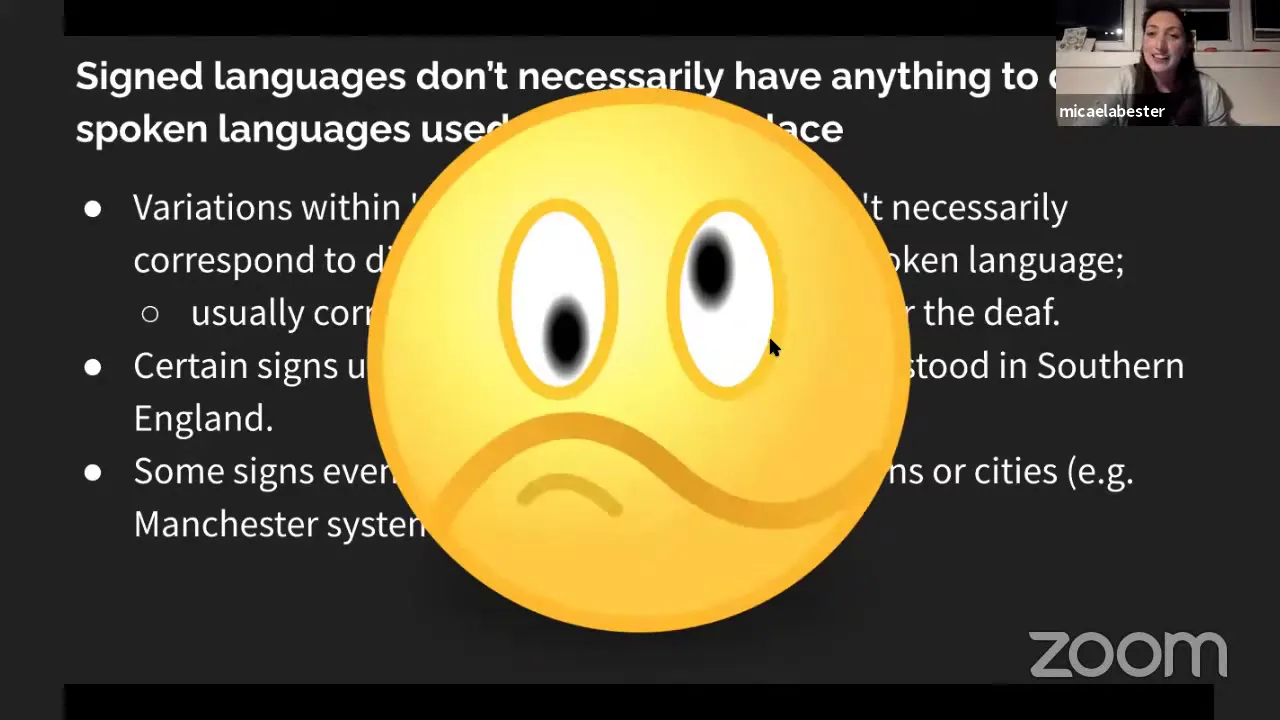


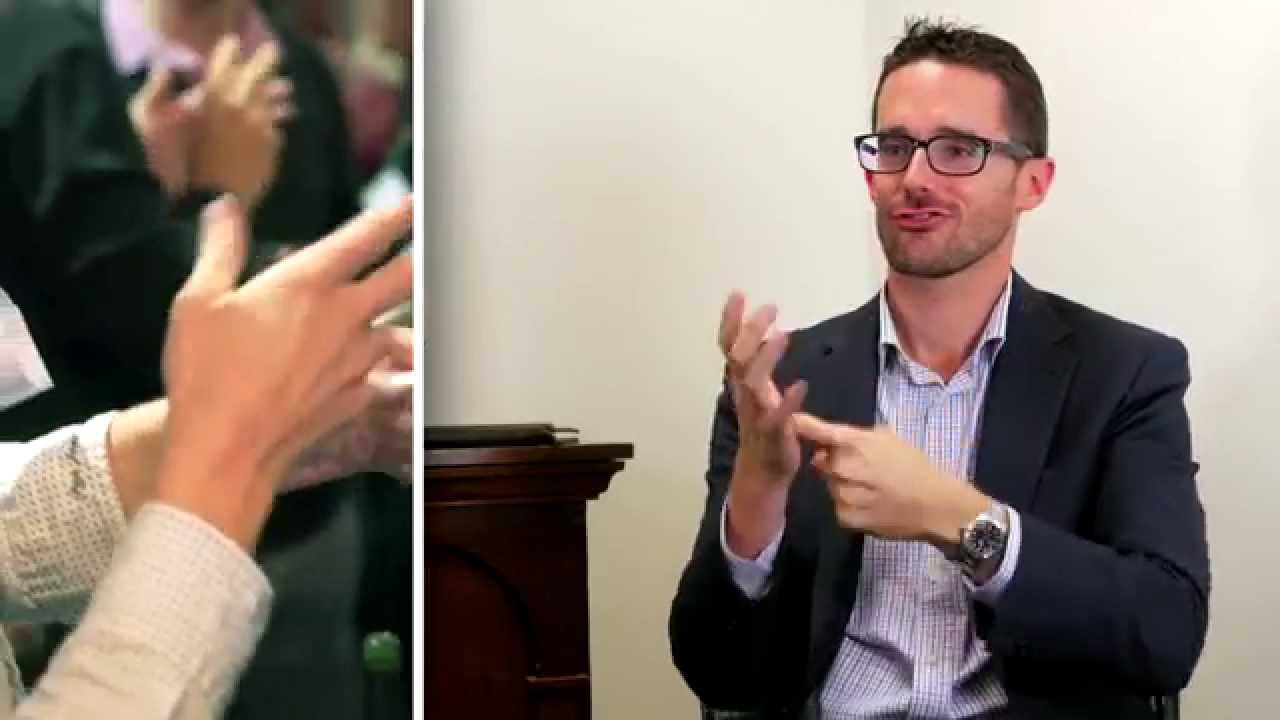


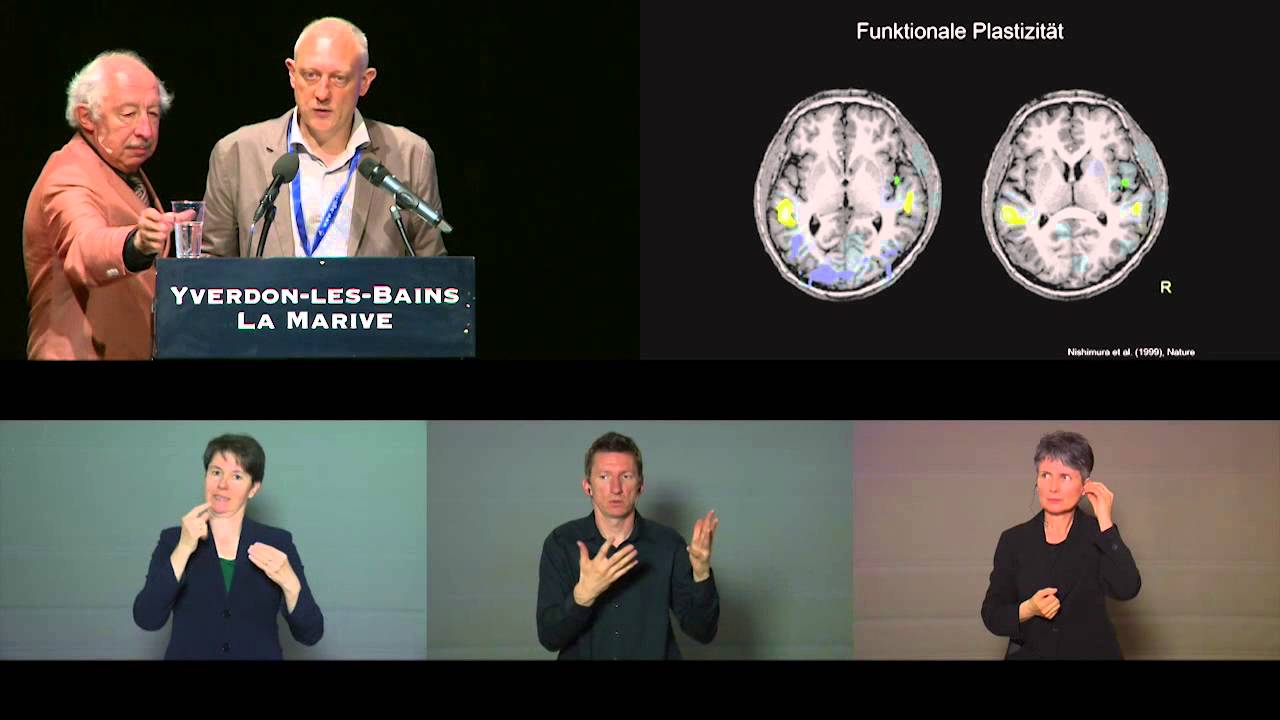


Signed languages are complete, natural languages with their own grammar, phonology, and vocabulary, not merely gestures or pictures; they are produced through the hands, head, and body and perceived through the eyes, with approximately 200 sign languages worldwide that have developed naturally within deaf communities and vary significantly across cultures, with key linguistic features including simultaneity, use of space, and iconicity.
Introduction to Signed Languages: Myths, Structure & History
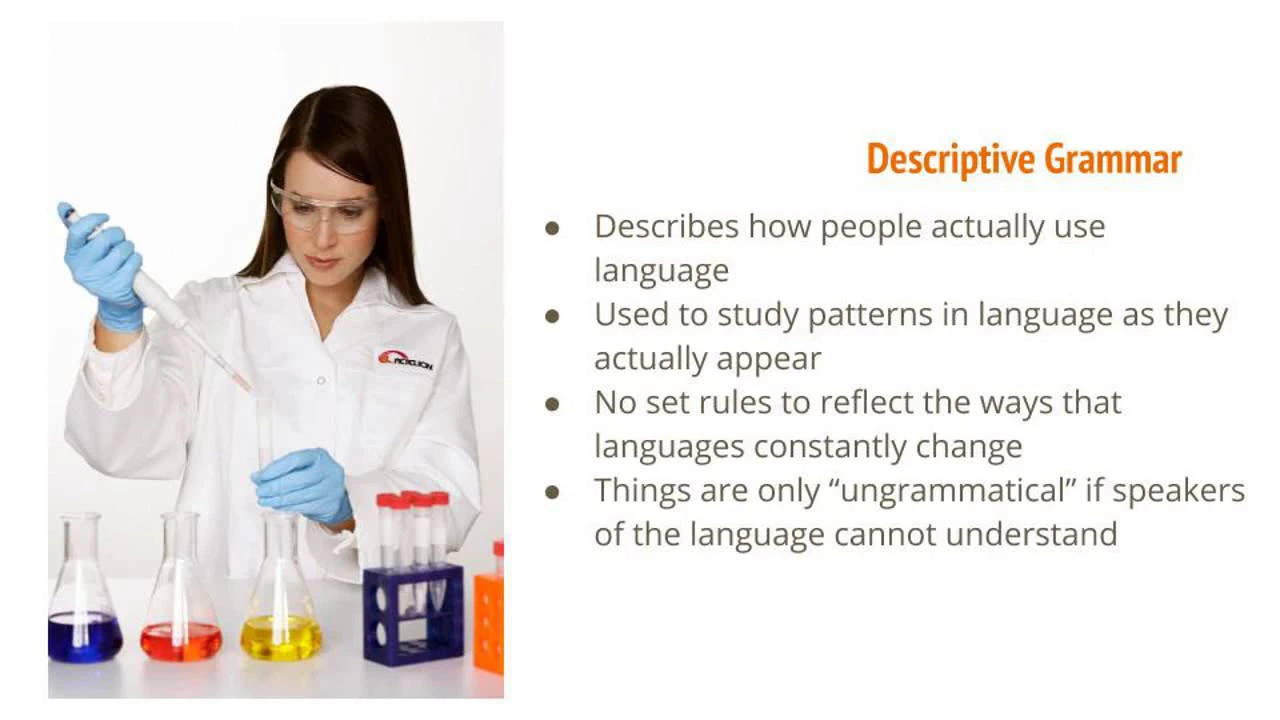
Added:Basic linguistic concepts, such as the difference between prescriptive grammar and descriptive linguistics.
The distinction between pantomime or general gestures and a fully-fledged, rule-governed linguistic system.
A general awareness of how spoken languages are organized structurally (phonology, morphology, and syntax).
An introductory understanding of Deaf culture and the distinction between the medical and social models of deafness.
Detailed study of sign language phonology, analyzing the parameters of a sign (handshape, location, movement, orientation, and non-manual markers).
Sociolinguistics of Deaf communities, including regional variations, historical shifts in signing, and the evolution of tactile signing.
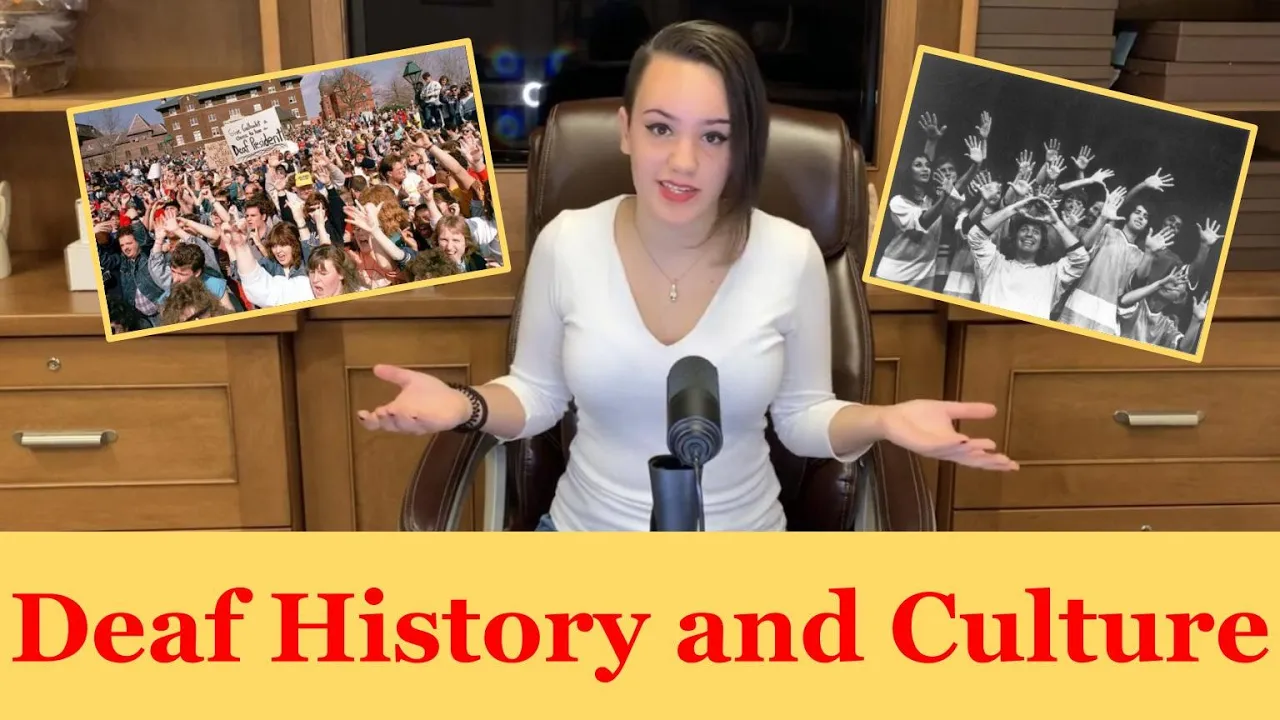
The historical struggle of Deaf education, focusing on the impact of the 1880 Milan Conference and the rise of the 'Deaf President Now' movement.
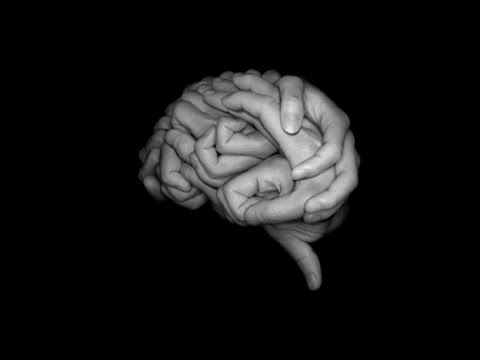
Neurolinguistic research on how the brain processes visual-spatial languages in comparison to spoken languages.
2K views12likes52:26Original Release: 2020-02-21
[Music] hello everyone thank you for attending my presentation today I'm really glad so many people are interested in sign languages I just wanted to ask you who here has learned that sound language before which ones ASL ASL so French sign language as well get back sign language no that's good anyone else that's good who here has doesn't know anything about sign languages okay that's good that's what this presentation is for so good so today I'll start with the introduction and then I'll present ten myths and misconceptions about sign languages and then I thought of 15 reasons to learn sign language it's these reasons are not completely serious it's a bit funny but still good reasons in my opinion and then now and with a few minutes for questions so to introduce the topic for today there's a lot of people so this presentation is not a sign language workshop so sorry to disappoint those who thought it was a workshop just wanted to add something about terminology for sign languages these are different ways to talk about sign languages so you can say sign language you can say signed language if you want to insist on the visual modality you can refer to any sign language by its name and in something which is not in English but there's a difference between language as cognitive thing and a specific form of communication used by a community like French use language and long so it's very important to say in French longest thing in that long - this thing because it's a real linguistic language so who uses sign languages sign language is the sign languages are the natural language of deaf communities so you might have noticed there's a capital Z I underlined it just to be sure everyone notices so deaf where the capital D is the cultural way to refer to deaf people so it's these are people who use sign language who identify with being deaf and for deafness is not disability but just an identity death with a lowercase D is the medical point of view so it's someone who can't hear someone who can hear to some extent is usually called hard-of-hearing and such people usually speak some people use the word hearing-impaired but some other people view it kind of negatively so it's better not to use it but it's still a very common word and words not to use our deaf mute and deaf and dumb those do not ever say them they're very outdated and I just wanted to add something so I told you about deaf and hard-of-hearing people and I have something to tell you you are hearing you might not have thought of it before in your life but you are hearing that's the word that is used to refer to people who are not deaf okay so onto myths and misconceptions one common misconception is that time languages are not languages but there are gestures or something.but so sign languages are real languages so what is a language yeah if you have any background in linguistics you probably have thought about it before I have learned about it I'm not going to dive into any kind of detail into it but William Stokoe did some work on American Sign Language back in the 60s and that was really the founding foundation for some sign language linguistics today like sign languages they most of rockets design features not the sound feature but all the other ones and this is a continuum between Jessica lations of just gestures while someone's speaking all the way to sign language so thanks to the left our last linguistics and thinks the right arm or linguistics linguistic so if you're not familiar with the word emblems it's basically converted nice gestures like the thumbs up sign that are used by the community and it's very very limited set of gestures so fine languages are in the visual gestural modality so that causes three main features simultaneous use of space and iconicity so this word so this is the use of different things at the same time it's reflected in different ways in sign languages so in phonology which is for spoken languages the study of sounds and how they work in words and things like that in sign languages there are no sounds I hope I'm not teaching you something new here but there is phonology and it happens all at the same time I'm going to expand on its a bit later it's the same thing in morphology you can have a lot of morphemes in one sign so for example I've heard of a sign in Japanese sign language which is this and this means have you told her so in English or spoken languages you have a lot of words to express the same thing that is expressed in one sign classifiers is an interesting part of sign languages it is hand shapes that have some meaning so for example in American Sign Language ASL this is a person or can be this sometimes as well this is a vehicle like a car or truck or bicycle or anything so these are a hand shapes that are used to refer to specific semantic categories and they can be used to make new signs as well so the word for the sign for jump is this so it's a person for germs so it's used productively in that way another consequence of simultaneity is non-manual so it's everything that is not produced on the hands I'm going to expand on that a bit later as well and something that is very unique to sign languages and not found in spoken languages is the use of two hands to article leaders that you only have one mouth and you can't like speak with only one side of your mouth that doesn't work very well but in sign language you have two hands sometimes you use two hands to produce a sign but sometimes you use one hand people usually have a double ten for me it's my right hint for some people is their left hand it doesn't really matter you just have to avoid switching in the middle of a sentence because that confuses people so in some languages space is used in two main ways there's a topographic space which is the space the spatial it's a use of space as it is in reality so you picture a scene in your mind and you act like things or in front of you in the way they are in reality so for example you might have a house you set it here then you have someone who is here and that is supposed to look like something you have in your mind another use of spaces for syntax so you set up people in the space in front of you and that kind of acts like pronouns so for example you have a girl can put it in your the space to your left and the boy and you put him on the space to your left and then you can use verbs to to indicate who does what so you can say the girl gives to the boy the girl give the boy gives to the girl I give to the boy I give to the girl the girl gives to me and so on so it can be used in that way as well another myth sign languages are just pictures on the hill but that is wrong science are more than just pictures on the him so the third consequence of the visual modality I told you about before is iconicity so basically it's the relation between a sign and its meaning and it is something that is easier to use in the visual modality as opposed to the auditory modality there are some languages that have more words that come from sounds I've heard Japanese is a bit like that but in sign languages it's more prevalent it helps somewhat with the equation of science but most people when they see a sign might have some idea of what it means but not always and usually it's after you've been told the meaning of the sign that you're like oh yeah I knew that and iconicity can change with time some etymology can be lost and then the sign doesn't have any left over relation to its meaning and different languages make different choices for example a bicycle has handlebars has wheels has pedals and different languages use different features to shoot the same I'm going to tell you about sign language phonology so signs are made of four main parts the handshape movement location and palm orientation so let me give you an example the it's time for let's say the sign for a chair okay so it's like this you have two hand shapes for both hands movement is some contact double contact location one hand is on top of the other and the orientation is that the palms are oriented to the bottom most signs are produced in the neutral space in front of you it's easier for you to produce usually but sometimes there are minimal pairs and you have different meanings according to where you put the sign another question and can you just wait wait for the microphone I'm gonna need to use my hands for this though do you see where I'm getting out here okay so two so to answer your question you're asking about location like where to put your sign yeah she mentions to you place it's in sort of the neutral zone in front of you when you're telling a story but depending on how many characters you have in your story you may want to relocate it maybe that person is sitting on this chair maybe that that other person is sitting on this chair and the number of times that you make that gesture or that sign can sometimes indicate a noun or a verb so for example this is a chair so I'm tapping my my two fingers together multiple times that's a chair but if I do it one time it's like an action sit yeah that person is sitting down with that person here sitting down so yeah I wanted to sort of clarify that yeah that's a very good answer and verbs can also be in fact inflected for aspect but yeah that's a very good answer so one here is sign language is universal and sorry to tell you but it is not there are many different sign languages in the world there's no exact number but to be sure we don't overestimate them there are over 135 sign languages probably a couple hundred they're organized in sign language families sometimes they they have more overlap than spoken language families do but you can see families for example French sign language and SS is a language that has a lot of different languages that were derived from it sighing languages like all languages are a product of culture so it makes sense that different cultures have different languages do you think it would be possible for people all around the world to spontaneously have the same language it could be possible but the odds are quite slim so people just devil different languages there are some dialects in sign languages because of the different factors for example geography in the sign language used in the Netherlands for example their dialect used in the north the west and I believe the South parts of the country that are different history as well schools for the Deaf used to be like most schools in some part of the world either like boys and girls were taught in different school and in the United States for example white people and black people were taught in different schools so that's reflected in some sign languages Irish sign language I've heard has a rare form that is very different between men and women so that's interesting like the vocabulary is very different and education as well because science used in schools are usually not the surest form of sign language but it's modified for academic purposes I believe there was a question there microphone 3 so is the definition of dialect I mean certain percentage non inter comprehensive Oller how do you define dialect as opposed to language yeah it's basically the same debate does in spoken languages there's nerve no boundary between what is a language and what is a dialect and it's the same with sign languages another question from man and an Irish woman communicate if they're speaking sign language if they have totally different or maybe not totally but somewhat different vocabulary or structure I've heard it's a rare variants so most most deaf people in Ireland can understand each other I believe there are different languages in Ireland and Northern Ireland but so what I'm understanding in is if I'm in it and it in their school where the males are learning differently than the females is this active now or was this in the day it was back or in the day back then yes okay thank you there's another question um I was wondering if you could just briefly explain like how similar some of these comments on languages are like would it yes so and ASL and maybe like in FSL be able to kind of understand each other using their sign languages so my own experience is that since I used Quebec sign language in some American Sign Language I can understand some French sign language and they're pretty similar in some ways French sign language is a bit more different than the other ones character language in the American sign language but you can understand quite a bit now if you listen you watch something in like Japanese sign language it's different I'm just going to take one last question before I move on because this is our tenth go ahead no questions okay perfect so um some languages are different in all the different parts of language so in the lexicon and phonology fun tactics as well for example in some sign languages the spreading of the fingers doesn't make any difference but in the American Sign Language in the American sign language is the difference between jail and proof so that that can be important in some languages morphology can be quite different so I mentioned that this is a person in American Sign Language but in some Asian sign languages this is a man and this is a woman so they show the difference between men and women and syntax can also be different in the military area some hearing about most hearings because I've been told can use the backward health head tilt to indicate negation negative meaning to the sentence to what they're talking about and it's reflected in some sign languages like Greek sign language and Turkish sign language but surprise surprisingly not in other languages like Italian or Israeli sign languages even though the community uses those gestures I wanted to mention the international sign which is not a language but it's a contact system that is used scientists from different countries who use different sign languages sign languages when you compare them you find different categories of features in sign language there is some pantomime so acting out something that you're talking about there are some common grammatical devices that are shared across sign languages and that helps with understanding another language but words are usually more distinct between languages so moving on to the fourth myth sign languages were invented by hearing people they were not sign languages developed naturally and I'm going to tell you about some interesting cases of language development so for deaf children who grow up in hearing families with no access to sign language and with very limited access to spoken language they develop some signs for things objects people actions and they combine them in some ways so it's not quite a language but the beginning stages of language you might have heard of Nicaraguan sign language who has heard of it yeah so it's a case of a new language being born so basically the setting was that at center for the Deaf there was more and more students and they each came with their own home science system that they used in their community and it's merged and with each generation it was refine and find until language was born and they had no exposure to other sign languages village sign languages they're also called shared sign languages and rural sign languages so their languages used in places where there's a high incidence of deafness and both deaf and hearing people sign to varying degrees and these languages usually are missing some grammatical features that are found in other sign languages like some classifiers non-manual features the features that are not on the heads and syntactic differences so the first example is tactile sign languages which is used by deafblind people who because they are blind or you know visually impaired enough cannot access visual cues that are in sign language so the sign language is perceived through the hands someone will put their hand in on top of the final tend to perceive movement and the location in the handshape of course the person cannot access the non manual features the features that are not on the hands so the language is modified to give access to these features with their hands and in the Seattle area there's a large deafblind community and they develop protocol which is more conventionalized tactile sign language and word view of touched being the primary to access the world okay so five some people might think and this can be adjusted to every sign language in the world so ASL is English on their hands and French and an excuse French on the hints but actually there are independent languages I'm having trouble with my slides so there are languages that arose independently there are different modalities so they're not the same but they're they have assisting language contact because sign language users deaf people are a minority in the larger majority so the community uses language like French or English and the deaf people are kind of part of that community but in distinct sub community and there are usually schools with the language of that majority so there's always some kind of language contact between them and some signing systems where either spontaneously created or artificially created to kind of merge both sets of languages but it is possible to borrow from a spoken language into a sign language the main ways of doing it are mouthing so doing a sign and moving the lips as if you were speaking fingerspelling so sign languages have a way to spell each letter of the spoken language even Chinese has an equivalent opinion for sign language initialization which is using the first letter of the English word in the sign so for example the sign for family sorry the word family starts with an F so the sign for family has the f handshape in it for Chinese characters it's pretty interesting so they use not for all the characters because some of them are really complex and this is not a very efficient solution but for simple characters like this this character would be signed like this so you can see the resemblance between the sign and the character this one in Chinese sign language Taiwanese sign language is signed like this but in the Japanese sign language it's drawn in the air like this so there are different ways to do it in different languages so six this is interesting sign language just could not be written so there are not real languages this is wrong I bought a book every day a few days ago on the topic I found this in a library like normal one that was like so happy about it you language nerds might understand that can be written and they are in some ways so is sign language in the unwritten language it's not unheard of some languages in the world a lot of them have no written version oral cultures oral traditions are cultures where knowledge is passed orally throughout speaking or signing in the case of sign languages so sign languages fall in that category you might know that a language that is not written is still a language it's not the requirement for being in language and notation in the verses script I couldn't find exact definitions for them but from what I understand a script is a way of writing a language in a general way but a notation is more specific to some some settings so common ways of writing science are glosses which is using a word in the spoken language of the majority to to write down the sign so chair would be written in all caps chair and this is interesting it's done in linguistics but for daily use this writing system it's not very very doable pictures drawing in videos are quite common ways of detecting science and they work pretty well this is the write the drawing for ASL so ASL this is just the fingerspelling so you might see shirts or different things with these drawings in the lounge room there are some posters in British sign language they say and I don't want spoiler but they say Keep Calm and sign BSL so you want to check it that out you can do it later but this is not writing sign language it's just taking like English and fingerspelling it in sign language but there are ways to write sign languages the first person who did this was August bbl in 1825 he's most widely known for setting up public education in Guadeloupe but he did work with deaf people and invented a way of writing sign languages which so if you want to look at it later you could do that William Stokoe when he investigated American Sign Language created a notation system to ride the signs and that's how he could show that science have linguistic principles and minimal pairs and alike and his writing system is also in that book sudden sign writing is the strips I like the best so it's in this book as well and you might have noticed some weird drawings on my title page for this presentation that was sign writing many more exists there is a lot of them I can't talk about them all but it's possible to write sign languages and people around the world or doing it so seven sign languages only use your hands this is wrong as I mentioned if you've been listening sign languages use your whole body to communicate so non-manual markers involve the body the head facial expressions different lip movements called mouth morphemes and the eyes so looking somewhere can refer to do something you've set up in this pace before like I said girl and boy if I look at where I said the sign for boy it means I refer to boy so it can be a bit subtle sometimes I'd links can be used to separate clauses as well so what are non-manual markers for they have two functions information since sign languages do not use sound you do not have the same kind of prose anywhere your voice count changes pitch and things like that but you use your body and your face to reflect what you mean and it's also used in grammar for example with questions with topical ization for those who have studied japanese you probably know what this is so it's basically putting one part of the sentence and putting in faces on it and talking about it with the rest of the sentence then it's also used for a negation and in this course as well when you have dialogues you shift your body to indicate different speakers if someone is talking to a child you shift your body and you look down as if the child is in front of you and if the other person is taller than you look up and you do this with the role shifting so mother and son para could be like one what one looks up and the other looks down and you do this to show the dialogue so our sign language is easy to learn there are not as easy to learn of course the fact that science looked like what they mean a lot of the time can be can make learning science easier but then you forget about the morphology and syntax and that's also something you have to consider anything can be signed you can sign University classes there's in the United States University that teaches in sign language it's called aquellos day and so classes are in sign language you can create poetry you can make word plays and humor and basically anything any language can do and to understand it fully you have to know the language pretty well sign languages are in a different modality than spoken languages are so you have to learn not only a new language but a new modality you have to learn how to use your hands and face and body in the linguistic way so this is different and needs time to get used to but gorillas have learned sign language right you might have heard of that it's not true some cite some gorillas have been taught science sign language but the results weren't that great they could learn some signs they could use combinations of science but they couldn't make their own combinations most of the time and they only could combine two things so they didn't learn the sign language then sign language prevents the deaf child from learning to speak is a common myth that is heard all over it's been debunked by a lot of studies but doctors to this day still advise parents not to use sign language with it with their children so if you could spread the word the word that would be great so yeah they're actually learned in similar ways there there have been countless developmental studies that showed that signing babies and hearing and speaking babies have similar timing milestones when acquiring language from babbling onwards acquisition of grammar and phonology and everything they show developmental error errors that are like what hearing babies do and so babies can be bilingual and by model and the same principles apply as they do in spoken languages okay the last myth I know we're running a bit late here but fines are not present processed in the right hemisphere of the brain like a lot of people think it's processed in a similar way to spoken languages so language is presents processed in the left hemisphere and visuals visual spatial skills are processed in the right hemisphere so people thought since sign language is visual it must be processed in the right hemisphere which could make sense but no it's really linguistic and processed in the left hemisphere and people can acquire deficits in sign language just like they do in spoken language if they have brain injuries strokes or different types of disorders it shows in the signs as it doesn't spoken languages so now I'm moving on to 15 reasons to learn the sign language there are actually 15 on my slide I realized a few days ago that I forgot one but now it's complete so with sign language you can communicate across a room without shouting I do not like to shout across room so signing is great for that you can communicate through windows you can communicate underwater you're not limited to fine and up and down you can talk about the fish you see and everything you can communicate when speaking is uncomfortable when you're sick your throat hurts you can sign if you're in the hospital for whatever reason and you cannot speak you can sign you can communicate in noisy environments I believe a lot of you might have some experience with that if you're in a bar or a place where people are speaking loudly you cannot understand what the other person is saying and it's even worse in another language but you can practice my languages pretty easily that's great you can communicate when you need to be quiet in the library at the movies during the presentation or whatever isn't that great during this past year I worked in a School for the Deaf and I got used to signing world talk well eating and then I started eating with more people who didn't know sign language and I was like wait I need to finish my bite and then I will talk to you and it's very inconvenient you can communicate in secret if other people don't know sign language because not be sure but I have this reason disappears with time because I would like sign languages to be more widely known but for now it's a good reason to learn it you can practice your new language where you live because since deaf people are a minority in every place in the world you might find someone who uses a sign language where you live so you don't have to go to another country to learn it in case you lose your hearing or have a deaf child in your family in the future learning how to sign is great you you have this preparation that is already done you can describe scenes in detail I'm not at that level yet but there are videos on YouTube of people re-enacting movies movie scenes in sign language so you can do the zooming in and all the action in sign language is pretty cool you can follow what interpreters are saying or assigning saying you might have heard of the disaster that happened in South Africa years ago where the interpreter was not signing anything that made sense so you could follow what interpreters are if you are if you're a bit distracted and you miss what the person is saying you look at the interpreter since there is usually you delay and you can capture information you can improve your storytelling skills because you add a lot of visual cues to your storytelling and this is my favorite reason of all you discover an entirely new language an entirely new culture that if you've only learned spoken languages before this is a very good reason to discover a sign language so my presentation is over and now it's time for a question yo yes you can always ask me questions during the break or so I've heard that you can make players plays on words and puns in sign language and I wanted to know if you know of any an can show us one thank you for that [Applause] hi there thanks for the talk so I've got quite a few friends who listen to a lot of loud music and they work at meat factories so I'm worried if they blow out their ears and then lose a hand will they be able to still communicate and how many gestures would you say are like using two hands compared to one hand but people sign with one hand if you're holding something or visit doing something it's done a lot sometime if you break an arm it's been done before cool it's a bit harder to understand if you're not used to it but it's quite okay thank you one more question I just want to say I also I went to university for American Sign Language and I assigned multiple sign languages so if anyone's really curious later and you see me around feel free to ask me anything before my presentation truly ends I'm just going to teach you how to clap in sign language you probably know it a lot of people do at the back so for the people in front who can't see it it's like this you just chase your hands thank you [Applause] you
Up Next

10:13
Phonology of Sign Languages: Phonemes & Phonotactics
@rolandocoto
794 views•2020-09-28
34:16
How Language Shapes Reality: Oppression and Liberation
@Kathrin_yt
13.6K views•2025-01-30

8:59
Forensic Linguistics: How Language Solves Crimes | PBS
@pbsstoried
1M views•2024-01-25

21:32
Accent Expert Explains U.S. Regional Dialects | Part 1
@WIRED
9.3M views•2021-01-21
Related Study Plans & Knowledge Roadmaps
Structured learning paths in Linguistics
linguistics
Pragmatics: Speech Acts, Grice & Politeness
01Introduction to Pragmatics: Meaning in Context
02Grice’s Cooperative Principle & Implicature
03Speech Act Theory
+ 2 more learning modules
14h5 modules
Explore Roadmap
linguistics
Code-Switching: Syntax, Poplack & MLF Model
01Foundations of Bilingualism and Language Contact
02Sociolinguistic Motivations of Code-Switching
03Poplack's Grammatical Constraints
+ 2 more learning modules
15h5 modules
Explore Roadmap
linguistics
Writing Systems: Abjads, Alphabets & Logographs
01Foundations of Writing Systems
02Meaning and Syllables: Logographies & Syllabaries
03Segmental Scripts: Alphabets & Abjads
+ 2 more learning modules
8h5 modules
Explore Roadmap
linguistics
Language Documentation: Ethics, IPA & Metadata
01Foundations of Language Endangerment & Documentation
02Fieldwork Ethics & Community Collaboration
03Audio and Video Recording Standards
+ 3 more learning modules
16h6 modules
Explore Roadmap