![[Phonology] Phonemes, Allophones, and Minimal Pairs](https://i.ytimg.com/vi_webp/zGM8dSLCnyc/maxresdefault.webp)





![[AO VIVO] BANCA DO CAS MG: COMO SE PREPARAR? DICAS E DETALHES - FELIPE SABARÁ](https://i.ytimg.com/vi/Qow5gBDjIp4/hqdefault.jpg?v=59bf18e0)


![[AO VIVO] TERMOS DA LIBRAS QUE VOCÊ PRECISA CONHECER - FELIPE SABARÁ](https://i.ytimg.com/vi/EcC1_yvvstc/hqdefault.jpg)


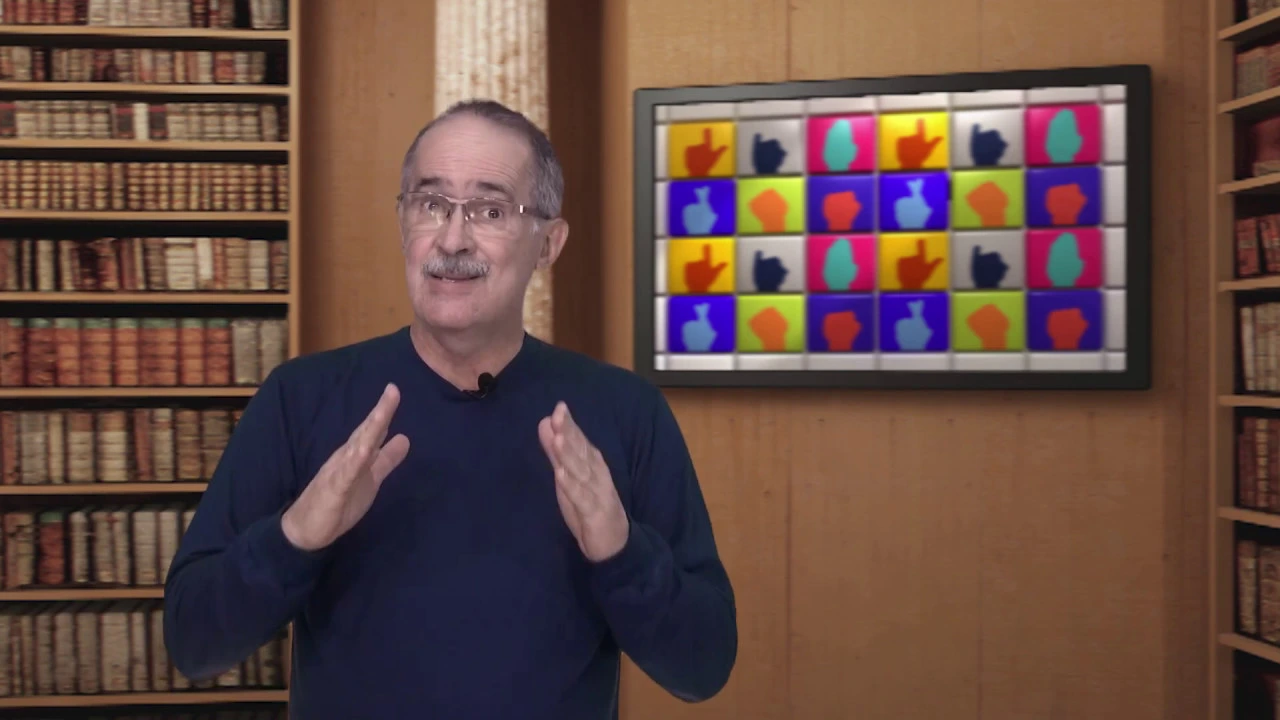




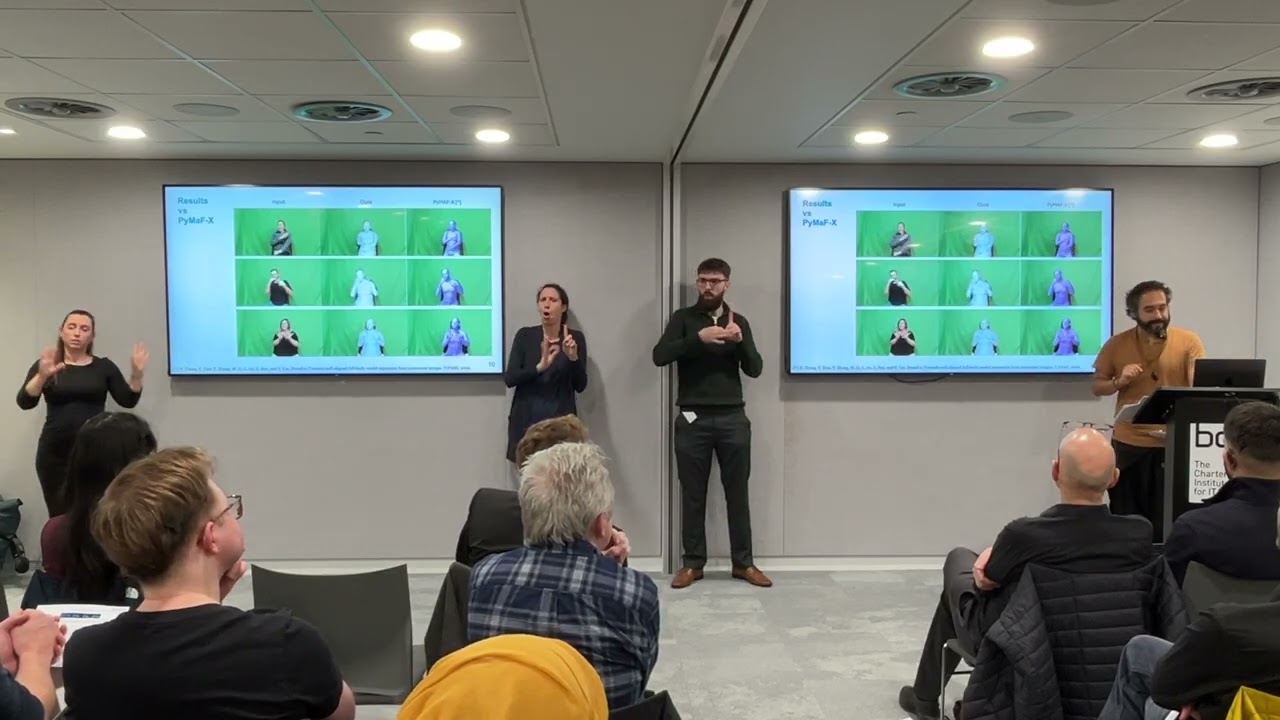




Sign languages possess phonological systems analogous to spoken languages, featuring phonemes (distinctive components like hand shape, location, and motion), minimal pairs (signs differing by only one component), phonotactics (rules governing permissible combinations), phonological rules (such as assimilation), and prosody (including non-manual features like eyebrow movements), demonstrating that sign languages are fully developed linguistic systems with structured sound-like components.
Phonology of Sign Languages: Phonemes & Phonotactics
Added:Basic concepts of spoken language phonology, including the definitions of phonemes, allophones, and minimal pairs as they apply to vocal languages.
An understanding of the foundational structure of sign languages, specifically that they are natural, rule-governed human languages rather than gestural codes for spoken languages.
Familiarity with the five basic articulatory parameters of sign language: handshape, location, movement, orientation, and non-manual signals (facial expressions/body posture).
An introductory comprehension of general phonological rules and processes, such as assimilation, reduction, and phonotactic constraints.
The study of sign language morphology, exploring how phonological parameters combine and change to form morphemes, handle compounding, and represent aspect.
Investigating sign language syntax, particularly how spatial layout, signing space, and non-manual markers are used to structure sentences and establish grammatical relations.
Neurolinguistic and psycholinguistic processing of sign language, looking at how the brain encodes, retrieves, and processes visual-spatial phonological units compared to auditory ones.
Applied sign language linguistics, including the development of computer vision technologies for sign language recognition, translation software, and digital avatar synthesis.
794 views9likes10:13Original Release: 2020-09-28
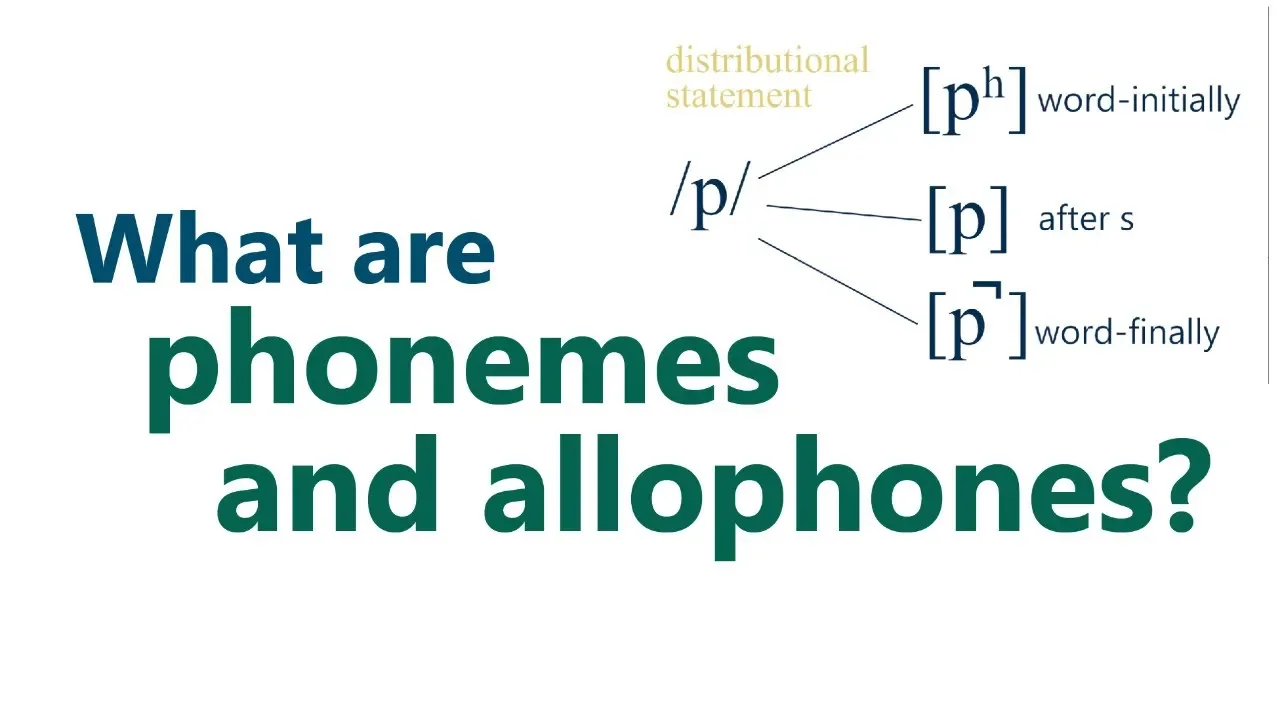
this week we have studied a number of concepts related to phonology we have studied phonemes for example which are sounds that you can use to distinguish one word from another we have study phonotactics which are combinations of sounds that cannot go together. we're going to see that all of these phenomena are also present in sign languages okay so the very first one the most basic one is minimal pairs. again minimal pairs are words where there's only one sound that's different between them like 'pat' and 'bat' sign languages are...work exactly the same way for example on the left here we have the british sign language word 'cruel' and on the right we have the BSL word for 'sweet' as you can see, the one...they both have the same hand shapes, one the index finger pointed they both have the same motions upwards and they have the same rotations where you end up seeing the knuckles however they end in different locations. their contacts are in different locations the first one has it on the throat the second one has it on the side of your mouth so there's two things here. first, these two words are minimal pairs because they are identical in everything hand shape, motion rotation. they're identical in everything except for that one detail, the location of their contact because that's the only difference between them, the location these two words are minimal pairs there's only one difference between them the location of contact and because these two words are minimal pairs, we also know that those two locations are phonemes because they are the thing that's helping us distinguish between the meaning 'cruel' and the meaning 'sweet' so sign languages have minimal pairs where the signs differ in only one of their components and that component would be a phoneme as we saw last week, there are several ways that we can describe a word in a sign language and all of these are essentially going to be their phonemes and same as we had consonants and vowels which are different type of types of phonemes in spoken languages we're going to have different types of phonemes in sign languages for example hand shape, direction of your hand relationship between the two hands, the motions of your hands their location and any non-manual features with your lips or your eyebrows. so these are going to be the phonemes that make up a word in a sign language and each of those phonemes is going to have phonological features like we saw in spoken languages. so let's focus on hand shape which is just one type of phoneme so as you can see here we can use several features to describe hand shapes. for example, the feature of selected fingers which are which of the fingers are active in the sign you have just the index, these two these four, et cetera. there's um so there's a feature that tells you which are the fingers that are engaged in the sign. there's a feature of flexing which tells you what the fingers are doing they might be extended, curved, flattened hooked, and there's several other positions. there's other values that this feature can take. we also have the feature of spread whether your fingers are spread or not during the sign. we have the feature of aperture which describes the relationship with your thumb for example, a sign that's open or closed so as you can see these are...these will be features of a phoneme if a sign language has these two phonemes as possible hand shapes then this handshape could be described as with these four features having four selected fingers, with extended flexion with no spread and with aperture relative to the thumb because it's not closed. this phoneme, the one...the first one is different from the second one because there's one feature that changed the first phoneme had four extended fingers and the second one has one extended finger, but all of the other values for the other features remain the same again notice how this is akin to phonemes being voiced and voiceless to a [z] versus an [s] where if you change one feature, you change the phoneme the same in a sign language phonemes in sign languages have allophones. they have variations that depend on context. so for example take a look at the diagram on the right, this is a fully conjugated verb in the sign language of the Netherlands which means 'i visit you'. your fingers need to be pointed towards the person that's getting visited so if it's you and you're in front of me the fingers are moving forward, but if the verb is you visit me then you need to be pointing at yourself. so your wrists would need to move like this this is obviously not a very good articulatory position so there is an allophone to the pointed hand in the sign language of the Netherlands which is like this and this is the one that's used whenever the motion goes inward like in you visit me so this phoneme is like this when the motion is outwards and there's the allophone of like this when the motion is inwards outwards allophone, inwards allophone sign languages also have rules like phonological assimilation so take a look at these words. here you have 'post' with a downward motion and you have the word 'lamp' without motion but coming from the upwards direction if you want to combine them to say 'lamppost' like this, then you need to assimilate the 'post' sign to the position of 'lamp' originally 'post' was going downwards however, when these two signs are next to one another, the...the position of this one assimilates the motion of 'post' so that 'post' no longer moves downwards, it moves upwards, upwards to the position where 'lamp' begins. so this is very similar to 'could you' for example, where your tongue was pulled backwards because of the palatal sound so that it would be closer to where the palatal sound was supposed to begin here the 'post' sign is pulled upwards so that you be in the position where the 'lamp' sign needs to begin this is phonological assimilation sign language also have phono- tactics which is the description of which sounds can go together and which sounds cannot go together an interesting example is the use of two hands. if you have two hands there's only two ways in which you can use them. two configurations the first one is for the hands to be symmetric. this is the british sign language word for 'politics' the movements are alternating but the hand shapes are the same notice also in the example from Dutch the sign language, 'decide', like this the hand shapes are the same for both hands and the motion is the same so you need to have your hands in a symmetric configuration. both hands need to be doing the same shape you can do that, or you can have what's called dominance where one hand is still and the other one moves. for example in japanese sign language, this is the word for 'dance' one hand is stationary, the other one is moving so symmetrical motion or dominance these are the only ways in which you can have signs with two hands. there's no known sign language where you have two different shapes and motion at the same time at least no one has seen a sign language that does this, so we assume that the phonotactics of sign languages do not allow for such motions. same as in English you cannot have a [v] and an [f] as the onset of a syllable finally sign languages have prosody you can for example make the signs in a larger portion of the space to indicate emotion and they have ways to mark the focus of a sentence for example in sign languages, in the sign language of the Netherlands you can use a raised eyebrow to indicate focus so you can say 'he learned ASL' and then raised your eyebrow to indicate that that would be the focus word in the sentence in summary sign languages have phonemes which are sets of distinctive shapes or motions that you can use to tell one word from another. this would make them phonemes and this would make the words minimal pairs. the phonemes of sign languages can be described with phonological features. for example which fingers are selected and the signs are subject to phonological rules like assimilation making one sign more similar to the ones around it sign languages also have phonotactics which is conditions of which science can and cannot go together
Up Next
3:19
ASL Minimal Pairs: Sign Parameters Practice Exercise
@ASLMeredith
20.2K views•2019-12-02
36:52
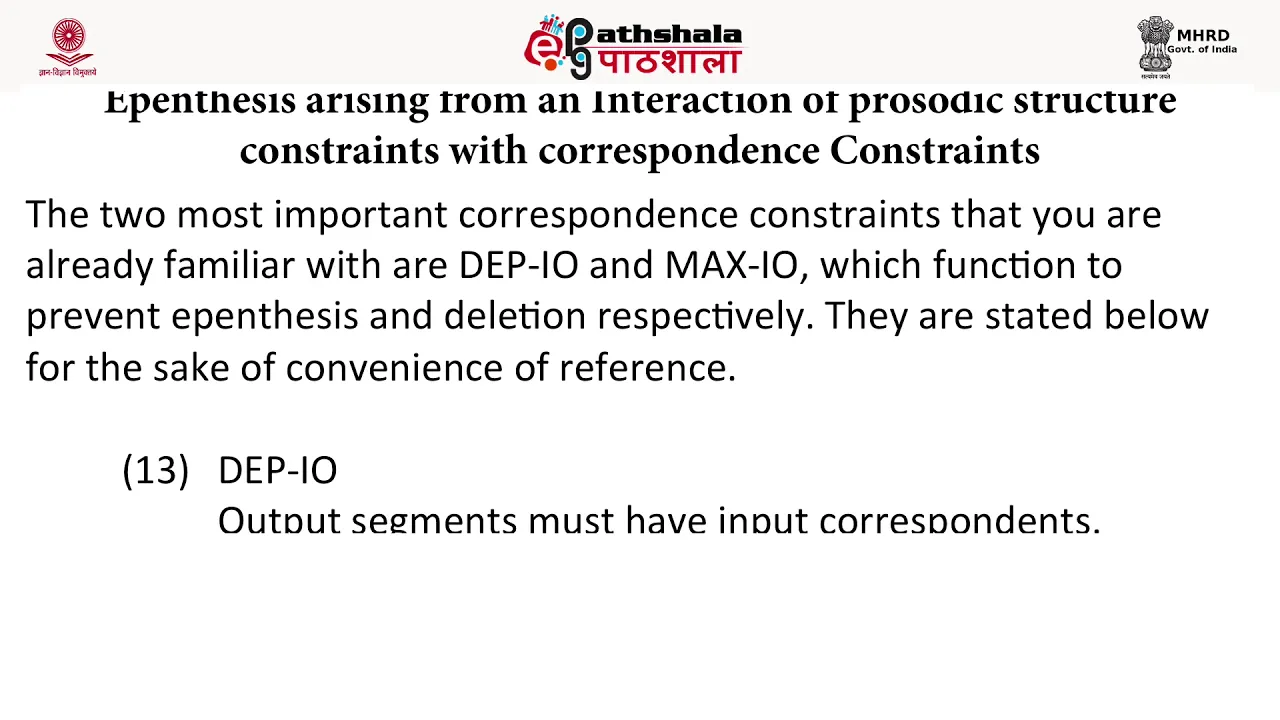
Constraint Interaction in Optimality Theory: Epenthesis & Deletion
@Vidyamitra
180 views•2018-08-20

10:12
Morphology in Sign Languages: Compounding, Ablaut, Classifiers
@rolandocoto
1.7K views•2020-10-05

21:32
Accent Expert Explains U.S. Regional Dialects | Part 1
@WIRED
9.3M views•2021-01-21
Related Study Plans & Knowledge Roadmaps
Structured learning paths in Linguistics
linguistics
Optimality Theory: Tableaux & Constraints
01Phonological Basics: Sounds, Syllables & Rules
02Foundations of Optimality Theory: GEN, CON, and EVAL
03The Constraint Inventory: Markedness vs. Faithfulness
+ 2 more learning modules
15h5 modules
Explore Roadmap
linguistics
Morphosyntactic Alignment: S, A & P Systems
01Foundations of Syntax: Transitivity and Arguments
02The Linguistic Variables: Mapping S, A, and P
03Nominative-Accusative Alignment
+ 3 more learning modules
12h6 modules
Explore Roadmap
linguistics
Analyzing Sign Language: Phonology & Syntax
01Foundations of Sign Language Linguistics
02Phonology: The Five Parameters of a Sign
03Morphology: Word Formation and Classifiers
+ 2 more learning modules
14h5 modules
Explore Roadmap
linguistics
Pragmatics: Speech Acts, Grice & Politeness
01Introduction to Pragmatics: Meaning in Context
02Grice’s Cooperative Principle & Implicature
03Speech Act Theory
+ 2 more learning modules
14h5 modules
Explore Roadmap