



![MATHEMATICAL INDUCTION (1) : [ Definition, Basics steps, Example] #mathematicalinduction](https://i.ytimg.com/vi/tD33y0X7VZ8/maxresdefault.jpg)
![MATHEMATICAL INDUCTION (2) : [ Definition, Basic steps, Examples] #mathematicalinduction](https://i.ytimg.com/vi/mcuGMK2jaoQ/maxresdefault.jpg)





![Foundations of Programming Languages: Polymorphic Lambda-Calculus [2/2] - Paul Downen - OPLSS 2018](https://i.ytimg.com/vi/hpParnOeC08/sddefault.jpg)




![Principles of Programming Languages - Robert Harper [1/4]](https://i.ytimg.com/vi/66wjhulfmfI/maxresdefault.jpg)
![[Dafny'24] Improving the Stability of Type Safety Proofs in Dafny](https://i.ytimg.com/vi/SiqtQ36vNFc/maxresdefault.jpg)






The simply typed lambda calculus adds type constraints to the untyped lambda calculus, where every expression must have a type (base types, arrow types, and three typing rules for variables, abstraction, and application). This single constraint guarantees that every well-typed term terminates (proven by William Tait's normalization theorem in 1967), because self-application—which enables non-terminating terms like Omega—is untypable. While this sacrifices Turing completeness (preventing general recursion via the Y combinator), it provides a mathematical guarantee of termination that no amount of testing could provide. This trade-off between expressiveness and termination guarantees forms the foundation for all statically typed programming languages, from ML to Rust, and connects to the Curry-Howard correspondence where types are propositions and programs are proofs.
Simply Typed Lambda Calculus: Termination and Types
Added:In the lambda calculus video, we built computation from nothing but functions.
Three rules, variables, abstraction, and application. And from them, arithmetic, logic, recursion, every computable function. But we also built something else. Terms that never stop.
Remember omega, lambda x, x applied to x applied to itself. Reduce it and you get the same expression back. reduce again the same. It loops forever. This isn't a flaw. It's the price of universality.
Lambda calculus can compute anything a touring machine can, and that includes running forever. Church proved in 1936 that no algorithm can look at an arbitrary term and decide whether it halts. Total freedom comes with total risk. What if we could rule out the terms that loop before they ever run?
The idea is simple. Make every expression declare what it expects and what it produces. Start with base types, just names. Alpha, beta, gamma. They stand for whatever kinds of values you care about. Then build arrow types.
Alpha arrow beta means a function that takes an alpha and returns a beta.
That's the entire type language. Base types and arrows. Lambda x.x takes anything and returns the same thing. Its type is alpha arrow alpha or gamma arrow gamma. Read the arrow as two alpha to alpha. Lambda x.lambdayy.x takes an alpha then a beta and then returns the alpha. Its type is alpha arrow beta arrow alpha. Two arrows, one for each argument.
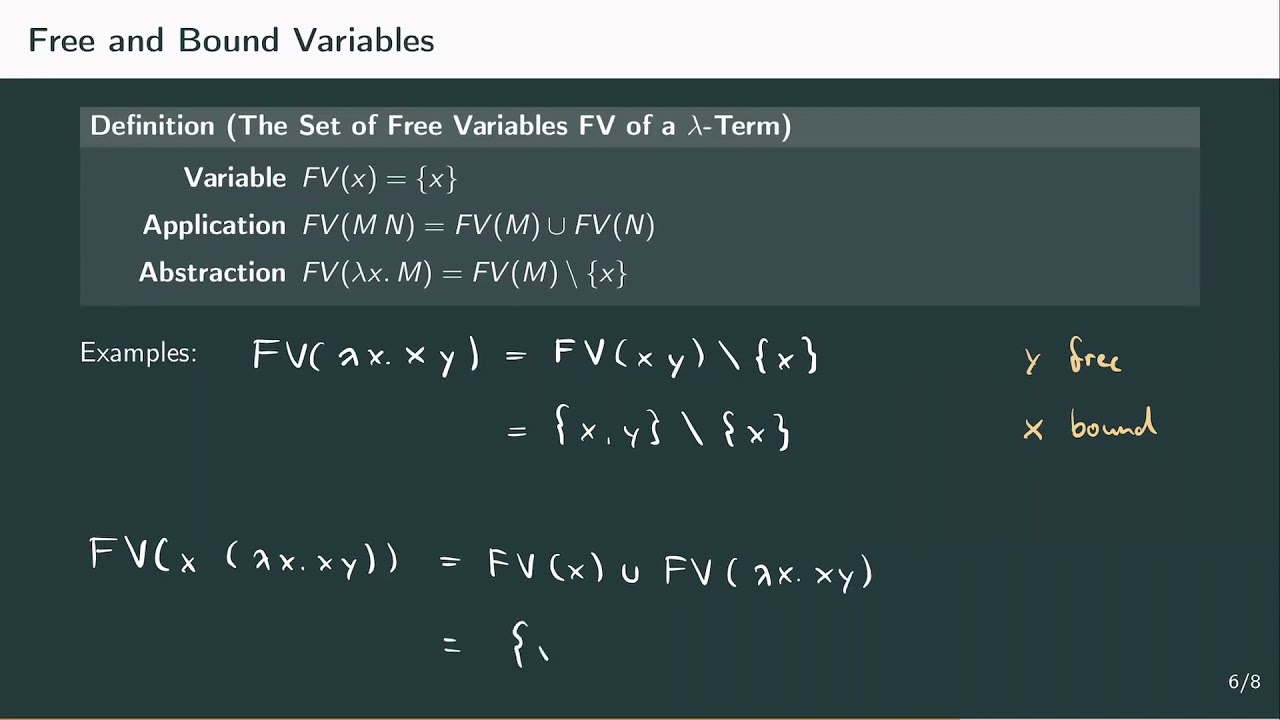
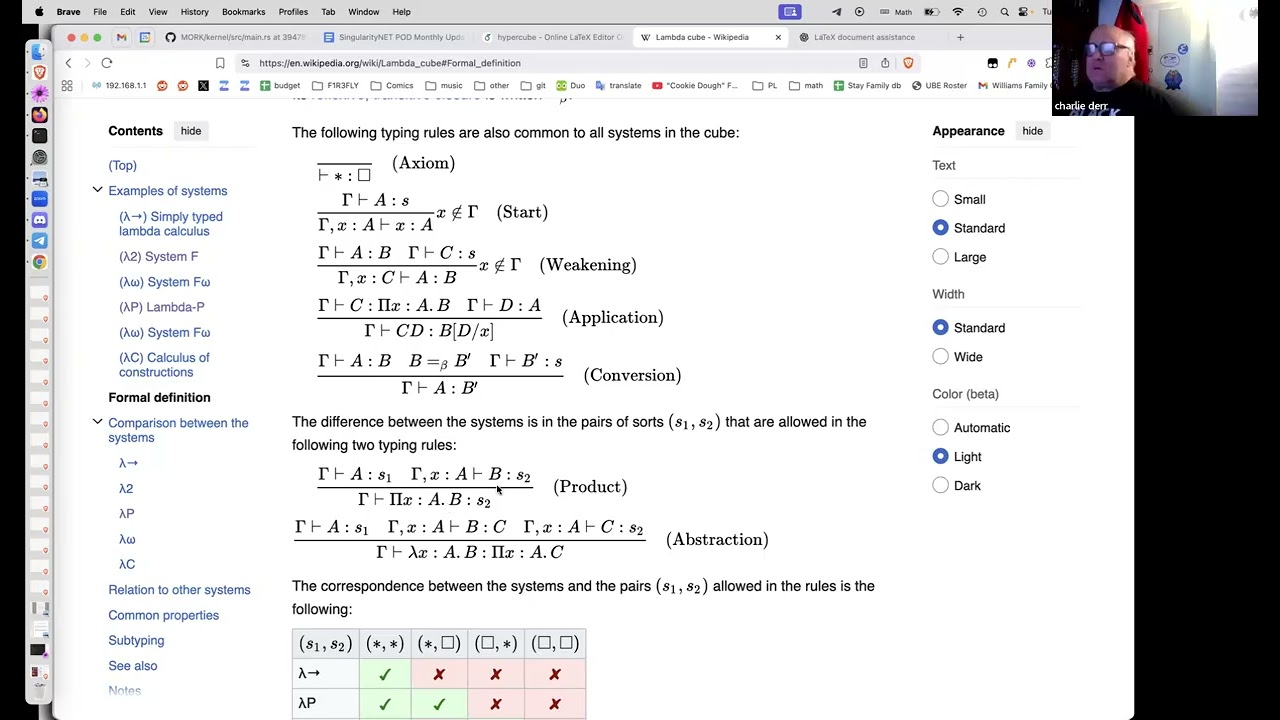
How do you know that a term has a given type? You derive it from rules. one rule for each kind of expression. The variable rule says if X has type alpha in your context, your current list of assumptions, then X has type alpha.
That's basically just looking it up. The abstraction rule says if after assuming X has type alpha, you can show the body E has type beta, then lambda. E has type alpha arrow beta. You assume the input and derive the output and the lambda packages both into a function type. The application rule says if f has type alpha arrow beta and a has type alpha then f applied to a has type beta.
The types must match. The function expects an alpha. You gave it an alpha and you get the promised beta. Three rules again. That's the entire type system.
Let's derive the type of the identity function lambda x.x. We want alpha arrow alpha. By the abstraction rule, we assume x has type alpha and we need to show the body just x has type alpha. By the variable rule, x is in our assumptions with type alpha. Done. Two rules, one derivation.
Now the constant function lambda x.lambday.x.
We want alpha arrow beta arrow alpha.
Assume x has type alpha. Now assume y has type beta. The body is x which has type alpha. It's in our assumptions.
Discharge y to get beta arrow alpha.
Discharge x to get alpha arrow beta arrow alpha. Three rules each mechanical.
Now try to type lambda x.x.
a term that applies X to itself. For the application XX to work, X has to be a function. So X needs an arrow type, say alpha arrow beta. But X is also the argument. So X needs type alpha. That means X would need to have type alpha and alpha arrow beta at the same time.
In the simply type lambda calculus, every variable has exactly one type.
There's no type you can assign to X that satisfies both requirements.
Self-lication has no type. And without self-lication, you can't build omega.
The term that loops forever is simply untypable.
This is not an accident. In 1967, William Tate proved the normalization theorem for the simply typeyped lambda calculus. Every well-typed term reduces to a normal form. No matter what order you reduce in, you reach a term with no more reductions to perform. Each computation, in other words, terminates.
If it type checks, it halts. The proof works by induction on types. Base type terms always reach a normal form. Arrow types carry a guarantee. Apply a terminating function to a terminating argument, and the result terminates, too. Types aren't just labels. They're termination proofs.
There's a cost though. The Y combinator, the trick that gave Lambda calculus recursion, relies on self- application.
A function receives a copy of itself as an argument after all. But we just showed self- application can't be typed.
So the Y combinator has no type. Without it, you can't write down general recursion. No factorial that calls itself forever until done. No loops, no fixed points, no programs that might not terminate because none of them can be expressed. The simply typeyped lambda calculus is not turning complete. Thus, it computes only total functions and a small subset at that. Functions that always return an answer.
Step back and look what happened.
Untyped lambda calculus says that you can compute anything, but some terms never halt. Simply type lambda calculus says everything halts but you can't compute everything. This is the fundamental tension in type theory.
Types are like constraints. Stronger constraints mean more guarantees but less expressiveness. Weaker constraints mean more freedom but fewer guarantees.
Every type system ever designed lives somewhere on this spectrum.
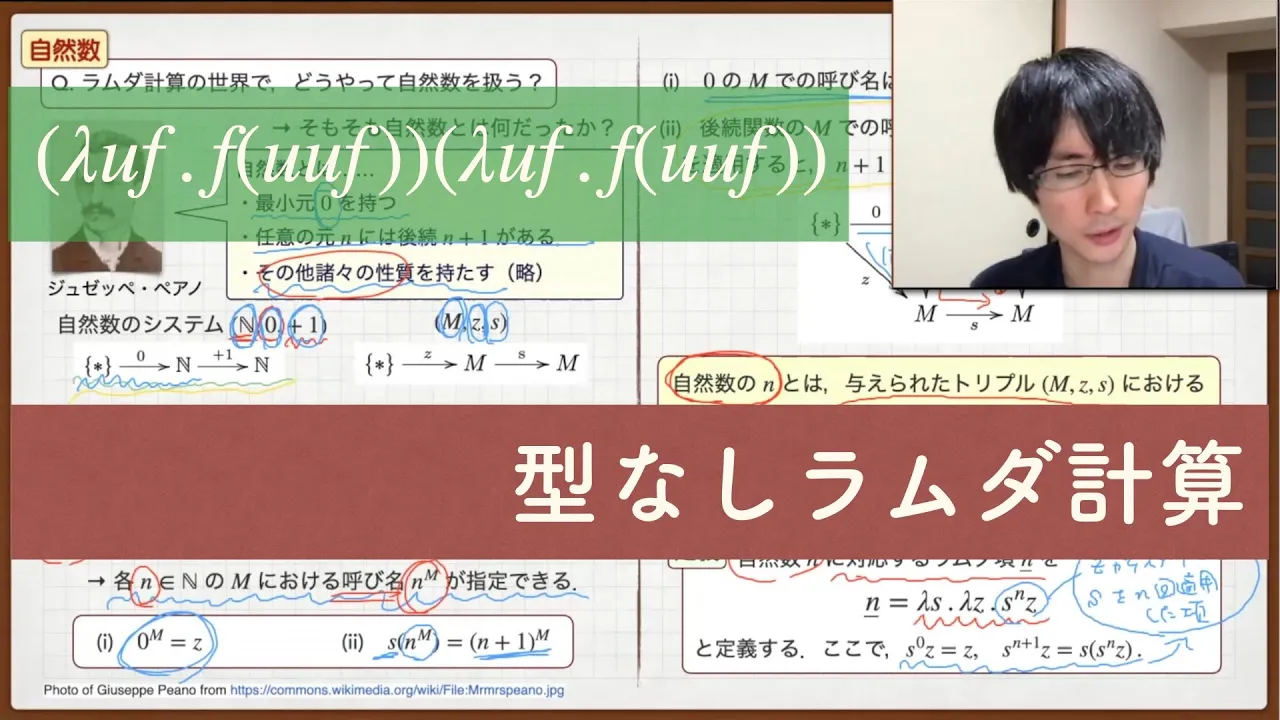
You can get recursion back. You just have to earn it. We add a new type of type, an inductive type. The natural numbers are the simplest example. A natural number is either zero or the successor of another natural number.
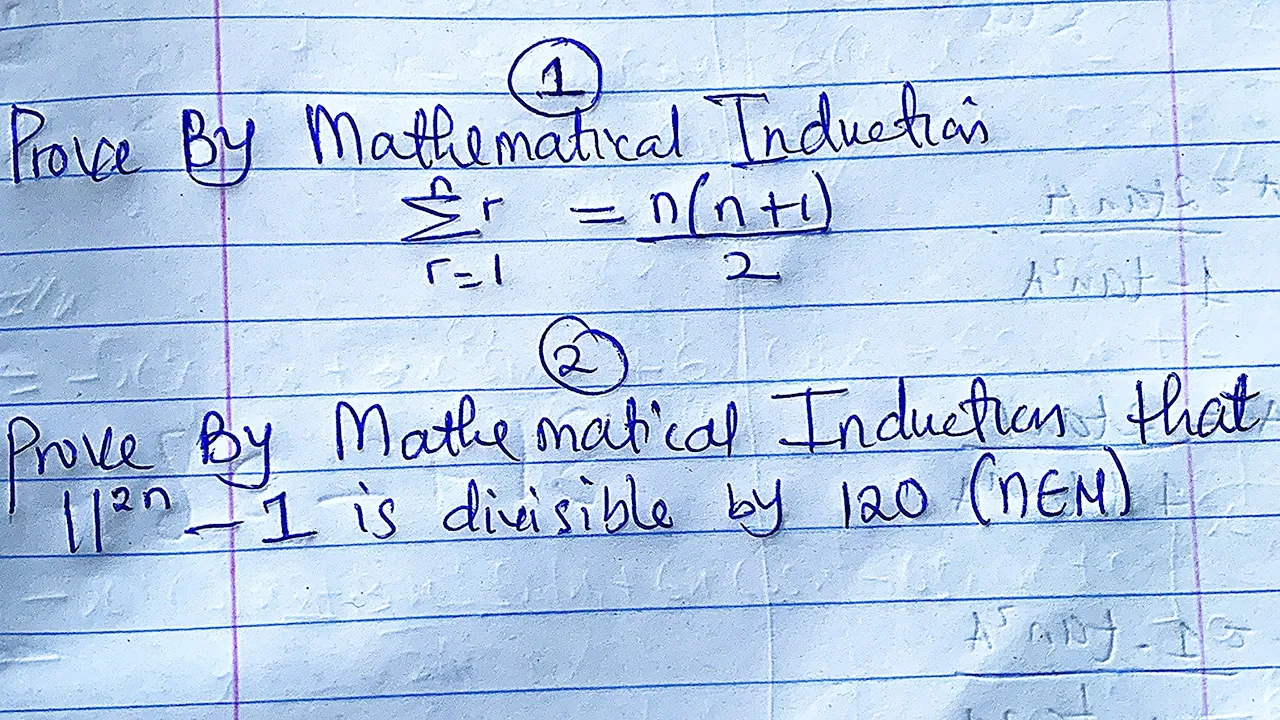
That's the whole definition. And the key is that it's wellounded. Every natural number is built from finitely many successors stacked on top of zero. There is no infinite descent. Now add a recursor, a function that takes a natural number apart the same way it was built. Give it a base case what to return for zero and a step how to combine the result for n into the result for the successor event. The recursor walks down the structure one constructor at a time and always reaches the bottom.
This is structural recursion. You can loop but only over the structure of your data. Each recursive call operates on a strictly smaller piece. The type system can see that the recursion is wellounded because the data type itself is factorial, addition, multiplication, they all come back. Not through the y combinator's trick of self- application, but through the honest structure of the data. Girdle system t is the simply type lambda calculus plus natural numbers in their recursor. It can compute any function whose totality is provable in first order arithmetic. Far more than the simply type lambda calculus alone and everything still terminates.
Recursion isn't the only thing you can add back. Gerard system f adds polymorphism. The identity function doesn't need to be alpha to alpha for a specific alpha. It works for all of them. Write it once and we can use it at any type. Polymorphism lets you abstract over types themselves. Dependent types go further still. Types that can mention values. A vector whose type includes its length. A sort function whose type guarantees the output is a permutation of the input. With dependent types, you can express propositions in predicate logic. And programs become proofs. This is what rock Q acta and lean are built on. Each extension pushes the boundary of what you can express while preserving some guarantee about what your programs do.
The simply typeyped lambda calculus might look like a theoretical curiosity.
It really isn't anymore. ML, Haskell, Okamel, Rust, every statically typed language traces part of its type system back to these ideas. When your compiler rejects a program with a type error, it's doing exactly what we did in scene six, trying to assign a type and failing because the pieces don't fit.
Type-checking is the automation of this discipline. And as we explored in the Curry Howard correspondence video, there's a deeper reason it all works.
The typing rules of the simply type lambda calculus are exactly the inference rules of propositional logic.
Types are propositions.
Programs are proofs and type checking is proof verification.
The type system isn't just preventing errors. It's doing mathematics.
Lambda calculus is three rules and infinite power including the power to never stop. The simply type lambda calculus adds one constraint. Every expression must have a type. And from that single discipline, you get a guarantee no amount of testing could provide. Every well's term terminates.
You trade some power for that guarantee.
We'll talk about how to get power back in the future videos.
Up Next

OCaml Type Checker Implementation Tutorial | Static Type Checking
@MichaelRyanClarkson
3.3K views•2021-08-08
Introduction to Secure Multiparty Computation with Yehuda Lindell
@fhe_org
7.7K views•2021-02-04

HTTP Requests Explained: GET, POST, PUT, DELETE
@codecademy
103.1K views•2021-10-07
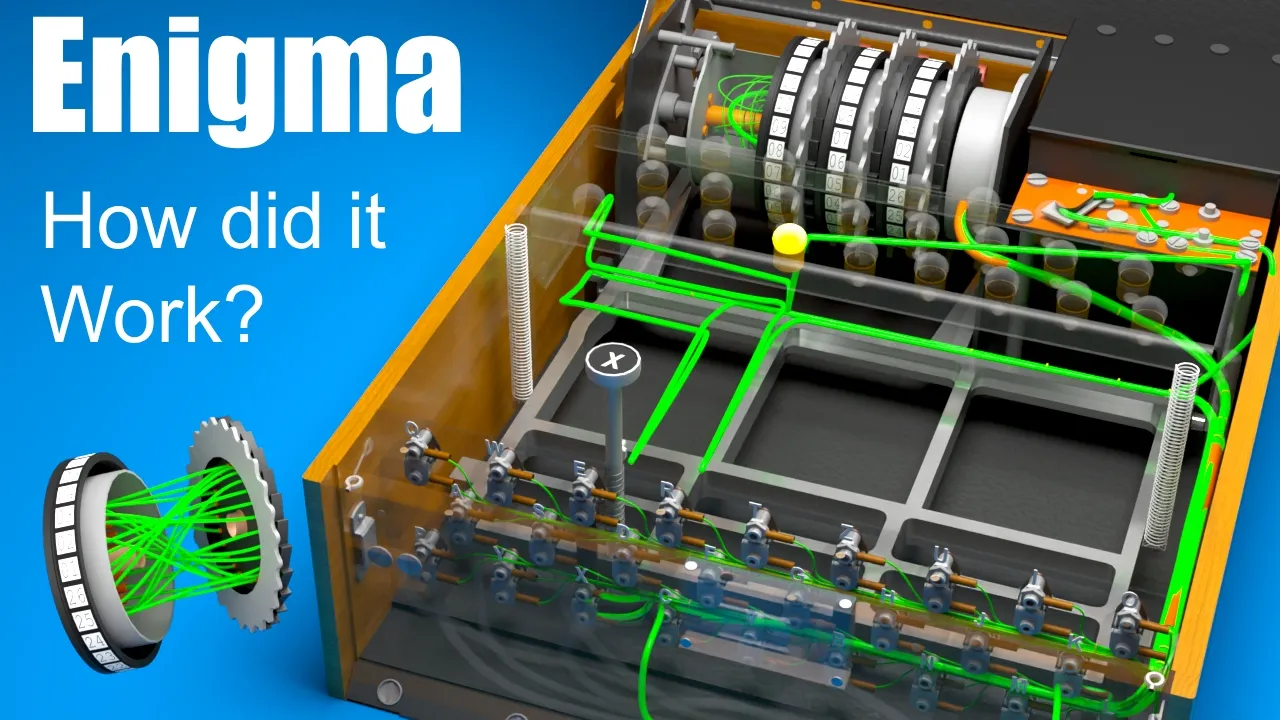
Enigma Machine Mechanics: WWII Encryption Explained
@JaredOwen
13.2M views•2021-12-11
Related Study Plans & Knowledge Roadmaps
Structured learning paths in Computer Science