





![[#유퀴즈온더블럭] (100분) 다시 돌이킬 수 없는 죽음을 매일 마주하는 직업을 가진 사람들… 삶과 죽음, 인생에 대해 생각이 많아진 유재석 | #나중에또볼동영상](https://i.ytimg.com/vi/GEC4eYU2I4s/maxresdefault.jpg)





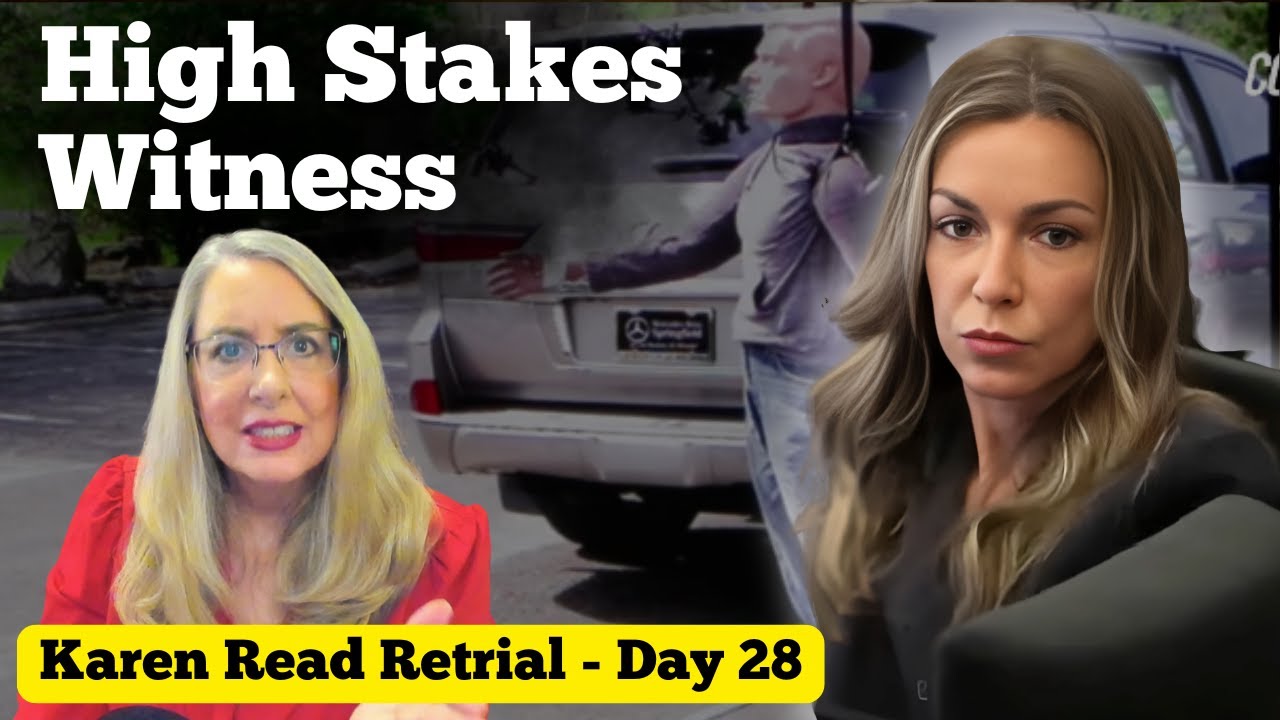


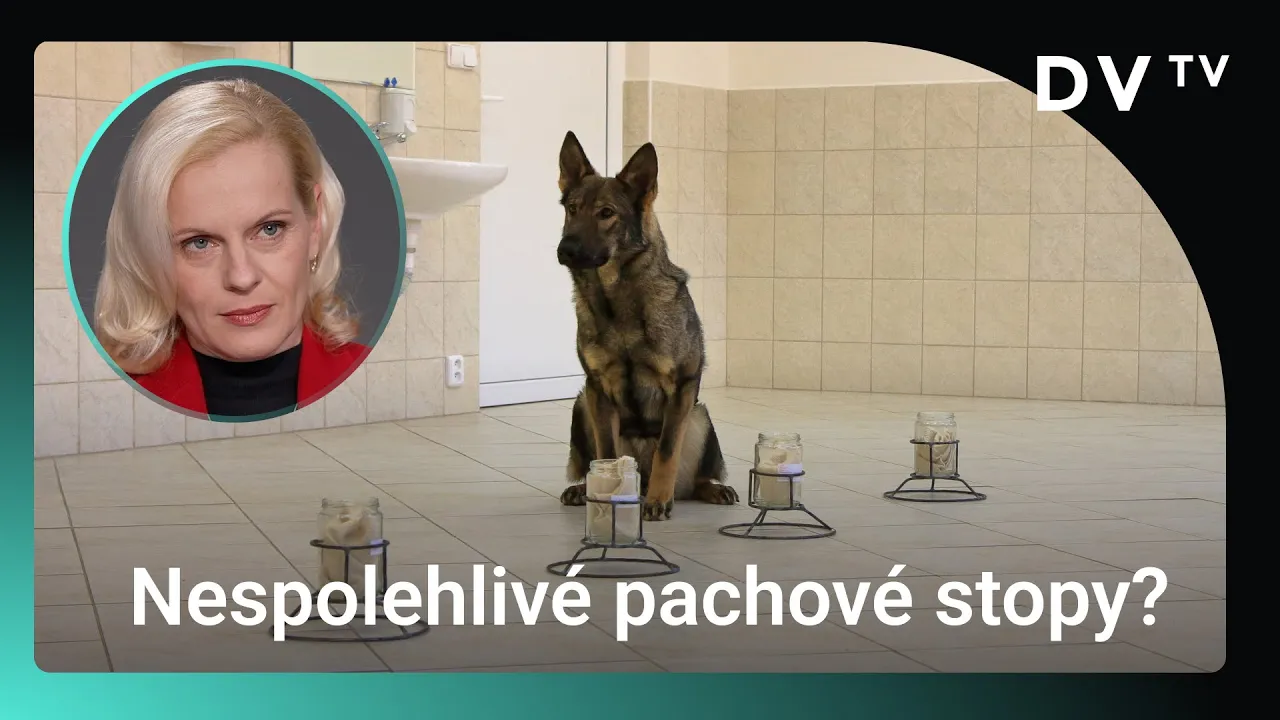





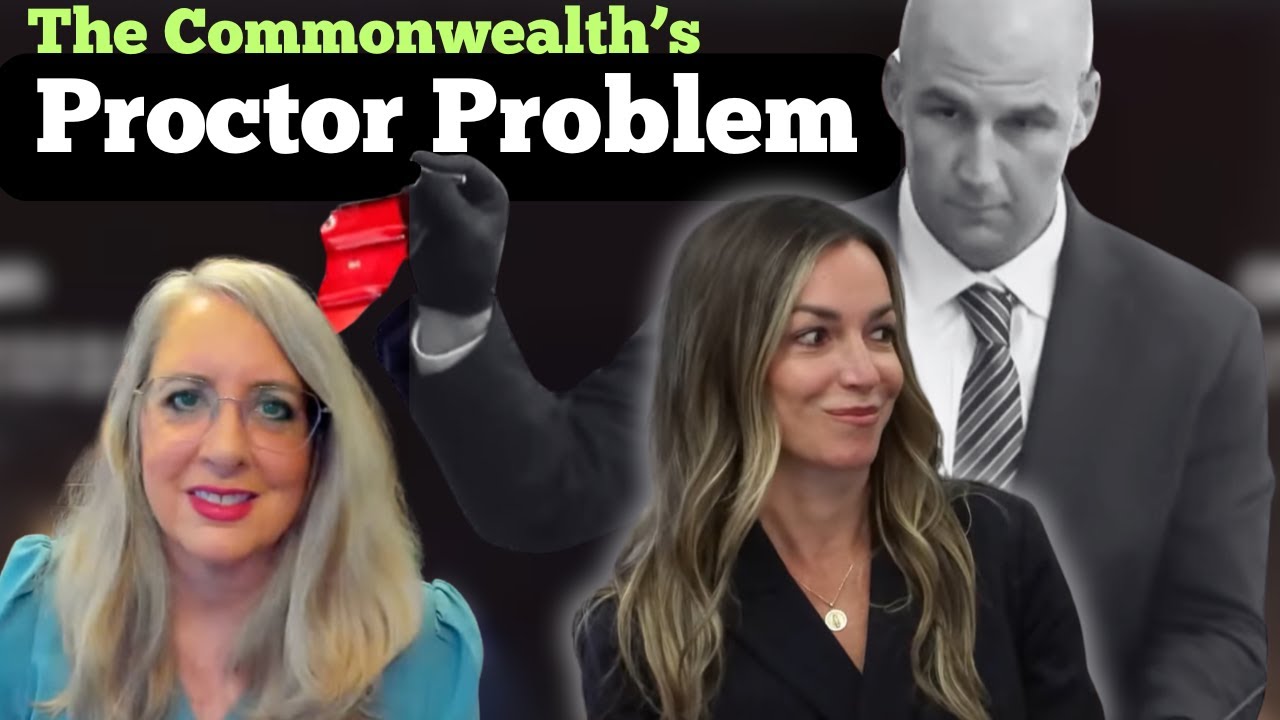


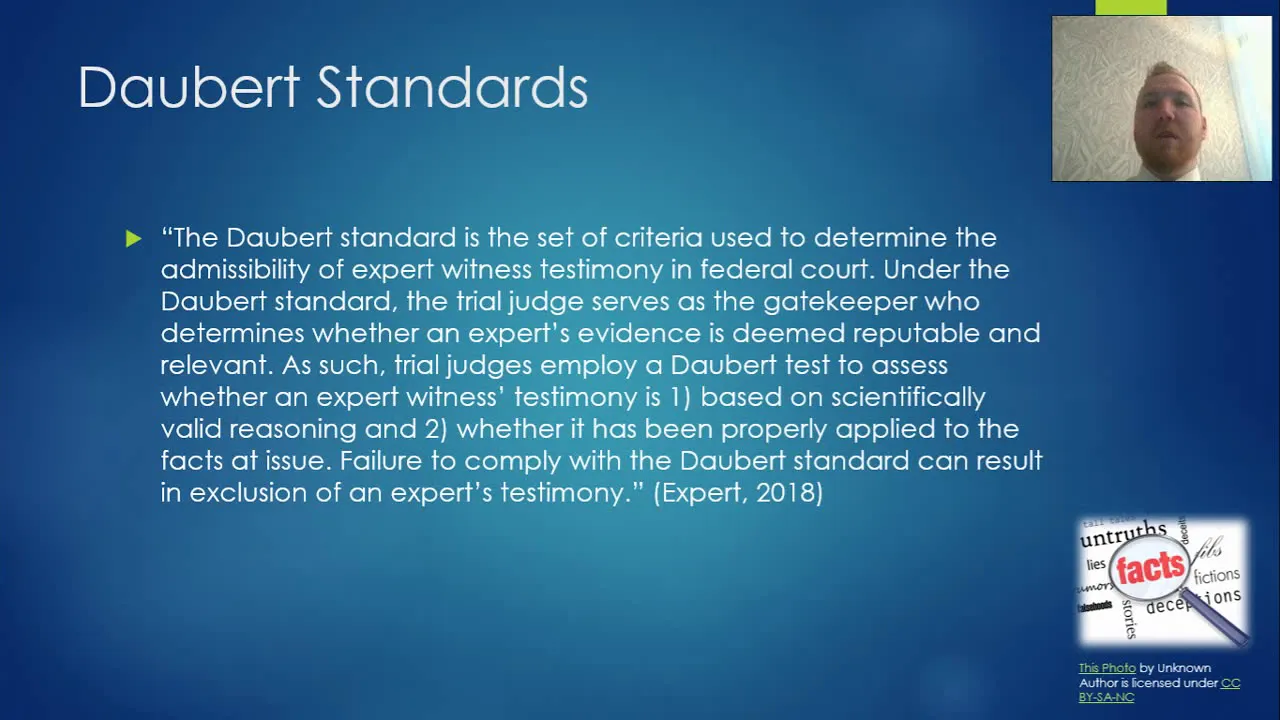
In criminal trials, courts must carefully evaluate expert witness qualifications to ensure testimony is reliable and admissible. The Daubert standard requires that expert testimony be based on reliable methodology and that the expert has appropriate qualifications for the specific field. In the Karen Read trial, Justice Beverly Kenon initially ruled that only medical doctors could testify about injury causation, but later allowed James Crosby, a K9 behaviorist without medical credentials, to testify about dog bite injuries, raising concerns about judicial consistency and potential bias. This case illustrates the importance of maintaining consistent standards for expert witness qualifications to ensure fair trials and prevent improper evidence from reaching juries.
Court Ruling on Expert Testimony in Karen Read Trial Analysis
Added:be kind be classy a cup takes Sweet and Sassy have fun and enjoy the journey I just have a good attorney a no big wolf a no biggy and she listen in New York City and not just a YouTube show you know you know you better grab a straw learn about the law it's cool here in the shade the promotions Ade cool heads will prevail kindness will never fail be classy and last name wise oh Melanie little is going live oh no where is Melanie follow the islands Mel is a concert Within Reach no surprise she's at Jones Beach she heard some music far away Captain Jacks Z har Bay he sings in his piano plays not all all water away speaking it istin it's not just for Manhattan it's for and M ridicul Mar that's for be cool be kind classy my cupcakes arewe and Sassy I'm not just a YouTube show you know you know you know cool heads will prevail kindness will never fail be classy and vastly wise melan little is going [Music] live we're back we're back we're back and I'm the outrage the outrage continues I mean just when you think the deck couldn't be any more stacked against Karen Reed you find out the deck is even more stacked against Karen Reed please no spoilers in the chat I know a lot of people you have seen this uh or know what this is about from looking at the Twitter the Twitter um I I'm almost I've almost run out I can't even say I've run out of outrage because I will never run out of outrage for this case but I have run out of just words to describe it so I am going to like allow you to put duckery words in the chat to describe this where we are if you had any doubt that we were in the upside down Narnia Matrix Gates of Hell I am going here to lay your fears and your doubts because we are there we are there when a judge not only rules against the law and against her own prior rulings in the prior trial not only are you being gaslit but you might start to question your insan your sanity you might try and question your Insanity I'll give a minute for people to come in here for those of you who weren't here this morning we uh covered the uh the court hearing of Aiden carne's new witness intimidation charges for peeking in the window of DNA Pizza the other night staring into the camera the surveillance camera for 25 seconds and then saying some things into the camera and um we got a good chuckle out of what do you no oh yeah I know that oh thanks Kelly yeah I know I know I'm on I'm live right now I'm live on it right now um we got a good Shuckle when Robert Cosgrove who is the um special prosecutor for Aiden Carney because the first special prosecutor that they had to hire was a guy named Ken Melo and he's apparently very ill so Robert Cosgrove is the new special prosecutor to specially prosecute Iden Carney AKA turtle boy we got some Chuckles out of it when he said colon he's called Colin Albert colon for the entire hearing and uh Aiden Carney is now accused of saying such things into the window of um Deanie Pizza like colon not even colon did it I I I I go back and watch that show from this morning because um I have a magic eightball too that's so funny um I have a magic eightball and the magic eightball says is Beverly kenon ever going to rule in Karen Reed's favor let's see what it says too dark over here for me to even read it see the magic aall is not cooperating even what does that say gotta get out the flashlight let me get the flashlight says without a doubt I don't know if we're GNA trust the magic a ball or if Lady Lady Zelda Kelly needs to go read some cards or something but um you may recall from the hearings that we've been watching and the Motions that we've been listening to and the uh the surgical Precision of Robert alesi that the defense would like to I mean not the defense the prosecution would like to enter an expert witness or have an expert witness come and testify his name is James Crosby James Crosby is something he's got a degree that Dr Russell is never heard of I think it's in veterinary science not a Veterinary Med veterinary medicine he's not a um an actual medical doctor uh Dr Crosby apparently went and visited Khloe took a mold of Khloe's teeth and then did some Rando measurements on the wounds on Jon O'Keefe's right arm and uh Dr Crosby wants to testify that those wounds were not caused by a dog and they were not caused by Chloe and so uh we watched a hearing on that we saw an amazingly snarky affidavit from Dr Russell because you know how dare you question Dr Russell's qualifications but apparently Dr Crosby he's not really a doctor though James Crosby is a k9 behaviorist the name of his company is like K9 aggression allegedly they went to visit Khloe I've seen no proof that it's Khloe unless he argued that at the hearing that we don't really know that that's Chloe um we know that in June of 2024 when Dr wrencher and Dr Wolf were subjected to a day of Vader in the middle of the first persecution of Karen Reed and Dr wrencher was going to elicit some testimony or he was going to testify as to the cause or opine in his expert opinion as a biomechanical engineer that the injuries to joh o'keef did not from come from a car the injuries did not come from a car and uh here's what the judge said on June 18th of 2024 and I quote and move this over to here and this was brought up in as you know of course in Mr alie's Papers this was her ruling on June 18th of 2024 Dr renchler though I have some concerns it's clear to me that in Massachusetts biomechanical Engineers are not qualified to testify as to Medical causation of an injury only an MD can do that so I'm going to reserve ruling on the rest of his testimony um there are certain certain things he can testify and I'll hear you again before he testifies next week let's just proceed with the trial today then Dr rler was not allowed to testify as to the cause of injuries to Jon o'e Dr Crosby this new expert that the Commonwealth wants to call call conc concedes in his report that he's not a medical doctor we just watched this hearing the other day so you probably remember it he did something at Harvard remember something at Harvard I don't know maybe took a course there has something to do with like dog brain dog brains or something unless he argued there's no methodology in fact he measured the wounds by using the hospital bracelet there's no ruler and he doesn't have the qualifications to opine as to the cause of dog bite injuries unless he said in his papers that the court didn't even need to reach the second prong of methodology because Crosby fails on qualifications alone and we watched the hearing you may remember it was fiery it was exciting well the judge has issued a ruling on that let me bring it up for you docket number 548 this is docket number 548 this is the decision and Order of Justice Beverly kenon on the defendant's motion to exclude the testimony of the Commonwealth's witness James Crosby Ms PhD after hearing in review of the pleadings the court finds that the Commonwealth has satisfied the foundational requirements of dobert Lanigan but Note One see dobert the meril da Pharmacy oh and Commonwealth versus Lanigan the evidence will assist the jury Dr Crosby is an expert in dog bite wounds there is an appropriate basis for his opinion in the record and the proposed testimony principles and methods employed are reliable the defendant's objection goes to the weight of the evidence not its admissibility order defendant's motion to exclude the testimony of James W Crosby mphd paper number 499 is hereby denied dated today Justice Beverly Canon Justice of the Supreme Court my head actually may pop off today she's denying this motion on the papers on the papers she's not even calling for a dobert hearing do you remember I know you remember because you were here with me Dr Russell who has been a medical doctor for more than 30 years who has written articles on dog bites who has treated thousands of dog bite patients including prisoners who were attacked by canine dogs in the course of committing their crimes was subjected to two full days two full days of dobert hearings two if you can't see you know what you just said it you just said it better than I ever even could if you can't see the comments are flying so y'all act surprised I'm not surprised anymore this is disgusting if you can't see now that she's biased you are blind AF says Mary leie said didn't want a Dober hearing or that it wasn't necessary where where where the duck are we where are we Hank Brennan said he only intends to to call Dr Crosby on rebuttal on the buttal and so the judge made that clear nowhere in this order does she limit his testimony to anything so now he's going to be able to testify about forensic odontology when L said in the first trial that's junk science Wednesday is out she's like I can't even watch the second trial I'm not even going to be able to watch the second trial the corruption is never ending if you had any doubt that the fix was in the fix is in Josh says this will likely backfire for the Commonwealth the defense will carve this expert up in front of the jury I don't care I don't care I don't care if this expert is shredded this expert in no world in no court in the United States of America would this expert be allowed to testify we don't even know what he's been qualified to testify in because Brennan didn't tell anybody he said oh yeah you know he's been admitted as an expert in other Courts for what for what this is insane in no world should this expert be allowed to opine about the cause of injuries to Jon O'Keefe's right arm and none none zero none no world ever is there any other lawyers in the chat are there any other lawyers in the chat that believe with me this doesn't limit his testimony at all not at all do call for a hearing on the papers she finds him to be an expert in dog bite wounds even though during the first trial she said only a medical doctor only a medical doctor can testify about causation yeah call Garrett Wing exactly somebody said call Garrett Wing get him in Get Him in does this open also open the door now for do Dr renchler to be able to testify about the injuries to J O'Keefe I would submit to you that it does huge app pellet issue says Heather grossly inconsistent says virgin Mick the world is watching you are the eyes of the world and this it's egregious it's just egregious it is there is no world in which this expert should be allowed to testify and opine about the dog bite injuries but but but but but but but he went to Harvard yeah as does every person who went to Harvard tell you in the first five minutes of their conversation this is insanity thanks happy Annie I mean I'm running out of things to say at this point at this point I'm running out of things to say except thank you to Tracy Walker for gifting five memberships again today and happy Thursday to Jen and Vanessa so much for holding the Commonwealth to the same standards as the defense this is going to be the Hunger Games of murder trials Battle of the experts he's not even an expert he's not an expert we don't even know what field he was admitted as an expert to testify in in any Court we have no idea he's an expert in what in in in can9 aggression fantastic an expert in forensic or can9 odontology how do we even know that it's Chloe I have so many questions um The Hunger Games yeah maybe it is going to be the Hunger Games unbalanced equation became a member welcome Tracy gifted another five memberships thank you glamma is here sending cocktails to everyone uh is there even anything that's strong enough to start drinking at this point colen elisi is here oh David ree you always have the best usernames uh MD needs two-day hearing yes Dog Whisperer come on down you're the next contestant on let's convict Karen Reed Stoner in Town Square before we hang her to finish off the job thank you so much for playing have a nice day oh thank you kg MV for unil sending you it's because I sent everybody to him earlier so I guess he's sending y'all back thank you so very much for E Super Chat The Traveler says she's mad at the defense for calling her out on jury issues and she will rule against them and everything now well I mean if this doesn't start to show bias I don't know what does I mean I I'm running out of words colon did it Crosby's cross-examination is going to be fire but but but the point is it shouldn't reach the jury it shouldn't even reach the jury his testimony should not even come in there's no world in which he has qualified as an expert to testify with regard to the cause of those injuries being dog bites and the measurements that he took on this alleged Khloe and we don't even know it's I I I I can't I can't I can't even I can't even imagine if Boba Les's head has not popped off right now I I I'm practice I practice in New York he practices in New York this is this is a civil litigators we deal with experts three times a week this is this is so basic so basic can ARCA now opine on injuries Dr Russell is go I I say I say the door's open say the door's been open jazia says that yeah the written form of I'll allow it Dean andeve says this case is ducking insane uh M La isn't that insane my brain is mush thank you for your Super Chat op to popit uh why should courts be consistent in their rulings it's not like this stuff is important or anything no no no they're not why why I mean she already ruled that only a medical expert only a medical doctor can opine as to the cause of injuries but no this guy yeah I'll allow it I'll allow it assd says so this news confirms dismissal denied or dismissal is going to be granted so who cares if I allow Crosby and he's never going to see the light of day um I mean you know a girl can dream right a girl can dream thanks for your Super Chat Tracy Russ my only hope is these rulings are so one-sided bias becomes clear I am sick lawyers everywhere should be offended I'm sick to I just I feel sick I just feel sick like you know I I it hurts my soul it hurts my soul that this that the world is watching this and this is why people hate lawyers because of of people of lawyers like Hank Brennan wa till you see the next thing he filed today just wait um it's gross watching the only fan is here now that we now that we threw must be an MD out the window can we get Garrett winging I I'll allow I'll allow it will she I don't know says open the floodgates maybe maybe not because you know all their reciprocal discovery is due I don't maybe today maybe today was the deadline on that so you know let's issue this ruling today right before close the business so that you know if they haven't already spoken to Gar Wing uh you know are they gonna be able to comply with that deadline by tomorrow or today I close the business today I probably not probably not because you know we're here in the upside down Matrix Adriana says the just because I have a few extra B dolls to give away for once oh that is so sweet thank you it's never ever ever expected but it's always appreciated you are appreciated Adriana so thank you so much Sharon's like hello anybody Here I live in Massachusetts byebye Jillian this is insane what the duck is happening we we are living in an alternate reality I am now convinced that this isn't real it's like it's like The Truman Show it's like The Truman Show I think we're living inside of a like a like a miniseries I think we are although if this was a miniseries that a Hollywood writer room was scripting right now um whoever's the head of the studio would be like yeah no nobody's gonna pick that pilot up it's ridiculous nobody's gonna believe that that strains credulity it's insane Bobby lessie's linguistic prowess says my head has popped off it is sitting on the other side of the room spinning around in circles I can't catch it I I'm out I'm out outed who shares in my outrage desert cat beev doesn't understand bio and bioengineer but let a dog schmoozer testify about dog bite injuries and possibly dog denture cast I I fraking can't I can't I can't either I can't either he didn't cite any any any materials that he used in his opinions he just he just attached a whole list of materials and said you know I might have relied on some of this stuff maybe um hope Dr Russell has opened a bottle of scotch or whatever it is that she likes to drink because her head's probably popping off too Goodman are here and they gifted a membership thank you so much Kelly H Brin the pro the the pr sectors lost spell check can defense you Arc about wound causes now I I think I think you know motions in lemon are due when Monday oh that's right she did agree to live give Miss little until Monday also when she agreed to extend Hanks um deadline to Monday so they have the weekend they can they can certainly make that motion in lemonade so Bev what has changed in the past year in Massachusetts to allow no MDS to testify only only MDS to testify in clation what happened is we really really really need to get a conviction we really really really need to pin it on the girl this time we really don't care about Justice or the truth or what really happened we really need to incarcerate Karen Reed that's what that's what's happening do I think she can see her own bias no orphan methodology but I love your username kwag he's friends with she who must not be named that should tell you everything Crosby is friends with you mean JC not saying for Jesus Christ that's who's not to be named on this channel really huh it's the man hat tea party says Julie Albright thank you that is maybe better than the Matrix upside down and we have yet to hear the results of be's grave concern freak Show yep I had is hanging by thread says lot's Mom thank you for your Super Chat Katherine Maloney says if beb didn't have double standards she'd have no standards at all well done well done Katherine uh does be answer to anyone no no she's wife judicial discretion I'm not sure if that's what you meant to say eff Bailey Irish cream but that's the way I'm interpreting it a girl had has no judge thank you Piney Woods long crime thank you so much I know you're a lawyer and I know maybe your head's popping up too maybe you're a recovering lawyer too and that's why I say I'm a recovering lawyer because everyone hates lawyers and this is why chassity says the fact chicity the fact that she's contradicting her own ruling says everything you need to know yeah yeah it does the fact that she put Dr Russell through two full days of Vader and is letting this guy in on papers yeah um Lola the good dog says Crosby has only testified as an expert in dog aggression and behavior maybe Karen re should hire Caesar Milan yes the Dog Whisperer sh don't tell him done thank you Karen's gonna need more money says RBG oh yeah maybe should unpin this pin the defense Fund in the chat thank you I'll do that uh my credulity is so strained that it's broken shell says I'm starting to wonder if something's wrong with Bev this is so blatant AF is there something we the people can do reach out to politicians I um you can donate to the defense fund because they're going to need it they're going to need it let me just um get the link so I can put it up because those of you who know no no that um not only is she already $5 million in debt the attorney said they're not going to be asking for the money but the experts cost a lot of money hold on every dollar helps that's right Proctor hard time in the big house says doc be said Dr Russell was a close call yeah right no close call here hey Crosby come on down you went to Harvard he didn't go to Harvard he uh he did a study maybe associated with Harvard online I have no idea we have no idea you know why because there's not going to be a hearing there's not going to be a hearing so ARCA is allowed or not she ruled on that no she hasn't but there's another cool cool cool motion that uh brenon filed today for uh some records let's take a look at that Natalie has entered the building some of you were saying who's Natalie in the pre-chat so let's me the best way to tell you who Natalie is is for me to pull up the um the Aiden Carney Commonwealth let me see where it where is hold on the Commonwealth's redacted ver uh version of their motion to dismiss so um since this was written by Robert Cosgrove and Robert Cosgrove is part of the motion that we're going to hear about next let's have a little story time shall we we watched this um motion to dismiss argued this morning on the stream it was actually argued yesterday and the video just came out today so we watched it today but and we haven't gone over these actual papers papers as I like to say in the Commonwealth versus Aiden oh no no this is sorry wrong wrong screen wrong screen hold please where did it go come on back let's move this over there okay so we're going to learn who who's Natalie everyone's saying who's Natalie we're going to learn a little story we're going to hear a little story about Natalie and who Natalie is As Told To Us by Robert C Cosgrove the special prosecutor who is Prosecuting Aiden Carney okay uh and starting on page three of the opposition to that motion here starts the some argument at some point early in the Ken Reed prosecution honor about April of 2023 Carney made her the subject of some of his online presentations apparently drawing a favorable audience response Made Who Made Who uh hold on Aaron Reed one person who took note was Natalie blanket blank who had attended Bentley college with Reed from 1998 to 2022 and was now living in California in February of 2022 Natalie saw news articles about Karen's arrest stemming from the death of Jon O'Keefe prompting her to contact read and offer support well she turned out to be a turn coat I think but let's move on the two women began an ongoing series of conversations covering a number of topics among them Reed's alleged innocence Reed sent Natalie pictures of Colin Albert and suggested that he and o'keef shared Mutual an animosity in April 2023 Natalie spoke with a Facebook supporter of reeds who told her she had a friend Carney who would be willing to cover Reed's story Natalie asked Reed if she would be interested and she was to facilitate communication about the case Reed instructed Natalie to download a messaging app signal which autod deleted messages after a certain period Natalie assumed the role of gobet between Reed and Carney with Reed sending her information in pictures and this is remember this is what Cosgrove is alleging in the Carney case and Natalie pasting it into text messages for Carney Natalie stated that these text messages included information regarding Witnesses the home address of Trooper Michael Proctor pictures of witnesses autopsy photographs and motions filed by her attorneys police reports and photographs taken by the Massachusetts State Police crime scene Services section in short readed passed along through Natalie everything Carney would need to act as a press agent for Karen Reed while feigning the role of a crusading investigative reporter Reid would sometimes point out mistakes in carne's blog presentation to Natalie for his part Nat uh Carney would ask questions about her paperwork which Natalie would forward to Reed who would respond to her then he goes on to say Reed and Carney took pains to conceal their relationship from the public she would sometimes send him information but tell him he could not put it on the air and then uh it goes on to say in miday Carney sent Natalie a picture of himself wearing a t-shirt depicting a Google search bar with the phrase probably says it should say hosong to dying cold but he quotes us how long to die in cold Natalie responded she will ask Karen if he can wear it to court Natalie later tells Carney it's okay to wear the T-shirt how long to die in cold I got the okay car Carney responded you asked Allan an apparent reference to one of Reed's attorneys Allan Jackson Natalie responded she replied absolutely Carney wore the t-shirt at the July 25th court date and then it says in early June of 2023 the two women had a falling out Natalie had provided some encouragement and advice to Carney over a proposed documentary upon learning of it Reed became angry an argument ensued and the two women ceased to speak to one another Natalie was aware however that Reed also communicated with Carney through a John through a John Silvers oh no through a John Silvera and Natalie herself had provided a read with carne's signal username so she could contact contact him directly ly grand jury summons and then this is when they tried to at some point Long John that's what I was say Long John this is um when they started to try they actually did convene a grand jury to try and indict Karen Reed and Aiden Carney together in a in conspiracy charges to intimidate Witnesses but you know ham sandwich not so much and that case so today Mr Brennan filed a motion and is invoking Natalie this was filed today at 20:3 p.m. hang on while I take a sip hold on remember we learned during yesterday's hearing that Tully no Fanning Fanning was the one who went to Karen Reed's house and seized her phone right at some point at some point around the time when uh they convened that grand jury to try and indict Aiden and Karen on conspiracy charges so that they could put Karen in jail for revoking her bail and put Aiden in jail but that grand jury wasn't having any of it and they failed to indict however here's what Hank Brennan now wants in his rule 17 motion filed today he it's the Commonwealth's motion for records from two docket numbers those are Aiden carne's docket numbers and Special Assistant district attorney Robert Cosgrove now comes the Commonwealth and respectfully request this honorable Court pursuant to Commonwealth V lamron and Rule 17 issue a court order to the NOA County District Attorney's office attention Special Assistant district attorney Robert Cosgrove regarding the Commonwealth V Carney ordering special prosecutor Cosgrove to produce to the criminal Clerk's Office of the nfk Superior Court one cell phone extraction reports and all underlying data from two phones searched pursuant to search warrant number blankety blank as outlined on pages 15 and 16 of the Commonwealth versus 8 Carney in support of its motion the Commonwealth States the following okay so they want the phone extractions from Aiden's phone I don't know if they if it's Karen's phone also I don't know if her phone was also under that search warrant but it says two phones and we know that I think that they only extracted one of Aiden's phones and the rest of his phones are still in their possession and they've never been extracted just wait because it gets better I actually did the redactions on that so I apologize if I didn't totally redact it but it's public filing so in support of its motion the Commonwealth States the following one on June 9th 2022 the defendant was indicted by an officr jury for second deegree murder yes we know manslaughter under the influence and leaving the scene of personal injury or death number two on April 16th of 2024 a 10we jury trial commenced Beverly kenon Justice in addition to the three indictments the jury was instructed to consider two lesser included offenses to manslaughter while operating Under the Influence and here's the Lesser includeds a lot of you keep asking about that so it's good that they're spelled out here um involuntary manslaughter in violation of General law 26513 and motor vehicle homicide oi liquor and negligence in violation of GL 90 on July 1 so I want you to notice here that the Lesser included offenses both involve a man's a homicide both involve the killing of a person there is no Standalone oui charge or we would call it a DWI here in New York there is no Standalone drunk dve driving charge all both of those lesser includeds involve a person dying in a car accident on July 1st upon finding that the jury was deadlocked the court discharged the jury and declared a mistrial footnote one listen to this ready prepare yourself take a breath here here's footnote one and remember this was filed today following the mistrial and discharge of the jury the defendant claims the jury acquitted her on count one and three and that prosecution is barred by Double Jeopardy the issue is pend this issue is pending before The Supreme Judicial Court an oral argument is scheduled to occur in November of 2024 we've now gone back in time because the SJC issue has already November 2024 is in the past was argued was denied and then I think it was yesterday was it yesterday or the day before um that appeal was argued or the collateral proceeding was argued in federal court this was just filed today we're back in time like the sally port yes well done well done time travel has entered the chat it's the Magical Mystery sally port as you know the defendant second trial is scheduled to begin on April 1st of 2025 Back to the Future the records are evidentiary and relevant the Commonwealth intends to file a motion in lemon to admit phone records documents witness testimonies and other information demonstrating intimidation of witnesses as consciousness of guilt evidence I'm gonna say that again they want to introduce into evidence all information demonstrating intimidation of witnesses as consciousness of guilt evidence just let that marinate for a second remember when during the last trial they tried to admit um Karen's phone call to an attorney I don't think it was Yanti on January 29th as Consciousness consciousness of guilt evidence because she called an attorney that was denied but who knows who knows what's going to happen here do I think all this is being done to keep bero off the case think maybe that's one theory he said a lot of things in open court Dipsy exit Brennan has accusing bero but let's let's keep reading because I think he's going to do it again the Commonwealth opposition to defendants motion to suppress and to restrain any searching of computer and telecommunication devices for unreasonable delay filed by the Special Assistant district attorney Cosgrove in Commonwealth B Carney set forth the relevance contained in two cell phones belonging to Mr Carney oh okay they're both carne's phones that were seized and searched pursuant to a search warrant which is attached here too but we do not have a copy of it on October 6th 2023 the noic superior court judge kup endorsed the Commonwealth's revived proposal revised proposal for examination of digital material seized from defendant pursuant to search warrant issued on October 6 of 2023 and Incorporated memorandum and support thereof which explains that on October 13th of 2024 data was extracted from Mr carne's cell phones and on October 14th of 201 24 Massachusetts State Police Lieutenant Tully analyzed the extraction reports from the two phones and no that's not a typo because it really did take them one year plus to extract the data from Aiden Carney's cell phones do you know whose cell phones were extracted within 24 hours and returned to him Brian Walsh is anybody know who Brian Walsh is Brian Walsh he's accused of chopping up his beautiful wife on a Walsh and distributing her body parts in dumpsters all over town in trash bags made a lot of Google searches too I tend to incriminate him but you know wonder if uh those Google searches are going to be accurate or if you know they're just going to revert back to a different time and place that's also pending in Nori County that had been assigned to judge kenon the Walsh case but it has now been signed to another judge and there's a hearing tomorrow and I'd like to cover it at 2m so I hope you'll join me for that Telly enters the chat again a tank team was established for four additional phones seized from Mr Carney that have not yet been searched yeah they still have his phones been a year and a half search warrant this number makes clear that the information expected to be contained on the extraction reports would be material and relevant to the read case and actions of this defendant the Commonwealth attests that the records are held within the care custody or control of the Commonwealth but given the association between the read case and the Carney defense teams and involvement of special prosecutors the Commonwealth seeks Court authorization to obtain the material from one prosecution for use in another he's saying I think what he's saying is I have access to the docket and the court file because you know we both work for the same district attorney's office but I'm here to ask for special dispensation because you know cosr is a special prosecutor I'm a special prosecutor or whatever I'm a Hired Gun and uh I just want to you know ask for permission rather than beg for forgiveness yes they are different cases you're right you're correct Sue you're right they are the Commonwealth cannot properly prepare for trial without such production and inspection in advance of trial and the failure to obtain such inspection May tend unreasonably to delay the trial an affidavit in support of this motion is attached for the above stated reasons this motion should be allowed XOXO Michael Mary by Inc Brennan and he does actually attach an affidavit let's take a look doet number 547 doet number 547 affid David in support of Commonwealth's motion for records from both of Aiden Carney's cases Special Assistant district attorney Robert kosgrove my name is Hank Brennan oh wait it's time it's time for the name tag hang on there we go and I am special counsel assigned to prosecute Karen Reed you weren't really assigned you were hired you were hired and despite the fact that the people of NAA County were told that you were hired for $75,000 cap a 250 an hour um you were um actually not because now you're going to make um I don't know maybe quarter of a mill apparently according to new records and your power legal is going to get paid and Port Adam Ally only made a buck 40 last year despite the endless hours he spent trying the Karen Reed case for 10 weeks such a shame I'm moving to produce records in the above caption matter pursuant to rule 17 on June 9th of 2022 the defendant was indicted by a offic grand jury for second degree murder manslaughter leaving the scene of an accident the defendant's second trial is scheduled to begin on January 27th 2025 really really is this is this a scratch and sniff motion too um I'm sorry are we now living in the past anyone buer defendant second trial is scheduled to begin on January 27th 20125 it's stamped today I think he's swearing this to be true yes uh I think somebody here is intentionally sandbagging him whoever is whoever is uh typing up this PR sector papers scrivener's error it's in the past okay CM Libby says I think Karen's lawyers can handle this all no problem after the last trial I on faith in the jury yep I agree but they shouldn't have to thank you Dr Russell is the Cod for saying what I'm thinking so he's swearing defendant second trials scheduled to begin January 27 2025 which I guess maybe at some point in the past was his paralal hates him Erin's like his paralal hates him barly hates him that's say God I can't stand him chulie says the Grim Reaper oh my God I just laughed out loud for real the Commonwealth alleges that on January 29th of 2022 while intoxicated the defendant struck Jon O'Keefe with the rear of her Lexus SUV and left him to die in a blizzard in blizzard conditions well at least this one doesn't say a longside the road because hasn't he been saying that lately alongside the road or next or in the I don't know it keeps changing and he's talking about the defense Theory morphing paramedics transported the victim to Good Samaritan Medical Center where he was determined to be deceased rest in peace joh o Canton Police began to search for evidence in the immediate area around where the vict victim had been discovered in the dark and through mounds of snow adjacent to the roadway pieces of a broken cocktail style glass and multiple are of red that appeared to be blood were recovered okay who can tell me what's wrong with that sentence who can tell me what's wrong with that sentence we saw video of the leaf blower was it dark no it wasn't dark were there mounds of snow when Canton police were searching adjacent to the roadway no do we really know the immediate area around where the victim had been discovered was it was it um was it marked was it outlined was it was there a little like yellow cone there with a number for evidence no were there any photos taken of where the body was no any measure measurements no no it was Daylight subsequently hours and days later pieces of red and clear plastic consistent with and later reconfigured to fit within the defendant's tail light were found on the lawn and roadway outside 34 Fair viiew Road well we don't really know where they were found because you know there's no log of where they were found there's no pictures there's no measurements so um Ipsy dicks it because he said so they're on the lawn and roadway outside Fair Road and in the hours and days later um actually some of it was weeks later thank you Tracy thank you Tracy y everything about that sentence was wrong says Kristen I um they mean weeks later no CSI team no daylight no tape no photos Etc mounds of snow far as dump knows no that ain't right and it was light out when they searched yep it was because we saw the leaf blower video remember one of the only videos of the crime scene or you know what they're now saying is the crime scene some people said the crime scene was the sallyport but um you know one of the only videos that there is is of sjin gallaga with his leaf blower not no sorry it wasn't his leaf blower it was sjin Good's leaf blower because he said to Sant good listen how about you shoot home you got a leaf blower shoot home shoot back go get your leaf blower no big whoop so we there's video of SJ and Gallagher blowing layers of snow uh to look for evidence and maybe that's where they pictured or found some of the cocktail glass pieces but coincidentally the glass that was found on the bumper of G Reed's car didn't match that cocktail glass so you know there's that the victim's baseball hat and sneaker which was flushed to the curb under feet of snow were also recovered from Fairview Road okay when and where where was that hat found and when does anybody know did we ever get any Clarity on where the Hat was found um and when yeah Cal D says now they know where the Hat was found unreal listen to this because you might get mad I'm going to put up a trigger War additionally pieces of red and clear plastic were recovered from the debris within the victim's clothing and the victim's DNA was located on the tailight housing would anybody like to point out to me the errors in this sentence I saw somebody complaining about me in someone else's chat that I treat my chat like kindergarteners so I figure you know might as well go with it no DNA was discovered Amy says uh thanks Kelly Amy Says touch DNA um oh my colon did it smana says clothes were in the bag with the other mess hang on can you hang on a second hang on a second please emergency calls thank you walk amongst yourselves for a second walk amongst yourself e okay I'm back I'm back clothes are in the bag with the other mask right and I know some of you have dissected the testimony of the CSI Tech or the crime lab tech who did the scrapings of the clothes and said she didn't know what it was was or you guys tell me is Olivia here Olivia Lana anyone anyone the Hat was found near the front door I don't even know anymore I don't even know yeah wasn't his clothes in the bag with the tail ey pieces Kelly says touch thanks kloe's Mom touch DNA only which makes sense as he was in around her vehicle regularly so many people so many people so many officers so many police officers have said to me including the Las Vegas cops I think when I was on their show that it is common practice for police officers to touch tail lights of cars that's what they do it's like a habit and custom uh so you know there's that in case something happens can't believe anybody would complain about me says dan really that I'm awesome oh thank you so much thank you I appreciate that no blood on the tail light pieces either a liar liar Breeden says May the force be with you virgin points out the obvious but sometimes we need to do that so I'll allow it if only the police had possessed phones with cameras in them so they could have recorded the scene I know Orin methodology yes it is snack time please you may get your snacks from your Cubbies get your snacks healthy snacks only though um do you need to go to the peanut table orphin when I was in kindergarten we did not have a peanut table there was no there was and I'm sorry because peanut allergies are really really devastating so was a joke Jason says DNA on the back of her tail light was never found only a single hair if I'm not mistaken some golf girl says my DNA is all over my three cars and my sister's nine cars so what greated G loves the kindergarten Panther you get what you get and you don't get upset the dependence Lexus SUV was seized from the defendant's parents home indicted Mass on January 29th 2022 notice how he doesn't put the time in there because you know Daylight Savings Time scriveners errors and search warrants you know Proctor was thrown under the bus yesterday by the Commonwealth and the defense the defendant has challenged the Commonwealth's evidence in this case to include allegations of police claims that the Commonwealth Ed with evidence and accusations that the Commonwealth has framed the defendant with murder wow um I didn't realize it was okay for the defendant to challenge the Commonwealth evidence in in the case is that a thing or they is a defendant allowed to do that is that a new rule I thought you just have to get what you get and you don't get upset and they can put in all the evidence against you and you're not allowed to challenge it you just have to be like something out of the handmaid's tail Tracy says giving me the shakes I just can't believe this Tracy maybe it's the mushrooms I'm just maybe it's the silly cbin I'm just kidding you have a mushroom as an as an icon so you know that was fair game speaking of mushrooms it's gonna be so interesting isn't it when Gretchen Voss has to get up on the stand to authenticate that statement that H Brean brought out yesterday in open court uh that in gret and voss's Records or off the Record or or I don't know Cutting Room floor stuff that they got from gret and Voss he alleges that uh Karen Reed said um that she was picking up pieces the tail light and and Dro them in John's driveway isn't it gonna be so interesting when uh grud and Voss has to get on the stand to authenticate that if she's can be questioned about whether or not she did any psychedelics with um any of the confidential or not so confidential informants in this case in the Aiden Carney case that' be interesting I don't know just came to me following an investigation conducted by a special prosecutor Mr Aiden Carney was indicted by a offic grand jury for 16 charges relating to intimidation and harassing of Witnesses in the case of Commonwealth be Karen Reed that is when the cases became inextricably intertwined okay and then it says C docket number and it's got the Karen Reed docket number dude you're filing this motion is that a different docket number what that's his docket number this is Karen this is I don't think this is Karen's docket is there a different docket number for Karen because that's not this docket number this docket number is 2282 CR to 0117 okay I'm I'm confused if anybody can explain that to me please do following an investigation conducted by a special prosecutor Mr Aiden Carney was indicted by an off grand jury for one charge of witness intimidation and one charge of a wiretap violation under this docket number different docket number as demonstrated by the search warrants generated as part of the special Prosecutor's investigation oh yes oh yes that special prosecutor was Ken Melo Ken Melo there was text messages that were discovered in the Aiden Carney matters text messages between special prosecutor Ken mow Massachusetts State Police Trooper Brian Tully Mafia massel not so confidential informant Kate Peter and alleged victim Lindsey gani they had a text message thread going in which it is alleged by Aiden Carney they were conspiring to have him arrested and then they did he went to jail for 60 days aha as demonstrated by the search warrants generated as part of the special Prosecutor's investigation the Commonwealth alleges that at the beginning or around April 17th of 2023 the defendant meaning Karen Reed wait took deliberate action to start sharing defense theories privileged materials and evidence with Mr Carney through an outof State intermedi intermediary enter Natalie that's Natalie the out of state intermediary who we just read about hang hang please hang 2382 c313 is the Carney versus gani matter so why are they putting that all right well maybe okay so maybe that's what they're referring to there maybe that's not a typo okay thank you thank you mud rocker for clearing that up um the Commonwealth alleges that the defendant Karen Reed instructed the intermediary Natalie to communicate with her through signal the signal messaging app explaining that it provides secure endtoend encryption and instructed the intermediary to forward all information which included witness information home addresses grand jury minutes autopsy photographs and general Al every piece of evidence that the Commonwealth provided to defense Council on to Mr Kerney Carney on to Mr Carney anybody like to comment on that that section that sentence they have evidence of that they have evidence that Karen Reed gave Natalie witness information with their home addresses grand jury minutes autopsy photographs and every piece of evidence that the Commonwealth provided to Natalie to give to Aiden Carney do they have any proof of that the Commonwealth alleges that the defendant would put disclaimers or directives on certain pieces of evidence such as denoting do not share urgent do not publish anything from the report and make it clear he Mr Carney didn't just get it from us but don't show the exhibits just read them please tell him not to share the title it has yanet's initials in it Dr y referring to attorney David DTI Gabby points out was that even illegal though was the information impounded I don't know AJ Red Sox says you don't need proof with Mr Brenan disclaimer disclaimer says in Lemony pickets beginning in the summer of 2023 the Commonwealth alleges the defendant and Mr Carney would directly communicate on a regular basis call detail records for Mr carne's phone revealed wait for it that Karen Reed's phone number and Mr Carney had 189 phone calls between June and December of 2023 June and December 21 of 2023 communicating for an excess of 40 hours Scott mcin points out one of the reasons that hanky wants Natalie the German stuff is that a lot of it is believed was FBI obtained oh interesting interesting she's allowed to talk to reporters I'll just point that out there's no consciousness of guilt because she talked to a reporter oh Piney was I'm so glad you asked is there an affidavit from Natalie or Aiden no no no of course not why would there be come on now don't be silly this was reported to be in addition to frequent text and phone Communications made through the encrypted signal application additionally prior to publishing posts on his platforms Mr Carney would seek permission from the defendant or Her counsel I mean this will make for some great sound bites and media bites because you know the media is not following the Aiden Carney case at all and they don't report on it at all and all of this stuff has already been reported in Aiden Carney's case but now now you know the media is goingon to pick it up and run with it on July 14th 2023 the defense filed an Affidavit of Aiden Carney in supportive defendants motion for recusal and disqualification of Justice Beverly kenon I remember I remember that call detail records from Mr carne's phone also revealed that phone numbers associated with attorney Yanti and attorney Jackson communicated with Mr Carney at least 29 times in 2023 and then he goes on to say here comes the leap everyone ready for the leap take a breath it's going to enrage you it's going to outrage you a clear inference can be made that the parties directly encouraged Mr Carney to continue personal attacks on Witnesses and their family members including juvenile children um are there any children who are not juveniles um is that like a repetitive statement with a sole purpose to embarrass intimidate harass and deter these individuals from testifying Mr Carney publicly stated that the motivation of his actions was to prevent this case from ever going to trial let's go back to that sentence again it's paragraph 13 a clear inference can be made so now we're just going to swear to things as inferences in in in public court filings okay that the parties and when you say parties Mr Brenan it's an interesting choice of word BEC words because the only party in the Commonwealth versus Karen Reed is Karen Reed and the Commonwealth I don't I'm assuming that you don't mean the Commonwealth and Karen Reed directly encouraged Mr Carney to continue personal attacks on Witnesses and their family members including juvenile children are you are you accusing Karen Reed David yannetti and Allan Jackson of directly encouraging Mr Carney because the paragraph right before this you're talking about 29 at least 29 phone calls between Carney uh and Yanti and Jackson are you are you really do I mean I know you have no qualms about openly accusing other attorneys supposed to be your brothers of ethical violations but do you really think that's a clear inference here wow a grand jury said no thank you thank you that's right it has been represented to this court by defense Council Timothy bradel on behalf of Mr Carney that there is quote an implicit long-term implicit Mutual assistance and mutual defense agreement between Council for Mr Carney and council's for this defendant Karen Reed when did Tim BRD say that do you have some receipts on that do you have a transcript do you have anything to site to do you have a a YouTube link do you have any any proof of that I can anybody point me to any verifiable source of that that there is an implicit long-term implicit Mutual assistance and mutual defense agreement between Council for Mr Carney Council for Karen Reed huh right Olivia the Commonwealth seems to think that if they say it or write it that makes it a fact yeah and if he yells about it long loud enough it makes it true and if he says it enough times in a row in his papers it makes it true um I don't I don't I would like a citation for that 15 motions and affidavits filed by Special Assistant district attorney Cosgrove make clear that the information produced from both phones are likely to be evidentiary and relevant did he attach those here the Commonwealth's motion is made in good faith well well I uh I beg to differ the Commonwealth intends to introduce evidence of the defendant's statements and actions to intimidate Witnesses from testifying against her evidence of her consciousness of guilt signed under the pains and penalties of perjury this fifth day of March 2025 XOXO Michael Marcy by specially appointed district attorney think Brennan God save Karen Reed never mind the Commonwealth says Grace um yeah no there's no there's no attachments does he even read these before filing hell no are you kidding they're not paying him enough to read That's only 250 an hour I just want to go back and see what what the attachments were if any to this motion and affidavit and uh it appears that they attached let's see they attached the search warrants for Aiden's phones and it seems that that is the only thing that they attached because it doesn't say exhibit a exhibit B it says just search warrant attached here too great question Dom I would love to know the answer to this are ad hominum attacks against towards other Council okay in Massachusetts under the ethical rules you're just not supposed to do that to any of your brothers or sisters it's just I mean it's just I don't know Common Sense Christy a painter's daughter wants to know if johon o'keef had been bitten on the lawn where was the blood from these wounds in the snow just a couple of drops that were never tested by by the way remember they were never tested lady Zelda Kelly Kelly says I thought I heard Hank Brenan say yesterday this expert stated that this injury didn't come from a car or dog bite did you hear this which expert I don't know you guys when you write questions to me because we talk about so many topics and I get far behind in the um chat so please be more specific I don't I don't know this expert stated that this didn't come from a car or a dog bite I I don't I don't know who you're talking about Crosby I'm sharp became a member thank you welcome fire on acid the thing is she won't even let them properly cross because she sustains every objection from the Commonwealth I'm so angry not enough donations to stop judge kenon please smash the like button while you're here po Pockets Power Trip uh don't really have it but Karen and the citizens deserve so much more plus my parrot keeps yelling a-hole in agreeance my mob boss can't be bought that's hilarious your parrot knows the the a-hole word that's hilarious the other Linda says hey Melanie I could be an expert witness I own three German Shepherds it seems that you probably could be anybody have their child bitten by a dog ever me dog bite wounds to your children because maybe you you too could qualify as a witness in NAA County perhaps Christina McVey says intentional crimes in all levels of the SJC and law enforcement fairy Raven Emma says I rewatched earlier Bev asked if Crosby is a witness in the C and case and chief or rebuttal he said case and chief I thought he said no she said are you gonna call him in your case and Chief and he said no and she said okay only rebuttal that's what I thought I heard that he said only rebuttal so um I don't know 20th Century Fox I feel defeated and sad and a little bit scared too thank you for sharing your feelings watching the only fan anyone have a way us overse people can donate to Karen geob blocking does doesn't let us access free car donet I don't I don't have that I'm aware of Tracy Davis says off topic so sorry should I purchase an products upgrade and gift memberships my Apple products aren't Cooperative I'm sorry purchase there's some typos in here um I look listen your super chats are enough you don't need to do anything don't do anything don't e your money to the free Caren readed um legal defense fund thank you Tracy Davis I appreciate you so much um Edward if bero was not possibly caught in going in front of her if this would have moved him off the not corrupt SL bias issue I mean I could I could shake the magic eightball but I'm I'm not sure you're asking me do not I don't know I don't know Edward what you're trying to say glamuse Crosby is an associate researcher freelance at Harvard K9 Brain Project oh he's the researcher for a Harvard can9 bra Brain Project nothing at all about dog bites okay lots of booze in little cabins folks thank you thank you Su for your Super Chat RX says show your outrage donate to free carry today well done thank you Amry says we have all been snake bitten and she's watching from Canada thank you Amry Madam R says the only thing worse is if she denies ARCA outraged well uh I am waiting to see if any new droppings enter my inbox because I imagined that we would see more than one thing drop today well this is two actually the decision that Crosby will be allowed to testify and then this rule 17 motion for um all of Aiden carne's phone extractions so that they can use that as witness intimidation evidence to show Karen Reed's consciousness of guilt even though they were not indicted I can't wait to see the response to this thank you Mr Goodman for your ven Mo know your head's going to explode but try being us as lifelong Massachusetts residents listening to all the BS says get a couple cocktails after you show thanks Goodmans we love you I love thanks Rosemary for buying me a Machel latte fig you he likes him after a long hard day I appreciate you Rosemary so very much this is to keep bero out I mean he doesn't even mention Beto's name at all and so I I don't I don't know because he says he has no objection to bero coming in he said that in open court he didn't put anything in writing he said I have no objection to Mr bero coming in but I would i' like to just give you some of my thoughts judge and then he gave some of his thoughts kind of about this stuff and then the judge said well you know missan I'm gonna have to consider all of the things that Mr Brennan said and yet she's told all defense attorneys that you can't consider things unless they're in writing so again it justice is not Meed out equally for both sides here you can see it I can see it I one such medical doctor parachuting and says we all know what's going on here right it's a social experiment we've been played right it's like the Amazon um Prime show jury duty which I uh recommend it to so many of you if you haven't seen it please watch it it's hilarious it's about a guy who thinks he's going on jury duty but really he's walking into a reality show and he has no idea and everyone in the courthouse is an actor except for him it's heartwarming it is hilarious there are chair pants in it the characters are so funny I feel like we're in an episode of jury duty thanks L Miss fit for your Super Chat Moon Goddess I just received my orange hoodie very nice oh it's so soft thank you I'm so glad you like it I ordered one too mine didn't come yet what the duck Dr Russ and I ordered it before anyone before I even put the merch up I ordered it Dr Russell is the goat from Norway so the birchmore case File is a fishing Expedition right right exactly but the Carney case files are necessary yes yes she says I mean I shouldn't be surprised at this point I know every day is a new day Melissa says hi Melanie could the defense hire an expert in the material of the tail light to prove it would not shatter like the common author saying and what damage would actually happen to it from the Commonwealth Theory well they do have an expert who has been provided with measurements of both vehicles and the driveway and he is is going to come in and testify I believe that that is how Karen Reed did crack her tail light by backing into Jon's Traverse in the driveway thank you for tuning in from Australia and I also will remind you that the crash daddies built a cannon remember they built a cannon and didn't they shoot a cocktail glass at the tail light from the cannon am I making that up am I wa making it up jury dud season 2 is really coming yeah but I don't think it's going to be about dir Duty it's going to be about something else because they can't really do that gag twice right thanks Angelina marray thanks Adrian for becoming a new member Lola says Hank is still refining his chronology like before methodology is not a thing it's not a thing am this new filing is to keep federal out of violating this new filing is to keep federal out of violation Karen's case as a lawyer G good luck G good luck thank you um I'm not sure what that means but thank you is my is my head like just like swimming or is am I I don't know why I'm having trouble understanding the questions Elizabeth MAA became a YouTube member welcome Lady Justice how can Hank add this more Discovery and you filed your certificate already no this is this is a motion in lemon it's a motion in lemon the deadline for those motions are next Monday motions in lemonade as we call them because the closed captions called them that as well one time and we adopted it um motions in lemonade are made specifically to admit or or exclude certain evidence and they're made before trial so that the rulings can be made pre-trial and so that's what it is that's what this is technically says going toy pilot but they keep turning over Discovery anyway even though they've already filed their certificate of compliance so deadlines don't really mean anything to this judge they don't thank you Mike V for your super sticker Amber says maybe Hanky Panky should pay for a person to review his filings he's getting paid more than initially thought we live in an alternate universe yeah yep glamuse says the Hank is lying as Aiden's phones were searched in 2023 I know because they tried using them to get into Facebook groups that I admin Iden still does not have his phones back um well thanks for pointing that out but I know that we've been listening we've heard some motion practice in the other case where they claimed that they hadn't extracted them yet but then I think they gave themselves away when they used some of those text messages in another matter or in another police report my memory is exhausted Bobby lessie's linguistic prowess is this real life is this just fantasy caught in a landslide no escape from reality open your eyes look up to the skies and see the Queen lyrics thank you we thinking song lyrics here thank you for your Super Chat I'll allow it Piney Woods uh dear heart my messed up heart is exploding at all of this as I am sure the whole chat feels however able defense Council will have so very much to fight and I do mean fight about and with thank you thank you I mean we could look at we could look for the you know silver lining in the Touch of Gray here but you know it's like imagine if it was you or your daughter or your mother or your sister or your wife like this shouldn't happen to anybody it so the deck is so stacked against her that it's just becoming more and more obvious every single day grace Bay says my theory is that his paralal hates him thank you watching the only fan what the actual duck was Aiden convicted of witness intimidation no there actually there's a motion pending to dismiss that case and the judge said he was going to come back quickly with a ruling so my thoughts are he wanted to get this in quickly before that case is dismissed I don't know these are allegations that should no way be allowed into trial we all know B Bev will allow it in let me get another drink yeah she's gonna say it goes to her consciousness of guilt was this a just in case motion not updated maybe thanks Amy Kelly Kell I could never turn this in those these are typos that show carelessness that's worse than being wrong I get 10 points off just for Blue Book arrows y you paralal Melanie you ducking kidding me January 27th 2025 yeah it's there Christina we saw it together Ellie hope says in my opinion the Commonwealth is trying to make this case so infuriating that people will look the other way I honestly don't see how Karen and her lawyers maintain their composure they are stronger than most of us for sure I agree it's hard it's hard but they have to be on extra special good behavior now because they know from the way the judge has been behaving and the things that she's been saying saying to defense Council that she's trying real hard to get them to kick them off the case so they have to be super super duper nice now can defense use a cop to explain investigations we've talked about that people have asked so many times can they bring in a police procedures expert to talk about how the Massachusetts State Police and the C police are supposed to conduct investigations how they are supposed to conduct evidence searches in the snow I mean I think it's a great idea I I don't know enough about the rules of Massachusetts to know whether that expert would be allowed by this court but considering that she is going to allow Dr Crosby to opine about whether the injuries to Jon O's right arm were caused by a dog even though he's not a medical doctor and um he's got no experience in forensic odontology and he took bite molds of Chloe and I mean I would guess pretty much at this point anything goes right anything goes fancy RPG is here from Canada says this could be one unreasonable suspicion alone Reasonable Doubt s Reigns thank you for your Super Chat alessie The Lovable law Hobbit you're teaching us about the law of course we want to hear you explain it in detail thank you Lori Lake is here and she's a melan peanut gallery member thanks for being here from Canada Lori I appreciate you so sh thank you for your Super Chat super sticker JJ says I'm a bit late if they get Aiden's cell can't he be called as a witness would they really want to put Aiden on the witness stand do you think I don't think they would ever want to put Aiden on the witness stand no way that's like going not big giant can of worms that's like you know like they say they want to call Mr Reed they're going to call Bill Reed and make him a witness really in their case in Chief you know Ain hell they're going to call Mr Reed to the stand he would be the most helpful witness to his daughter that I could ever imagine they want the extraction they want to show there was Communications between Karen and Aiden and therefore she was trying to with him to intimidate Witnesses in her case and therefore that is conscious consciousness of guilt Aiden would absolutely be a hostile witness for the prosecution you are right T moving quickly by KCl I give you credit for that comment m d says you're my favorite teacher dear like Mary po proly perfect in every way duck them oh I love that you know what else I love about that is that I I I carry like a my bag with me and I feel like Mary Poppins because I could pull anything out of my bag like a like like a hat rack is coming out of my bag like that's how much stuff I carry with me on the daily thank you so very much I appreciate that I'll allow it I love Mary Poppins and I love Julie Andrews so I'm a big musical theater fan and musical fan Bas bever says the judge is gross Hank is gross and my heart is broken for Karen and her team now will be rage smoking oh bias beverage don't do that Penelope Jones my son was a city cop and this is a common practice to touch the tail I thank you Penelope Jones for validating me thank you thank you so much for your Super Chat trust us bro sure we have far too many questionable ethical issues and have been caught lying but trust us on the other stuff yes n thank you for your Super Chat Melissa Hendricks is here my opinion the scrier error now 2.0 with names dates times are intentional so the many during investigation can argue we normal and expected that's a good but funny ironic Point thanks for you Super Chat happy warrior Warrior you can totally tell Spanky wrote this feverishly and furiously hoping nobody will notice the lies or the lack of spell check my head hurts from living in n county my head hurts I don't live in Nore County I live far away from no County but um every day there's a new reason to go out and buy some more Tums hanky can't do that by Baba lesie get your sleep pads out we're gonna watch Kindergarten Cop inverted well done well done thank you you guys you guys are called the snark tank for the reason for a reason all the reasons for all the reasons you're the snark tank you keep each other laughing you keep me laughing because if we don't laugh we just we're just gonna cry Christina McVey apparently just getting a lawyer is being guilty how dare a defendant question a prosecutor of their charges yes I don't give out legal advice on this channel but I'm going to suggest to you that you should never speak to the police without a lawyer ESP especially if you're innocent thank you Christina Rosemary thanks for becoming a member Rosemary Jay Mike says do you think the Commonwealth is filing this to keep Aiden out of the courtroom and not to be able to report on the case well it was ruled today Mike in case you weren't here this morning it was ruled today in the Commonwealth versus Aiden Carney there is a lovely judge a lovely judge in that case his name is Michael douan he's my new judge crush can we call him judge Daddy I'll allow it judge daddy Michael Duan is the judge on the Aiden the Commonwealth versus Aiden Carney case and judge Duan he understands the First Amendment he understands all of it in fact this morning during the hearing when Cosgrove was reading Aiden carne's like statement of facts for the latest thing where he looked through the DNA Pizza window and was talking to the camera and saying things um it was all that the judge could do I think to like not laugh like you could just tell go back and watch that morning stream because it's crazy um so what Cosgrove wanted with these new charges was he wanted Aiden Carney to have to post a $10,000 Bond or $1,000 cash um bail and he also wanted uh staya away orders from all of the Witnesses in Karen Reed's case and for him to not be able to go to court and um Tim Brad got up and said listen judge my client will agree to stay away from all of the witnesses that are accusing him of witness intimidation all of whom happen to be Witnesses in the Karen Reed case but it's not every single witness in the Karen Reed case and the judge did agree to that no bail or Bond and said you can go to the Ken re trial you just have to you know a 300 foot curtilage to get into the courthouse is what he said so judge Dulan has ruled that he's allowed to go to the trial right you guys watched it with me didn't you thank you Mike for your Super Chat clamus case number that is the mccabes and Albert's witness intimidation and the other one is Lindsay thank you very much thank you glamma for your Super Chat and for letting everyone know the doet numbers or case numbers or index numbers we call them in New York by Craven says this is what Kone wants her Legacy to be I so many people so many people are going to go down in flames and I just I I got to know was it was it worth it Proctor was it worth it I I I don't get it I don't get it Julie says his cap was found some feet away from his body on the driveway side under the snow on the same day that the sneaker was found on Jun January 29th thank you Julie for coming in with the Deets from Australia Helena raf's cellmate is here and she says uh I I Adore being in your kind Garten class very educational in the snark is chef's kiss Thank you thank you Helena rafy cellmate well done with the username happy Annie is here from Canada cause of this accusation doesn't it throw out their claim that they don't want Karen to talk to bero doesn't this force them to talk to him and turtle boy well yeah if HK if if Hank brenon is going to come in and say that the defendants have been aligned this whole time she's not going to have a reason to keep bero out that's a good point because now but but also Brennan said he doesn't care if Bal comes in he just had thoughts about it but if their interests are aligned and both clients have signed waivers of any conflict it's okay for bero to come in on the Ken read defense team that motion just has not been heard yet it just did thank you for the super sticker Ki Gracie in my opinion the harassment charges dropped but Brenan has loose relationship with the truth thank you kit fre Super Chat a is here can the defense make another motion for accusal and put all the reasons on the record oops they can she denied the first one there may have been more things that have come out since the last trial that they could ask her to recuse herself for I don't know what the drop dead date for motions though is worst case scenario she says no and still hates them right exactly like what's the worst thing that could happen she still hates them Cindy does Hank even read these before filing no Oran methodology an Undisputed lie becomes the truth yes yeah does 20th Century Fox Says I want Brennan's pains and penalties this is not even an affidavit it's just spew and why is Marcy's name on the bottom written in October of 2024 I think well because Michael Marcy is the head uh district attorney I guess but yeah this looks to me like a scratch and sniff motion too clearly clearly and it was not proof red Melanie Peterson first we need a colon Emoji I don't know if that's on brand but I'll think about it I don't know how I'm going to survive another trial I'm thinking I'm going to fly from Utah to Massachusetts on April 1st and hang out outside I'm sure they would welcome you with open arms Melanie Peterson I'm sure they would thank you so much for your Super Chat I've been there and I've seen the supporters outside and I've met so many of them and they are the kindest nicest people and I'm sure they could use the help and support Nathan nothing about the failed indictment on Karen and Eden last spring that La representative to the court during trial as open weeks after it failed right right of course why would he why would he bring that up he's not gonna bring up any facts that that hurt his chances of getting his motion granted come on don't be silly Hank Marcy kenon you think hiding sallyport video for two and a half years speaks more to consciousness of guilt no oh that my I need to golf clap ank marsi kenon and is that a cat with turban as your profile picture I I'm in love um yes yes I do I think that hiding sallyport videos for two and a half years speaks to nothing other than consciousness of guilt nothing other than that it's egregious it's disturbing on every level it is Brady material in my opinion and the fact that the judge sat up there yesterday and said how is this exactly how how could this be exculpatory it's almost like she wasn't even at the first trial that she doesn't even know that the tail light is a huge issue here this literally makes Hank Marcy kenon sick thank you thank you so much me Marcy Mike Connie Coro bit a little girl in the butt cheek he did 10 days on house arrest last summer I crowned myself an expert yeah you know what each after two bites don't they put your dog down yeah don't I'm sorry I'm sorry that happened to you thank you for the Super Chat I turned over a lot less we were duped says defense needs to get a hold of Garrett Wing to be second expert witness new trial anything goes anything goes if you haven't watched the stream that I did with Garrett Wing he's got a channel he's got a channel can't remember the name of it right now but um he's been training K9 attack dogs since he was a kid his dad did it too and he's got an amazing wealth of knowledge L of the good dog can defense file a motion requiring all motions be in writing and have affidavits attached I it's supposed to be procedure but apparently some Massachusetts attorneys seem to think that you don't need to have an affidavit with your um motion so you know it is the Twilight Zone they want they want all defense motions all defense filings to be sealed so that the Commonwealth can police them to see if they approve of Defense filings being unsealed that's one of the sanctions they're looking for Ali moose became a member welcome are Cape cod's an appropriate cocktail to have Stephanie I will allow it thank you for your super chat this is to keep Aiden out of court reporting except Cult Jam judge duelan said like I said he's allowed he's allowed in court to the carry trial specifically he said that M Holmes uh ber and said case and chief for dog dude how can there be no one that judges have to answer to corruption could run rampant I'm going to have to go back and watch that again because I thought he said only on rebuttal so thank you so much for that and uh corruption is running rampant it is I mean it's obvious Now isn't it Zachary John says Brennan's gonna have to give Aiden's Blog the stri and effect when the media picks this up I see you just call your guy Garrett and ask him to volunteer thanks for the order I I see I see you thanks for the thanks for the Super Chat just joking no your reading and comprehension skills are good thank you desert quill for for for validating me Ren can defense file to force the Commonwealth to file motions with affidavits it's it's supposed to be a rule I don't think they would want to make a motion for that they've got look time is running short you guys time is running short and it needs to be spent wisely they need to be focusing right now on motions and lemonade to keep out all this crazy ducking evidence that was allowed in last time um and that is where their time is better spent in my opinion so could they I don't think so are they supposed to file an affidavit who the hell knows Ginger ravager thank you so much for the 10 I had a feeling Karen is only getting a fair trial during her appeal the unfortunate part is she will spend some jail time judicial misconduct um you're you're saying she's only going to get a fair trial if she's convicted and then they have an appeal I don't think she's going to be convicted there was a juror that came out who's an attorney who is horrified by this she was the one who was picked as an alternate at the very end one of the two and uh I don't think she's ever going to be convicted I I personally think that people on both side of this are so dug into their position on it thought there's no way in hell you're going to change somebody's mind on it but I've always said from the beginning this case begins and end with ends with do you believe that joh oef was hit by a car yes or no the answer is no we all go home that's it thank you Ginger Raven for your Super Chat Bradford uh does it go to her consciousness of guilt or her consciousness of conspiracy to frame her she knew she had to go in the offensive to get the truth out there right right exactly exactly that's what I would argue agreed Christina McVey I'm deeply suspicious did Marcy write the affidavit he screwed up with the date of the second trial Brennan never read it just signed it Marcy is the master of his puppets thank you for your Super Chat defense must file useless 500 motions think they have an army thank you for your super chat so much Piney Woods I was just trying to be the ray of sunshine that I don't actually see except for a stellar defense Council I'm losing it about this stuff I know thank you for super chat again see to be I would act ask Dr wrencher the cause of injuries to Don's arm and let Bev spank them in front of the jury let them see her bias yeah Bella brat how do you think Proctor compares to Mark Ferman in the OJ case I love you Melanie not a cupcake what do you guys think Turtle Boy posted he's having a show tonight on YouTube he said it's going to be a long one what time like the regular 9:00 time um um I don't know who's worse Proctor or Furman I'll leave that up to you it's been a long time since I watched the OJ trial but I did watch it live like when it happened I would have to go back and refresh my my knowledge of Ferman nine o'clock okay cool thank you so much for loving me and for for sending me a Super Chat and for making me think about Mark Ferman if the glove doesn't fit you must have quit people say if the dog bit you must have quit in this case Bev is Canton Irish mob's mob Barker uh thank you Med I'm calling her lady MCB because this is The Shakespearean tra tragedy sally port in a storm gifted a membership thank you so much Bobby L's linguistic prowess I want them to put Marissa to on the stand as a witness yeah wouldn't that be great she could oine on the vehicles that would be so great alie's Google search not maybe the case number belongs to the paper file yeah maybe maybe belongs to you know that mysterious file in the rust case where Carrie Marcy filed those bullets or whatever rounds that she didn't think were relevant or evidentiary and decided not to turn him over and then judge Mary what was her name Mary Marlo summer dismissed Alec Baldwin's case God save the common thank you Leah Eddie's girl became a new member Eddie's a lucky guy thanks for becoming a member mud Rucker your video with Garrett Wing was the first time I saw you following ever since oh thank you thanks for you super jat Crosby was rebuttal weatherman was casein Chief thank you what the duck I was not losing my mind because that is debatable at this point Thank You Crosby was rebuttal weatherman was case in Chief yes he was going to testify as the ground was hard as a rock and that's how Jon o keeps brain injuries occurred or could he could have lived or is this not abuses of prosecution well that will be decided in the civil case militia prosecution after she's acquitted there will be big big big big big civil causes of action trist thanks for the five she questioned at the trial yesterday about the 47 pieces of tail like like they were lying even asked for transcripts so even she didn't believe it yeah that's exactly right wasn't she at the first trial like she didn't understand the connection there that was wild crazy aa's mom Marcy went on TV and stated C he was guilty not tainting the jury stop yes that was the hostage video thanks for you Super Chat Al Dente ultimate Revenge when Karen wins the defense lawyers will use readed versus Commonwealth especially in front of Bev yeah well done rehome sort camera old ring footage versus the new one the new one is so edited yeah a lot of people are posting a lot of stuff on Twitter uh video Jesus was on Brian LTL show last night with some really good knowledge about video editing and she's really experienced for like 20 years she worked like in media production and there's a lot of stuff out there I cannot opine on that stuff because I am not an expert in that but yes a lot of people have pointed those things out Ellie says in Massachusetts the truth is anyone May file a complaint with the CJC I don't know what that is party involved in a case a family member of a party involved in a case a lawyer or just an interested citizen are you talking about against the judge I would not recommend that I cannot promote that but um thank you Ellie for your Super Chat thanks K and won't be long by where we see the buffer zone get extended by a mile away um probably and they probably will try and ban cameras from courtrooms too that probably will be the next thing that we see Miss homes they must get Garr wingk to testify if they have mopine not as an expert to temperament and behavior and breed of dog I literally am sick in my gut I've never felt like this through any other trial thank you for your super chat please explain how they found every piece of tail light but one small piece that's impossible it would have been plowed all the way up the street I know isn't that so funny so funny it strange crul buzzing for truth thank you this motion could seriously backfire on Hank the defense could put Aiden on the stand thanks KP for your thoughts Leah says the world is watching and opining puts up some prayer hands here's where we are here's where we are it happened yeah I don't know Lori says the same thing I didn't get Bev's confusion about the 47 pieces either wasn't she there yes I saw that Jane I saw that Peter tros of lawyer you know has never seen the Marcy hosted video video and it's only like it's only like five minutes long right because we've watched it many times for entertainment he's gonna watch it and break it down on his upcoming Monday podcast EP good good I can't wait to hear thank you Harmony says I asked earlier January 27 2025 was the original start date of trial 2 right that was pushed wasn't it wasn't it pushed a while ago a while ago so let me just uh see one more thing here I don't think I showed you earlier but I do have so let me just see something here um where did I put it okay here it is all right here it is uh this is docet number 545 545 it's not substantive really with regard to the can read case but kind of is so I want to show this to you because I don't know if anybody has even published this if it's even out there anywhere this is uh apparently this is for all the judges in a superior Criminal Court of norford County but it's been filed in the carry docket at docket number 545 so here's the order signed by my favorite judge daddy judge duelan so here's the order the Commonwealth versus Wallings will commence in the main courtroom on March 11th 2025 I'm not I'm not up on that case if anybody knows about the Wallings case let me know Commonwealth versus Dr inol Turk AKA Harry Turk we're following that one too will commence in the main courtroom on March 25th 2025 that's the day jury selection is to start on the turky case I have a whole playlist about it we're going to continue to follow and then it says and move up to court room 25 on April 1st of 2025 that is the day I mean that is the courtroom the tiny courtroom where Karen Reed's case was tried and it still continues to have its pre-trial proceedings in so the Turk case is going to do their jury selection in the big courtroom and then move up to room 25 on April 1 and then it says the Commonwealth vs Karen Reid will impanel a jury in the main courtroom on April 1st of 2025 and return to room 25 once a jury is selected what I glean from this this uh order that was March signed March F 5th by judge daddy Michael Duan um he's like a silver fox um is and he gets it he gets it um is that they believe that the Turk trial will wrap before the Karen Reed trial will start so we will be able to try we will be able to cover Turk as well that is the case out of Dover many of you know Katie mlan some of the same players in the Turk case that are in the Karen Reed case so we will see how long that and Kevin Readington is the defense attorney J selection has not started yet no it's going to start on Turk on March 25th today is March 6th so that's the thing okay and jur selection has not started in Reed either it's going to start on April 1 and it's probably going to take a while listen they're GNA have to really really be meticulous in their jury selection and their Vader here because uh everyone's heard about this case they got to find unbiased jurors who don't already have a position on whether or not they think Karen re is guilty timean says I'll allow it motion granted can the defense rebut the rebuttal can the defense rebut the rebuttal Oh you mean if they call Crosby as a rebuttal witness can they call someone to that rebut him I don't know what the court rules are I don't know what the court rules are on that like a Sur btle that would be a cuttle and I don't know if the if she'll allow it I don't know if she'll allow it that's a great question but being that they know what Dr Cosby is going to say they can head it off at the pass with Dr Russell and they can also shred him on cross and really who doesn't want to be there for that Slaughter I don't because it makes me sick that she's even allowing him to testify uh thank you Laura Garrett Wings channel is American Standard training and his website is DIY K9 right thank you so much for Super Chat colon bang bang is here it says Cosgrove renamed the Albert kid he'll hear that forever colon and he said colon like a lot he said it a lot during the hearing and it was it was it was crazy Bonnie thank you for your super sticker and Lola says I wish defendant could hire ARA to use their Cannon to confirm force needed to shatter Lexus Delight versus crack Canon has already been built I don't know I think I think that her letting Crosby in opens the door for rler to be able to testify about the cause of injuries I mean he's a biomechanical engineer he's testified lots of times about that my opinion perhaps that's going to be the subject of emotion in lemonade we will move on from that Mr Jackson all right I'm going to wrap it here it's been a long day long it's been a long time been a long day and um you know free Caren read is all I could say I mean I I'm just so disgusted at this point that when I when I put together that law tube is outrage stream you're you're gonna you're gonna hear a lot of outrage I have a feeling a lot of it thank you Donna for the three Macha lattes I appreciate you so everybody go watch Turtle Boy show tonight at nine and uh thank you to the moderators for keeping a classy today it is really hard it's really hard the media is already reporting about this all right hang on Charlie now I got to look it up Charlie I need to take a nap hang on uh let's see let's see what they say what are they saying about it all are they did they pick up the sound bites that I thought they would all right let's see let's look at Christina Rex first and the first thing that comes up is Christina agilera that's kind of funny oh she spells it with a K right maybe that's why maybe no I don't see like any like actual news stories is Ted Daniel reporting on it she I mean she's got the Motions up but all it says is new filing in the car retrial prosecutors want certain records from aen Carney's case and say they plan Dem to De demonstrate intimidation of witnesses is consciousness of guilt evidence but there's not really like a like an article on it yet right so there's that I'm sure you guys will keep your eyes peeled for all of the news and things and stuff and I'm sure that we'll be back here tomorrow at least at 2m for the Brian Walsh hearing so I hope you'll come back and join me for that uh thank you moderators and viewers and replay viewers and cupcakes and please do all the nice things that YouTube likes the like button and uh share the stream out and let everybody know how out aged you are and in the meantime stay cool stay kind Stay classy I know you can do it I know you can peace my friends peace
Up Next

EU AI Act Explained: Risk Tiers, Compliance & Fines
@Dataiku
264 views•2024-06-21
US Secondary Sanctions Impact on EU Businesses and Blocking Legislation
@Bureauvandijk
1.6K views•2019-03-20

MA v Lucy Medina Trial Verdict: Domestic Violence Self-Defense Case
@AttorneyMelanieLittle
56.7K views•2026-03-06

Police Interrogation Tactics: False Confessions & Legal Reform
@LastWeekTonight
7M views•2022-04-18
Related Study Plans & Knowledge Roadmaps
Structured learning paths in Law