
















To win your first government contract, you must first register in SAM.gov with a legal business and physical U.S. address (not a PO box), then systematically find opportunities by searching for solicitations within your comfort zone, thoroughly review the performance work statement to understand evaluation criteria, prepare required documents including technical proposals and pricing with profit margins, and demonstrate capability through either direct experience or qualified subcontractors; the key is targeting opportunities you can realistically win rather than pursuing every available contract.
Government Contracting for Beginners: Winning Your First Contract
Added:Understanding of the B2G (Business-to-Government) marketplace model and how it differs from commercial B2B and B2C sales.
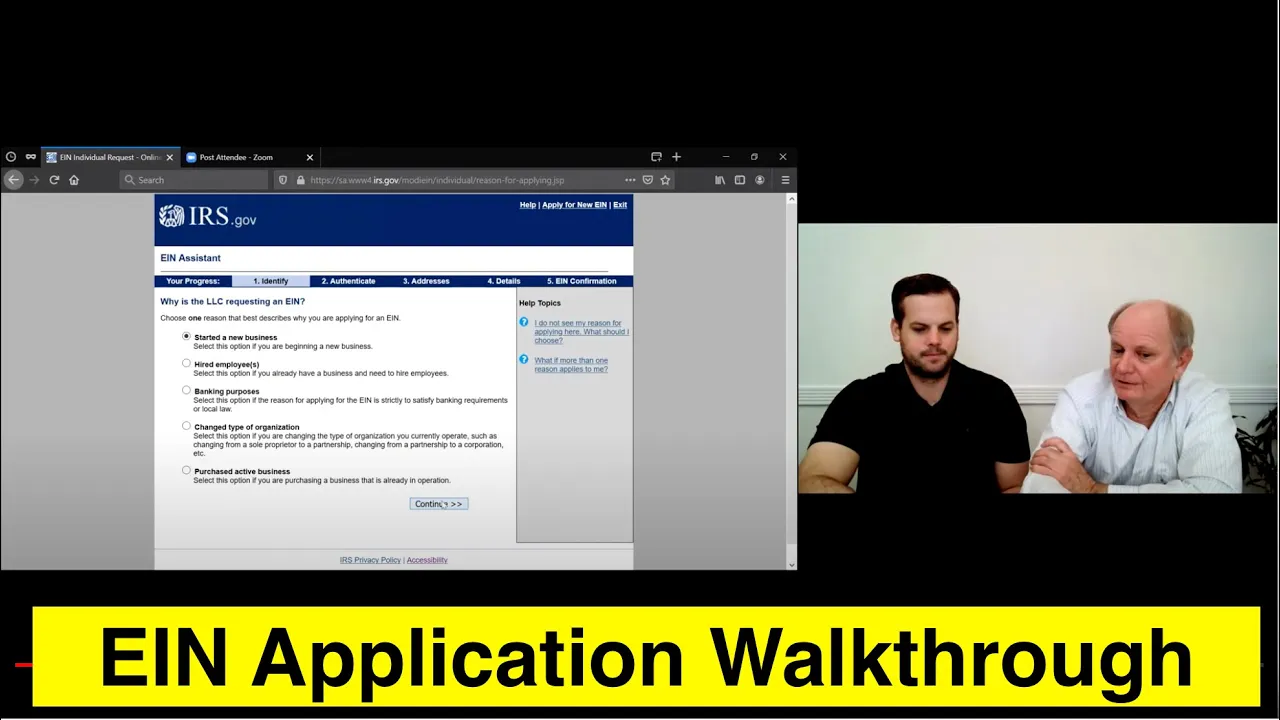
Basic knowledge of business compliance, including having a registered legal entity, an Employer Identification Number (EIN), and standard financial records.
Familiarity with foundational procurement terminology, such as solicitations, requests for proposals, and profit margins.
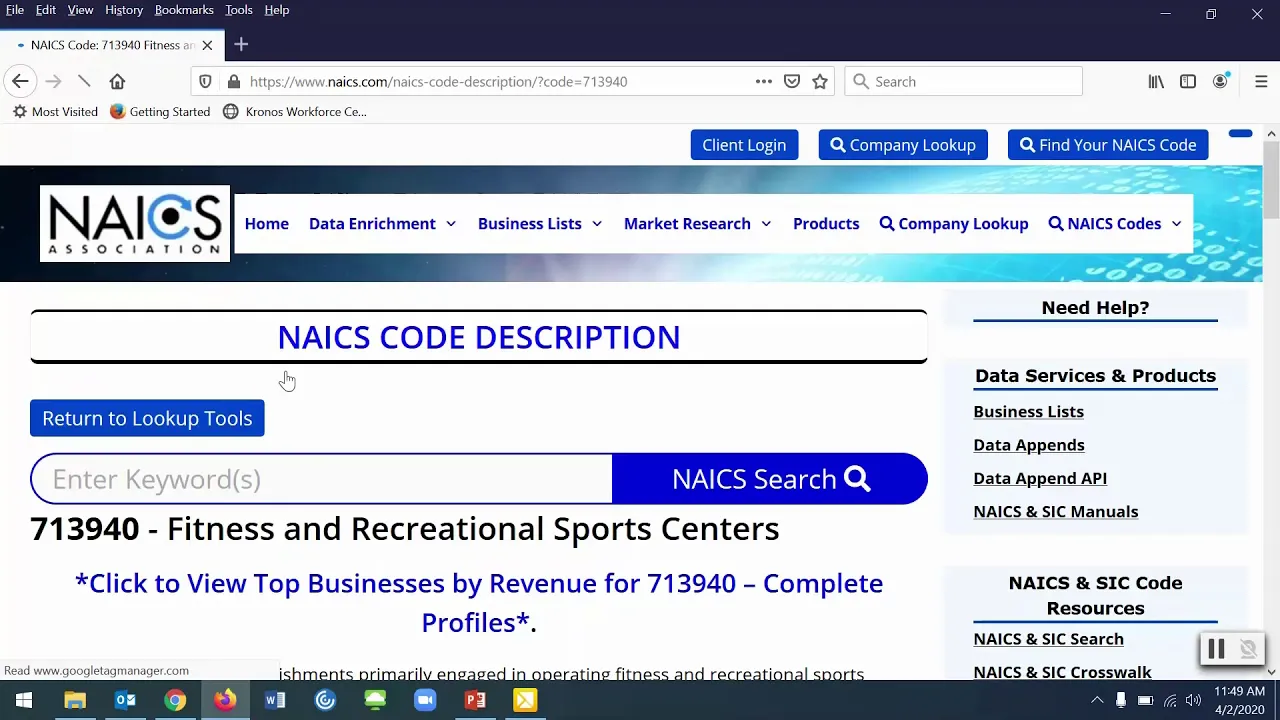
Awareness of industry classification systems, specifically NAICS (North American Industry Classification System) codes, used to identify a business's primary offerings.
Advanced proposal writing techniques, including drafting compelling technical narratives and compliance matrices for complex RFPs.
Utilizing federal socio-economic set-asides, such as 8(a), Woman-Owned, or Veteran-Owned Small Business certifications to target restricted-competition contracts.
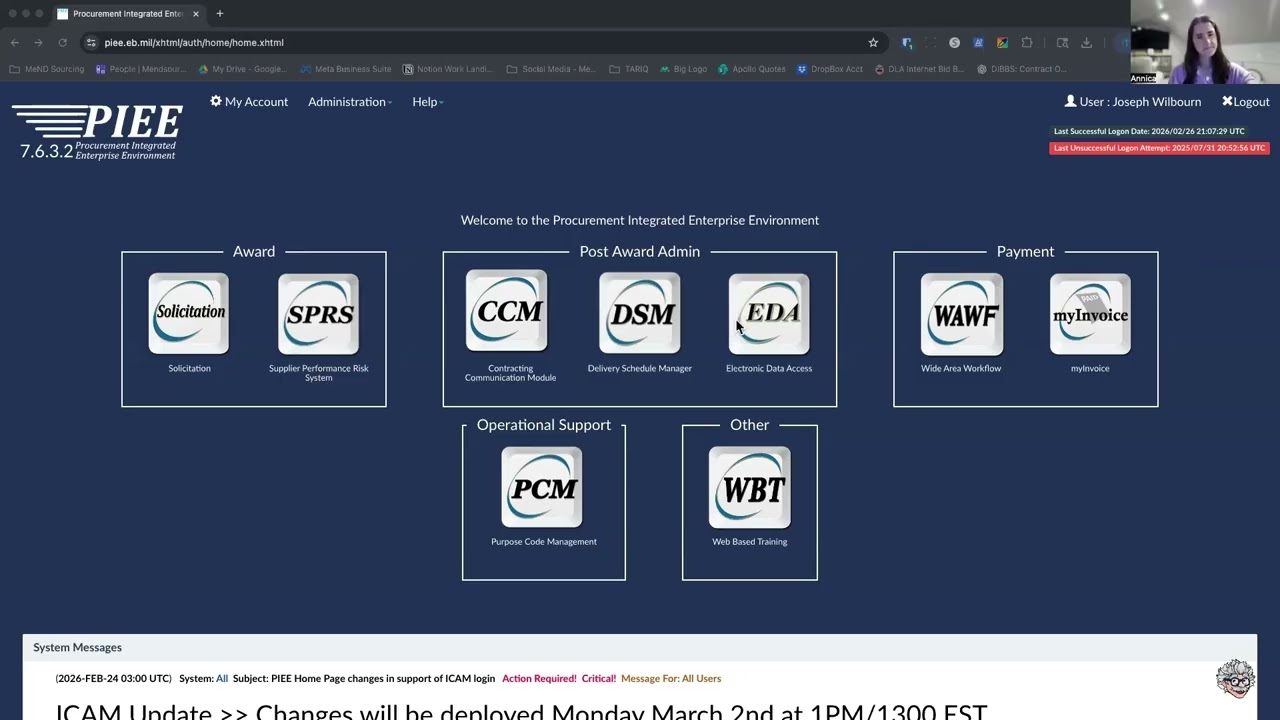
Understanding post-award contract administration, including performance monitoring, invoicing systems (like WAWF), and compliance audits.
Exploring subcontracting strategies and teaming agreements to build past performance credit with established prime contractors.
15.3K views604likes21:20Original Release: 2025-05-01
how to win your first contract. So, let's get into this. So, you must be registered in sam.gov. To get into sam.gov, you just need a business.
That's all you need is a legal business.
Next, you have to be able to find and review opportunities. This is vital. And I want to share something with you before we jump into me sharing all of this with you.
For those of you like Grandstar who maybe you're having some problems, it could be, do you have a physical address? Is it in the United States?
Have you paid all of your fees? Have you done all of these? This is what you have to ask yourself. That's what's required to get a cage code. So, in order to prime a contract, meaning the contract is in your name, you must be in SAM.gov. You also must follow the rules and regulations for your state territory. So, one of the mistakes people make is they want to win a contract and they're so busy finding an opportunity, getting pricing, throwing together like one of those rage meals.
To have a legal business, you cannot use a PO box. You cannot use a registered agent. It you can use your apartment, your um home has to be a physical address. Somebody has to be able to go there. That is the current rule. Not my rule, their rule. If you do not have any of that, if you don't want to get any of that, that is okay. You must do what's called subcontracting. So, you can still win your first awards. So, let's say magically you've received a cage code or you're somebody here where you already have had a cage code and you may be in this position of, okay, I don't know where to start. I haven't won. I feel like this is rigged against me. What do I do? One of the thing that's really amazing about government contracting is the fact that we are providing products and services to the most amazing country in the world. It's sharing my screen. It might go black for a second. Don't get concerned. We're on sam.gov. How do you win your first contract? You get a cage code if you want a prime or you sub. Next, what you're going to do is on sam.gov, you have to find an opportunity. You go to notice, type, solicitation, set aside, total small business dates. Let's do next month. So you see it narrowed down to 645. So if you see 645, I want you to type 645. You'll see hot water heaters, fire repair, fire suppression, parking lot, demolition, roofing, mowing, and trimming services. So, what's really amazing about this is you see a wide variety of opportunities, a wide variety here. And I said do within the next 30 days. What you want to do is find something that you vaguely feel comfortable doing. So, what you want to do is find things that you're very comfortable doing. What is it that you're comfortable doing? That's what you have to ask yourself. What are you comfortable doing? So, when I look at this, I see this Army janitorial contract. At the end of the day, people are going to need to be able to clean and we're going to be need to provide it. So, you'll notice this swirly the swirly is there because I need to use a different window. That's all it means.
So it doesn't mean the system is down.
It just means that you just got to use a different browser. So I'm going to share my screen so you all can see this. So you can see housekeeping for a small business. So this means you don't need a set aside. You don't have to spend money or or put in time to get a set aside.
You you Okay. So so far nobody said they're not a small business. So that means you qualify. This also has residual monies. This gives you ongoing monies, right? You see it's for how many years? Base plus four, that's five. And they're also telling you you have to be registered in SAM as a prime contractor.
You have to send electronic questions and to make sure you pay attention to the the FAR evaluation. The whole objection objective, excuse me, is for you to figure out what is required. What is required for you to win? Some of you may use a chat GPT, you might use other AI. However you you decide to do it, you have to be able to understand what does it take to win.
Now, for this opportunity, it provides a zip file. So, it means there's many files within that are compressed. This is a solicitation meaning that they have money and they are looking forward to awarding this to the right organization.
This is really important to know. I'm going to share with you the performance work statement. What that means is I'm sharing with you what are they looking for? What do they want? What do they want from you? What are they expecting?
So, janitorial. Okay. 36. It shows the height, I mean the square footage. Okay.
17 pages. You already know there's potentially a pre-bid visit with Jason, meaning you or one of your subcontractors may connect with Jason to take a look at the space. Okay. It looks like they want to know that you have past performance. Now, some of you, you may not have past performance. I don't have past performance doing janitorial, but guess what? My subcontractor will this that one person can do all the work. They're using the word employee, but ultimately we have to see the requirement and see if that's they could be a 1099. They're also saying you may want to have a backup person to avoid days laws due to illness vacation. You have to dress in appropriate clothing. No siren work force outfits here. No workforce siren.
That's apparently trending on Tik Tok.
You see there's going to be a there's things you're going to have to submit.
Okay. So far, what you want to do is how are they evaluating this? What do they want from you? What does the work entail? Is this something you could win?
The biggest mistake companies make time and time and time and time again, other than feeling overwhelmed by this, is bidding on things they are not going to win. Bidding on things where they have a very low likelihood of winning. And it it really breaks my heart because it's like there's no reason to waste time and I'm here to eliminate all of the obstacles. You know, I'm going to share a couple of things as I continue on with this. One of the things about this space is perseverance.
Whether it's a side hustle, it's your main thing, you're trying to figure it out, you have to have perseverance to get your first win. What has happened as a society is we are so complacent. And I was like that for a very very very very long time. So you've you've got your cage code. You don't know what to do. Okay. Well, you got to take action.
So, I'm going to share another document with you for this. This is janitorial work. It's a live opportunity. Hey, I got a cage code. I don't know what to do. Bid on this. Bid on this. Somebody who has experience doing janitorial work. That's all you got to do. And anytime you see something like this, what you're going to do is fill out 17 alpha. You can put your cage code here, your name, your business name, your phone number, 30 alpha. But do this last because often when you sign it, it locks it. So you're going to do 30. Bravo Charlie 17 alpha 30 alpha after you're done. And then it's going to lock it.
And you're only going to give them this page right here. You go to edit, organize pages, extract. See?
Okay, there we go. Okay, are we all on the same page? If we're on the same page, type yes. Now, what we're looking for because we didn't get it in the first go round is we want to know what are they requiring. They want to know what are how are they evaluating this.
And I don't want you all to freak out when you see limitations on subcontractors. Don't freak out with that. What that means is even if you're going to subcontract, do not do what people will share with you on Tik Tok or on Instagram or somewhere else. What I want you to know is people who win contracts and they're like, "Yep, I won." And just like that, they're like, "I won. You can do all the work." Could you imagine if I did my entire video like that? Just my empty chair for the whole video. You would be like, "What?
What just happened? Where did Kizzy go?
Does she does she start a a faceless channel? How do you think the government feels? You win the work and then you're like, "Nah, I Joe's cleaning supposed to do it." Doesn't work like that. So, even when there's limitations on contracting, the biggest thing is people who just hand it off, who just walk away like I just did. That's the problem. So, you still have to be involved as a prime contractor. our technical and past performances on separate PDF. It always depends on the opportunity. Now, I'm just scrolling to scroll. I mean, there's only 52 pages. It's not a lot.
Look how long you've spent on your phone this week. You got enough time to scroll. 52 pages. You can do a CtrlF.
You can do things like that. But I just want you to see how easy this is. Just scrolling. Now, you want to know how are they going to make the decision? Okay, y'all. So, I haven't really watched the Red Balloon stuff that much cuz I actually thinking of doing some shorts on it, like pop the red balloon for the contract you want. But here's what I do know or you don't want. There's a set of criteria somebody has. It could be their hair color, their skin tone, their jewelry, who knows? And that's how they decide if they're going to pop the balloon or not. So, this is the same thing. They're telling you your balloon will be popped if you number one don't give us what we want. You your balloon popped. You're not even going to be in the running. Not going to be in the running. So they're saying to you most advantageous. So we want to have some past performance. Now some of you may say, "Well, Kizzy, thank you. Uh, well, I don't have any past performance. I've never done cleaning. I I What am I supposed to do?
You said there's limitations on subcontractors. Well, then what what am I supposed to do? And what? Pump the brakes. Pump the brakes. Do you see it says if you have employees with experience, you can include this. You know what it doesn't say so far? It doesn't say a company you're partnering with that you can't use them. And a person can be your employee and you only pay them for one hour a month. So I want to expand this notion because often we think employee I I don't have enough money to pay myself.
I got to pay somebody 40 hours. No, an employee just means that they work for you. Okay? So whether you use an employee, you use your experience as an employee, right? You use a co a pro a subcontractors. They're looking for three references. That's it. Three. Now they're looking for a work plan. This is really simple. I don't even know what this does. Apparently Adobe has an AI feature. So, we'll let that do its thing. A detailed plan that includes equipment, materials, personnel. You can throw that in chat. GPT. Hey, give me a 1,000word detailed plan. Da da da da da based on this attachment. That's your prompt. That's your prompt. It's that simple. Next, the price. I don't know how to price it, Kizzy. What? Where do I put my profit? You're going to put your price, your profit. And you see how there the AI inherent to Adobe. You see it has a summary right here. AI is everywhere. Whether it's chat, GPT, claude, the one through X, Adobe, it doesn't matter. What's important is having a basic understanding so you leverage AI. I believe it was two Sundays ago, there was a gentleman on here who used AI and he ended up winning and then the price was too low. So we had that situation, right, through because of AI. So, for this opportunity to get your first win, you're going to put your pricing here for each building.
Could be the same price. It may be different, but they're asking for the pricing for each of these buildings.
Base year, option year 1, 2, 3, 4.
That's 5 years. Okay? So, you put your profit in there. The technical document is not hard. We just talked about it.
Getting with somebody who understands janitorial is key. You can find them on Facebook Marketplace. You can find them on probably Task Rabbit or I'm sure there's some house cleaning app or something like that. I know in Florida we have a um Rush Maids in Miami. So, so far based on what they as the evaluation criteria, there's nothing here where it concerns me where I would pop the balloon and say I'm out. And thank you for that. my examples are relatable.
It's really important because I find people who make things very complicated often don't really want other people to do it. You know what they're doing next.
You see the price. You have to put all your pricing in there. And let's let's zoom in here. Let's zoom in like like we're trying to get some details here.
Like like us waiting for those those Epstein files to to drop. You zooming in. The quote shall be inclusive of all co costs. Got that? The award will be based on whether the lowest price of the quotence having the highest past performance and past performance ratings possible represents the best value when compared to any lower price quotes. So here's what they're saying. You can give them the lowest price, but if your past performance is trash, boom, balloon pop.
Next, next. I don't like any of y'all or whatever or the with the ladies. That's what's happening here. I'm getting some red balloons, y'all. I'm gonna get them in Texas when I go later this week. I know, right? That's what they're saying to you. So, in this situation, make sure you like, subscribe, hit the notification button. You don't have to have the past performance. Your employee can. The company you're partnering with can. What's key is you must be able to give them what they want. If you're watching this and you're like, "Nah, this ain't for me. Pop, pop, pop, pop."
Then move on. That's all you got to do.
And when I say pop, I'm talking about the red balloon. Okay, for those of you where you see this and you say, "Okay, this works for me." Here are the next steps that you must take. Because one, one of the many mistakes people make is they just rush to find somebody and this is what they're going to do. Yes, of course, we can do this work. you're the seventh person to call, so it's going to cost $3,000 a month for us to do it. And you'll be like, "Oh, okay." And then you add, let's say, $1,000 to it. You take that $4,000 and you break it down by the three locations and call it a day. Well, what if somebody was doing this before?
Like the red balloon. I'm sure the people in those shows have had a boyfriend or a girlfriend or uh situationship before. I'm sure they had somebody cleaning the building before.
So, you know what you want to ask? How much did you pay in the past? So, you want to know who did the work before?
What did you pay them? What's the contract number? Because you may see it and be like, "Whoa, they paid $88,000 over five years. What? How is that possible?" is what you would say next.
Kizzy, I want to pay my people a fair wage. Kizzy, I don't want to pay low prices. And you know what my answer is?
Don't bid on janitorial. You're gonna have to bid on something where you can pay people a lot of money. You may be here thinking like, man, how does this help me win my first contract? Because if any of these things are overlooked, you're going to win. It's not hard to win a contract. And then you're going to be like, I don't want it anymore. And we don't want that. So, when it comes to the janitorial opportunity we were reviewing, you need some experience. You can get it from employees, from yourself, from a teaming partner. You need to put together a work plan. Chat GPT. Ask the person. Set up a site visit. Here's why. Many of you, let me say this, there are people out there that say, "Ah, you don't you don't want to go after anything with the site visit." I live in Mexico. Filter my water. I put it in here. I've been sober almost 12 years, so there's no no moonshine in here. Okay. So, some will say, "Don't bid on anything with the site visit." Move on. I say bid on something with a site visit, especially if you can go there. Anna, one of my students, that's how she won. It was for a janitorial opportunity in the great state of Texas. She went, contracting officer noticed her and she ended up winning. They noticed her because she was prepared and asked very good questions. So, if you can go to the site, visit, beautiful. If not, send a bunch of people. But it provides an opportunity to potentially stand out. In this opportunity, they've already stated basically one person can do it. So, what are you paying this person? $11 an hour, $1050, a monthly rate. You can still pay somebody monthly. And then break it down. Hey, for this it pays $1,400 a month. That equals this amount per hour.
And D. So, you meet all the requirements. Nobody's saying you need to pay somebody $1.50. Maybe you do the work. What's wrong with you doing the cleaning? I am all about action. Doesn't have to be beautiful. You don't have to have a website to win a contract. You don't have to have past performance. You don't have to have a set aside other than what you have being small business.
That is just like me. I want a second channel. I don't need everything perfect. I've recorded three videos. I talk about it. I can't wait to record more. You just do it. If I'm over here telling you and sharing with you bid on a contract and then I'm secretly a perfectionist, y'all be like, "Pop, you'll be popping that balloon." We ain't here to pop no balloons. Uh, I appreciate everything that you do. If you haven't already, check out Winner's Way book. I'm going to have a new book coming out soon. So, I got to I got to handle something. I'm going to get some more water. Y'all are amazing. It's very easy. It's very easy to win. So, I love and adore each and every one of you.
Everything is possible until next
Up Next
27:29
Teaming Agreements vs Subcontracting in Federal Contracting
@jenniferschaus
633 views•2019-10-23
46:36
Retention Habits of Top DTC Ecommerce Brands Revealed
@SendItPodcast
44K views•2026-03-03
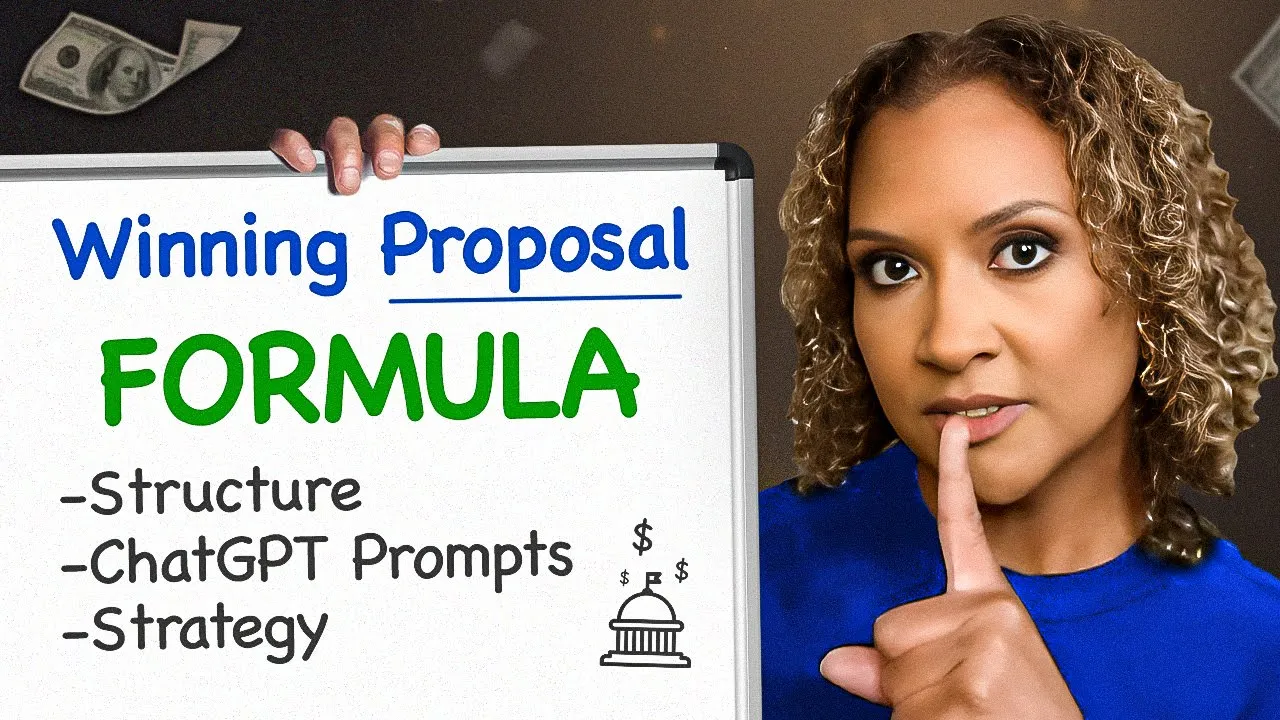
25:46
Government Contract Proposal Writing Guide: Federal RFP Process Explained
@KizzyParks
38.3K views•2024-04-17

17:30
The Planned Obsolescence of Light Bulbs and Tech
@veritasium
25.3M views•2021-03-26
Related Study Plans & Knowledge Roadmaps
Structured learning paths in Business
business
Pop-Up Retail: Strategy, Design & Execution
01Introduction to Pop-Up Retail & Strategic Goal Setting
02Budgeting, Site Selection, and Legal Essentials
03Experiential Retail Design & Visual Merchandising
+ 2 more learning modules
15h5 modules
Explore Roadmap
business
Reg CF: Startup Funding, Marketing & Launch
01Introduction to Equity Crowdfunding & Reg CF
02Platform Selection & Legal Preparation
03Crafting High-Converting Campaign Assets
+ 2 more learning modules
14h5 modules
Explore Roadmap
business
Productized Services: Scaling Solo Freelance
01Foundations of Productized Services
02Packaging and Scope Definition
03Pricing and Subscription Models
+ 2 more learning modules
15h5 modules
Explore Roadmap
business
Gov Procurement: Find, Bid & Win Contracts
01Introduction to Government Procurement & Business Setup
02Small Business Certifications & Set-Asides
03Finding and Analyzing Contract Opportunities
+ 2 more learning modules
14h5 modules
Explore Roadmap