
















Sheng, an urban youth language of Kenya, has evolved from a transient peer language associated with the underclass into a legitimate urban vernacular that now permeates mainstream domains including politics, media, and corporate advertising, demonstrating how non-standard languages can serve as strategic communication tools in multilingual societies by filling gaps created by varying language competencies and providing neutral ground for cross-ethnic interaction.
Sheng: Kenya's Urban Vernacular | SOAS Linguistics Talk
Added:Basic concepts of sociolinguistics, including language contact, code-switching, and code-mixing.
The linguistic landscape of East Africa, specifically the roles of Swahili, English, and indigenous languages in post-colonial Kenya.
The definition and social functions of 'anti-languages', youth codes, and urban slangs as markers of identity and resistance.
The distinction between a pidgin, a creole, and a mixed language or urban vernacular.
Comparative analysis of other African urban vernaculars, such as Tsotsitaal (South Africa), Nouchi (Côte d'Ivoire), and Camfranglais (Cameroon).
The impact of evolving urban vernaculars on national language policies, formal education, and literacy rates in East Africa.
The role of Sheng in modern Kenyan pop culture, advertising, political campaigns, and digital media.
Linguistic structural analysis of Sheng, focusing on its morphosyntactic borrowing from Swahili and lexical innovations from English and local vernaculars.
623 views13likes1:23:20Original Release: 2016-07-25
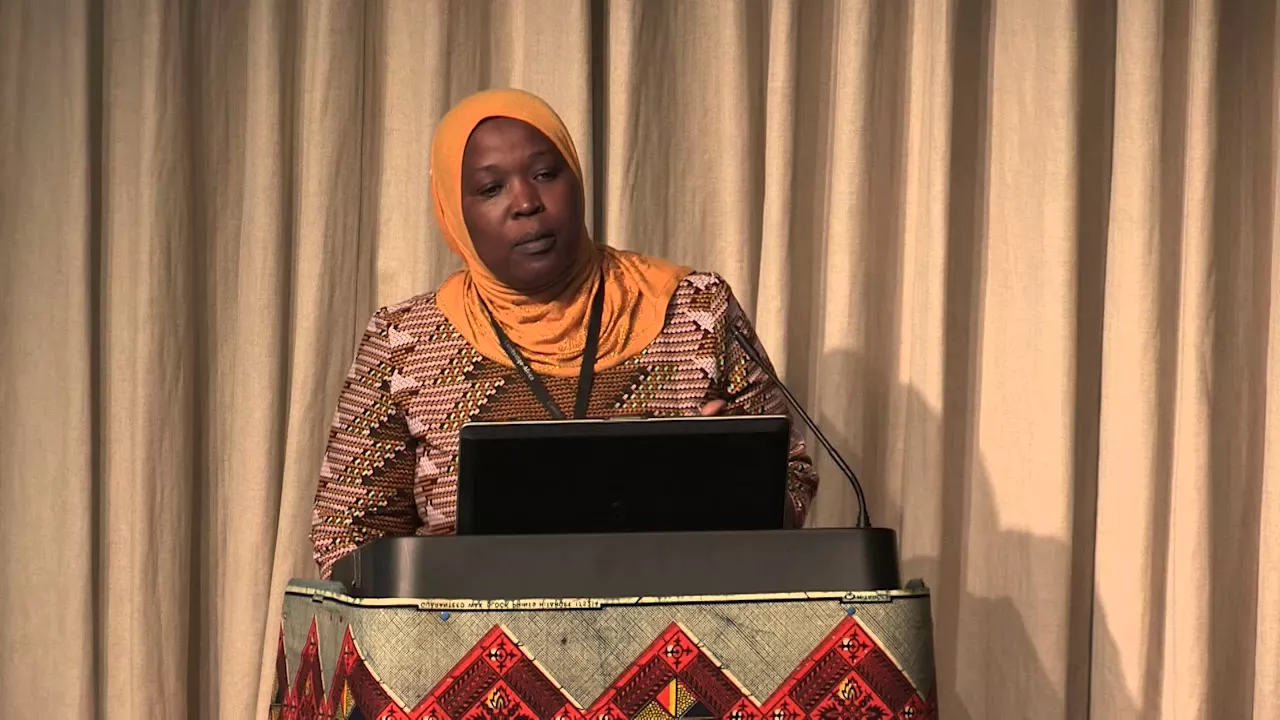
um this is the first uh departmental seminar of the Linguistics Department this year um and we're very pleased to be very distinguished and um and a good friend as well as Speaker this is CH who is A colleag from the afriart he a senior lecturer in Swahili and he has worked quite a bit on on Spanish as it were Spanish and swes he's written a Dictionary Spanish s and he's worked in Mexico was based in Mexico for some years and and the monograph on um afrom Mexican relations which is interesting because lots of African American interaction often focuses on Brazil and Mexico was up to that monograph really a bit of a dark spot on the land on the landscape um and and now it isn't anymore um but the other the other big research um focus of chis work is Shen um which he will explain in more detail is is in an urban African youth language if I can disagreement I I probably but it's spoken in Kenya we agree on that um and he has a a 2002 article I think in the Journal of African cultural studies which is our own journal actually um and that is still probably one of the key references in the discussion in Shang if you look at Shang literature this is one of the one of the Articles which is cited um so we're very pleased to have Che with us today to open the seminar series and talk about Sheng and in particular about the logic and impact of shen on Kenya's linguistic landscape thank you very much Lu for a wonderful introduction uh indeed I'm quite happy to be here to talk with you about uh my ongoing project as Lu has mentioned um this it has become a very topical uh issue now in the language studies of in Kenya and East Africa in general uh a dozen 10 12 years ago when I published the article first time uh there was only another two articles prior to that right the one was 1987 the next one was 1997 and then mine was in 2002 and hopefully there will be another one soon on my part I'm actually working in impress so to speak um but currently there are conferences workshops and uh many other activities all around Shang this this uh Shang project and part of the reason I think and I will explain as we go on is that um at the very beginning it has always been defined as a a peer language that is Ever Changing ever evolving unstable uh nonpermanent and so forth however 15 years have gone by 20 years have gone by and Shang instead of dwindling in numbers and scope and domains of use is actually increasing and so this is why I think there's a renewed uh um interest uh on this on this phenomenon um right so how much time do we have sorry just to so I think we have to leave the room by 5 about 45 minutes an hour for both and that would give us 20 minutes half an hour more for disc that's probably more than enough thank you yes okay so um I I thought uh of talking about the logic in a in a double kind of sense uh first of all uh in terms of the the the the logic of using the logic of the language itself we all know that languages have structure and they have a specific way that they have been formulated so one of the a points raised many times was that Shang has no rules right it is you know fluid it is all changing and so forth and I want to argue that there's a bit more to that there's more than that secondly um I want to try to explain the logic of why the Shang what is an inner city youth language associated with the underclass is on the rise you know there has to be some explanation for that there has to be a reason for this and this is what I'm I'm going to try to explain the logic as to why Shen continues to rise but very briefly is a background um this is my working definitions uh for for the time hasn't changed very much except that now uh I am going to add a few more things to to the subject but really it is at the time anyway an age marked Urban dialect of Kenyan Swahili which I thought whose outer form was very is is Pigeon like at the time again there was a lot of discussion about whether Shang is a pigeon or some people even propos it to be a creole so in actual fact that article I wrote it was in the form of a question is Shang a youth language a pigeon or an emerging Creole and my response was this one in conclusion um Shang is very much linked to multilingualism and urban urban cultures so it has arisen from a very complex multilingual situation found in Nairobi which I'm going to to describe very briefly uh very soon Shang the main characteristic as many other mixed codes is code mixing um a lot of lexical and now phological Innovations H according to spyrus who wrote the very first article in the Oxford Journal of of of of uh Oxford Journal of of uh of anthropology um uh she claimed that um the she thought that the Shang as a mixed code as an urban mixed code had its roots in nirobi as far back as the 1940s just before uh during that you know still during the the colonial period when lots of you know people from different ethnicities were housed together in a you know sort of somewhat segregated conditions in the city of Nairobi and so the the the language that emerged out of a people who had not a common language and also whose competence in the languages in in the languages the common languages that is Swahili and English was quite reduced so they came up with something that could accommodate all the different speakers at the time and this has not been disputed very much but again on the other hand there isn't much evidence of that because we don't have many speakers reporting to have been speaking that language at the time def however we cannot argue about the fact that it is a product uh of the coexistence of speakers of many different languages who are farther differentiated by culture and social economic class these two factors are also important one culture because again uh we tend to oversimplify the situation in Africa that is as if one African culture but within Kenya within Africa they there great diversity of cultures so even within the city of Nairobi you have quite diverse people with very diverse um views about life and society and their cultural differences are quite pronounced this has a role to play in in this emergence of this language secondly social economic class as we shall explain at the very beginning Shang has always been a associated with the underclass with the bottom part of the social economic pyramid but now we are seeing some bit of differences it's sort of rising out of the bottom you know Rising toward the top bab again I won't dwell too much on this but I think it's important to highlight the character of Nairobi um it has 10% of the total population of the country it produces 60% of Kenya's G GDP that means most of the money made in Kenya is made in Nairobi and that means most of economic activity takes place in Nairobi and also subsequently at least in terms of language and culture it is an epicenter you know it is from where uh uh many many Trends begin and spread out now in terms of language it is important to to to to note that whatever language comes out of Nairobi right let's talk about Swahili right you see a difference between Nairobi and Daris Salam Daris Salam as an epicenter of the Swahili standard SW language in Tanzania is well the the n The Habit inhabitants or the original people of daram are actually native SW speakers so if daram is the epicenter it tends to spread out good swah so to speak okay more less Nairobi being an enter of another kind and still exporting to the rest of the country it sort of spreads what it spreads in this case is actually Shang not not anything else so this is important at the end of the day the point about uh the uh the most of the people living uh on only very small part of the city again this is nothing unusual about uh Nairobi many African cities are like that but the the the implication is that a lot of people live in very cored places but more importantly these days they have begun to spread out with improved Communications better roads that are now leading out of the city uh better Services electricity and so on and so forth people are finding it much more convenient instead of living in a tight little room in the city spread out to the sort of serers middle inome and low income areas and I shall I I will argue that this spreading out of the uh community of the people out of the city is also they're taking Shang along with them to other parts of the country to the rural areas and to other towns of the country also the rural urban linkages as again with many African cities they remain very strong okay people you know move back and forth from the village when things are good when there's a job in the city you stay on for a while if things get hard you always have a little home in the village where you can go back and uh regroup yourself your energies or you know live in a different way and then after that you go back now what happens uh is that um if people who have been living in the city they take something habits to the with them to back to their rural bases and that includes language as well so we seeing also Shang in this way being taken away to other parts of the of the outside of Nairobi so me this is just uh just to give you an idea of what we're talking about so um this would the Yellow Part would be the city itself the city of Nairobi and shank would have been the started somewhere there all right but now this metropolitan area is where most kyans are now spreading so in actual fact those 4 million people we are talking about probably most of them are actually maybe in this in this other area and now this is becoming included as part of the Nairobi City metropolitan area which I think even at the time I was writing we were writing 10 15 years ago you know it was still Nairobi was still considered to be just the yellow part right um quickly about language in Kenya the domains of use uh we find English as you can see is many is the main language for news and media international business education higher levels of government that means yes you know most of parliamentary debates and uh you know other policy meetings and uh so on and so forth are held in English but when the poit same government goes down to the rural communities they're more likely to use sili or the the lock of vernacular so Swahili for soal lower level commercial activity I mean daytoday you know commercial trade and so forth social interaction inter ethnic communication on the radio of course uh and so but more very importantly inpire to express nationalism and solidarity now Shang has entered into most of these domains today right as I shall demonstrate shortly it is now Shang or this variety of Kenyan Kenyan soili has entered all these other domains that were restricted you know very strictly to English and kiswahili and so generally this whole change and increasing use of Shang I think is a fascinating Phenomenon with regard to the phenomenon of linguistic contact and change Innovation and so forth but more so within a specific urban African context uh an offshoot of shen is an okay who again Abdul and who wrote the second article on Shang right they had a little entry there about an uh which they argued was a counterpart to this lower these other code associated with the lower lower classes so the upper classes decided to bring out their own little you know another code more prestigious much more based on English but still involving a lot of cod code mixing we can I'll come back to that l in a while right so as I said before the extreme registers of Shang have always been Associated or maybe still linked to the underworld criminal youthful prohibited but not necessarily illegal activities for example example uh the the matat industry which is the Mini Bus the transport industry is very very is a vibrant uh industry in Kenya there are thousands hundreds of thousands of mini buses that transport people back and forth all over throughout the country the dominant language that is used by these fairly uh uh interesting characters is Shang mainly so there's a bit of association with uh you know uh that uh part however this regist are becoming a minority spaces now 10 10 15 years ago would have been very difficult to hear a you know a a public figure actually even daring to to speaking anything about Shang or in Shang and I don't but now not too long ago we have even the US president speaking sh thank you thank you so much please please everybody a seat good morning morning thank J thank you so much for your timely remarks your warm welcome and the great work that has gone into hosting this Summit it is wonderful to be back in [Music] [Applause] Kenya [Music] [Music] how are [Music] you I am uh I'm proud to be the first US president to visit [Music] Kenya and obviously this is personal for me uh there's a reason why my name is Barack Hussein Obama okay okay we know the reason why uh uh but uh this the the the the the the interesting thing here is that he started out with standard Swahili huo a lot of people here know how to say hujambo s Jambo and then he paused for a while and decid he has to make some kind of impact and he goes now this is archetypical Shang all right prototypical Shang okay which many people would associate with very young people uh of a certain social class or ethnicity so to speak okay it is a sort of equivalent of saying yo what's up guys yeah and this is what Obama said now he must have some ADV adviser who was clearly uh attuned to the trends the linguistic Trends and decided to to use that but I I use that um to Simply make the point that Shang has the AC acceptability of these youth code of these underclass or with original with Origins underclass has become almost mainstream now he's not the only one we shall see there are other politicians who have also engaged in that who have used Shen um so what I think is that this expansion of of the domains of use of Shang right call you know require some investigation right we need to find out what is going what is going on and more importantly as what is going to happen uh this point is important about Shang uh and others like it like the N spoken in Aban and comr GL you will notice that Shang did not arise out of the need of a need there was no communicative need we have Swahili Swahili is perfectly well suited for inter ethnic communication and even International Communication of course but still the need or or the arising of this and additional code raises important questions about uh uh language whe about you know if language is simply a means of communication we know that it's not only that but how do these codes arise and why are they coming up so I'm working on the hypothesis that um this original character of Shang has changed as an in group covered with language is changing to to that of an urban code of wider communication an urban vernacular okay and it firmly belongs to the Continuum of code that nairobians and Kenyans in general navigate through which is characterized by extensive code mixing which I have coined this term Kenyan I'm not sure if it's going to stick but that's what I think because I I'll explain shortly I will not go too much in that but again is important to point that on average nairobians and many Kenyans speak an average of three languages few people don't speak three Lang most people speak at least two at least two but probably most speak three Le the research I did way back uh I found that about uh close to 90% of the respondents okay of about 1,200 respondents uh claimed to speak three languages but I'm not the only one others have also done the same now there has been a bit of discussion again Abdul and of cind they have argue that this a kind of Tri glossia but I find that does not quite um tally with the what Ferguson proposed way back in 1959 and I think as somebody else who snow who was looking at um uh other situations in in in Asia I think it describes a bit better Modern di glossia where um you have a rather than a high variety and a low variety you have the use of a standard variety being the sort of the equivalent to the high and the low L varieties would be more about would be the the the vernaculars or the other codes the non-standard varieties that are used within the situation in this case I include Shen there so these this is because um we're not talking of a situation where only one language is used for exclusively for certain let's say religious purposes or others no English in Kenya is used for all kinds of purposes Swahili standard swah is used for all kinds of different varieties of purposes so it is not exclusive to the other non-standard varieties so again very small number of Kenyans have high competence in the standard varieties whether it's English or kah okay and therefore um the low varieties of swah well I'm calling them low varieties meaning the non-standard varieties including Shang all right okay as well as the the the the vernacular that is the Kenyan African languages are the most widely used codes in Nairobi in other words very few people around Nairobi go around talking you know a a proper Standard English orah therefore code mixing is extensive and results in this what I'm calling Kenyan to describe a variety of ways um uh of of of speak of of U of um describing Kenyan Swahili Kenyan English Shang an all those things to me they're just simply a varieties that exist along a Continuum and most Kenyans are perfectly able to navigate back and forth depending on the situational factors that are that are available right again we know all this that um language mixing [Music] um language uh contact resul in things things of borrowing caling code switching and so forth I'll give a few examples so on and I think I'll focus more a bit on on on code switching or code mixing in general um because I think it's you know I think it it's more interesting in terms of uh linguistic Theory particularly from a social psychological perspective I like this uh view by path of uh code switching or code mixing language mixing as a strategy of neutrality because I find there is a reason why people who are perfectly capable of speaking Standard English or perfectly speaking standard Swahili choose not to right okay there are situations which require they seems to establish some kind of solidarity some kind of Rapport which is expressed in terms of language and otherwise would not be so I'm trying to think believe that um this this extensive quote mixing is is motivated by these psychological factors and in the case of Kenya I think they are quite relevant um where ethnic National naism is high where there's a lot of disparities socio economic disparities people have to find a way of speaking to each other in a polite way in a nice way without offending one another by using codes that are identified with you know any of these particular groups I won't go too much in that detail because you know about code mixing and you know about the metrics uh language framework of uh of Maya scotton which you know has it issues but has been used to explain my situations and I adopt it more because uh it was developed out of the Kenyan situation because her studies were based on studies in Nairobi and in Kenya various parts of the country however what is important is that um this idea of the metrix language I think is important uh because um basically um um she argues that um in code mixing situations there is always the basic language the language in which things are embedded from you know borrowed from another language and so if we take this perspective uh it might easy to explain Shang versus an so that you have the Matrix in Shang is Swahili and the matric in in in Ang is English so that you're bringing in other material but just by switching back and forth The Matrix um right also the languages of Kenya that's also important other vernaculars kenyaan African languages can also act as mric all right because sometimes people are using their own one one one of the Kenyan languages but they're bringing in English Swahili and possibly other languages so basically uh extensive quot mixing is the norm and all forms of discourse public and private and even in foral registers uh just an example again um um he he's a pastor but you can see the part in in red right they are either English or they they English or Swahili right sorry um one of them is sorry oops okay uh maybe you should listen to that one first although you may not understand oops it's not working I'm not sure if it going to work it will become better in a minute anyone convers for here if not maybe then it's not very important but you might if the volume just [Music] listen [Music] okay this young lady here is is describing her you know very difficult past okay um and uh uh and and what she's doing is she's just like this pastor here who is also I'm interviewing uh the the code mixing is ubiquitous right whether the metrix is Swahili or English and the point I'm trying to make here simply is that in Kenya right or in Nairobi Kenya Nairobi right very few people do not code mix and I'm going to shortly argue the implication of these upon what we call Shen um this is these are examples of uh let me go back to yeah an example of uh the kind of code switching and by the way some people such as Bamba make a distinction between code mixing and code switching um Cod switching referring to you know changing languages or the uh um um yes complete you know switching from one language to another full units of the language whereas mixing can bring in Unbound mores and you know fix them up into the language or the Matrix that is being talked about so that distinction I won't dwell too much on it because at the end of the day we are talking about the mixing of two codes but you can see here with a translation in an what might be regarded as an I never buy anything ha you know this somebody from the upper class part of Nairobi a Shang speaker would say ah now if you know a bit of you'll find that you will understand what he means or what this uh uh phrase here all right this uh particular one is is a negative but it's using a you know a non-standard uh habitual form okay in the negative and I'll come back to that again to explain a bit more later um this one here to at the age of 20 okay again that's a very normal kind of sentence which I've elicited in and uh with people okay why do you want a baby at the age of 20 okay so at the age of 20 come comes in into a so Matrix very naturally and nobody B Anni it and goes on now whether this is what you're calling Shang or Kenyan Swahili that's one of the questions that we want to raise um another one here that the same girl here I was interviewing so she says um because both code switching and code mixing can happen you know in the same spee event so run away okay so I told him this is a very shame you know way of saying I'm being pregnant I am pregnant for the second time he started beat me so then I decided to run away nikad deide okay so that's clearly quote mixing you know the side is being inserted straight into a a a verb you know so verb phrase uh this other sample here I picked this up actually from a radio talk show but again I think some of the live calling talk shows are quite credible sources of you know natural data and you have this uh host who was a perfectly you know native so speaker from the co say the beautiful ones are not yet born and then immediately she translates she translated that phrase in bold okay and again back to PA and other Scholars of of the phenomenon they argue that this type of PES or uh you know translating exactly what you've said indicate an awareness that one is code mixing and this is what makes a difference between plain borrowing and code mixing so a lot of stuff that we find in in the in the spoken language is actually people are conscious of it okay they are aware that they're actually switching the language okay um as oppos to this sentence for example in Sample five many many speakers can Ians or tanzanians would not really realize that they are using English okay and Arabic in that sentence mus hotel in K so the items in bold are loans from Arabic and from English but how many Kenyans know that that is the case I might guess about hotelli sounds a bit familiar right but most people I bet do not realize kahawa you know where where that comes from all right and many even don't realize Wii is an English you know loan from weak so this an awareness right is what distinguishes loans or borrowed word you know words from yeah however in the next one you know this sentence here clearly this person would have to know some English Imagine by the way I should highlight this feel this is feel English feel yeah imagine it's your child how would you feel okay so this person clearly is not you know using loans or borrowed words you know these perfectly well you know maybe not so perfect but conscious that they're using two uh different uh uh grammars so with those few examples one of the question that arises is now when we glorify and say okay Shang is a you know youth is a social dialect of is a one of the dialects of swah is a social dili uh what what makes that real is it the case that the ordinary spoken language of many nairobians okay is actually a form of Shang because Shang is characterized mainly by code switching although there are a few other things that I will indicate but those other things including phological changes or features that have come crept into Swahili from Shang are now being adopted by mainstream and this is where uh we have a I have I want to raise a point so the next few things I'm going to highlight right are what you might say called non-standard features of Kenyan Swahili all right or what would be the features of Kenyan Swahili okay now the question is is this what is being referred to as sh so for example rule extension overgeneralization is very quite common and this is just one example which Obama used if only he knew how you know he had he has murdered the language he would be probably not very keen right so ham Jambo um the in swah standard so this m marks or rather the underlining part of it all all of it indicates the second person plural okay already in itself it does encode that information um the this suffix is used in other situation not in this uh where you've already marked in the um uh um the person already okay in imperatives okay then you can use the knee right to Mark the difference between singular you and singular plural okay so you come here enjoy Harper but you all come here enjoy because SW unlike English but like many other PL two languages it makes a distinction between uh singular you and plural you so what happens with Kenyan speakers or or n Nan speakers is that they take these rules where it doesn't belong all right and so you have this very common phrase which I hear all the time with public speakers with politicians and they great people honi which is not you know it's it's really overgeneralizing that rule of the use of the suffix knee um morphology as well right you have these These are ordinary verbs right so for example comes from the verb Ona to speak okay but there is no such derivation as onesa which this person is trying to mean to talk to make somebody talk actually in Kenyan speech it is used to to mean talking to somebody okay right but in standard that's that's not unacceptable so it's another example of overgeneralizing that a lot of simplified morphology that's uh you know quite common um to the extent that you know some people you know would think would propose would have proposed that some the so is spoken in U in parts of Kenya is Pigeon like or is is is too simplified but again uh you will notice that this is spoken and said by many people who could otherwise speak you know proper including myself you know when I'm in the right situation so there has to be other explanations not just POS of grammar fre standing words instead of infixation this is very common in again in Kenya SW um rather than in fixation which should be which is more common in standard um this common one the grammatically the habitual tense this is now becoming in Kenyan Swahili reverting from its all ban to Origins right um er which which had sort of disappeared along the history of Swahili for some reason maybe from influence from Arabic and other languages but now it's making a comeback to where it belongs sort of you know and it comes back in Kenyan Swahili in the sense that perhaps because many other banto languages have this AGA actually it's AGA all right the habitual suffix but Swahili uses who um a prefix to describe something you do habitually I come to school every day but in this in Kenyan or sh you hear uh but beyond AGA it has also have noted uh in my interviews that um and you know my observations uh the penalization of that of that uh G is now almost tended so most people will not simply say but M so again that's a very typical of that um changes such as weakening of of of sounds right so again in sh Kenyan SW stroke Kenyan SW most of the time you hear people say NAA instead of NAA NAA Na and so forth okay it's very very common as well syllable structure definitely and that's what makes sounds so we different and weird Okay lots of long open syllables for some reason at Le they end for some reason SOA becomes becomes o and so forth there always this sort of additional weight of the syllables at the end of of words obviously the the lexical Innovations are the most they are all over the place okay and these are some of the things that make you know Kenyan Swahili distinctive now these ones have included here they they are actually from what is considered Shen so again 10 15 years ago this would not have been heard even in nonstandard Kenyan Swahili okay so now the the boundary between the two is quite blurry in my view right cuz now all these you'll hear them in very ordinary SW Kenyan Swahili in formal and in formal registers to an extent okay not all the time but you know to an extent and without uh without um uh fear of uh being you know speaking the wrong version of the language um a lot of non-arabic non-english Lo words that's what another observation in Kenyan Swahili okay so as we all know the history of uh uh kahili is filled with loans some people estimate up to 40% in certain you know registers maybe uh from Arabic and then of course English in the last you know 70 to 100 years has also contributed a lot but now more recently I noticed you know Kenyan languages particularly or what we call Kyu right and for good reason because this area Nairobi is situated you know in both Kiku and Masai speaking people's country and so greater population perhaps and therefore more influence of that but all these words show show so grandmother show show in in in in has taken hold totally most Kenyans now talking about oh I'm going to see my show show all right that's actually K okay okay uh there are two words in Swahili bi which is used in the southern dialects in Tanzania mainly and N which is used in standard Kenyan right but Kenyans have rejected both okay and borrowed another word from the the language in contact and this is what I talked about I think is a very interesting things happening here about what happens in these you know contact situations um right so there are many and I have a whole section lat around somewhere not not today but because it's too too much about all these G loans because I you know as I did the I do the research I realized there are many many many more much more in proportion than any other of the other language of course there other you know um loans from other languages and I've said there's a lot of influence because of the proximity [Music] um yeah many these are more examples of from which are ubiquitous in Kenyan SW the grammar as well you know you have so things like NES you'll hear it uh even from lecturers and other people okay so this I'll come tomorrow this is from English NES again a few years back would have seen pretty badly you know it's that's you know that's call it ghetto language right youth language you know underclass language a unemployed the youth you know criminal language right but now it's all over this I find very interesting because this at Le this one you can see there just a mix of you know one verb from English into Swahili but here now um even a native speaker might of Swahili might have trouble understanding that because is is not a standard word to mean to to go okay it comes to end it means to end actually with a in its preposition of form probably means and towards or something like that okay but now this has become the very most common word you b as word to mean go me AIA this quite amazing right i' I've you know recorded this tested this you know very radical changes of grammar because does not allow multiple uh objects other languages do and Kenyan SW you'll find that you know this not quite not acceptable but it is uh it can be heard so my view is that some of these Innovations and changes through contact influence may become permanent features of Kenyan Swahili okay and so again if we do another 10 years from now here we we want to see what's what what's going to be the situation like so very quickly to demonstrate how um Shang is entering so-called mainstream domains I'll just go very quickly through a few examples of that at work this is something I I overheard not too long ago right you know I'm just standing in the line and uh I'm listening to the bank clar you know the tell us you know and this is what I heard I mean this is you know this is this is it's not it's it's not it's not good Swahili it's not good English either okay and there's an upmarket Bank sorry in is a bank in an upmarket neighborhood where you expect people to be very proper you know more or less okay but the bank tell us you know between themselves you know I could over here they all speaking what people call Shang and again this why I'm questioning whether it is Shen or is just how is that how Kenyan speak maybe N 120k 120k means 120,000 Shillings so you know all that information you wouldn't know if you yeah you'd have to f you know because it's really heavily coded do do from do English money P okay yeah so it's a very common Shang word you know again 15 20 years ago these are very old one by the way it was way back in the 70s maybe back from the colonial times do right but up until recently it was totally unacceptable in anywhere mainstream speech situation you know it's for the Youth down there right do right but now this is in the back they're talking about do okay uh in schools again these another whole topic of another whole chapter on this because um the sharing number one sharing plays a very important role in the daily lives of young people in Kenya as with all other people because group reference you know uh uh so-called peer pressure is really really important so young people want to speak you know like others you know they don't want to be left out and so Shang is principle in that is fundamental in terms of being accepted as a youth in the right crowd of people now number two many Kenyan youth first come into close contact with each other during a formative period of life in high school I should say and that's where they expand their personal and social linguistic networks okay remember again especially people from rural areas they may never have left their Village you know or their Community you know throughout their life until they get into high school at a very critical time in their lives where 13 14 15 suddenly especially boarding schools very important because now it's a microcosm again of Nairobi because again two things boarding schools are more prestigious because they cost more right so you know if you go to board in school you expect that you're you know sort of in better uh social economic position number two uh they receive people from all over the country and more so from Nairobi okay so that's why I say the boarding schools of K tend to be really reflective of the larger nation and so once the kids join that school you know they go into the school the first thing they do is to pick up Shen which has been brought by the even more prestigious peers who come from the city the urban Bay City boys and girls what happens during the holidays these little fellas from the rural communities they go back to their Villages or communities and now I'm walking around in the community where I was born myself not far from Nairobi and I hear Shang all over the place the young boys they don't even want to speak Kyu they don't even want to be heard speaking kikuyu okay to and prestigious right Shang is what matters and as I did a little short study that's what I found out in the in one of the local secondary schools about it's about 60 km from 50 km from Nairobi just beyond that Metropolitan region maybe I should show you that so that you can get an idea uh um um uh here so that school is somewhere here all right just on the edge of what is officially the the the the Metropolitan Nairobi area so you just like but this about you know this is about you know 40 50 kilom okay with a near super highway now no big deal you know be there in an hour or less okay uh whether it's driving or by public transport now um so what I I went to this school which is you know right in the heartland of uh K speaking community and this is what I found if you look at the Shang column suddenly nobody claimed Shang as a first language a few say claim you know one I think this the total was uh 235 students that I that I had fill out questionnaire but you notice that their street language what I call their street language I the language that they they they I asked them what language do you speak when you're out there with the boys uh at the pool bar they like pool pool to play pool or to watch videos or to watch football in a local uh pool in the local Shopping Center and they say sh of course and I popped in you know a couple of occasions and of course I could hear you know mix of art but you know they you could hear a lot of sh going on for solidarity again you know to to talk with each other 28% using that okay for solidarity more than their first language so Shan in a rural community is more important more used by the young boys and girls you know more than their own mother tongue okay and this is a fairly homogeneous you know linguistically speaking K speaking Community you have no reason not to get along with anyone if you speak but you can see that I I found that was very quite interesting obviously in school uh they're not allowed they they're discouraged from speaking that and that's why you can see a very small reports you know of both the mother tang and the Shang because maybe they wouldn't even tell me if they did because they are afraid that you know they might be yeah but um I thought it's quite interesting because um just you know just by observation I had seen you know there's a change going on there's tremendous change actually and this uh study short study revealed showed that in politics lots of it I'll just say very briefly unb is a song that came out in 2002 precisely the first multi-party election after 24 years of having one you know person and therefore there was a lot of excitement of getting a new new leadership and so forth and the person who won the presidency mbaki they adopted this song gen gen is Kenyan hip hop that's the name they use for Kenyan hip hop it's basically The Hip Hop you all know about you know us based but in Swahili or in Shang I should say for in that matter now andab is not strictly speaking is not Shang but it is reflective of that coinage that goes on all the time in Shang and in Kenyan language and is actually the English prefix you know negative not doable and then the abble is the the suffix the usual suffix of English of saying ability to do something B is the only is is a Lu Doo one of the Kenya's main languages right right it is a a Lu verb meaning beat you know or conquer so you can guess unable means what is unable un unbeatable all right and it was so you know very uh uh you know bragging and so forth and and you know it it appealed to those politicians and they adopted it as sort of a nem so in their political rallies and so forth they used that song and guess what what they won the presidency okay so you know and that's pleas in my view in my observation this is when the es began to prick among Kenyans hey wait a minute you mean a serious old man like mbaki can actually adopt a Shang you know sort of Shish you know youthful uh beat and word and actually win the presidency and then he went on to use a few other you know Shang words during his speeches which would have everybody roaring with laughter so I think from around then you know there's a bit of an opening so you can see language is very much linked to H local politics and Dynamics the next one was uh to now make this is also another presidential candidate um um who last election in 20 yeah that was 2012 yeah tuna make again the the verb here is make in in English make uh West is actually W it should be WEA Swahili WEA able to can okay and then the tuna is simply the subject marker for this s first person plural and the present tense so we can make it that's what it means this this yeah toest make we can make it yeah genius and you know he had t-shirts and everything printed that was his slogan you know everywhere you know you know oh tun make tun make unfortunately he didn't he actually came last so did all his work with the with the with the with that yeah and then of course we had um President Obama only a few months ago when he visited Kenya also getting that the reason I bring this up is to demonstrate that you know sort of I mean you know I i' like to believe is not just um you know um playing games with the youth it's possible you know considering that you know by the latest count you know 62% of the Kenyan population is under 35 years old so if you're a clever politician obviously you want want to get their votes you know some for some reason but I think it's beyond that I think there is a a way in which Shang is redefining the cultural identity of Kenya right it is reflecting some kind of modernity it is the one that is showing yes we are you know we're new as we shall see you go on the internet you'll find these things you go on the media I just did um you know I looked um uh different um media platforms and I may have missed one or two I don't think but um all these you know Outlets they actually broadcast Shen in Shang in various ways whether it's a full news program or you know other shows yeah including the national TV which is the KBC right Shang is not discouraged in fact when I listen to the call-in shows and I listen to the people doing interviews it's amazing they might condemn somebody for speaking shame but that's what they actually be speaking themselves so it's very interesting that um the the disconnect between the actual linguistic performance and the perception you know by the individual so online you have lots of social media groups and email chat groups and uh a whole website there one website dedicated to Shang right which is a group of young people in Nairobi who have taken it as a project and have actually done quite well winning you know grants from the for foundation and so forth to promote whatever it is um um that they're doing but they're using Shen as their language of of doing that newspapers you have the daily na some of these National newspapers actually have dedicated Pages you know in Shang or Ken whatever you want to call it the nairobian is very as I said Nairobi being the epicenter of all these there's a is a weekly I think uh newspaper but they have editorials and news every week in Shen which I find quite interesting such as is this one um mean to detail but it's it's it's typical of how a young youthful Kenya would speak but this and has been translated onto print on a national newspaper it is actually acceptable so this is what I mean by um um you know a a clear change in the evaluation of Shang uh in Kenya today so it's just about you know teacher strikes and the teachers bitting children too much and so forth and uh yeah so most of it the metrix is obviously swah here but Liber throwing in even less than others online as I've said goang is a whole website dedicated to to that language um and this is one one of the articles I pull in from from that website yeah it's about Jeremy claron when he got fire when he lost his job or got fired whatever you answer there so the question is will Jeremy CL claron move on to Netflix has he I'm not sure if he yeah but there was I think there was you know he was being had hunted for that and and look the words I put there in bold are all you know Shang actually now proper Shang words that may uh in this particular register may not be easily understood by non Shang speaking people the underlined ones they can be deifer for example C movie what is that anyone can guess uh what oops what is this C stream a movie streaming movies right uh yep um well full control pry program yeah Telly it's not too hard um right so you have English you have Shang and as Matrix okay and very carefully edited that's what I noticed you know they are very care because I think they want to set standards of some kind basically standardize Shang okay and they seem to be quite serious because well I shouldn't say that because uh maybe you can go on the website but most of the a lot of stuff they just C it from a lot of newspapers around the world especially uh Tablo yeah uh but still I think is very interesting because they address issues that relate to Modern things modernity right cuz this is not stuff your ordinary over 35y old Kenyan would be well over 40 years old would be even aware of about Jeremy claron and so on so so forth but Kenyan youth Nairobi youth they're very key in you know intern so I also see the transnational um aspect of this code and how the youth are using or the Kenyans are using using it to sort of identify themselves as apply mobile modern with International connections okay but they are not the upper class Rich well to do you see what I mean because that would have been the case 10 15 20 years ago English would be the one to project that identity now there is a possibility of projecting the same all right using Shang and I think that's what I find very very interesting because it's a ten around in the language uses corporate advertising lots of it even universities and know this yeah they using a bit of Shang you know digitize masam the ones in red are definitely you know Shang in fact you know some people some um over 40s might object to using that which means a girl lady right yeah um Chapa is money do now gone from do to Chapa okay but this as you can see it's on a back Bank advertisement they recognize that and I spoke to some of these people uh both the the the Shang practitioners and and and and and and young people as well as media um advertising um people and they say well they've done their research and they know they can reach out more and they pay handsomely to these people so that's another dimension I won't get into but there's a lot of economic output arising from that as well that's that's the adver I'm talking about get your money around the corner that's actually by the way outside the University of Nairobi just right there outside the University of Nairobi right I wonder if uh the again I'm beginning to wonder mainly because of this last Point here there's a group of people talking about well look our education standards are falling they they're low the kids are graduating they're neither very competent in English nor Israeli well they although they're studying the two but more importantly the language of instruction could it be the you know vernacular or sh if we allow for vernacular why not Shang that's the question so it brings in issues about constitutionality and whether people can actually make a case for that but I conclude by saying that um this increased use of Shang in wider domains of language uh to me contradicts understanding of it as a transient ageg graded peer language of not much use away from the streets of inner city Nairobi and the influence of shen is evident in adult registers speech registers and many different domains which to me again reflect youth L Innovation and modernity they're saying look we're going to lead the way using this language not that stuffy old language which don't understand very well either English or SW standard that is but also I think sharing also s to fill the communicative Gap created by wide variation in levels of competence again it's a nice strategy of neutrality if you want you know if you're not too good in this Swahili English and so forth and you're speaking with someone who doesn't speak your mother tongue you do a bit of you know extensive code mixing and you get along without losing any uh uh uh uh Prestige um and of course the stigmatization of the vernacular African Kenyan vernacular land languages is also an important factor I should have said because if you speak Shang you're modern you are ethnically neutral you're not confronting anybody if you go around speaking Lu Oru in a group in a place where they don't that you antagonize other people you know because they cannot understand so sharing actually serves an important function okay and it's not English because again now that looks bit you know too um it is restricted to certain domains you know formal domains and then it's standard to is for many Kenyans is just too difficult it's just too complicated I don't get into all that trouble you know that's too it it Liv it to the Mombasa people and the tanzanians and all the other you know yeah so Shang is a perfect you know compromise you know language which yeah and yes Shang has broken its inner city Frontiers to become an urban vernacular I want to use this word and uh in the larger Metropolitan region um I also think it has Shang has added to this spectrum of mixed codes uh which Kenyans use to navigate around the complex stratified multilingual environment Market forces have recognized the dynamism of language I think and uh its role in society and contexts and so forth well for school curriculum that's another whole topic and language policy as I said these questions are arising day by day what do we do with these animals they I should show you some headlines you know all you every other week Shang is the demon right it is killing our education it is destroying the eloquence of our children na na na na you know everything is blamed on that and nothing is blamed on the teachers who also cannot teach you know the the who cannot speak the language you know the language they use very well because that's actually the real problem because the teachers who are insisting on people speaking uh not speaking Shen they themselves use Shen unconsciously in class so it's a very interesting thing you know the disconnect between what is and what is the perceptions and I think that uh well to summarize linguistic Innovation is a natural phenomenon and as culture which is dynamic and I think uh that as Kenya become you know as time goes on it is inevitable that sh is continuing to play an important role in some of those areas that I have described and that's all I will have to say for now maybe there are few questions to to answer thank you thank you very much very time for questions coms anybody want something yeah yeah it's it's it's fascinating because um while I was um last year I started looking at a new dialect of history of English and French which is spoken in new brunwick right in Canada and those people and you know like in Canada you have you know some people most people are Bing world you speak your completely fluent in English and in French and in that province of newon in the south of it not even in the north just in the South since 1980 they speak a new language which they call Shia and it's exactly what you are describing it's a real mixture of French and English they keep the French structure and they put English words and the morphology is from French so they would conjugate the the English verbs was a French verb anyway and it's exactly you know when you said I I I I could show you the headlines you know it's the devil what do we do in school and I mean you open newspapers and they don't know what to do with SH because as you say all the the younger the young people that's what they speak yes it's exactly how described it but it's a real real real mixture of French and English and it's not that they start a sentence in French they switch to English they go back to French not at all it's the it's a mixture of English and French words and they say that they are rules so the kids learn Shia and they know how to and they don't make mistakes I mean I don't know the rules to I I have to figure out what the rules are I suppose do you know the rules of Shame uh well to me the rules as I said is you know if you look at if you look at if you approach it from a metric's point of view right Bas other than the borrowings you know the in terms of the loan worth you know the the the the modification that take place I think it's really the grammar of Swahili right yeah into which everything else and you know is is protein so if that's that's the grammar I would talk about however the the the morphology of it you know of the words in particular that you requires a bit more study yeah because I think they are patterns and in particular yes espec not in particular but when for example the words are borrowed from other Kenyan languages it seems to me there is something interesting in terms of there might be there should be some rules yeah about how they come into Shang other than simply elating the final syllable yeah yeah because you can I haven't done a full C categorization but you will notice certain let's say nouns behaving slightly different from the verbs that have been borrowed you know from the language yeah or descriptive words will have a bit different way of being incorporated into into the language but that's very interesting uh and and I'm I'm wondering are this these people they are fluent what both in languages yeah they are fluent I mean yes well at one point I thought that maybe it was the French speakers and maybe because the fren speakers obviously in Canada the French would be bangable and the English wouldn't so I thought that maybe the French would be would speak Shak but then I came across videos where the the speakers if you ask me I would say that natively their English is better than the French so it seems that it goes both way both ways the only difference I see there is that this point here I I think in the case of shen there's actually not so much competence in those two caes I mean there is there is competence but maybe I I I I've always you know um argued in favor of uh the model that we have of code mixing which is that one is competent in the two systems in order to be able to switch back and forth but now I'm beginning to think maybe there's an element of incompetence you know you know that leads to this just like any learner you know who is not fully convered language they're learning they'll throw in words from the language they know I think that also is is part of it so that would be a bit a little difference I would say between the Shak and and the Shang I'm going to be working on sh so I'll be in touch with you ah very good we can compare notes sure definitely that would be lovely yeah yeah good good yeah thank you yeah thank you MH uhuh yes Prof thanks for your really interesting presentation to you thank you these kind of emergent um Urban vernaculars are turning up all over the place yeah yeah soal Multicultural London English you know the French that monik talked about there there's french in in Paris that's heavily influenced by Arabic and um but what's interesting here is a sort of ideology that somehow this has more status and you know push for recognition you don't get that absolutely I was curious about whether this has been exported to other centers where where K has spoken in Mombasa in M definitely yes yes and in fact that a point I was trying to make in the very beginning maybe not very well that in spite of the uh what you might say this non-standard speech of of Nairobi okay it is actually still exerting influence to the to the native speakers of them so in Mombasa and lamu in my last visit the youth are you know very few people will go around saying hujambo no people say Mambo po Sasa fit which is you know you know sh um now there is a very interesting paper coming up soon by somebody who has been working on that on that element of looking at the the use of Shang outside of Nairobi uh but to answer your question directly yes Shang is spread all over and it has to do with The Prestige of the Nairobi of the of the capital I think you know this is important because many people most Kenyans look up to Nairobi for their you know all kind of model the point about um you know this presumably in lower status code gaining you know overturning the table I think that's where the important thing is in Kenya at least and it has to do with the demographics as well because now I think in Kenya even though the the younger generation you know I mean 35 under you know I think that's when I ask people who speak Shang they say all everybody told me oh anybody who are 35 years old they speak shame and eventually I came to realize there's a bit of you know there's a bit of Truth in that at least at the time but the numbers are so many they are becoming a lot more sophisticated than their Elders so to speak okay uh the world Trends are in their favor all right uh uh F International Fashions music you know of course you know because hip hop as we said earlier is so ubiquitous but now is being sung in the local languages obviously Shang in Dar Salam Bongo flavor they call it and is also used in you know they use kahili of Daris Salam what they call right they don't quite they don't quite have a Shang but they call it something slightly different and I think this is playing a role in in in in giving Prestige to this Urban code right uh of the youth uh because it can do more actually and as I said it is it can help you attain things that previously you couldn't economically that's what I mean the the the rappers in Shang are making a lot of money they drive around in you know just like around the world they you know they have lots of money by Kenyan standards anyway okay this um very enterprising young people who have a website goang right as I said they get funding from Fort Foundation from various international organization to do whatever that is a source of income okay they're happy to do that and so they have realized that there is a commercial there's an there's a an element of that can assist them with this language that only a decade ago was seen as belonging to the of the earth and I think this is what is this is what politicians are very good to see the moment you know to see the trends and I think that's what they're doing as well say oh oh wait a minute you know we better join the bandwagon and that's what they doing yeah yes what about mention the beginning of your talk so very widespread I guess yes with the with the social economic classes are the upper classes you know upper middle class classes um so Nairobi is basically divided into sort of two you know East and West okay and uh the eand we actually it's called isand is where Shang originates is the poor section of the of the of the of the city low income to to to very low income the W lands is the upper class upper middle class and very upper very upper classes it's a very Colonial City basically so that's how the city was divided in colonial times the Africans were put in one s in the different um uh neighborhoods you know um and then you know the the the Europeans on the other side so this has continued as such and an is spoken yes by the uh the the the upper classes young people although now because of the same point that Shang is getting more Prestige and more prestige you find that a lot of H when I was doing my interviews I would find some you know very you know wealthy young you know men and women and I said do you speak sh yeah of course I do and then I said say a few things they're just talking Engish you know really they don't really know but they would like to okay because you know Street credential street cred as they call it you know you you you sure you're in things you're not a softy you know because when you speak Shang you obviously classified as you know so yeah abdulaziz came up with this term some people disagree with it they simply say as I'm am sort of you know beginning to argue that even Shang also is a sort of something on a continum not necessarily something very distinct to be given an aim for itself uh so so the same thing with Ang in fact is a reversal of of of the two um um because back in 95 I think the term was coined you know from Swahili Swahili and and English right uh presumably this is what produced sorry uh from English right Swahili and English not sure what the the H presumably was just put in there for for whatever reason yeah to make it sound better and then H ABD abdulaziz coined this and reverse that around and call it Ang to give prominence to English as the metrics you know you know in my in my explanation yeah so that's the only that's the only thing so it's basically English upper class Kenyan English again Kenyan educated English all right with soili in thrown in and a lot of other Shen words yeah um but I don't Focus too much on that I I think you know Shang I find it a lot more of interest there MH I was I'm wondering about the sh to fill the communicative Gap created by by variation in levels of competence and how this can be actually verified or tested that one and the other one is because if the idea is so there's so much variety of languages that are spoken and they're not so competent and so they create something extra instead of building on one or the other yes so I'm wondering what what the logic of that could be of you know I mean they're all speaking certain kinds of languages and certain and that's the higher upper class does that too so why would it be hard for them then to switch into shame so what I'm ask I think I motivation how this could fill a communicative Gap yes okay I I I think I understand it's a good question um now what I mean here is that yes I'm talking about English and gah mainly the national languages and the languages which you would be expected to use to communicate inter ethnic you know with people other Kenyans of different linguistic backgrounds but as I said before uh K Swahili standard Swahili which we watch on television which was on the news and which we learn in school is actually not widely spoken on the ground okay okay and and people are very much aware of it you know there's a some kind of you know um stigmatization about the competent levels of kahili uh people keep complaining is too hard I don't know enough vocabulary I get stuck in vocabulary when I'm trying to express myself fully in Kia so I throw in you know one word of English and so on and so forth the same thing applies for English I mean yes book English Standard English people are learning everything in English in school but that's only in the classroom okay once outside the classroom the English is not really there even in the upper classes you know it's it's more sorry maybe in the upper classes might use English more inside the homestate but in the rest of the of the of the country uh most people will not be using any standard form within the community except maybe the vernacular okay but now the vernacular is stigmatized you know like all many other Kenyan African language you find that um at least outside the household people are find yes we have been they have been we have been led to believe that um it is not polite you know to speak in your mother tongue right outside your household or outside your community that's what I mean by that Gap okay is being filled by this other mixed code right which comes out neutral you know because it has everything in it but I don't really I mean if you measure this against what a standard variety is that no one ever used anyways mhm then for the people that never use it any it is a perception it is a perception does arise right because they speak three four languages and they have the ways of communicating so it's seem it sounds more like an ideological problem not a practical problem because they've been conversing all the time in how many languages that's why they're Al so multicompetent in different languages and know to switch here to this and there to that and there to that so then I'm not so sure why there's a communicative Gap and if the communicative Gap only is like a construct from like a normative view that but actually doesn't exist on the ground because why would you pick up a youth language that is seen as a lower class language to fill a gap that actually is not your Gap but it's the gap of that's crey that's why I'm asking they would be how would you like test this the other one is what I just wondering about is this notion of people are conscious or not conscious about using something but I think that applied to the code mixes and code switches right so we explained that there's a they use this as a contextualization device to create intimacy right to create alignment solidarity solidarity MH I think it's interesting what you said about that people feel that it's too complicated you I I don't I'm not secure I don't know enough vocabulary because because also it's it might be communative but I think maybe it is to do also with you know the the ter I'm think ownership ownership you know appropriation and you know I'm not sure to what extent that's still there but but there is a history of of S and standardization of SW which goes back to Colonial times um and I wonder whether that's still sort of lingers and and in some sense what we seeing here is is more of a community saying yes it's our language but it's our language on our terms on our terms I think you get yeah yeah so in that sense yes you're right it is ideological more than you know than actually question of actual normative competence in that sense right right but what what I'm so the the the incompetence that is felt by the individual is linked to that point and the ideology behind it it's not my language you know and and it's kind of linked to what is the data that is underlying this right because interview data is a met Judgment of what you think you do and some of the data is just collected spontaneously it's not that's why why I'm wondering right this interview if I if I tell you what I think why I speak which language that has something to do with I going to portray myself okay but don't worry I mean this is a long discussion I mean it goes back to precis that point what you mean by by if you ask somebody that is a Lo of question yeah and and people mention the other context it's it's very much replicated also in South Africa with zul all other South African languages there's rural Zulu which is codified and has a gramar book and the text Le school but nobody speaks it on the street and then you ask people do you speak Zuna they say no by which they I mean they don't speak this sort of codified Dr thing and then they go Zulu and you go you speak no no no that's not really Zulu absolutely that's and then you know or whatever but but it is of course of course it's but but it's really that's the Battle of what you know who owns Zulu right right right yeah and I think you're referring to that table which is you know very that was very particular to that uh to the rural situation I think what as well sorry what what report it's self report yes yeah because it's a survey right that's right that because it's a survey and I when you look at the categories in the survey to the categories 23 it says Homestead Street school and solidarity can be in all of them right it can be but I asked different you can use solidarity to speak Shang in school whisper to your classmates okay but um yeah I mean all these levels of language yeah yeah yeah yeah so it's more like why not where yeah I agree that this can be conflicted at some point but I thought it's use to make a distinction because when I use mother tangue for example for example the category mother tangue or vernacular you can notice here is not there because they're so loaded right they are so loaded if you ask anybody what's your vernacular they almost feel offended somehow okay you know so you know first language you see mother tongue in this in Aban well this is a rural situation but in aban that becomes also very complicated because now the household you know I prefer the household language because now the household language is not necessarily the mother tongue or the father tongue so to speak in fact he a Shang a lot of times why would would I I've Lear I've been taught by my africanist friends not to ask that question because the notion of mother tongue is not something you can easily apply it's not yeah context yeah yeah yeah no it's it's difficult for for that reason uh but my question I think the question earlier you were posing you you in addition to that is I'm wondering why would somebody say this right if you know if they competed in English and kahili for example is that so more or less what you're also asking um yeah you know I think on that note actually we have to oh okay sorry okay thank you yeah we can carry on it's a good question thank you very very much for okay thank you
Up Next

72:20
The Psychology of Language: Phonemes, Syntax & Grammar | Cognitive Psych | PSYC 3350
@UHInstruction
123 views•2008-10-17
36:52
Constraint Interaction in Optimality Theory: Epenthesis & Deletion
@Vidyamitra
180 views•2018-08-20

8:59
Forensic Linguistics: How Language Solves Crimes | PBS
@pbsstoried
1M views•2024-01-25

21:32
Accent Expert Explains U.S. Regional Dialects | Part 1
@WIRED
9.3M views•2021-01-21
Related Study Plans & Knowledge Roadmaps
Structured learning paths in Linguistics
linguistics
Optimality Theory: Tableaux & Constraints
01Phonological Basics: Sounds, Syllables & Rules
02Foundations of Optimality Theory: GEN, CON, and EVAL
03The Constraint Inventory: Markedness vs. Faithfulness
+ 2 more learning modules
15h5 modules
Explore Roadmap
linguistics
Morphosyntactic Alignment: S, A & P Systems
01Foundations of Syntax: Transitivity and Arguments
02The Linguistic Variables: Mapping S, A, and P
03Nominative-Accusative Alignment
+ 3 more learning modules
12h6 modules
Explore Roadmap
linguistics
Analyzing Sign Language: Phonology & Syntax
01Foundations of Sign Language Linguistics
02Phonology: The Five Parameters of a Sign
03Morphology: Word Formation and Classifiers
+ 2 more learning modules
14h5 modules
Explore Roadmap
linguistics
Pragmatics: Speech Acts, Grice & Politeness
01Introduction to Pragmatics: Meaning in Context
02Grice’s Cooperative Principle & Implicature
03Speech Act Theory
+ 2 more learning modules
14h5 modules
Explore Roadmap