








Salicylic acid (SA), a phenolic plant hormone first isolated from white willow bark, serves as a crucial signaling molecule in plant defense against pathogens. It is synthesized through two pathways: the phenylalanine ammonia lyase (PAL) pathway and the isochorismate (ICS) pathway, with the latter being predominant during pathogen infection. SA undergoes various metabolic modifications including glucose conjugation, methylation, amino acid conjugation, and sulfonation, which regulate its activity and homeostasis. SA induces systemic acquired resistance (SAR) by activating effector-triggered immunity (ETI) and pathogen-associated molecular pattern-triggered immunity (PTI), leading to hypersensitive response and defense gene expression. The signaling cascade involves upstream components like EDS1, PAD4, and NDR1, downstream regulators such as NPR1 and WRKY transcription factors, and crosstalk with other hormonal pathways including jasmonic acid, ethylene, and auxin. This complex network enables plants to mount coordinated defense responses against biotic and abiotic stresses.
Salicylic Acid: Plant Hormone Biosynthesis & Signaling
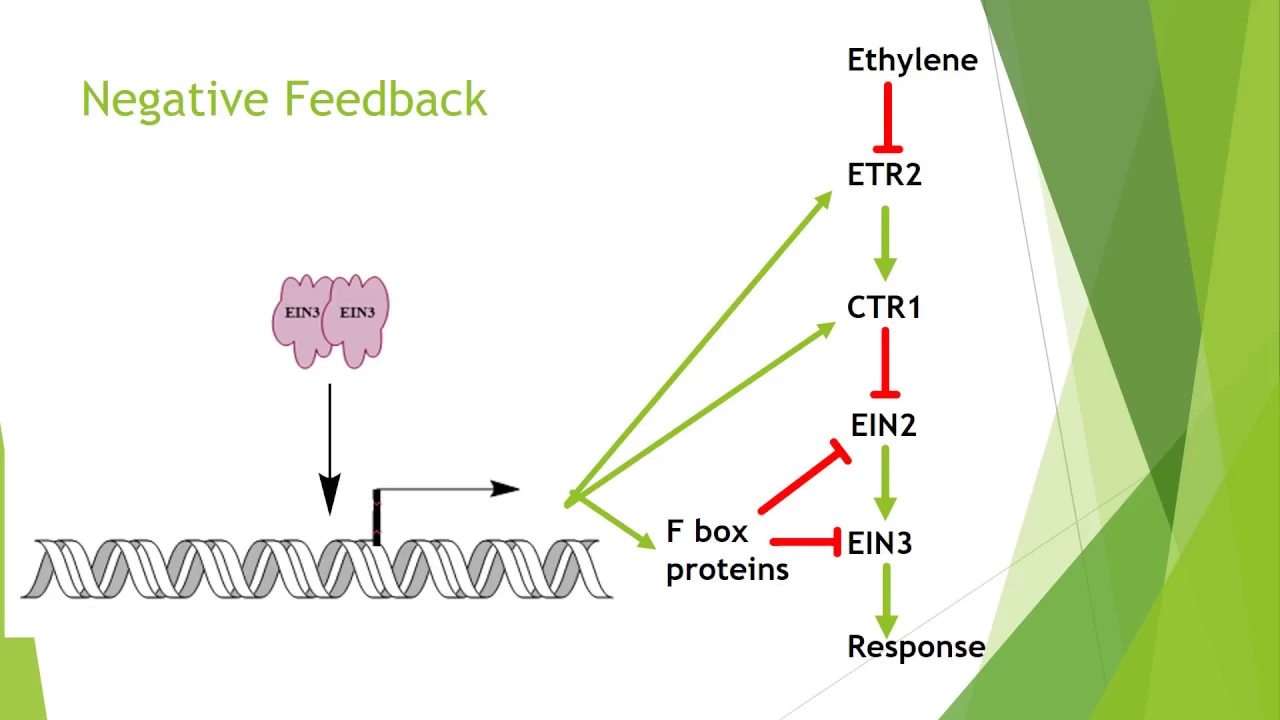
Added:[Music] hello everyone welcome you all in the EPG pastula program in the subject botany I will talk on salicylic acid salicylic acid is a phenolic fighter hormone it was first isolated from the extract of bark of white willow Salix Alba this plant hormone plays a crucial role in plants endogenous signaling involved in mounting the local as well as systemic awkward resistance against pathogen in this module we will study structure and biosynthesis of salicylic acid its metabolism catabolism transport physiological effects and mechanism of gene regulation salicylic acid is a phenolic vitamin which was first isolated from the extract of bark of white willow salix alba chemically it is hydroxybenzoic acid salicylic acid plays a crucial role in plants injure endogenous signaling involved in mounting the local as well as systemic ecwid resistance against pathogen salicylic acid is chemically a hydroxybenzoic acid salicylic acid is synthesized in plant via two different pathways phenylalanine ammonia layers that is pal pathway and I so Cory Smith pathway that is icy pathway Karishma acid the end product of Shakima acid pathway is the main precursor of both pal and i see pathways first i will talk about pal pathway phenylalanine ammonia lies or pal is the first enzyme of vinyl propionate pathway Pal converts phenyl alanine to trans cinnamic acid and ammonia via a non oxidative deamination reaction trans cinnamic acid is converted to ortho team eric acid benzoic acid or cinnamon co a the three possible intermediates of salicylic acid depending on the plant species decarboxylation of orthochromatic acid produces salicylic acid VA could be formed by three different routes one by non oxidative way from trans anomic acid 2 by beta oxidative way from cinnamon coa and by non oxidative way from cinnamon co a further ba is converted to salicylic acid by an inducible ba to hydrolyze IC pathway in the bacterial species charisma is isomerized to IC by a uniform enzyme I so chorus mat synthase or ICS IC is further converted to salicylic acid and pyruvate by the enzyme Isaac or Ismet pyruvate lies alternatively chorus mat is directly converted to a safe by a bi functional enzyme salicylic acid synthase via an ISO chorus mat intermediate in plants chorus mat is synthesized in the chloroplast in 2001 to putative ICS genes were identified from Arab adaxes genome biochemical and molecular analysis of ICS one proved the existence of IC pathway in planta salicylic acid the produced upon pathogen infection or UV exposure is mainly via IC pathway now we will see how salicylic acid is metabolized transport and stored in the plant salicylic acid is glucose elated methylated sulphonated or conjugated with different amino acids salicylic acid becomes inactive after most of these modifications however the inactivation helps in the fine adjustment in the accumulation function homeostasis and mobility of solution Cassatt the first modification is glucose elation salicylic acid is glucose elated by the enzyme UDP glucose all transfers in Arab adopts ease to ug T's that is you GT 74 f1 and you GT 74 F to catalyze the conjugation of salicylic acid and finally form si tu o beta-glucosidase conjugation occurs at the hydroxyl group however you GT 74 f2 can also catalyze the conjugation of Si at the carboxyl group to form a salicylate glucose Easter in Arab adaxes tobacco and soybean si is glucose elated to the non-toxic s AG in the cytosol and then it is transported to the vacuole for storage glucose initial inactivate salicylic acid but si G can be hydrolyzed to liberate salicylic acid for inducing difference responses upon the pathogen attack si is also methylated to its methyl ester methyl salicylate by the enzyme ba or si carboxy methyl transferase generally expression of bsmt one is higher in the flowers compared to the leaves it is responsible for floral scent which attracts pollinators upon biotic or abhart extras' the expression of bsmt one is induced in leaves resulting in increased methyl salicylate accumulation methyl salicylate is not biologically active newly formed methyl salicylate is transported to the system it leaves via phloem and is converted back to salicylic acid by methyl ester s activity of SA binding protein 2 upon pathogen infection the glucose elated form of si is also methylated to form mesg by the enzyme salicylic acid glucose will transfer is the function of mes AG is not yet known however it is thought to be a non-volatile storage form of methyl salicylate unlike jasmine ik acid very less is known about salicylic acid amino acid conjugates in Arabi DOCSIS phaseolus and invited species sa SP has been identified as a stable and major salicylic acid amino acid conjugate in arab adaxes it has been shown that GH 3.5 enzyme is responsible for salicylic acid amino acid conjugation however exogenous treatment with si ASP is honorable to induce any pathogen related gene expression suggesting that si ASP is an inactive form sulfonation can both activate or deactivate the hormones it has been shown that the sulfur transferases catalyze the transfer of self Yunnan group to the two hydroxy position of salicylic acid and salicylic acid is sulphonated si is also catabolized to form dihydroxy benzoyl recently it has been found that salicylic acid is catabolized 2 to 3 d h ba by the enzyme assay 3 hydrolyse during leaf senescence this enzyme converts si to both 2 3 + 2 5 d h ba in an in vitro reaction however in vivo it converts si only 2 to 3 d h ba the formation of d HB a is induced by si therefore the formation of D H PA acts as a negative feedback which prevents in the plaintiff over accumulation of salicylic acid apart from being a key signal in the regulation of thermogenesis and disease resistance salicylic acid directly and indirectly influences various vital processes such as seed germination sibling establishment cell growth respiration stomatal closure senescence associated gene expression thermal tolerance modulation in legumes fruit yield and responses to a biotic stresses thermogenesis the reproductive structures of cycles and flowers of some angiosperm produce heat this phenomenon is called as thermogenesis production of heat facilitates pollination by spreading the chemicals that attract pollinators to the plant and increase in s11 in the plant or exogenous application of sa induces thermogenesis salicylic acid increases the activity of the alternative respiratory pathway in the mitochondria by inducing the expression of alternative oxidase the terminal electron acceptor of this pathway the electron flow through this alternative pathway generates ATP at only one site and unused potential energy is released as heat disease resistance after the perception of an invading pathogen attack plant mounts effector triggered immunity that is ETI by establishing a direct or indirect interaction between the product of host resistance gene and the corresponding pathogen encoded effector protein ETI results in the hypersensitive response who our plan develops on necrotic lesion at the site of pathogen entry EDI is also associated with the accumulation of reactive oxygen species and induction of various defense related genes including the genes encoded for pathogenesis related proteins plant also mount the pathogen associated molecular pattern that is PAMP triggered immunity a surface receptor based pathogen recognition system PTI creates a low-level resistance to the viral and pathogens salicylic acid is an important signal for the activation of both ETI and PTI now we will talk about is a signaling and mechanism of gene regulation for SAR development signals from the infected leaf need to be transmitted in the UNAC infected parts of plant signal transmission takes place via phloem Si and mes a have been found to be the major and long distant signals respectively a signaling network is very complex and divided into upstream and downstream signals first I will talk about upstream events in Si signaling to major substrate of resistant related genes that is our genes namely tall interleukin 1 receptor nucleotide binding site leucine-rich repeat and coiled coil nucleotide binding site leucine-rich repeat these are abbreviated as TIR NB s lr r and CC NB s lraa respectively have been identified as upstream players to assay signaling lipase like protein enhance disease susceptibility one that is EDS one and its interacting partner fight to Alex in deficient for that is P ad for act upstream of Si in the ETI initiated by the TIR NB s lr subset of our genes it is 1 and p ad for positively regulate sa signaling translocation of EDS one complexes between nucleus and cytoplasm is important for the effective disease resistance signaling the second subset of our genes CC NB s lr r is regulated by nonspecific disease-resistant one that is ndr one India one is a glyco phosphatidyl inositol anchored plasma membrane protein which regulates the our protein signaling via RPM interaction protein our that is rin for calcium and calmodulin also play important roles in the regulation of salicylic acid accumulation and signaling in arab adopts ease binding of calcium or calmodulin to the transcription factor SR one impairs EDS one expression and suppresses sa accumulation and defense now I will talk about downstream signaling downstream is a signaling involves salicylic acid protein and protein protein interaction and induction of genes first I will talk on sa protein interaction in tobacco for sa binding proteins have been identified among these sa binding protein sa bp2 shows the highest affinity towards sa it was found that sa b p2 is required for both local resistance and SAR binding of sa to s mep to active site inhibits the function of methyl salicylate histories and enhances mes accumulation in the infected tissue later this accumulated mes a is transported to the non infected plant parts another sa binding protein is catalyst which is responsible for the degradation of h2o2 however and increase in s11 or an application of biologically active si analog inhibits the h2 or to degrading activity of catalyst in addition si also impairs the activity of another h2o2 scavenger cytosolic ascorbate peroxidase tobacco chloroplast ik carbonic anhydrase CA is another si binding protein that plays a role in plant immunity nitrous elation inhibits si si si binding ability and enzymatic activity therefore nitrous elation of CA is thought to be a negative feedback regulation that mediates defense responses next is protein protein interaction non-express ER of pathogenesis related genes that is in PR one is the main regulator of signaling downstream of si it is an anchoring repeat containing protein with a bee tee bee or poz domain in the cytosol in PR one oligomers are held together by the disulfide bridges salicylic acid induced changes in the cellular reddick state reduced to cysteine residue by theory dachshund h5 or h3 and monomer Isis in PR one finally these monomers are translocated from cytosol to nucleus and activate the transcription of defense genes in feedback in PR one negatively regulates the accumulation of si by repressing the expression of ICS 1 the negative feedback regulation is important for SI homeostasis now let's see how the genes are induced genes acting downstream of si induction are classified in two groups genes which are induced within third minutes of SA elicitation are called immediate early and once induced after 30 minutes are called late genes induction of immediate early genes in PR one dependent they are in PR one dependence increases with time PR one is the most studied si inducible late gene it is regulated by the impair one interacting TGA factors in PR one and si promote the binding of TGA to to the promoter of PR one interaction between n PR one and TGA two leads to the formation of enhance your zone in which C terminal of NPR one acts as transcriptional trans activator the Warka family of transcription factors act downstream of sa signaling work e 1828 53 54 and seventy act as positive regulators of Si mediated resistance among them were key 28 binds to the W box core motive present on ICS one promoter and works as a positive regulator of induced ICS one expression other transcription factors namely ethylene response factors and R 2 R 3 my be factors also affect as a signaling now crosstalk between salicylic acid pathway and other signaling pathways is a pathway interacts with several other signaling pathways si antagonizes Jasmine ik acid oxen and abscisic acid mediated signaling in general is the signaling suppresses je dependent genes and vice versa yes aja crosstalk is partially regulated by the redox state of the cell in arabic OPS's si induces the expression of gluta a dachshund 480 in NPR one dependent manner later gr x 480 interacts with TGA factors and also represses the expression of J induced defense gene planned defense in 1.2 that is PDF 1.2 murky transcription factors also influences saja crosstalk over expression of work is 70 enhances the SA responsive PR genes and at the same time suppresses PDF 1.2 in arab adopts Asst mitogen-activated protein kinase for negatively regulates sa signaling and positively regulates j a signaling is a also antagonizes auxin signaling conjugation with amino acids in activates auxins the enzyme GH 3.5 is responsible for the conjugation of both si and oxen with amino acids and attenuated auxins activity abscisic acid indirectly effects as a signaling via its effect on jasmine ik acid signaling or vice versa now to summarize salicylic acid is an important plant hormone chemically it is hydroxybenzoic acid and bio synthesized by pal or IC pathway salicylic acid can be modified by glucose elation methylation amino acid conjugation and sulfur nation they can also converted to dye hydroxyl benzoate salicylic acid plays a significant role in local as well as systemic awkward resistance against pathogen thank you
Up Next

Quorum Sensing in Bacteria: Bioluminescence and Biofilms Explained
@HicamorHaecpatriaest
151.5K views•2017-06-27

Bacterial Communication: Quorum Sensing and Biofilm Formation Explained
@JHUAAP
12.6K views•2011-06-28
Jasmonic Acid: Plant Hormone Biosynthesis, Signaling, and Defense Roles
@Vidyamitra
4.6K views•2017-09-11

Bacteriophages: Earth's Deadliest Killers and Future Antibiotics
@kurzgesagt
34.6M views•2018-05-13
Related Study Plans & Knowledge Roadmaps
Structured learning paths in Biology