














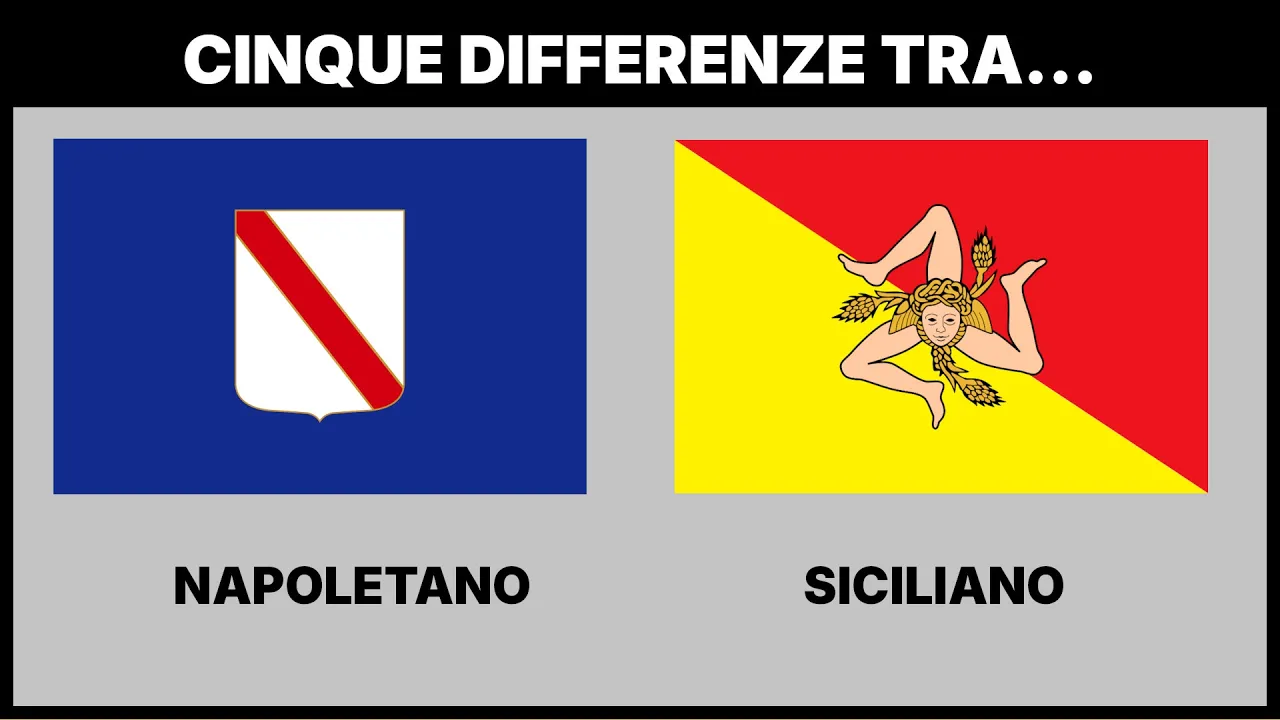

Sicilian is a distinct Italo-Romance language, not merely a dialect of Italian, having evolved from Latin with significant influences from Arabic, Norman French, and Greek throughout its history; it exhibits unique phonological features such as retroflex 'dd' sounds and distinctive vowel systems, along with grammatical structures like verb placement at the end of emphatic clauses, and maintains regional variations across Sicily that make it a separate language deserving recognition alongside Italian.
Sicilian Language: Identity, History & Proto-Romance Features
Added:An understanding of the Romance language family tree and the historical evolution of Vulgar Latin into modern regional languages.
The sociolinguistic distinction between a 'dialect' and a 'language', particularly how political borders influence linguistic classification.
Basic concepts in linguistics, such as phonology (sound systems), morphology (word structures), and syntactic differences between standard Italian and regional varieties.
A general awareness of Sicily's historical context, including its successive waves of rule by Greeks, Romans, Byzantines, Arabs, Normans, and Spaniards.
Exploration of the Sicilian School of Poetry (Scuola Siciliana) and its profound historical influence on Dante and the development of early Italian literature.
An in-depth study of the Sicilian vocalic system, specifically how it differs from standard Italian through its characteristic reduction to a five-vowel system.
Investigation into the contemporary sociolinguistic status of Sicilian, including bilingualism, language endangerment, and modern revitalization efforts.
Comparative analysis linking Sicilian features with other Southern Italo-Romance languages, such as Calabrian and Neapolitan, as well as broader Mediterranean influences.
48.6K views2.6Klikes30:51Original Release: 2025-04-04
But I heard someone made a video on Sicilian Lang focus Lucy Shiliano. Man, I I hope because I love the guy. So, but but I could be I can be a when it comes to my own my dialect, my language, right? So, I'm going to be nitpicky because I am. But let's let's jump right into it. Italy. Yeah.
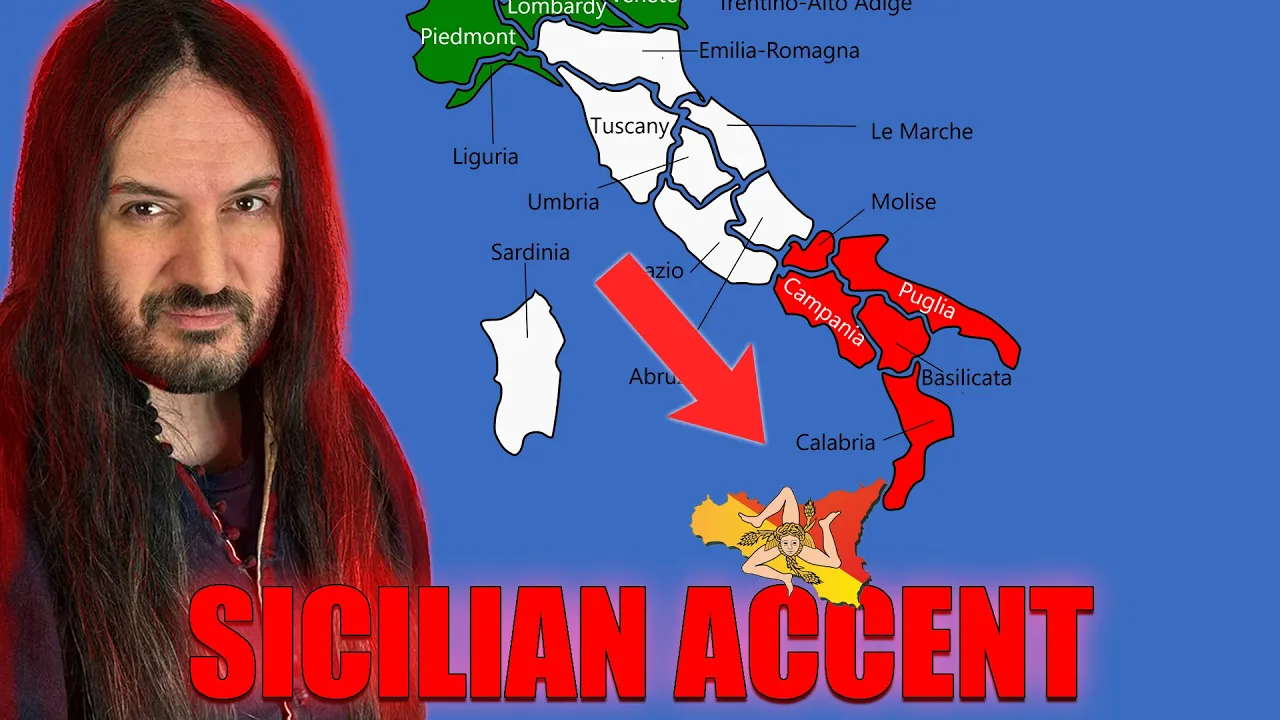
Sicily. That's my home right there. In this video, we're going to talk about the Sicilian language, which is spoken in Sicily, of course, Italy's southernmost region. The nation of Italy is home to numerous dialecti, dialects that can be grouped together with similar ones and classified as languages. One of those languages is the national language Italian, but there are others like Sicilian. While Sicily is closer to Malta and Tunisia than it is to Rome, the Sicilian language is not related to Arabic or its descendant Maltese. It's an italo romance language like other languages of central and southern Italy. So yeah, he's correct.
Uh so it did you notice that at first it said like on the title it says luiciliano but then the voice said and he gave that option. Personally I would say with a siciliano I wouldn't say l but it's probably dependent on which area of Sicily because there is that's in fact one thing that I hope he's going to say. I'm sure he will. is a pro that there isn't one single Sicilian and for instance the Sicilian I speak in Palmo is very different from the Sicilian spoken say in the eastern coast so for instance katan katania messina but also from agriento the sand the southern Sicilian or even traan is different and the vowels system is also very different and trapan is not that far away from palmo so uh also when he said it's not related to Arabic it's it's True, but it does have some common vocabulary from Arabic, but I'm I mean I'm not that would be a massive nitpick because it's they didn't say that and I'm sure he's going to say that. So, let's go. So, it has a lot in common with standard Italian which developed from Tuscan dialects, but has a lot of little differences as well. Yeah, I once heard Joe Rogan say that his Sicilian ancestors didn't speak real Italian.
They actually spoke some pig Latin type.
Oh, please. Did Rogan say that? Oh, no. Come on, man. Come on. But Sicilian is not a pig Latin version of Italian or broken Italian. It's a different language. That's Thank you. similar to Italian history. Exactly. In fact, Sicilian, if we really want to say, yeah, you see how it's dividing what I just told you. This guys, guys, guys, the way I look at it is that Sicilian is not uh a dialect of Italian. Sicilian is a dialect of Latin, just like Italian is a dialect of Latin. They are sister languages. Now, the simple fact that now in our day and age, Italian is the standard language. I speak it, of course, natively, and Sicilian is relegated to the status of a dialect just like many other dialects from other regions of of Italy. It's just a matter of social linguistics, but it's not a matter of well, one is is not actually a language. No, they that's why people call them regional languages, and I think it's more apt as a as a description. But yeah, look at that.
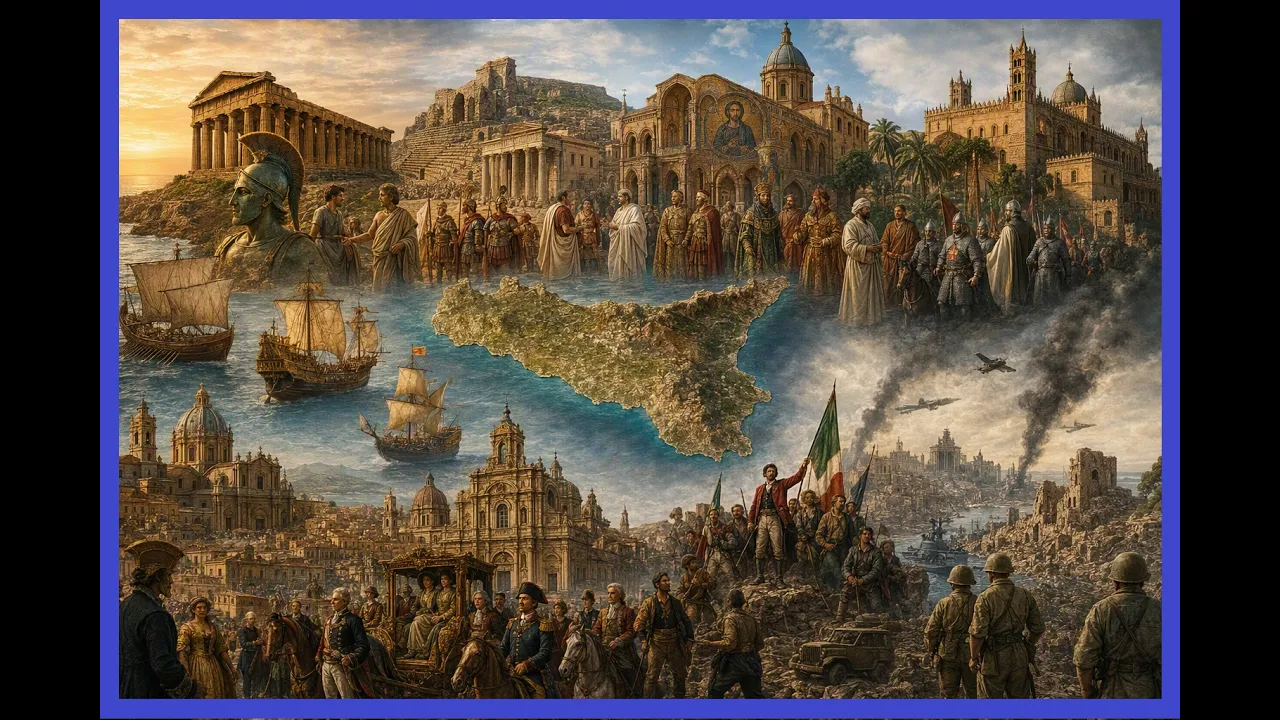
Look at that. Not much is known about the original languages of Sicily, which were gradually displaced by Greek during the period of helenic colonization. But then by the year 241 BC, the Roman Empire had conquered Sicily in the first Punic War and ruled it until the fifth century. Latin began spreading and was the language of administration and the elite, while Greek was still spoken by much of the general population, especially in urban areas and in eastern Sicily. And then they swap the so Latin becomes the language that everybody speaks and then Greek becomes the language that the elites start speaking because it makes them sound cultured.
Many people became bilingual in vulgar Latin and Greek in the not vulgar Latin mate. I'm not going to Usually I get really mad when people say that. But I like this guy so I'm not going to get too mad. But vulgar Latin I'm a massive I attack the the notion that vulgar Latin was a thing. I don't think Vulgar Latin existed. It's Latin. I've already defended this many times. So I'll just do it very quickly. But the idea is when people say that romance languages did not because that's how people say it. He didn't say that which is why I'm not going to attack him directly. But um when people say romance languages like French, Romanian, Spanish, Italian, Portuguese, what have you, they der they do not derive from classical Latin which had already stopped being used. It derived from vulgar Latin and they make a distinction. The distinction is nonsense. The idea that they would be two separate languages is not true. And the reality is that it was all Latin.
And so yeah, the romance language is derived from Latin. And the difference between classical Latin and and vulgar Latin is simply a matter of register in the sense that yeah, if you go to a a lecture at a university and you listen to a professor, giving that lecture in English, he will not use the same vocabulary and sometimes even the pronunciation may change or the way he builds up his structures, his syntax will be different to the way um maybe someone speaks in the streets. But it's still all English. It's not that one is vulgar English or one is classical English that then dies and then it's it's all English and they are just different registers. And these registers are affected as well by the written versus spoken form of any vernacular.
For instance, you're inside an elevator or a lift and you listen to a recorded voice and they they might swap the order of some some u nouns for instance.
Sometimes floor nine like it will sound different but it's all English. Many people became bilingual in vulgar Latin and Greek. In the year 535, the Western Roman Empire fell, leaving Sicily as part of the Byzantine Empire. Its official language was Greek. Greek experienced a revival in some areas, but others remained Latin speaking, especially Western Sicily. Then in the 9th century, Sicily came under Arab rule, first under the Aglibid dynasty and then the Fatimid Caliphate. Greek and Latin declined as a form of Arabic called seculo Arabic became widely spoken. This variety of Arabic is actually the ancestor of the Maltese language. After the Normans conquered Sicily in the 11th century, they encouraged the use of Latin and romance dialects, meaning vulgar Latin and Norman French, and Arabic declined. The variety of vulgar Latin spoken there was beginning to develop into a distinct lang. Yeah, you see, it's the same kind of kind of situation that I was saying.
There is Latin, then Latin evolves into vulgar Latin, Latin dies, and then from vulgar Latin you have these. I personally think this is nonsense. But everything else was great. The history was good. I love that he put Sicilian from Latin rather than putting it underneath Italian. So I guess one negative, one positive. They they anni annihilated themselves. Plus he used BC.
So he got 10 points because of that language. Sicilian with some influence from Arabic and Norman French as well as Greek. As Sicilian developed, Sicily continued to be ruled by a succession of different rulers, including the crown of Aragon, which brought Catalan influence, and the Spanish Hapsburg dynasty, which brought Castellian influence. Words of Arabic origin. It doesn't seem to me like a huge number of Arabic loan words are still used in Sicilian, but some are. For example, the word balata, meaning stone or a slab. I confirm that.
I do use it. And when it's really big, we say balatun. When it's really big, it's so big. Yeah. Yeah, we say that correct. Pile from Arabic balot. The word jello meaning ice comes from Arabic jalot.
Meaning cough. Jello. Jello.
I guess. Yeah. Is it from Arabic though?
I don't know the ethmology of of this.
But jello sounds a lot like the Latin word for it. So I don't know if if that's correct. Tabuto coffin. Yes. But that one is not something like the youth would use today. At least in my area.
Maybe in the rural areas. In the cities we don't really use that much. But uh it is correct though. He's not wrong. Often comes from Arabic taboot. There were also some words that were borrowed from Norman French. Though these may not stand out as much because they were borrowed from one romance language into another. The word amari meaning to hide.
Amari. Yeah. It's it's to hide. It can be used both for for things or for people. Am is like hide. Hide yourself.
Yeah. Correct. It comes from Norman French. M does it meaning butcher comes from Norman French. I never heard that one, but maybe it's not used in Palmo, but it might be used somewhere else.
Oh, maybe I like I would. No, but that one it's just a noise. I don't know that one. F. Yeah. Crazy for meaning mad or foolish comes from Norman French. F does it? Cuz in Italian it's f. Also, this sounds more like eastern Sicilian to me.
I would say I would you add a u before the o see to tell someone you're crazy.
But I do know friends in Katana that do say it like this. Exactly. Rashina.
Rashina. Rashina meaning grape comes from Norman French. Razin. Rashina. Raja meaning rage comes from Norman French.
Raj. The Italian word is Rabia. Correct.
Both the Italian and the Norman French word came from Latin. Rabia. Man, he did he did perfect. All the Sicilian words are great and I got I love that he uses native speakers to pronounce them. He did a fantastic job with the Sicilian words. So the Sicilian and Italian words are related but in a roundabout way.
Huh? There was also Greek influence on Sicilian like I mentioned. Here are a few examples.
To joke. Yeah, this comes from the ancient Greek word babazo which means something like to speak incomprehensibly. We use this one all the time. Means I'm joking. Yeah. Yeah. We use it 100%. We use it. That's a shop. Yeah. In Italian is negotio. But in or like but in that's how we say it with my mom. We would use this one as a joke because my mom preferred to use the Italian word but as a joke meaning the shop. This comes from Greek.
The word meaning slap from Greekto it means I'll hit you with a slap.
Word meaning spinning top from Greek strombos. I don't even know. I don't know this one. Again, it doesn't mean he's wrong. It might just mean that I don't know it because we don't use it in my area maybe. Or maybe I I just don't know it. Oh, Astro the little toy. Okay, I got it. Now I got it. Took me a second. Now I got it. The word sketto and sket meaning single as in unmarried.
From Greek skettos meaning simple. In my area we would say sketto with a with a little I added here. Some words like these are generally common in Sicilian, but I understand that there are more words of Greek origin and Sicilian dialect spoken further to the east.
Yeah, makes sense. Variation in vocabulary is not limited to Greek loan words. Of course, actually my my my father he told me that in in some area of Palmo itself the word bacher uh that we that we translated with can have two other words because for example the words that I know for bacher is and also soier is how I would say it. I never heard but I mean he's also from Palmo.
I'm sure as I say can be dependent on which one you use with your friends with your family. Absolutely. I would say to mean a butcher 100%. But comes from the Spanish caro and it's completely different from Italian machelo. True. and and my father told me that actually there is another word or another two words and then one of these two words was was said more in in an area of palemo and that's very weird of course because like you want to learn a language that is not written yet despite its particular influences Sicilian is undeniably Italo romance and when we look at it alongside Italian the general similarities are obvious Italian sentence means I want to buy bread. Yep, correct. An equivalent sentence in Sicilian is word for word. Both sentences are I want to buy the bread. And you know what's interesting? I don't know if he's going to say that. Notice how our masculine singular is u which sounds kind of like Portuguese because I think Portuguese spells it with an O, but still pronounce it. And then the other thing I want to say is that the word akatar to mean to buy is also present in Italian but it's considered archaic. So you'll find it in the Bible in Italian. You will find them saying aatare in the Bible even if it's written in Italian. So basically Italian is Sicilian is more conservative for a word that in in standard Italian has now become sort of old school. That's how I would say it to my friends. Like if I'm going to buy a game, I would say they look and sound similar, right? But you probably noticed that Italian and Sicilian use some different vocabulary.
In this case, the verbs meaning to buy in Italian and in Sicilian. In Italian, there's the related verbatare, which used to have the meaning of buy, but more recently it meant something more like to beg or to scrge. As to beg in Italian, I'm not so sure. I think they just don't use that. We it. We just don't use it in Italian because Akatar I think they use it in other southern dialects like in in Napolitan I believe they use it as well. So yeah, they do actually now that I think about it. So it's more of a southern thing and the reason why Sicilian tends to be more conservative. I think someone is asking I think it's because it's an island. It often happens with islands. That's why like Iceland for instance tends to be extremely conservative linguistically.
And it's also why Sardinian, specifically northern Sardinian, is most likely the closest language to Latin that you get. I do not think random that islands tend to be more linguistically conservative than the mainland which may have more interactions. I suppose you can also see that the definite article is different in Italian il and Sicilian u which can also be lu depending on the variety of Sicilian. You can also see that the equivalent words are pronounced and spelled somewhat differently in Italian and Sicilian. It's very common for words in Italian with an a sound spelled with e to have an i sound spelled with i in I don't know if it's a e sound though. No, it's a e. I disagree with you here. It's not a h doesn't exist in romance languages as far as I know. There may be some very small exceptions, but for instance, that's a sound and I'm a Sicilian speaker. I'm native. I had to learn to say hit rather than hit or like to say sit instead of seat. It was difficult for me because I don't have the sound. Now I'm trying to think but in this situation it's pani. Uh it's just that sometimes in some varieties of Sicilians this will actually be read aat and pane.
So they will put a full on e. So it's either e or e. It's not a h. There may be exceptions perhaps I can't think of right now but if you look at these it's not p it's it's a e pi or or or you swap it to a complete e we see this in the Italian word p in Sicilian pi we can also see it in the infinitive form of the first verb in Italian and in Sicilian another example is the Italian word for love amore and Sicilian amore I would like to underline that whoever did the Italian I'm going provide some commentary here, but whoever did the Italian recording is a Sicilian. He has an accent. So when he does Amorei, it's pretty good. Like obviously he's doing it perfectly in a Sicilian way. But then again, if maybe and this is something we could do together, L focus. I'm not saying like you are the big channel when it comes to languages. So I'm not trying to be like, oh yeah, invite me. No, if anything be great to have you come to to to my channel because I don't want to be disrespectful. But I would be really happy to look at these words for instance at one point and discuss how to pronounce a an accentless standard Italian as opposed to a Sicilian inflated Italian if you know what I mean. So for instance in this case the guy said amore amore. So the O was very open and that and not to mention but there is also pace and intonation that gives it as oh that's a Sicilian guy who recorded. if I had to go and I did study diction at university so I know how to switch between the two and trained um kind of what voice actors do for instance and if I had to go accentless on this I would say amore amore the difference is not only the intonation but the o and the e are closed vowels so a mo rather than all right I don't know if you can tell the difference but I mean I'm sure he can because he's strained O instead of O. And knowing when to you you open a vowel. So O and when you close it O or in the case of the other vowel E versus E. It takes a lot of practice even for a native speaker. Uh because no one has these open and closed vowels natively unless you're from Tuscanyany. People in Rome tend to have them very close to it, but in my experience, it's only people from Tuscanany that have them perfect.
Everyone else opens and closes vowels regionally. So in this case, amore would be the standard sort of we I know they're accentless. It's a controversial way to put it, but you know what I mean.
Standard way of saying it. In these examples, you can also see that o in Italian often corresponds to u in Sicilian. Absolutely. Italian meaning color and Sicilian.
Italian and Sicilian.
Notice that the D was like an Romani.
Another thing to note is that in some varieties of Sicilian, D becomes an alvear tap when followed by a vowel.
That's a consonant you might associate with R more than D, especially at the beginning of a word. In Palmo, it's Romani. That's exactly how we say it.
Romani, Matina, tomorrow morning.
Italian, meaning flower is Sicilian.
In this example, we can see that the first consonant is different, too.
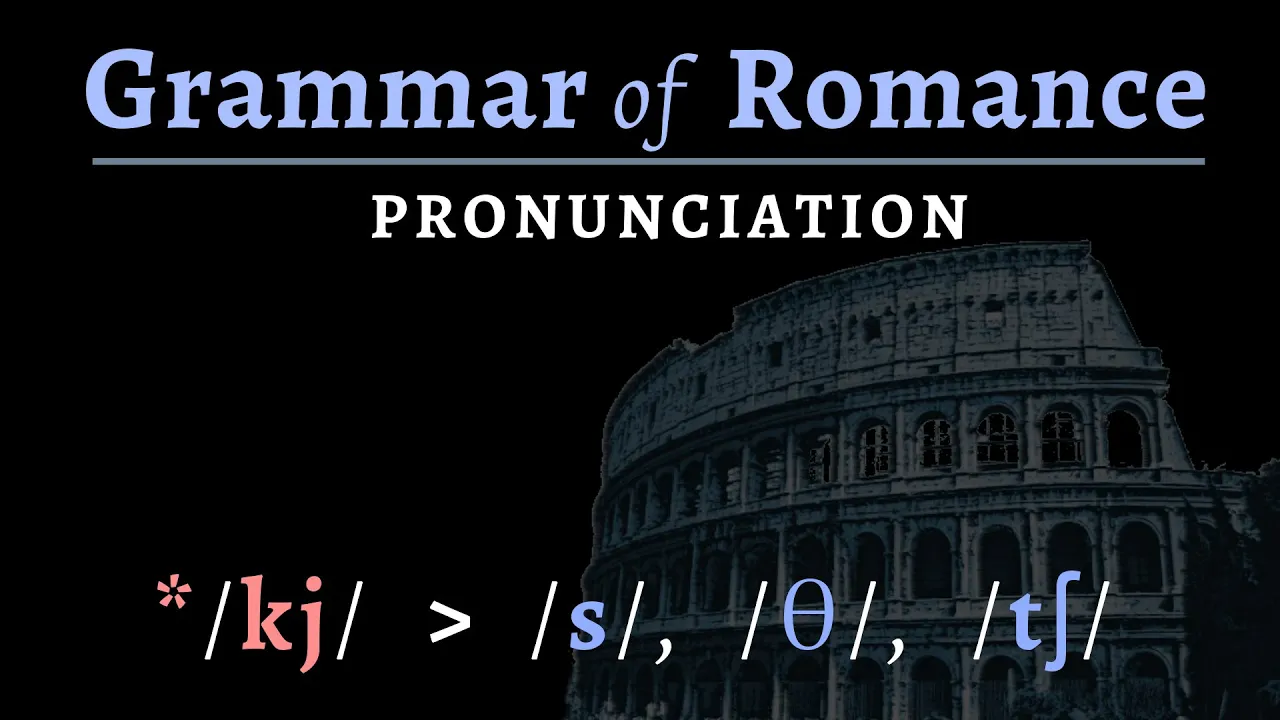
What's up with that? Well, this is an example of a regular sound correspondence between Italian and Sicilian. Flu in Latin became P in Italian but became she in Sicilian.
These words come from Latin. Florm, he did it as a he though. Let me hear it again. Italian but became she in Sicilian. Oh, it's like So, huh. It depends on the area in Sicily. In Palmo, it's more like a sh but softer. So, it's similar to the X in Mandarin a little bit maybe. I'm trying to see if I can find a because it's shi it's like a sh but there are areas in Sicily that say churi like a ch. So it depends on the area something similar happens at the end like if you have a word like light luch standard Italian in my area in Palmo the ch becomes luch. So it's more of a sh but like in areas such as southern Sicy like agriento they turn it into a g l so you can tell immediately where someone is from just from the accent just how they render some sounds.
These words come from Latin flor.
Another example is Latin flumen meaning river which became Italian and Sicilian. Similarly, Latin PL became Italian P. But in Sicilian, it becomes key. Planta, Latin for plant became in Italian and in Sicilian plare, the Latin verb meaning to wail or lament became in Italian and but I'm actually learning here because I know these words naturally which means why you always like you always cries. But I didn't know that they came from that came from planger because of how the P evolved into I did not know that. So he's actually teaching me stuff about Sicilian. I love it, man. I love this guy. Sicilian which both mean to cry.
Also where Latin L is followed by an I together pronounced Lee in Italian it becomes Y and in Sicilian it becomes a doubled G or G usually followed by the vowel sound E. Latin familia meaning family became familia in Italian and in Sicilian y Latin for wife became in Italian and in Sicilian I want to show you for wife became in Italian you see the way he said it even in this case standard mo I know you might think it sounds the same it actually doesn't the vowel is closed But the GL L you can tell where someone is from by the way they render the GL sound. In standard it's a it can be difficult familia folia that's standard and it's commonly natively spoken like this in center north. So like Tuscanany Rome that's how they say it. If you go south like this speaker and me natively, we simplify it into a Y. So it becomes Y mo. It's like a Y. If you go in the north, some people, not everyone, but some people will simplify it, basically drop the G completely and read it as an L. Familia, maybe not with mo, but with a word like filio familia. Yeah, they do that and in Sicilian. And one more. Latin doubled L is a doubled L in Italian as well, but in Sicilian it's a doubled D or Latin belting beautiful or pleasant became bel in Italian, but in Sicilian another ele in my area I would say beu element of Sicilian pronunci. But again, it's not wrong the way he put it there. Bedu is how they say it in some other areas.
iation that's worth pointing out is that most of the voiced consonants tend to be pronounced as doubled at the beginning of a word. Amia meaning to me sounds like the word for redo. There are other Did you notice the double a the word for redo? All right, let me say a couple of things here as well. He did a fantastic job with the with like to think that someone who doesn't speak Sicilian knows so much about Sicilian.
It's very heartwarming. I love it. Did you notice that the double R sound here was almost like a J in the French word? Not everyone does it. For instance, you could say capuchto. Yeah, some people do that and other people just read it as a strong trilled ao. Some people say it like that. That means little red riding hood, the red hood from the from the tails.
Rano meaning or depending how you want to do the R is is spider. There are other pronunciation quirks of the various dialects too. The speaker in this video is from Polarmo the largest city in Sicily. In the Polarmo dialect when R is followed by a consonant it's pronounced like E. The word for door is pronounced or poa. You can even add a U here but yeah correct. The word for late tardu becomes there's also defthongization in some vowels for example meaning party becomes fia correcta yeah that's right they I I would never know how to explain someone to do this t because it's not completely gone. I'm sure he'll do it. He's really good at doing that. It's not. It's still there a little bit, but I don't say I say, but it's not like Oh, it's so difficult to explain it. Also, notice that the cluster st is pronounced like s with the t silent.
It's almost s, but it's not silent. My gosh. I don't know how to explain it.
It's one of those things that only natives can tell, I guess. And how do you So, let's see if I can explain it.
If I completely removed the T and it went completely silent, it would be fa just sa. But the reality is that there is a little bit of lengthening there, which it's like you are only hinting that the T was supposed to be there, but then you don't commit. Does that make sense? It's like you're almost starting to engage the parts of the mouth to do pronounce to to pronounce the T, but then you give up at the last moment. Maybe that's a good way. You know what's a it's like a it's a like the beginning of a glottal stop maybe.
It's like when you say forget forgot but you went forget forgot. It's not that you are saying actually forget forgot.
It's not completely mute. Like that's what a glottal stop is like you're starting to pronounce. You don't fully extend it. You like give up. It's like a faint like in combat. That's how I would explain this. I actually think I did a I did a good job meaning fire becomes and don't forget the feature I mentioned earlier du at the beginning of a word followed by a vowel becomes an alveer trill romani yes grammar in terms of the grammar part guys go watch the original video because I want him to get the engagement but he did such a good job and I am going to watch this on my own I just want to watch the entire thing I'm just reading Yeah. Oh, then he has a different pronunciation. That's uh awesome. That's awesome. He did a great job to speak.
How much do you speak Sicilian and how much do you speak Italian? Oh, that's a good question. Wait, wait, wait. So, that tells me that Sicilian is a distinct language from Italian. And you are the man for saying that. To speak the local language. Some Sicilian speakers have told me that they themselves are sometimes unaware of whether they're speaking Sicilian or Italian, at least until they think about it because they sort of function like two registers of one language being spoken on a contin spot on. Exactly.
That's how I was brought up. Also, because my mom speaks Sicilian, my dad doesn't because he's northern and but in general, yeah, that's that's what you do. You can switch between the two even though they function very differently.
The grammar is different sometimes. And one thing, I don't know if I'm sure he said it in the grammar part, but one thing we do in Sicilian is that we tend to put the verb at the end when it's an emphatic clause. So you want to present emphasis. Sicilians will put the verb at the end a bit like Latin. And that's something that is so characteristic of Sicilian that whenever you I did use it without even thinking when I was in mainland everybody was like ah Sicilian.
And I was like what do you mean you don't do that? like no to give you an example if I want to say I am Sicilian I would say so meaning I am Siciliano meaning Sicilian but if someone says oh my gosh you speak Sicilian and I want to emphasize I am Sicilian you know how you're doing it in English I am Sicilian so like of course then I would say and I would put sun at the end so Sicilian I am Siciliano And that's something we do a lot and usually people from mainland don't. As far as I know, no one in mainland does it. But the distinction becomes clearer when I think about the children of Sicilian migrants around the world who learned Sicilian as a native language but never formally learned standard Italian. I've heard from some of them that standard Italian is like a foreign language to them just like Spanish or another romance language is. So that tells me that Sicilian is a distinct language from Italian while still being a language of Italy. 100%. Uh my dad still doesn't like if I if my dad calls me tomorrow and we speak on the phone and instead of saying the Italian that will be just a sentence in Italian. If I switch and start speaking Sicilian if I do that my dad will not understand a word of what I said. And so that's and his son is Sicilian. So imagine someone who doesn't even have a has a have a connection. The question of the day to native speakers of Sicilian.
How much do you speak Sicilian and how much do you speak Italian? Yeah, so I will use 100% Italian in a formal situation. Like I won't even use a single word of Sicilian and unless the people in that context start using Sicilian and then I understand it's accepted and then I might do it. But I would normally if it's formal, 100% Italian. If it's a job interview, 100% Italian. If it's if I'm speaking to someone who's not Sicilian, but they're from another area of Italy, 100% Italian, but if I'm with good friends, like people that we are like we we were brought up together, I will switch to 100% Sicilian. If we are like having fun, if we are joking, having fun, playing a game, maybe we're playing Call of Duty, Sicilian is a language.
Sicilian is language without the gonna be Sicilian. But um but then if like a parent enters the room, imagine you're teenagers, a parent enters the room, I wouldn't speak Sicilian to the parent to the to their father. I would say like I would switch to Italian. So we switch constantly and it really becomes a situation of we you would have to ask me like 50 different situations and I would tell you when I use Sicilian, when I use Italian and that's me. But depending on which area of Sicilian you brought up in, you might speak Sicilian more than me because we were brought up in an area that tended to speak Italian.
We was more educated. If you were brought up in an area like Zen, which means zon northern expansion zone of of Palmo, there are lovely people that live there, but it's an area where you have a lot of council houses and there is poverty.
Then then you they would speak Sicilian a lot of the time in in a lot of situations where I wouldn't. And then there might be some Sicilians that are that are so polite and maybe upper class that they don't even use Sicilian and when they try to use it you can tell you're like yeah but you're not really good at Sicilian are you? So strangely enough that does happen too. Anyways phenomenal job. I'll go watch the rest on my own but I just want to say L focus you did a fantastic job. give you a like and absolutely keep up the good work, man.
Up Next
101:50
Code-Switching Research: Assumptions, Borrowings & Community Norms
@Abralin
961 views•2020-07-08
36:52
Constraint Interaction in Optimality Theory: Epenthesis & Deletion
@Vidyamitra
180 views•2018-08-20

8:59
Forensic Linguistics: How Language Solves Crimes | PBS
@pbsstoried
1M views•2024-01-25

21:32
Accent Expert Explains U.S. Regional Dialects | Part 1
@WIRED
9.3M views•2021-01-21
Related Study Plans & Knowledge Roadmaps
Structured learning paths in Linguistics
linguistics
Optimality Theory: Tableaux & Constraints
01Phonological Basics: Sounds, Syllables & Rules
02Foundations of Optimality Theory: GEN, CON, and EVAL
03The Constraint Inventory: Markedness vs. Faithfulness
+ 2 more learning modules
15h5 modules
Explore Roadmap
linguistics
Morphosyntactic Alignment: S, A & P Systems
01Foundations of Syntax: Transitivity and Arguments
02The Linguistic Variables: Mapping S, A, and P
03Nominative-Accusative Alignment
+ 3 more learning modules
12h6 modules
Explore Roadmap
linguistics
Analyzing Sign Language: Phonology & Syntax
01Foundations of Sign Language Linguistics
02Phonology: The Five Parameters of a Sign
03Morphology: Word Formation and Classifiers
+ 2 more learning modules
14h5 modules
Explore Roadmap
linguistics
Pragmatics: Speech Acts, Grice & Politeness
01Introduction to Pragmatics: Meaning in Context
02Grice’s Cooperative Principle & Implicature
03Speech Act Theory
+ 2 more learning modules
14h5 modules
Explore Roadmap