























Free indirect discourse is a narrative technique that blends first-person and third-person perspectives, making it difficult to distinguish between the narrator's voice and a character's internal thoughts; Jane Austen masterfully employs this technique in Sense and Sensibility to create psychological depth and realism, as demonstrated through Fanny Dashwood's manipulative dialogue where the narrative voice seamlessly incorporates her biased opinions without quotation marks, requiring readers to infer whose perspective they are experiencing.
Jane Austen's Free Indirect Discourse & Narrative Voice Explained
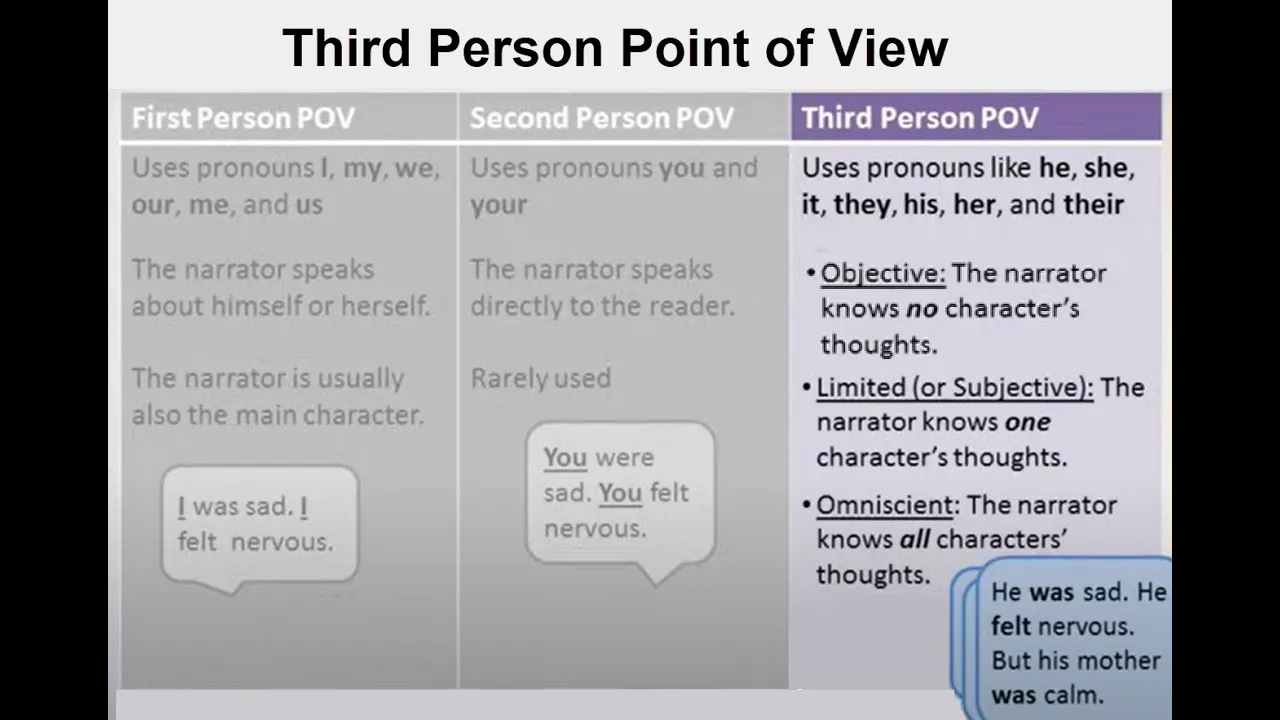
Added:Basic narrative points of view, specifically the distinction between third-person omniscient and third-person limited perspectives.
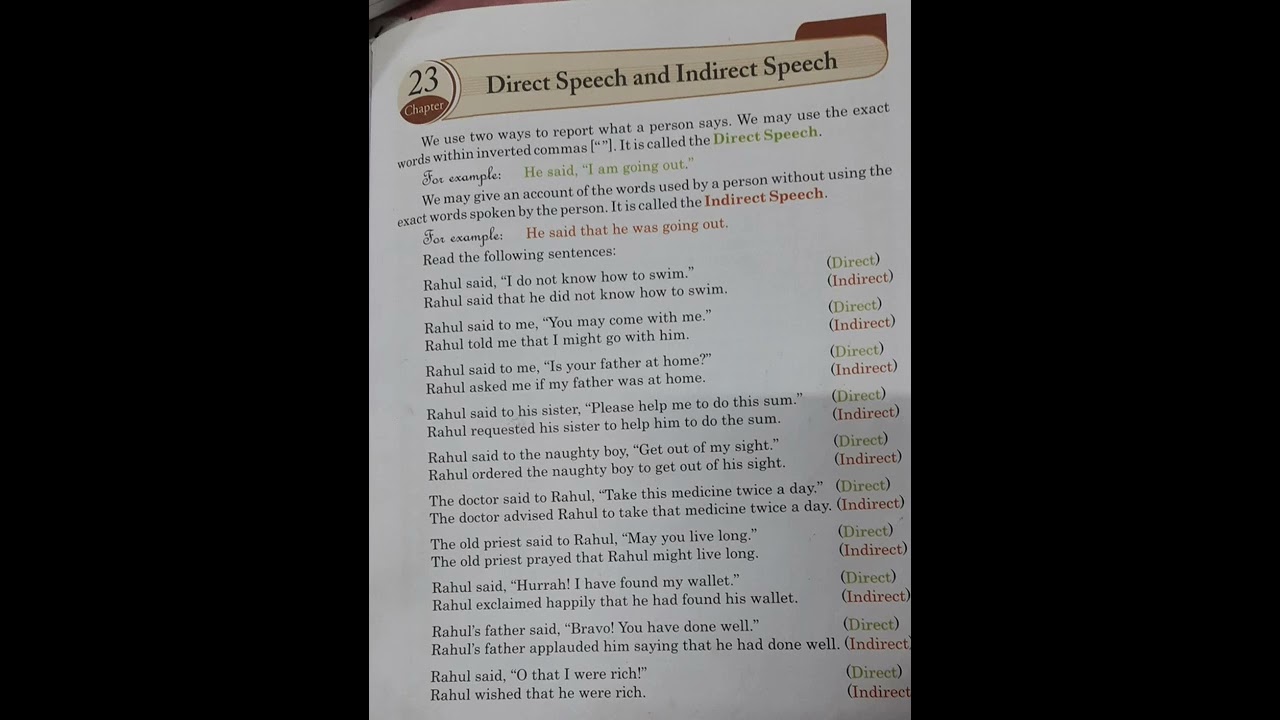
The standard grammatical formats of direct speech (e.g., 'He said, "I am going"') and indirect speech (e.g., 'He said that he was going').
A foundational understanding of Jane Austen's literary style, themes, and the basic plot of 'Sense and Sensibility'.
The concept of narrative voice and how an author establishes tone, distance, and authority in a text.
How free indirect discourse creates irony and dual-voiced narrative layers, allowing for subtle social critique.
The evolution of narrative style from Austen's free indirect discourse to Modernist 'stream of consciousness' techniques used by authors like Virginia Woolf.
Applying free indirect discourse analysis to other 19th-century authors, such as Gustave Flaubert (style indirect libre) or George Eliot.
The cognitive and psychological effects of free indirect discourse on reader empathy and character identification.
27.4K views1.5Klikes18:53Original Release: 2020-05-11
hello everyone welcome back to my channel close reading with me dr. Octavia Cox and today I want to introduce you to a technique called free indirect discourse now it's a technique that's very associated with Austin she didn't invent it but she did really craft and hone and perfect it and there are some really exquisite examples in her novels so I'm going to explain free indirect discourse using some examples from Austin's debut novel Sense and Sensibility published in 1811 remember if you like this video do please subscribe and hit the thumbs up so I'm just briefly going to run through then first second and third person narrative and then through direct indirect and then free indirect discourse so by the end of this you'll hopefully be able to understand the technique of Austin's that's absolutely fundamental to her writing style and really it's one of the techniques that enables Austin to capture character as sort of realistically and as engaging Lee and as kind of captivating Lee as she does so to begin then first-person narrative now this is usually in the eye or the we so the story is told from the sort of from the narrator's points of view now a kind of classic example of this we might think of Charlotte brontë's Jane Eyre so their opening to the final chapter famously reader I married him so the first person is a sort of autobiographical mode it's told from the main characters perspective from there from the heroines or the hero's perspective we then have second person narrative and this uses the U and in essence what happens is that the reader sort of becomes a character in the story or stands in the place of a character in the story it's not a technique that's used very often at all particularly in sort of full-length novels because over a long period of time it can become a bits of unwieldy and a bit clunky perhaps but there are examples so Jay McInerney is novel Bright Lights Big City for example from 1984 opens it's 6:00 a.m. do you know where you are so then we move on to third-person narrative so this is what we is most familiar to us I think when we think of a narrative voice so this is a kind of outsider telling the story so it uses she he they it and so when she did this he did that they thought this they felt that and it's usually detached from the action it's a omniscient narrator who knows everything that's going on who can tell you a character's thoughts or feelings but who isn't directly involved in the story and Austin uses third-person narrative in all of her novels so she doesn't use the autobiographical perspective as Bronte does with with Jane Eyre and particularly sort of cutting example from Sense and Sensibility which were here at today is the opening of chapter to mrs. John Dashwood that's of Fanny Dashwood now installed herself mistress of Norland and her mother and sisters in law were degraded to the condition of visitors so we have the narrative voice just explaining to us as a narrative fact what happened and really if you have a spare five minutes and you want a good laugh do read chapter 2 of Sense and Sensibility might be one of the best chapters in all of English literature it's an absolute master class of showing how one character persuades another character or something so going back then to free indirect discourse it's a kind of blending or a mixture of the first person and the third person so you remove really the kind of detached perspective of a traditional third-person narrative and it becomes much less clear and much less distinct and it becomes more blended between the two positions so it's not always clear whose perspective is being presented so it might be narrative fact that's being presented or it might be a character's own opinion so there are various ways to present discourse you can use direct discourse so this is direct quotation so it's a kind of statement of fact of what was said so for example she said he is absurd indirect discourse as where you report words and thoughts but without quotation marks so it's not a statement of exactly precisely what was said it's not a transcript so for example she thought he was absurd so that's the narrative voice presenting or reporting on the thoughts of of the she of the of the character and then we have free indirect discourse so it's like direct discourse but as the name suggests even kind of looser and it moves around kind of even more so it's presents the thoughts and perceptions or the speech of characters in a kind of blend of as I was talking about before the third-person narrative and the first person so for example he's absurd now just those kind of two words there it's very unclear whose perspective is being told there if that if you saw that in a novel you wouldn't know if that was the perspective of the narrative voice or if it was the perspective of one of the characters of the she that's kind of I'm using in this example here so free indirect discourse then why it's useful and the kind of purposes that that Austin uses it for because it sort of seems objective at first because you have this sort of third-person omniscient almost kind of godlike perspective being presented but it's only really on closer inspection that you might notice that actually it's a character's perspective or it's a biased point of view so it's a first-person and really what is what determines this or how you work it out is through the context so where that sentence appears and what it appears between and it's really up to the reader to to work out whether it's the narrative voice kind of stating a truth that he is absurd or whether it's a character telling you their opinion that he is absurd and that's why Austen is such a kind of engaging person to read because as a reader you do have to kind of pay attention to these things you do have to do some work you're not just told everything you do have to work out who's telling you this is it a character or is it the narrative voice so I now want to look at some examples through I'm considering Sense and Sensibility from near the beginning so I'm going to be looking at John Dashwood and his wife Fanny Dashwood who are exquisitely awful people they're absolutely the kind of characters who are delightful to spend time with in a novel but you just know that in real life it would be a complete nightmare actually to have to kind of cope cope with them and deal with them so the background to run you very quickly through it is that John Dashwood is a half-brother of the heroines Elinor and Marianne and they have a father in common but they have two different mothers so John has a different mother from Elinor and Marianne and at the opening of the novel their father dies and mr. Dashwood the father asks his son John who inherited everything to look after his remaining wife and children so that's the background so looking first at an example of direct discourse so just to reiterate this is where the the words used are actually quoted a straightforward speech effectively so this example is from John and Fanny discussing his father's dying wish it was my father's last request to me replied our husband that I should assist his widow and daughters he did no he did not know what he was talking of I dare say ten to one he was but light-headed at the time had he been in his right senses he could not have thought of such a thing as begging you to give away half your fortune from your own child and the the irony is of course that you know they would never dare they would have a dream of depriving their own child while of course depriving his father's children so thinking now then about indirect discourse so this is the reporting of a character's words or thoughts without quotation marks and so this is an example of a conversation that's kind of reported to us between mrs. dashwood Sir John's mother-in-law who is upset obviously at being kicked out of her house Norland Park because John has inherited it and Fanny wants to move in right away basically kicking out mrs. Dashwood and her three daughters no sooner was her answer dispatched the mrs. Dashwood indulged herself in the pleasure of announcing to her son-in-law and his wife that she was provided with a house and should incommode them no longer until everything were ready for her inhabiting it mrs. John Dashwood they said nothing but her husband similarly hoped that she would not be settled far from Norland she had great satisfaction in replying that she was going into Devonshire so inside Rek speech then we have the kind of bald facts of the conversation but indirect discourse allows the narrative voice to provide more sort of color and tone to the exchanges between the characters so the narrative voice doesn't say mrs. dashwood announced I found a house and I will incommode you no longer instead we have the kind of coloring of the way in which she's saying this so we know that she's pleased to announce it because she's so happy that she couldn't kind of escape and get get out of the house that she's really not enjoying spending any time in with her sort of horrible horrible son-in-law and his wife so now moving on finally to free indirect discourse so to remind you this is the style where you kind of fluidly move into and out of the points of view the thoughts the words the perceptions the feelings of characters without quotation marks and without any demarcation really that you're moving in or moving out so at times it's difficult to separate the narrative voice from a character's voice so I'm going to use an example from Fanny Dashwood to show this moving in and moving out of her perspective mrs. John Dashwood so Fanny did not at all approve of what her husband intended to do for his sister's to take 3,000 pounds from the fortune of their dear little boy would be impoverishing him to the most dreadful degree okay so in the first sentence there it's third-person narrative fact Fanny does not approve of what her husband intends to do with with the money and she doesn't approve that he's going to give some money to his sisters in the second sentence we move into the perspective of fanny so this isn't fact that we're being presented with as we were in the first sentence this is Fanny's opinion of the situation so this is how she's interpreting we've entered into her mind and we see her kind of thought processes in action so in this instance then what free indirect discourse enables Austin to do is present if Annie's arguments from Fanny's own perspective and shows the argument and those sort of psychology she uses to persuade her husband not to give his sister's any money and you'll note Austin's used to her use addiction here in having their dear little boy so then the narrative voice presents Fanny's mind using the word their dear little boy and that's very different from if as you might expect she could have said her dear little boy so to take 3,000 pounds from the fortune of her dear little boy would be impoverishing him to the most dreadful degree so that would just be her own kind of reflection on her own child but by using the word they're the only person in the world who that there could apply to is her own husband because he's the only person who's involved in the creation and the raising etc of their child and so what we do here is we move into Fanny's mind and we see her how she's going to formulate her argument with her husband their kind of logic that she's going through so I'm going to tell him that it's going to deprive our little boy of all the money if you give it to your sisters so it really using free indirect discourse here really gives the reader a kind of inside perspective on how Fanny thinks and how she formulates her arguments and it also it shows us it gives us an insight into the sort of directness of the way that Fanny argues so the narrative voice could have said for example mrs. Dashwood did not at all approve of why our husband intended to do for his sister's she thought that to take three thousand pounds from the fortune of the dear little boy would be impoverishing him to the most dreadful degree but it doesn't it doesn't have that kind of additional layer of she thinks this it just goes straight into it and that's reflective of the way that or we can interpret that as being reflective of the way that Fanny herself thinks and argues so she doesn't think to herself I think that X she thinks to herself X is the case so she's not going to argue with her husband by saying darling I think that to take this money into you know to give it to your sisters would be depriving our boy instead she's going to argue as a kind of statement you know to do that would be to deprive our dear little boy so it sort of shows Fanny's mentality in action and how she's going to go about arguing with her husband to make sure that he doesn't give his sisters any money at all I really hope that you found this quick whizz through free indirect discourse helpful if you've liked this video do please subscribe and hit the thumbs up and check out my other videos and do comment down below suggesting other Austen moments that you to take a closer look at
Up Next
17:12
Virginia Woolf's To the Lighthouse: A Critical Review & Analysis
@BetterThanFoodBookReviews
44.9K views•2021-04-20

9:07
The Duchess of Malfi by John Webster | Summary Analysis
@asm-literatureandpoetry4604
4.5K views•2023-06-01

20:40
Jane Eyre Feminism & Gender Roles: Victorian Governess Analysis
@DrOctaviaCox
40.4K views•2021-10-08

15:25
1984: Orwell's Dystopian World and the Mechanisms of Totalitarianism
@AlternateHistoryHub
7M views•2017-03-04
Related Study Plans & Knowledge Roadmaps
Structured learning paths in Literature
literature
Revenge Tragedy: Justice, Madness & State
01Foundations of Early Modern English Theatre
02Anatomy of Revenge: Structural Conventions
03Psychological Complexity: Madness and Melancholy
+ 2 more learning modules
15h5 modules
Explore Roadmap
literature
Victorian Sensation: Detective Novels & Anxiety
01Foundations of Victorian Society and Literature
02The Rise of Sensation Fiction
03The Birth of Detective Fiction
+ 2 more learning modules
15h5 modules
Explore Roadmap
literature
Romantic Sublime: Nature, Emotion & Industry
01Historical Backdrop: Enlightenment to Romanticism
02Philosophical Foundations of the Sublime
03The Sublime Landscape in Romantic Poetry
+ 2 more learning modules
12h5 modules
Explore Roadmap
literature
Confessional Poetry: History, Poets & Themes
01Postwar Conformity and the Rise of the Personal
02Robert Lowell: The Catalyst of 'Life Studies'
03Sylvia Plath: Myth, Trauma, and the Domestic Cage
+ 3 more learning modules
10h6 modules
Explore Roadmap