




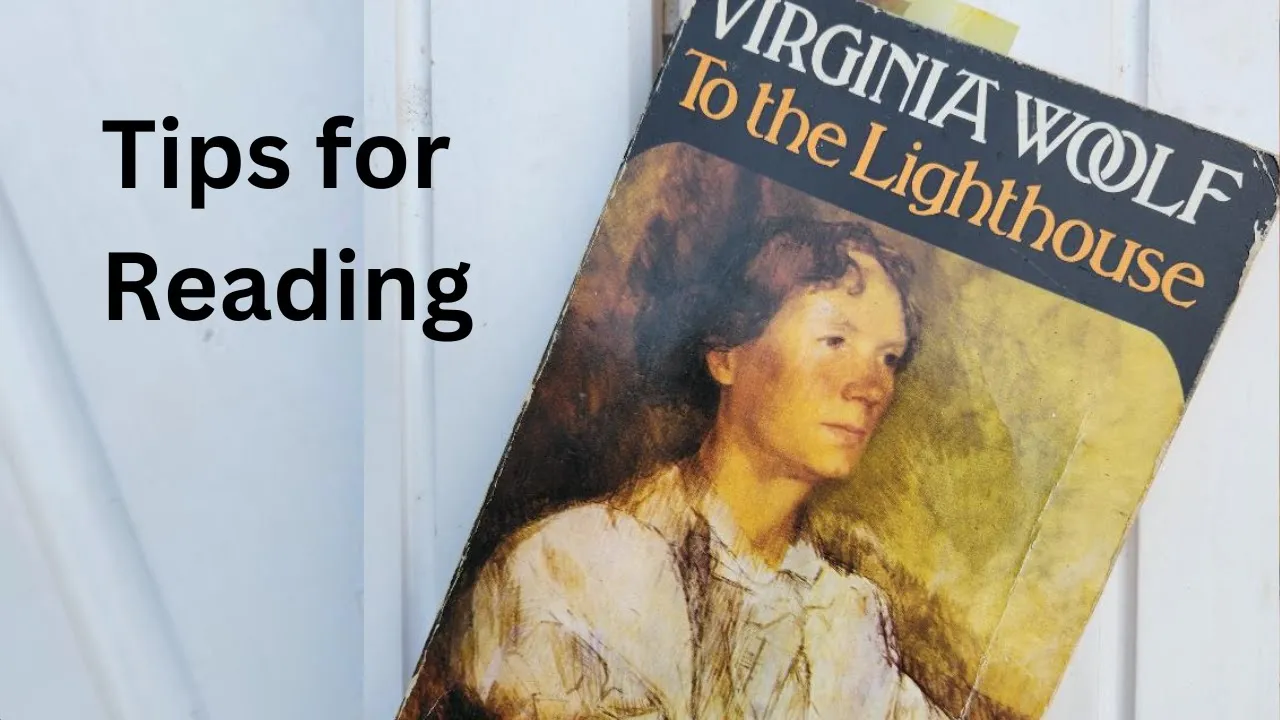



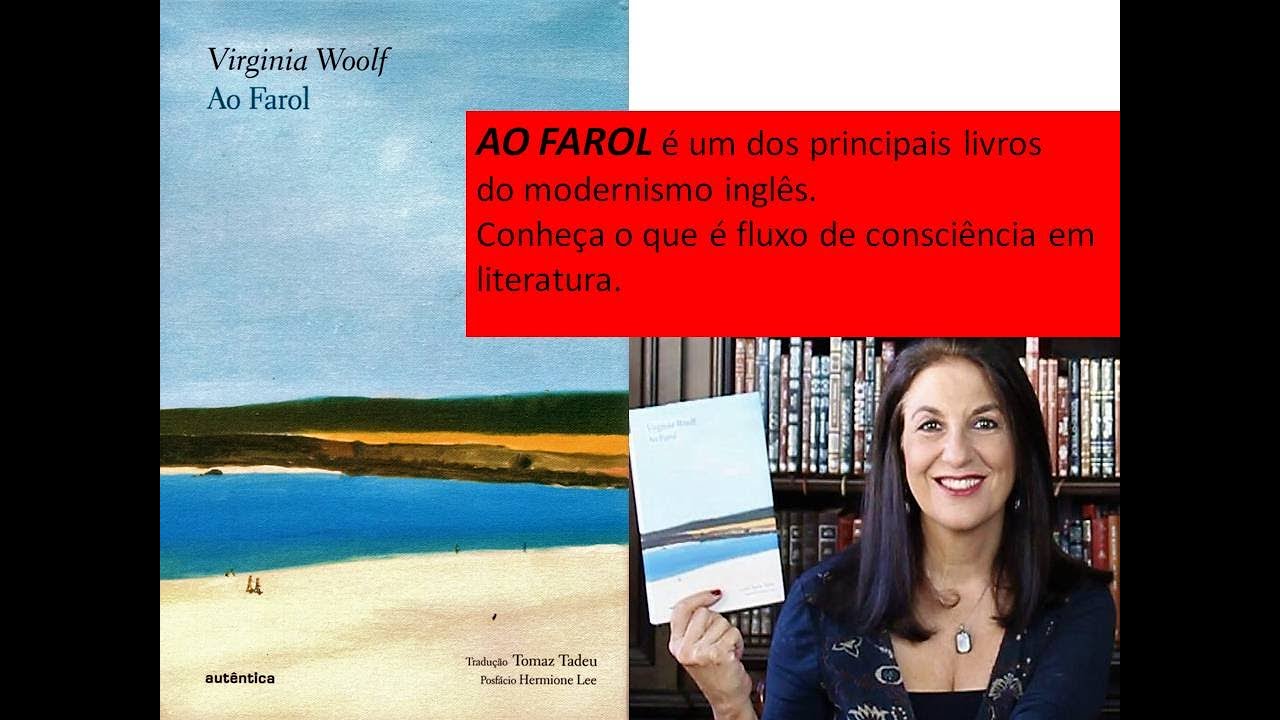










Virginia Woolf's 1927 novel 'To the Lighthouse' pioneered the stream of consciousness narrative technique, using a third-person omniscient narrator to explore characters' inner thoughts and emotions rather than external plot events, focusing on themes of time, perception, mortality, and human consciousness through the lens of a British family's decade-long journey to a Scottish island lighthouse.
Virginia Woolf's To the Lighthouse: A Critical Review & Analysis
Added:Introduction to Literary Modernism: Understanding the early 20th-century shift away from Victorian realism toward fragmentation and psychological depth.
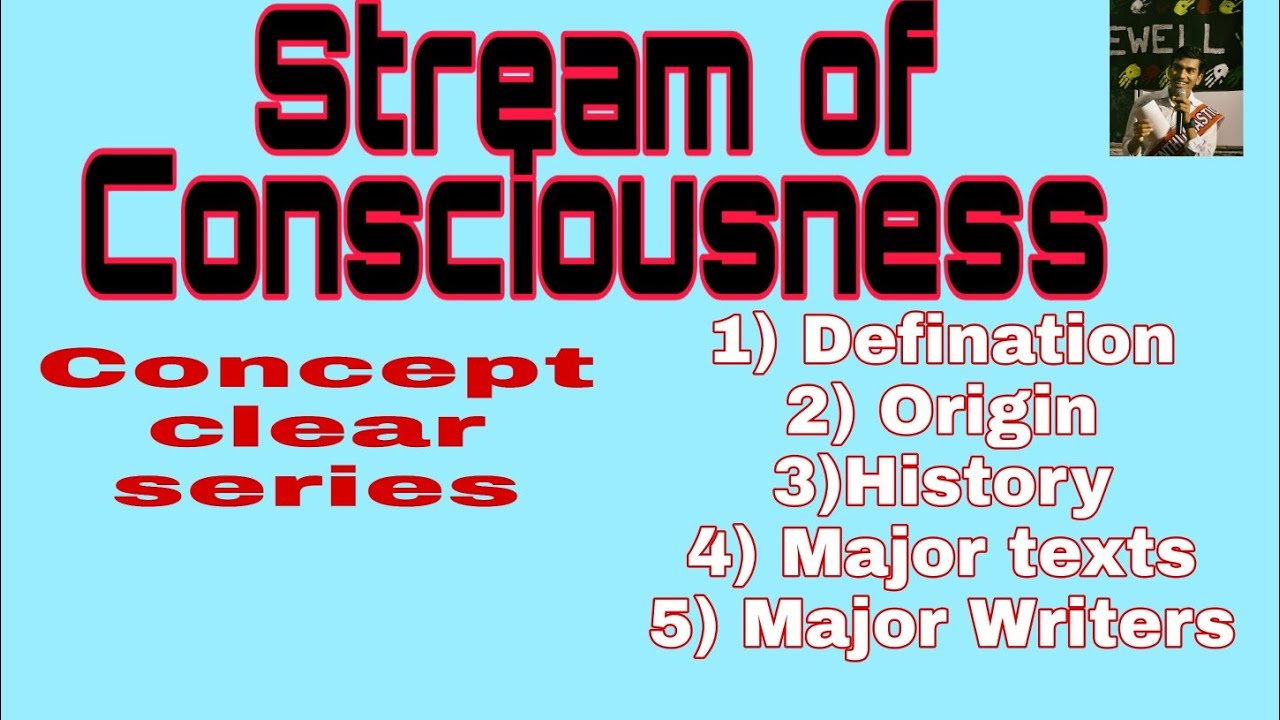
The Concept of Stream-of-Consciousness: Familiarity with this narrative technique that attempts to capture the continuous flow of character thoughts and feelings.
Basic Plot and Structure of 'To the Lighthouse': A general awareness of the Ramsay family, Lily Briscoe, and the tripartite structure of the novel ('The Window', 'Time Passes', and 'The Lighthouse').
The Bloomsbury Group and Context: Knowing Virginia Woolf's intellectual circle and their progressive views on art, feminism, and philosophy.
Philosophical Conceptions of Time: Exploring Bergsonian 'duration' (la durée) versus chronological time, especially as depicted in the 'Time Passes' section.
Feminist Literary Criticism: Applying a feminist lens to the contrast between Mrs. Ramsay's traditional gender roles and Lily Briscoe's artistic independence.
Comparative Modernism: Analyzing similarities and differences between Woolf's narrative style and other modernist writers like James Joyce, Marcel Proust, and William Faulkner.
Modernist Art and Literature: Examining the influence of Post-Impressionist painting techniques on Woolf's literary aesthetics and Lily Briscoe's artistic struggle.
44.9K views2.8Klikes17:12Original Release: 2021-04-20
in the book what is focused on is not what happens but rather people's thoughts and ideas about what happens [Music] better than food man good afternoon everyone welcome to bethlehem for book reviews i'm your host clifford lee sergeant great to see you as always hope you're doing well i'm selling my first nft which is a collaboration between myself and bruce sterling john knox who is a berlin-based artist he created this video in after effects using a clip of my voice from a review the venus and furs review and he did this animation and i just thought it was incredible so i got in touch with him and so we're selling this nft on wearable there's a link for it below since i put it up like a week ago or so you know ethereum which is is what it's selling for it's selling for two ethereum uh has increased substantially so you know might want to get in on that pretty soon if you uh if you're interested very much appreciate it if you would have a look also i'm selling these bookmarks just got my face on there with a little reminder i'm not selling them on a website anywhere but if you want to send me four dollars per bookmark plus shipping you can do that via paypal and you can email me below the information it's definitely more affordable if you're in the states but if you want to send me an email below i can give you a quote including shipping i really appreciate it helps keep this whole thing going help support the show thank you so much so that's all my news get that coffee and let's talk about a book delicious today is to the lighthouse by virginia woolf this is the first book i've read from virginia woolf the british author who was born in london and active in the first part of the 20th century and considered part of the literary modernist movement to the lighthouse was published in 1927 it was her fifth novel and it's a semi-autobiographical stream of consciousness novel concerning a british family kind of on holiday and the guests in their house and the kind of people um on this island the scottish island where they're vacationing where there's a lighthouse nearby but it's across a bay though you have to take a boat to get to it it's not told in their own voices the voice is third person omniscient an untold party this all-seeing eye of god an inquisitive ghost the voice of reality physical and subjective the voice of what is definitively like in their minds the entire book is sort of a trip to the lighthouse uh but over the course of a decade or so when she was a kid virginia wolf would go on holiday to a coastal town as well with a lighthouse and it's been said in this documentary that i've linked to below that those were her happiest moments in childhood her sister vanessa said she saw an almost perfect recreation of their parents in these characters mr and mrs ramsey and their guests on this scottish island on the isle of skye which is this real scottish island looks looks beautiful out there there's mr ramsay who's a a well-known author of philosophy who's sort of a self-involved ruminating uh insecure patriarch he's very much concerned with legacy and order and kind of obsessed with the idea of being forgotten you know like sort of uh just not achieving the heights that he aspired to annihilation basically the idea that he will not be read in the future and he's constantly in need of praise whether from his wife or others i think he also maintains sort of a pessimistic viewpoint which may in fact be virginia's as well and may be exacerbated by grief we'll later see i kind of pictured him being played by stellan skarsgard you know if there was a film adaptation he's kind of insidiously tyrannical not constantly violent or anything but has that sort of aura of a loose cannon he can lose his temper break things causes the whole room to go quiet a lot of tension within this man mrs ramsey is his wife who's sort of a source of beauty and stability for the family admired by the guests admired by almost everyone i think there's a local poet named mr carmichael whose beard has been stained from uh him smoking opium i thought that was a nice touch james ramsey is their young son who in the beginning wants to go to the lighthouse but mr ramsay tells him the weather won't be suitable and james gets the idea at this point in his childhood that mr ramsay enjoys being cruel and that's kind of the planting of this seed of hatred for his father that just grows as we'll see by the end of the book mrs ramsey thinks regarding you know his um being denied the trip to the white house that he'll remember this all his life i think that's the line from the book or i'm paraphrasing or something like that and sure enough uh we discover near the end he does see that's what this is all about people's interpretation of things and emotions and their conceptions of other people their perceptions and their their their different personalities and the different ways that they think and and what's what's important to them and their points of view much more so than plot or action that's what to the lighthouse is about and and what's what's so striking about it for the time you know what's fresh about it what's new is is the way in which wolf pulls us off which is like you know almost um if you ever seen like enter the void where that like you know the ghost of the kid is like kind of like going from person to person well it's it's sort of like that where like this ghost is like embodying the minds of other ones and you're just able it's like looking into a window of each person's mind right you're able to see their thoughts and desires you're not hearing it in their voice you're not reading it in their specific voice but you're it's this um third party you know whose point of view the book is told from this objective third party which is able to accurately communicate the thoughts and emotions of many different characters lily briscoe is another uh another character who is a visiting painter doing a portrait of mrs ramsey and whom i've read uh according to wikipedia i think she's sort of like um wolf herself in that she's pursuing a creative endeavor but insecure of it as a certain man a character named charles tansley takes a look at her work her painting and comments that uh women can't paint and women can't write perhaps virginia woof was also uncertain and insecure about her own talents understandably so as at that time she and women in general probably received a lot of unfair sexist criticism for wanting to be artists though you know uh her her father i read actually was encouraging her being an author i believe i think her family was encouraging her to be an author because it was you know an acceptable job for a woman at that time even so i have a hard time believing that it wasn't difficult to create a challenging piece of literature as a woman at that time in that respect of course the book is a huge accomplishment as it's objectively probably better and smarter than just about anything else that was being published around that time so the book is told in several different parts during the day of before the dinner party i believe then the dinner party itself which is awkward then 10 years later after several characters have died and the remaining ones who hadn't been to the home near the lighthouse for 10 years finally venture take that trip to the lighthouse which they never made maybe the lighthouse represents death all of it is a meditation on time and people and perception and life and death and family and love and marriage and men and women bolstered with beautiful descriptions of the surrounding nature it really illustrates the complexity and difference of thought and experience among people it was a fresh style for the time you know this whole experimental approach kind of looking through the windows of the minds of each character and what their thoughts and feelings are in relation to the others one interesting thing about the uh the middle chapter uh i think is that uh the the fates of the characters who died are revealed in um very short pieces in brackets or parentheses i think with no lengthy explanation of the circumstances in a huge contrast to the rest of the book and i think this is kind of the idea behind the book it's cold and callous in the way that sudden real death is in real life which is often abrupt and indifferent virginia herself experienced a horrific sequence of deaths over the course of seven years first her mother then her sister than her father that was when she began to struggle with mental illness the book is kind of haunted and haunting and knowing wolf's fate certainly makes one read it differently there's plenty of talk of drowning and being subsumed by the ocean in this book at least from what i remember not mentioned so much on wikipedia interestingly virginia woolf committed suicide by drowning in 1941 by filling her pockets with stones and walking to a nearby river there are references to drowning and they do prophesy uh virginia's suicide i mean some of them are quite explicit she had obviously taken leave of her senses no one had seen her step off her strip of board into the waters of annihilation yeah pretty i was going to say dead on but that doesn't that's that's in poor taste accurate in the book what is focused on is not what happens but rather people's thoughts and ideas about what happens their emotional interpretation i thought her observation and construction and criticism of the male intellectual the philosopher the father you know the patriarch was really well done and nuanced and accurate maybe more so than in other books by men dealing with the same characters and themes i i don't know it seems like a plausible argument she did a good job like i really think she got mr ramsay like pretty accurate you could call it wistful but it's even darker than that for all the kind of stuffy floral refinement that surrounds the book there's a serious darkness present in the work of virginia woolf emanating from the gut a true deep question mark at the heart of her soul what is the meaning of any of this since we're all going to perish and be forgotten the tone of the novel is that of a very smart author who began writing this in a lucid and glassy manner kind of detached and reflective sort of shell-shocked after some tragedy that happened the evening prior that's that's what it feels like that's the tone of the whole book my favorite part and the line that really got me was uh when mr ramsay who's an author and philosopher looks down at a rock and realizes that it'll probably outlast shakespeare i think there's a little bit of humor like dry british humor but it's it's i don't know it's really dry man how many men in a thousand million he asked himself reach z after all surely the leader of a forlorn hope may ask himself that an answer without treachery to the expedition behind him one perhaps one in a generation is he to be blamed then if he is not that one provided he has toiled honestly given to the best of his power until he has no more left to give and his fame lasts how long it is permissible even for a dying hero to think before he dies how men will speak of him hereafter his fame lasts perhaps 2 000 years and what our two thousand years asked mr ramsey ironically staring at the hedge what indeed if you look from a mountaintop down the long wastes of the ages the very stone one kicks with one's boot will outlast shakespeare it wasn't a specific stone but you know his own little light would shine not very brightly for a year or two and would then be merged in some bigger light and that in a bigger still he looked into the hedge into the intricacy of the twigs who then could blame the leader of that forlorn party which after all has climbed high enough to see the waste of the years and the perishing of stars if before death stiffens his limbs beyond the power of movement he does a little consciously raise his numbed fingers to his brow and square his shoulders so that when the search party comes they will find him dead at his post the fine figure of a soldier mr ramsay squared his shoulders and stood very upright by the urn yeah that's the thing i can get kind of like lost in in wolf's sentences that was one of my complaints with the book these really long-winded sentences i mean they're good don't get me wrong but god sometimes it was just like agony the image of the father as this overbearing figure demanding sympathy for the tragedies of his life affecting the role of the doomed philosophical patriarch acting acting we are the culmination of all the beautiful and terrible things that have happened to us and that we've done in whatever proportion or ratio it's so complex and stupid at the same time stupid in the sense of being unable to change it complex because of the interlacing tapestry that makes up a personality of a human being all the different cognitive highways either smoothly paved like a highway or jaggedly hacked through like a jungle path connecting this end to that end what a strange kind of precious terrifying thing that memory time and being create i don't know is that consciousness and that seems to be what the book is about consciousness and experience memory time and being how life sculpts a person's mental raw material just really quick if you're enjoying this review if you could smash the thumbs up i'd really appreciate it it helps the algorithm and it gets this review to people who would enjoy this book so thank you very much it's also a novel about empathy in the purest sense by inhabiting each point of view of the main characters by sort of slipping like a ghost into each mind one after the other you begin to have a full view of the characters so what did i dislike while there are moments of intense emotion there's so little joy in the book that it begins to kind of drag kind of like if you've ever taken painkillers after surgery or something you sort of like stare at things and you're like wow that's beautiful and simultaneously you're just sort of like nodding off in this white haze of non-feeling pleasantness that's sort of what it's like it's like you can appreciate that it's beautiful and it has a lot of substance but it's kind of like a bellatar film or uh or robert song both of whom i respect neither of whom i enjoy a beautiful landscape of human emotions that's being like covered and uncovered by fog it's seething with what she describes in the book as this loneliness which was the truth about things the idea that we all die alone which for virginia seems intolerable and what i would guess this being the first of hers that i've read is likely a major and unresolved theme in her work it's okay right it's it's okay i don't know it's insightful it's a book that i can see is an accomplishment that i can firmly say is a good book by a very talented and smart author but not one that i would ever choose to read again it's just so bloodless and depressed my god there's not a whole lot of desire and obsession rather the whole thing is almost more like what's the point of desire and obsession and as soon as you authentically ask and feel that question i think you're really in trouble yeah because that's sort of the essence of life's propulsion itself this sort of like unquestioning desire i want i want x why because we're alive in a dynamic universe constructed from solar energy i i don't know how else to put it that's why we move in every sense of the word but sometimes people stop moving internally you know and that's real true depression which is just awful and nobody's fault so better than food no not for me kind of a drag i liked it initially after that that shakespeare thing but after that it just got it just got dull like i just don't care i often like slow insightful novels but this one was just a drag and you know it's basically what i expected unfortunately there are some really insightful lines there's some really good stuff in there but then a lot of it i just do not care about the characters really i just i i just could not give less of a not that i won't read any more wolf i certainly will i think she's very very talented i think there was some humor in there if i remember probably see i'm even questioning whether or not there was actual humor in there like because it's that dry it's like it's so subtle there's just something sapped and exhausted about the writing and like as if it already knows that life is a failure and a bore at least with most of the other authors i've read who deal with the same subjects it's either balanced or tempered with a kind of humor vitriol or all of which can be interesting the combination of all being the difficult but most magnificent success i guess variation in tone and ideas is what i'm getting at it's a book really void of humor and pleasure yeah she's really gloomy but yeah whatever not my thing i'm looking forward to orlando though uh like that was the next book she wrote after this and uh uh i think that's probably very different more energy as far as stream of consciousness novels and female authors i i prefer clarissa spectre or hilst or anis nin like i feel that wolf is probably like smarter than nin somewhere but i mean like i just prefer reading nin a poor comparison maybe but i was just thinking about the whole stream of consciousness thing to the lighthouse is definitely a stream of consciousness novel one thing on wikipedia i think mentioned that the embodiment of the consciousness from one person to another was similar to the circling light of the lighthouse interesting i just thought that was cool it's a great book but i wouldn't be interested in reading it again or taking it to a desert island or a lighthouse island so you should read it well if you're a big fan of emily bronte uh joyce proust i assume oscar wilde although confession i haven't read them yet dorian gray's on the shelf anyways coffee time for those of you who are new thank you very much for stopping by i take the names of all the patrons on patreon who have donated 5 or more per video to the show i place their names in this mason jar and i pull out a name for every single review i do whoever's name i pull out i send a hard copy of the book i'm reviewing plus a bag of coffee roasted by yours truly and the coffee is delicious it's an ethiopian right now fantastic if you would like to get in on that and help support the show you can click on the link below or head over to patreon.com forward slash books better than food and donate five dollars or more per video i sincerely appreciate it thank you one dollar or more will get you access to the patron only reviews the discord channel plus the uh better than friday newsletter that i send out every friday which is just five different things i'm interested in at any given time could be books in the pipeline documentaries articles songs changes week to week if we have similar tastes i think you'll enjoy that plus the discord has great memes so you know it helps make it through the day right unfortunately international shipping is not included sorry about that best of luck to all the patrons and thank you so much okay here we go bill bill m thanks a bunch bill i really appreciate it you're going to receive to the lighthouse by virginia woolf plus a bag of delicious coffee cheers all right please subscribe if you haven't already please hit the thumbs up if you enjoyed this and always remember bring a book wherever you go all right great to see you as always take care of yourselves have a good night talk to you soon ciao
Up Next
58:35
Virginia Woolf's Mrs. Dalloway: Modernist Novel Analysis (1987) | Literary Criticism
@ManufacturingIntellect
148.6K views•2018-11-26

13:43
Formalism in Literary Criticism: An Academic Lecture Overview
@mattalberhasky9952
39.1K views•2015-08-05

6:08
Point of View in Fiction: First Person vs. Third Person
@magicalthriftyteacher
153.8K views•2014-03-31

15:25
1984: Orwell's Dystopian World and the Mechanisms of Totalitarianism
@AlternateHistoryHub
7M views•2017-03-04
Related Study Plans & Knowledge Roadmaps
Structured learning paths in Literature
literature
Graphic Memoirs: Visual Art, Trauma & History
01Foundations of Sequential Art and Visual Language
02Autographics and Processing Historical Trauma
03Visualizing Personal Trauma, Grief, and Graphic Medicine
+ 2 more learning modules
14h5 modules
Explore Roadmap
literature
Campus Novels: Evolution, Themes & Critique
01Introduction to the Campus Novel Genre
02Mid-Century Satire and the Post-War Academy
03Dark Academia and the Critique of Privilege
+ 2 more learning modules
14h5 modules
Explore Roadmap
literature
Theater of the Absurd: Philosophy & Plays
01Postwar Existentialism & Historical Roots
02Dismantling Narrative: Esslin & Absurdist Conventions
03Samuel Beckett and Tragicomic Existentialism
+ 2 more learning modules
12h5 modules
Explore Roadmap
literature
Revenge Tragedy: Justice, Madness & State
01Foundations of Early Modern English Theatre
02Anatomy of Revenge: Structural Conventions
03Psychological Complexity: Madness and Melancholy
+ 2 more learning modules
15h5 modules
Explore Roadmap