


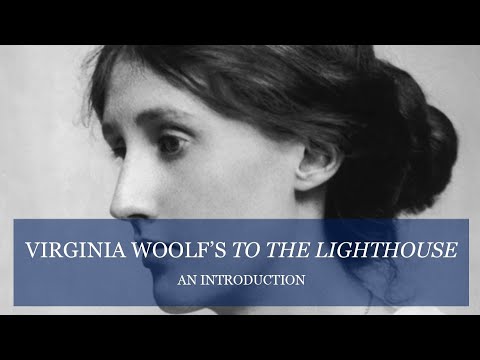















Virginia Woolf's To the Lighthouse (1927) represents a revolutionary feminist critique of traditional epic form by transforming Homer's conventions into a domestic epic centered on family life rather than heroic warfare; Woolf employs stream-of-consciousness narration to capture the fragmented nature of human consciousness, uses homeric similes comparing domestic rather than military imagery, and structures the novel as two temporal blocks joined by a corridor representing ten years of time, ultimately presenting intimacy and daily miracles as the source of meaning rather than grand mythological or religious answers.
Virginia Woolf's To the Lighthouse: Epic Form Explored | Literary Analysis
Added:Familiarity with the plot, characters (the Ramsay family, Lily Briscoe), and the three-part structure of Virginia Woolf's novel 'To the Lighthouse'.
Understanding of the classical epic tradition, including key conventions of works like Homer's 'Odyssey' (e.g., the heroic quest, domestic return, and masculine-coded trials).
Core concepts of Literary Modernism, specifically its break from 19th-century realism, focus on subjectivity, and use of stream of consciousness.
Basic tenets of first-wave feminist literary criticism, particularly Woolf's own arguments in 'A Room of One's Own' regarding the need for women to reshape sentence and narrative structures.
Comparative analysis of how other high modernist writers reworked the classical epic form, such as James Joyce in 'Ulysses' or T.S. Eliot in 'The Waste Land'.
An exploration of Feminist Narratology, studying how narrative sequence, climax, and characterization can be structurally gendered.
A close-reading study of the 'Time Passes' section of 'To the Lighthouse' to analyze how Woolf represents the trauma of World War I and the elegiac mode.
Investigation of Woolf's subsequent experimental novels, such as 'The Waves' or 'Between the Acts', to examine her continued dismantling of traditional literary genres.
98.2K views2.4Klikes51:20Original Release: 2015-06-13
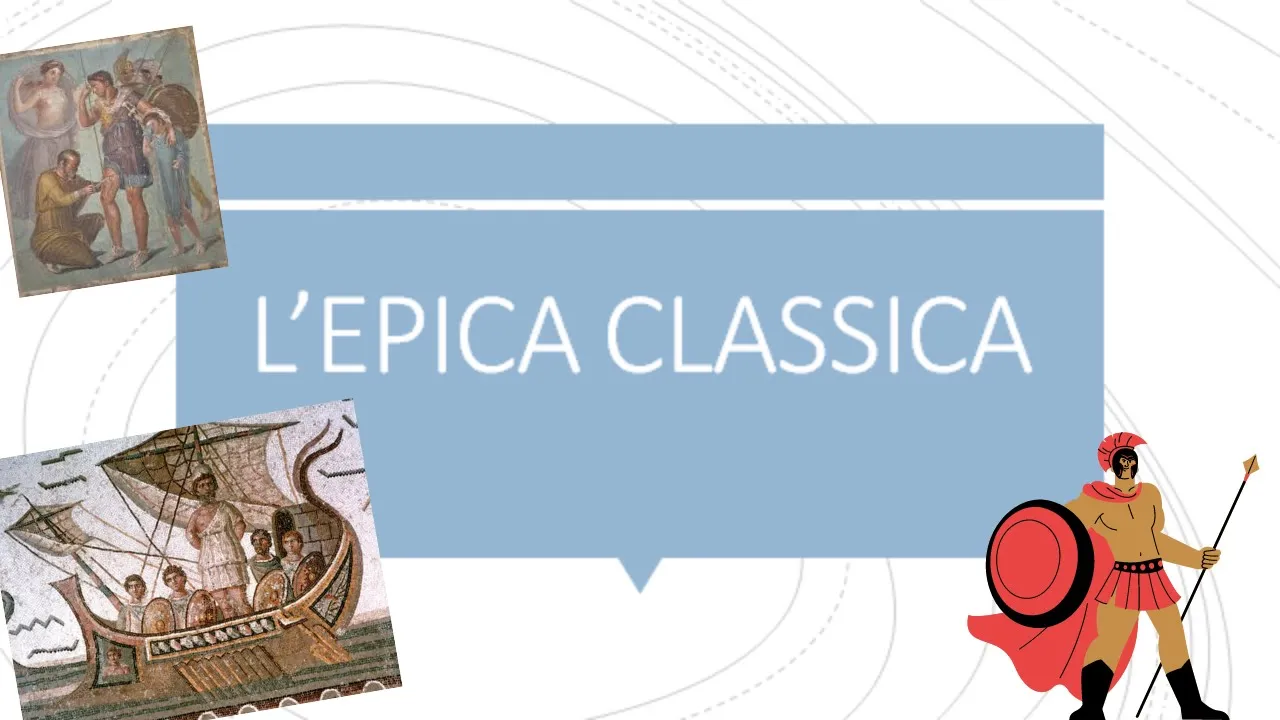
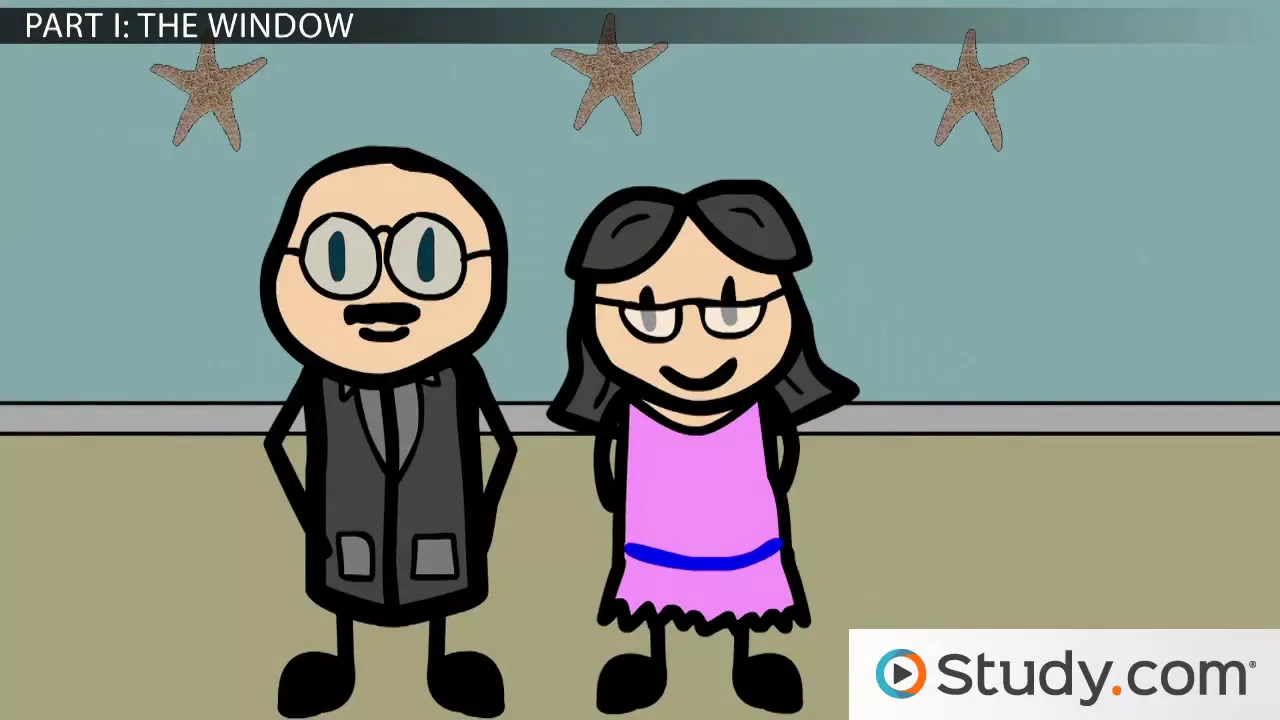
this is a novel in which one character showing another character how to tie their shoelaces is a major plot event there's no real plot in this novel in the traditional sense of introduction complication or resolution but that kind of plot the plots that we are all familiar with from the many traditional novels we have read those kind of plots are a trick they are an illusion of art because our lives simply do not follow the kind of neat patterns that we find in the plots of traditional novels the only way to create that kind of order in Life or in a novel is to invent it to impose Beginnings to invent turning points to invent conclusions so like Elliot like Caso and like many many other artists of her time Virginia wolf broke with artistic tradition she broke first and foremost and as you've likely noticed with the convention of traditional plot and instead what she did was she narrated events as they occur to Consciousness so-called stream of Consciousness narration stream of Consciousness is a term that was borrowed from the American pragmatism philosopher William James for him it meant something like The Unbroken flow of thought in the waking mind in literature stream of Consciousness is a a narrative technique that attempts to capture the way that our minds actually perceive the world around the time that she was uh writing to the lighthouse Virginia wolf wrote this in her diary the method of writing in smooth narrative can't be right things don't happen in one's mind like that we experience all the time an overlapping of images and ideas and modern novels should convey our mental confusion instead of neatly arranging it the reader must sort it out a simple example I'm on page 92 in this Edition we're in the mind of Mrs ramsy she's thinking there were the Eternal problems suffering death the poor there was always a woman dying of cancer even here and yet she had said to all these children you shall go through it all to eight people she had said relentlessly that and the bill for the greenhouse would be50 for that reason knowing what was before them love and ambition and being wretched alone in dreary places she had often the feeling why must I grow up and lose it all so in the middle of this profound sequence of thoughts of death cancer the happiness of her children loneliness the thought flashes through her mind that it's going to cause 50 lbs to fix the roof on the greenhouse that is how our minds actually work because we're incapable of focusing on any one thing for too long without another thought interrupting that thought try it try thinking about one thing for 30 seconds without anything else entering your mind confucious says that if you can do that you can rule the world in a realistic novel we are presented with the illusion that the character move and the narrator follows them that's obviously an illusion characters in novels don't move anywhere characters novel is not real they only exist in our imagination in a Virginia wolf novel it's less that the characters move it's more that the narrative voice moves around the narrator moves the characters stay still and that narrative eye that narrative mind picks up on whatever scene it happens to be passing at the moment so in the first chapter for instance which begins in their summer home in the herdes The Narrative mind the narrative's eye picks up the action in the kitchen James the son is cutting out pictures from a magazine to tape on the fridge The Narrative then goes out on the Terrace with two other characters Mr Ramsey and Charles tanley a visiting scholar later that evening the narrator moves and follows the family into the dining room and then still later it moves upstairs with the children to bed and the Attic So like the minds of the characters in this novel The narrator's Mind mimics the way our minds actually perceive the world roaming stopping here seizing on this ignoring that the narrative voice into the lighthouse is like and I think consciously modeled on the wind that blows through this house on the edge of the sea all the time through the open doorways through the open Windows observing whatever it sees to the lighthouse reinvents uh another staple of traditional plot driven fiction and that is characterization the author of the traditional novel knows everything about his or her character the author of the traditional novel is omniscient Godlike they made up this character so they can tell us anything there is to know about them because they know it all Virginia wolf does not pretend tend to know everything about Mrs ramsy instead what she does is give us multiple impressions of Mrs Ramsey from the people around her and she lets us add those Impressions up Virginia Wolf's comment that uh modern novels should convey our mental confusion implies that she is endorsing a new kind of realism that what she's saying look the world is confusing therefore art must be confusing to imitate it but like Elliott wolf is up to something much more complicated than just you know the world is a mess so I will write a poem that is a mess or I will write a novel that is a mess this is a tremendously carefully paced and tremendously carefully structured novel this is Virginia Wolf's sketch in her notebook of the structural design of this novel well it's actually my sketch of her sketch um two blocks joined by a corridor her words two blocks joined by a corridor so on the left block part one of the novel The Window which is one day in the life of one family the Ramsey in their summer home in the Isle Sky part of the Hees off the west coast of Scot Scotland on the right we have another block part three the final part which is about part of another day 10 years later in the same place same family two blocks of time connected by a short Corridor of time the middle section of the novel which is called time passes so on the surface to the lighthouse is a series of fleeting Impressions right those stream of Consciousness perceptions little moments of perception but underneath that stream of Consciousness duration there is a very solid and in some ways quite traditional structure beginning middle end if you think about how the Ramsay's visiting friend the artist Lily Brisco is a painter Central character in the novel think about how she says she wants her painting to look she says at one point that she wants her painting to look like a butterflies wing lying upon the arches of a cathedral that's not what she's painting it's what she wants it to look like a butterflies wing lying upon the arch of Cathedral fleeting Impressions laid over top of a solid foundation butterflies on Cathedral arches that much um Scholars have said many times about this book critics like Eric arbach for instance I think and I'm going to try to suggest to you that there is a particular kind of Cathedral Arch holding the butterflies up in this novel a particular kind of structure narrative structure to the lighthouse does not open with what ERS of 19th century novels would have expected and that is a formal introduction to The Story Once Upon a Time or my name is you know call me ishma it opens in mid conversation with an answer to a question that we don't hear the answer is yes of course if it's fine tomorrow it's Mrs Ramsey promising James that they will make the trip to the lighthouse if the weather is fine tomorrow we don't hear the question only the answer it opens in the middle of things so instead of starting with the conventional Once Upon a Time opening she has used another quite conventional opening but for a different genre because this novel begins in medus race Latin for in the middle of things instead of starting at the beginning of the story she is starting at a critical critical point in the action the critical point in the action the argument between Mr and Mrs Ramsey about whether or not they will take James to the lighthouse tomorrow now that kind of beginning to begin in the middle of things is appropriate when the audience knows the backstory so they can fill in the story for themselves because they already know it Homer started the Iliad in exactly this way Homer begins The Iliad in the 10th and final year of the attack on Troy because his audience already knew the story of the kidnapping of Helen and the story of the Greek expedition to recover her so they didn't need the backstory they could jump right into the middle of the action at the critical point but the thing is this to the lighthouse is not one of those public stories that everybody knows before they open the book up so why would wolf use this kind of opening an opening that is appropriate to stories that we already know why didn't she introduce us to a story that we don't know to characters that we don't know partly I think the decision to begin in the middle of things is to get us into the story as quickly as possible to make us the reader feel as if we too were guests at the Ramsay summer home part of of an ongoing conversation and it's tremendously effective but it is also I think an announcement of method a declaration of method a generic clue because to begin in medas race in the middle of things is a Convention of a particular literary genre and that's Homer's genre it's the genre of the Epic now traditionally the Epic is a long narrative poem that tells a serious story in a very serious style about a hero on whom defend depends the fate of a people a nation an entire race there are not many such poems the Epic is a tremendously demanding form that requires in encyclopedic knowledge of a culture and a tremendous amount of hutzpah a lot of self-confidence because the Epic poet tells the story of a people of an entire people bwolf The Iliad The Odyssey Virgil's anot Milton's Paradise Lost Dante's Divine Comedy and I want to suggest to you to the lighthouse though in a very different way from those epics Virginia wolf knew the conventions of epic poetry tremendously well this is a woman who taught herself to read Homer in Greek when she was 8 years old so this is somebody who knows her Homer when she visited Greece and Turkey as a teenager she traveled with a copy of Homer's Odyssey in her handbag and the wolf's close friend James Joyce had just reworked the story of Homer's aicy in his Ulisses published in 1922 just five years before this novel Virginia wolf did not like ulyses she called it pretentious which is sort of the pot calling the kettle black but we'll let that go I think she did what James Joyce did I think she took Homer's epic form and she rewrote it for a different time and in her case for a different gender the cathedral arches of the Epic it's conventional structures they are all here or conspicuously and deliberately absent in this new epic the traditional epic begins in medas race in the middle of things so it is to the lighthouse but the similarity is much more specific than that and the difference is tremendously significant The Iliad if you remember opens with a quarrel it starts with a quarrel between Agamemnon King of the Greeks and his most powerful Warrior Achilles and what they're arguing over is who is going to get to bed a particular slave girl braas who will get to keep the slave girl and take her back to her tent two men arguing over a girl to the lighthouse opens up with the quarrel between a wife and her husband about whether or not they will take their son to the lighthouse tomorrow page nine first page of the book Excuse me yes of course if it's fine tomorrow said Mrs Ramsey but you'll have to be up with the Lark she added to her son these words conveyed an extraordinary joy as if it were settled the Expedition were bound to take place and the Wonder to which he had looked forward for years and years it seemed was after a night's darkness and a day's sail within touch since he belonged even at that age of six to that great Clan which cannot keep this feeling separate from that but must let future prospects with their Joys and Sorrows Cloud what is actually at hand since to such people even in earliest childhood any turn in the wheel of sensation has the power to crystallize and transfix the moment upon which its Gloom or Radiance rests James Ramsey sitting on the floor cutting out pictures from The Illustrated catalog of the Army and Navy stores endowed the picture of a refrigerator as his mother spoke with Heavenly Bliss it was fringed with joy the wheelbarrow the lawnmower the sound of popper trees leaves whitening before rain Rooks C brooms knocking dresses rustling all these were so colored and distinguished in his mind that he had already his private code his secret language though he appeared the image of Stark and uncompromising severity with his high forehead and his Fierce blue eyes impeccably candid and pure frowning sightly at the sight of human Frailty so that his mother watching him all red and IR on the bench or directing a Stern a momentous imagined him directing a Stern a momentous Enterprise in some crisis of public affairs but said his father stopping in front of the drawing room window it won't be fine had there been an axe handy or a poker any weapon that would have gashed a hole in his father's breast and killed him there and then James would have seized it as childlike Achilles sulking in his tent most important the distinction between the two the ilot opens up with a quarrel between two men over a girl this opens up with a quarrel between parents over a child the traditional epic is written in a very serious High style I don't think I need to spend a lot of time convincing you that this is not newspaper Pros but again the similarity is much more specific than that and the difference significant one marker of the high style in a classical epic is what is called a homeric or epic simile a homeric simile is a is a simile in which the vehicle is very very long and elaborate okay so not just a sky is like a red balloon but the sky is like and goes on for lines an example excuse me from Homer's ilot as when a wild boar Lusty hunters and Hounds deploy until the Beast trots out from heavy Thicket wetting his white tusks against his lower Jaws the hounds go circling into attack and under the huan cry and nashing sound of tusks and teeth is heard even so around rugged adicus the Trojans Ran So the way an epic simile works is that the homeric poet whether Homer himself or we don't really know is reciting this poem back home in Greece to men and women who were not at Troy who have no idea what it looked like to see those dogs of Trojans circling round rugged adicus so what they're trying to do is say look you have never seen this you don't know what it looked like but you have hunted and you have seen the dog circling a wild boar with the wild boar in the middle of the strength holding back those dogs that is what it was like that's how a homeric symbol works it's like that wolf Ed epic similes repeatedly throughout this novel and bear in mind that the Amic simile is not a Convention of the novel it belongs to the form of poetry an example page 250 we're in the mind here of one of the daughters Cam and as sometimes happens when a cloud falls on a green Hillside and gravity descends and there among all the surrounding Hills is gloom and sorrow and it seems as if the hills themselves must Ponder the fate of the clouded the darkened either in pity or malici maliciously rejoicing in her dismay so cam now felt herself overcast as she sat there among calm Resolute people and wondered how to answer her father about the puppy and as so there's dozens of them in the book look for them they are homeric similes and they are a mark of Virginia Wolf's influence and her argument with Homer because Homer Compares War to haunting a male subject a male vehicle in his simile Virginia wolf Compares feelings in the mind of a girl to the weather domestic subject domestic vehicle masculine subject masculine vehicle over and over again she reworks Homer assemblies using domestic rather than military vehicles for her comparisons in a traditional epic the setting of the poem is vast in the traditional epic the setting is often much of the world even places outside the world like Dante's heaven or Homer's Underworld the setting of to the lighthouse is one home one family's home but as several of these characters say their home is the world therein lies the difference the traditional epic involves superhuman Deeds right a great warrior a long and arduous Journey knitting a reddish brown stocking for a lightkeeper's son doesn't really seem like a superhuman deed but maybe that's not the Epic deed of to the lighthouse recall the title of the book to the lighthouse at the risk of spoiling the ending for you in case you haven't got there what could possibly be a longer more arduous Journey than the trip to the lighthouse which is the reconciliation of a son with his father and again the similarity to Classic epic is even more specific than that Homer zad ends with the Greeks still at Troy which sets up the sequel Homer thought like a Hollywood movie producer Homer duly provided the sequel in The Odyssey one of the many Greek Stories the one that's left to us now of the homecomings the nosto of the Greek Heroes back home to Greece after the war in Troy he tells one story in particular the story of adius the return to his home and his reunion with his wife and son Penelope and tacus now recall that it has taken 10 years for the Ramsay to return to their summer home in part three 10 years for James to complete his trip to the lighthouse does anybody remember how long it took CSUS to get home from Troy 10 years maybe you'll remember as well uh what Penelope a dis wife what she was doing while her husband was away at War she was entertaining a house full of male guests many of them who seek her hand and with it ody deus's Kingdom uh she manages to hold them off for a decade she does this by she promises them that she will choose one among them as her husband when she has completed weaving this tapestry so so every morning she weaves a bit more in the tapestry at night she goes up and she un weaves the day's work smart woman now you look at page 13 this is Mrs Ramsey talking about the guests that visit them at their summer home mostly men she says she could not bear incivility to her guests to young men in particular who were poor as Church mice indeed she had the whole of the other sex under her protection for reasons she could not explain for their chivalry and Valor for the fact that they negotiated treaties ruled India controlled Finance the suitors at Penelope's home in the adus are themselves Kings finally for an attitude toward herself which no woman could fail to feel or to find agreeable which an old woman could take from a young man without loss of dignity she's Penelope Queen Penelope surrounded by her suitors final clue and the one that for me nailed this reading down at depending on how you count and this is hard because it's in Greek my Greek is Rusty non-existent uh depending on how you count in Homer's Odyssey there are either 108 or 110 male suitors in in Penelope's home Charles tanley we're told on that page is the 110th young man to visit them at their summer home it's deliberate the final and most important Convention of the classical epic is that the hero is a figure of great National and even Cosmic importance this is somebody as I've said on whom depends the the fate of an entire people Achilles anas Adam the hero is a man to the lighthouse is an epic but it is a domestic epic it is the Epic of a family not the Epic of thetion this novel is not just a rewriting of the Epic form any more than James Joy's ulyses was a rewriting of the Epic Forum this novel is a critique of the Epic of the male epic it is a feminist critique of the most important genre in Western literary history a feminist critique written by a woman who did not like the word feminism because the classic epic asserted over and over again in so many different cultures that What mattered was men men's quarrels men's Adventures Helen doesn't matter what matters is the War fought over Helen Penelope doesn't matter what matters is her husband's return and Virginia wolf knew all this in her first and most important feminist book A Room of One's Own 1929 she argued that one of the main problems confronting women writers in her time was that male values inevitably get transferred from life to fiction she said this speaking crudely football and Sport are important the worship of fashion the buying of clothes trivial and these values are inevitably transferred from life to fiction this is an important book the critic assumes because it deals with war this is an insignificant book because it deals with the feelings of women in a drawing room there's an almost Comic version of this antithesis well comic for Virginia wolf doesn't mean much okay but there's an almost Comic version of this antithesis into the Lighthouse at one point well several points Mr Ramsay is striding across the lawn quoting lines from The Charge of the Light Brigade boldly weode and well he's walking across the line reciting this poem out loud to himself and he almost knocks over Lily painting on her easel Lily is painting a picture of a mother to her child so we have a man walking across the lawn in front of the home reciting a war poem who almost knocks over a woman artist painting a picture of a mother and a child it's a joke it's a Virginia wolf joke which is why you're not laughing not exactly known for a sense of humor in A Room of One's Own Virginia Rolf wrote this she said there is no reason to think that the form of the IC suits a woman any more than the male style of writing the male sentence suits her into the lighthouse she reinvented both of them she reinvented the Epic and she reinvented literary style she brought the Epic quarrel into the kitchen into the house and she made the epic hero a woman domestic novels were certainly possible before Virginia wolf novels about women's lives there were thousands of them most of them written by women writers and read quite often but although these books were read they were rarely respected rarely read as literature even Virginia wolf was only willing herself to accept about a half dozen women writers before her as real writers a half dozen in the English language that's it with Virginia wolf what happens is that domestic scenes women's lives become a subject for art not just fiction not just entertainment art Virginia wolf did not make Daniel Steel possible Daniel Steel would have been possible without Virginia wolf she made Tony Morrison possible Margaret Atwood the woman who did all this was born in London in 1882 she was the middle daughter of four children her father uh Leslie Steven was a well-known British academic he was the first uh editor of the dictionary of national biography her mother Julia of which no good pictures exist supposed to be a tremendous Beauty she was the daughter of a doctor uh who spent most of his career in India and she was very active in charities including a pure milk supply for the poor which is one of Mrs rams's peer occupations into the lighthouse Virginia's mother died when she was just 13 years old her father died when she was 22 and her older brother Toby when she was 24 with whom she was very close after her father's death uh the surviving children bought a home in a district of London called Bloomsbury and so began the famous called Bloomsbury group it's a loose collection of friends artists intellectuals uh writers Loosely centered on the homes of Virginia and her friends uh most active around 1904 to 1914 just before the first world war they're liberated liberated sexually liberated politically liberated intellectually uh most of them were pacifists during the war and all of them were so socialist throut they're the first generation to publicly regard homosexuality as normal as merely a consequence of friendship there are a great deal of complicated sexual relations going on in the Bloomsburg group at this time it's a world of witty conversation cocktails cigarettes love affairs and changing the world the group included the novelist uh I [Music] Forester the painters Roger Fry and Virginia's sister Vanessa Bell biographer Linton strae and The Economist mayor ke must have been an unlikely companion Virginia married one of the group she married Leonard wolf who was a former civil servant who later wrote the draft for the charter of the League of Nations is very very active was Leonard in h socialist and labor groups Well's sister Vanessa Bell became a painter a prominent member of the British post impressionist groups this is Vanessa's sister Vanessa's painting of her sister Virginia a detail from it 1911 Virginia turned to writing at a young age first as a journalist um then as a novelist she published her first novel The Voyage out in 1915 she published this book when she was 33 which is Lily's age in part one of to the lighthouse to the lighthouse is her fifth novel she started writing it in August of 1925 and she finished it in January of 1927 the year that it was published this is the first edition of the novel with cover design by her sister Vanessa it was published by the Hogarth press uh which is a small press that Leonard and Virginia started in their home in 19 17 it published books that commercial presses would not take um Katherine Mansfield Forester um the first British edition of Elliots the Wasteland was published by this press in fact Virginia wolf set the type for the Wasteland herself it's one of those remarkable moments in literary history you have Virginia wolf setting the type for the Wasteland she wrote six more novels after to the lighthouse hundreds of essays and two books that are called feminist not her word on 28th March 1941 two years into another War she left notes for Vanessa and Leonard walked to the river near her house uh put a large Rock in her pocket for weight and she drowned herself she was 59 she had had several serious breakdowns before um she twice attempted Ed suicide at least twice uh the first time was in the early 20s and the second was just after she was married in her early 30s there have been many explanations offered over the years as to why she did this um recent scholarship is focusing on she was abused apparently by a half brother Gerald there was the war the first world war and then the war again and also and I think probably importantly to Virginia wolf more importantly than it would be to most of us she felt she was losing her Talent as a writer that she'd said all she had to say Virginia wolf is an artist and if she had didn't have that I don't think she knew what to do those who knew her best said that she did it uh because she had been insane before she'd been there before and she could feel herself going back there again and she just didn't want to do it again to the lighthouse is based on her own family um Mrs Ramsey is based on her mother Julie Mr Ramsey is based on her father there is another Virginia wolf joke in there because you'll recall that Mr Ramsey is constantly trying to get through the alphabet trying to get to zed mentally well Virginia's father is the editor of the dictionary national biography which is organized alphabetically I think he only ever got to C or something like that I can't remember James is based on her youngest brother Adrian and I suspect Lily is based at least in part on herself the the house is a a summer home that the Stevens rented in Cornwall which is at the opposite end of Britain from where the novel is fictionally set this is St IV's lighthouse in Cornwall which is the actual model of the lighthouse in the book depicts something of the same malaise as Elliott's poetry of the 1920s same time frame the inability to communicate the sense that nothing is a authentic or meaningful anymore the the privacy of experience everybody shut behind their respective closed doors in the dinner scene in the first part of to the lighthouse they're all there together as a family and friends but each of them is locked in their own mental world they're separate even though they're together and as in the Wasteland in the wake of War these are people looking for me looking for answers page 268 this is Lily towards the end of the book she's talking or addressing in her mind Mr carmichel what was it then what did it mean could things thrust their hands up and grip one could the blade cut the fist grasp was there no safety no learning by heart of the ways of the world could it be even for elderly people that this was life startling unexpected unknown for one moment she felt that if they both got up here now on the lawn and demanded an explanation why was it so short why was it so inexplicable set it with violence as two fully equipped human beings from whom nothing should be hid might speak then Beauty would roll itself up the space would fill those empty flourishes would form into shape if they shouted loud enough Mrs Ramsey would return Mrs Ramsey she said alow Mrs Ramsey Lily's looking for meaning for an answer they all are this is wolf's version of the Fable that Elliot tells in the Wasteland of gods men and demons assembling before their creator and saying speak to us oh Lord give us the answer what is the answer what is the Holy Grail but this book offers answers that are different from Elliot's page 255 excuse me this is Lily about what she wants her pain to look like beautiful and bright it should be on the surface feathery and evanescent one color melting into another like the colors on a butterfly's wing but beneath the fabric must be clamped together with bolts of iron it was to be a thing that you could ruffle with your breath and a thing you could not dislodge with a team of horses well ly wants in her painting her post-impressionist painting is ephemeral Beauty on the surface bolts of iron underneath she wants what Virginia wolf wanted for this book butterflies on Cathedral arches and crucially it is Mrs ramsy that Lily wants to paint that is what her painting is of all the other painters that are there in the neighborhood and there are many of them they're all to paint the Seascape were on the island they're impressionist painters they set up their easel facing the water lily turns her back on the water she looks into the house and she wants to paint a picture of her mother and a mother and a child she is not alone in seeing something special something remarkable in this woman in the first part Mr Banks experiences what he calls a Rapture watching Mrs Ramsey read to her son James he says that watching a mother read a story to her son has the same effect on him as solving a science problem that's like seeing chaos subdued order made the answer is not to be found for either Lily or Virginia wolf in just Beauty in just those butterflies on the surface it's not in art for Art's Sake alone the answer is not to be found in Mr Ramsay's facts his quest to get past Q to zed the answer to the extent that there is one is inside Mrs Ramsey Lily thinks says that inside Mrs Ramsay are sacred inscriptions her words that if you could only read them would her words teach you everything inside a mother it's like Elliot's dah right it's the answer it's what the gra would say if you asked her the right question that is what Lily is trying to paint in her painting and just like Elliot's da the answer is hidden private never made public we never get to see Lily's painting stroke a genius the worst decision a publisher could ever make for this novel would be to put their idea of what the painting looks like on the cover of this book the whole point is that we don't see it it's private therefore greater than anything real ever could be even though we can't see the answer we can see enough to know that there are some very important differences between TS Elliot's da the answer we hear in the Wasteland and the sacred inscriptions that are inside Mrs Ramsey page 78 Lily again sitting on the floor with her arms around Mrs Ramsay's knee as close as she could get smiling to think that Mrs Ramsey would never know the reason to that pressure she imagined how in the chambers of the mind and heart of the woman who was physically touching her were stood like the treasures in the tombs of Kings tablets bearing sacred inscriptions which if one could spell them out would teach one everything but they would never be offered openly never made public could loving as people called it make her and Mrs Ramsey one for it was not knowledge but Unity that she desired not inscriptions on tablets nothing that could be written in any language known to men but but intimacy itself which is knowledge she had thought leaning her head on Mrs Ramsay's knee Lily knows that the answer is not going to come from a hand holding a sword emerging from a pool Excalibur she says myth is nonsense of course the fisher king which sufficed for Elliott will not suffice for wolf myth and ritual will not do religion will not do God will not do Mrs Ramsey gets annoyed with herself for thinking that we are in the hands of the lord we can't go back to those answers not anymore Charles tanley is an atheist in the novel they laugh at him but they're not laughing at him because he's an atheist They're laughing at him because he feels like he needs to say it over and over again of course there's no God not for these people not in this place the answer for these people is much closer to home than religion or myth the answer is in daily life the answer is in intimacy page 240 Lily what is the meaning of life that was all a simple question but one that tended to close in on one with years the great Revelation had never come the great Revelation perhaps never did come instead there were little daily Miracles illuminations matches struck unexpectedly in the dark here was one this that and the other herself and Charles tanley and the breaking wave Mrs Ramsay bringing them together Mrs Ramsay saying life stand still here Mrs Ramsey making of the moment something permanent this was of the nature of a revelation in the midst of chaos there was shape this eternal passing and flowing was struck into stability life stands still here Mrs Ramsey said Mrs Ramsey Mrs Ramsey she repeated she owed it all to her there's no great revelation excuse me just little daily Miracles matches struck unexpectedly in the dark butterflies landing on Cathedral arches it is tremendously tempting to see the differences between Elliot's answers and Virginia Wolf's answers as gendered that is Elliot looks for the great Revelation he talks to Gods he gets answers like da wolf looks to daily Miracles ellia looks for order in ritual in myth wolf looks to the home to the kitchen but the problem with a gendered reading is that the book's main example of this intimacy is not between Lily and Mrs Ramsey the main example of this intimacy is James's reconciliation with his father at the end of the book the answer into the Wasteland comes in one word die into the lighthouse the answer comes in two words and those words are in my mind well done well done those are the words that Mr Ramsay gives to his son James after the death of Mrs Ramsey when they have finally completed the Voyage to the lighthouse and he is giving those words to his son to thank him and commend him for bringing the boat safely to the lighthouse well done that's where we started the trip to the lighthouse James has finally got what he always wanted from his father and that is approval recognition intimacy back on Shore Lily watching all this take place place from a distance says aloud he has landed it is finished and after she says this the poet old Mr carmichel stands up beside her and the novel represents old Mr Caraco at this point as Poseidon it says that his book looks like a trident and that he has weeds coming from his hair Poseidon was ady deus's persecutor in The Odyssey here he stands up and he gives his Blessing to Lily with that blessing from Poseidon that reworked Poseidon for a different time in a different gender Lily can finally finish her painting she says I have had my vision I have had my vision the thing is this Lily's vision is not a vision of the Triumph of Achilles or the glory of Rome her vision is of of a father and his son of a mother and her son it is a vision of intimacy of Small Miracles butterflies and Cathedrals it is a vision of quarrels between peoples people not between nations in her notes for to the lighthouse Virginia wolf wrote this she said how much more important divisions between people are than between countries how much more important divisions between people are than between countries that I think is the answer of to the lighthouse and it is also Virginia Wolf's contribution to the literature of our time thank you [Applause]
Up Next

16:54
The Bell Jar by Sylvia Plath: A Critical Examination of Mental Illness and Feminism
@reiranell
30.4K views•2025-01-18

13:43
Formalism in Literary Criticism: An Academic Lecture Overview
@mattalberhasky9952
39.1K views•2015-08-05

6:08
Point of View in Fiction: First Person vs. Third Person
@magicalthriftyteacher
153.8K views•2014-03-31

15:25
1984: Orwell's Dystopian World and the Mechanisms of Totalitarianism
@AlternateHistoryHub
7M views•2017-03-04
Related Study Plans & Knowledge Roadmaps
Structured learning paths in Literature
literature
Graphic Memoirs: Visual Art, Trauma & History
01Foundations of Sequential Art and Visual Language
02Autographics and Processing Historical Trauma
03Visualizing Personal Trauma, Grief, and Graphic Medicine
+ 2 more learning modules
14h5 modules
Explore Roadmap
literature
Campus Novels: Evolution, Themes & Critique
01Introduction to the Campus Novel Genre
02Mid-Century Satire and the Post-War Academy
03Dark Academia and the Critique of Privilege
+ 2 more learning modules
14h5 modules
Explore Roadmap
literature
Theater of the Absurd: Philosophy & Plays
01Postwar Existentialism & Historical Roots
02Dismantling Narrative: Esslin & Absurdist Conventions
03Samuel Beckett and Tragicomic Existentialism
+ 2 more learning modules
12h5 modules
Explore Roadmap
literature
Revenge Tragedy: Justice, Madness & State
01Foundations of Early Modern English Theatre
02Anatomy of Revenge: Structural Conventions
03Psychological Complexity: Madness and Melancholy
+ 2 more learning modules
15h5 modules
Explore Roadmap