
















![ВИРДЖИНИЯ ВУЛФ. Лучшие книги: ТОП-5 [ погружение ]](https://i.ytimg.com/vi_webp/zSiVNDb6j0k/maxresdefault.webp)







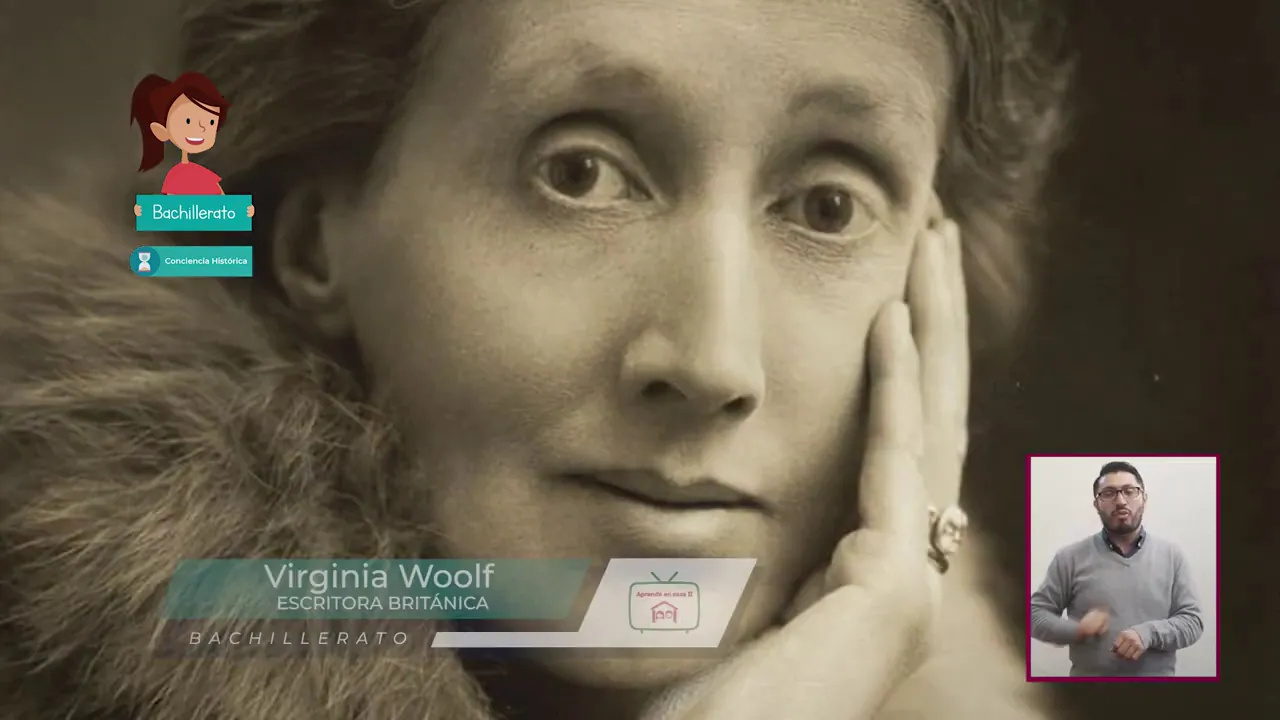
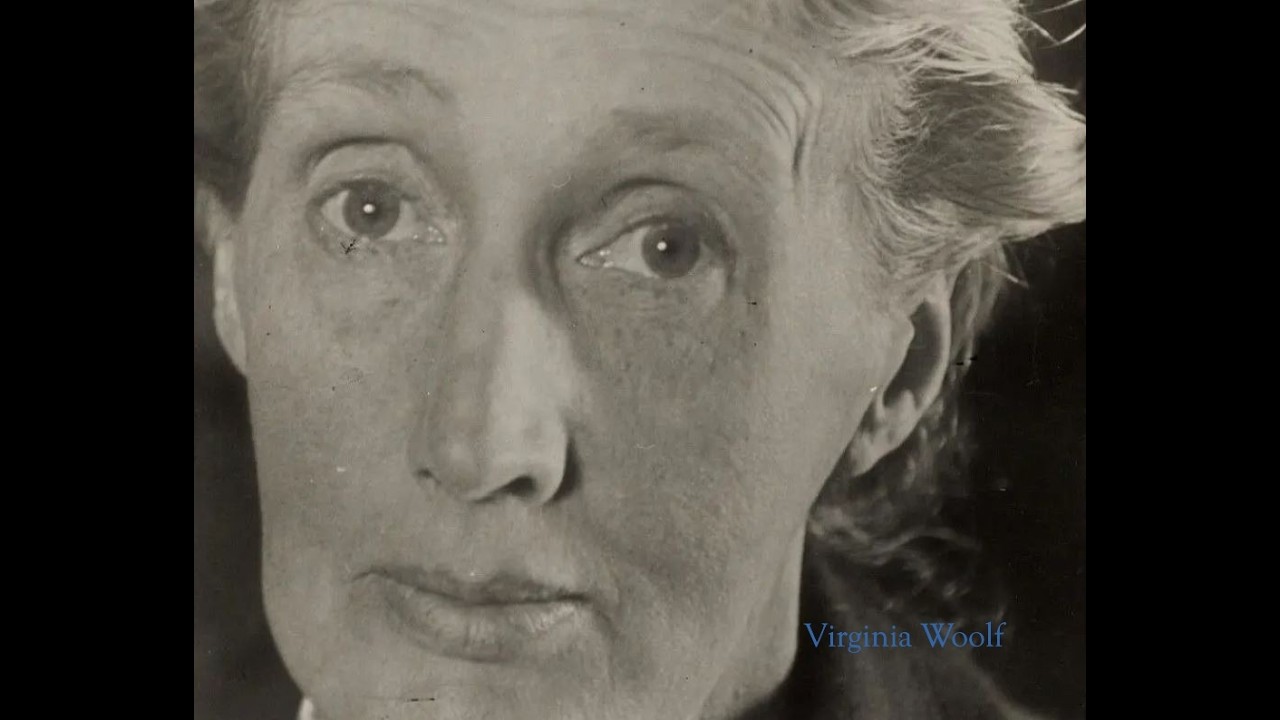
In her 1929 essay 'A Room of One's Own,' Virginia Woolf argues that women need both financial independence (£500 a year) and private space ('a room of one's own') to write, but even with these material conditions met, women face the fundamental challenge of developing a distinct 'female sentence' or mode of writing that authentically expresses women's unique values, experiences, and perspectives, rather than merely adopting the language and conventions of men; Woolf contends that women's historical exclusion from education, property ownership, and intellectual spaces has resulted in centuries of cultural representation that privilege male values, and that true women's writing requires not just economic freedom but also the creative task of forging new literary forms that capture the everyday lives and voices of women that have been historically marginalized and unrecorded.
Virginia Woolf's A Room of One's Own: Feminist Aesthetics Explained
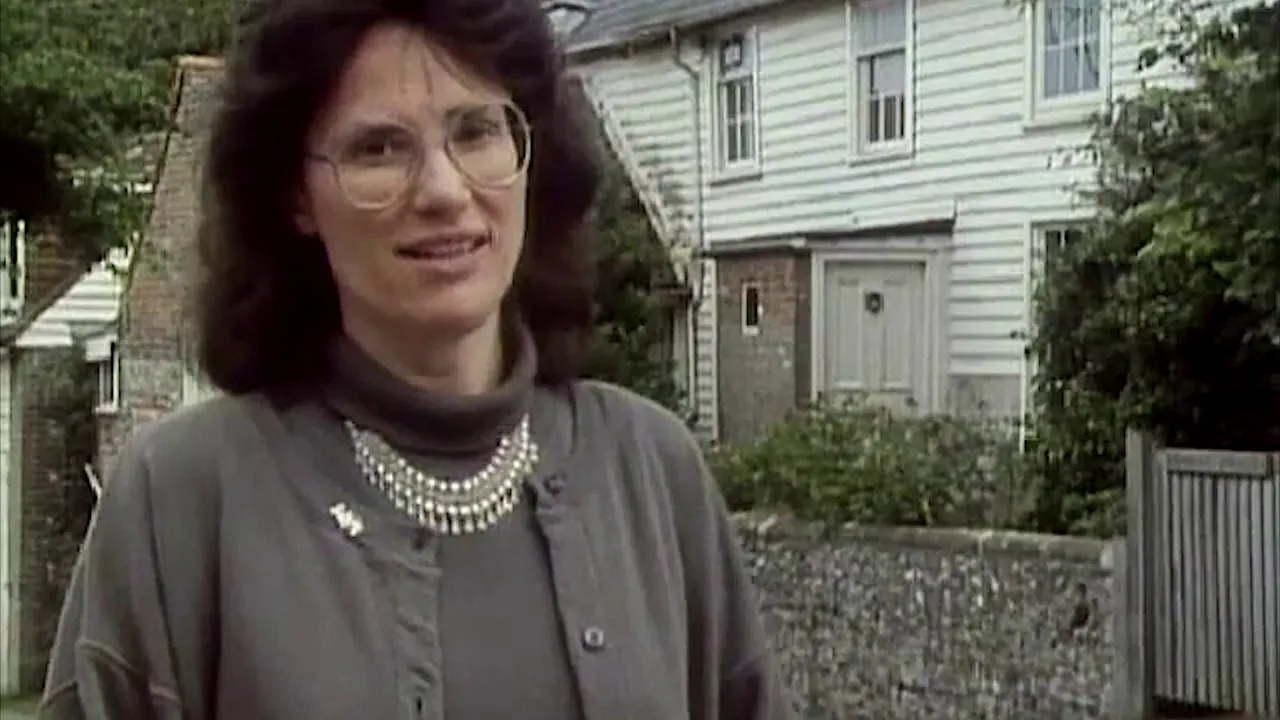
Added:hello um welcome everybody and thank you for coming to uh visit us today um what I'm going to do for this taste lecture I'll try and keep it to the uh the half an hour um is to give you a a preview or part of a lecture that I give on the first year um Pros module um that that Dan's been in been telling you about on Virginia Wolf's long feminist essay A Room of One's Own um and it uh this is also a frame text for a second year theme module called Shakespeare sisters which is a women's writing module um uh from uh the sort of middle of the um sort of 15th century up to the the present day um and wolf is is fascinating as a Pioneer really of feminist literary criticism in the 20th century she was hugely preoccupied throughout her writing with the relationship of women and fiction um and the role of women in history and in the history of of of literature and she was and she wrote continuously about the problems of women's writing of being a woman writer herself throughout her life in her novels her Diaries her letters her essays and and and criticism a room of one zone was was published in 1929 and it makes uh a number of key arguments which i' I've summarized here um one thing that she focuses on is the social and economic conditions necessary for women's writing um the problem of a tradition of women's writing or a lack of a tradition of women's writing for women writing in the 19th and early 20th centuries to be drawing upon uh uh uh and setting themselves in relationship to she talks about the concept of a female sentence um Wolf's idea of a style or form of writing that might particularly articulate women's voices and women's values and finally she turns to the ideal and it remains an ideal always I think for Wolf of an androgynous aesthetic the idea of um a mode of writing in which an author can write uh free from the any awareness uh or preoccupation um uh uh of their sex as male or female um and I'm really going to concentrate probably on the third one largely uh for this um for this bit of the lecture we do all of them in in the the full one so what I want to do today is just introduce you to the style the approach of the essay um and then look at what wolf says about the possibilities for women's writing um particularly in the 20th century as well as perhaps implicitly her own nams as a female novelist and as a female critic so A Room of One's Own grew out of two lectures that wolf gave in 1928 to the women's colleges at Cambridge uh gton and new him um wolf was by now the author of six novels and you could she could um uh she was invited to come and talk about uh women's writing and being a woman writer but wolf didn't really treat this invitation in perhaps the con conventional way um that the scholars inviting her might expect and she Begins by refusing quite bluntly to um give what she says she recognizes is generally a assumed to be uh uh the object of a lecture to give give um a series of facts to her reader to her listeners to her readers in the novel um uh to scribble down and take away and and this is Wolf when you asked me to speak about women and fiction she says I sat down on the banks of a river and began to wonder what the words meant they might mean simply a few remarks about Fanny Bernie a few more about Jane Austin a tribute to the brontes in a sketch of how Earth parsonage under know some witticisms if possible about Miss mitford A respectful illusion to George Elliot a reference to Mrs gasal and one would have done but at Second Sight the word seemed not so simple the title women and fiction might mean and you may have meant it to mean women and what they are like or it might mean women and the fiction that they write or it might mean women and the fiction that is written about them or it might mean that somehow they all three are in in stably mixed together and you want me to consider them in that light but when I began to consider the subject in this last way which seemed the most interesting I soon saw that it had one fatal drawback I should never be able to come to a conclusion I should never be able to fulfill what is I understand the first duty of a lecturer to hand you after an hour's discourse a nugget of pure truth to wrap up between the pages of your notebook and keep on the mantle piece forever and of course it soon becomes clear that wolf is not only suspicious of so-called nuggets of truth but also that she wants the students listening to her to do more than simply note down a few facts to regurgitate in an essay or an exam it's worth keeping note off for University life women and fiction she says remain as far as she's concerned unresolved problems and continue to do so throughout her life and she's really inviting her audience to to join her to engage with her um in exploring these problems to follow her train of thought as she researches and Muses through the rest of the essay um pondering over the history of women's writing and to do this she decides to sort of divest herself of her identity as as Virginia Wolf Woman writer and take on the voice of a Persona a woman called Mary who has been invited like wolf has to give a similar lecture to a thinly disguised uh uh University College fernum at a thinly disguised uh University Oxbridge and who actually spends the whole of the rest of the essay researching and worrying about what she's going to say and through this manner she brings up uh the kind of issues of the the piece so the essay reopens in the voice of Mary as she is Sat by the river um trying to plan the lecture um she's it's along the edge of a male college and she's thinking about what she's going to say and a thought is starting to to form um uh uh in her mind thoughts are always very ephemeral in in Wolf's writing she's always sort of glimp glimpsing them and chasing them and trying to to to capture them so as she's thinking this thought through and what she wants to argue she sort of gradually walks over the grass of the the the university so this is um uh this is of the scene however small it was the thought it had nevertheless the mysterious property of its kind put back into the mind it became at once very exciting and important and as it darted and sank and flashed hither and thither set up such a wash and tumult of ideas that it was impossible to sit still it was thus that I found myself walking with extreme rapidity across a grass plot instantly a man's figure Rose to intercept me nor did I at first understand that the gesticulations of a curious looking object in a cutaway coat and evening shirt were aimed at me his face expressed horror and indignation Instinct rather than reason came to my help he was a beetle I was a woman this was the turf there was the path only the fellows and Scholars are allowed here the gravel is the place for me what idea it had been that had sent me so audaciously trespassing I could not now remember the thought escapes as uh uh uh as the the the female Mary is ushered off the grass which is only um open to the male Scholars and fellows of the college she then decides to go into the college library to look up a manuscript and just as she gets to the door She is again uh rebuffed I was actually at the door which leads into the library itself I must have opened it for instantly there issued like a guardian angel barring the way with a flutter of black gown instead of white Wings a depre ating silvery kindly gentleman he regretted in a low voice as his he waved me back that ladies are only admitted to the library if accompanied by a fellow of the college or furnished with a letter of introduction Mary is angry but as she reflects that a famous library has been cursed by a woman is a matter of complete indifference to a famous library now wolf is a very skillful essayist and a room of ones own continues very much in this way accessible conversational in tone it's impassioned it's enticing to read it's a a deeply engaging peace it comments on real woman writers uh Afra Ben Jane Austin Charlotte Bronte for example but it's also full of anecdotes of of stories dramatized stories satire um tragic characters it's part criticism part fiction uh part History part biography um part autobiography and in this way wolf is able to introduce quite complex theoretical feminist uh uh literary ideas in a way that is never alienating and also quite pical ones in a manner that always seems self-deprecating um but nevertheless she was very much anticipating a negative response on the part of reviewers um and she awaited those reviews with considerable nervousness she wrote in her diary I shall be a act for a feminist I'm afraid it will not be taken seriously wolf is very wary in A Room of One's Own of making any definitive assertions about women's writing or at least in terms of its style or form and indeed much of the essay is taken up with her Reflections on the lack of women's presence within narratives of history and the lack of women's writing over the history of English literature and the reason she argues very overtly for this is that fiction is not the result of Genius but of material circumstance prior to the 19th century she argues the demands of the domestic household the lack of Education available to women um and the laws that denied women um uh uh uh ownership of funds or property made it virtually impossible for a woman to be able to write the creative voice of women she argued even the most gifted women would have remained mute because of a lack of Education of support and opportunity this economic and social and political powerlessness she argues um on the part of women then also results in centuries of cultural representation that privilege male values um over uh those of women and that marginalize female experience so at this point in the essay the the Persona of Mary has shifted to the British library and she's browsing the shs of the women's uh uh uh of the British Library looking up uh uh the role of women history books she finds concentrate on the great movements of government of uh uh scientific revolution of war and are dominated by the actions and values of men fiction by contrast she says has plenty of women in it um but it mythologizes female characters in a manner that seems to Bear little relation to reality and this is a a wolf some of the most inspired words some of the most profound thoughts in literature fall from her lips she's talking of women characters in the plays of Shakespeare but in real life women could hardly read could scarcely spell and was the property of her husband and in the seminar you'll look at a longer passage uh uh examin uh the the lack of um the representation of women's experience uh uh in uh history W's conclusion then is that women need time and Independence and freedom of thought if they are able to write and that these things depend on a certain degree of financial um security and of private space and we shorthand this translates to £500 a year and a room of on zone for Wolf however this material basis is only the start and here the focus of her argument shifts from the material um inequalities that limited women's opportunity to write to starting to think about the problems of forging a uh a female language or a female sentence a female a truly Fe female mode of writing and that's what I just want to focus on uh uh for the the the second part of of what I'm talking about today so wolf goes on to argue that even if a woman has the Room of One's Own and the 500 okay even uh uh uh when she has the money and Independence and freedom to write um the problem of writing as a woman yes of actually creating fiction remains and here she seems to be suggesting that writing as a woman has different problems um and different qualities to writing as a man in A Room of One's Own for example uh uh she thinks about women novelists of the 19th century such as uh as the brones and George Elliot and the struggle that they faced in writing knowing that their Works would be judged by critics accordingly um uh uh in terms of the the cultural expectations of their gender okay that women's writing would be judged sentimental or monstrous according to the cultural expectations of how uh uh uh women should behave and should be perceived and so wolf talks about how 19th century women often uh uh in in in their professional roles as writers might adopt male pseudonyms like the brones or use their uh uh married name like Mrs gasal okay they would never wolf suggests um really writing with the kind of freedom and confidence of their own identity as women righteous and it's only in the 20th century and the start of the 20th century that wolf thinks that women writers are beginning to mold a mode of writing that is truly expressive of their own experience and their own voice so previously wolf argues women have only had available to them the language of men and this is very different in its values experiences and interests to that of women it is obvious she says that the values of women differ very often from the values which have been made by the other sex naturally this is so yet it is the masculine values that Prevail speaking crudely football and Sport are important the worship of fashion the buying of clothes trivial and these values are inevitably transferred from life to fiction this is an important book the critic assumes because it deals with war this is an significant book because it deals with the feelings of women in a drawing room a scene in a battlefield is more important than a scene in a shop everywhere and much more subtly the difference of value persists the challenge then becomes the writing of a new kind of sentence something that wolf had already been very interested in uh uh for a long time even in her sort of early criticism and reviews and in this review um from 192 20 we see her quoting the words of basa everine uh from Thomas Hardy's far from the Madding Madden crowd I have the feelings of a woman but I have only the language of men wolf goes on to say from that dilemma arise infinite confusions and complications energy has been liberated but into what forms is it to flow to try the accepted to discard the unfit to create others which are more fitting is a task that must be accomplished before there is freedom or achievement so there has the woman writer has to try out the kind of old forms of of of of of literature of language to find out which ones work for her and where she might need to forge or create new ones more appropriate to her values to her experience her voice and I think this is wolf sort of feminist Manifesto once women have achieved Independence a right to property education their own money how do they fashion a life a voice that is true to their own sex and isn't just Mo modeled on a status quo that has been developed over centuries uh in accordance to the lives and voices of men and it's a task that we might think will sets herself as a novelist in her very first novel The Voyage Al um Terrence huitt a writer one of the the the the characters um in the uh uh uh in the novel imagines writing a novel about the private lives of women I've often walked about the streets where people live all in a row and one house is exactly like another house and wondered what on Earth the women were doing inside he said just consider it's the beginning of the 20th century and until a few years ago no woman had ever come out by herself and said things at all there it was going on in the background for all these thousands of years this curious silent unrepresented life of course we're always writing about women abusing them or jeering at them or worshiping them but it's never come from women in themselves I believe we still don't know in the least how they live or what they feel or what they do precisely in A Room of One's Own uh uh towards the coming as we come towards the end of the essay um the Persona of Mary picks up a novel by an imaginary 20th century woman writer called Mary carmichel and she's struck to find but it seems predominantly about relationships between women and about the minui of their daily life I'm talking about the the novel she says it ranged very subtly and curiously amongst almost unknown or unrecorded things it lighted on small things and showed them showed that perhaps they were not so small after all it brought buried things to light and made one wonder what the need had been to bury them wolf is very interested in uh uh uh the work of of this imaginary writer she continues reading I wanted to see how Mary Carmichael set to work to catch those unrecorded gestures those unsaid or half said Words which form themselves no more palpably than the shadows of moths on the ceiling when women are alone unlit by the capricious and colored light of the other sex thinking about the everyday life of London around her she imagine imagines herself in conversation with Mary carmichel and it encourages her to write the lives of women and uh uh the sort of 20th early 20th Century women as they really are and so she imagines walking with Mary through London all these infinitely obscure lives remain to be recorded I said addressing Mary carmichel as if she were present and went on in thought through the Streets of London feeling in imagination the pressure of dumbness the accumulation of unrecorded life whether from the women at street corners with their arms a Kimbo and the Rings embedded in their fat swollen fingers talking with a gesticulation like the swing of Shakespeare's words or from the Violet Sellers and match Sellers and old cron stationed under doorways or from drifting girls whose faces like waves in Sun and Cloud signal the coming of men and women and the flickering lights of shot Windows all that you have to explore I said to Mary carmichel holding your torch firm in your hand giving voice to the accumulation of UN recorded life this is perhaps the closest that wolf comes to offering a Manifesto for women's writing it's what teren huitt imagines doing in the voyage out and what wolf in part attempts to do in many of her own novels and what she urges her listeners and readers to do in A Room of One's Own and I wanted to just finish with with with two quotes from the essay in which she's speaking very directly to the student listeners um uh at gon new in the uh uh the talks that she's giving and really trying to stimulate them to inspire them to go and write a new history that recognizes and listens to and gives voice to the kind of lost lives of women I've told you in the course of this paper she says that Shakespeare had a sister but do not look for her in Sidney life's Sydney Lee's life of the poet she died young alas she never wrote a word she lies buried where the omnibuses now stop opposite the elephant and Castle now my belief is that this poet who never wrote a word and was buried at the Crossroad still lives she lives in you and in me and in many other women who are not here tonight for they're washing up the dishes and putting the children to bed the life of the average Elizabethan woman she says must be scattered about somewhere could one collect it and make a book of it and this is what she wants her listeners those students to do it would be ambitious beyond my daring I thought looking about the shelves of books that were not there to suggest to the students of these famous colleges that they should rewrite history though I own that it often seems a little queer as it is unreal lopsided but why should they not add a supplement to history calling it of course by some inconspicuous name so that women might figure there without impropriety for one often catches a glimpse of them in the lives of the great whisking away into the background concealing I sometimes think a wink a laugh perhaps a tear I'll finish there thank you um in the seminars you're going to be exploring exactly the kind of possibilities of that uh recovery of um uh uh women's lives within history that that wolf is is talking about so do enjoy that but after tea perhaps later today make sure you walk on the grass and go into the library because we will let you okay thank you [Applause]
Up Next
The Bell Jar by Sylvia Plath: Summary & Analysis
@askliterature
781 views•2025-09-14

Formalism in Literary Criticism: An Academic Lecture Overview
@mattalberhasky9952
39.1K views•2015-08-05

Point of View in Fiction: First Person vs. Third Person
@magicalthriftyteacher
153.8K views•2014-03-31

1984: Orwell's Dystopian World and the Mechanisms of Totalitarianism
@AlternateHistoryHub
7M views•2017-03-04
Related Study Plans & Knowledge Roadmaps
Structured learning paths in Literature