













An Ideal Customer Profile (ICP) is a documented definition of your target customer that serves as the foundation for your entire marketing strategy, helping teams align on who they're trying to reach and enabling better decisions about content, channels, and messaging; it sits between the broad Total Addressable Market (TAM) and the specific individual personas, and can be built using data from CRM systems, customer surveys, qualitative interviews, and AI tools to analyze unstructured data and extract actionable insights.
Defining Your Ideal Customer Profile: A Data-Driven Framework
Added:Basic principles of B2B marketing and sales, including the core differences between B2B (business-to-business) and B2C (business-to-consumer) transactional dynamics.
The concept of market segmentation, specifically the distinction between firmographics (company size, industry, revenue) and demographics.
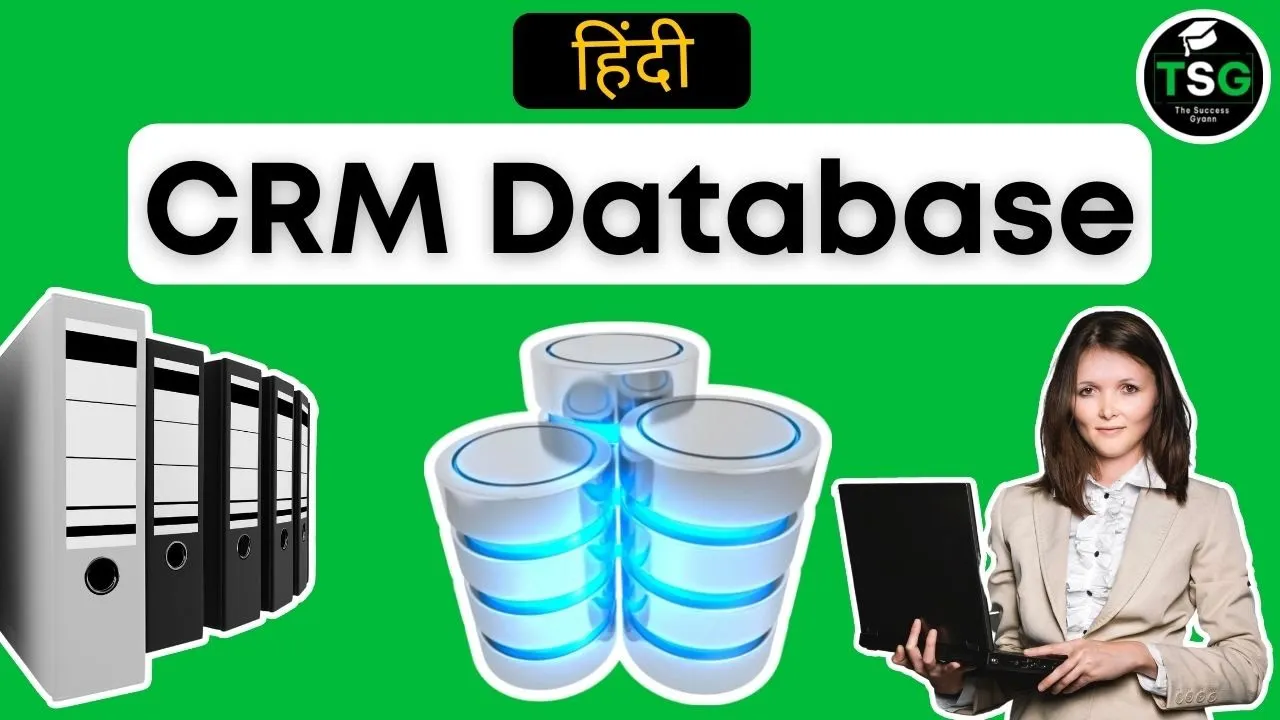
Familiarity with Customer Relationship Management (CRM) databases and how customer data is typically collected, stored, and structured.
Fundamental qualitative research methodologies, particularly how to conduct unbiased customer interviews and extract actionable insights.
Designing and executing an Account-Based Marketing (ABM) campaign tailored specifically to the newly defined ICP.
Implementing predictive lead scoring algorithms and integrating advanced AI tools to dynamically update buyer personas.
Aligning product development and roadmap prioritization with the specific needs and pain points of the ICP (Product-Market Fit alignment).
Establishing continuous feedback loops and KPIs—such as Customer Acquisition Cost (CAC) and Lifetime Value (LTV)—to measure and iteratively refine the ICP.
1.3K views75likes18:06Original Release: 2026-02-12
What are some ads that like you see where you're like, "Yeah, no, that's not me." Do you [music] have any of those? I get pickle ball content all the time cuz I went to one pickle ball center one time. I hated it. I lost in a humiliating way. I have no hand eye coordination. You should know that about me. Like, don't throw anything at me that I'm supposed to catch. It'll hit me in the face. Welcome to Fieldnotes, the show where we break down what's happening in marketing. And today we're actually going to break down the ICP, the persona. It's a big piece of our Loop marketing playbook.
It's a foundation for the express phase. How do you define who you're trying to reach and how do you bring that to your entire marketing strategy? So, I'm excited to jump into it.
Yeah, let's jump right in. Kyle, tell us what an ICP is for those who don't know. ICP. Yeah, they see it in their feeds and we all talk about it, right? Ideal customer profile, right? And we want to be able to when you're building out your marketing com strategy, you have to know who you're talking to. That's a really clear definition and I think it's actually really important because we surveyed over 300 marketers and only 48% of them have a clear well doumented ICP which means half of the marketing teams in the world are running around without an understanding of who they are actually talking to. If you want to hear more from the survey then scan the QR code. I think there are going to be a lot of really helpful insights. Um and we're going to go more into it today. you you started to touch on a little bit, but like how does the ICP fit into the loop? [music] In that loop framework, right, we have the express phase where you start in the top left and it's like defining who you're speaking to and defining your brand voice. We talk about this a lot where it's like I need to define my audience first before I define my brand cuz you don't want to like push something onto the market without knowing who it's for. Totally. So what we're like trying to figure out as a team is what data points are most important? How do we collect all those? And how do you actually create an ideal customer profile that the entire team understands?
To your point, it's like I need my marketers to understand it. I need my sales team to understand it, my success team. Like who are we actually for? And getting really focused on that is going to help you in every other decision you make in your marketing strategy coming to the content, the channels you use, etc. So, we actually spend a lot of time in the research and like the definition phase up front. I remember that uh back in the old days of HubSpot, Brian Howigan, our former CEO, he used to have a teddy bear that he had named after our persona and he would bring the teddy bear into meetings and then when there was a decision to be made, he would turn to the teddy bear and he would say, you know, what do you think? And it was a really cheesy but concrete way of making sure that the customer was front and center and that the persona was a part of every decision we made big and small. So let's talk about like how to define your ICP. You mentioned data. That's important.
Where are you going to get that data? What type of data is it? Depending on your company size, you're going to have access to different things and different pieces of information.
So in the ICP space, it's really like focus more on B2B is like what what is the target company that we're going after that we want to sell into. Uh what industry are they [music] in? What's the size of the company? What are some of the pain points that they're facing that we're hearing as commonalities on our sales calls or support calls? So when it comes to data you're gathering, I think there's data you can gather externally. So doing customer surveys, talking to your customers, and then there's stuff that you're already going to hopefully have in your in your CRM or your database around like the industry, the company size, etc. How can you pull all of that together into one persona? In addition to the customer surveys, the CRM data points, are there other things you think we should be pulling into the persona itself? I think qualitative interviews are probably some of the most important and also some of the easiest to get started with.
I won't lie, when I was hearing you talk just now, I was thinking, "Wow, that sounds long and hard."
It sounds long and hard. But I think going out and talking to your customers, it's something that is relatively quick and relatively easy. And what's kind of surprising, you and I have both been doing more calls with our customers over the past year or so. Customers really want to get on the phone with you. They do. They do. They want to share what they're going through. They want to share what they're going through. So, I think one thing that folks could do if they are part of that 52% I was like, did I do that math right? I did. I did. They're part of that 52% that doesn't have a clear well doumented ICP, like pick out your top five customers and ask them if you can spend 30 minutes each just going through what's going on with them. And on those calls now, right, we can use AI tools to create a transcript from that call if they're open to that. And then you can actually use their own words and their own feedback when you're developing it. Because I think one of the things that's helped us over the last year is leveraging an LLM to find insights for us. Huge. If I can actually take what you said and raise that, I would take the AI transcripts. I would feed those conversations from those five customer calls into chat GPT into cloud and I would say define an ICP for me, right? Like here's what we know demographically about these customers. Here's what we learned qualitatively. Turn it into something for me. And this is what AI is so so good at. So good at. Yeah. It's the insights and we and a lot of it too is unstructured data for the most part where it just [clears throat] like calls with folks, right? Um and that's where we've been trying to figure this out, especially in HubSpot Media cuz we serve different audience segments, different personas. It's like, okay, well, we have the customer survey results. We have some call transcripts from folks we've spoken to. Um we have our own like content data. What's performing? what's doing well, what seems to resonate with the audience, and feeding all of that into the knowledge base for an LLM is all context for it. Yeah. And then you can start to ask those questions. Okay, who am I speaking to? What are their pain points? What do they seem to care about most? Like what are the themes you're seeing? Which take like would take us hours, weeks as a team, right? Months, especially when you're doing it at scale. And I feel like that's where all the data you need to make a great ICP or persona and then partner with that AI to help pull those insights and write it. You can say hey go into the cloud project where all that data lives. Will this resonate with my ICP or will she hate it? But it is so helpful for the team to run ideas past it. Right? So it's like okay we've collected the data, we've analyzed it, we've defined the ICP, the enablement piece is the other one we'll get into is like once I have that ICP and I'm able to create it, it's in there and the marketers can start to have conversations with that knowledge base and that persona and say, "Okay, [music] is this campaign, is this piece of content something that would resonate with this audience? How should I position it?
What type of words should I use?" And I know we'll we'll get into how should I tweak it to make it more successful? Like it's not just binary. It's okay, maybe this does resonate. How can I make it as impactful as possible? It's basically like an ondemand free focus group. It is. [music] It is. Yeah. Project Teddy Bear. Project Teddy Bear coming to a computer near you. [laughter] We'll have to run that by the brand and product team. Yeah. What one thing that I really want to ask you about? We have been saying ICP. We've been saying persona. We haven't said TAM, but that's also a word that comes up all the time when we're talking about these things between ourselves and customers. Yeah. What do those three things mean in relation to each other? Yeah, it's a good question because we get tripped up on it internally, right? So, TAM total addressable market. So, what are we going after as a business? All the people that could be interested in your products, right? Then you go down to ICP where you're figuring out, okay, and this is more in the B2B world, but like what is the good fit business that I should be targeting? um am I looking for construction companies in the mid-market in the northeast United States? And you're really getting into this level of detail around, okay, like where where do I have the most revenue potential? Okay, and define that ICP. And also, I think what's important, I just talked about like the business, but who's the decision maker in that business that we want to be talking to. If you're selling a marketing software, a lot of times that's the director of marketing or the head of marketing.
And so it's me up. Yeah. Right. [laughter] And so that's where the ICP level is. The third layer down is like the persona. And I think that's really important because you're going to have different campaigns and content strategies based on the personas. If you're going after a certain company, they may have a buying committee. Like the director of marketing plays a role, but the head of IT also plays a role. Sure. And maybe the head of sales is part of this committee. Those people have very different careers. They have very different day-to-day jobs. They have very different pain points. That's the persona level is like, okay, who's the individual that I'm trying to communicate with and what do they care about? So, the TAM is the broadest possible layer and the persona is the most specific layer and then ICP kind of lives in the middle. That's right. And it sounds like it's really important to understand the characteristics and the number of people that fall into each. Definitely. Definitely. Especially for like planning your business, but also for your content and I'm using content broadly whether it's like owned paid the language you use in your communications matters right marketers know about CPL and rorowaz right um cost per lead return on ad spend right um where sellers care about quota and president's club and pipeline and so you just need to get really specific on like who am I talking to and having those layers and an understanding of how big they are also lets you like prioritize on on what you're doing. But I do think it's critically important to do all this work up front. Okay. So if someone's just getting started, what are the data points that they need to go get? What are the characteristics of a really good ICP? Yeah. So on on the ICP, we mentioned that being more the B2B per persona that you're trying to build out and explain that. Why is that more B2B? Because when you're selling into like B2B, a lot of times there's a buying committee and like there's folks you need to influence. And also a lot of your campaigns and your communications are based on industry or company size or job profile seniority. So those are all the things you want to be able to figure out, right? So whether that's in your CRM, whether that's going out to LinkedIn and understanding target companies in your market. Um, but that's the information you want to bring in is actually actually more of that firmographic data where it's like industry, location, seniority, job profile, and getting specific like is this a director of marketing at a manufacturing company in the Northeast, which I meant like that's what you want to pull in. How do you start to get that information? I think is really important. So, if you don't have a CRM, right, how do you get started? I think you can get a HubSpot CRM. Get HubSpot. That's the answer. But you would go out and like LinkedIn's a great place to start mining. I think in B2B if you has [music] have sales transcripts, a lot of information comes in there around the type of company, the job profile, the person who's like seeking information, pulling that all in to help you define that ICP. I like that a lot. But I have to imagine that if someone doesn't have a CRM or doesn't have a lot of data in their CRM, they don't have call transcripts either. I wonder if they could start with Reddit.
I see a lot of people asking on Reddit like hey what are your what are your pain points if I was designing a solution for this industry like what would you be really interested in it doesn't just have to be Reddit you could do that to your point on LinkedIn you could be on Instagram you could even I think go to Claude or ChatBT and say hey I want to design a problem in this spa or I want to design a solution in this space you know help me understand the market trends and the most common personas or most common ICPS depending on whether it's B2B or B TOC. Yeah, I think like like we were just going to wrap it up. It's like social communities and customers and like if you from from our earlier talk it's like well just get on the phone with someone. Get on the phone with someone, talk to them, get that transcript. That's a great data layer. Yeah. Here's what I'm seeing on social. Here's what I'm saying in the communities. Here's the conversations I've had.
Package that up. work with the LLM and say, "Okay, let's start to define this ICP, something that's tangible that I can either use in my software or I can share with my team." So, what's an example of a decision where HubSpot's ICP, her name is Growth Gabby, we know her, we love her. Yeah. She's very She's AI forward. She's very experimental. She's an executive in marketing typically. What's a decision that you and your team are working through? you're like, mhm, would Gabby like this?
For my team, it's like content strategy, right? So, we work with your team on topic coverage, topic selection, but then there's like an altitude decision around like what how do we cover that topic? Do you cover it at the 101 level, like how to set up a Facebook page, which we should have content like that, and we do have content like that in our portfolio, but Gabby's probably set up quite a few Facebook pages page locked and loaded. She is generating leads and revenue from her meta ads. She's looking for more advanced, right? 301. 301. And so that's a decision you're going to make when you're content planning. Okay, who is the buyer? What do they actually care about? And there's nothing wrong with covering different um topics or audiences. But I think doing this work up front lets you get really really specific. What channels am I going to use to reach this audience?
What content am I going to produce for them? Okay, so we've talked about what customer data you want to upload, but there's another piece of the puzzle that I think is also really important, which is information about your company and your products, for sure. Yeah, we're so focused on like audience first, right? And like getting audience to audience first. Gosh, is there uh another way to do it? But the other piece of this is like, can you bring in your own product, your own services, your own features, your own pricing? Cuz we talked about the LLM being able to find insights from the data you're uploading. It's also going to be able to find connections between like what you offer and what your audience is. So, once you start to have those conversations, you and I talk a little bit about like enablement or decision making. Having that data in there as well is helpful cuz it's going to make those connections for you. The other thing we talked about is you load all this stuff into an LLM to help you find insights. The other piece is like how do you actually enable your team to do it? It's not just like a PDF we're passing around.
Um, how do you do that on your team? I ask them to use the cloud project for every new project. So, we have a cloud project for growth gabby. They're always in there asking questions, asking decisions. I think another really easy way to get this incorporated into your day-to-day routine. So, you're not even thinking like, are we thinking about the persona? At least in HubSpot, you can save your persona to your portal. And so then when you're publishing new content, there are these automatic almost QA checks that will tell you whether it makes sense with your ICP. I think that's one thing we've noticed in like HubSpot Media is once you define the ICP and you load it into whatever tool you're using, it almost becomes like a quality assurance thing for your team where your marketers, no matter where they are in the company, if they're new, if they've been here for 10 years, it just aligns folks on, okay, who are we talking to? What do they care about? And then like the copy that I'm creating, whether it's for an ad, a landing page, whatever. Yes, it's on on our tone of voice, yes, it's for this person [music] we're trying to reach. And I think that's been an unlock for us. It's just consistency. For more insights on how marketers are defining and using their ICPS and don't forget to check out the free report. We talked to over 300 marketers and there's some really good insights. So scan that QR code. Scan it, please. Scan it, please. It's about that time. Oh, I've been waiting. The last word, the segment where we're going to talk about something we are passionate about, marketing or otherwise, but something you have a take on in 30 seconds. I've been asked to be a hardliner. You only have 30 seconds. I will cut you off.
Let's do it. All right. You ready? I'm ready. All right. I'm going to start the timer on you.
Okay. My last word. Let's get rid of the resume. I don't want to send another resume. I don't want to read another resume. It's an obsolete artifact. I agree. I agree. Okay. Here's what I'm doing. When I'm like thinking about someone for a job, I pull up their resume. I look at their current title and then I close their resume, right? Because that's all I really need to know if you are a potential good fit for this uh job. And then I'm going to talk to you and I'm going to actually figure out if you're a good fit for the job. The resume has no place in the modern world. No, let's cut them.
Boom. Two seconds under. Well done. Well done. Thank you. 28 was all I needed. Completely agree.
I don't need the details. If you're credible, you have the experience. like let's get on the phone. I only needed 28. Let's see if you can do it. All right, I'll try to come in under. Ready, set, go. All right, so while most remote team activities are cringe, they are forced family fun, right? So bad. The March Madness bracket for pop culture is incredible. For pop culture. Say more.
Movies, favorite candy album. Uh AJ on our team is incredible at this. He'll build out brackets for the team. We go through votes and we find the top candy bar on the team. They're not cringe.
People are passionate. You get to learn about their interests and it's super fun. There's a competitiveness to it. That's my take. It's the only one that works. I love it. You win an over, but I'll allow it because I really love it and I want to join next bracket. We'll invite you invite me. Please do. This has been an episode of Fieldnotes, the show where we break down what's happening in marketing and how you can apply it yourself. I'm Kyle Denhoff and I'm [music] Andrew Frost. We will see you here next time. I get hit with all these apps to like improve your day. You got to have your meditation in the morning at 5 and then do your ice.
Up Next
6:22
LinkedIn Content Marketing: Lead Generation Through LinkedIn Posts
@ChrisProutyVideos
5K views•2022-04-11
46:36
Retention Habits of Top DTC Ecommerce Brands Revealed
@SendItPodcast
44K views•2026-03-03
16:17
Social Media Crisis Management Plan: How to Prepare
@HubSpotMarketing
17.9K views•2020-03-24

17:30
The Planned Obsolescence of Light Bulbs and Tech
@veritasium
25.3M views•2021-03-26
Related Study Plans & Knowledge Roadmaps
Structured learning paths in Business
business
Pop-Up Retail: Strategy, Design & Execution
01Introduction to Pop-Up Retail & Strategic Goal Setting
02Budgeting, Site Selection, and Legal Essentials
03Experiential Retail Design & Visual Merchandising
+ 2 more learning modules
15h5 modules
Explore Roadmap
business
Reg CF: Startup Funding, Marketing & Launch
01Introduction to Equity Crowdfunding & Reg CF
02Platform Selection & Legal Preparation
03Crafting High-Converting Campaign Assets
+ 2 more learning modules
14h5 modules
Explore Roadmap
business
Productized Services: Scaling Solo Freelance
01Foundations of Productized Services
02Packaging and Scope Definition
03Pricing and Subscription Models
+ 2 more learning modules
15h5 modules
Explore Roadmap
business
Gov Procurement: Find, Bid & Win Contracts
01Introduction to Government Procurement & Business Setup
02Small Business Certifications & Set-Asides
03Finding and Analyzing Contract Opportunities
+ 2 more learning modules
14h5 modules
Explore Roadmap