






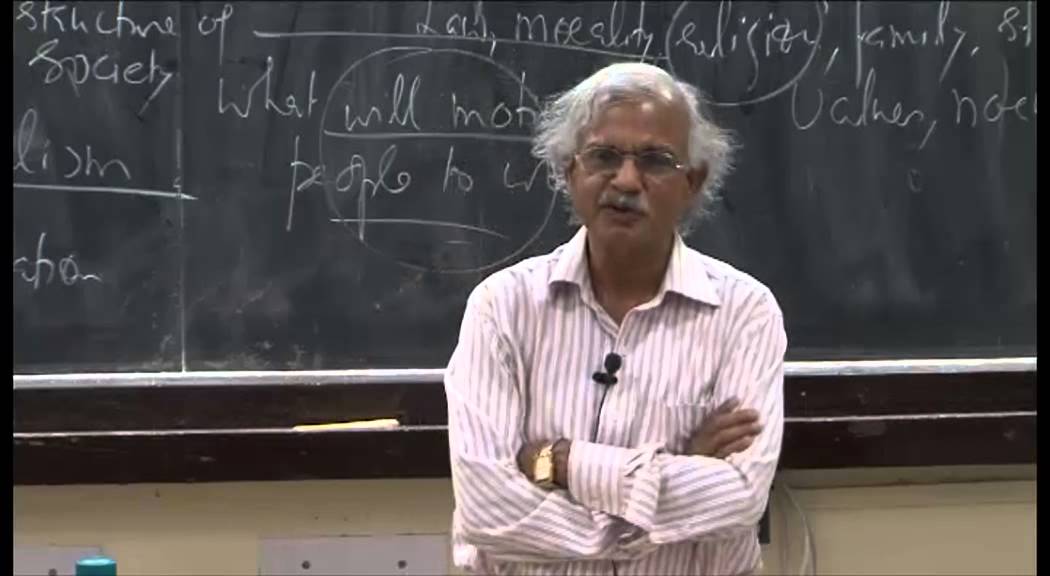






Emile Durkheim, a pioneering French sociologist who died in 1917, proposed that religion is fundamentally a social phenomenon rather than primarily a supernatural one; he argued that the most basic form of religion is totemism, where communities select a sacred animal or object as their symbol, and through collective rituals that produce 'collective effervescence,' religion serves to create social bonding and belonging by making the religious community itself feel sacred and holy, with rituals being more important than beliefs in achieving this social function.
Emile Durkheim's Theory of Religion: Totemism Explained
Added:An introduction to Émile Durkheim's sociological perspective, particularly his concept of 'social facts' and how they influence individual behavior.
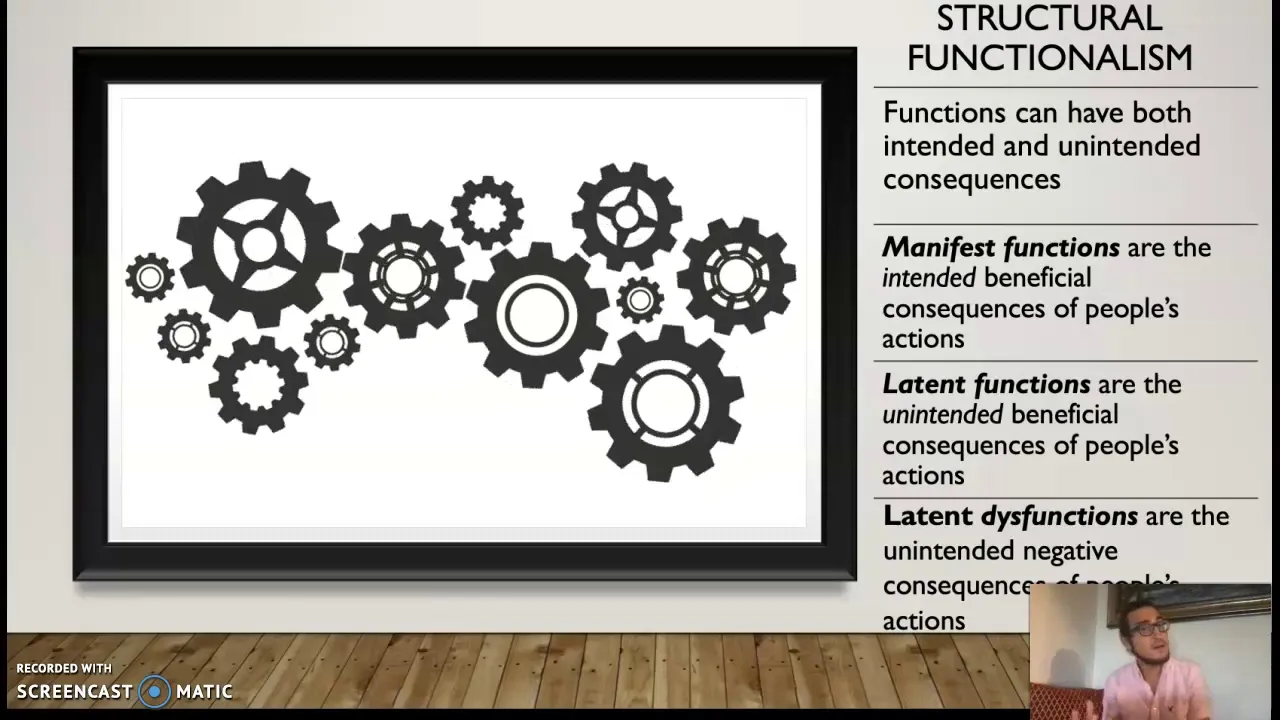
The core principles of Structural Functionalism, specifically how social institutions function to maintain stability and solidarity in a society.
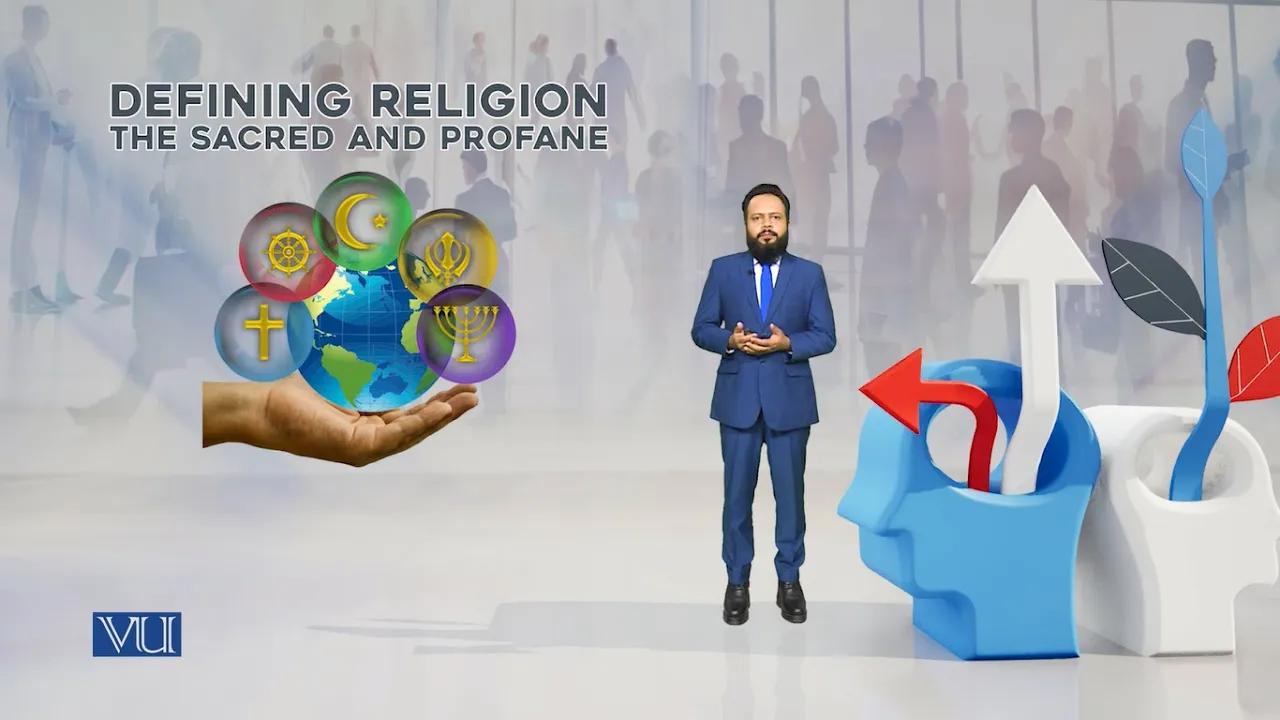
The basic sociological distinction between 'the sacred' (things set apart and forbidden) and 'the profane' (the mundane, everyday aspects of life).
A general awareness of early anthropological studies of indigenous cultures, particularly the concept of kinship and clan structures in tribal societies.
A comparative analysis of Durkheim's functionalist theory of religion with Karl Marx's conflict perspective and Max Weber's thesis on the Protestant ethic.
An exploration of the limitations and academic critiques of Durkheim's 'Elementary Forms of Religious Life', including his reliance on limited ethnographic data of Australian Aboriginal clans.
An examination of 'collective effervescence' in modern, secular contexts, such as sports fandom, music festivals, political rallies, and social movements.
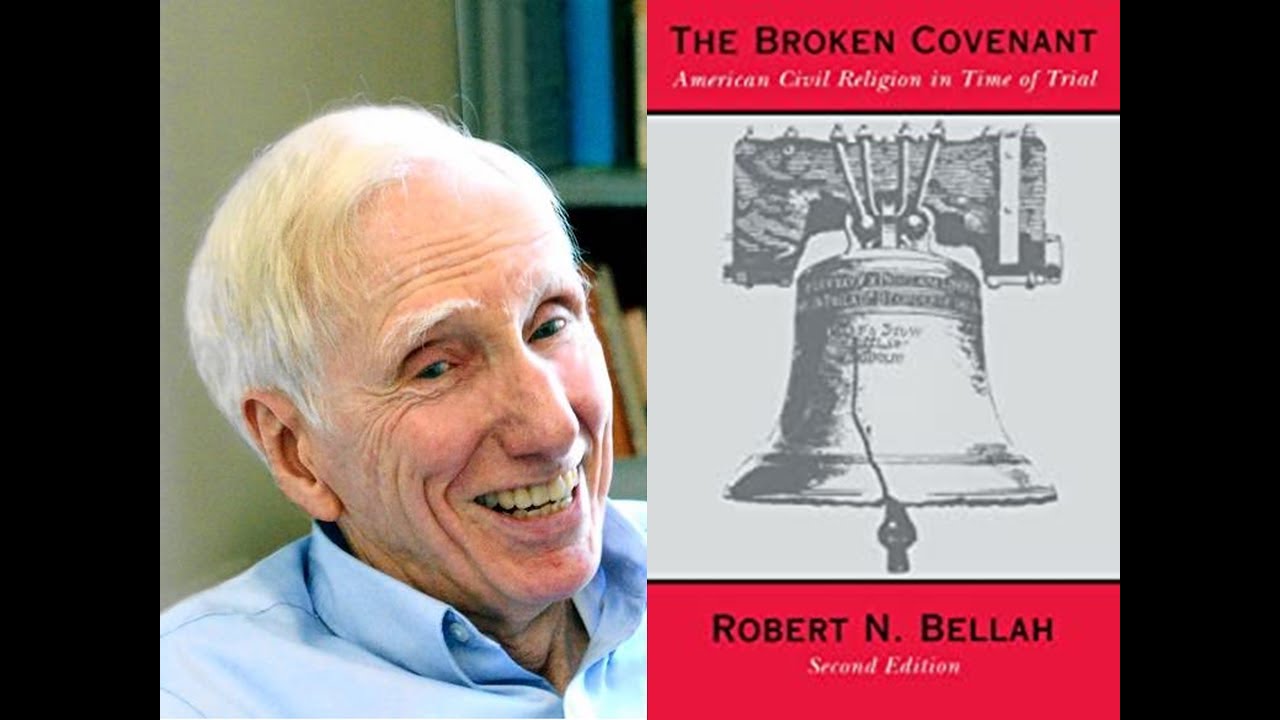
The study of Robert Bellah's concept of 'Civil Religion' to understand how modern nation-states utilize sacred symbols, rituals, and myths to foster national unity.
39.1K views299likes6:02Original Release: 2014-04-13
the fourth Theory we'll look at is by Emil durkheim who died in 1917 durkheim was a brilliant Frenchman he was a Pioneer in the field of sociology durheim was a secular Jew while he was the son of a Jewish rabbi by his teenage years he was an agnostic he spent his career as a professor at the universities of Bordeaux and Paris his most famous book is called the elementary forms of the religious life according to durkheim religion is a social phenomenon in that book he says quote religion is a unified system of beliefs and practices relative to Sacred things that is to say things set apart and forbidden durkheim thinks that even the concept of an individual is a product of social reality if you want to know the origins of religion he argues you shouldn't try to find out what happened in the distant past rather you should examine what he calls Universal human needs and these Universal human needs he thinks are easily observable in current day primitive cultures durkheim says that religions always distinguish between the sacred and the profane in fact this is the defining Mark of religious thought of course he's not making the point that the sacred and the profane are recognized in the world rather his idea is that people project them on to the world religion he thought is a comp complex social phenomenon and its best approached by looking at a simple or basic version of it and he thought that the most simple or basic version of it could be found in primitive societies he found the information he wanted in descriptive fieldwork done by some other contemporary anthropologists who had visited Aboriginal tribes in Australia these are what would today be called the indigenous peoples of Australia and the term primitive is now considered very offensive don't shoot me I'm just the messenger it is plausible that those societies were in recent times ordered in the way that societies were all over the world say 10,000 years ago or at least several thousand years ago what durkheim concludes is that the most foundational form of religion is what he calls totemism in totemism a community makes some non-human object usually an animal its symbol and the community thinks of that animal as sacred and something that protects the community so you know we're the people of the wolf typically they will kill and eat other animals but not the sacred animal at least not normally not in everyday life they might do it as a part of some special ritual this Totum is the focus of the Clan's myths and rituals as a sacred object it's thought to possess some kind of special power or maybe there's a force that is represented by the totem and in some sense stands behind the totem and the totem represents the clan or the tribe and because the totem is sacred and it represents the clan and tribe the clan is itself sacred thus durheim says that in worshiping this totem they are really revering themselves as a community what they think is that they're worshiping something external some deity or force or Spirit but what they're really worshiping is the clan these groups practice frequent group rituals which produce what he calls Collective effervescence that is the experience of being Swept Away by the religious group basically they get each other all excited and this creates more and more intense experiences and all of this is how the clan secures the Loyalty of of its members those religious rituals are really Declarations of loyalty to the group in some such groups in a central ritual they worship the totem and then they eat that animal it's as if they're giving life to their God and it is giving life to them and this analysis of totemism durkheim thinks applies to all religion thus in all cases he thinks the function of a religion is to provide a sense of social bonding and belonging and to make the religious community think of itself as sacred holy and divine in this way of looking at religion then the rituals are going to be much more important than the beliefs or the doctrines it's the rituals that really matter the beliefs are incidental what religion is is a social practice which does these two things that's what religion is in his view this is an adequate and also a whole naturalistic explanation of religious phenomena a standard criticism of durkheim's theory is that it's reductionistic in other words it's overs simple sometimes people call this a case of nothing buttery they're saying that religion is nothing more than a social practice that does those two things many would object that the social dimension of religion is just one dimension of religions and is not obviously the fundamental or the only one scholar Daniel Pauls says that for durkheim quote social structure is always the reality while religion is merely an appearance end quote but why can't religious beliefs religious feelings religious institutions play important causal roles in human history another concern that Scholars have had about durkheim's theory is that it relies too much on inaccurate data about Aboriginal tribes and their religion in our next segment a look at at the work of famous German scholar Max vber
Up Next

6:58
Ryan Reynolds on Wrexham's Rise and Collective Joy in Sports
@ColbertLateShow
334.1K views•2025-05-13
54:57
Contemporary Sociological Theory: Micro, Macro, Integrative
@NaSESYNC
45.7K views•2016-02-17
19:23
How to Analyze Conversations Scientifically | Elizabeth Stokoe | TEDx
@TEDx
1M views•2014-12-04
9:41
What is Sociology? The Sociological Perspective Explained
@crashcourse
4.6M views•2017-03-13
Related Study Plans & Knowledge Roadmaps
Structured learning paths in Sociology
sociology
Celebrity Culture: From Hollywood to TikTok
01Foundations of Celebrity Sociology
02The Rise of Micro-Celebrity & Digital Platforms
03Parasocial Relationships & Algorithmic Intimacy
+ 2 more learning modules
12h5 modules
Explore Roadmap
sociology
Hostile Architecture: Space, Power & Control
01Introduction to the Sociology of Space
02Social Control and Surveillance in the City
03Hostile Architecture and Defensive Design
+ 2 more learning modules
12h5 modules
Explore Roadmap
sociology
Loneliness Epidemic: Third Places & Isolation
01Foundations of Social Capital and Community Cohesion
02The Death of Third Places and Urban Space Erosion
03The Privatization of Leisure and Atomization
+ 2 more learning modules
12h5 modules
Explore Roadmap
sociology
Sociology of Tourism: Gaze, Power & Heritage
01Foundations of the Sociology of Travel and Leisure
02John Urry and the 'Tourist Gaze'
03Staged Authenticity and Cultural Commodification
+ 2 more learning modules
14h5 modules
Explore Roadmap