










![Transkriptionsfaktoren - Enhancer / Silencer [Genregulation Eukaryoten] - [Biologie, Oberstufe]](https://i.ytimg.com/vi/ni2F06tFWNY/hqdefault.jpg)






DNA transcription is the process of synthesizing RNA from a DNA template, where RNA polymerase reads the DNA template strand in the 3' to 5' direction and synthesizes complementary RNA in the 5' to 3' direction; in prokaryotes, a single RNA polymerase holoenzyme (core enzyme plus sigma subunit) transcribes all RNA types, while eukaryotes use three distinct RNA polymerases (I, II, III) with specific transcription factors to produce rRNA, mRNA, and tRNA respectively, followed by post-transcriptional modifications including 5' capping, 3' polyadenylation, and RNA splicing to generate mature mRNA ready for translation.
DNA Transcription Explained: Prokaryotic vs Eukaryotic Mechanisms
Added:The Central Dogma of Molecular Biology, specifically the conceptual flow of genetic information from DNA to RNA to protein.
DNA structure and biochemistry, including nucleotide anatomy, complementary base pairing, and the significance of 5' to 3' directionality.
Fundamental differences between prokaryotic and eukaryotic cellular compartmentalization, particularly the role of the nuclear membrane.
The basic function of enzymes as biological catalysts that facilitate chemical reactions, preparing the student to understand RNA polymerases.
The molecular mechanism of Translation, explaining how ribosomes decode mRNA codons into polypeptide chains.
Advanced gene regulation strategies, including operons in prokaryotes, and transcription factors, enhancers, and silencers in eukaryotes.
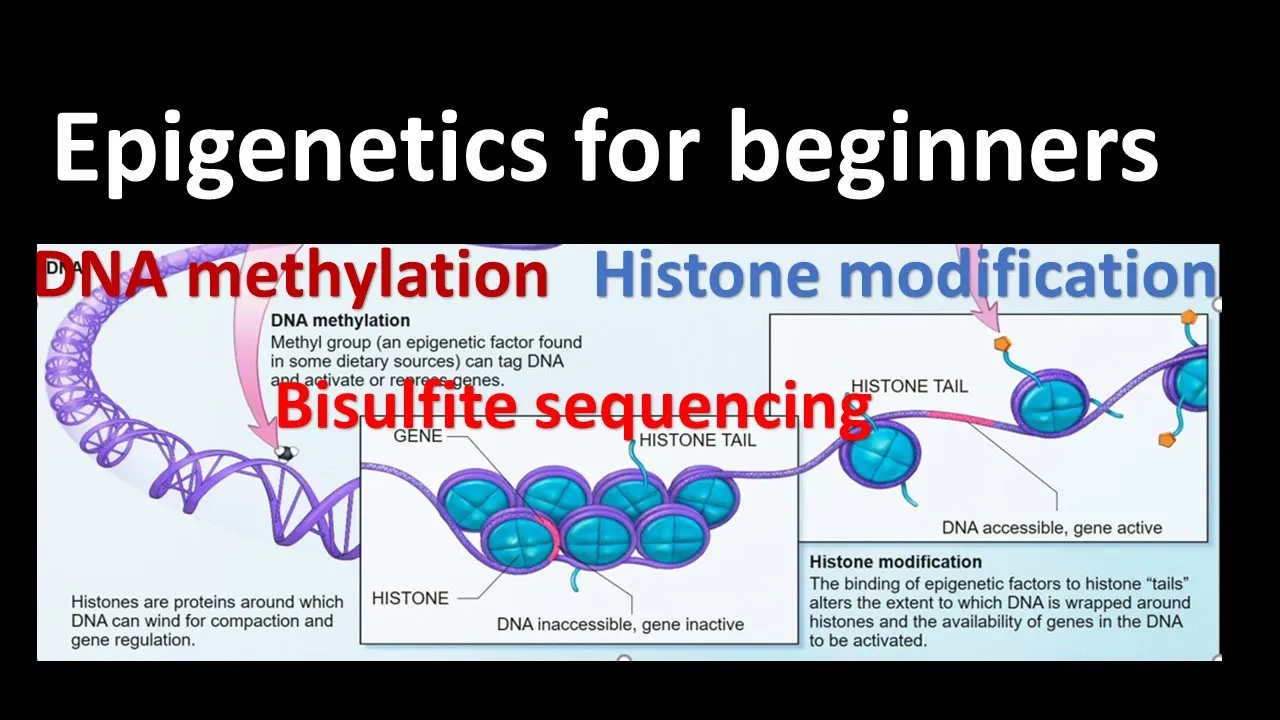
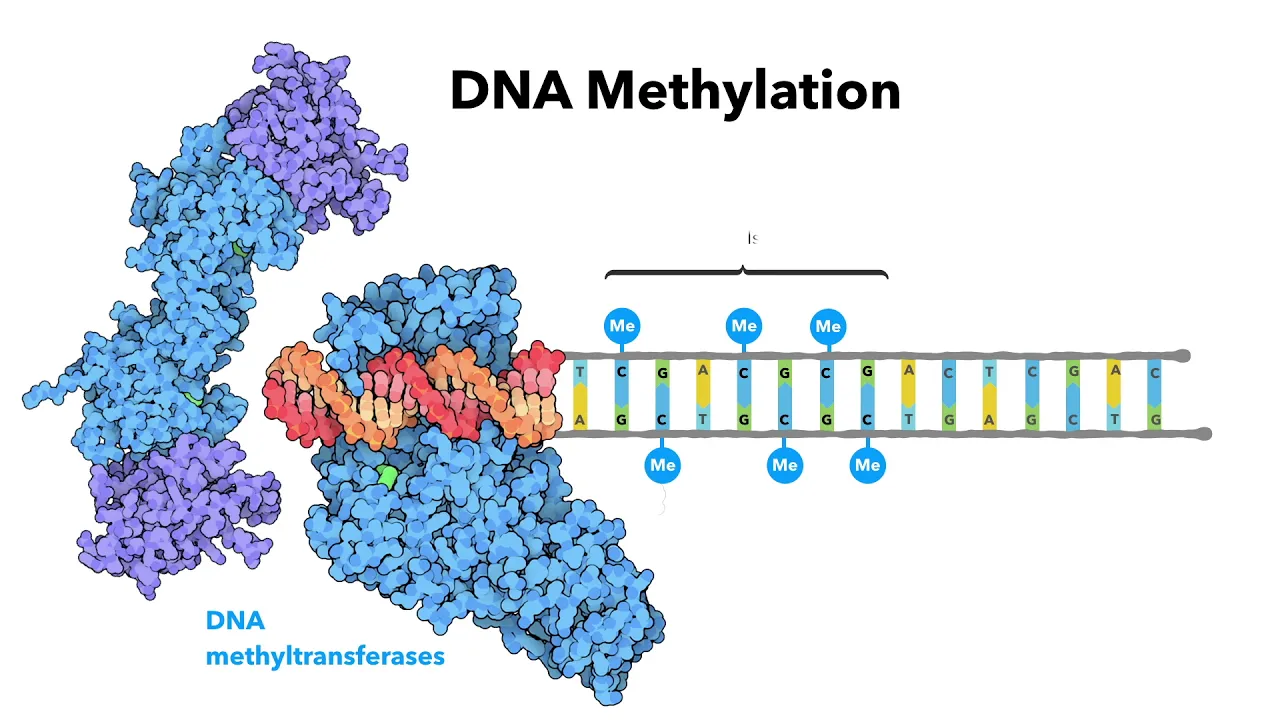
The field of Epigenetics, focusing on how DNA methylation and histone modifications regulate transcriptional access to genes.
Pharmacological and biotechnological applications, such as how specific antibiotics target prokaryotic transcription, or how mRNA vaccines are designed.
1.8M views44.3Klikes1:25:28Original Release: 2021-03-31
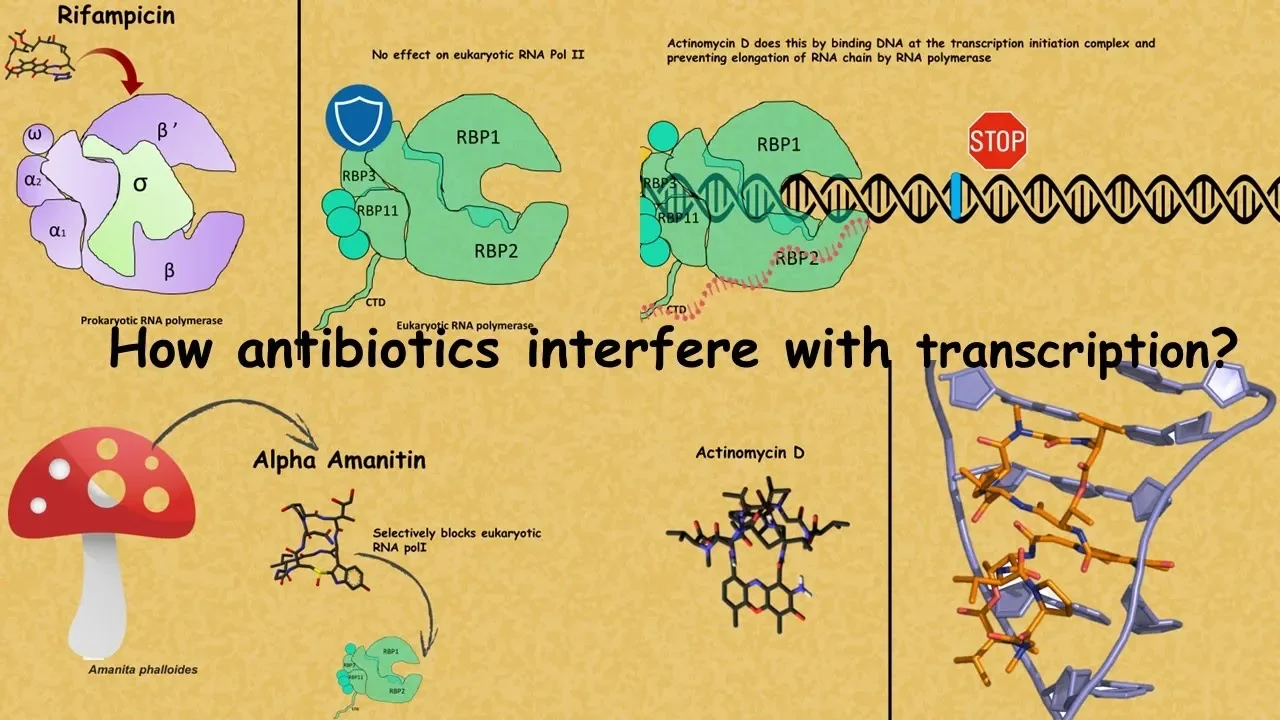
what's up ninja nerds in this video today we are going to be talking about dna transcription before we get started if you guys do like this video please hit that like button comment down in the comment section and please subscribe also down in the description box we have links to our facebook instagram patreon all that stuff will be there all right ninjas let's get into it all right ninja so with dna transcription we have to have a basic understanding of just the definition what the heck is transcription and it's really a simple thing it's just taking dna okay double stranded dna with the eukaryotic cells and even in prokaryotic cells and converting that into rna so it's taking dna and making rna that's all transcription is but in order for transcription to occur in order for it to take place we need two particular types of proteins or enzymes if you will to facilitate this process and i want to talk about those real quick because these are very important now transcription can be kind of different okay and it's important to know the differences between prokaryotic cells we'll consider bacteria in this case and eukaryotic cells human cells like me and you in prokaryotic cells there's a particular type of protein that is needed in order for transcription to take place what is that protein so let's say that we take this dna strand here right we have this dna strand on this dna strand we have these blue portions that i've highlighted here as a box with some lines in it this right here for right now i want you to know is what's called a promoter so this is called a promoter region now a promoter region is a particular nucleotide sequence within the dna and what it does is it allows for particular proteins like rna polymerases and transcription factors to bind onto the dna and then start moving through the dna taking the dna and making rna so that's the first thing you need to know is within the dna there's a particular nucleotide sequence we'll talk about a little bit later called a promoter region and that's the first thing that we need to identify let's say that we take this particularly for prokaryotic cells so prokaryotic cells and we'll just say like a bacterial cell okay prokaryotic cells use a very particular type of enzyme what is that enzyme it's called a rna polymerase holoenzyme okay so it's called an rna we're going to put poll polymerase holo enzyme now that's a lot of stuff let me explain what this is and i'll show you the structure of it a basic structure of what the rna polymerase holoenzyme is it's made up of two things one of the components of this enzyme is called the core enzyme and the core enzyme for this rna polymerase holoenzyme consists of multiple subunits that they just love to ask you on your us mles and other exams and these are they contain two alpha units okay two alpha chains proteins it contains two beta units technically we say beta and beta prime if you really want to be specific and then one more which is called an omega unit okay so these are the primary components of the core enzyme which makes up rna polymerase what's important to remember is that these are what are going to really read the dna and make rna that portion of the enzyme reads the dna and makes rna the next component of the rna polymerase holoenzyme is the portion that we need in order to bind to the dna to the promoter region without it we won't be able to allow for this rna polymerase to bind to the dna and transcribe it this is called the sigma right or you can represent it like this subunit or factor if you will okay these two components the core enzyme which is made up of the two alpha the beta and the beta prime and the omega sub unit as well as the sigma subunit make up the entire rna polymerase now let me show you for example here let's say i represent the core enzyme as just this kind of blue circle with lines in it and then we'll represent the sigma subunit as kind of like a pink circle with some lines in it right so let's imagine here we have that core enzyme which we're going to represent like this and then the other component of it which is the sigma subunit which will represent like this that sigma subunit will then bind to the promoter region once it binds to the promoter region then this core enzyme of the rna polymerase will then release away from the sigma subunit and it'll start moving down this dna and as it moves down the dna it'll read the dna from three to five and synthesize an rna strand from that which we'll talk about more detail later from five to three so it'll read the dna and make rna this rna that we make from in prokaryotic cells with the rna polymerase holoenzyme is very different from eukaryotic cells in prokaryotic cells that mrna that we made from this one rna polymerase holoenzyme can make all the mr all the rna we need whether that be rrna within the prokaryotic cell whether that be m rna within the prokaryotic cell or t rna within the prokaryotic cells so that's very important big thing i really need you guys to take away from that is prokaryotic cells they use one rna polymerase which is called a holoenzyme made up of two components a core enzyme made of these subunits and a sigma subunit the core is what reads the dna and makes the rna the sigma subunit is what binds the rna polymerase to the promoter region enabling it to transcribe the dna okay and whenever you make rna within a prokaryotic cell from this rna polymerase it makes all the rnas within that prokaryotic cell in eukaryotic cells it's a little bit different so let's talk about that let's say here we have three promoter regions that i want us to focus on and this is all within eukaryotic cells in eukaryotic cells we need two different things in order to allow for transcription to occur and this portion here right and this portion of prokaryotic cells we only need one enzyme which had two different components within eukaryotic cells each process requires a particular enzyme an rna polymerase and a transcription factor let's let's kind of write that down so let's say that we take this first promoter we want to read this gene this portion of the dna and make rna and this is the rna that we're actually going to synthesize right here okay from this gene a particular enzyme let's represent this in blue since we've been kind of doing blue here there's going to be a particular enzyme which is going to read this dna okay and make this rna there's a particular enzyme what is that enzyme called it's called rna polymerase but this is the first promoter within the eukaryotic cells that we're talking about right so let's call it rna polymerase one rna polymerase one will read the dna and make a particular type of rna but in order for it to do this it needs a special protein that can bind to the promoter region which allows for the rna polymerase to bind to the dna and read the dna what is that particular protein that protein let's represent it here in let's do green there's a particular protein which will bind here to the rna polymerase and to the promoter and allow the rna polymerase to bind to the dna and start moving down reading the dna and making this rna what is this called this is called a transcription factor tf and there's many different types of transcription factors the particular thing that i need you to remember for right now is that we call these transcription factors which are utilized by rna polymerases within eukaryotic cells we call these general transcription factors we'll talk about very specific types with an rna polymerase type 2 a little bit later but for right now two things i need in order for this rna polymerase to be able to read the dna and make this rna rna polymerase 1 needs a general transcription factor to bind to the promoter allowing the rna polymerase 1 to then bind into the dna read it and make rna what type of rna does it make i have all the rnas within prokaryotic cells from one rna polymerase but rna polymerase 1 makes a very particular type of rna and this is called r rna now rrna is very important because this is incorporated into what's called ribosomes ribosomes and ribosomes are utilized in the translation process where we take mrna and from that make proteins so we'll talk about this later in another video but for right now first thing i need you know is rna polymerase one with transcription factors reads the dna and makes rrna now that makes everything else pretty easy from this point here's another promoter region of a particular sequence of dna right within a eukaryotic cell so this is the second promoter region another enzyme binds another rna polymerase and not only just that one rna polymerase here but we also need a set of general transcription factors to bind to this promoter region so general transcription factors we need to bind to the promoter region enabling this rna polymerase to bind to the dna read it and then make what make these particular types of rna we have here this is well this was the first promoter this is the second one all right so we're going to call this rna polymerase 2 rna polymerase 2 will bind to this promoter via the transcription factor read the dna and make rna what kind of rna is it going to be making big thing i need you to remember is it's making m rna mrna you'll see later again is the component it'll have to go through some very specific modifications that we'll talk about in great detail and then eventually it'll be translated with the help of rrna and another thing called trna at the ribosomes and making proteins okay the other thing that you guys can remember if you guys want to be scholarly or ninja nerdy there's another rna that's made here and we'll talk about it a little bit later with what's called splicing and these are called small nuclear rnas and these are involved in what's called splicing and we'll get into that a little bit more in detail later okay but big thing rna polymerase ii with the help of general transcription factors makes mrna and snrnas rna polymerase one with the help of general transcription factors makes rnas when the heck do you think this last promoter region of this sequence of dna within this eukaryotic cell is going to make trnas and it's the same process what do i need here i need general transcription factors to bind to the promoter region when that binds that facilitates or it helps to allow the rna polymerase type what three two bind to the dna and then read the dna and then synthesize what rna what type of rna is it making the type of rna that is being synthesized from rna polymerase iii is primarily trna but a teensy little bit of snra is also made by rna polymerase type 3.
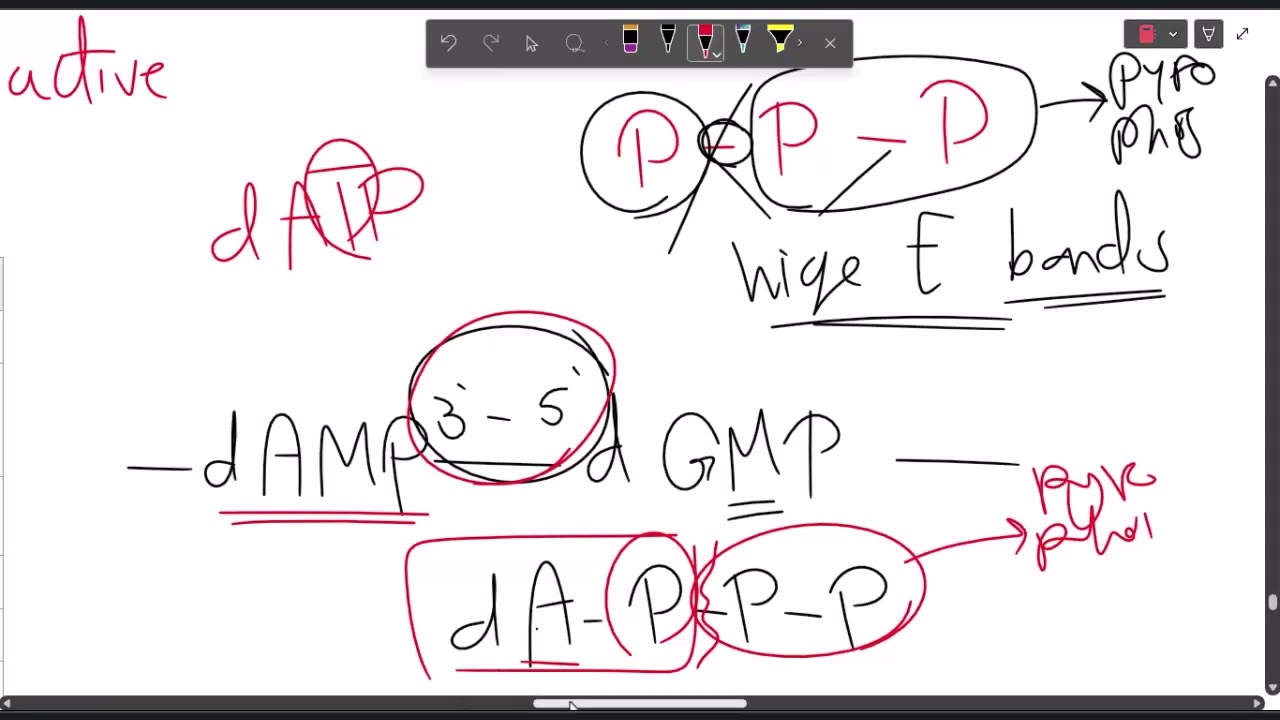
and if you guys really want to be extra ninja nerdy technically even a teensy bit of rna is also made here as well okay now trna what the heck does this do you'll see later that this is also involved in the translation process it carries a particular amino acid and an anticodon which is going to be involved in that process and we'll talk about that in a separate video so i know this was a lot of stuff to take away and take away from this but the big overall theme that i really just out of all of this what i want you to take away from this is this quick little thing here that rna polymerases 1 2 3 remember r m t rna polymerase 1 primarily gives way to rrna rna polymerase 2 primarily gives way to mrna and then rna polymerase 3 primarily gives way to t rna these are the big things that i want you to take away from all this if you want to go the extra mile be extra ninja nerdy two and 3 also can give way to what small nuclear rna if you really want to go the extra mile technically three can also give way to rrna but this is the basic thing to take away from what we just talked about and then the other thing is in prokaryotic cells we don't need all of these we need one rna polymerase holoenzyme to make all the rnas one last thing is you notice in eukaryotic cells that we have particular transcription factors that are going to be needed for each rna polymerase the transcription factor in prokaryotes technically if you want to be specific is the sigma subunit because it's the portion that's binding to the promoter to allow the core enzyme of the rna polymerase to read the dna okay so that kind of covers the basic concepts of the two main things that we need in order for this transcription process to occur now there's one other thing that i want to talk about very quickly before we really start talking about mrna because that's going to be the primary topic here i want to have a quick little discussion on how we can modulate the rate of transcription either speeding it up or slowing it down okay so the next thing i want to talk about is very very briefly on eukaryotic gene regulation so i want to have a quick quick tiny little discussion on gene regulation okay and the only reason i want to mention this is because this is very easy and it kind of makes sense along with what we're talking about but we're not going to talk about it in prokaryotic cells we're primarily going to talk about this gene regulation and eukaryotic cells we're going to have a separate video because it's more involved we'll talk about gene regulation and prokaryotic cells with the lac operon and the tryptophan operon we'll get into that but in eukaryotic cells there's two ways that we can modulate and it's really easy one way that we can modulate transcription is we have particular dna sequences particular sequences of dna particularly palindromic sequences which are called enhancers and enhancers are basically dna sequences and the big thing i want you to take away from this they can increase the transcription rate so they increase the rate of transcription or the process of transcription okay we'll talk about how they do that the other thing that can regulate the the transcription process or gene regulation in a way is something called silencers in silencers they do what they decrease the transcription rate or the transcription process now it's really straightforward it's relatively simple let me explain what i mean let's say here we have a strip of dna we're going to explain how this happens so here's our strip of dna and remember this blue region what did we call this blue region that we talked about above this was called our promoter region and do you guys remember let's take eukaryotic cells in this case what we needed in order for this process to occur we needed a particular transcription factor to bind to that promoter region and then what else did we need in order for that to read the dna and make rna you needed a particular rna polymerase right so we need an rna polymerase depending on which one we're talking about would depend on the type of rna that we want to make and then a transcription factor okay now this is going to go read the dna this rna polymerase will read the dna and then make rna right now here let's say that we have the promoter and you can have this enhancer upstream from the promoter or it could be down here downstream where we can't see it in this diagram but it would be all the way down here regardless of where it is it's usually can be close to the promoter or it can be far to the promoter so you're probably asking the question how the heck would an enhancer that's really far away influence a promoter that's all the way down here how that does it do that there's particular structures there's different things that can activate enhancers and cause conformational changes of the dna and these are called specific transcription factors you know why i really frustrate i got really deep into talking about specific and general transcription factors the general transcription factors are what bind to the promoter region specific transcription factors which we're going to really kind of do a different color here let's do purple specific transcription factors will bind to this enhancer region so this let's put specific transcription factors these will bind to the enhancer when they bind to the enhancer region it causes a looping of the dna to where now the promoter was far downstream from this enhancer but when this specific transcription factor binds to the enhancer it causes the dna to loop in a way that it's in very close proximity to the promoter region even though it's far upstream from it and then what was bound to this promoter region here do you guys remember the general transcription factors and what else the rna polymerase so now that these are in close proximity guess what this general trans this uh specific transcription factor can do to this area over here it can act on these proteins and stimulate this reading of the dna the rna polymerase is to read the dna and to do what make rna whether it be mrna rrna trna so the whole point here is that enhancers can be either far upstream or far downstream which makes it hard to interact with the promoter but if a specific transcription factor binds to that enhancer it creates a looping process bringing it in close proximity which can then stimulate the specific transcription factors and the rna polymerases which are bound to the promoter to increase the transcription of rna what do you think silencers do the exact same process we're not going to go into detail of it but if you imagine i did the same thing i put the silencer here and i have a specific transcription factor that bound here it's going to fold it in a particular way bringing it close to the promoter inhibiting that promoter region and slowing down the transcription process it doesn't make sense it's pretty cool too right so i need you guys to ask yourself the questions because we're going to talk about these these general transcription factors what in the world are these specific transcription factors and i know that if you guys are the og ninjas you'll know these processes in and out you guys know when we make a protein whenever we have like a cell signaling response we've talked about this a million times here an engineer right let's say that we take a hormone like tsh which stimulates thyroid hormone synthesis right tsh will act on a particular receptor we call these g-protein-coupled receptors right like g-stimulatory proteins those g-stimulatory proteins will activate something called cyclic amp cyclic amp will then activate something called protein kinase a protein kinase a depending upon what type of you know transcription factor you need in this case we're going to activate a very specific transcription factor for making what thyroid hormone so some type of thyroid hormone transcription factor that'll be needed to bind to the enhancer change the shape of it activate the promoter have the rna polymerase read the gene that makes what hormone thyroid hormone and so you'd have this get read you'd make an mrna that would then get translated and make thyroid hormone doesn't that make sense how that process occurs so we can increase the transcription and protein formation of thyroid hormone through this process the same thing exists with steroid hormones if i took for example testosterone you guys know testosterone right testosterone does what testosterone will move across the cell membrane it'll bind onto a intracellular receptor when testosterone binds onto the intracellular receptor what will that intracellular receptor do bind to the enhancer when it binds to the enhancer loops it brings it close to the promoter stimulates the transcription to make proteins within muscle so that you can get direct right that's the whole process of how we increase transcription and the same thing would happen if we wanted to decrease it just we would have some type of repressing transcription factor binding to the silencer that would inhibit the transcription process so i think we have a pretty good idea now of the basic concepts of eukaryotic gene regulation now spend most of our time talking about the transcription particularly of mrna all right so when we talk about transcription we've had a basic concept of it right that we need rna polymerases and transcription factors to read the dna and make the rna but the real one that i want us to primarily focus on which is primarily important with transcription of dna is mrna that was the real important one now that's in eukaryotic cells with utilizing the what rna polymerase type 2 in prokaryotic cells we would just be using the rna polymerase holoenzyme so what i want us to do is i want us to go through particularly and more d we already have a basic concept of how this is going to work but let's go into the stages of transcription particularly for mrna within prokaryotic cells in eukaryotic cells the first stage that is involved here is called initiation of transcription so the first step that we have to talk about is called initiation of transcription now this is the part that we've pretty much already familiarized ourselves with okay now within this let's have our two cells okay that we're going to do initiation with we're going to have our prokaryotic cells here on this left side of the board and then over here we're going to have the eukaryotic cells here on the right side of the board what i want us to do is to have kind of a comparison a side-by-side comparison of the initiation process the first thing that we need to know is we've talked a little bit about this already but this blue region what did we call this blue region here again this blue region was called the promoter region now the promoter region i told you is a particular kind of like nucleotide sequence that is very very specific and allows transcription factors and rna polymerases to bind to the dna it's kind of a signal if you will it's like hey here i am come bind to me in prokaryotic cells the promoter region has particular types of like names and just weird stuff that they can ask you in your exams so in the prokaryotic cells they call this the third negative 35 region which means from the start point at which the rna polymerase starts reading the dna and making rna if you go back 35 nucleotides that's kind of the point at which the rna polymerases will bind in prokaryotic cells another one is called the negative 10 region but they wanted to give this one a name so they called it the pribno box just meaning that it's negative it's 10 nucleotides away from that startup transcription right and then the last one here is called the plus one region which is also called the transcription start site so it's going to be pretty much the nucleotide at which you just read and start making the whole process of rna so these are the regions that you guys need to remember within prokaryotic cells these are the kind of specific promoter regions and eukaryotic cells the promoter regions have particular nucleotide sequences that we need to be aware of these are called the top box which means that you would have thymine adenine thymine adenine that would be a particular recognition sequence within the promoter and eukaryotic cells or cat c-a-a-t so cytosine adenine adenine thymine and the last one is a gc box so if there's a tata box a cap box or a gc box these are identify identifying nucleotide areas at which the rna polymerase is type 2 and transcription factors will bind to that is the important thing okay now the next thing here is the polymerases the rna polymerase is within prokaryotic cells it's just one it's rna polymerase holoenzyme right we already kind of talked about that with the core enzyme two alpha beta beta prime omega and then the the sigma subunit all of that's needed to bind to the promoter region and eukaryotic tells us a little bit more right we said that we needed two things we needed an rna polymerase and which what are we making here initiation and we're going to say that we're trying to make what we're trying to make mrna transcription so we're doing transcription but we're making mrna so what was the particular rna polymerase 1 2 3 r m m is for r for the mrna so rna polymerase type 2 is one of the things that i need the second thing that i need is the general transcription factors and there's just so many of these that i don't know how important and how specific we really need to go into these i'll give you some of them but i just want you to know that there's so many different types of them the main one if you had to remember one specific out of the tons of them i want you to remember transcription factor 2 d this is the one that i really want you to remember and the reason why is this contains a structure called the tata binding protein so this transcription factor 2d has a particular protein portion which binds to the promoter region the tata box but there's many other reasons region transcription factors and you can remember these by transcription factor 2 and there can be h there can be e there can be f there can be a there can be b so there's tons of these dang things so i don't know how important it really is to know that but the main one i want you to remember is the transcription factor 2d all right so these are the things that we need in order for initiation to occur so let's take for example we're going to have on one side eukaryotic cells will the eukaryotic enzymes will bind and on this side the prokaryotic will bind right so let's say here we take for example we'll make this prokaryotic rna polymerase we'll make this one blue and we'll make the rna polymerase over here for the eukaryotic cells just for the heck of it we'll make it orange okay just so we can distinguish the difference between these so what will happen this whole rna polymerase holoenzyme will do what bind to the promoter what will allow it to bind what subunit of it the sigma subunit and if you really wanted to go back you guys remember we made that pink okay for the eukaryotic cells what do we need we need the rna polymerase type 2. we said we're going to represent that with orange so here's going to be the rna polymerase type 2 and then what else do we need we need those general transcription factors there's a bunch of them but what's the particular one that i really want you to remember here transcription factor 2 d which contains the tata binding protein so it binds to the tata box which is the promoter region in the eukaryotic cells then allows the rna polymerase 2 to bind to the dna now once the rna polymerase is bound to the dna it's going to start moving down the dna strands reading it and making rna so we've now started the process of transcription that's all that's happening here the next step is that once we've bound had this rna so let's write these down here for the prokaryotic cell this would be the we'll put rna polymerase and we'll put h for the holoenzyme and for that one up here this is going to be rna polymerase type 2 right once this is bound and it's in the dna it's going to start reading the dna as it reads the dna it'll make mrna that process by which it does that is called elongation so let's write that down now so the next step is elongation to make the mrna now within elongation a couple different things happens and this is thankfully the same in prokaryotic cells and eukaryotic cells so thank the lord for that right so let's just say that we take either one of these rna polymerases let's just for the heck of it we'll say here's your rna polymerase ii okay here's your rna polymerase two and it's reading the dna the dna we already know has two strands we're going to call this top strand here this top strand sonogram this top strand up here we're going to call this the template strand so the template strand also sometimes referred to as the anti-sense strand this strand down here we're going to call the coding strand now when rna polymerases read dna the strand that they read is the template strand or the antisense strand so that's the first thing i really need you guys to remember is that the rna polymerases what strand do they read they read we're going to put the template strand or also referred to as what else the antisense strand and that's the strand that they use to make the mrna they do not use the coding strand so let's kind of put a little asterisk here that this is the strand that we're gonna read now when it reads it it does it in a way that you guys if you guys watch our dna replication video this should be so darn easy let's say here this end of the dna is the three prime end that means that this end is the five prime end and remember one strand of dna on this side should have a complementary anti-parallel strand on the other side which means that this is the three and on here this has to be the five end on this side and this has to be the three end on that side what happens is this rna polymerase when it binds into the dna it does something very interesting it binds to the dna through the initiation process and then opens up the dna who opened up the dna before it was that whole in replication it was that whole like replication complex rna polymerase does that so the first thing we need to know is that rna polymerase does what it opens the dna now in replication what else happened you opened the dna and you had those single stranded binding proteins which keep it stable and kept it open right rna polymerase does that on its own so it also stabilizes the single stranded dna molecules right so it stabilizes the single strands then what was the enzyme in replication that opened up to unwound the dna helicase rna polymerase has its intrinsic helicase activity so it also unwinds the dna after it unwinds the dna then it starts reading the dna so let's say here as it reads the dna in this direction three to five it'll make mrna that'll be going in the opposite direction so it's going to read this 3 all the way to the 5 direction and as it does that it starts synthesizing mrna right and this mrna will be synthesized in what direction what will this be this starting point the five end and what would be this point the three end so we know the next thing that the rna polymerase does whether it be in prokaryotic cells or eukaryotic cells is it reads the dna from three to five then it synthesizes rna from what direction guys five to three very very important the last thing that you guys should be asking is okay zach you also said that in replication the dna polymerases read the dna and then if there was an accident or a mistake they would proofread it and then cut out the nucleotide what about rna polymerases do they do that as well because it looks like they've done everything that was similar in dna replication that's the one thing that's controversial so the only thing that's kind of relatively controversial is is there a proof reading function we don't really know it's still subject to study so that's one thing to remember if you want to compare this the proofreading function is somewhat uncertain at this point in time all right so we have an idea now we've read this dna and we've made rna i know we talked about this a lot in dna replication we're talking about it here and sometimes it really can be confusing when you're saying five end three and i don't i don't i don't freaking get what you're talking about zach so i want to take a quick little second and explain what the heck i mean when i say it reads it from three to five and synthesizes it from five to three a diagram i really think will clear this up for you let's take a second to understand what i mean by reading the dna three to five and then synthesizing it five to three i think it's really important to understand that so let's say here we have this strand of dna so this is this is going to be our dna template if you will okay so this is our dna template on this side the blue one and then this is going to be the rna that we're going to synthesize utilizing the rna polymerase type 2 and eukaryotes are the rna polymerase hollow enzyme and prokaryotes now when we're making this rna we have to read the dna in what direction the three end to the five and what is the three and you guys remember the video on dna structure it's the oh so this is going to be the three end what's the five end it's the phosphate group so the phosphate group is going to be the five and so i have to read this starting at the o h portion towards the five end where the phosphate is so the rna polymerase let's pretend i'm the rna polymerase i'm walking right to do i find the three prime and i'm like oh there it is okay i'm gonna move up oh i found the three prime five prime let me just fill this up oh i feel my nitrogenous base the nitrogenous base that it feels is adenine so it picks into its little satchel of nucleotides it's like okay this is adenine the complementary base for is thymine uh oh no that's not correct because you guys know that if we're taking dna making rna what's the one nucleotide that switches from dna and rna adenine is no longer complementary to thymine in the rna it is uracil so the dna the rna polymerase will come read find the three end read the nucleotide and say oop okay this is an adenine reach into its satchel of a bunch of nucleotides and pull out uracil when it pulls that out it then puts the nucleotide in a particular orientation what's the orientation we said it reads it from three to five and synthesizes it from five to three what's the five end here's the nucleotide the five end is this phosphate group the three end is this oh group so it's going to kind of flip the nucleotide the opposite direction and make sure that the nitrogenous base here is what uracil then when it does that it's going to go to the next one so it's going to continue it's going to go to the next point here's where the next oh group would be right the three prime end reads it finds that finds the nucleotide it says oh the nitrogenous base here is t let me reach into my satchel of a bunch of different uh good old nucleotides i'm going to read it t goes with a i'm going to put my nucleotide and i'm going to flip it where it's five prime end going down three prime end pointing up and then the nitrogenous base which is complementary to the t is a when it does that it then fuses the three prime end and the five prime end together making a bond what is that bond called the phosphodiester bond and the same process occurs so then it'll do what let's fix this three prime in there it'll then go go to the next nucleotide here's the three prime end where the oh group is reads it finds the nucleotide says that it's a g reaches into its satchel pulls out a nucleotide with the cytosine when it does it it flips it to where the five end is on this side there's my phosphate the three prime end is upwards and it says oh the nucleotide that goes with this is with the nitrogenous base c then it says oh i have my phi prime n situated close to the three prime end of the preceding nucleotide let me fuse these two together and make my phosphate ester bond and just for the heck of it because repet repetition i guess is helpful we go reads this says okay next one here's my three prime end where the oh group is read it find the nitrogenous base it's a cytosine digs into its satchel pulls out the nucleotide guanosine sorry the guanine nitrogenous base then when it does that it situates it where the five prime end is situated down three prime n is situated upwards in this case and then the nitrogenous bases on guanine then it says oh my five prime n i can stitch it to the three prime end of the preceding nucleotide and form my phosphodiester bond and that's how we make rna reading it three to five and synthesizing it from five to three dang we good all right now that we've done that the last thing i need you to understand is that rna polymerase is a very important enzyme within eukaryotic and prokaryotic cells a question that can come up and it's so dumb and annoying but you should know it is that in eukaryotic cells we can inhibit the rna polymerase by using a kind of toxin amanitin it's for mushrooms and this can inhibit the rna polymerase within we'll put eukaryotic cells okay there's another drug which they love to ask in the exams as well called rifampicin it's an antibiotic and this inhibits the rna polymerase within if it's an antibiotic that's good against bacteria prokaryotic cells so this will inhibit the rna polymerase within prokaryotic cells which would inhibit what the part of the initiation the elongation basically making rna if you can't make rna you can't make proteins if you can't make proteins you can't perform the general functions of the cell so this is kind of from a poisonous mushroom which is stupid to know that but they like to ask it on your exams and then rifampicin is an antibiotic which they also love to ask okay now we've talked about elongation we've made the dang rna rna polymerase is working real hard the last thing we got to do is we got to just end it we don't need any more rna we've made the rna that we need to make the protein that is called termination all right so we talked about elongation the next step the last step really that we got to discuss here is termination we've got to end this whole transcription process so the last step is termination now unfortunately termination is probably one of the more annoying and complicated ones unfortunately and it is different in prokaryotes and eukaryotes that's why it kind of makes it a little bit frustrating but termination is basically where we've already made our rna transcript and we just need to detach it or disassociate it away from the dna and prevent that rna polymerase from reading any more of the dna and making any more rna so just stop transcription how do we do that in prokaryotes there's two mechanisms one of the ways that this happens is through what's called road dependent termination so one is via this process called row dependent termination and it's really simple believe it or not so let's say here we take the prokaryotics we we picked blue for our rna polymerase so the rna polymerase here's our rna polymerase it's reading this dna as it's reading the dna again what is it making from it you guys remember it's making the rna in this case it could be any rna it could be the mrna trna rna whatever as it does this there's a protein called rho and what rho does is this rho protein will start moving up the mrna and as it moves up the rna that's being synthesized by the rna polymerase as it gets to this rna polymerase it basically says hey it just punches the rna polymerase off the dna if you punch the rna polymerase off the dna is it going to be able to continue to keep breeding the dna and making any more rna no so that terminates the transcription process so the big thing i need you guys to know here is that with the road dependent termination is rho protein causes rna polymerase uh to break away to disassociate if you will okay to break away from the dna okay all right beautiful the next mechanism within prokaryotes is rho independent termination so we don't use the row protein so we call this row independent termination now with this process it's a little bit more complicated and a little annoying let's say here we have the dna right and within the dna we're going to mark these here we're going to say this is our template strand right so this strand is the template strand right or the antisense strand and then this is going to be our coding strand so which one does the rna polymerase read it reads the template strand or the antisense strand there's a particular like thing called inverted repeats that form within the dna that the rna polymerase is reading so what happens is this rna polymerase will bind to that template strand and it'll start reading it making the rna as it starts making this rna it it encounters a particular sequence of of dna called inverted repeats let's write these inverted repeats out in kind of a nice little color let's do let's do orange and let's say here we have an inverted repeat where we have c c g g and then a bunch of nucleotides that we don't care about and then here we'll have ggcc okay then we're just going to have this is the template again on the coding strain it would just be the complementary base so if this was cc this would be gg cc we don't really care about these nucleotides cc gg right the rna polymerase is going to read this template strand what happens is right you're going to get this kind of strand here where you'll have a bunch of nucleotides already kind of made up here and then it reaches this kind of like inverted repeat area and what happens is it reads this and then basically everything you read within the template strand should be the same as it is in the coding strand because it's the complementary base so you'll have g g c c that it'll make a bunch of nucleotides we don't care about and then c c g g what happens is whenever this rna is kind of coming and being transcribed from the rna polymerase something interesting happens where some of these c's and some of these g's on this portion have a strong affinity for some of the c's and some of the g's in this portion of the rna and as they start having this affinity they start approaching and kind of wanting to interact with one another via these hydrogen bonds and so it creates this really interesting kind of like hairpin loop if you will where there's a bunch of g's and c's within this kind of hairpin loop that are kind of interacting with one another and what happens is that hairpin loop is what triggers the rna polymerase to pretty much hop off of the dna and terminate the transcription process because what happens is once you form this hairpin loop what will happen is there's going to be particular enzymes that will bind to that portion and cleave the d the rna away from the rna polymerase so the big thing i need you to know within row independent termination is that you'll hit this area the rna polymerase will be transcribing reading the dna making rna it'll hit these areas of inverted repeats when these inverted repeats are made they create this thing called a hairpin loop this hairpin loop will then trigger particular cleavage enzymes to come and cleave a couple nucleotides after that hairpin loop to cleave that away from the rna polymerase and then here you have your rna that you formed so that is one of the ways that we have termination road independent via prokaryotes the last termination mechanism is going to be eukaryotic cells now how does this work this one's actually relatively simple so we had the rna polymerase in eukaryotes and this was orange okay it's binding to the dna it's reading the dna as it's reading the dna it's making rna as it starts making this rna it hits a particular sequence where when it starts reading the dna and makes rna it makes a particular sequence of a a u a a a okay so what are the what is the nucleotide sequence here let's write it out this portion here will be double a u triple a this is what's called a polyadenylation signal so what is this called here this is called a poly adenylation signal and once this kind of nucleotide sequence occurs so it's kind of now that we know what that nucleotide sequence is let's kind of just put like this here's that nucleotide sequence that polyadenylation signal that's been synthesized or formed by the rna polymerase with the eukaryotes once that happens it activates particular enzymes and those enzymes will come to the area here and cleave the rna away from the rna polymerase separating out this rna away from the dna and the rna polymerase and then again what will i have at this portion here just as kind of a diagrammatic portion here this will be my polyadenylation signal this is important because we're going to talk about post-transcriptional modification in a second so i know this was a lot of crap just really quickly recap because this is one of the toughest parts of transcription is termination prokaryotes there's two ways road dependent row independent with this one you need a row protein to knock the rna polymerase off if you don't have him he can't make any more rna the other one is row independent you don't have a row protein the rna polymerase is reading the dna making rna and it hits these areas of inverted repeats these inverted repeats when they're made within the rna it creates a hydrogen bond interaction between them which causes it to loop forming a hairpin loop that signals particular enzymes to break the rna away from the rna polymerase and we've made our rna there the last one is in eukaryotes the rna polymerase is reading the dna and it reaches a particular sequence of nucleotides where it reads and then makes a a u triple a a polyadenylation signal which activates enzymes to come cleave the rna away from the rna polymerase terminating the transcription process that really hammers this home let's now talk about post-transcriptional modification we know at this point how to take dna make rna right we talked about all the different types of rna utilizing rna polymerases utilizing the transcription factors we talked a little about a gene regulation we even went through all the stages of transcription taking the dna and making the mrna all the way up until the point where we finally made the mrna and broken it away from the dna unfortunately that's not it for transcription now we have this mrna right so we basically what have we covered up to this point we took the dna we read let's just say here at this portion i'll just put here's our promoter our rna polymerase has read this gene sequence we hit a termination sequence let's say here's our termination sequence that we talked about here and once we hit that termination sequence the rna polymerase will fall off and then from this you'll make the rna so this was pretty much the basic aspects of the transcription but now we got to modify this now here's the thing it's actually kind of a misnomer to say that this is mrna it's technically not mrna right now so this piece of rna that we made okay and this is this process of post-transcriptional modification this only occurs it's very important let me actually write this down this only occurs in eukaryotic cells so that's nice all this stuff that we're going to talk about here is only in eukaryotic cells it doesn't happen in prokaryotic cells so they just make their rna and that's it so technically this immature mrna if you will we actually give it a very specific name we call it heterogeneous nuclear rna now this heterogeneous nuclear rna is kind of an immature mrna that has to go through some modifications to really make mature mrna that then can be translated to make proteins what are those modifications the first thing that we have to do is we have to put something on one of these ends so now we got to know a little bit about the terminology of the ends of this immature mrna or hn rna on this end we're going to call this the five prime end what's on that five prime end do you guys remember the phosphate groups what's on this end the three prime end what's on the three prime mint the oh group okay now something very interesting is on the five prime end on the five prime end of this heterogeneous nuclear rna or the hrna you have a triphosphate which we're representing here with these orange circles an enzyme comes to the rescue and cleaves off one of those phosphate molecules what is that enzyme called it's this orange little cute enzyme this orange enzyme is called rna tri-phosphatase and what it does is it comes and cleaves off what portion it cleaves off one of these phosphate groups it's going to cleave off one of the phosphate groups so now i only have two phosphates on the end of this five prime end then another enzyme comes in and it says hey there's only two phosphates here i can now add something on here and i'm going to add on what's called a gmp molecule what am i going to add on again i'm going to add a gmp molecule which is guanosine monophosphate so we're going to represent that here which we add on the phosphate for the guanosine monophosphate and then we're going to just represent this as the guanosine so this is our guanosine and that blue circle there is the phosphate on the guanosine so what does he add on technically he adds on to this little two phosphates right it adds in gtp but when it does that two phosphates are released in the form of pyrophosphate which then get broken down by pyrophosphatase into individual phosphates so if i took gtp and i removed two phosphates what am i left with gmp so it adds on this gmp group onto that two phosphate end on the five prime end so this enzyme that adds that gmp on in the form of gtp is called guanolile uh transferase guanalyl transferase beautiful so this last enzyme here which is involved in this step here on the five prime n is going to add on a methyl group onto one of the components of the guanosine monophosphate it's actually like one of the seventh components on that structure it adds on a methyl group and so at the end of this this enzyme which adds a methyl group on what do you think it's called methyltransferase at the end of this process where you took the prime end which had three phosphates got rid of one took the guanola transfers added on the gmp took the methyl transferase added on that methyl group you formed this complex here and we call this whole complex that we just added on a seven methyl guanosine group okay and that's on that five prime end this is called capping this is called capping so whatever we've just done on this five prime end is called capping what the heck do we do all this stuff for the whole purpose of capping is to help to initiate translation so this sequence this kind of five prime end with that seven methyl guanosine or that five prime capping if you will it's kind of a signal sequence if you will that allow for it to interact with the ribosome and undergo translation the other thing it does is it prevents degradation by nuclease enzymes that want to come and break down the rna so it helps to prevent degradation helps to initiate the translation process one more thing that they it's a dumb thing to know but they love to ask it is that there is a particular molecule that this methyltransferase uses to add that methyl group on and sometimes it's really important to know it and this is called s adenosyl methionine also known as sam sam carries a methyl group it's like a methyl donor if you will it gives that methyl group to the methyl transferase and the methyl transferase adds that methyl group onto the guanosine monophosphate forming the 7-methylguanosine or that 5-prime cap okay so that's the first thing that happens now we got to talk about the 3-prime end on the three prime end we had that oh group right that's the ohn but do you remember in eukaryote there was a particular signal that prevent that generated that terminated transcription what was that nucleotide signal do you guys remember test your knowledge guys a a u triple a right that was that polyadenylation signal do you guys remember that the polyadenylation segment we talked about in eukaryotes that polyadenylation signal is recognizable by this cute little purple enzyme here this cute little purple enzyme is called poly a polymerase it's called poly a polymerase what it does is on this hand it has a bunch of adenine nucleotides right so it can eat a lot of nucleotides containing the adenine nitrogenous base it takes one end and identifies that polyadenylation signal takes the other end and adds on all of those adenine nucleotides a bunch of them sometimes up to 200 adenine nucleotides when it does that this forms a tail on that three prime end with a bunch of adenine nucleotides and we call this the poly a tail so the poly a tail what's the purpose of this it's the exact same thing helps to initiate the translation process and helps to decrease degradation by what kind of enzymes nucleases that will try to come and break down that end okay the other thing that they do is they help transport this hn rna eventually they're going to help to transport the hnrna which will become mrna out of the nucleus into the cytosol so they also play a little bit of a role in transport out of the nucleus and into the cytosol okay so within this first step what did we do we did five prime capping we went over that part and the three prime poly a tail that we did okay now we have this so after we did all of this massive mess we've come to this point okay on this part what do we have we're just going to write these we're going to circle it here this is our five prime cap with the 7-methylguanosine and on this end we already have kind of formed our polyetail the next thing that happens is what's called splicing and this can be sometimes a little annoying but it's not too bad i promise let's say here this is the sequence of nucleotides within this rna okay we're not at mrna yet we're still at this h in rna we're still kind of at this h in rna at this point we haven't made mrna yet within this hn rna there's particular nucleotides that will be read translated and actually will code for particular amino acids there's other nucleotides within this h rna that will not be read and they do not code for a particular amino acid we give those very specific names i'm going to highlight them in different colors so let's say i highlight this one here and pink and then i will highlight this one here in this kind of maroon color and then i'll pick here a blue and then we'll do another maroon color and then we'll do one more color after this here's another maroon and then we will do just for the heck of it black okay these portions here the pink one this is actually going to code for an amino acid if it codes for an amino acid we give a very specific name for that and we call it exons so exons code for an amino acid okay particularly amino acids will make proteins these other portions and again that's going to be or we'll i'll mention which ones are exons and which ones are the next thing which is called introns introns are basically nucleotide sequences that do not code for amino acids which will help to make proteins very important i'm going to call this pink portion of the h and rna i'm going to call this an exon but we have a bunch of them in this h and rna so i'm going to call this exon one okay that's going to code for some amino acids i'm going to have this portion here which is going to be in the maroon i'm going to call this an intron but you can have multiple introns so i'm going to call this intron 1.
same thing here this is going to be coding so if it codes it's what it's an exon well we have multiple types so we're going to call this exon 2.
then i'm going to test you again this one does not code for amino acids so this is going to be a intron but we have already intron once we're going to call this intron 2 and you guys already kind of get the the pattern that i'm going with here this one does code so it's going to be a exon and we already have 1 2 so this will be three okay we're going to do something called splicing where let's think about this if the introns don't code for any amino acids do we even need them no let's get rid of them that's all that splicing is it's getting rid of these introns or also known as intervening sequences and then stitching together the exons now in order for that process to occur we need very specific molecules and we talked about it before let's see if you guys remember him rna polymerase two and three they made another very interesting small little rna what was that rna called small nuclear rna right original right so small nuclear rna is gonna combine we haven't used this color yet so let's add this these brown proteins okay so you're gonna have some proteins and some small nuclear rna together these two things make up a very weird name called a snurp okay snurps small nuclear ribo ribonuclear proteins so our small nuclear ribonuclear proteins and what they do is these snurps are going to bind to this hn rna and they're going to cleave out the introns in this this actual rna and then they're going to stitch together the exons so let's show that in a very basic way of how that happens so these snares which are the snra and your proteins are going to perform splicing so what would that look like let's let's take here our transcript here and bring it down here all the way down to this portion here so here we're going to make our functional mrna so at this point in time we've actually made what at this point we've made the mature mrna and if i were to show kind of what was the end result what am i going to have here let's say here i have a sequence that's in pink that's exon one i got rid of intron one so what should be next i should have exon two i got rid of intron too so watch what should be left we're gonna expand it a little bit here get rid of that one exon three so all i did was i took and got rid of each exon i mean each in intron and stitch together only the exon so now let's show kind of coming out of this process here what am i going to have kind of popping out off of this the introns and when the introns pop off this can be intron one and then you can have another one let's say intron two these are going to get popped off we don't need these dang things anymore so since we don't need them we're just going to spit them off during that splicing process and only lead to the formation of exons now within this mrna i have my five prime cap i have my poly a tail i have only the nucleotide sequence which is going to code for amino acids and then if you really want to go the extra mile we said this is the five prime in this is the three prime end i'm not representing any kind of like dashes here so this portion here and this portion here doesn't get translated or red at all by the ribosomes and so we call these regions since they don't get translated the five primes it's near the five prime untranslated region and this one doesn't get translated so it's called the three prime untranslated region the only portion that gets translated is the axons now i don't know why but they love to ask this stuff in your exams where you actually go through the specific mechanism of how the snurps truly do pull the n-trons out and splice together the axons so let's say we take just exon one let's write this one as exon one and this one is going to be exon two and then here in the middle we're going to make this intron 1.
so let's kind of show you how these snurps again the snurps which is the s rna and the proteins do this so if you really wanted to show it let's just represent the snurps as kind of a black blob if you will they're going to kind of bind near this portion here so here's my snurp within this portion here right at the intron at this portion let's say here is the three prime end of this exon five prime end of this exon and let's say that here is going to be the five prime end of exon two and then the three prime end of exon two okay and then here's going to be the intron inside within this intron you have a very specific nucleotide sequence that's near the three prime splice site near exon 1 and the beginning of intron 1 and then you have a very specific nucleotide sequence near the 5 prime splice site at exon 2 and at the end of intron 1.
what are that nucleotide sequence it's dumb but it helps me to remember it so i say i'm a g how about you i'm a g so you remember g u i'm a g how about you i'm a g that's the basic way that i remember the nucleotide sequence at the three prime splice site and then the one at the five prime supply site between exon one exon two and intron one in this example at the there's another one right smack dab in the middle let's make him a different color so we don't confuse it smack dab in the middle there's a branch point which is an adenine okay there's an adenine right at this branch point and it has a very specific oh group kind of hanging from it okay so this is called your branch point what happens is is the snurps will come in and they're gonna cleave at that three prime splice site okay they're gonna cleave this portion off so what would that look like afterwards so the snurps come in and they cleave at that three prime prime splice site and so what's going to be left over here is we're going to have exon 1 somewhat separated here and coming off here what's the three prime end contain an oh group right and again this is exon one then the next thing you have here is intron one and it's going to have that kind of portion here kind of split off if you will right kind of broken off here and then again over here we're going to have still fused at this end exon 2.
so again this is my three prime end which has that o h this is the five prime end of that portion of the axon and then again same thing over here this is the five prime n of x on two three prime n of x on two and then again what kind of nucleotides do we have in here we have that gu which was pretty much the marker which the snurp would cut at that three prime site then on this five prime splice side i still have the ag and then here in the middle i have that branch point with the adenine with the oh group here's the next thing that happens the oh group of that branch point will then bind or attack that gu site and pull it in to where it kind of fuses at this point so it makes kind of like a little loop if you will so let's show that if it attacks the gu and pulls it in after that happens you kind of form this weird little like loopy structure if you will so what would that look like if we kind of droon after we had that attack after that attack point it's going to kind of look somewhat like this if you will where we have now that portion where what would be here what would be the kind of the nucleotide sequence at that point right there g and u was attacked at that point by the o h at that branch point then the next thing happens this is crazy this three prime o h of exon one will then see that five prime splice site and it'll attack the five prime splice site at exon two when it attacks it it then breaks away the nucleotide sequence ag of this intron away from exon two so okay now let's show what that would look like so if the three prime o h attacks the five prime n three prime o h of x on one attacks the five prime n of x on two now what do we have here exon one fused with exon two and we just fused the exons and then what do we spit out after we break this off the intron lariat which i showed you like that before that is how this whole splicing process technically occurs super quick again snurps bind what do they do cut the three prime splice side on between exon one intron one when it does that the o h of the uh adenine at the branch point attacks the gu site pulls it in creates this loop the three prime oh of axon one attacks the five prime man of axon two which snaps the intron out and stitches together exon one and exon two that is splicing you're like zach why the heck do i need to know all this crap there's a reason why whenever there's abnormalities within splicing it can produce a various amounts of diseases because think about it if i don't cut out the introns properly and i have introns mixed in with the exons and introns don't code for amino acids am i going to make a proper protein no because i'm going to have areas that will code free amino acids in areas that don't code for amino acids you know there's a very devastating condition called spinal muscular atrophy where they are deficient in an smn protein you want to know why because the snurps aren't working properly so there's a deficiency or there's a problem with the snurps not performing the proper splicing you know what else there's another disease called beta thalassemia beta thalassemia guess what you don't remove a particular intron and because you don't remove that intron you make a protein that's abnormal and it produces beta thalassemia so there's reasons to know this stuff and again if someone has spinal muscular atrophy do you know what that affects the anterior gray horn neurons and then they develop lower motor neuron lesions hypotonia hyperreflexia floppy baby syndrome right so it's a dangerous condition that can be traced back to something at the molecular level all right now that we talked about this there's two more things and i promise we're done all right nature so i want to talk about two more things and then we're done the first thing i want to talk about because it's very pretty much similar to what we talked about over here with splicing i want to talk about something called alternative rna splicing we understand the specific reason for splicing it's making sure that we only utilize exons to code for proteins and there's no introns because if we have introns in there it's going to frack up the whole protein production process we'll get an abnormal protein with alternative rna splicing it gives variance of a protein and i'll give you guys an example in just a second but let me kind of talk about how this works it's literally the same thing we're not going to go too ham on this let's use the same colors here here was exon one and then here we had intron 1 and we'll just skip this part here where that was intron 2 and then blue here we had x on 2 and then at the end here we had in black exon 3 okay so let's say that we take an example here of of of this kind of hn rna right so here's our h and rna and we want to make different mrnas that'll give variance of proteins so let's say here that we have i'm just going to put x on one i'm going to do all the same color here exon 2 exon 3 and then here in between we're going to have intron 1 and intron 2.
here's what i can do which is really interesting and it's very cool when it comes to plasma cells and antibodies so let's say i use those snurps right so let's say here i put my snurpees right my snurps which are my small nuclear rival nuclear proteins with the snra and the proteins they're going to splice but they're going to do it in a very interesting way so let's say that the first one over here we get the same thing that we did with that whole process of splicing where we got rid of all the introns and we only have in exons and let's say that we have exon one let's say that we have exon two and then we have exon three right so we have all those exons here exon one x on two and exon three so we'll put these exon three exon two exon one so that's one this is going to be mrna right after we've kind of done that process and it'll give way to a particular protein and we'll call this protein a if you will okay then we're going to go through the same thing the snurps are going to cleave out the entrons and only leave in the exons but let's say for this example we pop out so this one we popped out introns but let's say with this one we pop out both the introns and let's say that we pop out x on two let's say that we don't want x on two in this one so then what am i going to be left with i'm going to be left with only exon 1 and exon 3. and by doing that that's going to give me an mrna that'll code for another protein let's call this protein b and then last but not least you guys can already probably see where i'm going with this let's say that this last one example three again we cut out the entrance we always got to cut out those introns but in this case we cut out exon three i don't want that one in the diagram i don't want this one in that mrna so what am i left with i'll be left with exon one and i'll be left with exon two and what will this code for this will code for this will give an mrna that'll then do what code four another protein and let's call this protein c from one h and rna we made three different mrnas and made three proteins from the same h and rna or from the same kind of a gene if you will that means it's going to be the same protein if it's coming from the same gene but it's a variant of that protein you know what this is examples of think about it guys think about plasma cells which make antibodies when they make antibodies you can have antibodies that can be secreted or you can have antibodies that are different and they're expressed on the cell membrane that could be one example so antibodies differences in antibodies would be an example of how that works from alternative rna splicing because i'm making one protein that'll bind to the membrane and one protein that can be secreted think about neurons let's say here's one neuron and this neuron has a dopamine receptor dopamine 1 receptor but then you have another neuron and this has a dopamine 2 receptor it's the same gene that's making these proteins but just a variant of it and then the last thing is take an example of a muscle within the heart called tropomyosin and the muscle and then within the skeletal muscles tropomyosin they're different they're small changes or variants within the protein that are coming from the same gene so one of the things that they'll love to ask on your exam questions is alternative rna splicing gives you takes one gene one h and rna gives you multiple mrnas and variants of the same protein if you give examples something like immunoglobulins dopamine receptors of the brain or tropomyosin variant within cardiac and skeletal muscle all right engineers i promise i'm so sorry for this being so long but there's one last thing that i want us to talk about the last thing that i want us to discuss is called rna editing this is also mentioned a lot in your exams and the reason why is it's it's really interesting kind of how this happens there's two different types of rna editing i only want to mention really one of them because it's the most relevant to your usmles and in kind of a clinical setting so let's say here we have our mrna right so this is an hn rna we've already at this point in time for rna editing we've already formed our functional mrna so at this point in time this structure here is a mrna okay this mrna can have a particular nucleotide sequence that a special enzyme can read and sometimes switch nucleotides with what is that nucleotide sequence which can be seen in this mrna which we really want to know it's c a a we're going to be talking about apoproteins that's why i'm mentioning caa so this is our signal which is really really important within this mrna which is going to be making april proteins a particular protein called let's say that this mrna is going to code for a particular protein called apo b100 if you guys watch our lipoprotein metabolism video this will sound familiar right but april b100 this is going to be the mr enable that will code for that protein and here's a particular nucleotide sequence that we're going to modify in the hepatocytes this nucleotide sequence is not altered in any way it's kept the same so it's not going to be changed it's still going to be c a a and whenever this mrna is translated by ribosomes it makes a particular protein that we already talked about called apob 100 but in enterocytes okay your gi cells what are these cells here called these are called your enterocytes they have a very special enzyme where they can modify the same gene that makes april b100 but make a different protein how the heck how do they do that let me explain there's this cute little blue enzyme in the enterocytes called cytidine d-aminase and what the cytidine deaminase does is is it deaminates the cytodine right here or the cytosine nitrogenous base and switches it with uracil so now let's switch it here where we're going to have this as switching c and putting u a a if you guys know anything about your codons there's a little trick to remember your stop codons you guys remember the the little way to remember them you remember by you go away you are away you are gone these are the easy ways to remember your stop codons does any of these look like a stop codon yes uaa ua that's a stop codon so what's going to happen is when you have the ribosomes which will be reading this let's say here i kind of put like a little ribosome it's going to be reading this and making a particular protein as it gets to this point where it's going to translate it that's a stop codon will it then read the rest of the rna and translate that into a long protein no so at this point translation will stop you won't read all the rest of the mrna and make the full protein instead you'll make a smaller protein and this small protein is called apo b-48 this is something that they love to ask on your exams because you're taking the same mrna just modifying it a little bit to produce a different protein that is a completely different sized protein so that's really cool definitely wanted you guys to know that and that finishes our lecture on dna transcription all right ninja nurse so in this video we talk a ton about dna transcription i hope it made sense and i hope that you guys did enjoy it as always ninja nerds until next time [Music] you
Up Next
6:04
Euchromatin vs Heterochromatin: Molecular Differences Explained
@animatedbiologywitharpan
59K views•2022-12-07
50:12
Bacterial Communication: Quorum Sensing and Biofilm Formation Explained
@JHUAAP
12.6K views•2011-06-28

64:37
Bacteria Structure and Function | Microbiology Lecture
@NinjaNerdOfficial
930.5K views•2021-10-04
7:08
Bacteriophages: Earth's Deadliest Killers and Future Antibiotics
@kurzgesagt
34.6M views•2018-05-13
Related Study Plans & Knowledge Roadmaps
Structured learning paths in Biology
biology
RNAi: Biogenesis, RISC & Gene Silencing
01Molecular Biology Foundations: DNA to Protein
02Introduction to RNA Interference (RNAi)
03Molecular Biogenesis of miRNA and siRNA
+ 2 more learning modules
10h5 modules
Explore Roadmap
biology
Mycorrhizae: Signaling, Biophysics & Ecology
01Foundations of Mycorrhizal Symbiosis
02Molecular Signaling and Root Colonization
03Biophysics and Bioenergetics of Nutrient Exchange
+ 1 more learning modules
11h4 modules
Explore Roadmap
biology
Circadian Clocks: TTFL, SCN & Periphery
01Foundations of Molecular Biology & Gene Expression
02Introduction to Chronobiology and Actograms
03The Core TTFL: Molecular Architecture of the Clock
+ 3 more learning modules
14h6 modules
Explore Roadmap
biology
Population Genetics: Math, Drift & Selection
01Genetic & Probability Foundations
02The Hardy-Weinberg Principle and Baseline Models
03Mathematical Modeling of Natural Selection
+ 3 more learning modules
18h6 modules
Explore Roadmap