












Euchromatin and heterochromatin differ fundamentally in their molecular composition and function: euchromatin is loosely packed, transcriptionally active chromatin characterized by histone acetylation (H3K9ac, H2BK14ac, H4Kac), methylation (H3K36me, H3K4me2), phosphorylation (H3S10p), and histone variants H2AZ and H3.3, while heterochromatin is densely packed, transcriptionally silent chromatin marked by histone methylations (H3K27me, H4K20me), hypermethylation, and histone variants H3.1, H3.2, and macroH2A; chromatin accessibility, determined by these molecular factors, dictates whether genes can be transcribed, with ATAC-seq technology enabling visualization of these differences across the genome.
Euchromatin vs Heterochromatin: Molecular Differences Explained
Added:Basic structure of DNA and its packaging levels, specifically the concept of nucleosomes and the histone octamer.
Fundamental mechanisms of gene expression, particularly how transcription factors and RNA polymerase access DNA.
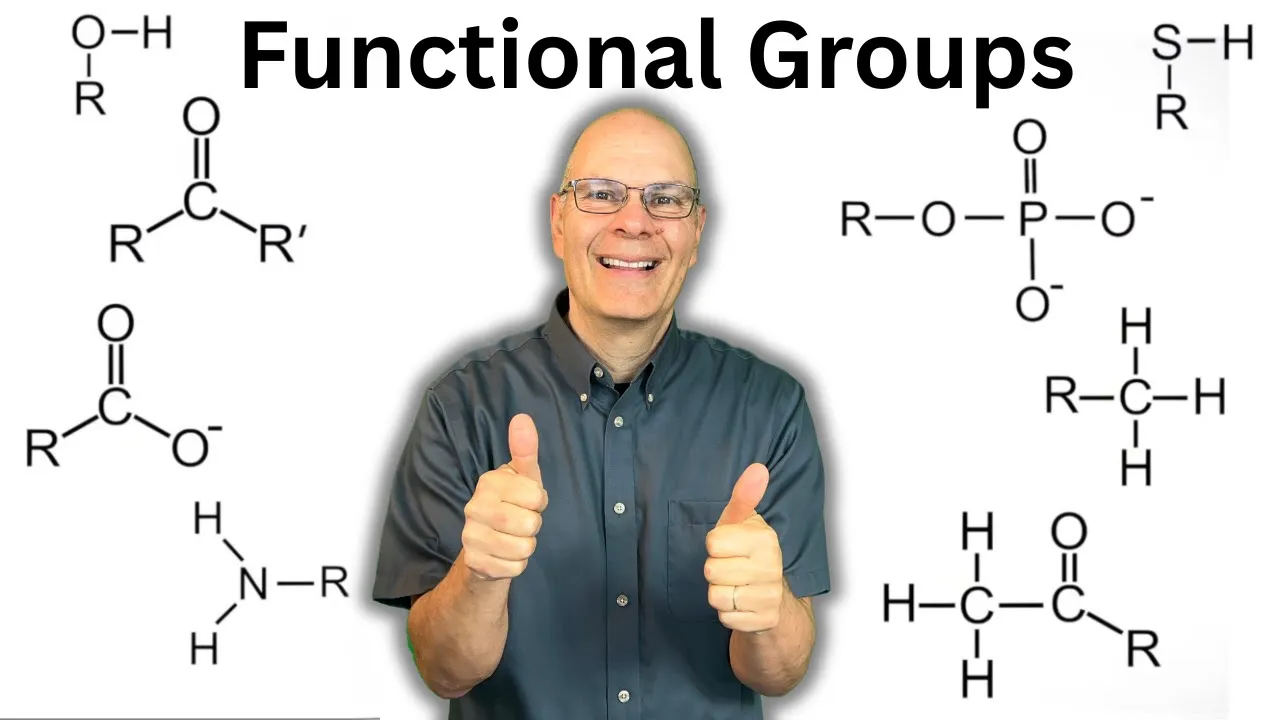
General understanding of chemical functional groups, specifically methyl and acetyl groups, and how covalent modifications affect protein-DNA interactions.
The mechanisms of epigenetic inheritance and how chromatin states are propagated during DNA replication and cell division.
The biological phenomenon of X-chromosome inactivation in mammals as a key model of facultative heterochromatin.
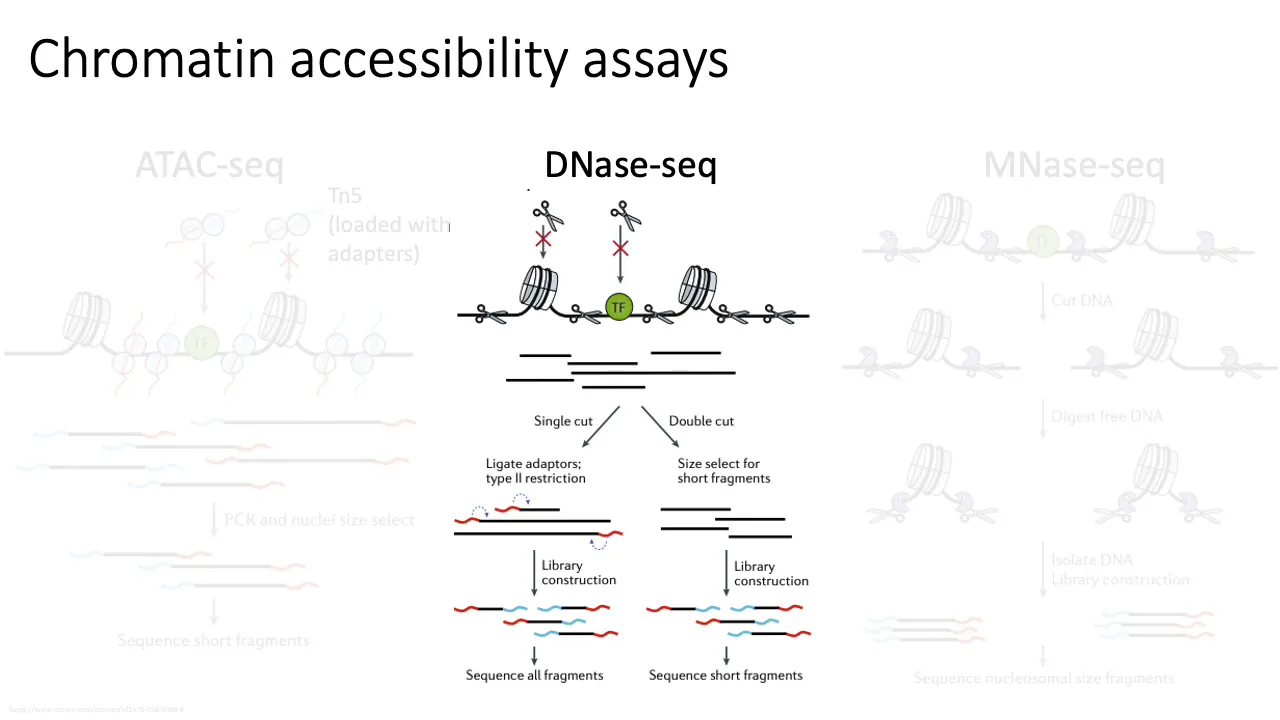
Modern experimental techniques used to map chromatin accessibility and modifications, such as ChIP-seq, ATAC-seq, and Bisulfite Sequencing.
The role of aberrant chromatin remodeling and epigenetic mutations in human diseases, particularly cancer, and the development of epidrugs like HDAC inhibitors.
59K views963likes6:04Original Release: 2022-12-07
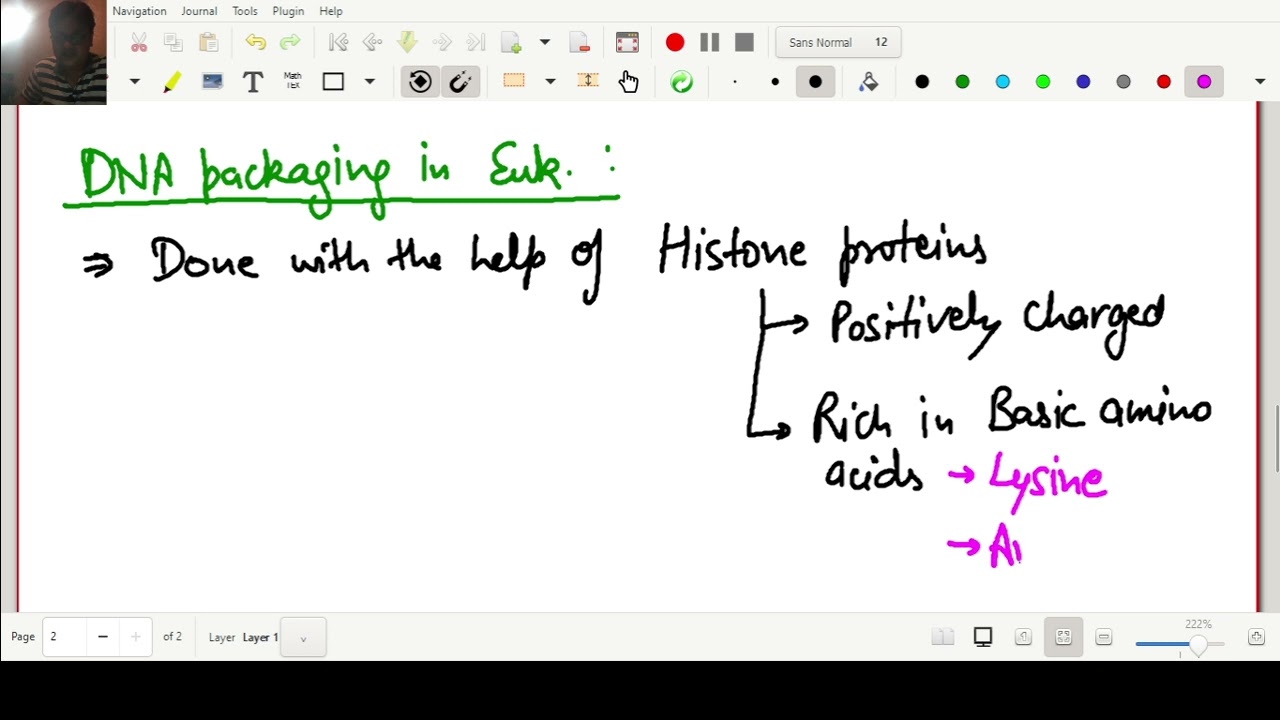
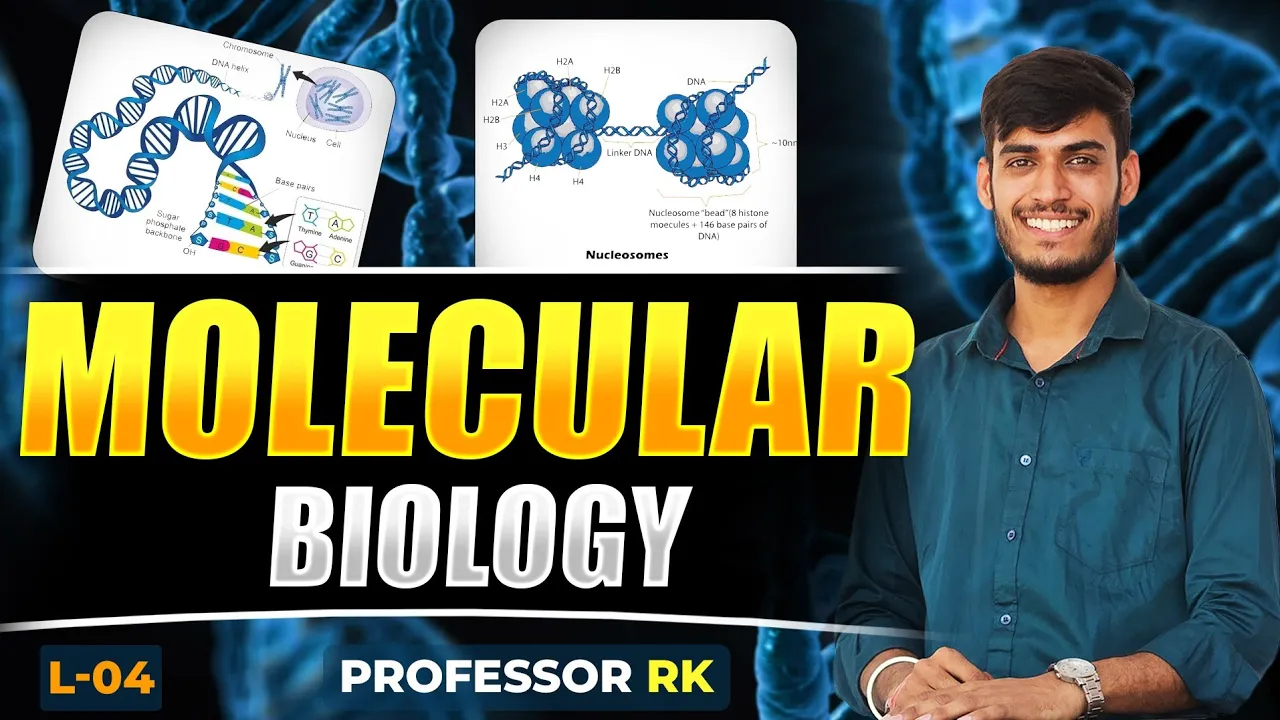
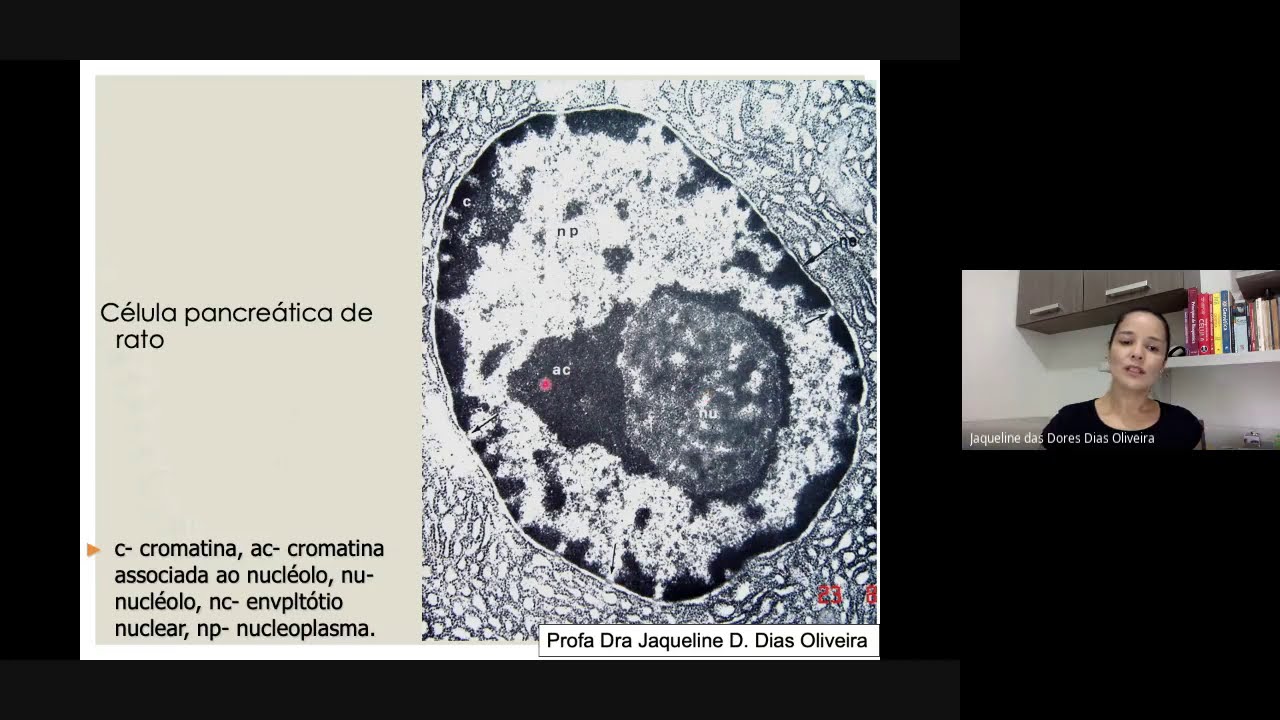
in this video we'll talk about the differences between euchromatin and heterochromatin so the building block of Chromatin is nucleosome which comprises of DNA and histones now if we look into a nucleus we would find several chromatin domain which are densely packed and there are certain domains which are Loosely packed the densely packed regions are known as heterochromatin whereas euchromatin is the region which are Loosely packed and more accessible heterochromatin and euchromatin are widely different we would try to understand how they are different at a molecular level so obviously from a structural point of view heterochromatin is densely packed and euchromatin is Loosely packed heterochromatin is associated with silence genes whereas euchromatin is a hub for active transcription so let's try to understand what are the molecular factors that differentiates these two structural domains in a chromatin first of all we need to understand the status of different histone modification along the chromatin region second of all we need to understand about different histone variants and thirdly we need to understand about DNA methylation status all of these factors would dictate how accessible a chromatin is and how much that can influence a transcription or any other kind of gene expression process so first thing is histone modification so when it comes to euchromatin there are several histone modifications such as acetylation and specially acetylation in H3 or H4 residues are associated with a euchromatin or open chromatin state acetylations like h3k9 acetylation h2k14 acetylation h4k acetylations are very prominent among others methylation like h3k 36 methylation h3k4 dimethylation is very common in eugromatin phosphorylation like h3s10p is very common in euchromatin region heterochromatin regions are often associated with several methylations such as h3k27 dimethylation or mono methylation h420 mono methylation Etc so what we can appreciate at this point that the histone marks at the euchromatin region and heterochromatin regions are broadly different and all these marks would dictate how the chromatin is tightly wrapped around in a particular region because if there is acetylation you can understand the chromatin would be Loosely packed and it would be accessible towards many factors if you want to learn more about these histone modification processes you can click on the I button now there are several histone variants which can delineate between euchromatin and heterochromatin regions in euchromatin region one can find h2az or H 3.3 histone variants whereas in heterochromatin region one can find H 3.1 3.2 sent a macro h2a these kind of variants H1 histone is another important player which can discriminate between new chromatin and heterochromatin often it was noticed that H1 histone deposition was fairly low in the euchromatin region so H1 histone's job is to make the chromatin further compact so if we have less H1 histone deposition the chromatin is expected to be more accessible and Loosely wrapped whereas in heterochromatin region there is a high density of H1 histone which can be associated with several complexes that recruit factors for heterochromatinization now let's look at the methylation Mark and how they are different between euchromatin and heterochromatin so in the heterochromatin region one can see hypermethylation so there are so many methyl marks in the heterochromatin region compared to euchromatin region which is generally hypometed now all these factors are really important for gene expression because in order for gene expression to happen transcription factors need to gain access to a promoted region and thereby starting the transcription and this accessibility issue can be solved only when you don't have too much of nucleosome density so chromatin accessibility is a very important factor that dictates the transcription that is why euchromatin is generally transcriptionally active whereas heterochromatin is transcriptionally silent now how to understand a particular reason is euchromatin or heterochromatin like so is there a high throughput a technology to do that yes exactly by performing attack sequencing we can understand for a particular cell type at a particular time which regions of the genome are heterochromatinized versus euchromatinized so if the genome is more accessible so we would be seeing attack Peaks now if you want a more detailed video on a taxi you can click on the I button but if the region is heterochromatinized and the nucleosome density is very high attack Peaks would not be seen that means attack Peak would tell us about the accessibility of the chromatin at that particular region so in this video we looked at the differences between euchromatin and heterochromatin from different points of view like histone variance histone modification Linker histone DNA methylation status and the overall accessibility of Chromatin so I hope this was useful if you like this video give it a big thumbs up you can find more notes and flashcards in Facebook Channel you can uh support the channel by clicking on the super thanks option underneath the video you can pay via paytm PayPal or UPI see you in next video
Up Next

5:16
DNA Methylation & Cancer: Epigenetic Mechanisms
@garvaninstitute
243.9K views•2015-11-12
50:12
Bacterial Communication: Quorum Sensing and Biofilm Formation Explained
@JHUAAP
12.6K views•2011-06-28
17:50
Neurulation and Neurogenesis: Neural Tube Formation Explained
@animatedbiologywitharpan
52.4K views•2023-10-18
7:08
Bacteriophages: Earth's Deadliest Killers and Future Antibiotics
@kurzgesagt
34.6M views•2018-05-13
Related Study Plans & Knowledge Roadmaps
Structured learning paths in Biology
biology
RNAi: Biogenesis, RISC & Gene Silencing
01Molecular Biology Foundations: DNA to Protein
02Introduction to RNA Interference (RNAi)
03Molecular Biogenesis of miRNA and siRNA
+ 2 more learning modules
10h5 modules
Explore Roadmap
biology
Mycorrhizae: Signaling, Biophysics & Ecology
01Foundations of Mycorrhizal Symbiosis
02Molecular Signaling and Root Colonization
03Biophysics and Bioenergetics of Nutrient Exchange
+ 1 more learning modules
11h4 modules
Explore Roadmap
biology
Circadian Clocks: TTFL, SCN & Periphery
01Foundations of Molecular Biology & Gene Expression
02Introduction to Chronobiology and Actograms
03The Core TTFL: Molecular Architecture of the Clock
+ 3 more learning modules
14h6 modules
Explore Roadmap
biology
Population Genetics: Math, Drift & Selection
01Genetic & Probability Foundations
02The Hardy-Weinberg Principle and Baseline Models
03Mathematical Modeling of Natural Selection
+ 3 more learning modules
18h6 modules
Explore Roadmap