
















![[바이오헬스CEO초대석] 암 조기 진단, 체액 속 바이오마크를 찾자 '지노믹트리'](https://i.ytimg.com/vi/OoNJf6QRVas/hqdefault.jpg)


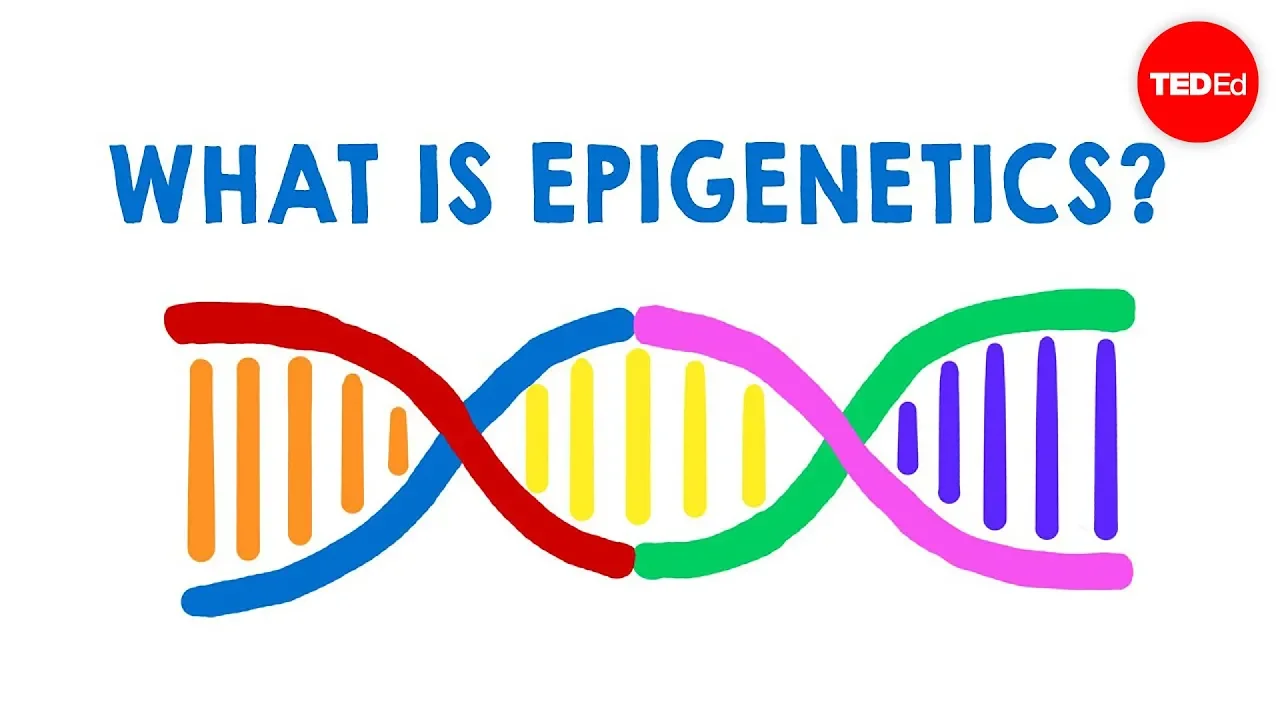

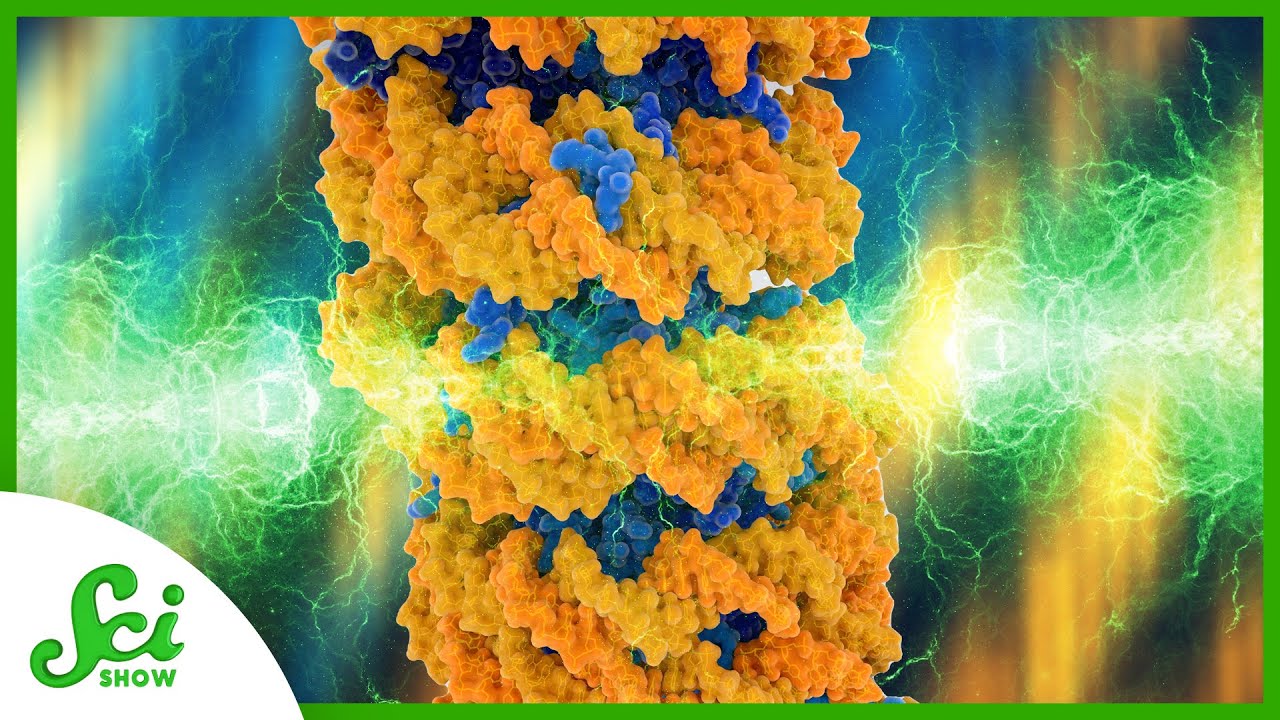
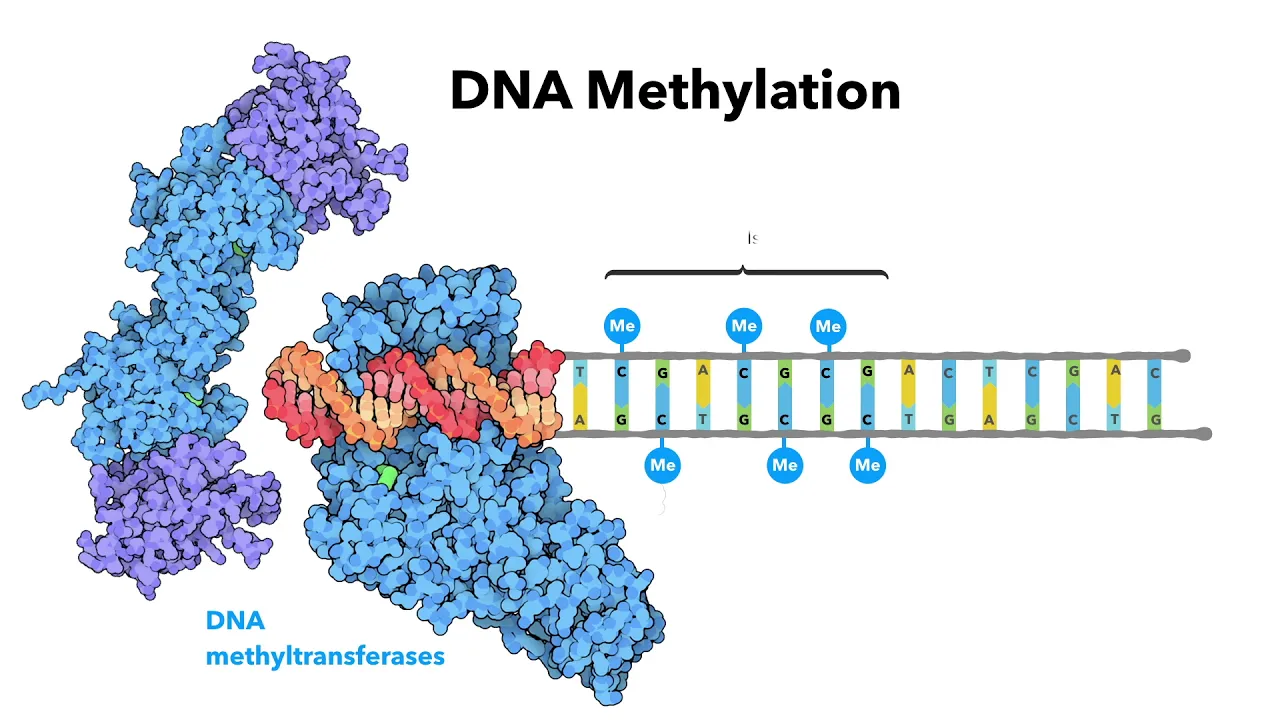
DNA methylation is an epigenetic process where methyl groups are added to cytosine-guanine (CpG) sites in DNA, primarily mediated by DNA methyltransferases (DNMT1 for maintenance and DNMT3a/b for de novo methylation), and regulated by TET enzymes that can remove methyl groups; in normal cells, promoter regions are typically unmethylated allowing gene expression, but in cancer, this balance is disrupted through hypermethylation of promoter CpG islands (silencing tumor suppressor genes) and widespread hypomethylation across the genome, creating a distinctive epigenetic signature that can be used for cancer detection.
DNA Methylation & Cancer: Epigenetic Mechanisms
Added:The basic structure of DNA, specifically the four nitrogenous bases (adenine, thymine, cytosine, guanine) and how gene expression is traditionally regulated.
The foundational concept of epigenetics, defined as heritable changes in gene expression that do not involve alterations to the underlying DNA sequence.
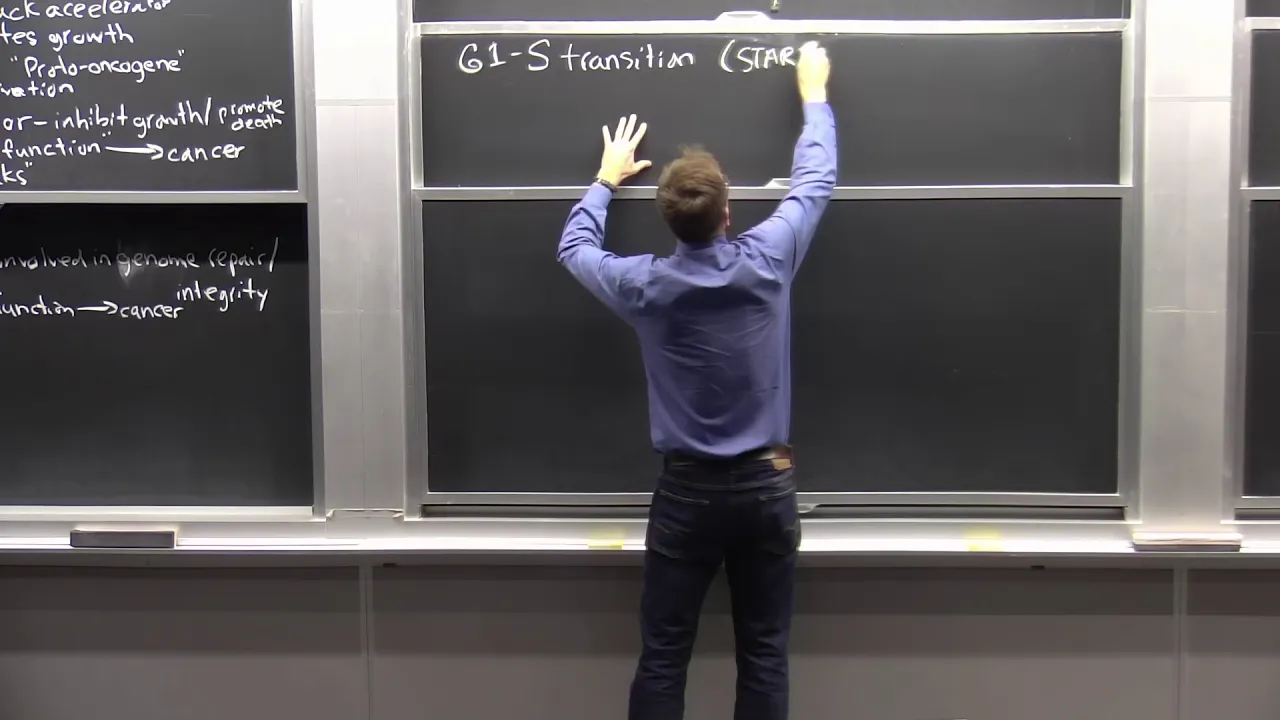
The biological hallmarks of cancer, including the roles of oncogenes and tumor suppressor genes in regulating the cell cycle.
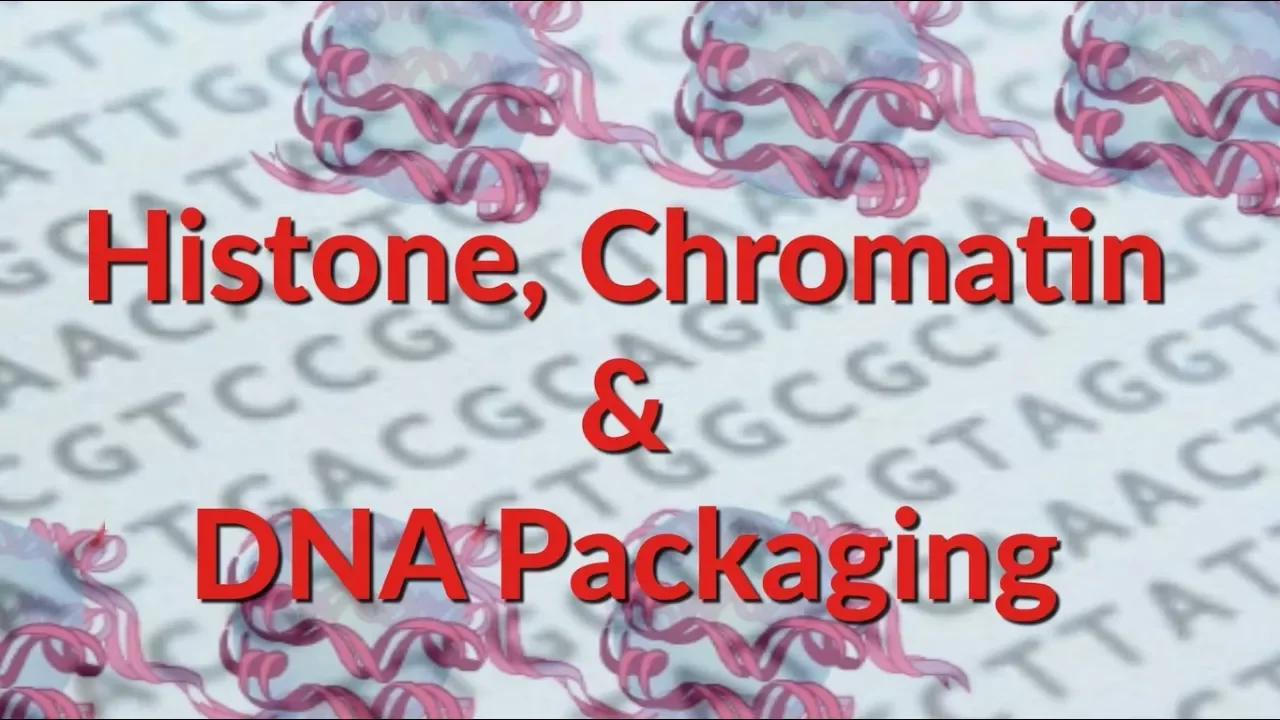
Chromatin structure and organization, specifically how DNA wraps around histone proteins to form nucleosomes and control genetic accessibility.
Advanced epigenetic mechanisms, such as histone post-translational modifications (acetylation, methylation) and non-coding RNA regulation in oncogenesis.
Epigenetic therapies (epidrugs), including DNA methyltransferase (DNMT) inhibitors and histone deacetylase (HDAC) inhibitors used in cancer treatment.
The use of DNA methylation patterns as clinical biomarkers for early cancer detection, prognosis, and liquid biopsy technologies.
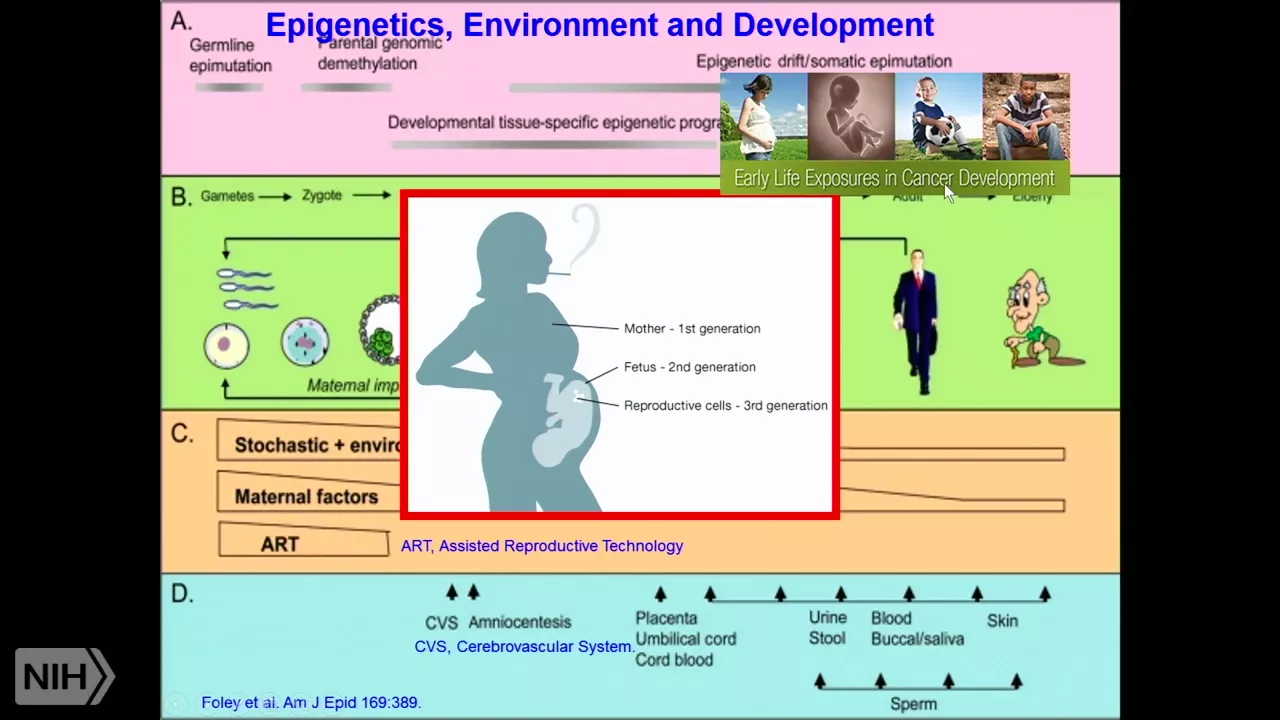
Environmental epigenetics, exploring how lifestyle factors, diet, toxins, and aging influence the epigenome and alter cancer susceptibility.
243.9K views4.1Klikes5:16Original Release: 2015-11-12
despite the huge variation in structure and function all our cells contain the same DNA sequence the reason is that different cells use or Express only certain genes DNA can be tagged by tiny chemicals that modify gene expression one of these epigenetic modifications is DNA methylation promoter DNA methylation is associated with gene silencing and plays an important role in maintaining cell types in cancer DNA methylation patterns are altered and disrupted DNA methylation is carried out by a group of enzymes known as DNA methyl transferases or dnmt for short we have three major types dnmt1 dnmt3a and dnmt3b let's have a closer look at how they work here we are looking at an early embryonic cell and we are pulling out its DNA which are wrapped around histone octomus known as nucleosomes following fertilization dnmt3a and dnmt3b are responsible for denovo methylation allowing embryonic cells to differentiate into a cell type so for example this embryonic cell has become a distinct cell type a skin cell dnmt1 is responsible for the maintenance of DNA methylation following differentiation and is active during cell division thereafter the methylation patterns of each cell type is different and this reflects the gene expression pattern of the cell so in this case we have one skin cell becoming many skin cells this cell type has a unique methylation pattern and therefore it expresses certain genes cytosine guanine sites or cpg sites for short are found all over our DNA for example here we have a cpg island containing many cpg sites in a normal adult cell most cpg sites are methylated except in promoter cpg Islands these cpg sites are typically unmethylated promoter regions are regions in the DNA a that contain regulatory elements that control transcription of genes to understand how cpg sites are methylated let us zoom into this cytosine nucleotide here and look at its chemical structure dnmt3a and dnmt3b are responsible for DNA methylation in early development dnmt obtains the mythy group from a molecule called Sam the methyl group is added here forming five methyl cytosine it is thought that dnmt flips the cine base pair 180° out of the Strand like so then the dnmt enzyme obtains the methyl group from Sam and transfers it to the cytosine finally the methylated cytosine is flipped back human tet which stands for human 101 translocation is another important enzyme that has a role in regulating DNA methylation patterns Ted is responsible for adding a hydroxy group initially to five methylcytosine forming five hydroxymethylcytosine the Ted enzyme is also able to convert five hydroxymethyl cytosine back to cytosine through several Pathways therefore the Tet enzymes are thought to be responsible for DNA demethylation in a normal cell the two opposing processes of methylation and demethylation are tightly regulated in development however in cancer this balance is potentially disrupted and as a consequence DNA methylation patterns change typically in cancer cells we see hypermethylation of promoter cpg islands and this is associated with tumor suppressor Gene inactivation in contrast to the focal regions of hypermethylation cancer DNA also undergos widespread hypomethylation across the entire genome this bimodal deregulation of the epigenetic landscape is found in every type of human tumor critically we can now use the alteration in the methylation pattern to help us detect cancer cells from normal cells
Up Next
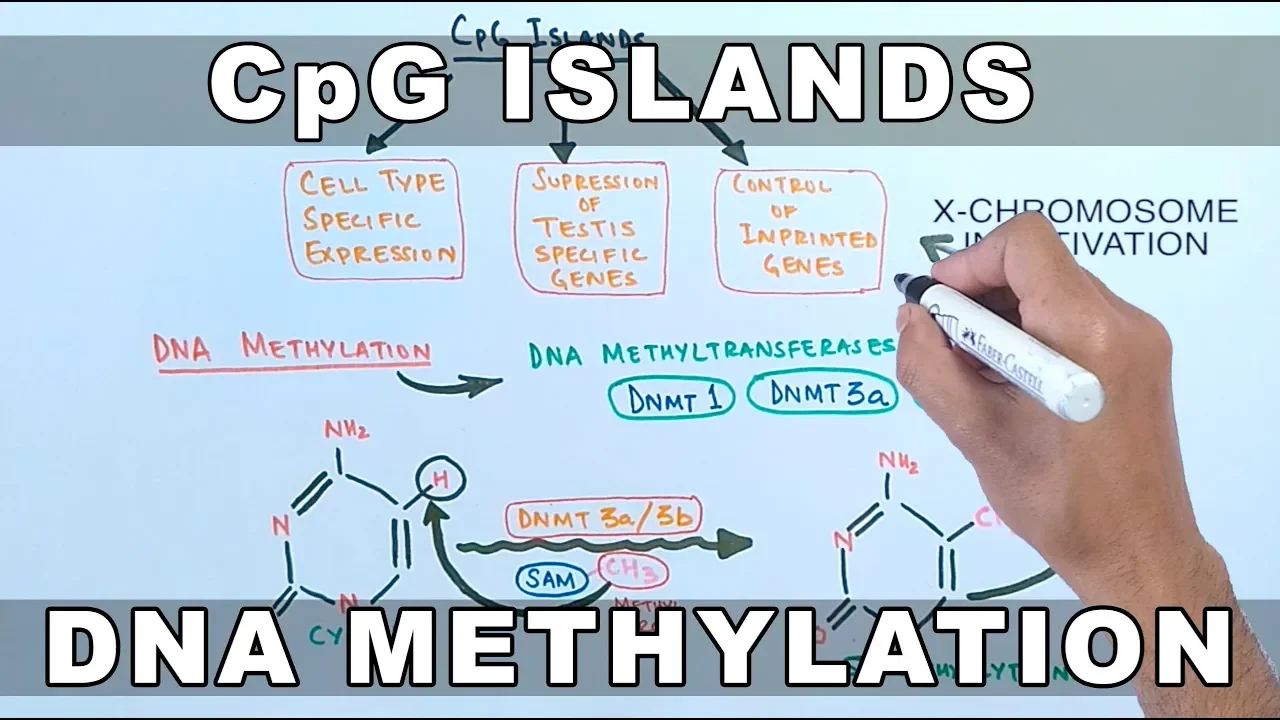
4:01
CpG Islands and DNA Methylation | Molecular Biology Explained
@hussainbiology
124.5K views•2018-05-21
50:12
Bacterial Communication: Quorum Sensing and Biofilm Formation Explained
@JHUAAP
12.6K views•2011-06-28

5:35
Enteric Nervous System Explained: The Gut's Brain | Neurobiology Lecture
@alumniu6029
438 views•2018-09-12
7:08
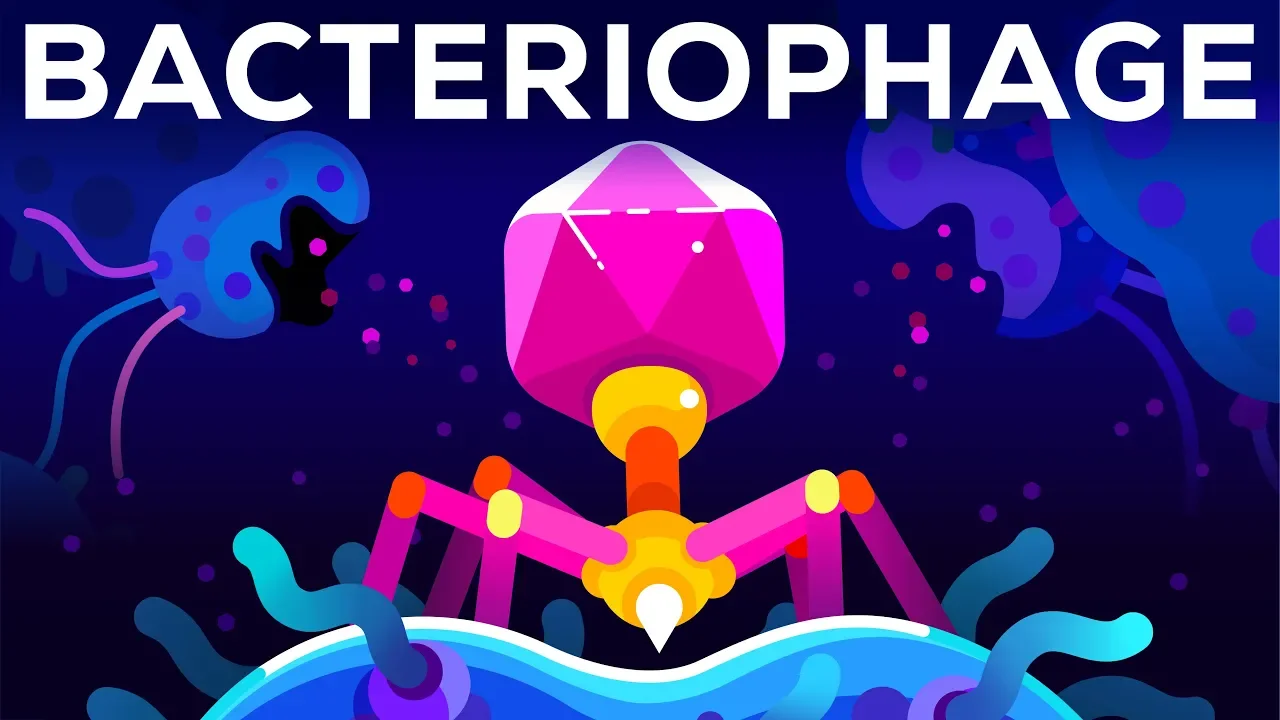
Bacteriophages: Earth's Deadliest Killers and Future Antibiotics
@kurzgesagt
34.6M views•2018-05-13
Related Study Plans & Knowledge Roadmaps
Structured learning paths in Biology
biology
RNAi: Biogenesis, RISC & Gene Silencing
01Molecular Biology Foundations: DNA to Protein
02Introduction to RNA Interference (RNAi)
03Molecular Biogenesis of miRNA and siRNA
+ 2 more learning modules
10h5 modules
Explore Roadmap
biology
Mycorrhizae: Signaling, Biophysics & Ecology
01Foundations of Mycorrhizal Symbiosis
02Molecular Signaling and Root Colonization
03Biophysics and Bioenergetics of Nutrient Exchange
+ 1 more learning modules
11h4 modules
Explore Roadmap
biology
Circadian Clocks: TTFL, SCN & Periphery
01Foundations of Molecular Biology & Gene Expression
02Introduction to Chronobiology and Actograms
03The Core TTFL: Molecular Architecture of the Clock
+ 3 more learning modules
14h6 modules
Explore Roadmap
biology
Population Genetics: Math, Drift & Selection
01Genetic & Probability Foundations
02The Hardy-Weinberg Principle and Baseline Models
03Mathematical Modeling of Natural Selection
+ 3 more learning modules
18h6 modules
Explore Roadmap