


















CpG islands are genomic regions longer than 200 base pairs with GC content exceeding 50%, predominantly located in gene promoter regions where they regulate cell-type specific gene expression, suppress testes-specific genes, control imprinted genes, and facilitate X chromosome inactivation; these regions undergo DNA methylation primarily at cytosine bases by DNMT enzymes (DNMT1 for maintenance, DNMT3A and DNMT3B for both maintenance and de novo methylation), which silences gene expression through the addition of methyl groups to cytosine residues.
CpG Islands and DNA Methylation | Molecular Biology Explained
Added:Basic DNA structure and nucleotide pairing, specifically the relationship and bonding between Cytosine (C) and Guanine (G).
The central dogma of molecular biology, focusing on the mechanism of transcription and how promoters initiate gene expression.
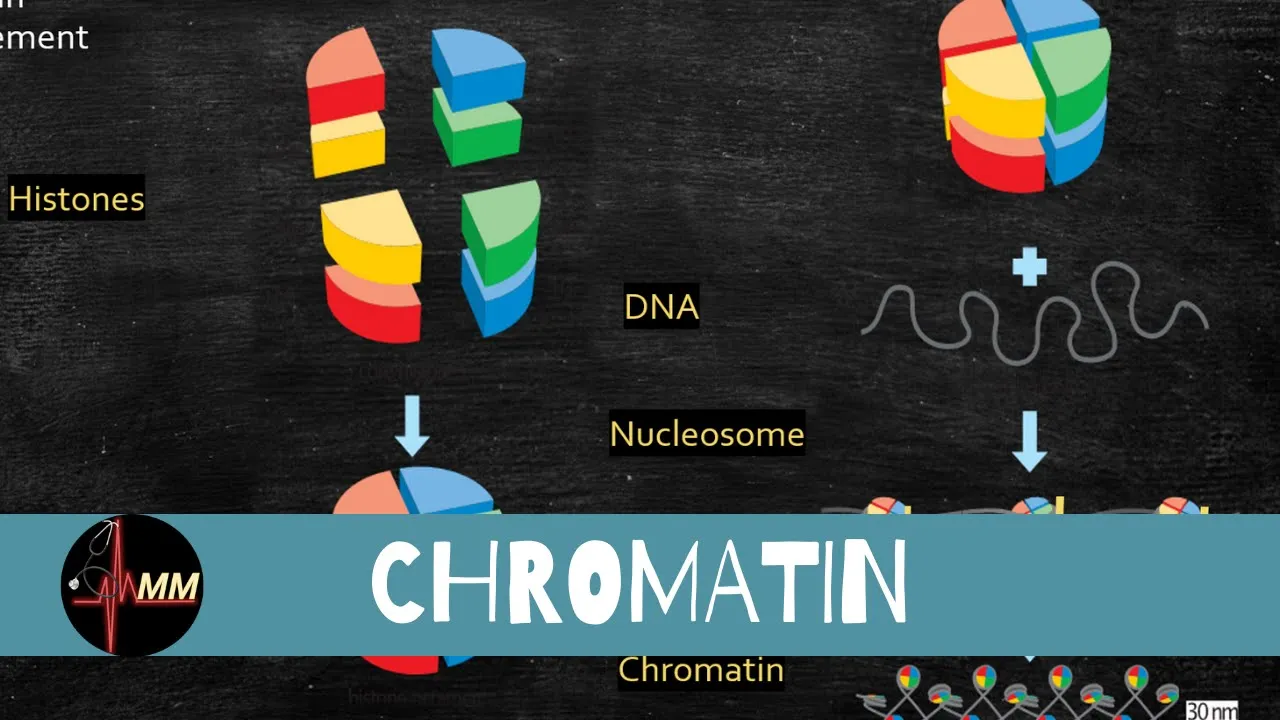
An introductory understanding of chromatin structure, including histones, nucleosomes, and the difference between euchromatin and heterochromatin.
The fundamental definition of epigenetics as heritable changes in gene function that do not involve alterations to the underlying DNA sequence.
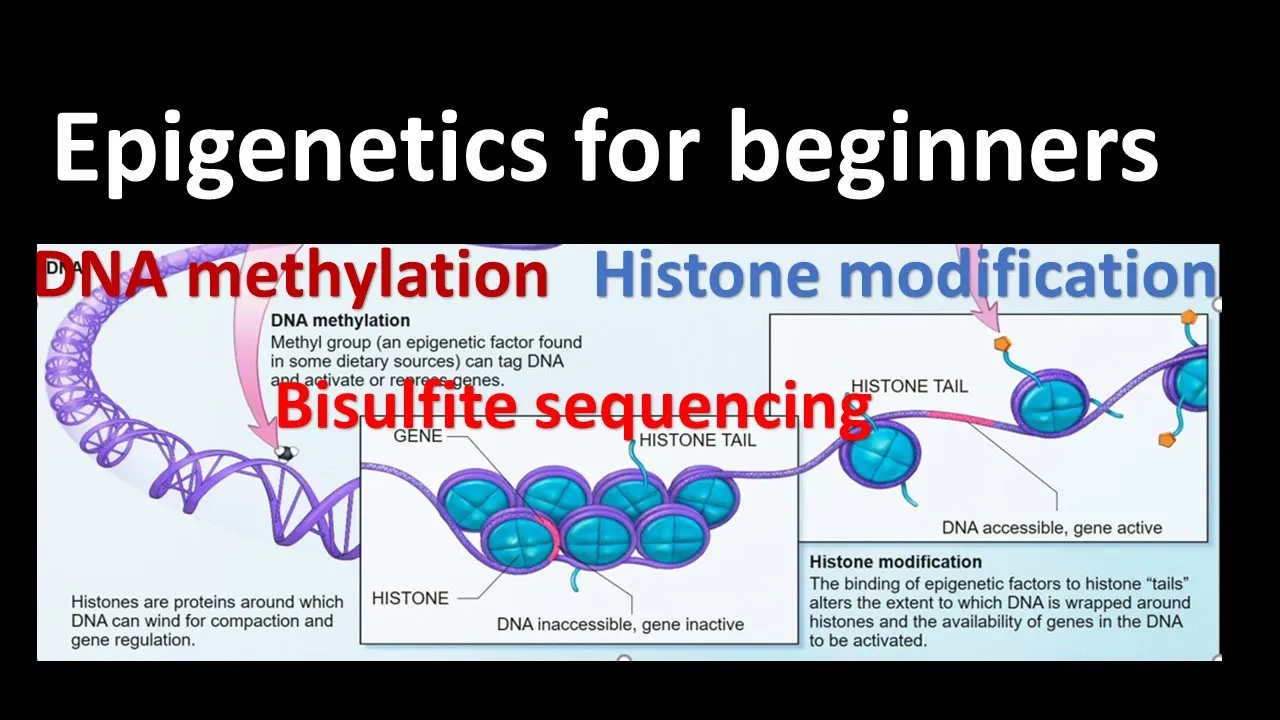
The interaction between DNA methylation and histone modifications (such as acetylation and methylation) in chromatin remodeling.
The role of CpG methylation in critical developmental processes like genomic imprinting and X-chromosome inactivation.
How aberrant DNA methylation patterns, such as hypermethylation of tumor suppressor genes, contribute to oncogenesis and other human diseases.
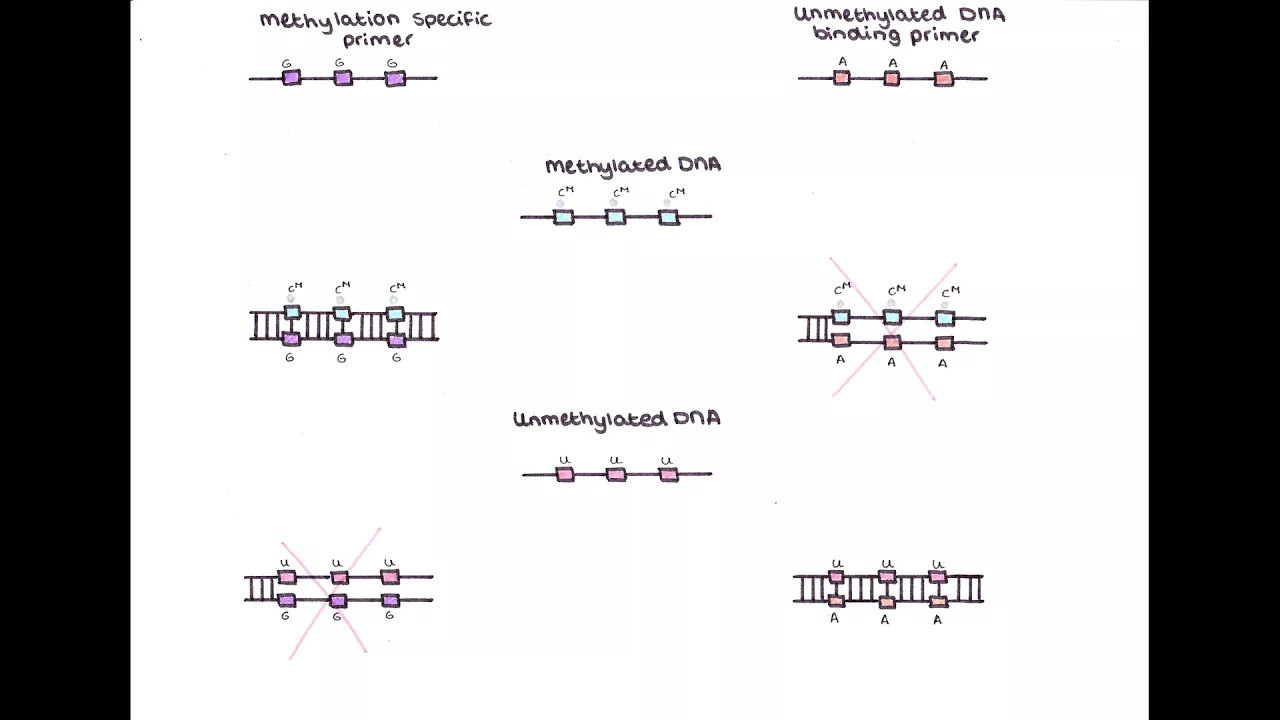
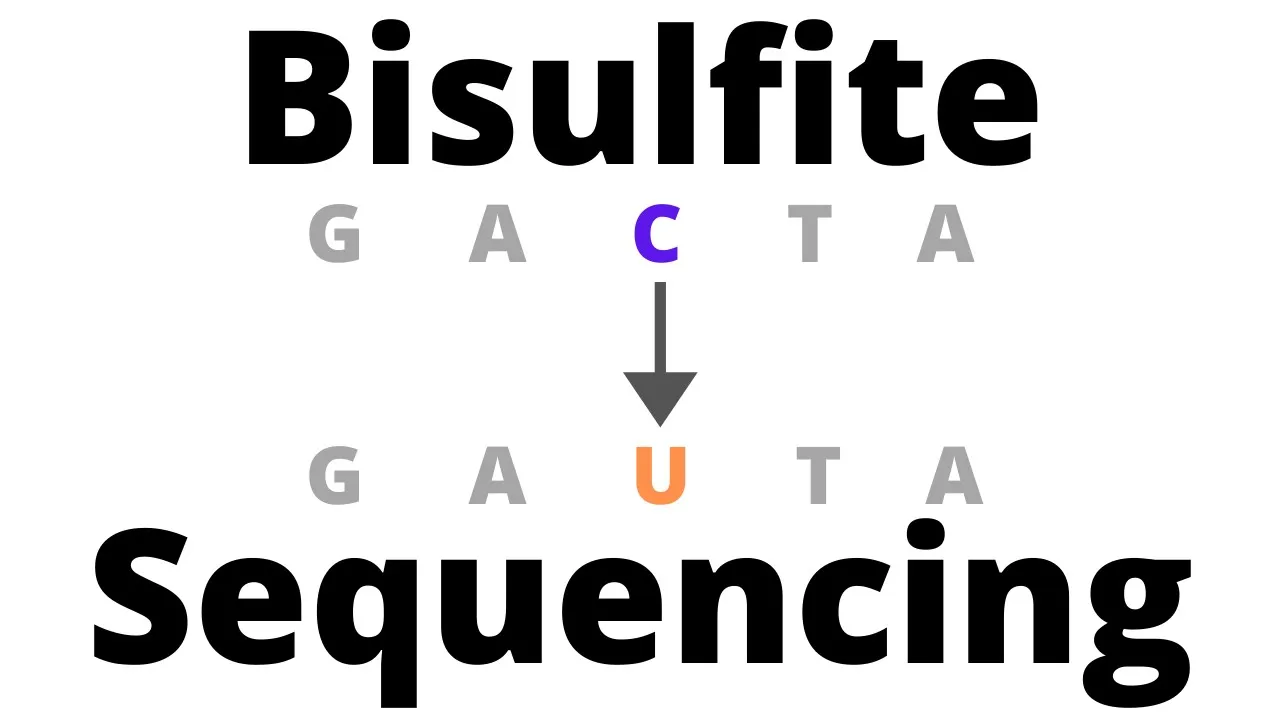
Experimental molecular biology techniques used to detect DNA methylation, including Bisulfite Sequencing and Methylation-Specific PCR (MSP).
The development and clinical application of epigenetic therapies, such as DNA methyltransferase (DNMT) inhibitors.
124.5K views2.9Klikes4:01Original Release: 2018-05-21
In this particular video of molecular biology, we'll be discussing about CPG islands. The CPG refers to cytosine, phosphate and gonine. So we can say these are the ducleotides in series connected by phosphates.
And also remember that there is a CG base pair which should not be confused with CPG islands because CG ducleotides are present on single strand. If you look at the DNA strand, we have cytosine, phosphate, gonine, phosphate, cytosine, phosphate, gonine connected in a series running into five prime to three prime end as shown in the figure.
And its complimentary bases will be in this manner.
And look out here, it is this CPG ducleotides that we are concerned with, not the CG base persome.
The CG ducleotides occur many times but all cannot be said they are CPG islands.
So what makes the CPG islands? It's when there is a length of greater than 200 base pers and also GC percentage is greater than 50%.
That time we can say these are the CPG islands.
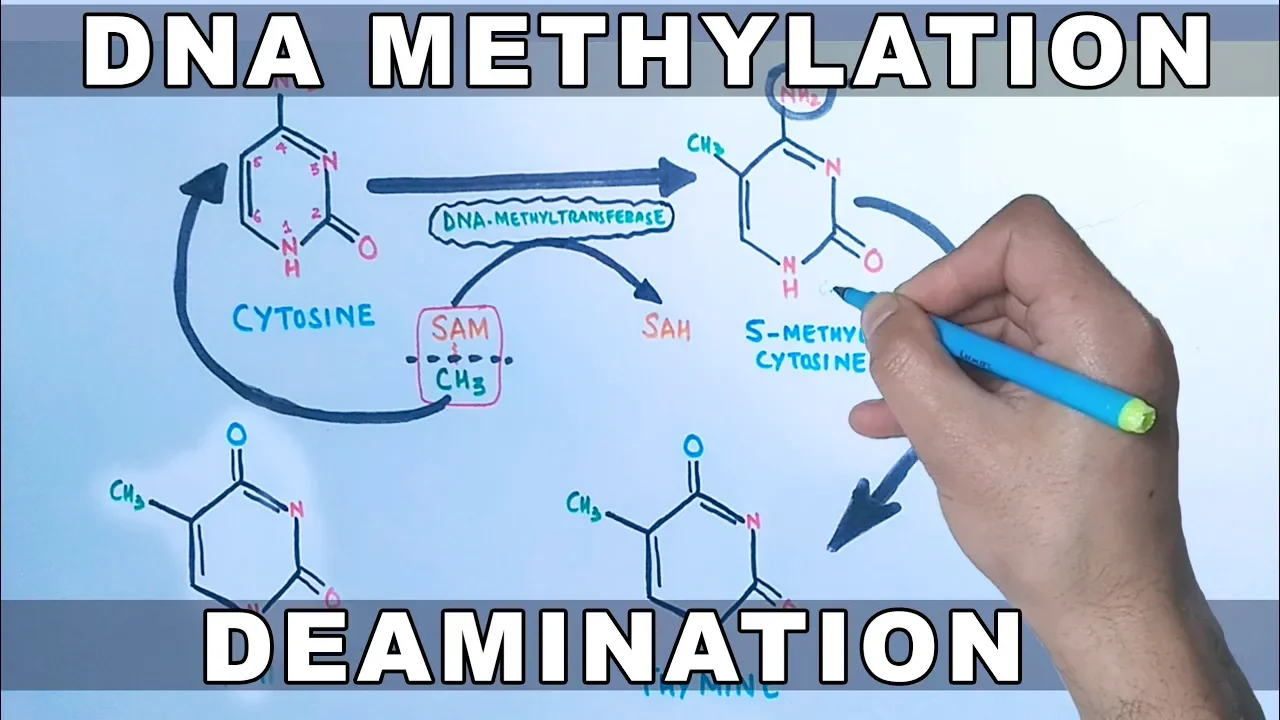
So anywhere in genome when these conditions are met we call them CPG islands. And also one more thing to be noted here is that the 60% of mammal promoters have CPG islands but they are mostly unmethylated and CG ducleotides are rarely found outside promoter region of genome due to the phenomena of CG suppression. The CG suppression eliminates the mutations because CGs are prone to methylation as in case of cytosine when methylated forms fivemethyl cytosine and this can spontaneously turn into thymine through damination which induces mutation that's why we have CG suppression in genome in the course of evolution so what's the work of these CPG islands in general we can say they regulate the gene expression to be precise we see cpg islands regulates cell type specific expression suppression of testes specific genes there's a control of imprinted genes through CPG islands and also there's a denovo methylation of CPG islands which helps in the X chromosome inactivation so how these all functions are being regulated by CPG islands we can see the CPG islands are prone to methylation and it's all due to this DNA methylation which is aided by the DNA methile transpress base enzymes DNMT DNA methylation mostly targets the cytosine bases. We have DNMT1, DNMT3A and DNMT3B enzymes.
DNMT1 is responsible for maintenance of DNA methylation while both DNMT 3A and DNMT3B carry out both maintenance as well as denovo DNA methylation.
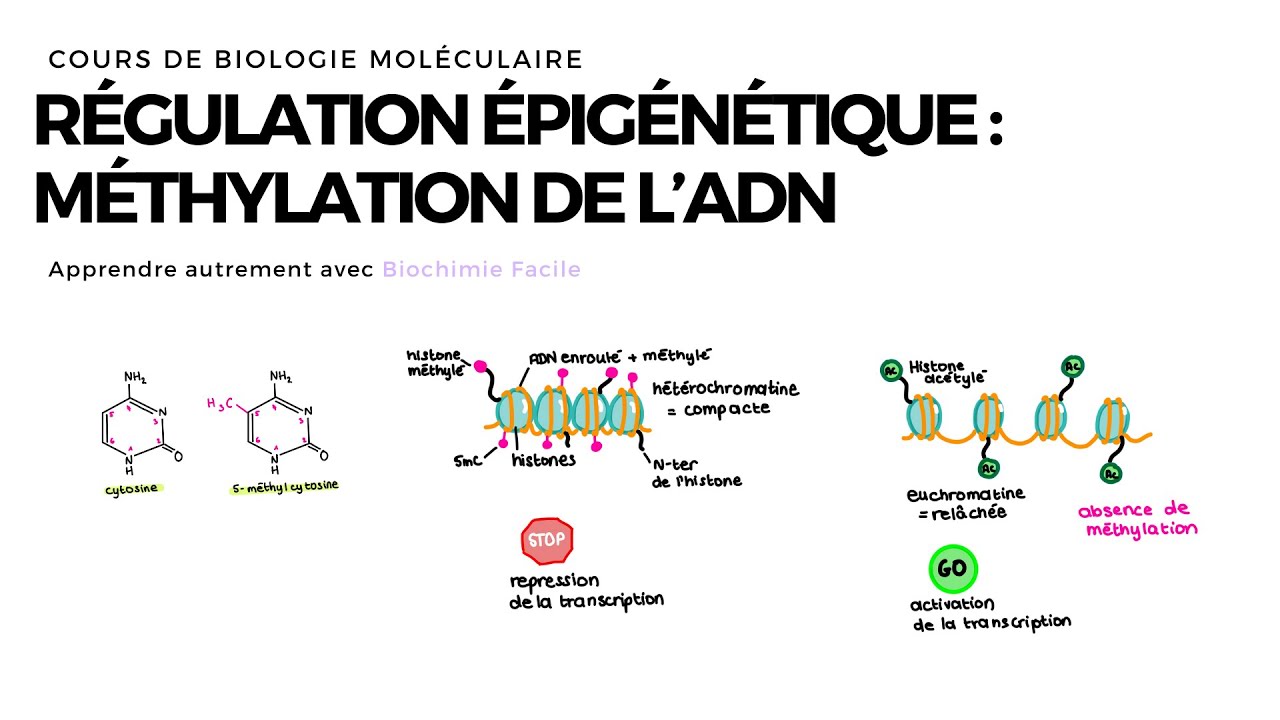
Let's take a quick overlook of how cytosine is methylated.
We see in this figure we have a cytosine. It's acted upon by methile transpiris particularly by DNMT3A and 3B. And these enzymes helps the methile group to be transported from same molecule to the cytosine at fifth position. And from this transfer we will get five methile cytosine which is the methylated form of cytosine. And it's these methylated bases in CPG islands that regulate the gene expression through alteration of gene expression or modification of gene expression. So this is all about CPG islands and a little bit of DNA methylation. In the next video, we'll be discussing about DNA methylation in detail. And if you want to watch other videos related to molecular biology, there is a link to the playlist in the description. I hope you like the video. If you like it, give it a thumbs up and make sure to subscribe this channel. Thanks.
Up Next
3:46
DNA Methylation Explained: Mechanism, CpG Islands & Enzymes
@hussainbiology
196.2K views•2018-05-28
50:12
Bacterial Communication: Quorum Sensing and Biofilm Formation Explained
@JHUAAP
12.6K views•2011-06-28
3:29
Autophagy and Mitophagy: Pathway and Mechanisms Explained
@hussainbiology
102.1K views•2020-03-11
7:08
Bacteriophages: Earth's Deadliest Killers and Future Antibiotics
@kurzgesagt
34.6M views•2018-05-13
Related Study Plans & Knowledge Roadmaps
Structured learning paths in Biology
biology
RNAi: Biogenesis, RISC & Gene Silencing
01Molecular Biology Foundations: DNA to Protein
02Introduction to RNA Interference (RNAi)
03Molecular Biogenesis of miRNA and siRNA
+ 2 more learning modules
10h5 modules
Explore Roadmap
biology
Mycorrhizae: Signaling, Biophysics & Ecology
01Foundations of Mycorrhizal Symbiosis
02Molecular Signaling and Root Colonization
03Biophysics and Bioenergetics of Nutrient Exchange
+ 1 more learning modules
11h4 modules
Explore Roadmap
biology
Circadian Clocks: TTFL, SCN & Periphery
01Foundations of Molecular Biology & Gene Expression
02Introduction to Chronobiology and Actograms
03The Core TTFL: Molecular Architecture of the Clock
+ 3 more learning modules
14h6 modules
Explore Roadmap
biology
Population Genetics: Math, Drift & Selection
01Genetic & Probability Foundations
02The Hardy-Weinberg Principle and Baseline Models
03Mathematical Modeling of Natural Selection
+ 3 more learning modules
18h6 modules
Explore Roadmap