![[Sinh Học 12 - XPS] Tổng Ôn Toàn Diện Về Phân Tử DNA và RNA | Thầy Phạm Minh Kiên - IMOE 2K7](https://i.ytimg.com/vi_webp/iy7BYplTb24/sddefault.webp)









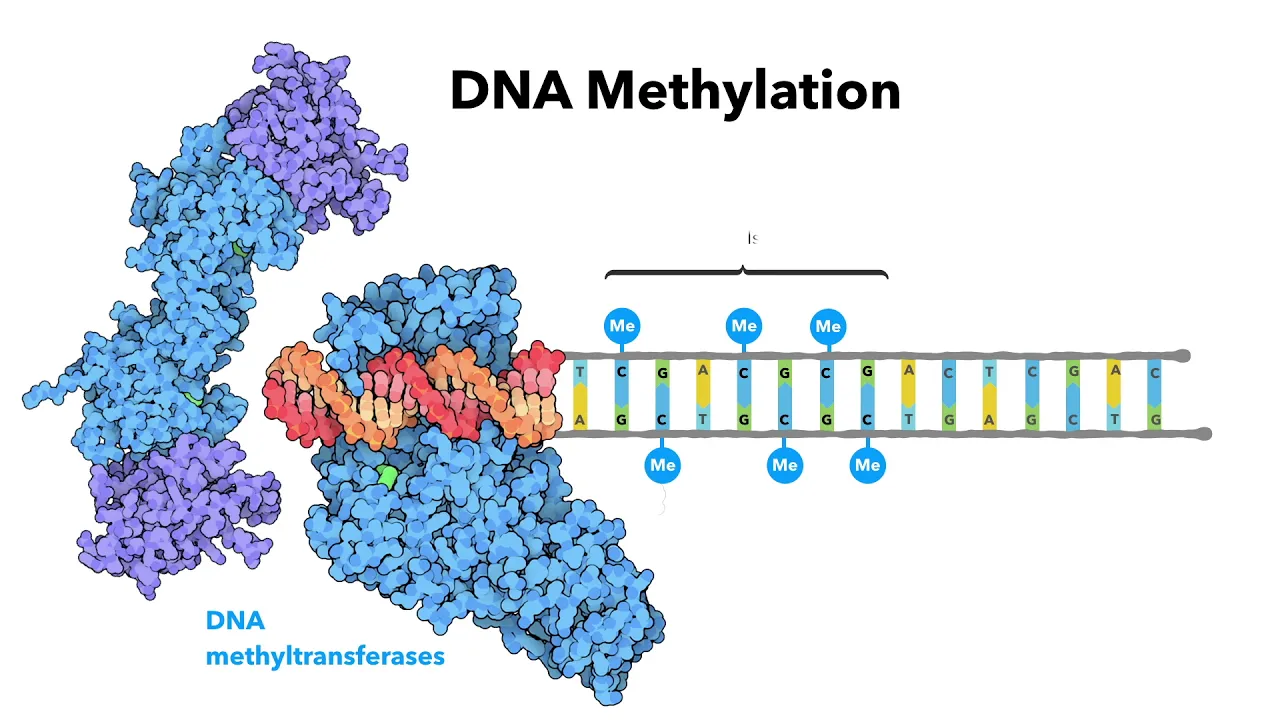







DNA methylation is an epigenetic modification where methyl groups are transferred from S-adenosyl methionine to adenine and cytosine bases of DNA, primarily catalyzed by DNA methyltransferases (DNMTs); DNMT1 maintains existing methylation patterns during DNA replication by recognizing hemi-methylated DNA, while DNMT3a and DNMT3b establish new methylation patterns de novo; the methylation of cytosine at the fifth position of its pyrimidine ring produces 5-methylcytosine, which can spontaneously deaminate to thymine, potentially causing mutations that are corrected by thymine DNA glycosylase through base excision repair.
DNA Methylation Explained: Mechanism, CpG Islands & Enzymes
Added:The chemical structure of DNA, specifically the molecular components of nucleotides (adenine, thymine, cytosine, and guanine).
The central dogma of molecular biology, specifically the processes of transcription and gene expression regulation.
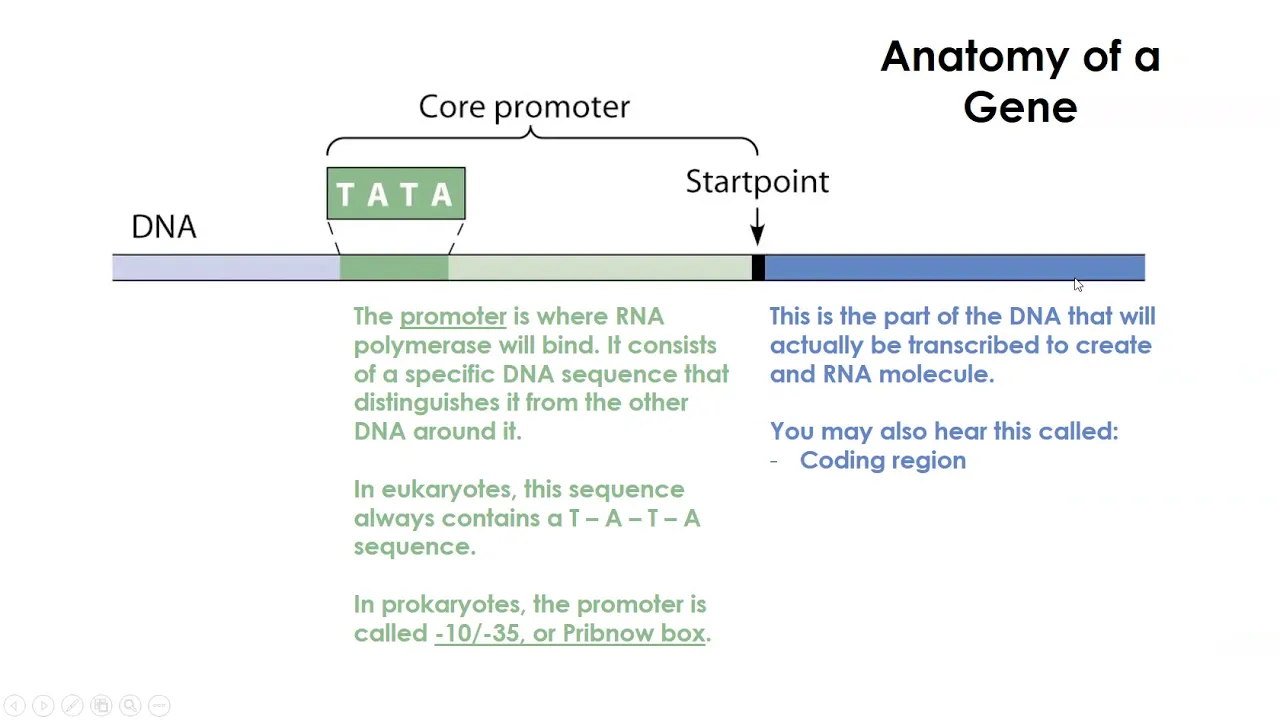
Basic gene anatomy, including the function of promoters, enhancers, and transcription factors in initiating transcription.
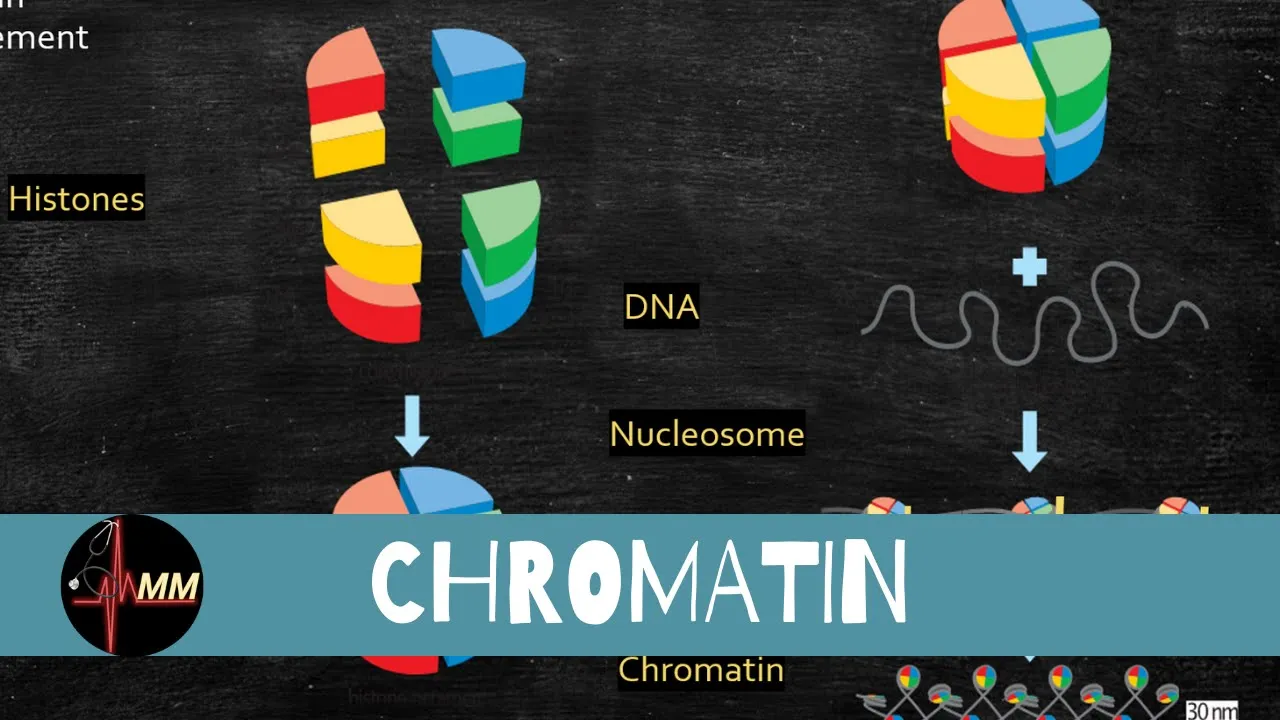
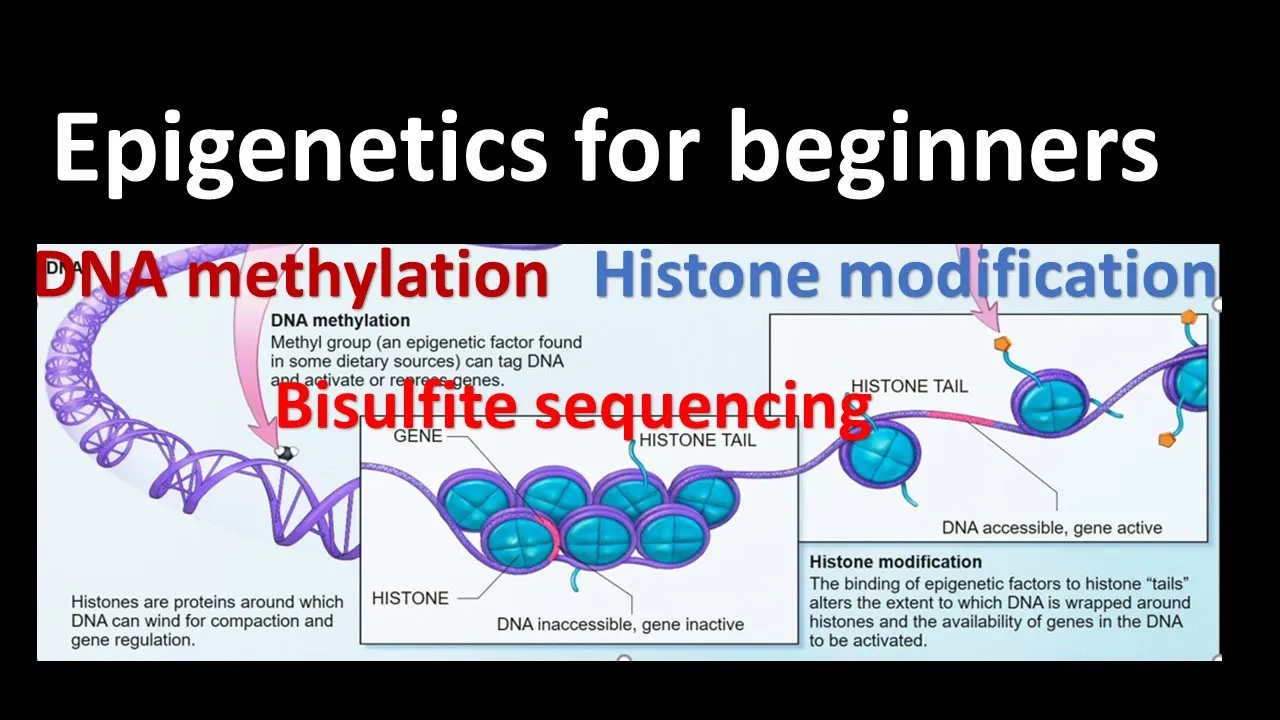
The concept of chromatin structure, including nucleosomes, histones, and the difference between euchromatin and heterochromatin.
The biological roles of DNA methylation in development, such as genomic imprinting, X-chromosome inactivation, and cellular differentiation.
Other epigenetic modifications, particularly histone modifications (acetylation, methylation) and how they coordinate with DNA methylation.
The relationship between aberrant DNA methylation and human diseases, particularly the hypermethylation of tumor suppressor genes in cancer.
Modern therapeutic applications targeting the epigenome, such as DNA methyltransferase (DNMT) inhibitors and epigenetic editing using CRISPR-dCas9.
196.2K views2.9Klikes3:46Original Release: 2018-05-28
in the previous video we discussed about the CPG Islands if you want to watch that video first you can click the link from I button or find it in the description now in this video we'll be discussing about DNA methylation in detail let's get straight to it what DNA methylation is is the transfer of methyl group from same molecule to adenine cytosine base of DNA so we see here it involves the addition of methyl group to the DNA bases and this addition takes place on two DNA bases that's adenine and cytosine so we can say methylation takes place on two DNA bases among four now what mediates the transfer of methyl group is done by an enzyme namely DNA methyl transferases in short d NM T's and these d NM T's are of three types dnmt1 dnmt3a dnmt 3 b first of all let's see what's the specific function of dnmt1 enzyme this dnmt1 has capability to maintain the pattern of methylation within the cell so this is for the maintenance of DNA methylation but what this maintenance mean here suppose we have a DNA molecule it has 20 bases methylated of which 15 are cytosine methylated and five are adenine methylated and it's during the replication of DNA molecule the newly synthesized a DNA molecule is methylated at same 20 positions with 15 cytosine bases methylated and five adenine bases methylated thus maintaining the DNA methylation from parent DNA to the daughter DNA and this dnmt1 needs hemi methylated DNA to work with now let's see the other two methyl transferases that's dnmt3a and 3b dnmt3a n3 we have all together same function there's the de novo methylation these enzymes do not need Hemi methylated DNA to work with and the addition of methyl groups occurs at new positions now let's jump towards the mechanism of DNA methylation in detail in the mechanism process we will see how the cytosine base gets methylated in this diagram you can see the cytosine base and this is acted upon by DNA methyltransferases 3a or 3b and from here methyl transferase drives the transfer of methyl group from same molecule towards the PIP the position of pyrimidines ring of cytosine and in this reaction the donor molecule of methyl group that's s-adenosyl methionine that's sa M gets converted into SAH that's s-adenosyl homocysteine so from this transfer reaction we will get a molecule with the addition of methyl group at fifth position as shown in the figure and this is terminus PI methyl cytosine this is the end result of methylation of cytosine base but things do not stop here for cytosine because it's prone to the amination and this will lead to the spontaneous hydrolytic deamination when the water is added towards it where a minor group at the top of pyramid ring is removed and is substituted with oxygen dia and from this hydrolytic deamination will get the timing there by incorporating single nucleotide mutation in DNA molecule and if this mutation is detected within the DNA molecule it can be corrected by an enzyme namely time in DNA glycosylase which removes the thymine base in GG mismatch this leaves an abbess site that's repelled by AP and you nucleuses and polymerase enzyme so this is all about DNA methylation and the domination of 5-methylcytosine into timing I hope you liked the video if you liked it give it a thumbs up and make sure subscribe this channel Thanks
Up Next

6:11
Histone Acetylation: Mechanism and Role in Gene Expression
@animatedbiologywitharpan
59.3K views•2022-11-20
50:12
Bacterial Communication: Quorum Sensing and Biofilm Formation Explained
@JHUAAP
12.6K views•2011-06-28
3:29
Autophagy and Mitophagy: Pathway and Mechanisms Explained
@hussainbiology
102.1K views•2020-03-11
7:08
Bacteriophages: Earth's Deadliest Killers and Future Antibiotics
@kurzgesagt
34.6M views•2018-05-13
Related Study Plans & Knowledge Roadmaps
Structured learning paths in Biology
biology
RNAi: Biogenesis, RISC & Gene Silencing
01Molecular Biology Foundations: DNA to Protein
02Introduction to RNA Interference (RNAi)
03Molecular Biogenesis of miRNA and siRNA
+ 2 more learning modules
10h5 modules
Explore Roadmap
biology
Mycorrhizae: Signaling, Biophysics & Ecology
01Foundations of Mycorrhizal Symbiosis
02Molecular Signaling and Root Colonization
03Biophysics and Bioenergetics of Nutrient Exchange
+ 1 more learning modules
11h4 modules
Explore Roadmap
biology
Circadian Clocks: TTFL, SCN & Periphery
01Foundations of Molecular Biology & Gene Expression
02Introduction to Chronobiology and Actograms
03The Core TTFL: Molecular Architecture of the Clock
+ 3 more learning modules
14h6 modules
Explore Roadmap
biology
Population Genetics: Math, Drift & Selection
01Genetic & Probability Foundations
02The Hardy-Weinberg Principle and Baseline Models
03Mathematical Modeling of Natural Selection
+ 3 more learning modules
18h6 modules
Explore Roadmap