













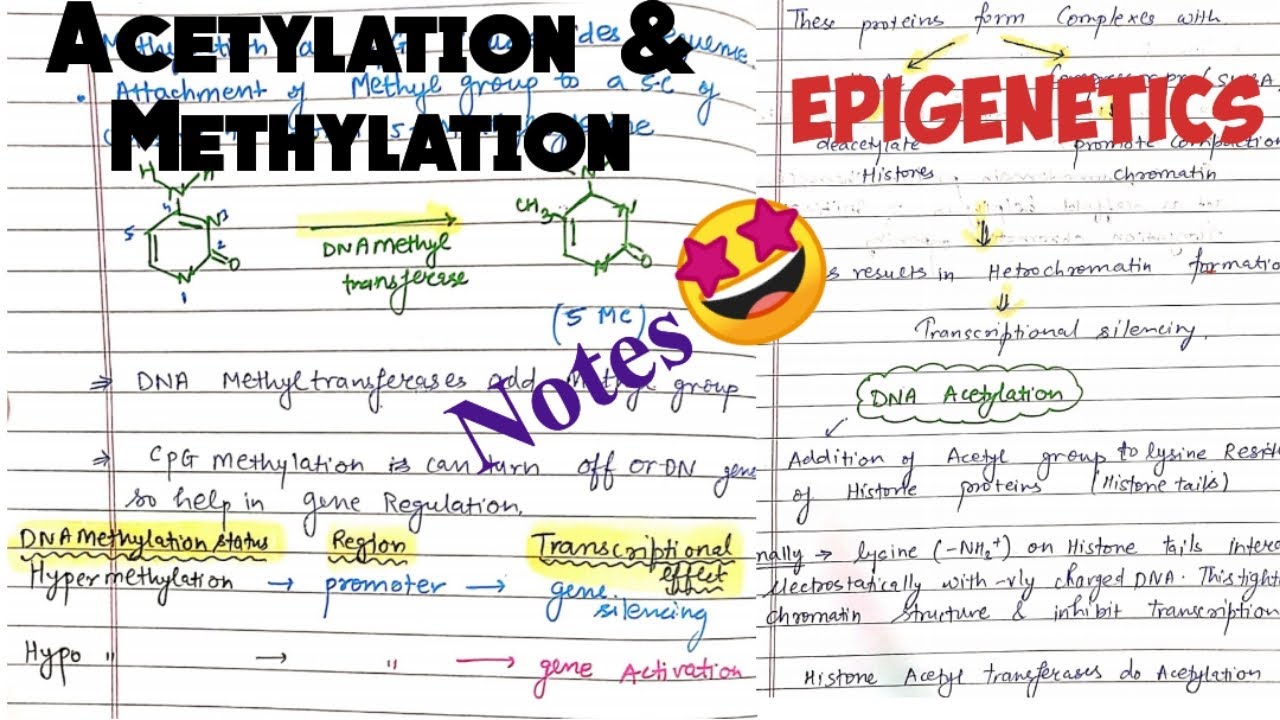




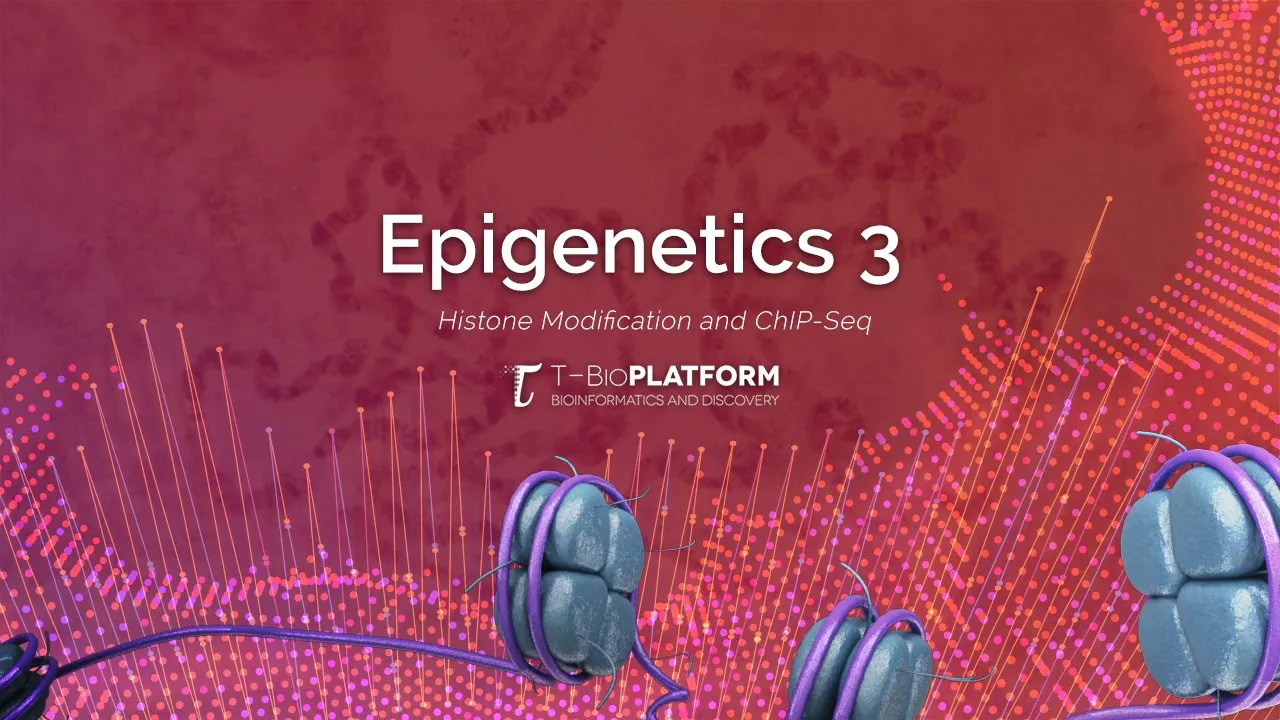

Histone acetylation is a chromatin modification process where acetyl groups are added to lysine residues on histone tails by histone acetyltransferase enzymes, which weakens the electrostatic interaction between positively charged histones and negatively charged DNA phosphate backbone, causing the DNA to wrap more loosely around nucleosomes and become accessible to transcription factors and chromatin remodelers; this modification is associated with euchromatin and active gene expression, and is part of the histone code system where HATs act as writers, bromodomain-containing proteins as readers, and histone deacetylases as erasers.
Histone Acetylation: Mechanism and Role in Gene Expression
Added:Basic structure of DNA and nucleosomes, including the electrostatic interaction between negatively charged DNA and positively charged histone proteins.
The central dogma of molecular biology, specifically the process of transcription and how transcription factors access DNA.
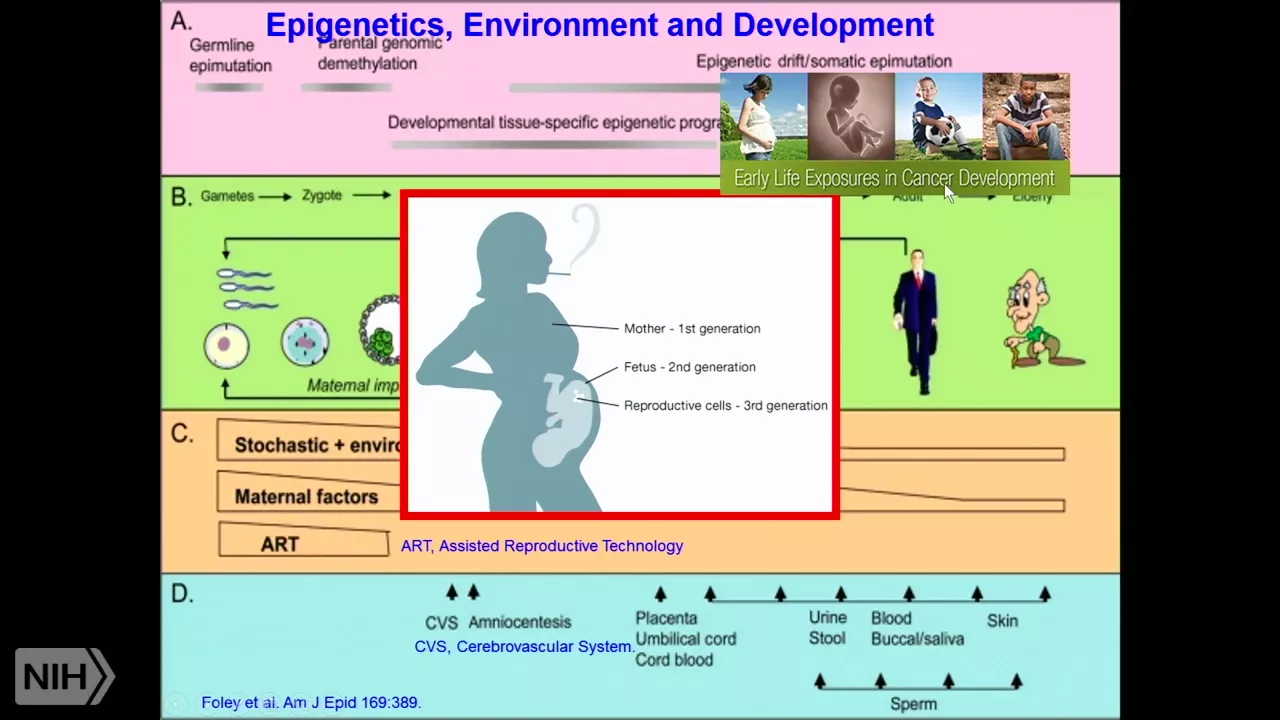
The general concept of epigenetics, defining how gene expression can be regulated without altering the underlying genomic sequence.
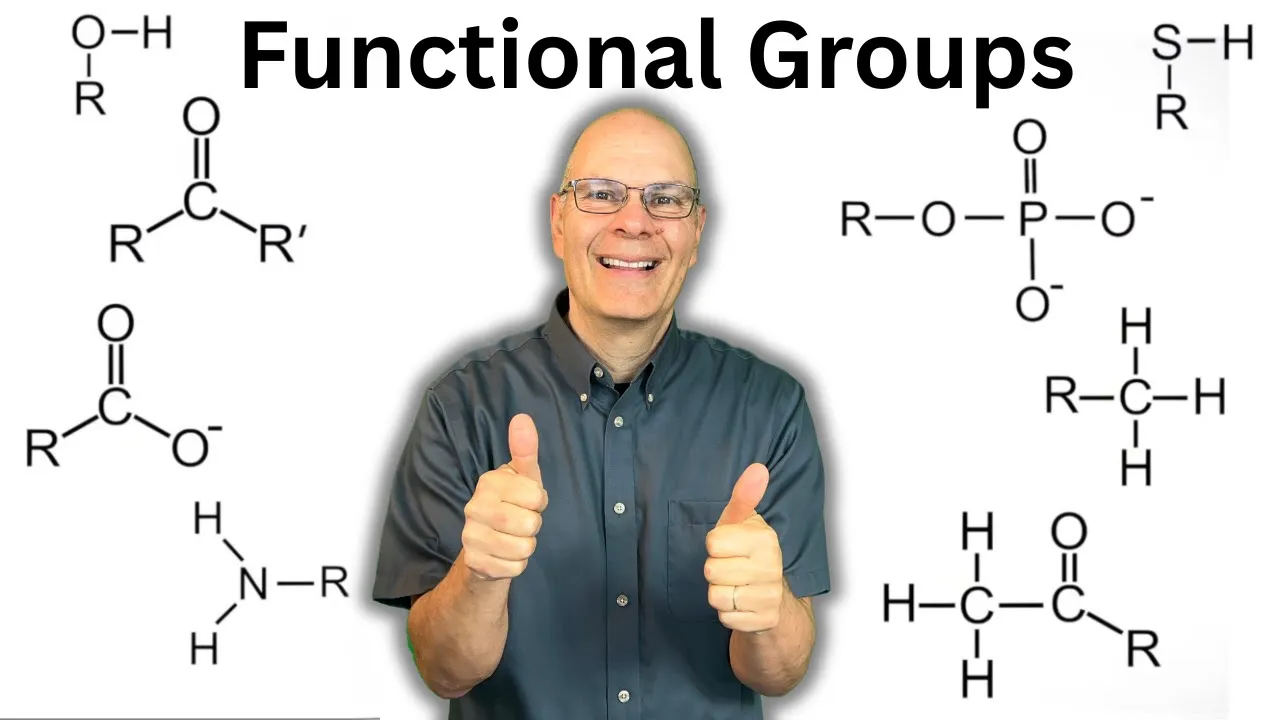
Basic chemical principles of functional groups, particularly the acetyl group and how its addition alters molecular charge and structure.
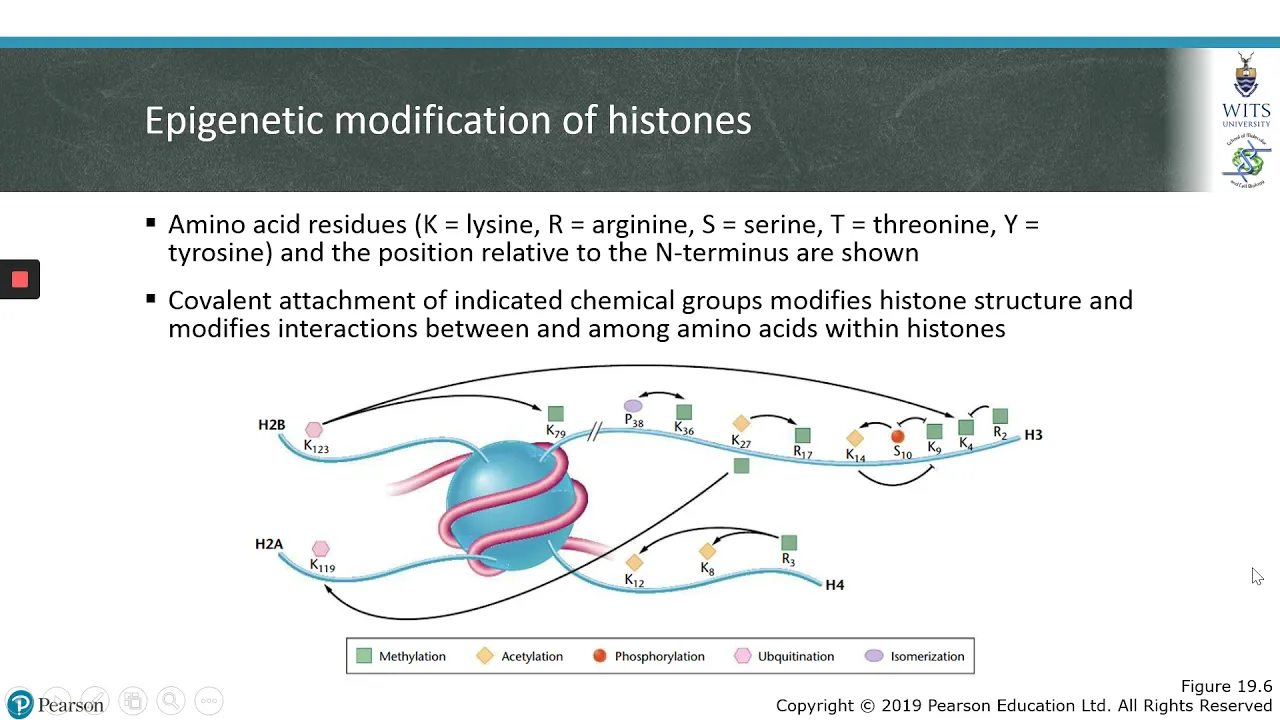
The 'Histone Code' hypothesis and other post-translational modifications of histones, such as methylation, phosphorylation, and ubiquitination.
The synergistic relationship between histone acetylation and DNA methylation in establishing stable gene silencing or activation states.
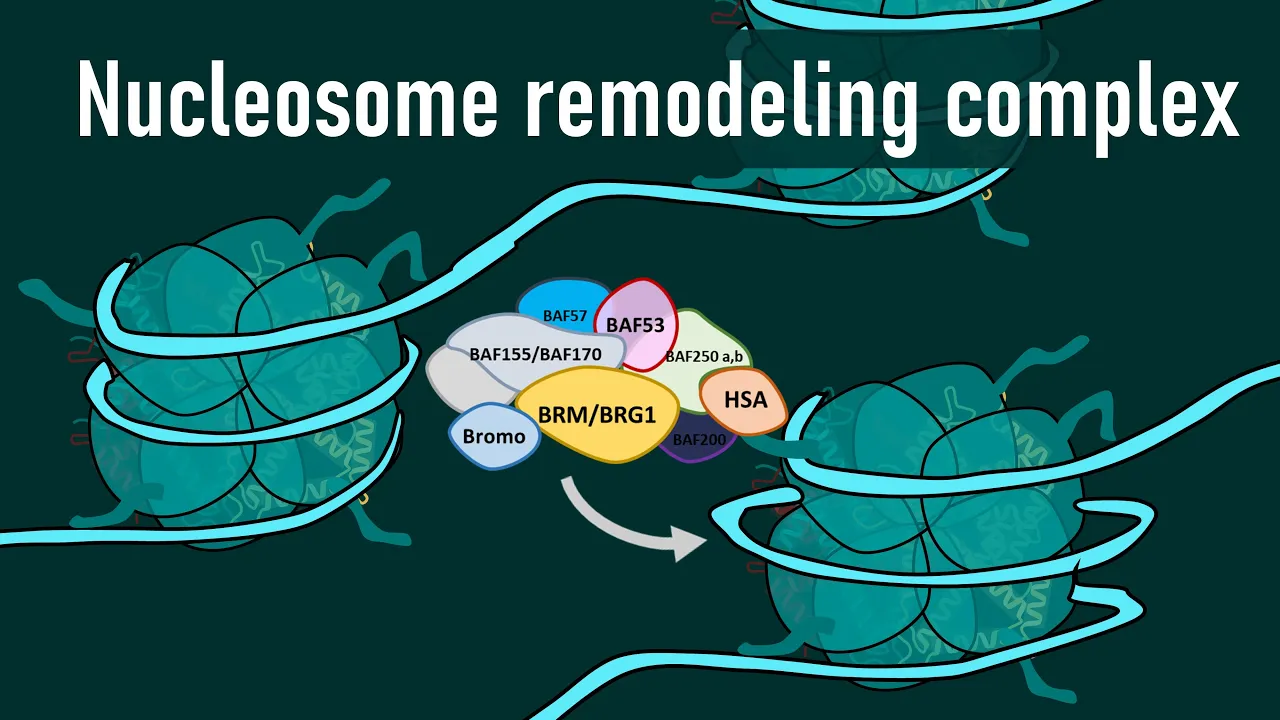
ATP-dependent chromatin remodeling complexes (such as the SWI/SNF complex) and how they cooperate with histone modifiers to physically reposition nucleosomes.
Clinical and therapeutic applications of targeting epigenetic machinery, specifically the use of HDAC inhibitors in cancer therapy.
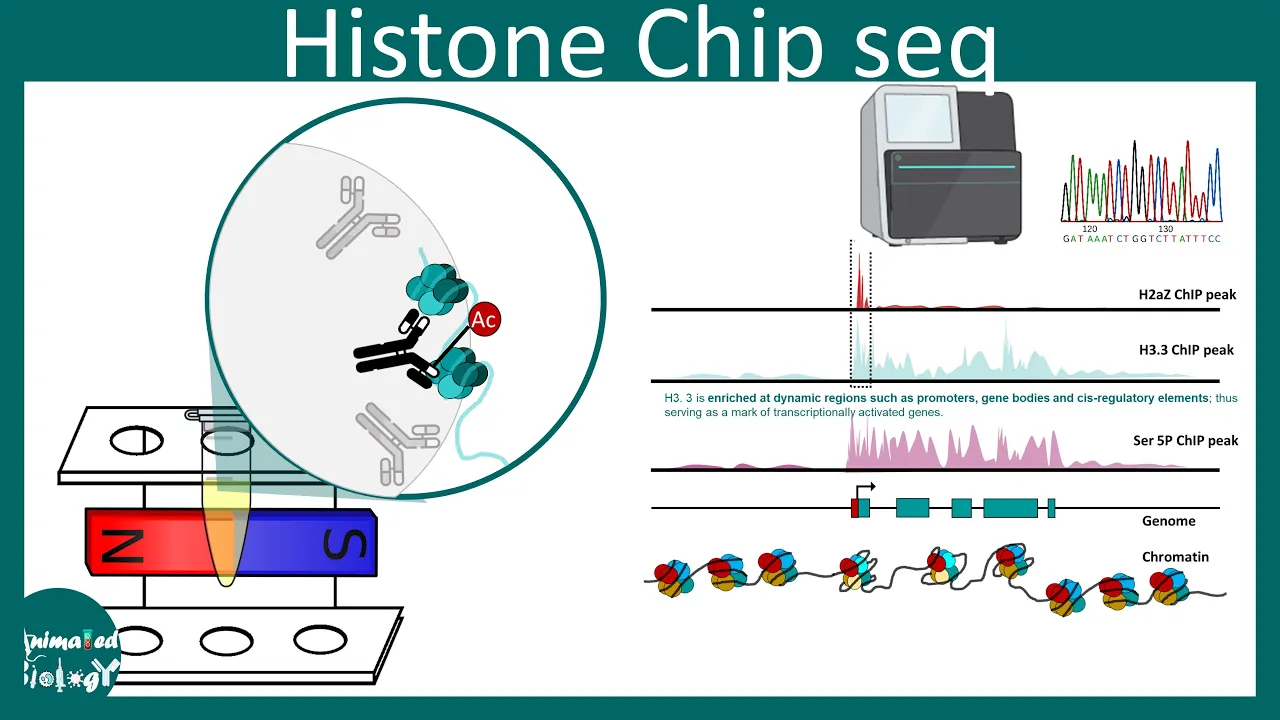
Advanced molecular biology techniques used to study epigenetics, such as ChIP-seq (Chromatin Immunoprecipitation sequencing) to map histone modifications genome-wide.
59.3K views846likes6:11Original Release: 2022-11-20
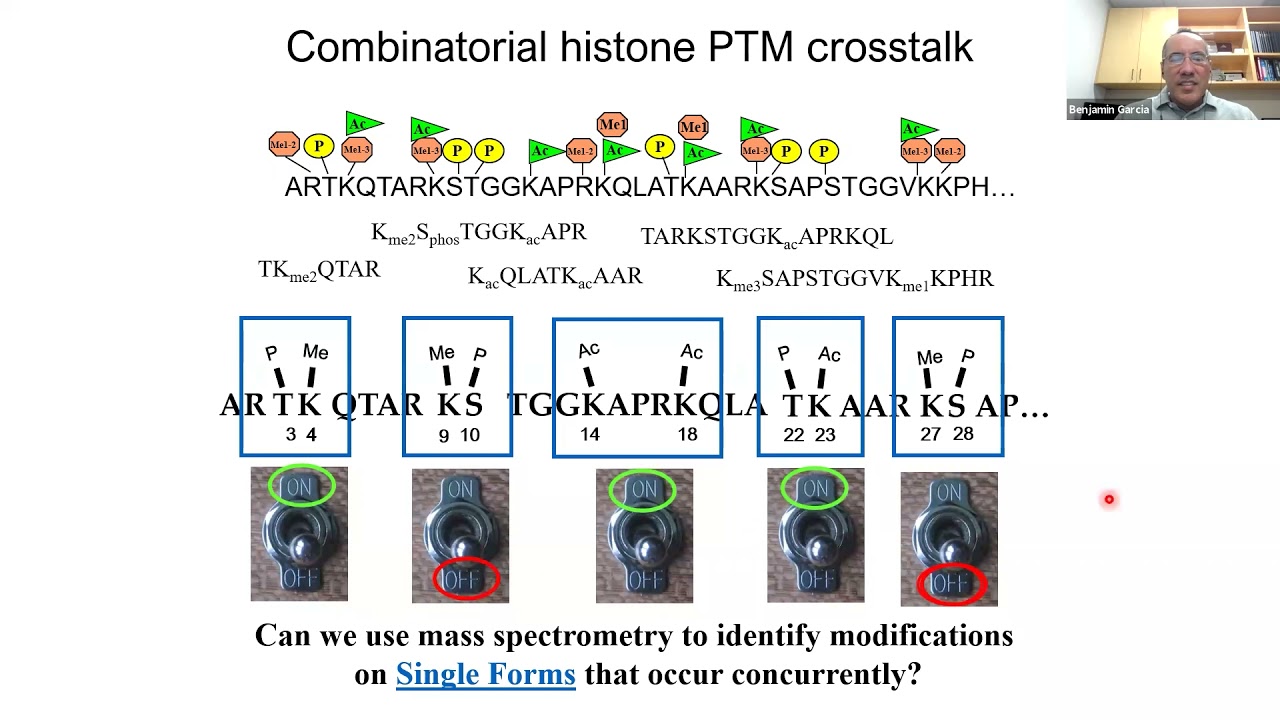
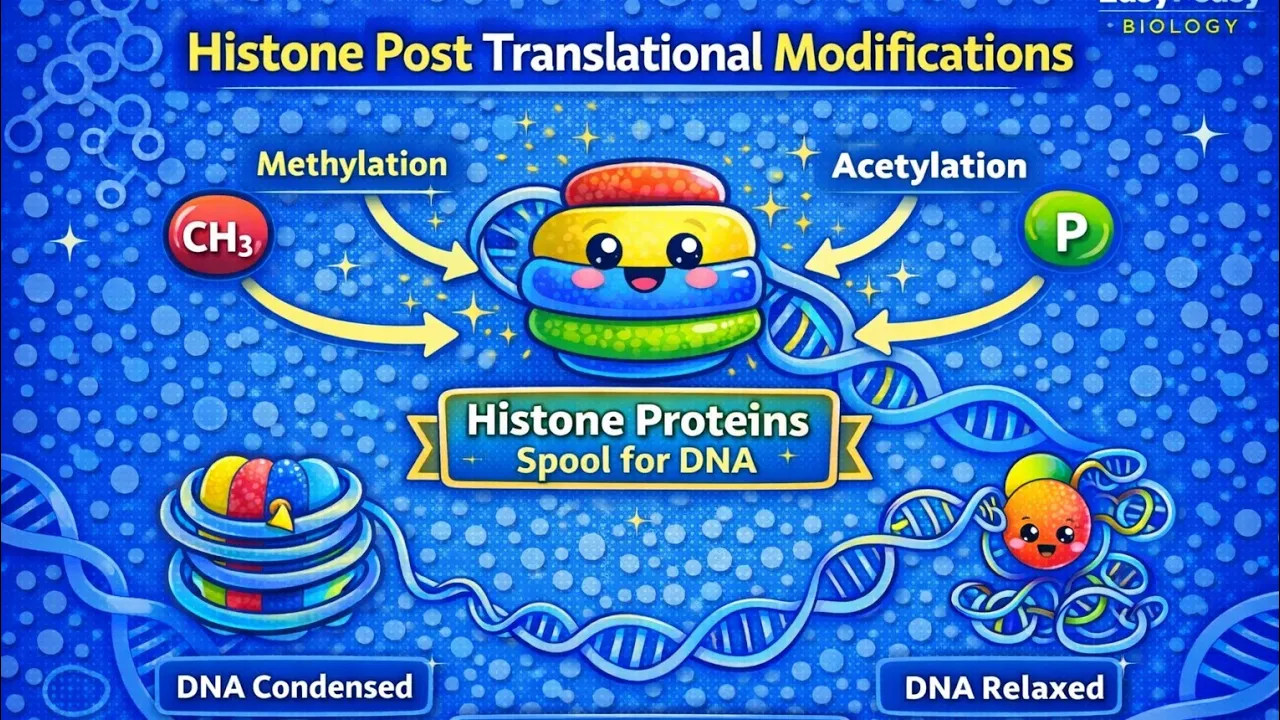
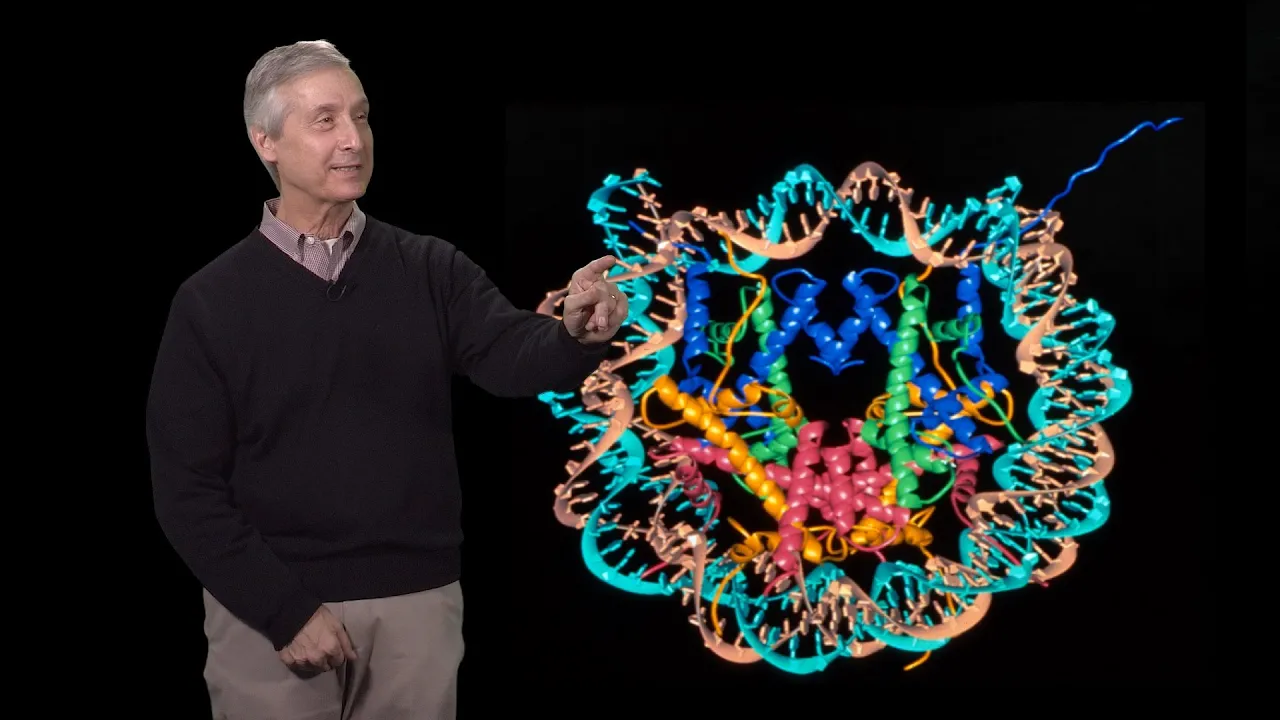
in this video we'll talk about histone acetylation which is one type of Chromatin modification acetylation might lead to alteration of the chromatin which might eventually change the gene expression pattern so chromatin is made up of nucleosomes and these nucleosomes have histones and DNA as their component so DNA is wrapped around the nucleosome and the accessibility of the DNA depends on how tightly this is wrapping the histone if it is too tight accessibility of the DNA would be low and if it is loose many of the protein can actually interact with the DNA so the histones are basic proteins which has a conserved histone fold region and a tail the histone tail is a site for extensive modification there are many modifications that can occur in the tail like acetylation methylation phosphorylation ubiquitinylation in this video we'll focus on acetylation acetylation takes place in the lysine or Arginine residue so most commonly it takes place in the lysine residues now let's talk about what are the consequence of histone acetylation so here you can see only one segment of the nucleosome and the Tails of the histones are acetylated and this acetylation is laid by the enzyme histone acetyl transferase which transfers the acetyl group from the acetyl COA now let's see what are the real consequences so histone and the DNA is kind of interacting with each other via electrostatic interaction the phosphate group of the DNA backbone interacts with the NH3 plus group in the lysine and there is an electric electrostatic attraction between them now due to acetylation the positive charge of the histone would be now masked that means the interaction would be now weaker and thereby the DNA around the histone would slightly loosen up that's what happened during histone acetylation now what is the consequence of the DNA being Loosely packed it becomes more accessible to many of the proteins these proteins can be transcription factors chromatin remodelers which can overall change the transcription chromatin landscape Etc that might have long term effect in gene transcription now where does this particular histone acetylation take place has deeper meaning for example if histone acetylation take place at the H4 histone in the lysine 8 or 16 residue often it has been noticed that these kind of modifications are associated with the transcription start side of the genes that are undergoing active gene expression in contrast if the uh as if the modification happens in the H4 lysine 5 to 12 often these kind of acetylation has been shown to be associated with newly synthesized H4 molecules which are ready to be incorporated in a new nucleosome so it's highly context dependent now acetylated histones are often associated with euchromatin a region of the chromosome which is always active in terms of gene expression generally we don't see heterochromatin contains acetylated histone also acetylated histone in specific residues actually create a histone code and this histone code can be read by certain molecules it's like a barcode scanner that you see in the supermarket let me tell you how so there are three important questions that we should understand who writes the histone code who can read the histone code and can this histone code be erased so let's look at the writers the writers of histone codes are actually histone acetyl transferases and the histone code can also be erased by histone deacetylase now these histone code can be read by proteins which has the bromodomin bromo domain is a specific domain that binds to acetylated histones there are many proteins which can bind to acetylated histones they can even bind to acetylated histones of two different domains of the 3D chromating now these acetylated uh histones can be recognized by proteins such as nucleosome remodelers such as transcription factors so these are really important so question is what are the proteins that might have bromodomin they could be transcription factors transcription activators nucleosome remodelers and many others so there are many acetyl transferase complexes some of the most common ones are the Saga complex which has gcn5 as the active domain and h3h2b these are the histones which gets modified there are also pcaf complexes p300 CBP complexes which act on different different histone residues so each of these complexes has their own preferable histones which they modify so as per summary we learned that histone acetylation can change the chromatin landscape by altering the DNA histone interaction histone acetylation is performed by histone acetyl transferase so they are the writers histone acetylation is erased by histone deacetylase they are the erasers and histone acetylation is interpreted by bromodamine containing protein so they are the readers also acetylated histones are associated with euchromatin State acetylation at different histone residues has different outcomes in terms of Chromatin landscape so these are the overview of histone acetylene
Up Next

3:18
Histone Deacetylation Explained: HDAC Enzymes and Cancer
@URIanimation
56.7K views•2007-07-03
50:12
Bacterial Communication: Quorum Sensing and Biofilm Formation Explained
@JHUAAP
12.6K views•2011-06-28
17:50
Neurulation and Neurogenesis: Neural Tube Formation Explained
@animatedbiologywitharpan
52.4K views•2023-10-18
7:08
Bacteriophages: Earth's Deadliest Killers and Future Antibiotics
@kurzgesagt
34.6M views•2018-05-13
Related Study Plans & Knowledge Roadmaps
Structured learning paths in Biology
biology
RNAi: Biogenesis, RISC & Gene Silencing
01Molecular Biology Foundations: DNA to Protein
02Introduction to RNA Interference (RNAi)
03Molecular Biogenesis of miRNA and siRNA
+ 2 more learning modules
10h5 modules
Explore Roadmap
biology
Mycorrhizae: Signaling, Biophysics & Ecology
01Foundations of Mycorrhizal Symbiosis
02Molecular Signaling and Root Colonization
03Biophysics and Bioenergetics of Nutrient Exchange
+ 1 more learning modules
11h4 modules
Explore Roadmap
biology
Circadian Clocks: TTFL, SCN & Periphery
01Foundations of Molecular Biology & Gene Expression
02Introduction to Chronobiology and Actograms
03The Core TTFL: Molecular Architecture of the Clock
+ 3 more learning modules
14h6 modules
Explore Roadmap
biology
Population Genetics: Math, Drift & Selection
01Genetic & Probability Foundations
02The Hardy-Weinberg Principle and Baseline Models
03Mathematical Modeling of Natural Selection
+ 3 more learning modules
18h6 modules
Explore Roadmap