





![Anatomical Position and Directional Terms [Anatomy MADE EASY]](https://i.ytimg.com/vi/t6-ueqFK1IE/maxresdefault.jpg)



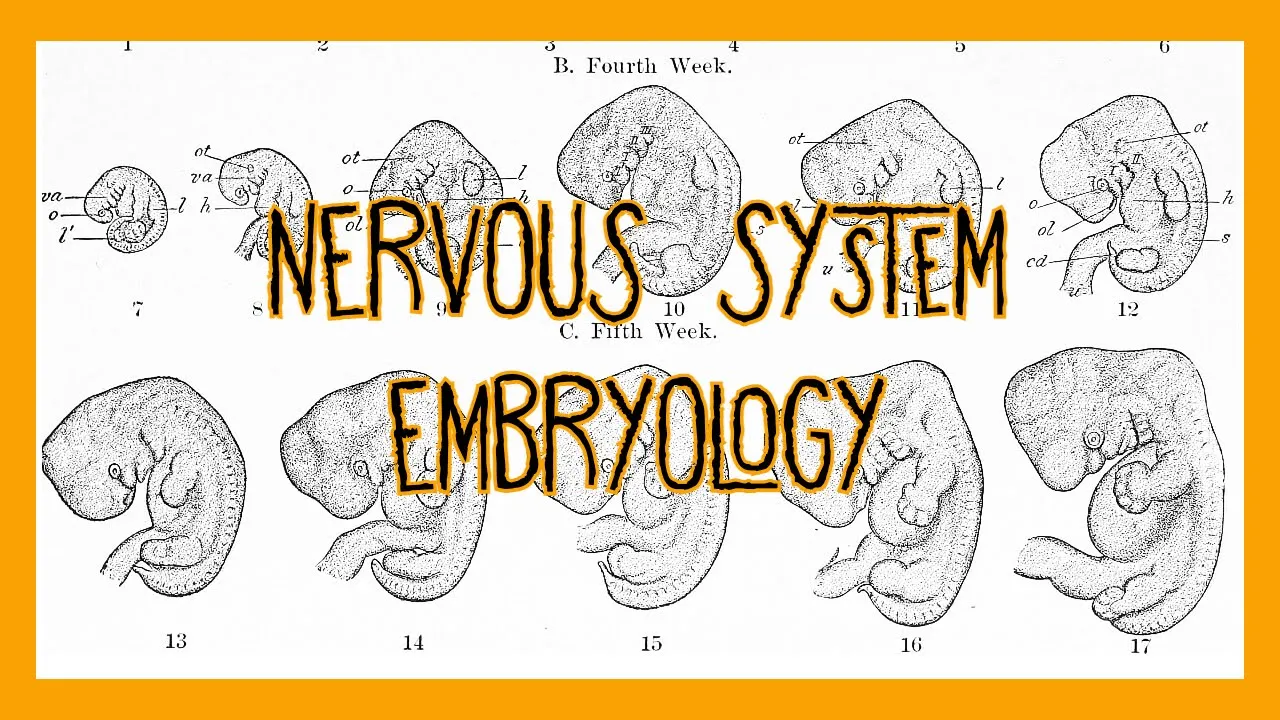









Neurulation is the embryonic process by which the neural tube forms from the ectoderm, serving as the blueprint for the human brain and spinal cord; this process involves neural induction by the notochord, folding of the neural plate into a neural groove, and closure of the neural tube by days 24-28, with folic acid deficiency potentially causing severe neural tube defects such as anencephaly and spina bifida.
Neurulation and Neurogenesis: Neural Tube Formation Explained
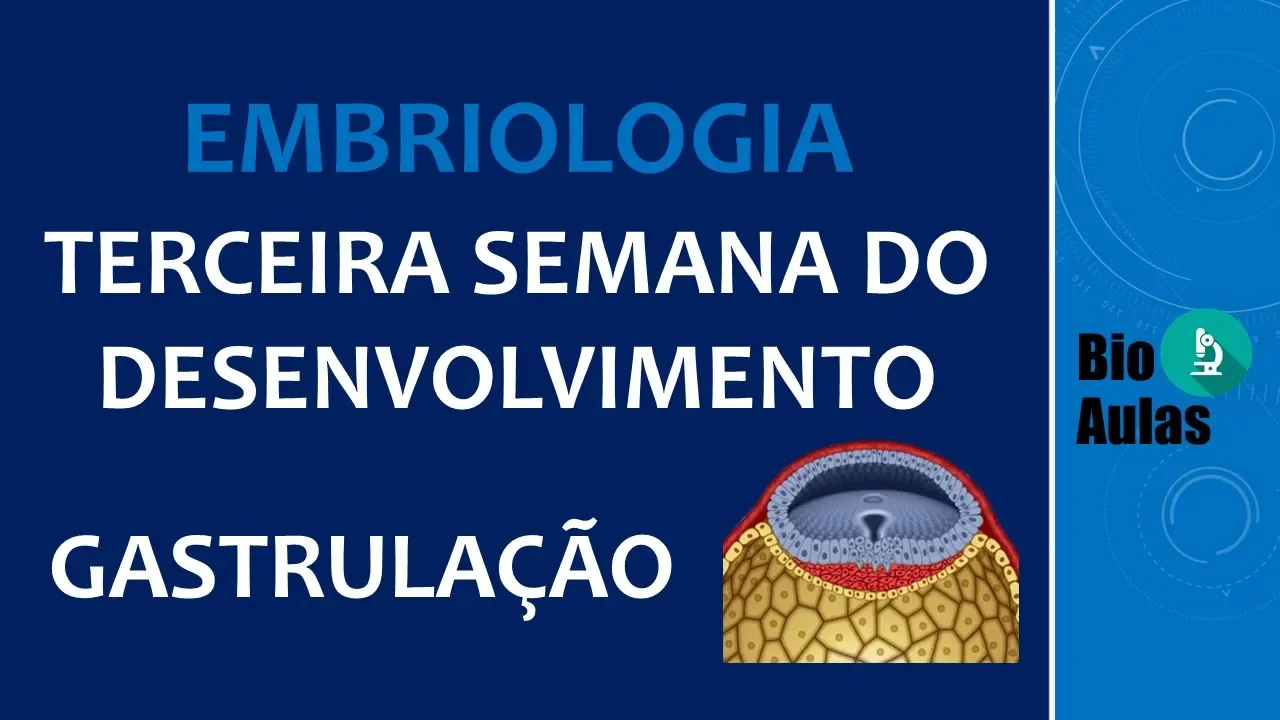
Added:The process of gastrulation and the establishment of the three embryonic germ layers (ectoderm, mesoderm, and endoderm).
The role of the notochord as a transient embryonic organizer that secretes key inductive signaling molecules.
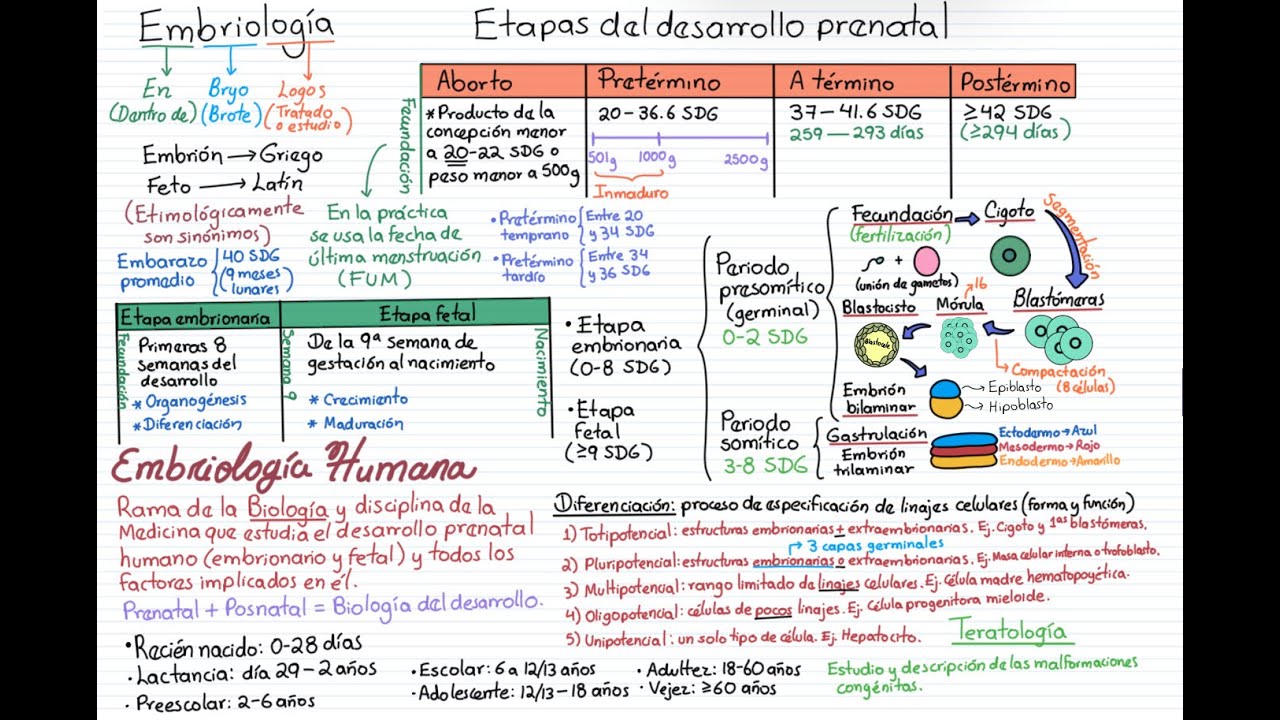
Basic anatomical directional terms used in embryology, such as dorsal-ventral and anterior-posterior axes.
Fundamental cell biology concepts including cell adhesion molecules and cytoskeletal remodeling (specifically apical constriction).
The differentiation of the neural tube into the primary brain vesicles (prosencephalon, mesencephalon, rhombencephalon) and the spinal cord.
The origin, migration pathways, and diverse cellular derivatives of neural crest cells (the 'fourth germ layer').
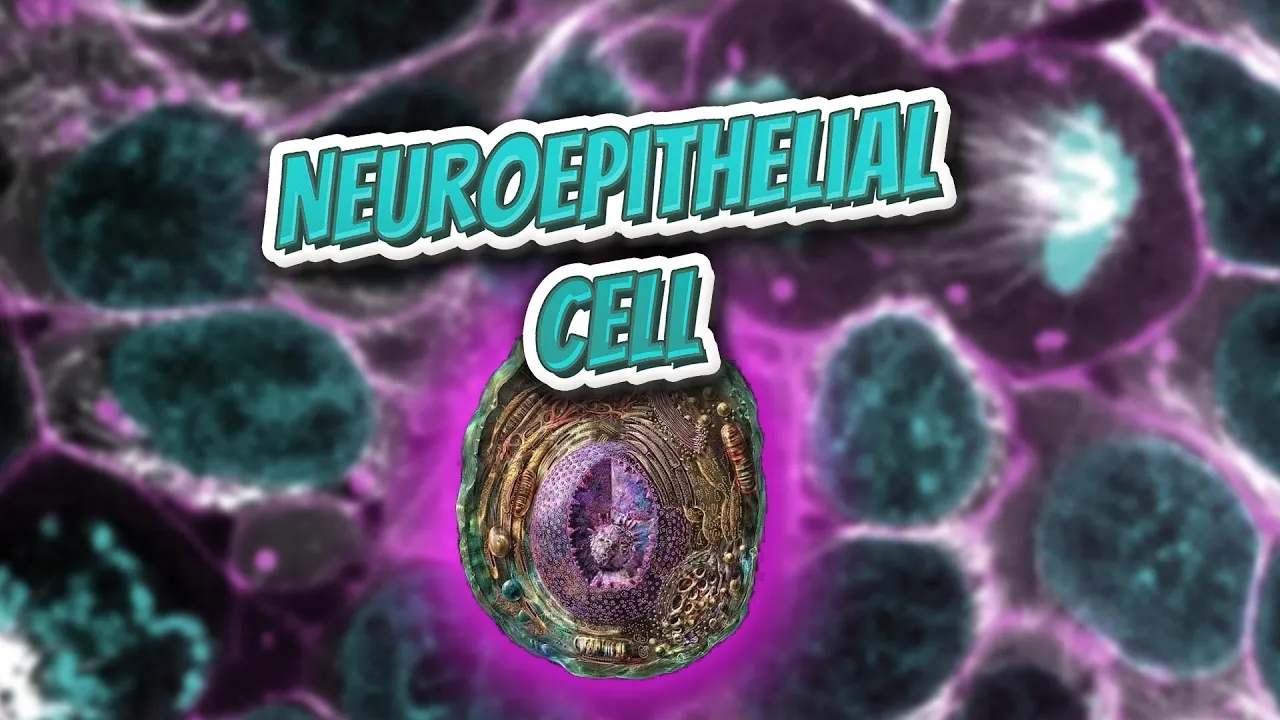
The cellular mechanisms of neurogenesis, including how neuroepithelial progenitor cells divide and differentiate into neurons and glia.
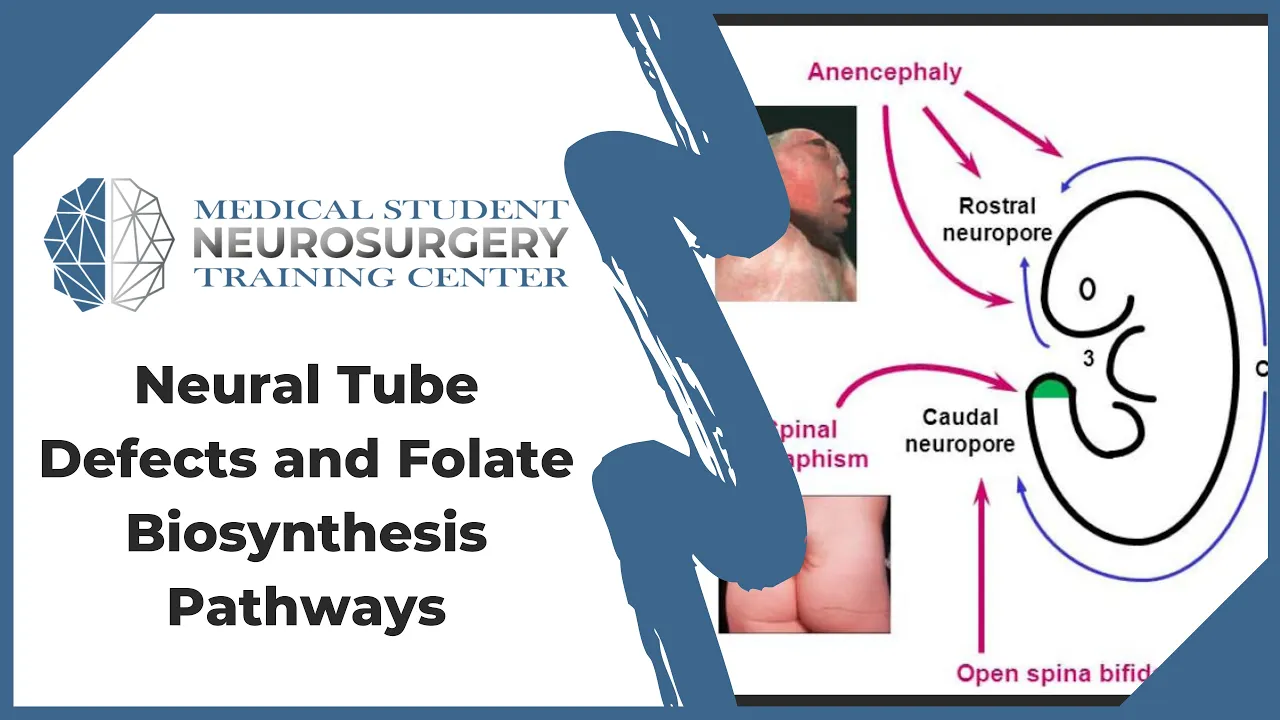
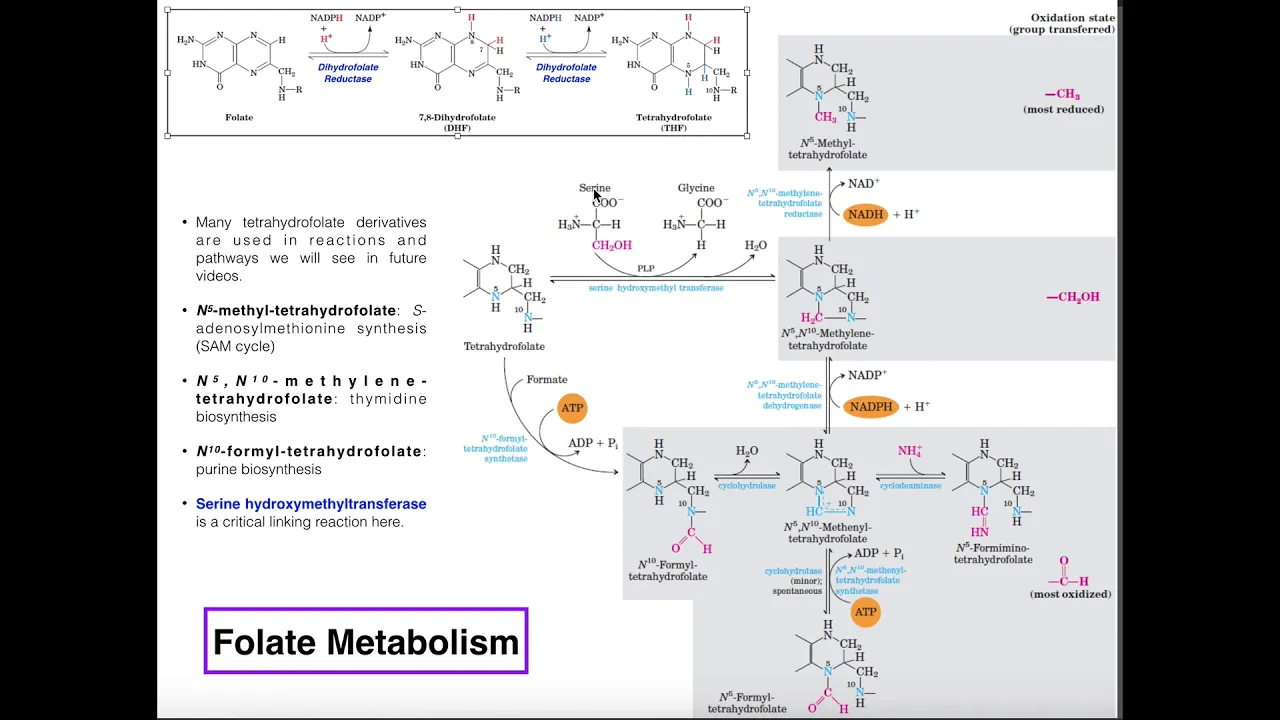
An in-depth clinical study of neural tube defects (e.g., spina bifida, anencephaly) and the biochemical role of folate in DNA synthesis and methylation.
52.4K views1.3Klikes17:50Original Release: 2023-10-18
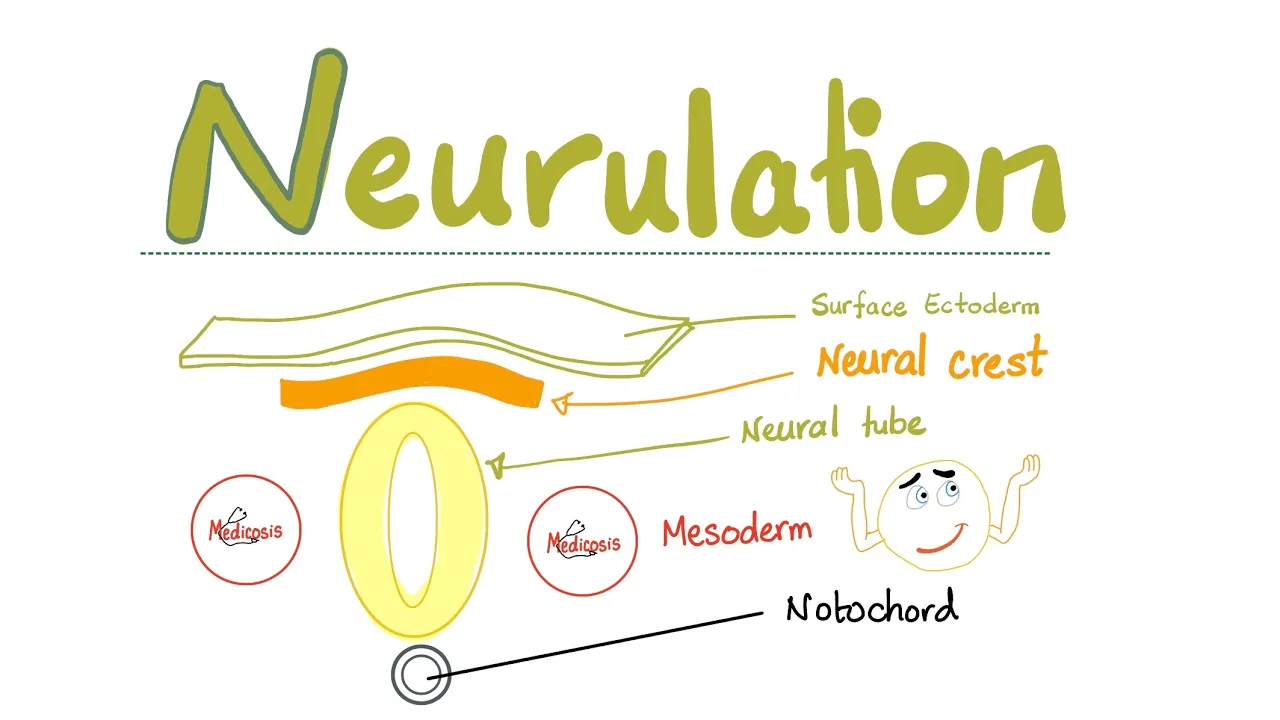
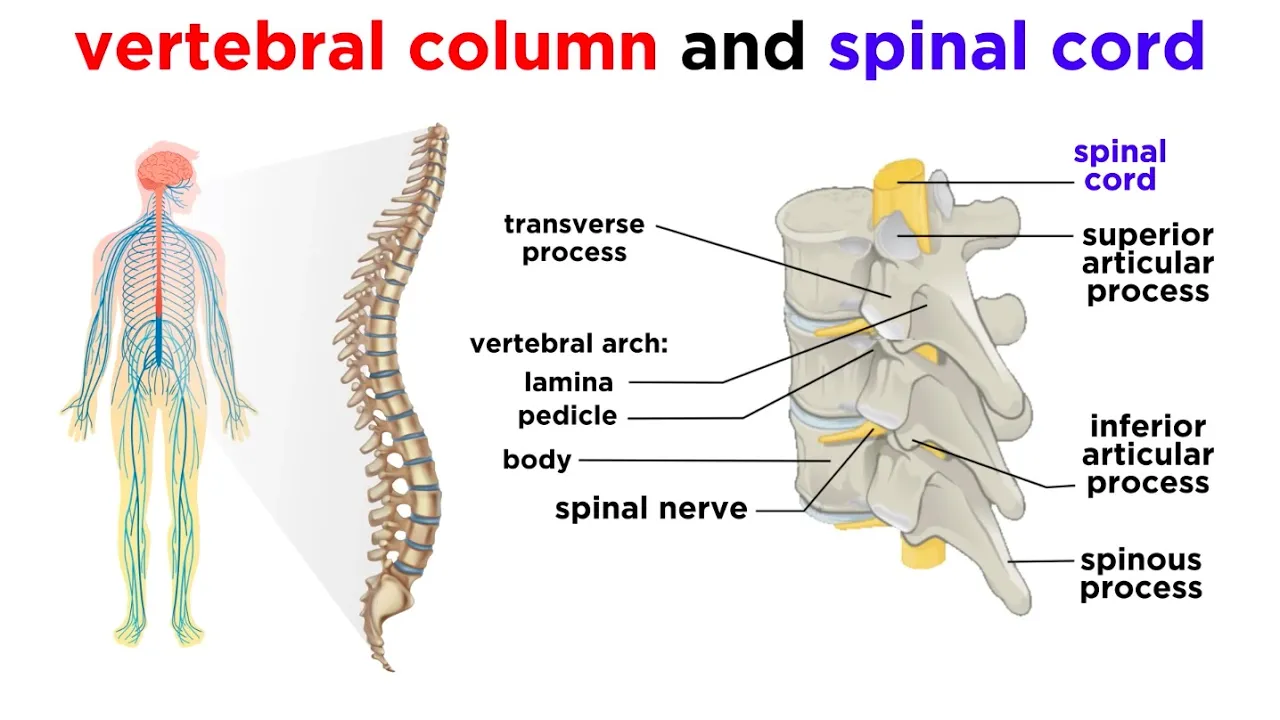
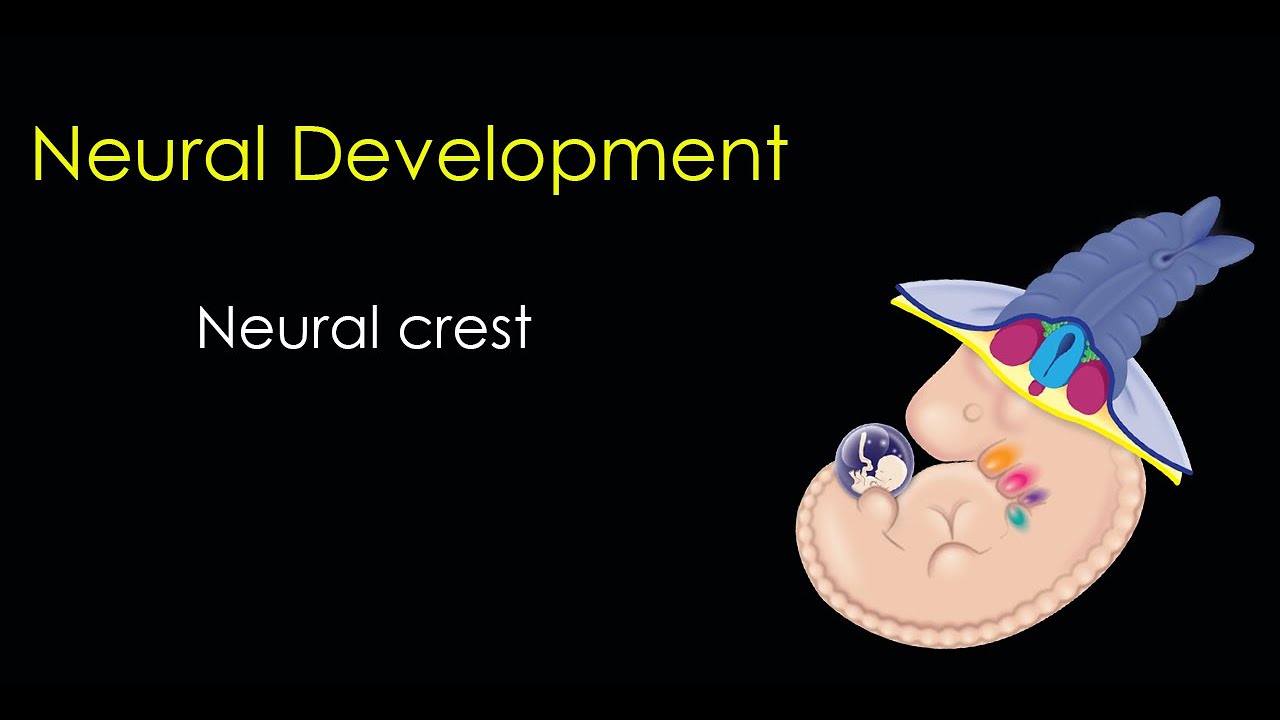
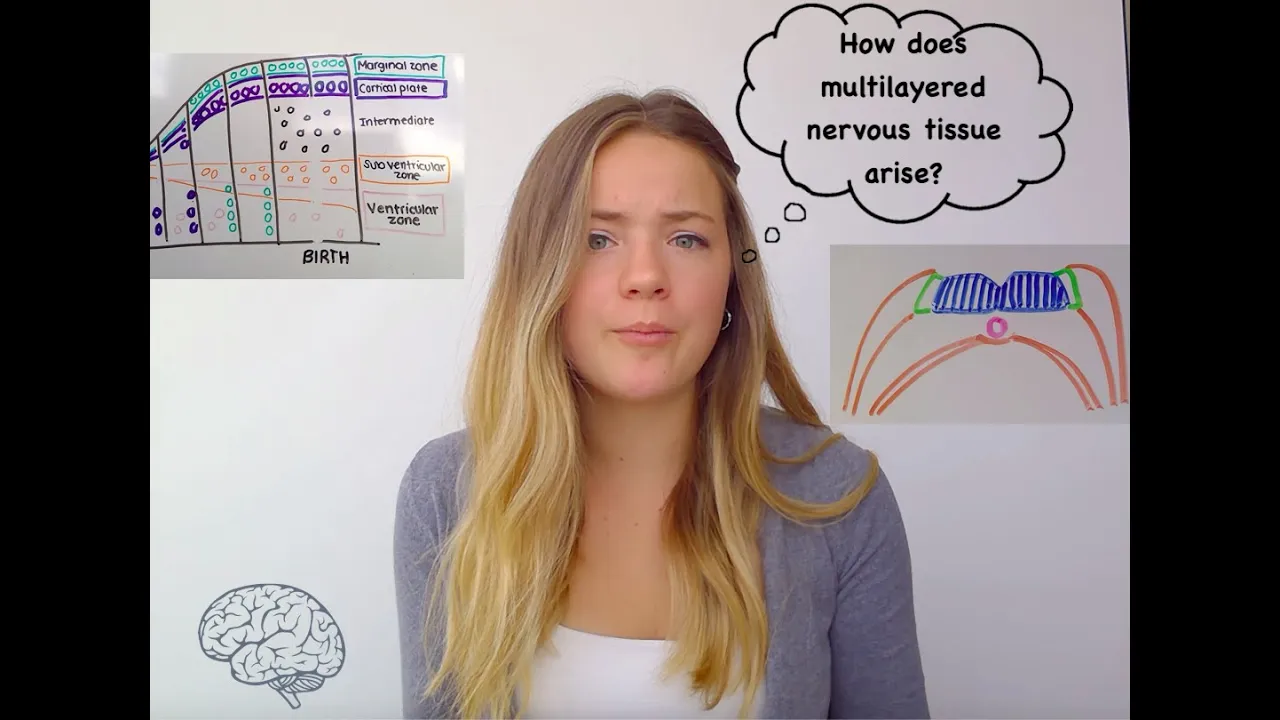
video we'll be talking about the process of neurulation this is a process by which the neural tube forms and this is the blueprint for the human brain one of the major events in the third week is the gastrulation that means the formation of three different germ layer so let us begin our journey from this particular stage so from the aplast three different germ layers are formed namely ectoderm mesoderm and endoderm from these three germ layers ectoderm is the layer which would form the central nervous system and the brain mesoderm and endoderm forms other systems so here we need to focus on ectoderm now the major event that happens at the end of the third week is the neural induction which is the key subprocess within the ne neurulation so in this case the pr primtive node induces the overlapping new ectoderm to form the neural plate or neuroectoderm so obviously NE the neural tube is actually derived from the ectoderm the entire nervous system is derived from the ectoderm the notocord actually induces formation of these ectoderm to become neuroectoderm and that's the rudimentary nervous system so this is around day 18 this is how the embryo will look like from a top view so this is the cranial end and this is the codal end around day 21 so you can see this nowhere looks like a brain at that this particular point of time but believe me eventually this would give rise to the embrionic brain so the ectoderm which is present on both the sides of this midline would eventually close like this particular Arrow Direction and it would form the neural tube at on day 22 one can clearly see the middle portion of these uh sheet is actually closed and formed a tube but both ends of this particular sheet is not closed properly yet so these are known as cranial neuropore and the cordal neuropore eventually in order to form that tube these two portions need to be closed properly at around day 24 the cranial neuropore should be closing and in this closing procedure there are nutrients which are super important such as the folic acid or vitamin B9 without vitamin B9 this closure cannot happen and that is why folic acid deficiency is detrimental folic acid is required in the first month of the pregnancy before even sometimes the woman W won't know that she is pregnant but folic acid is really important for the neural tube closure so the cranial neuropore closes around day 24 and the codal neuropore closes around day 28 approximately and if this closure doesn't happen properly then it might lead to problems like anany or spinabifida both are neural tube defects which lead to severe defects in the nervous system that is why every woman who wants to conceive should consider taking 400 microgr of folic acid on a daily basis and it's true because if you look at the global map the third world countries are more affected where vitamin or mineral or nutrition is a big problem whereas the incidence of neural tube defects are less common in case of the developed world now if the cranial end of the neurot tube fails to close there are many defects like anany the baby is born without the significant part of its brain then there is inany which leads to a extreme retroflexion of the head there is also known there there are defects also known as an Nal which is very hard to pronounce but anyway in this case the in the case of osil the sac is basically a sa like protrusion is found in the back of the head there is also another defect which is very hard to pronounce but known as crano ricus casis in this case what happens is the entire brain cranial Vault spinal cord everything is absent this is very severe the babies doesn't survive the less severe forms happens when there is a defect in the Cod End closing there could be open and close form of spinabifida where there are protusion of the spinal column either uh the nerve or the skin is exposed in the backside of the baby so all these things happens due to the deficiency of uh vitamin B12 and defects in neural tube closure now let's look at the neural tube closure from a cross-sectional view now we are not looking at the embryo from the top view we are looking at it from the cross-sectional view here are the three germ layers and mind that this is the Noto cord Noto cord secretes several factors morphogens importantly Sonic Hedgehog these things actually induce the ectoderm which is just above it and this ectoderm is now termed as neuroectoderm this is still an ectoderm but these cells has different properties different adhesion properties among themselves different molecular markers so this is the region which eventually give rise to the neural tube so this particular region is also known as neural plate and this formation or this induction is happening within the time period of day 18 to day 20 now after that a Groove would be formed this particular Groove that you can see here is known as the neural Groove because the neural plate begins to invaginate and this forms a dimple a Groove in the center that is the neural Groove eventually two sides of this neural Groove would come closer and closer till the point it Fus together to form the neural tube now you can see the neural tube formation is almost done and at this particular point at around day uh 28 this should be complete and at this point of time one can see this is the neural tube which would eventually give rise to central nervous system brain and the spinal CL cord and this is the neural crest cells these are specialized group of cells which are capable of giving rise to many cell types including cells of the peripheral nervous system in a different video we'll talk about the neural cells in details but right now we are focusing on the process of neurulation so this was the overview about neurulation now we are going to delve into the cellular details of neurogenesis so this is the top view and the cross-sectional view together so this is the neural plate induction then neural group formation eventually neural group the edges of the neural group come close to each other till the time they fuse and this is how the neural tube is generated now if you don't understand this process so far let me give you an analogy of a paper so roughly our nervous system which is formed from the neural tube is basically a pipe a pipe with disproportionate diameter at different locations so you can imagine the brain side is a thicker pipe whereas the spinal cord is a a thinner pipe anyway it's a pipe so in that case the development happens from a sheet so how do you make a pipe from a sheet you have to curl the pipe curl the sheet to form the pipe so imagine your folding this particular sheet and forming this tube and exactly that's what happens in the neural tube development so this is the fundamental of new relation now let's get back to the cellular details so this is the neural tube which is already uh the folding happened the closure happened now if we zoom into the neural tube we would see there are cell types which are known as neuroepithelial cells these neuroepithelial cells are actually stem cells which has the capability of self renewal they divide and give rise to daughter cells which are exactly identical and these neuroepithelial cells are actually ually giving rise to the neurons but in a sequential fashion so this is how it happens so neuroepithelial cells are the precursors for the radial Gia So eventually neuroepithelial cells would change their shape and size their adition properties and become radial gal cells so these neuroepithelial cells and Radial gal cells look quite different as the picture shows not only that these neuroepithelial cells are undifferentiated and they're lining the entire neural tube and they are they are stem cells they are stem in nature whereas the radial cells are one type of specialized neuroepithelial cell they also have the stem cell like property but they can give rise they can either divide symmetrically or asymmetrically as well now these neural uh epithelial cells or radial gal cells in the human brain shows a typical cell migration behavior and this cell migration behavior is known as interkinetic nuclear movement in order to understand the process of interkinetic move uh cell movement or the cell division during the uh generation of these radial gal cells we have to take a step back and try to understand this Dynamic process now we are looking at one section of the early embryonic brain and at that point of time of development you can see the brain looks pretty smooth from the beginning of the uh velopment the brain is not convoluted and garfied it is initially smooth eventually gyrification happens so now you can see these cells which are radial gal cells and look how these cell bodies change their position with respect to the ventricular surface and the pl surface while they divide they divide into two radial Gia eventually these two radial Gia are each able to divide and give rise to more radial Gia so this is how the radial Gia are actually moving up and down during this particular uh process of neurulation now let us try to understand this process in bit more details so this is how a radial Gia look like in the interphase so this is the G1 phase you can note the cell body of the radial Gia is up above from the ventricular surface it is quite above the ventricular surface the at the S phase it is quite close to the pl surface but from G1 from G2 phase these cell bodies start descending downwards you can see at PR metaphase and even at metaphase the cell bodies are exactly touching the ventricular surface so this is one peculiar um movement that happens during this process so the metaphysic cell bodies exactly lines to The ventricle when they are about to divide so this metaphysic particular radial Gia would eventually touch the ventric rular surface it would undergo anaphase and eventually cyesis then ultimately it would give rise to two daughter cells each of these daughter cells can divide symmetrically in the initial phase of the nervous system development the divisions are more symmetric that leads to a more number of stem cells this is known as Transit amplification that means if you have uh you have you have to invest somewhere you have to first amplify your money this is how n system stem increase the number of stem cells before giving rise to the neurons so now these radial gal progenitors which are born from the mother now would extend their processes towards the pl surface again the same division process would repeat you can see the cell bodies are now moving towards the ventricular surface and the mhase happens when they touch the ventricular surface and now they divides and give rise to again other daughter cells this is how the overall process of uh self renewal division takes place in the initial portion of the nervous in initial time point of the nervous system now after a point of time when there are substantial number of neuronal stem cells then it's time to give rise to neuron this process is known as neurogenesis in this case the radial Gia can give rise to neurogenic division so they can give rise to one neuron marked here in green and one radial glea so this is a asymmetric division instead of a symmetric division now when the time progresses after a point of time after giving rise to substantial number of neuron the radial gal progenitor would eventually produce gal cells such as the astrocytes how this temporal coordination is regulated in the brain is still debatable and a big question but the key essence of gliogenesis and the neurogenesis is time and external and internal influences now this is a particular timeline which would quickly summarize the process of cell birth in the uh brain development process so here is gestational week you can see the neur relation happens at very early stage within the five fifth week of the uh gestation then there is neurogenesis there is micro Invasion microglia are not born from neuronal stem cells they are coming from the mesodermal lineage they inate the brain then there is astrogliogenesis and after astrogenesis there is oligodendrogenesis and synaptogenesis happens somewhere around gestational week 16 and continues even after the birth and it is modified or synap synapse Genesis is modified based on experience and external stimuli now let us quickly look at some terminology at around gw3 or gational week 3 this is the basic blueprint of the brain you can see the the red portion is known as the for brain or prens ailon the green portion is known as the mlon and the yellow portion is known as the hind brain or the romen sealon so this is a broad demarcation of the three regions in the brain now at around gw7 we can see that there would be further uh subdivision of these regions for example proen cilon would give rise to tensilon and dilon romen seyon give rise to metencephalon and milen sealon so now we can understand complication and more intricate architecture is building up as the time progresses at around gw12 telencephalon give rise to cerebral hemispheres which are responsible for higher cognitive processing and function dianon form forms and give rise to the structures like Thalamus and hypothalamus which are involved in sensory processing homeostasis Etc then in the romlon metan sephon give rise to structures like pawns and cereum which are essential for motor coordination and fine-tuning balance then Mylon actually give rise to medula oblongata which is involved in autonomic functions like breathing heart rate control Etc so now we understand how the nervous system is getting from simple to complicated now this particular stage of formation of these specifical re region region is known as vesicularization so basic vesicles are forming in the brain which would eventually be uh regionalized into specific brain region so this kind of summarize our overall idea about neurulation eventually we would focus on corticogenesis that how cortex is formed how telencephalic or dilic development takes place from this stage and that happens within a long period of time with the influence of external and internal factors many cells are interplaying with each other with the signaling Pathways to make it happen this is not a simple process but I hope this video was simple enough to understand if you like this video give it a quick thumbs up get more notes and flash cards in our Instagram and Facebook page you can support our Channel using PayPal PTM or UPI see you in next video
Up Next

5:06
Bone Remodeling Explained: Osteoblasts & Osteoclasts in Bone Metabolism
@AKLECTURES
72.9K views•2014-10-01
50:12
Bacterial Communication: Quorum Sensing and Biofilm Formation Explained
@JHUAAP
12.6K views•2011-06-28

5:57
Frog Gastrulation: Xenopus Morphogenetic Movements Explained
@animatedbiologywitharpan
80.5K views•2023-04-07

7:08
Bacteriophages: Earth's Deadliest Killers and Future Antibiotics
@kurzgesagt
34.6M views•2018-05-13
Related Study Plans & Knowledge Roadmaps
Structured learning paths in Biology
biology
RNAi: Biogenesis, RISC & Gene Silencing
01Molecular Biology Foundations: DNA to Protein
02Introduction to RNA Interference (RNAi)
03Molecular Biogenesis of miRNA and siRNA
+ 2 more learning modules
10h5 modules
Explore Roadmap
biology
Mycorrhizae: Signaling, Biophysics & Ecology
01Foundations of Mycorrhizal Symbiosis
02Molecular Signaling and Root Colonization
03Biophysics and Bioenergetics of Nutrient Exchange
+ 1 more learning modules
11h4 modules
Explore Roadmap
biology
Circadian Clocks: TTFL, SCN & Periphery
01Foundations of Molecular Biology & Gene Expression
02Introduction to Chronobiology and Actograms
03The Core TTFL: Molecular Architecture of the Clock
+ 3 more learning modules
14h6 modules
Explore Roadmap
biology
Population Genetics: Math, Drift & Selection
01Genetic & Probability Foundations
02The Hardy-Weinberg Principle and Baseline Models
03Mathematical Modeling of Natural Selection
+ 3 more learning modules
18h6 modules
Explore Roadmap