
![[8/20] 生物 〜生殖と発生②〜ウニ・カエルの発生らへんをアニメでやってみた](https://i.ytimg.com/vi/Ebo-vfvaY7A/hqdefault.jpg)


















Gastrulation in Xenopus frogs involves coordinated morphogenetic movements including invagination (where bottle cells at the blastopore invaginate inward), involution (where mesodermal cells slide beneath the ectoderm), and epiboly (where ectodermal cells spread outward to envelop the embryo), resulting in the formation of three germ layers—ectoderm, mesoderm, and endoderm—that establish the body plan and create the archenteron (primitive gut).
Frog Gastrulation: Xenopus Morphogenetic Movements Explained
Added:Understanding of the cleavage stage and blastula formation in early embryonic development.
Familiarity with the anatomical polarity of the amphibian egg, specifically the animal and vegetal poles and the grey crescent.
Basic knowledge of the definition and ultimate fates of the three primary germ layers: ectoderm, mesoderm, and endoderm.
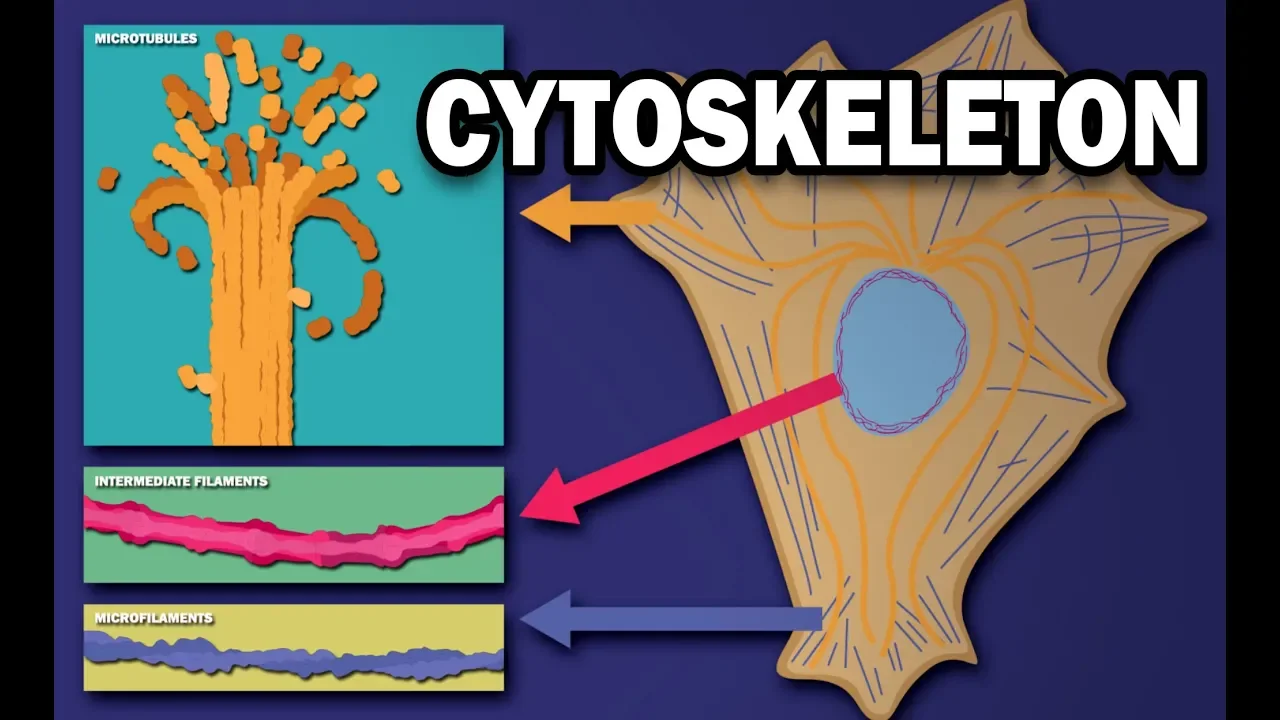
Fundamental cell biology concepts regarding how the cytoskeleton (actin and microtubules) and cell adhesion molecules drive changes in cell shape and movement.
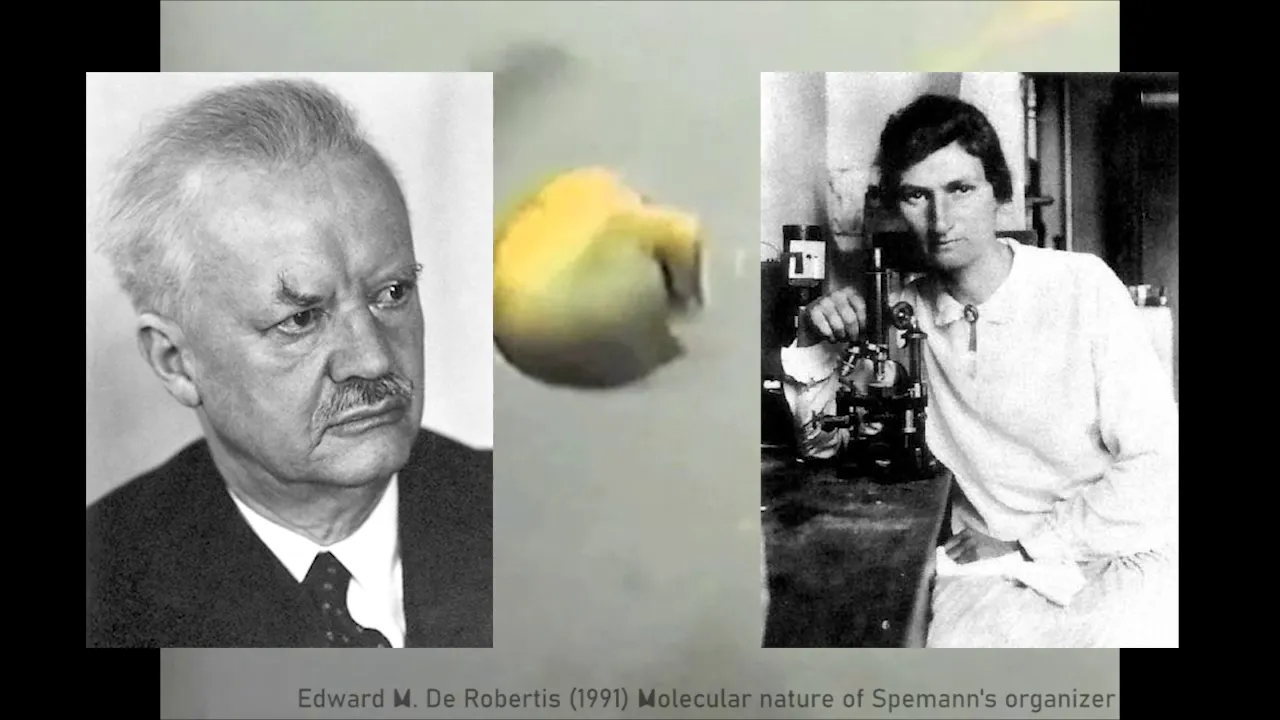
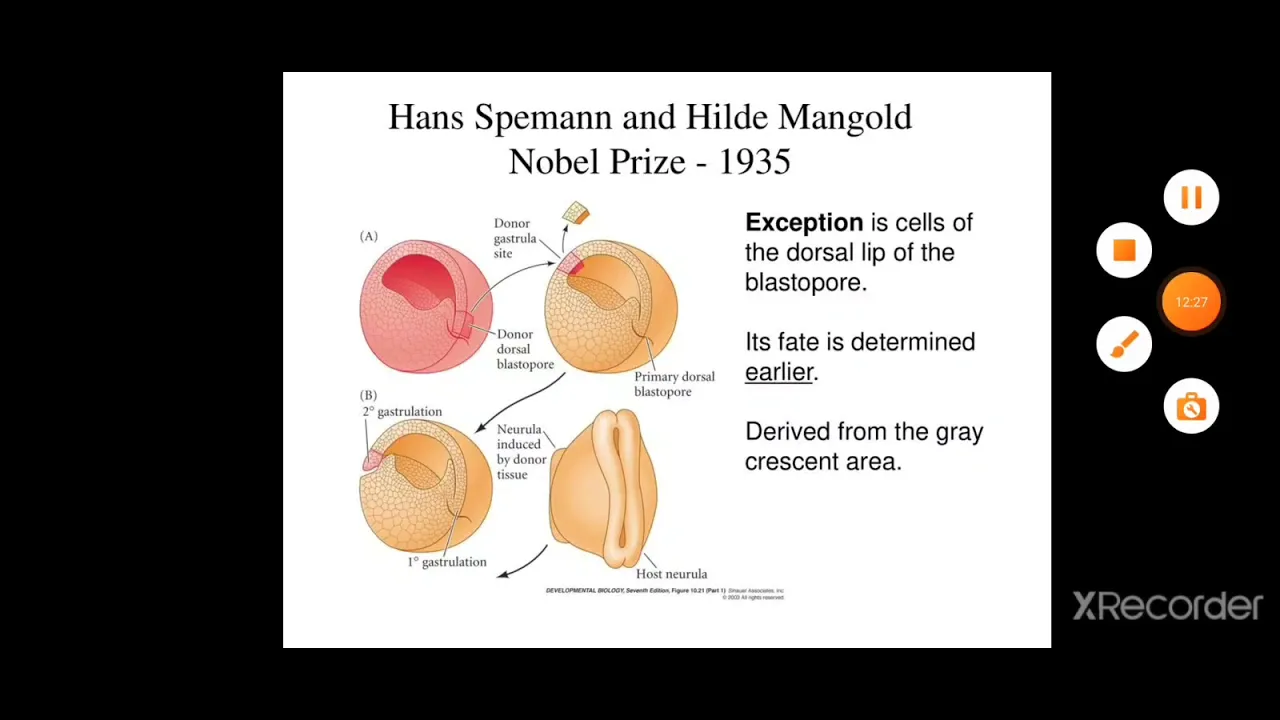
Study of the Spemann-Mangold organizer and the molecular signaling cascades (such as Wnt, BMP, and Nodal pathways) that coordinate gastrulation.
Investigation of neurulation, the subsequent developmental phase involving the formation of the neural tube and nervous system.
Comparative embryology, analyzing how Xenopus gastrulation movements differ from those in amniotes (like chicks and mice) which utilize a primitive streak.
Exploration of organogenesis, examining how the repositioned germ layers undergo tissue-specific differentiation to form functional organ systems.
80.5K views1.5Klikes5:57Original Release: 2023-04-07
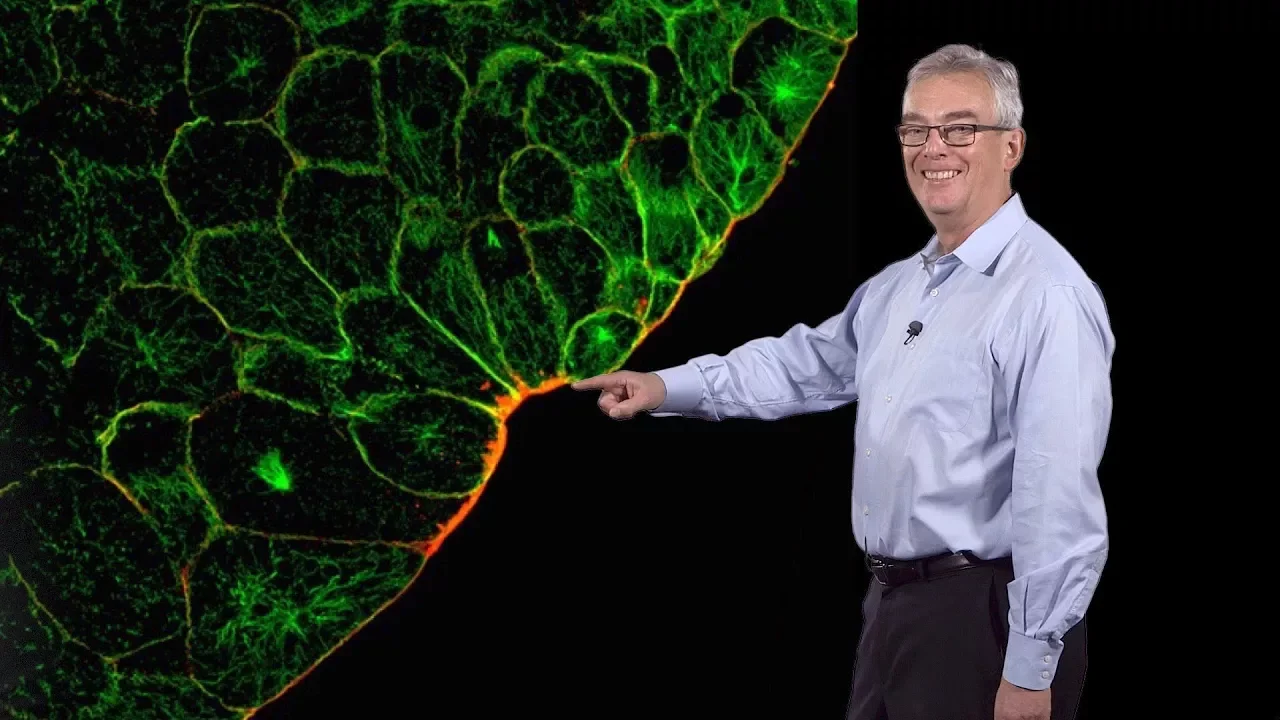
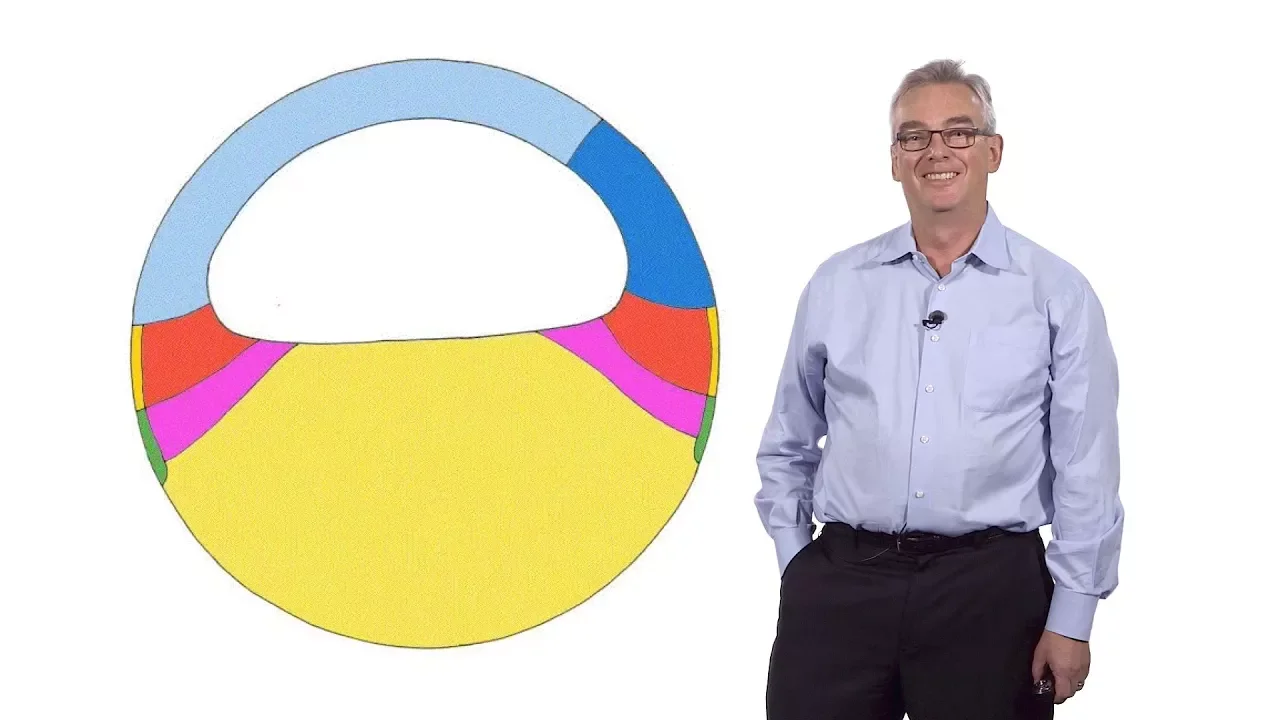
in this video we'll talk about the process of gastrulation in frogs especially we would look at the morphogenetic movements during the Frog gastrulation so what really happens during the Frog gastrulation during gastrulation the cells of blastula are given new positions they got new neighbors and they form a multicellular body plan now this is a common theme in any kind of gastrulation where one layer of cells eventually give rise give rise to multiple layers which forms ectoderm mesoderm and endoderm now there are characteristic morphogenetic movements which we have discussed in earlier videos like invagination ingression involution delamination and Epi bully all of these morphogenetic movements are really essential during gastrulation these are common themes if you want to learn details about these click on the video in the I button but in this video we would try to appreciate where and when these kind of basic morphogenetic movement happens during the Frog gastrulation so if we cut a long story short this is how the Frog gastrulation would look like in this particular diagram the red represents ectoderm blue represents mesoderm and yellow represents endoderm so during the process of frog gastrulation first the goal is to bring the endodermal organs or the cells that give rise to endoderm inside of the embryo which is currently outside in the Blastoise blastocyst stage now then we have to surround the embryo with a sheath of ectoderm and finally the challenges took place the mesoderm cells in between the ectoderm and endoderm so overall this tells us that there is a reorganization of these germ layers during the process of gastrulation so obviously we have to appreciate the morphogenetic movement that give rise to this kind of reorganization so this is the starting point you can see this particular blastula of the xenopus the vegetal pole and the animal pole is depicted like this and the cavity is known as blastocele so each three color represent different layers mesoderm ectoderm and endoderm which are different defined earlier now first of all there are cells known as bottle cells and these cells invaginate through the blastopore so the first movement that happens during the process of frog gastrulation is invagination so these bottle cells has ah kind of like bottle-like neck that protrudes towards the surface and these bottle cells are really important to understand the overall process of gastrulation the bottle cells move inside and forms a narrow canal-like situation anyway in this particular diagram you can appreciate how the ectoderm is shown here then the mesoderm can further be divided into so both of these form together the involuting marginal Zone because the second movement we are talking about is the involution remember involution means sliding one sheet of cells below the another so Follow the arrow to understand how these cells of misoderm would eventually involute and grow slowly just beneath the ectodermal layer so let us follow the movement of these blue cells while these blue cells are moving beneath the red cells the red cells are undergoing the process of Epi bully API bully is a movement by which the entire embryo would be surrounded by these ectodermal cells so two simultaneous movement is going on Whose result is somewhat like this so again we can see the dorsal lip here this Arrow suggests the direction of involution movement of the mesoderm tissue or imz tissue and the outer Arrow shows the direction of AP Boolean so involution and AP bully are two important movement that are happening during the frog gastrulation epiboli is occurring in the ectodermal cells and imz or the mesodermal cells are actually involuting so these are two appreciable morphogenetic movements that are nicely trackable if one put a dye in these path of these moving cells eventually one can track the movement by tracking the dye so overall we learned how uh different layers get arranged during the formation of frog gastrula and you can see the internal dark yellow cavity that is known as arkentiron because Blaster seal is now kind of shrunken and it is removed now arkant Iran is the new cavity which is surrounded by the endoderm and archenteron is the Primitive gut eventually it would give rise to the alimentary canal of these tadpoles so overall we looked at the process of um gastrulation we appreciated the movements like AP bully and we appreciated the movements like involution that happens during this process so I hope this was short and useful if you like this video give it a quick thumbs up don't forget to like share and subscribe please follow us on Instagram and Facebook support our Channel using super thanks see you in next video
Up Next

9:53
Cleavage and Blastulation in Embryology | Zygote Development
@AKLECTURES
229.9K views•2014-12-06
50:12
Bacterial Communication: Quorum Sensing and Biofilm Formation Explained
@JHUAAP
12.6K views•2011-06-28
17:50
Neurulation and Neurogenesis: Neural Tube Formation Explained
@animatedbiologywitharpan
52.4K views•2023-10-18
7:08
Bacteriophages: Earth's Deadliest Killers and Future Antibiotics
@kurzgesagt
34.6M views•2018-05-13
Related Study Plans & Knowledge Roadmaps
Structured learning paths in Biology
biology
RNAi: Biogenesis, RISC & Gene Silencing
01Molecular Biology Foundations: DNA to Protein
02Introduction to RNA Interference (RNAi)
03Molecular Biogenesis of miRNA and siRNA
+ 2 more learning modules
10h5 modules
Explore Roadmap
biology
Mycorrhizae: Signaling, Biophysics & Ecology
01Foundations of Mycorrhizal Symbiosis
02Molecular Signaling and Root Colonization
03Biophysics and Bioenergetics of Nutrient Exchange
+ 1 more learning modules
11h4 modules
Explore Roadmap
biology
Circadian Clocks: TTFL, SCN & Periphery
01Foundations of Molecular Biology & Gene Expression
02Introduction to Chronobiology and Actograms
03The Core TTFL: Molecular Architecture of the Clock
+ 3 more learning modules
14h6 modules
Explore Roadmap
biology
Population Genetics: Math, Drift & Selection
01Genetic & Probability Foundations
02The Hardy-Weinberg Principle and Baseline Models
03Mathematical Modeling of Natural Selection
+ 3 more learning modules
18h6 modules
Explore Roadmap