








![[8/20] 生物 〜生殖と発生②〜ウニ・カエルの発生らへんをアニメでやってみた](https://i.ytimg.com/vi/Ebo-vfvaY7A/hqdefault.jpg)






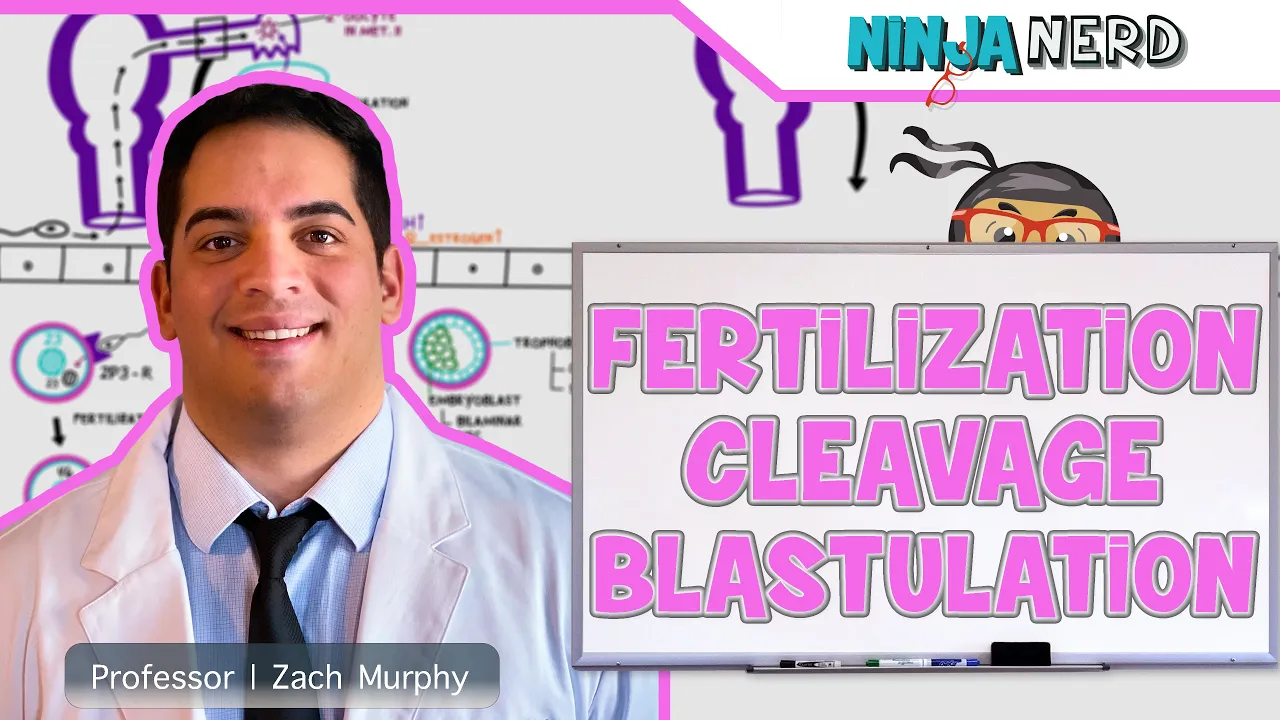
After fertilization, the zygote undergoes rapid mitotic divisions called cleavage, producing identical blastomeres that form a morula (32-cell stage); this continues through blastulation to form a blastula (blastocyst in mammals) with three key components: the trophoblast (which develops into the chorion and placenta), the inner cell mass (which develops into the embryo proper), and the blastocoel (fluid-filled cavity providing nutrition).
Cleavage and Blastulation in Embryology | Zygote Development
Added:The process of fertilization, including how haploid male and female gametes fuse to create a diploid zygote.
The mechanics of mitosis and cell division, as cleavage involves rapid mitotic divisions without overall cell growth.
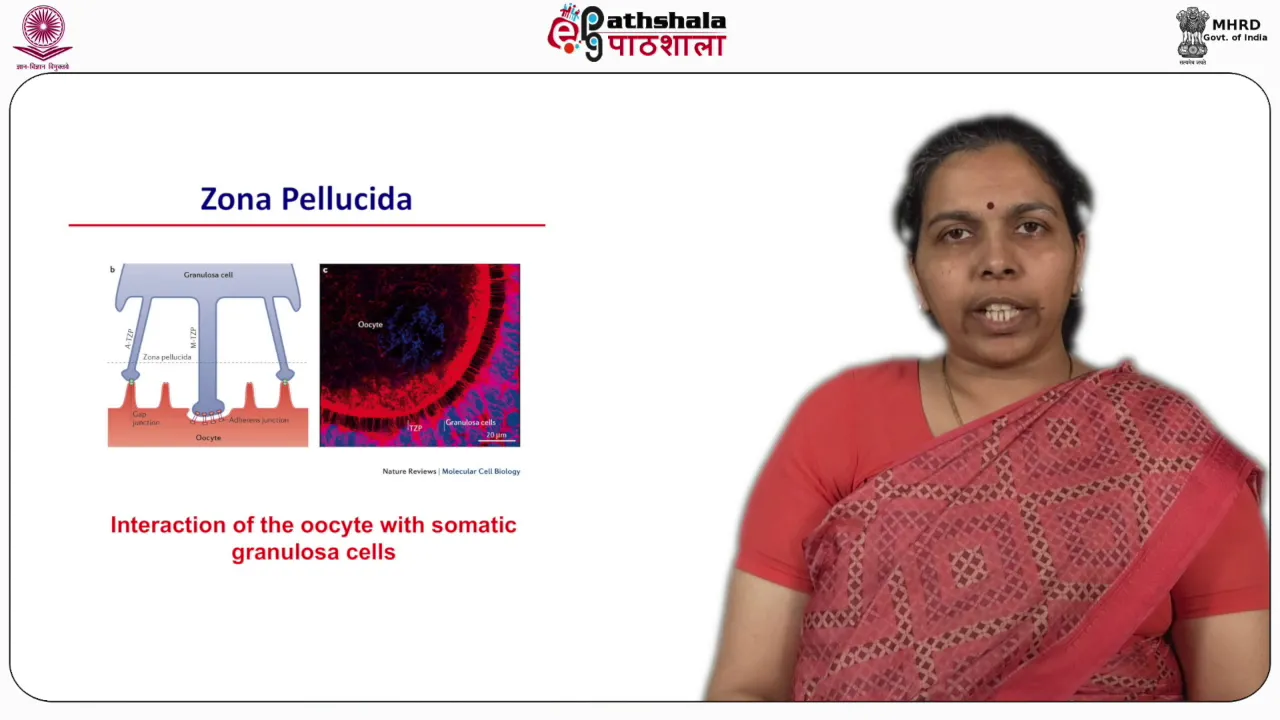
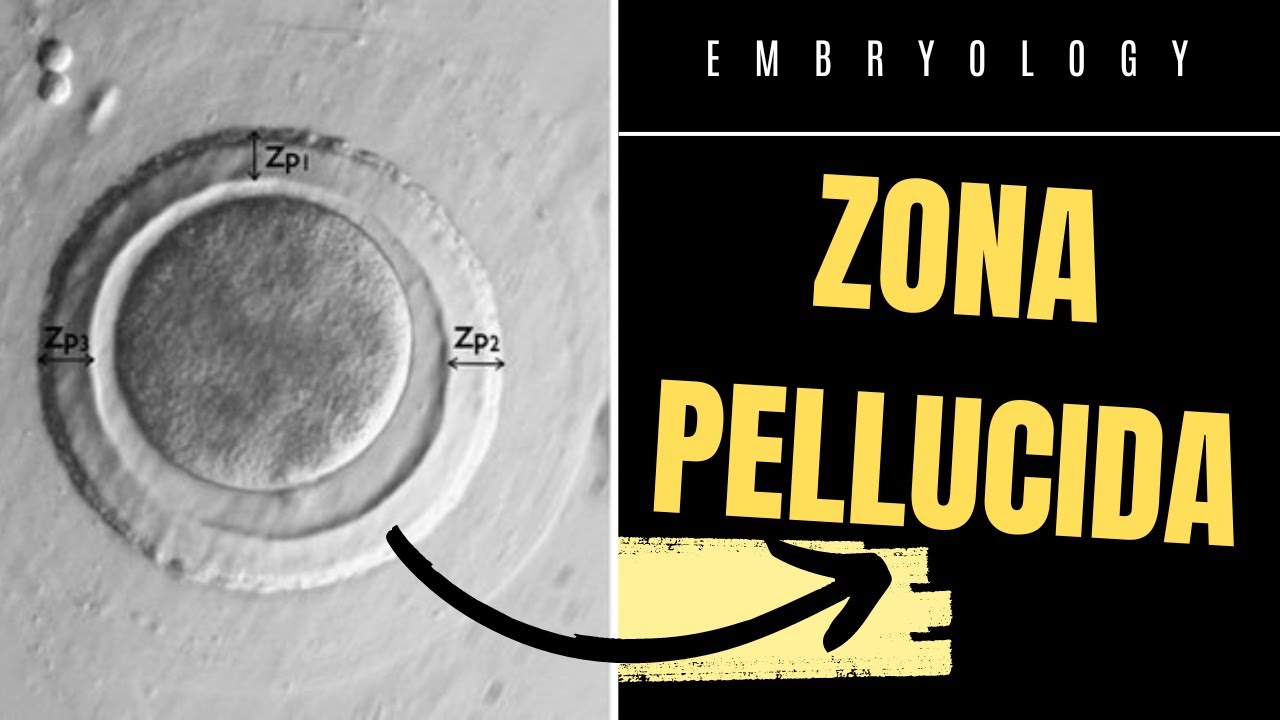
The structure and function of the zona pellucida, the glycoprotein membrane surrounding the plasma membrane of an oocyte.
The process of implantation, wherein the blastocyst adheres to and embeds itself within the uterine wall.
Gastrulation, the phase in embryonic development during which the single-layered blastula reorganizes into a trilaminar structure consisting of three germ layers.
The biology of embryonic stem cells, specifically focusing on the pluripotency of the inner cell mass (ICM).
Early organogenesis and neurulation, exploring how the germ layers differentiate into specific organ systems.
229.9K views2.5Klikes9:53Original Release: 2014-12-06
embryological development are a series of complex and intricate processes that ultimately allow the zygote following fertilization to develop into the billions and billions of cells that make up the adult individual and in this lecture we're going to discuss the first two processes of embryological development we're going to focus on cleavage as well as blastulation but first let's begin by taking a look at the following diagram that Des Des cries the structure of the female reproductive system so we have the ovary we have the fallopian tube and we have the uterus now what happens inside the ovary well inside the ovary we have the development of that oide the oide is found inside the follicle so the primary follicle becomes a secondary follicle in the process we produce estrogen and the estrogen what it does is it begins the thickening of the lining of the uterus is it initiates the thickening of the endometrium that is needed for implantation to actually take place So eventually when we form the mature secondary follicle ovulation takes place and that follicle ruptures releasing that secondary oide the Exel into the parital cavity and from the parital cavity the secondary oide moves into our fallopian tube this structure right here now the fallopian two basically acts as a passageway and allows the movement of the secondary oide the ex cell along this canal and into the uterus so inside the fallopian tube the cells that line the fallopian tube contain cyia and the wav like motion of the cyia allows the movement of that oide along the fallopian tube in addition the peristalsis the contraction of the muscle along the fallopian tube also allows the movement of that oide along that canal and the uterus now let's suppose that this particular individual undergoes sexual intercourse so that sperm cells are deposited into the vaginal cavity from the vaginal cavity those sperm cells move into the uterus and eventually make their way into the fallopian tube and at this portion at the thickest portion of the fallopian tube a single sperm cell will combine with with the secondary OSI and this is the process of fertilization so fertilization takes place within this section now following fertilization we have an influx of calcium ions into the cytoplasm of that formed zygote and what the influx of calcium ions does is it initiates a set of metabolic processes for example it initiates the cortical reaction and this leads to the formation of a membrane that basically is impermeable to sperm cells so no other sperm cell can actually make its way into that X cell now the influx of calcium ions also initiates other metabolic processes such as protein synthesis and and eventually this leads to the process of mitosis so the zygote begins to divide following uh shortly afterwards the process of fertilization now why would the zygote actually want to or need to divide well because the entire organism contains cells the building blocks of the organism are cells and that means we have to take that single cell zygote and develop as many cells as possible and that's exactly why mitosis begins to take place shortly following fertilization so right about here we have the first my iotic process take place and the unicellular zygote begins to undergo mitosis it replicates the DNA and then cyto Kinesis takes place and we form a structure that contains two identical cells that are equal size and which have the same exact genetic information now by definition a zygote only consists of one cell and as soon as we form these two cells this is no longer a Zod but now we refer to it as the developing embryo so this is a two celled embryo which is found right about here now following this process two cells are not enough we have to produce hundreds of cells and so what happens is these two cells begin to divide via the same process mitosis so they produce a four celled embryo and so now we have these four identical cells that contain the same EX act genetic information and this process doesn't stop here it continues eventually we form a structure that consist of 32 identical cells that all carry the same exact genetic information at this point these individual cells are called blastomers and this entire structure is called the morala now what the morala is is this spherical structure of identical cells and this is a structure that is uh that exists during the process of cleavage so everything we discussed so far which are basically very quick and very rapid mitotic divisions this process is known as cleavage and during cleavage the cells individual cells do not actually grow in fact the cells get smaller and smaller but these cells are identical they carry the same exact genetic information and they are of equal size so what exactly is the purpose of cleavage well the purpose of cleavage is to actually partition that zygote into many identical cells so that we can use these identical cells later on as the building blocks to actually form that developing embryo and eventually form that organism the adult organism so this is the process of this is the process of cleavage now let's move on to the process known as blastulation so this structure here the morala will continue dividing these individual cells the blastomers will continue to divide via mitosis until we form a sphere that consists of hundreds of cells and inside the sphere we're going to have a hollow cavity that will consist of fluid and this entire structure is called the black blastula and this process is known as blastulation now in humans and other mammals the blastula is also known as a blasty and the inner cavity the fluid filed cavity of that structure is known as a Blasta seal so this is the process of blastulation so the morala the individual cells of the Mora will continue to divide via the process of mitosis and EV eventually they will begin to organize themselves into this three-dimensional structure shown here known as the blasty or the blastula so notice we have three important components of the blasey we have this outer structure of cells known as the Tropa blast we have this inner collection of cells found on one side known as the Inner Cell mass and then we have this Hol cavity that contains a fluid that is used to basically provide the nutrition to these cells that the cells need to actually go uh grow and develop and this cavity is known as a blastic seal now what exactly is the function of the Inner Cell mass and the Tropa blast well the Tropa blast will eventually develop into the coron and the placenta of the fetus while the Inner Cell Mass these cells here shown in light purple will eventually develop into the actual or organism into the uh tissues into the uh organs and the systems of that individual now notice everything we've discussed so far was actually before implantation took place so during fertilization this zygote begins to move it under goes the first mitotic Division and right about here we form that morula or the Mora and what this Mora consists of is these 32 identical cells that carry the same exact genetic information and which are of equal size and eventually as this structure moves its way and makes its way into the actual space of the uterus it develops into the blastula via the process of blastulation so this is this structure right here and eventually what happens is 5 to 8 days following fertilization that blastula will implant itself onto the endom Atrium the lining of that uterus that was prepared by the two hormones estrogen as well as progesterone that were released by the corpus ludum now only if implantation actually takes place can the blastula develop into the next structure and we're going to focus on that in the next lecture
Up Next

12:20
Early Embryogenesis: Cleavage, Blastulation, Gastrulation, Neurulation
@khanacademymedicine
2.4M views•2014-10-24
50:12
Bacterial Communication: Quorum Sensing and Biofilm Formation Explained
@JHUAAP
12.6K views•2011-06-28

7:47
Post-Translational Modifications Explained: Types & Functions
@AKLECTURES
136.8K views•2014-09-11
7:08
Bacteriophages: Earth's Deadliest Killers and Future Antibiotics
@kurzgesagt
34.6M views•2018-05-13
Related Study Plans & Knowledge Roadmaps
Structured learning paths in Biology
biology
RNAi: Biogenesis, RISC & Gene Silencing
01Molecular Biology Foundations: DNA to Protein
02Introduction to RNA Interference (RNAi)
03Molecular Biogenesis of miRNA and siRNA
+ 2 more learning modules
10h5 modules
Explore Roadmap
biology
Mycorrhizae: Signaling, Biophysics & Ecology
01Foundations of Mycorrhizal Symbiosis
02Molecular Signaling and Root Colonization
03Biophysics and Bioenergetics of Nutrient Exchange
+ 1 more learning modules
11h4 modules
Explore Roadmap
biology
Circadian Clocks: TTFL, SCN & Periphery
01Foundations of Molecular Biology & Gene Expression
02Introduction to Chronobiology and Actograms
03The Core TTFL: Molecular Architecture of the Clock
+ 3 more learning modules
14h6 modules
Explore Roadmap
biology
Population Genetics: Math, Drift & Selection
01Genetic & Probability Foundations
02The Hardy-Weinberg Principle and Baseline Models
03Mathematical Modeling of Natural Selection
+ 3 more learning modules
18h6 modules
Explore Roadmap