



















![Totipotent, Pluripotent & Multipotent Stem Cells - What is the Difference? [Cell Potency]](https://i.ytimg.com/vi_webp/6vkFU5dWjTU/maxresdefault.webp)





Early embryogenesis involves four sequential stages: cleavage (rapid cell division without growth transforming a zygote into a morula of 16-32 cells), blastulation (formation of the blastocyst with an inner cell mass and trophoblasts), gastrulation (development of the primitive streak leading to three germ layers: ectoderm, mesoderm, and endoderm), and neurulation (formation of the neural tube from the ectoderm induced by the notochord, with neural crest cells migrating away).
Early Embryogenesis: Cleavage, Blastulation, Gastrulation, Neurulation
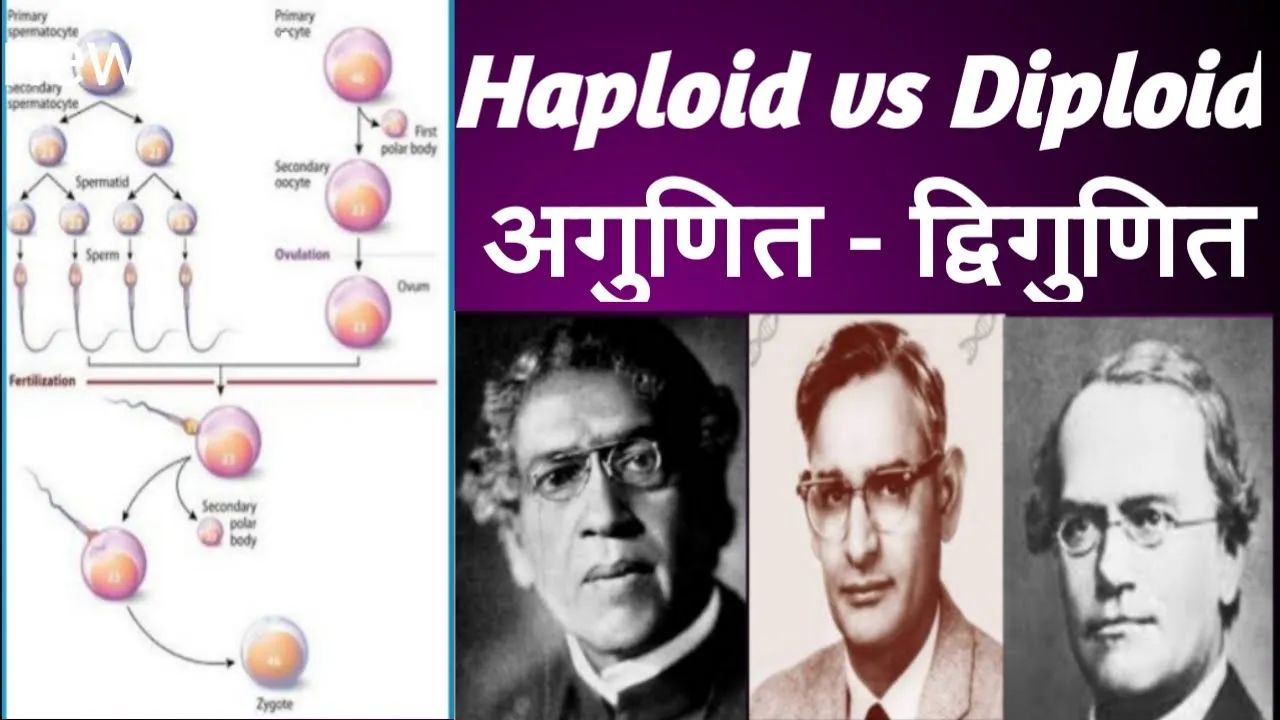
Added:The process of fertilization, including how haploid gametes (sperm and egg) fuse to create a diploid zygote.
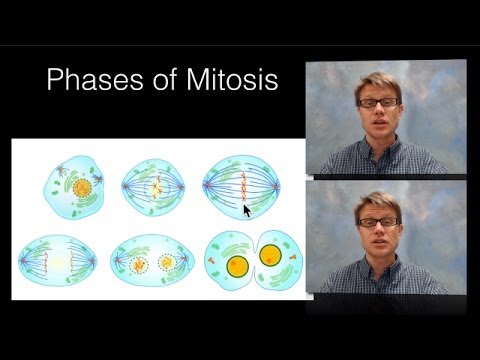
The fundamentals of mitosis and the cell cycle, which govern the rapid cell divisions during early development.
Basic cellular anatomy and the concept of cell ploidy (haploid vs. diploid states).
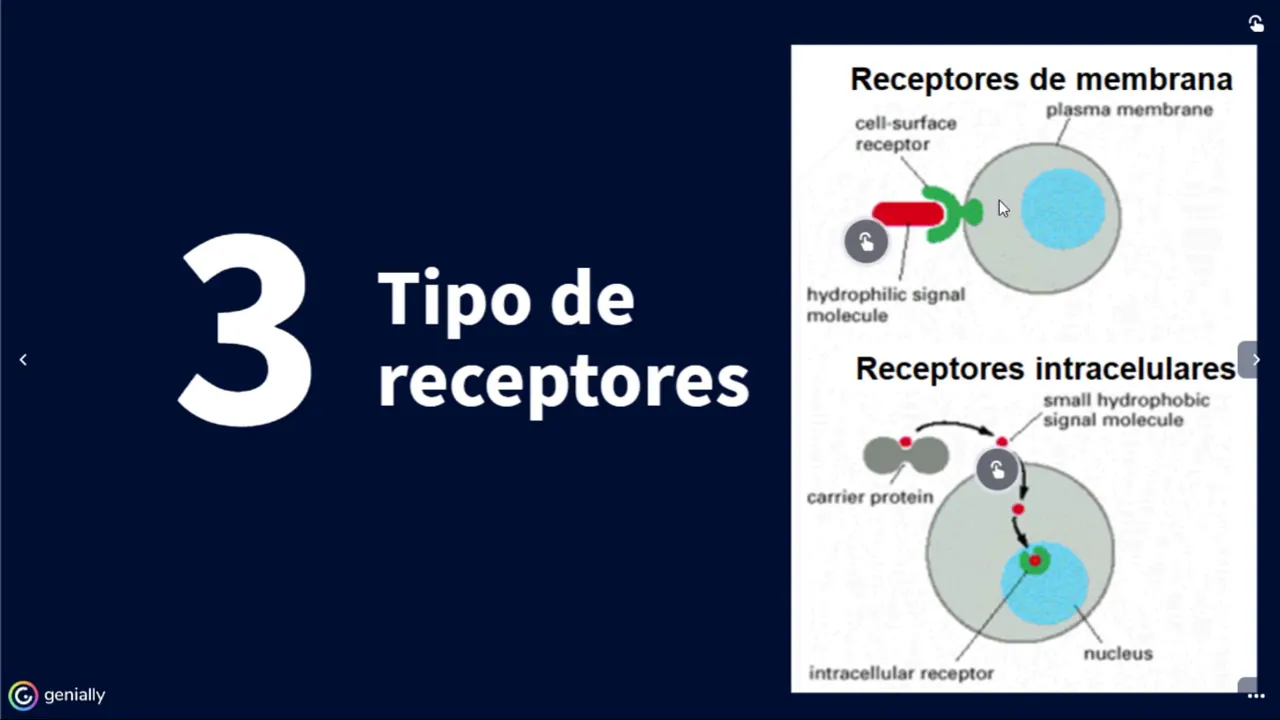
An understanding of cell signaling and membrane receptors, as intercellular communication drives differentiation.
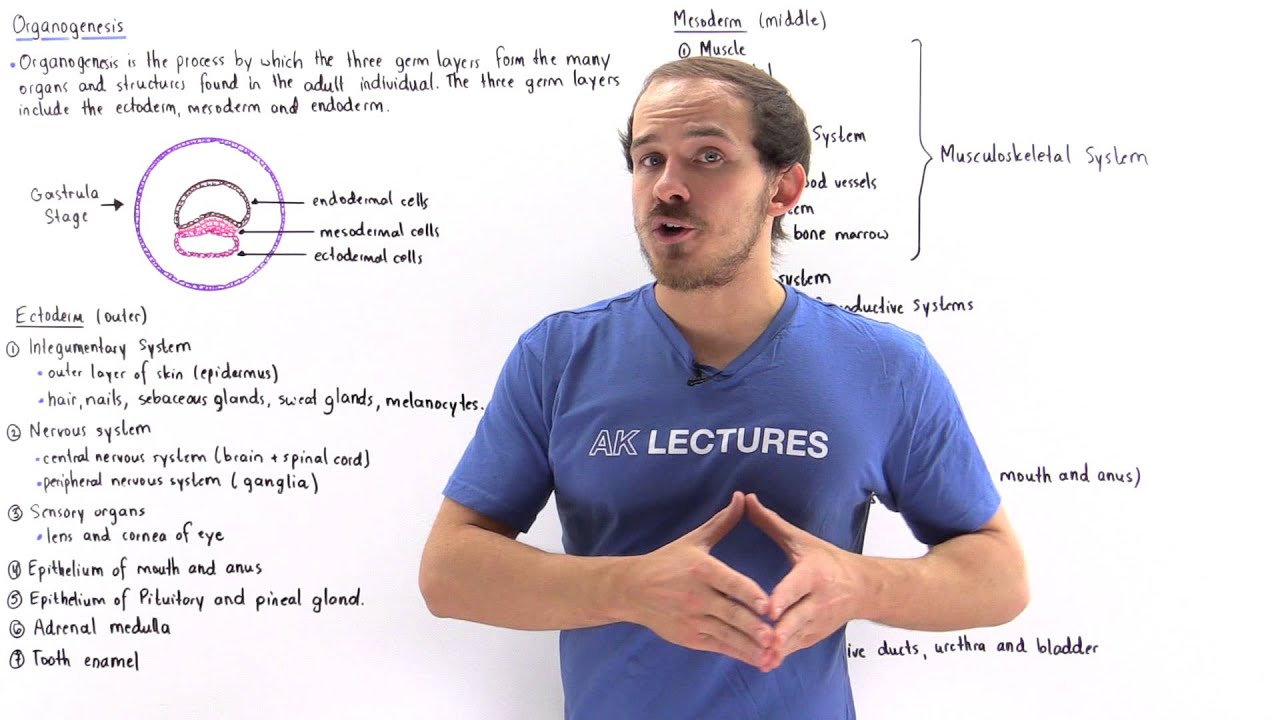
Organogenesis, focusing on how the three embryonic germ layers (ectoderm, mesoderm, and endoderm) give rise to specific tissues and organ systems.
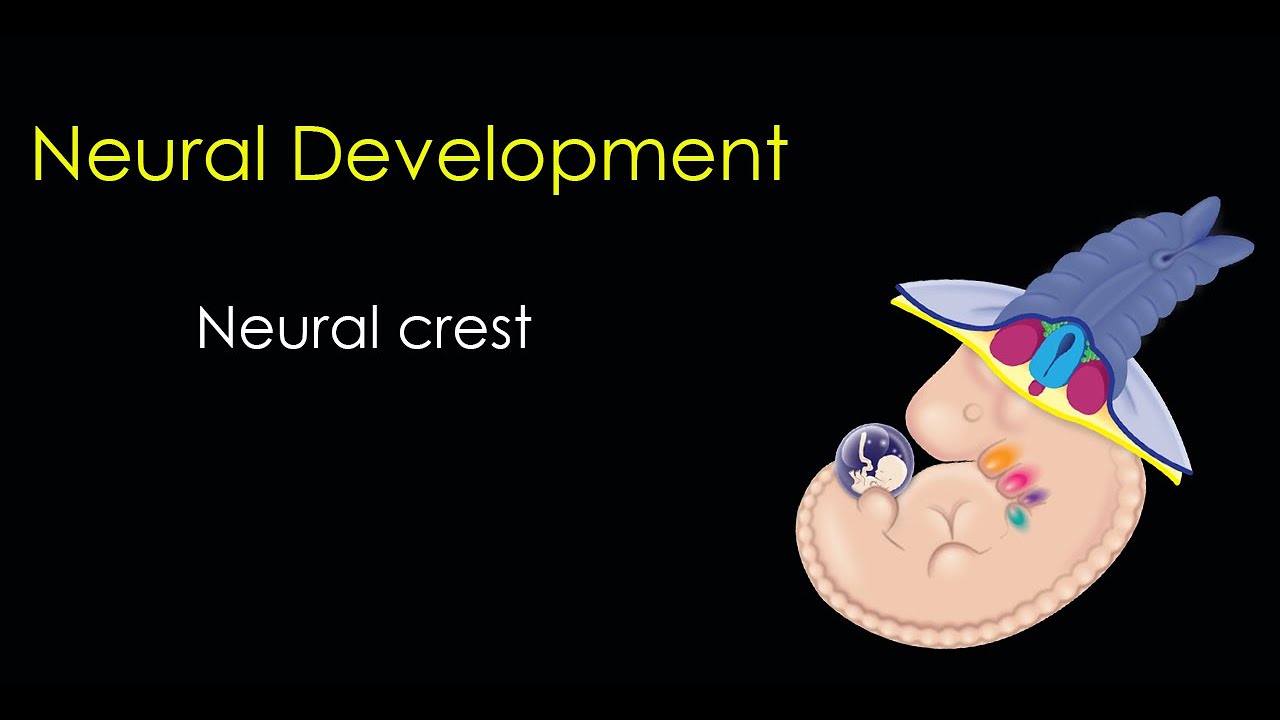
The unique migratory path and multipotency of neural crest cells, often referred to as the 'fourth germ layer'.
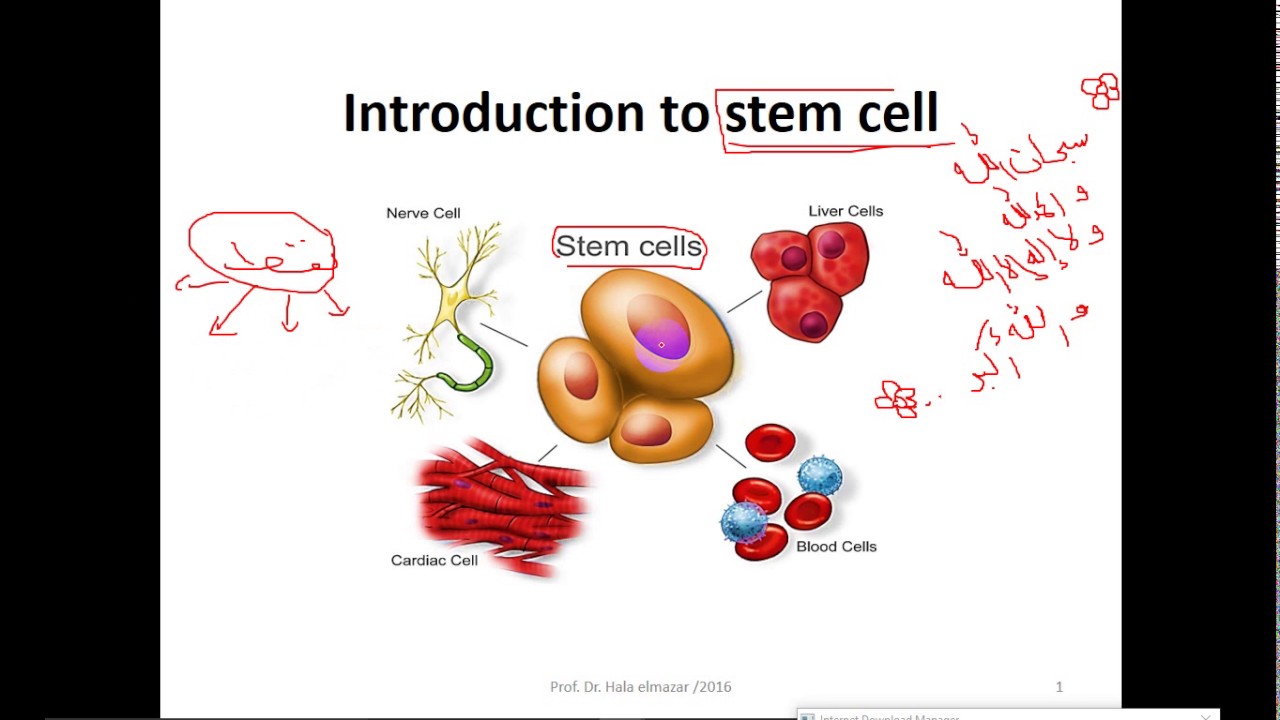
Stem cell potency levels (totipotent, pluripotent, and multipotent) and the molecular mechanisms behind cellular differentiation.
Clinical developmental defects, such as neural tube defects (e.g., spina bifida) and the role of folic acid in preventing them.
2.4M views25.8Klikes12:20Original Release: 2014-10-24
- We're gonna talk about early embryogenesis.
Say you're an egg cell, and you have this nice, thick outer glycoprotein coat called the zona pellucida, and you've got your plasma membrane just inside of that.
And a sperm has made its way through the zone pellucida and managed to get in through your plasma membrane and merged its genetic material with yours.
You're now called a zygote, and you'd like to go on to form an embryo.
But not much is gonna happen when you're stuck as a single cell, and so what you've gotta do is divide into multiple cells, and you've gotta do it fast.
In fact, you've gotta do it so fast that you don't have time to grow.
So you actually just split into two cells, and this process of splitting without growth is called cleavage.
And you do this a number of times, dividing from two cells to four, and from four cells to eight, all the while staying within the zona pellucida.
So you've gone from 16 cells to 32 cells, and at this point you look different enough that somebody decides to give you a new name.
So instead of being called a zygote, you're called a morula.
And morula is just a Greek word that means mulberry.
And you actually do look a little bit like a mulberry.
So here's a picture of a mulberry from my front yard to prove it.
This one's not quite ripe.
So you're finished with the cleavage stage of early embryogenesis.
You've gone from one cell and just divided, without growing at all, into two, four, eight, sixteen and then thirty-two cells.
And now more interesting things start to happen.
So you're still stuck within that zona pellucida.
So we'll draw it in here.
And I'm not gonna keep track of the number of cells anymore.
I'm just gonna draw them in.
But what you'll notice is I'm drawing them in quite compacted.
I'm drawing 'em all right in the middle of the structure here.
And they do look like they're a little bit tighter together, and this is a process that is called compaction.
The different cells within the morula start to get closer and closer together.
And in fact, the cells start to get a little bit different from each other, too.
You notice that these cells on the outside are a little bit different.
I'll draw them in here a slightly different color.
And we can tell them apart, and this process of being able to tell cells apart as they become different things is called differentiation.
So here we have two separate populations of cells.
This one on the outside, we'll call them trophoblasts.
And this mass of cells on the inside we'll call embryoblasts.
And so you're gonna continue with your process.
We'll move on to the next stage, and we'll draw our zona pellucida here, and we'll draw all of our trophoblasts along the outside here.
Another interesting thing is happening to those cells in the middle.
They're starting to clump even more.
In fact, they clump so much that they all cluster at one end, leaving a little cavity on the other end.
So here you can see your trophoblasts and your embryoblasts, this mass of cells in the middle.
Some people actually call that the inner cell mass, and it's left you with this cavity.
And that cavity is called a blastocoel.
Now again, you're starting to look a little bit more different than you have in the past, so we're gonna give you a new name.
This structure that you've turned into, with a blastocoel and an outer cell ring of trophoblasts is called a blastocyst.
In fact, we named this whole process after you, and after cleavage the process is called blastulation.
So also about this stage in blastulation, your zone pellucida starts to disintegrate away.
Here I'm gonna draw little bites being taken out of it here as it falls away and disintegrates.
And that's gonna be important later on because you can't be stuck in this thing forever.
And the next step in blastulation, you actually just lose it completely.
So now we'll draw our trophoblasts completely naked without a zone pellucida.
But more interesting things are happening to you.
Your inner cell mass of embryoblasts is starting to look a little bit different.
So you still have this rim on the outside here up at the end of your blastocyst.
And you still have this mass here in the middle, but you've developed another cavity, and this cavity is called the amniotic cavity.
And also your inner cell mass of embryoblasts has started to differentiate more.
Now it's got this layer on the bottom of it here, and the cells in this layer are called hypoblasts, while the cells in the layer just above it are called epiblasts.
Now at this stage, we're pretty much completely free of our zone pellucida, and that's gonna be really important for implantation.
But that's a discussion for another time.
We're gonna focus on this ball of cells here.
And I really want to stress that this is a ball of cells.
It's not flat like we've got it drawn here on the computer screen.
It's three-dimensional, it's spherical in nature, a spherical melon.
So think of it like a melon.
Here I'm gonna draw a spherical melon.
So now I want you to picture taking a big knife or a machete or something and just slicing the top off the melon like this.
Here we'll erase the top part of our melon here, and we're left with a flat surface.
So now that you've got a melon with a flat surface, picture yourself taking a pancake and just putting it right on top of this flat surface like that.
And that's basically what we've got here with our blastocyst and this forming layer of epiblasts and hypoblasts.
It's really a pancake.
It's not two-dimensional here.
It's a three-dimensional disk of tissue.
So we're gonna draw this again, but this time without the outer sphere of trophoblasts.
But we're gonna draw our pancake of epiblasts and hypoblasts.
And what you can see here is our pancake has got two layers.
So in fact, this is a very important structure in embryology called the bilaminar disk.
And we're gonna get another look at the bilaminar disk here.
So I'll show you, we're actually gonna draw a little plane through the disk here.
And if we take a cut view through this plane that I've drawn, it looks a little bit like this.
So this is still our bilaminar disk, but now we're looking at a slice through the bilaminar disk, as opposed to here, we're looking at the entire bilaminar disk from the outside.
So we're looking at our pancake of our bilaminar disk here, and we notice, we start to see something forming on the edge of it here.
And that something looks like a little bit of streakiness that kind of splits our pancake right in two.
You can think of it as pouring a little streak of syrup along the top of the pancake and dividing it in two halves.
So here I'm gonna draw it on the surface of the pancake, and then over here on our cut view, you can see that this little streak happens right about here in the middle as it reaches the plane of our image.
And this streak of syrup on our pancake has got a name.
It's actually called the primitive streak, and the formation of the primitive streak marks the beginning of the next stage of early embryogenesis, and that's called gastrulation.
Now what that primitive streak actually is is just the site where the cells in this epiblast layer of our bilaminar disk start to migrate.
Here I'll draw the paths of the migrating cells.
They heap themselves up right at the primitive streak, and then they start burrowing their way down into this bilaminar disk.
And they go out into the hypoblast layer, and they just kind of go all over the place here.
But it all happens from that primitive streak.
So as the cells migrate out from the primitive streak, we can see that our structure has changed a little bit.
Now instead of having two layers, one layer of epiblasts and one layer of hypoblasts, all of those migrating cells have now differentiated even further, and we're left with a layer of cells on the top, a middle layer of cells as they go out into the body of the bilaminar disk, and we still have a lower layer of cells down here.
And so now you can see instead of the bilaminar disk that we have, we actually have a trilaminar disk.
So we have three layers, one, two and three.
And these are actually called our germ layers.
So we have a single layer on top.
And instead of epiblasts, this layer is now known as ectoderm, and our middle layer is mesoderm, and our lower layer is endoderm.
And cells from these three layers go off to do very important things, and each layer forms its own specific structures.
So that process of the formation of the three layers is called gastrulation.
Once our three layers are formed, we can move on to the next step in embryogenesis, and the next step is called neurolation.
So we'll draw our three germ layers in.
We have a layer of ectoderm on the top, in the middle we have a layer of mesoderm, and then on the bottom we have our endoderm.
So this final stage in early embryogenesis is called neurolation.
And as you might expect with "neuro" in the name, we're gonna see some neural elements formed here.
And now we have our trilaminar disk with our three germ layers, and in the middle of the mesoderm, the central layer here, we start to have further differentiation of cells.
And right in the middle we get this core that starts forming.
And I'm gonna draw it as a little purple dot here, but what that really is is underneath where the primitive streak was, mesoderm cells are differentiating into a chord structure, and that's called a notochord.
Now in humans, the notochord doesn't go on to do a whole lot.
It does form part of the intervertebral disks, and very rarely it will cause a tumor called a chordoma.
But in general, its main goal and its main purpose is here in neurolation.
Now this differentiated bit of mesoderm actually induces a change in the ectoderm above it.
So here we get a change within the ectoderm.
I'll draw that in as kind of a thickening of the ectoderm right here.
And that thickening in the ectoderm has a name.
Since it's kind of plate-like when we look at it in section here, this is called the neural plate.
Now we have our notochord formed, and we have our neural plate formed.
The next thing that happens... So we'll redraw our three layers here, our ectoderm, our mesoderm and our endoderm.
And here at the bottom we have our notochord forming within our mesoderm.
And right above it those neural plate cells actually start to dive into the mesoderm.
And as those neural plate cells dive in, they start to form a ring structure.
And actually, since this is a three-dimensional thing, this ring is more like a tube.
So you can picture this tube going off into the rest of this pancake that we've drawn here.
And as this neural plate zips up and dives down into the mesoderm, it becomes known as the neural tube.
Now this isn't a perfect process, and as the neural tube is zipping up from one end of our pancake to the other, little cells are breaking off from the ectoderm and going out into the mesoderm.
Now these cells actually have a very important role as well, and will go off into differentiate into their own special tissues, and these are called neural crest cells.
So once we have the formation of our neural tube and our neural crest cells are diving off into the tissues and differentiating, and we have a pretty good idea of what the ectoderm, mesoderm and endoderm are, our early embryogenesis is complete.
So just to recap, we started off as a zygote, a single cell that was fertilized by a sperm.
Cleavage happened.
We didn't grow, but we split into a whole bunch of cells and developed into a morula.
The morula cells started to differentiate, and we developed trophoblasts on the outside and embryoblasts in the middle.
We formed a little cavity and became known as a blastocyst.
After the blastocyst cavity formed, or the blastocoel, a second cavity called the amniotic cavity formed, and a pancake of cells across the sphere became apparent.
Those cells continued to differentiate, and we formed a primitive streak.
The epiblast cells dove into the primitive streak and started to differentiate into our three layers that became our ectoderm, mesoderm and endoderm.
And in the final stage of neurolation, we had development of a notochord which induced a neural plate to form, and the neural plate dove into the mesoderm and formed the neural tube.
Neural crest cells associated with the neural plate also went off into the tissues to further differentiate.
Up Next
8:35
Zebrafish Embryo Development Animation | Embryology Explained
@murungicreative5444
30.5K views•2017-10-12

50:12
Bacterial Communication: Quorum Sensing and Biofilm Formation Explained
@JHUAAP
12.6K views•2011-06-28
5:10
Mendelian Genetics: Alleles, Genotypes & Punnett Squares
@khanacademymedicine
648.4K views•2014-06-16
7:08
Bacteriophages: Earth's Deadliest Killers and Future Antibiotics
@kurzgesagt
34.6M views•2018-05-13
Related Study Plans & Knowledge Roadmaps
Structured learning paths in Biology
biology
RNAi: Biogenesis, RISC & Gene Silencing
01Molecular Biology Foundations: DNA to Protein
02Introduction to RNA Interference (RNAi)
03Molecular Biogenesis of miRNA and siRNA
+ 2 more learning modules
10h5 modules
Explore Roadmap
biology
Mycorrhizae: Signaling, Biophysics & Ecology
01Foundations of Mycorrhizal Symbiosis
02Molecular Signaling and Root Colonization
03Biophysics and Bioenergetics of Nutrient Exchange
+ 1 more learning modules
11h4 modules
Explore Roadmap
biology
Circadian Clocks: TTFL, SCN & Periphery
01Foundations of Molecular Biology & Gene Expression
02Introduction to Chronobiology and Actograms
03The Core TTFL: Molecular Architecture of the Clock
+ 3 more learning modules
14h6 modules
Explore Roadmap
biology
Population Genetics: Math, Drift & Selection
01Genetic & Probability Foundations
02The Hardy-Weinberg Principle and Baseline Models
03Mathematical Modeling of Natural Selection
+ 3 more learning modules
18h6 modules
Explore Roadmap