









![Lineweaver-Burk plot (Enzyme Kinetics) - Vmax, Km & [S] - Biochemistry 🧪](https://i.ytimg.com/vi_webp/nivkBZkmu14/maxresdefault.webp)


![Enzymhemmung [kompetitive Hemmung + nicht-kompetitive Hemmung] [4/6] - [Biologie, Oberstufe]](https://i.ytimg.com/vi/O542SMPoWw0/sddefault.jpg)






Enzymes are biological catalysts that accelerate biochemical reactions in cells by lowering the activation energy required for reactions to proceed; they achieve this through four main catalytic strategies: acid/base catalysis (facilitating proton transfer), covalent catalysis (forming temporary bonds to assist electron transfer), electrostatic catalysis (stabilizing charges using metal ions), and proximity/orientation effects (bringing substrates together in the correct alignment to increase successful collision frequency).
Enzymes and Catalysis: How They Accelerate Biochemical Reactions
Added:Basic protein structure, including how amino acid chains fold to form functional three-dimensional active sites.
Fundamentals of chemical kinetics and thermodynamics, specifically the concepts of activation energy, transition states, and free energy changes.
Basic chemical bonding and intermolecular forces, such as covalent bonds, hydrogen bonding, and electrostatic (ionic) interactions.
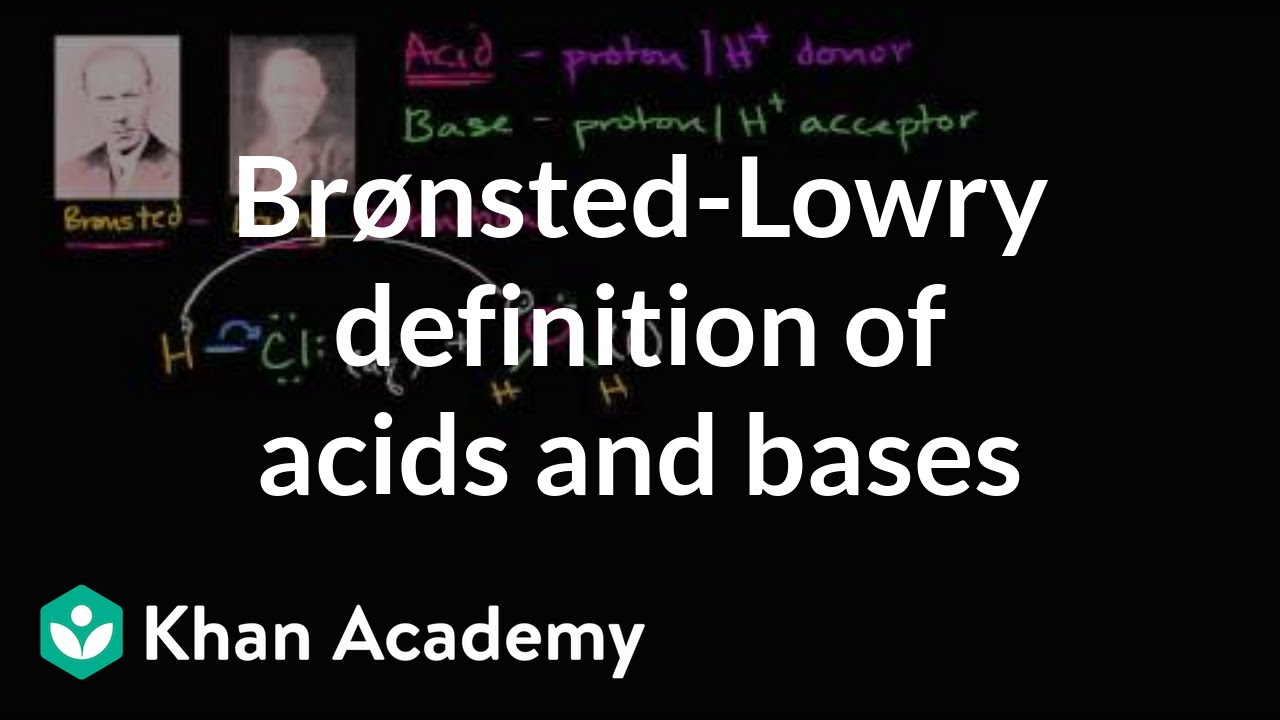
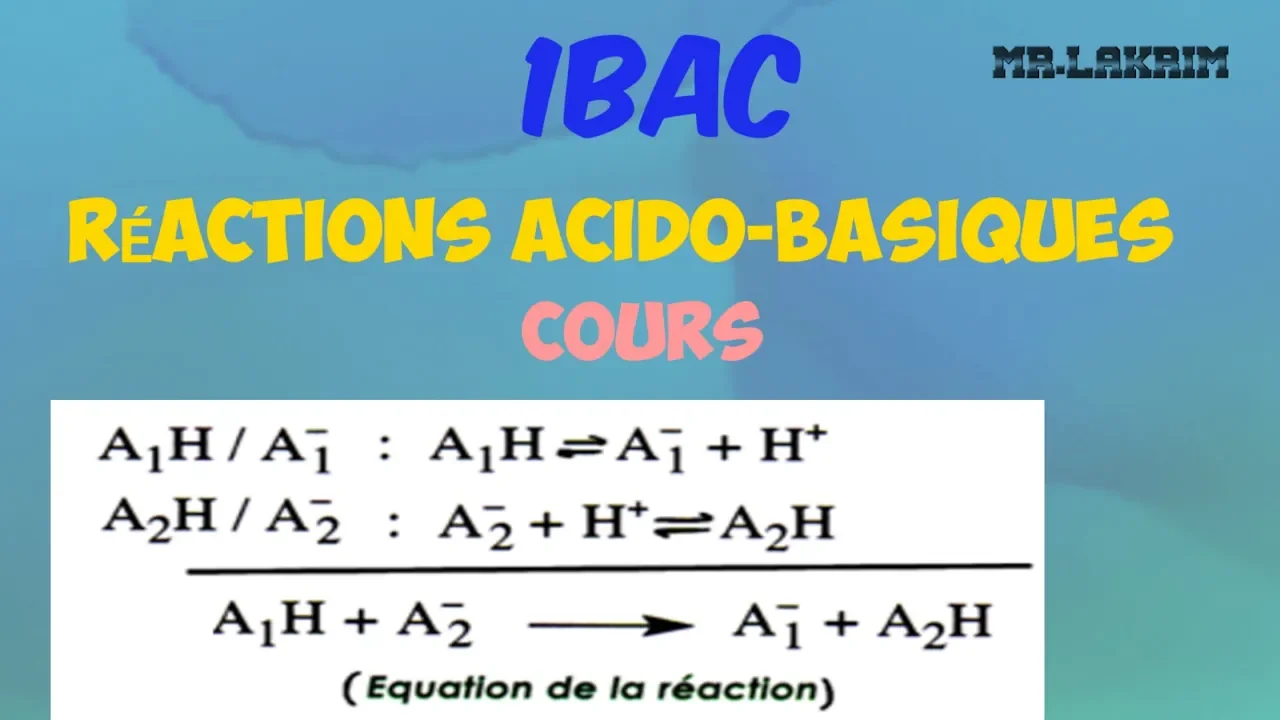
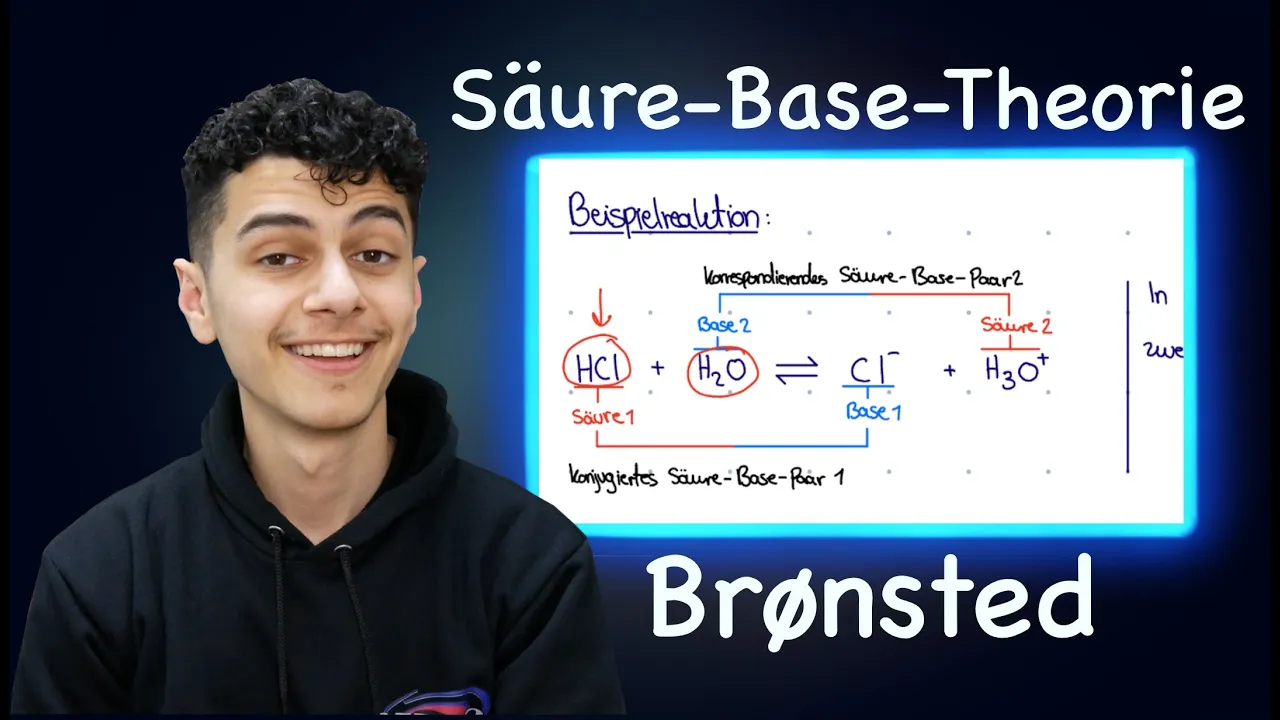
Introductory acid-base chemistry, including proton transfer mechanisms and the definitions of Brønsted-Lowry acids and bases.
Quantitative enzyme kinetics, specifically the Michaelis-Menten equation, Km, Vmax, and Lineweaver-Burk plots.
Mechanisms of enzyme inhibition (competitive, uncompetitive, and non-competitive) and allosteric regulation.
The role of cofactors, coenzymes, and prosthetic groups in facilitating complex enzymatic reactions.
Real-world applications of enzyme design and inhibition in pharmacology (drug discovery) and industrial biotechnology.
502K views2.5Klikes6:05Original Release: 2013-12-06
So today I want to talk to you about enzymes and how they're critically important pieces of cellular machinery.
But first, let's review the idea that biochemical reactions happen in the body all the time.
Almost every cellular process involves a biochemical reaction at one point or another.
You know, the TCA cycle is actually just a series of different biochemical reactions in carbon metabolism.
DNA replication, which needs to happen before a cell to go through mitosis, is also just a series of reactions.
And this also applies to the expression of genes, going from DNA to RNA to protein.
And we need enzymes because enzymes make all of these reactions go much faster.
And let's look at this idea little more deeply, and how a reaction will go on differently when it has an enzyme versus not having one at all.
So you may be familiar with the reaction where water and carbon dioxide can combine to form carbonic acid.
And this is a reversible reaction, so it can go backwards and forwards.
Now, when people make soda or any carbonated beverage, they'll start by pumping that soda can full of CO2.
And while some of that CO2 will dissolve in the water and the can, the soda making companies are able to get a lot more CO2 in the water by using this reaction.
The abundant CO2 will react with the water to form some carbonic acid in the can.
And when you go to open the can, you'll hear a pop sound, which is really just a bunch of CO2 escaping.
But after that, the soda will start to fizz really slowly.
And what's happening here is the carbonic acid that was made before is slowly dissociating back to carbon dioxide in water as CO2 escapes.
And that extra CO2 that's being made will come out of the soda solution, and you'll see it as little bubbles floating around.
But what happens if you then take this person over here, and he'll pick up a can of soda and take a drink?
That person might notice the soda will start fizzing a lot more once it hits his or her tongue.
And this is because humans have an enzyme in their blood and saliva called carbonic anhydrase.
And this makes the carbonic acid turn into carbon dioxide in water much more quickly.
So more CO2 will come out of the can, and it will fizz more.
And this is just one of the many examples of how enzymes make reactions go faster.
So how exactly do the enzymes make the reactions go faster, though?
Well, they use a bunch of different catalytic strategies to push reactions along a little more quickly.
And I'm going to talk about a few those strategies just to give you an idea of what enzymes are doing.
So first I'll mention acid/base catalysis, which happens when enzymes act like either acids or bases.
Now, remember that acids and bases are proton donors and acceptors.
And if you look at this type of reaction, which if you remember from organic chemistry is a keto-enol tautomerization reaction.
We have a proton moving from a carbon atom to an oxygen atom.
And since acids and bases are pretty good proton carriers, they could both help with this reaction, make it go a little more quickly, by helping to move that proton around, instead of this molecule of doing it by itself.
Our next catalytic strategy is covalent catalysis, which happens when enzymes form a covalent bond with another molecule, usually their target molecule.
Remember that covalent bonds involve two molecules sharing electrons.
And looking at this reaction here, we have a decarboxylation reaction going on.
Which, if you remember for organic chemistry, is when a carboxy or CO2 group is being taken off a molecule.
And, if you remember, these reactions usually have a lot of electrons moving around.
So if we had covalently bound enzyme that could hold on to some electrons, be an electron carrier, or what some people like to call an electron sink, then that would definitely help this type of reaction move a little more quickly.
Next, we have electrostatic catalysis.
Now, if you remember, DNA is a very negatively charged polymer because of all the negatively charged phosphate groups that we find in DNA.
So if an enzyme had a metal cation on it, like magnesium, we could use it to stabilize the negative charge found in DNA and make it a little easier to work with.
And DNA polymerase, which is the enzyme that allows DNA replication to occur, does exactly this.
And in order for it to help with DNA replication, it needs to find a way to counteract all of the negative charge on DNA.
The magnesium ions totally come in handy there.
So the last catalytic strategy I want to mention is a little more general.
And it has to do with proximity and orientation effects.
Remember that in order for two molecules to react with each other, which is usually what enzymes help out with, they need to physically collide at some point.
If we have molecule A and molecule B, they'll only react once they crash into each other.
And a lot of enzymes are able to bring two molecules close together, so that these types of collisions happen more often, making the two molecules react more quickly.
Also remember that the orientation of the two colliding molecules in space is also really important.
If molecule A and molecule B collide, but one of them is upside down or not in the correct position, then the collision may not result in a successful reaction.
So enzymes also make sure that the two molecules will collide in the right orientation.
And all of this increases the frequency of collision in general, but also helps to make sure that those collisions are successful and result in a reaction.
So what did we learn?
Well, first we learned that the role enzymes play is to make biochemical reactions happen more quickly.
And the next thing we talked about were four of the many different catalytic strategies that enzymes can use.
We talked about acid base catalysis which helps with proton transfer.
We talked about covalent catalysis, which helps with electron transfer.
We mentioned electrostatic catalysis, which deals with stabilizing charge.
And finally, proximity in orientation effects, which increase the frequency of successful collisions between molecules that we want reacting together.
Up Next

2:01
How Enzymes Work: Catalysis and Activation Energy | Biology Animation
@Henmomma
405.9K views•2009-03-12

39:12
Taste Matters: Why We Like the Food We Do | Professor John Prescott
@smagforlivet-video
409 views•2015-12-07
5:10
Mendelian Genetics: Alleles, Genotypes & Punnett Squares
@khanacademymedicine
648.4K views•2014-06-16
7:08
Bacteriophages: Earth's Deadliest Killers and Future Antibiotics
@kurzgesagt
34.6M views•2018-05-13
Related Study Plans & Knowledge Roadmaps
Structured learning paths in Biology
biology
Analyzing Animal Venoms: Genetics & Pharma
01Molecular Biology & Physiology Foundations
02Venom Evolution & Toxin Gene Recruitment
03Neurotoxins & Ion Channel Pharmacology
+ 2 more learning modules
18h5 modules
Explore Roadmap
biology
RNAi: Biogenesis, RISC & Gene Silencing
01Molecular Biology Foundations: DNA to Protein
02Introduction to RNA Interference (RNAi)
03Molecular Biogenesis of miRNA and siRNA
+ 2 more learning modules
10h5 modules
Explore Roadmap
biology
Mycorrhizae: Signaling, Biophysics & Ecology
01Foundations of Mycorrhizal Symbiosis
02Molecular Signaling and Root Colonization
03Biophysics and Bioenergetics of Nutrient Exchange
+ 1 more learning modules
11h4 modules
Explore Roadmap
biology
Circadian Clocks: TTFL, SCN & Periphery
01Foundations of Molecular Biology & Gene Expression
02Introduction to Chronobiology and Actograms
03The Core TTFL: Molecular Architecture of the Clock
+ 3 more learning modules
14h6 modules
Explore Roadmap