











![Anatomical Position and Directional Terms [Anatomy MADE EASY]](https://i.ytimg.com/vi/t6-ueqFK1IE/maxresdefault.jpg)












Zebrafish embryo development progresses through distinct stages: fertilization forms the zygote with cortical reaction establishing the blastodisc; meroblastic cleavage (confined to non-yolk cytoplasm) produces a 2x4 array of blastomeres by the 8-cell stage, progressing to 128 cells by the blastula period; the mid-blastula transition at 512 cells initiates epiboly, where the yolk syncytial layer spreads beneath the blastoderm; gastrulation begins at 50% epiboly, with involution and convergent extension forming the embryonic shield; the gastrula period concludes at 100% epiboly when the tail bud forms, marking the transition to organogenesis.
Zebrafish Embryo Development Animation | Embryology Explained
Added:Basic principles of cell division, specifically mitosis and the cell cycle, which drive early embryonic cleavage.
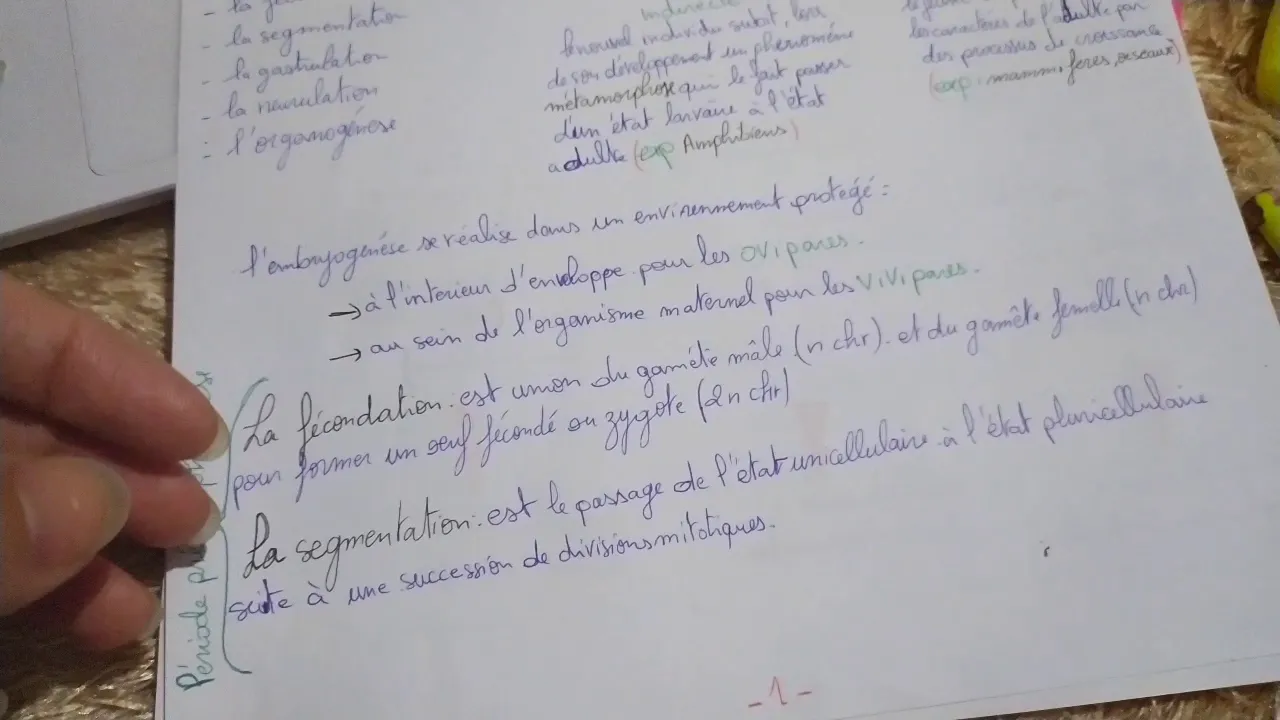
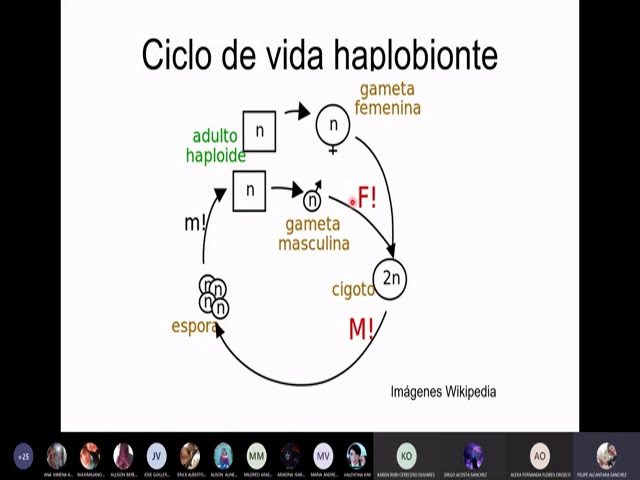
The concept of fertilization, including how haploid gametes fuse to form a diploid zygote.
An introductory understanding of cellular differentiation and the concept of the three primary germ layers (ectoderm, mesoderm, and endoderm).
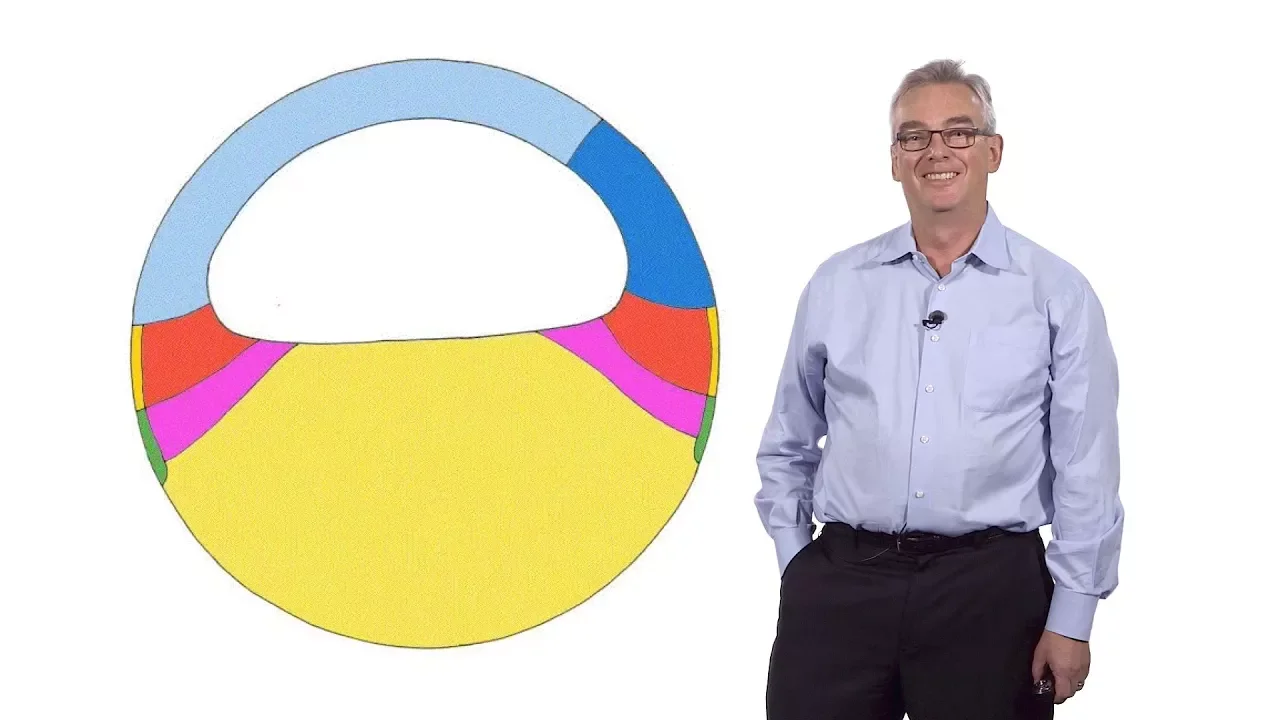
Familiarity with anatomical directional terms (such as dorsal/ventral and anterior/posterior) to understand embryonic axes establishment.
Organogenesis in zebrafish, focusing on how the germ layers transition into specific organ systems like the heart and nervous system.
The role of zebrafish as a premier model organism in genetic research, developmental biology, and human disease modeling.
Comparative embryology, examining how zebrafish development compares to other vertebrate models like Xenopus (frogs) and mice.
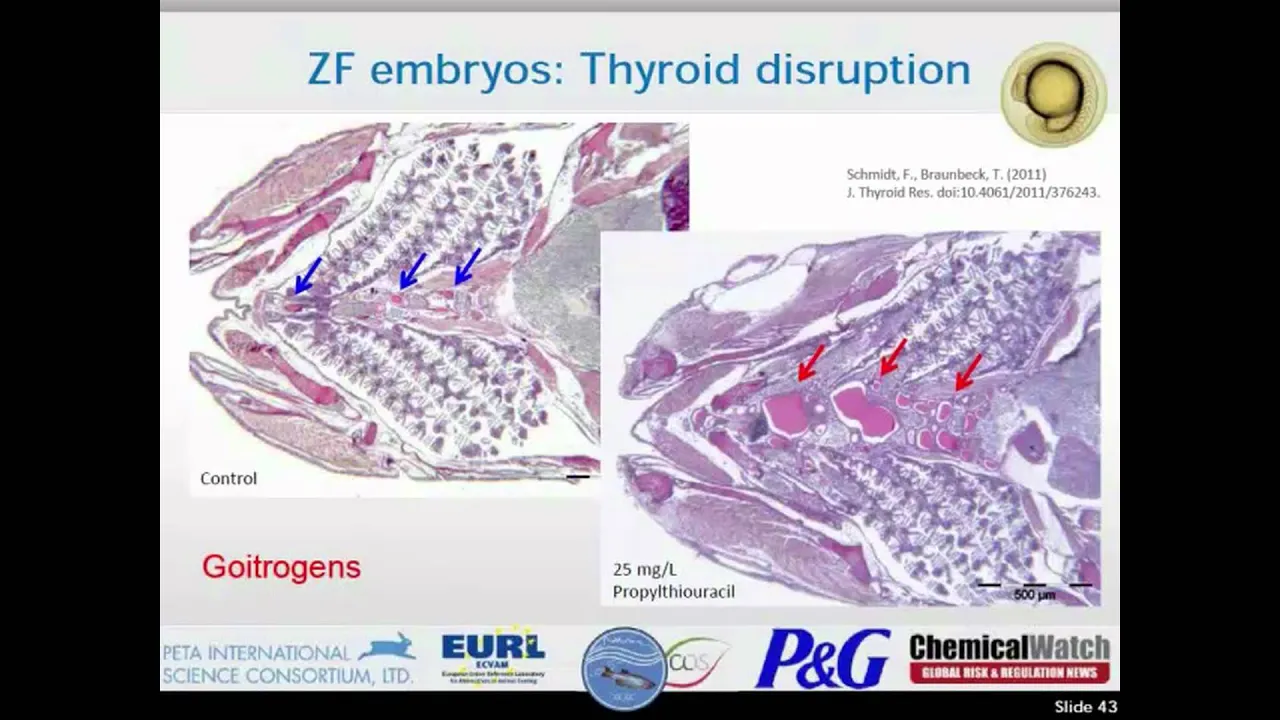
Applications of zebrafish embryos in toxicology screening and drug discovery due to their transparent development.
30.5K views0likes8:35Original Release: 2017-10-12
embryo development begins with fertilization the spermatozoa enter the our site through the micro peel a single spermatid releases its genetic material into the our site leading to the fusion of the male and female genetic material and the formation of the zygote with the fusion of the spermatid and our site cell membranes a cortical reaction is set in motion there are changes in the chorion and enzymes released from the cortical granules in the oocytes cytoplasm caused the separation of the oocytes cell membrane from the chorion and the establishment of the peri vigilant space the chorion swells and lifts away from the zygote there are changes in the non yolk cytoplasm of the zygote the wave of calcium release accompanying the cortical reaction causes actin microfilaments to squeeze the non yolk cytoplasm towards one extremity of the zeig on the non yolk cytoplasm streams to what will be the animal pole opposite the animal pole is the vegetal pole the accumulation of non yolk cytoplasm at the animal pole forms the blasto disc and its formation changes the shape of the Saigon's from spherical to pear-shaped cell division begins very soon after the formation of as i god remember there is a difference between cleavage and mammalian embryos and cleavage and fish embryos here is a short reminder of the cleavage process in mammals in contrast to the eggs of fish birds and reptiles mammalian eggs contain a relatively small amount of yolk and the zygote engages in whole of lastik cleavage the whole embryo divides to produce two separate cells these two blastomeres divide to produce forcep it sells and so on all this occurs within the zona pellucida so there is a compaction of the cells to produce amarilla before the blast chiller period begins zebrafish eggs contain a large amount of yolk and so to not engage in hollow plastic cleavage but rather before mirror blasted cleavage that is to say cell division is confined to the non yolk cytoplasm of the blasto disc the first cell division occurs in the vertical plane of the blaster disk to produce two blastomeres at the animal pole that are in completely separated from the yolk the six cell divisions of the cleavage stage occur regularly at about 15 minute intervals and synchronously the first five divisions occur in the vertical plane and in regular orientation if we look at the embryo with a view from the animal pole we see that the second division occurs at right angles to the plane of the first division to create four blastomeres that are incompletely cleaved from the yolk the third division occurs along two planes at right angle to the second and parallel to the first division to create eight incompletely cleave blastomeres at the animal pole so now the animal pole contains a two by four array of blastomeres the fourth cleavage division occurs in two planes at right angle to the third and parallel to the second to produce a four by four array of cells for the first time some cells are completely cleaved from the other cells the complete cells have a four most central blastomeres note that these four cells are completely surrounded by 12 outer cells the so-called marginal blastomeres which are in completely separated from the yolk the fifth division occurs in four planes at right angle to the fourth and parallel to the first and third seeing from the face view the 32 cells may appear as two tiers of cells because of the curvature of the blaster disk but these cells are still a single four by eight array of cells the sixth division is the first that occurs in the horizontal plane and after this division it is the first time that some cells are completely covered by other cells these buried cells or deep cells arise from one of the two daughter cells of the central blastomeres present in the previous stage the other daughter cells remain superficial in the top layer in what is now the enveloping layer the blastula period begins at the 128 cell stage a high amount of blastomeres appears to be a solid half ball perched on the yolk cell the cleavage furrow x' are now irregular and is difficult to follow the individual divisions that are asynchronous at the 256 cell stage there is a thin outer layer of the enveloping cells and many more deep cells at the 512 cell stage with the tenth cell division the mid blastula transition starts and formation of the opes in sitio layer also starts with the mid blastula transition the cell cycle lengthens and becomes a synchronous also the deep cells become motile the yolks and Cydia layer is visible as a single ring around the blaster disk margin at the oblong stage the enveloping layer is a layer of thin outer cells there are many deep cells that are motile and dividing asynchronously the yolks and Cydia layer is spreading beneath the blaster disk and moving away from the blast disk this has the effect of shortening the whole embryo as the blasto disc is compressed down on the yolk so the yolks and city layer now consists of an external yokes in sitio layer external to the blaster disk and an internal yokes and city layer that is beneath the blaster disc at the dome stage the internal yokes and city of layer begins to dome up which is a sign that emily has started emily is the process by which the yolks and cydia layer moves towards the vegetal pole and takes with it the blastoderm so the blastoderm spreads over the yolk cell the development of the embryo is described by its percent Emily the gastrula period commences at about 50% Emily in the gastrula period the cell movement processes of involution convergent and extension dominate at the shield stage at about six hours as involution continues at the entire margin of the blastoderm a process of convergence commences the deep layer cells in addition to moving towards a blastoderm margin and in veloute they also converge towards a single position on the germ ring to accumulate to form the embryonic shield at the embryonic shield the involute excels form the axial hyper blast that continues the movement of involution to stream towards the animal pole at 90% Emily the axial blastoderm thickens on the dorsal side rather than the ventral at a hundred percent Emily the bud stage at about ten hours the gastrula period is defined as ended when the Emily is complete and the tail bud has formed
Up Next
17:34
Frog Gastrulation: 7 Cell Movements in Xenopus Development
@scicommlab
29.6K views•2018-04-18
50:12
Bacterial Communication: Quorum Sensing and Biofilm Formation Explained
@JHUAAP
12.6K views•2011-06-28

5:35
Enteric Nervous System Explained: The Gut's Brain | Neurobiology Lecture
@alumniu6029
438 views•2018-09-12
7:08
Bacteriophages: Earth's Deadliest Killers and Future Antibiotics
@kurzgesagt
34.6M views•2018-05-13
Related Study Plans & Knowledge Roadmaps
Structured learning paths in Biology
biology
RNAi: Biogenesis, RISC & Gene Silencing
01Molecular Biology Foundations: DNA to Protein
02Introduction to RNA Interference (RNAi)
03Molecular Biogenesis of miRNA and siRNA
+ 2 more learning modules
10h5 modules
Explore Roadmap
biology
Mycorrhizae: Signaling, Biophysics & Ecology
01Foundations of Mycorrhizal Symbiosis
02Molecular Signaling and Root Colonization
03Biophysics and Bioenergetics of Nutrient Exchange
+ 1 more learning modules
11h4 modules
Explore Roadmap
biology
Circadian Clocks: TTFL, SCN & Periphery
01Foundations of Molecular Biology & Gene Expression
02Introduction to Chronobiology and Actograms
03The Core TTFL: Molecular Architecture of the Clock
+ 3 more learning modules
14h6 modules
Explore Roadmap
biology
Population Genetics: Math, Drift & Selection
01Genetic & Probability Foundations
02The Hardy-Weinberg Principle and Baseline Models
03Mathematical Modeling of Natural Selection
+ 3 more learning modules
18h6 modules
Explore Roadmap