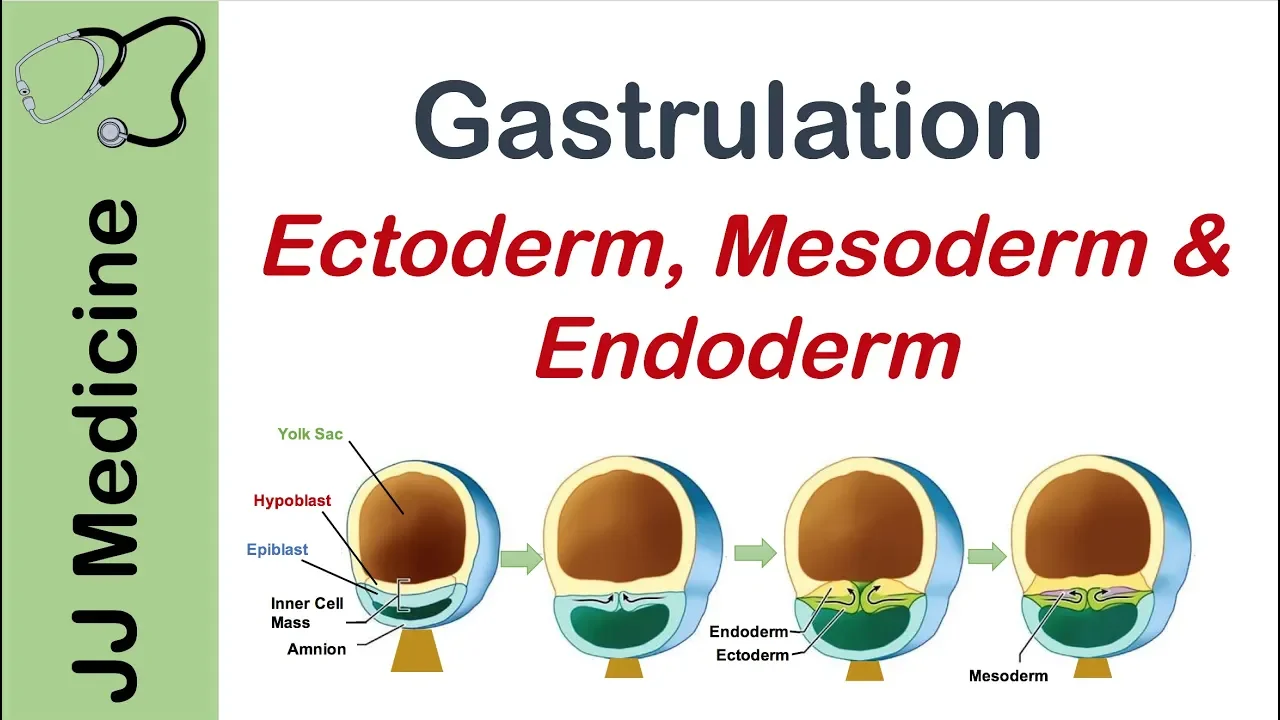





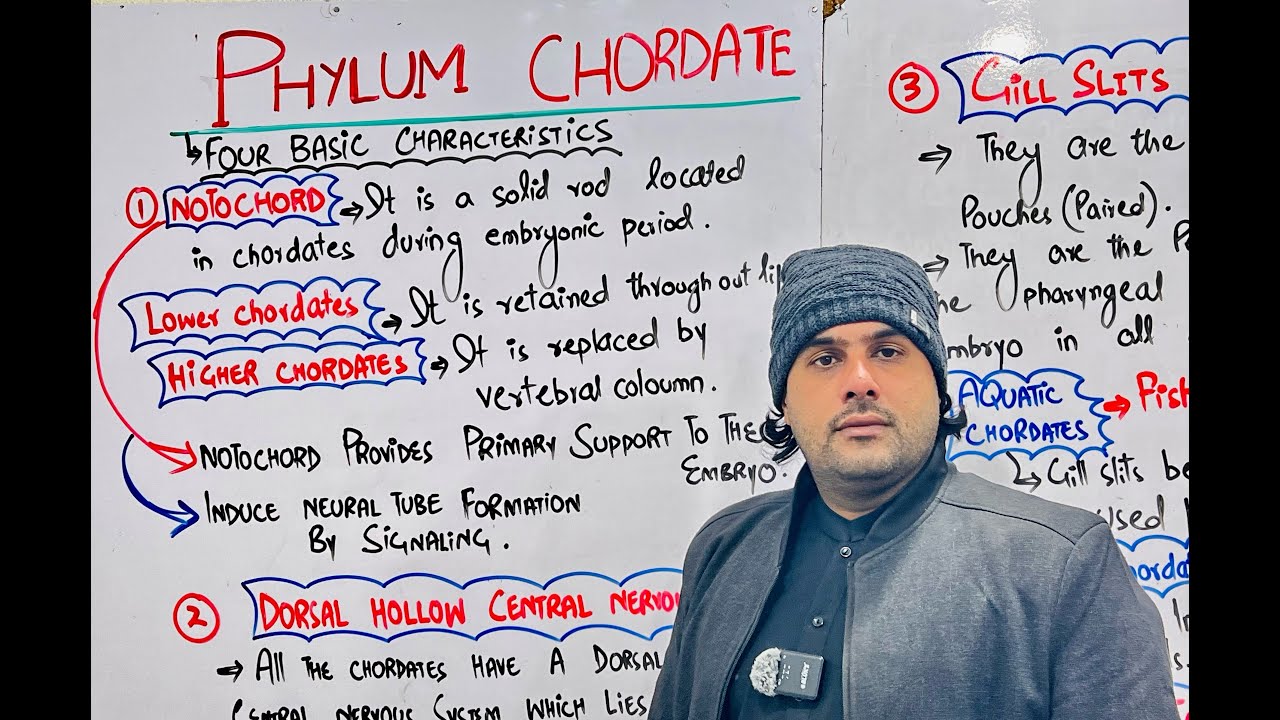





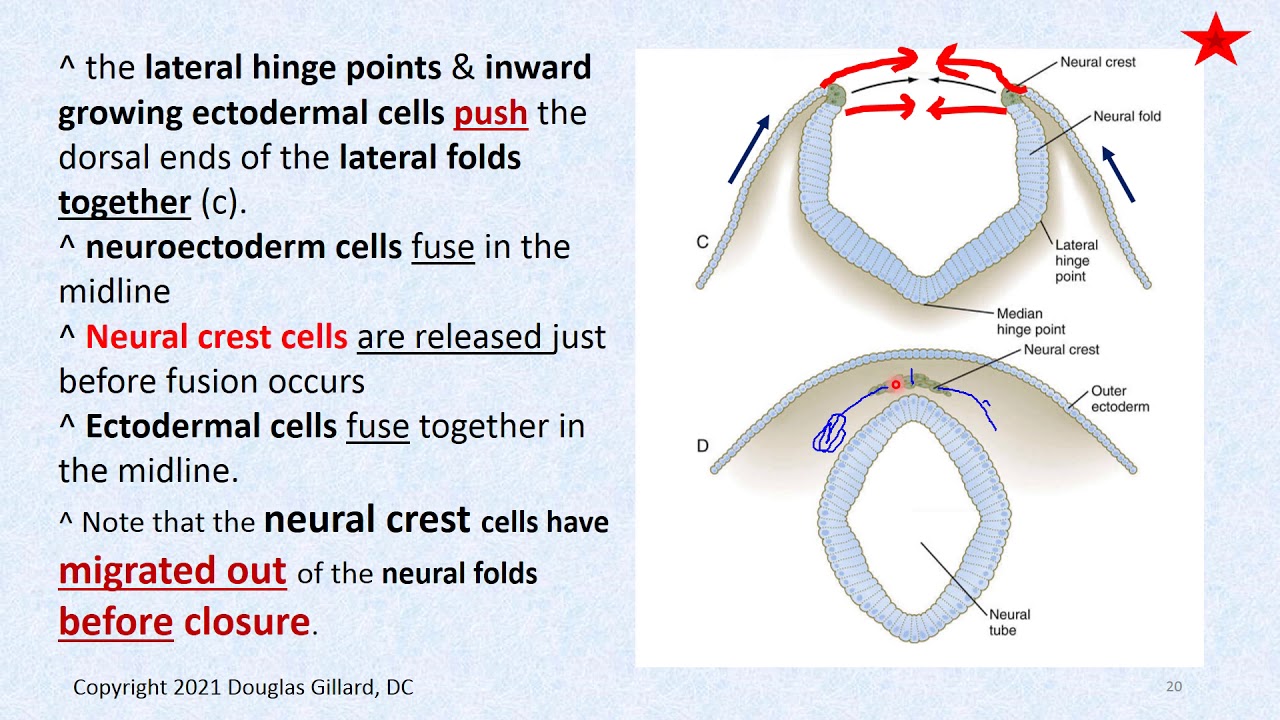
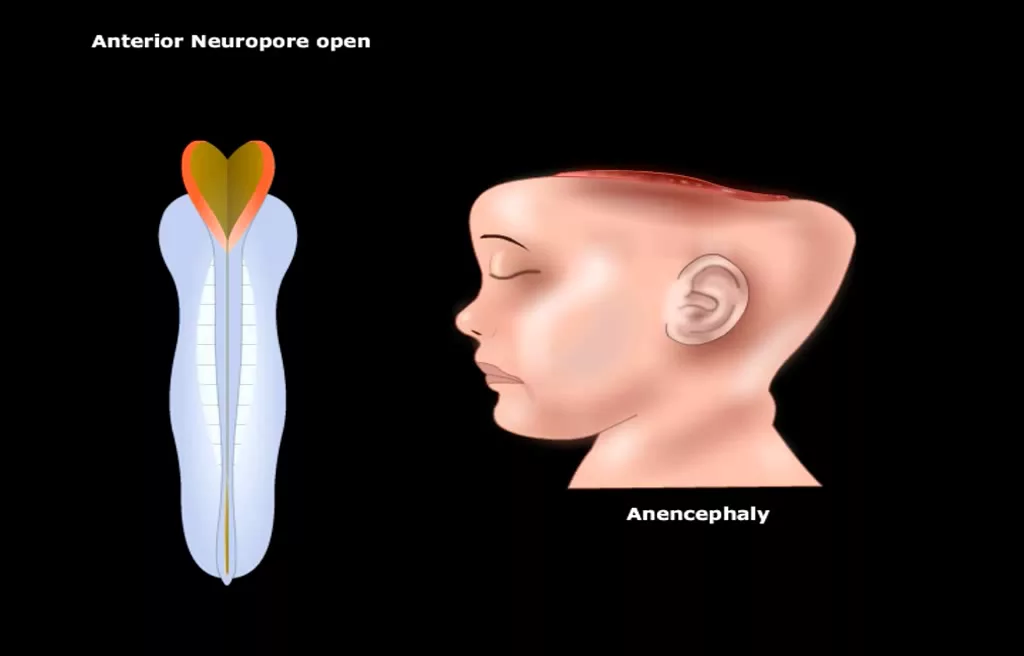










Neurulation is the embryonic process where the neural tube forms from the neural plate, which develops under the inductive influence of the notochord; this process involves the thickening of ectodermal cells over the notochord to form the neural plate, its elongation to create neural folds, and the fusion of these folds to form the neural tube, which gives rise to the central nervous system (brain and spinal cord) and also produces neural crest cells at the fusion sites; failure of this closure can lead to neural tube defects such as anencephaly (failure of anterior neuropore closure) and spina bifida (failure of posterior neuropore closure).
Neurulation: Formation of the Neural Tube | Embryology
Added:Gastrulation and the formation of the three primary germ layers (ectoderm, mesoderm, and endoderm).
The structure and inductive signaling role of the embryonic notochord.
Basic cellular biology concepts of cell adhesion and cytoskeletal changes (e.g., apical constriction).
Standard embryological terminology for directional axes, specifically dorsal/ventral and cranial/caudal.
The origin, migration, and differentiation of neural crest cells into the peripheral nervous system and other tissues.
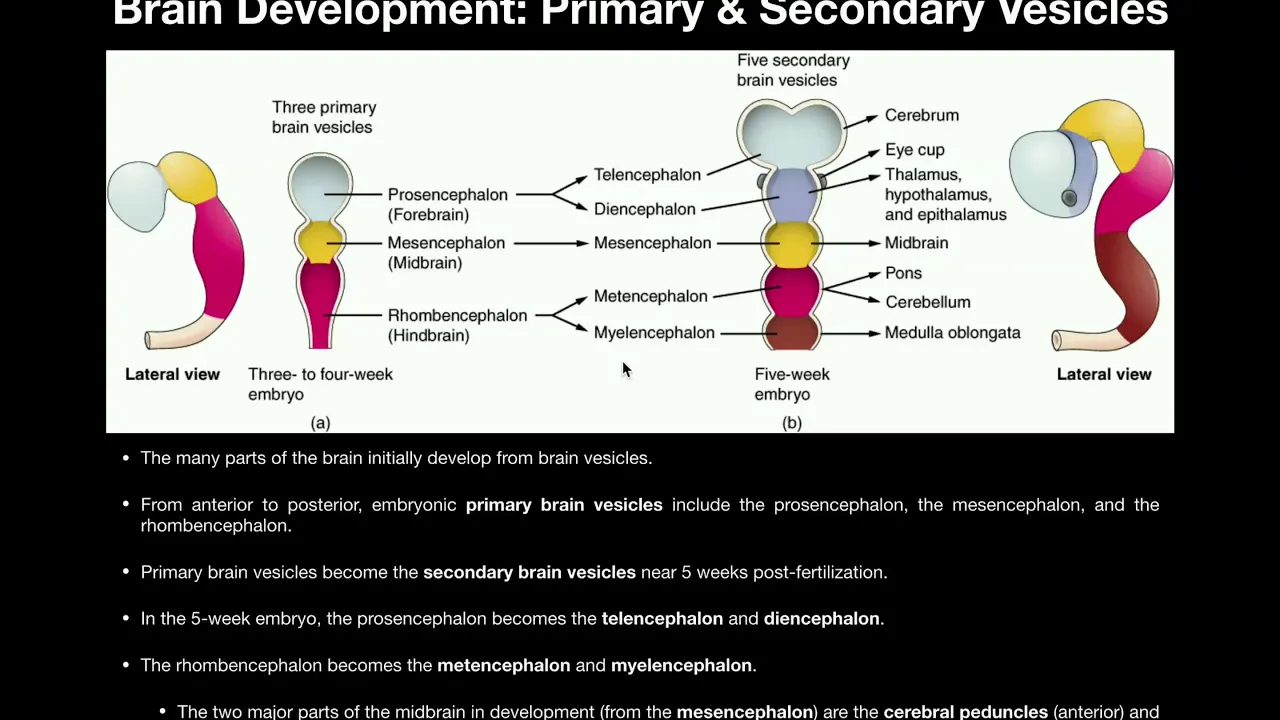
Primary and secondary brain vesicle development (the differentiation of the cranial neural tube).
Clinical correlation of neural tube defects (NTDs) such as Spina Bifida and Anencephaly, including the preventative role of folic acid.
Histogenesis of the central nervous system, focusing on how the neuroepithelium gives rise to neurons and glial cells.
51.9K views1.3Klikes18:58Original Release: 2023-08-28
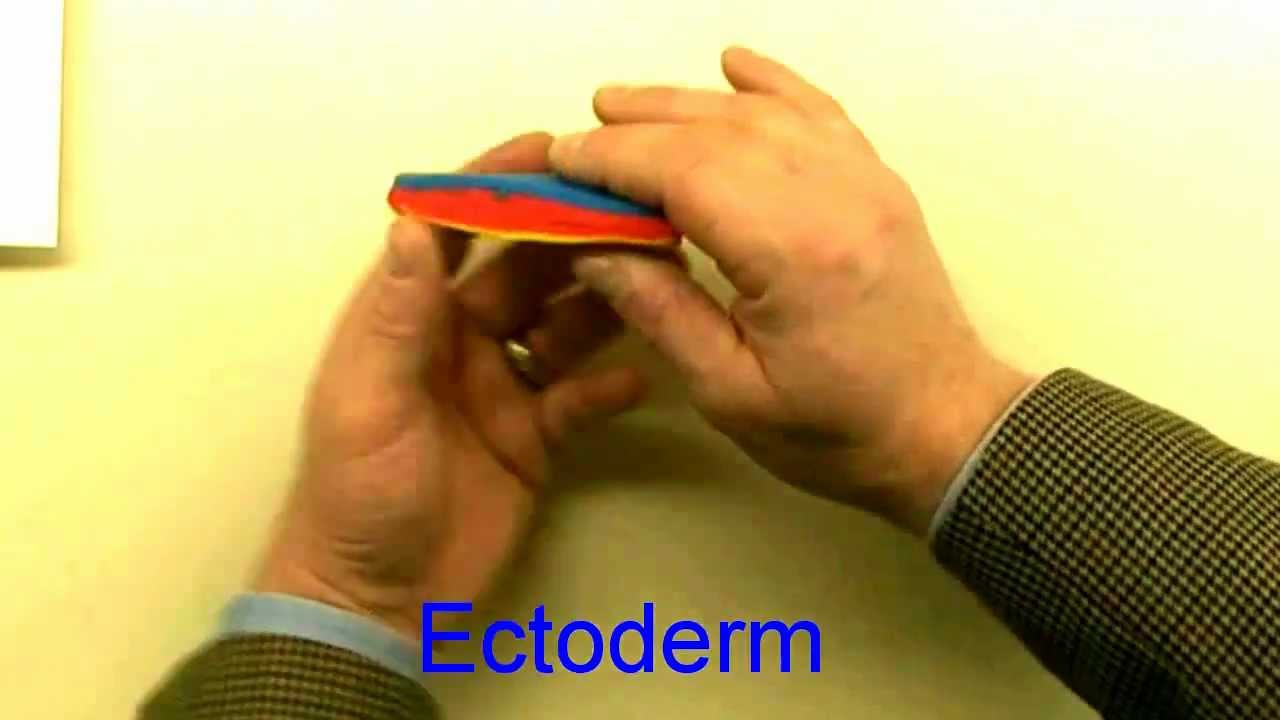
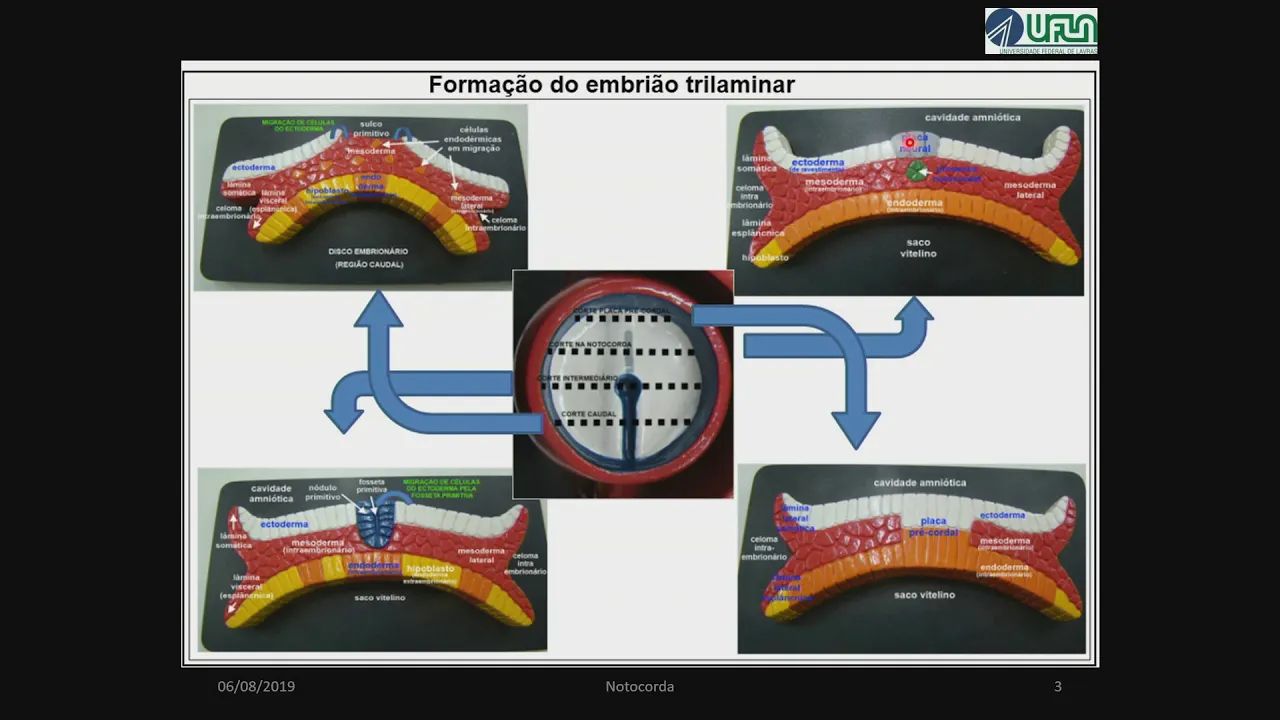
hello students today we will discuss about the new relation now when you will have the formation of the notochord the formation of notochord act as a inducer that means it induces the overlying ectodermal cells to change their behavior and that behavior is required for the formation of our central nervous system and that process is known as New relation so whenever you will have this question in your exam new relation how to write it let's discuss so always you have to first write down about the definition of this process what is new relation so neural relation is a process and by this process finally there is a formation of neural tube and for the formation of neural tube first there is a formation of neural plate the plate convert into the fold fold fuses with each other and finally will have the neural tube so it is a process to form the neural plate neural folds and closer of the force give rise to the neural tube and this whole process is known as New relation so what is new relation new relation is formation of your neural tube clear now the new relation is also seen in the third week of intrauterine life from the fertilization now what is the prerequisite for the new relation now for the new relation you have to understand that there is a formation of notochord and in the class of my Noto code I already explained that this notochord derives from the cells of your primitive node so my dear students what will happen when there is a formation of notochord take place you know that notochole lies below the your ectoderm so suppose this is our actor down and below the ectoderm you will have the formation of notochord in the midline so this is your notochord now what will happen the cells of the ectodome which are lying just above this notochord will change and these much of cells which are overlying the notochord change themselves and this layer of the ectodermal cells is known as neural plate clear so now what is happening that under the effect of the notochord this whole electrodome has been divided into the two part neural ectoderm and these areas are non-neural actuar so what is happening that because of the formation of the notochord you are having the two types of the ectoderm one is the neural ectoderm or neuro ectoderm now this neuroactoderm is the area which overlies the notochord and it is going to form your neural tube the remaining part of the ectoderm is known as non-neural ectodum so now let's discuss the process of the formation of the neural tube so first what is happening there is a formation of neural plate so neural plate is seen in a midline now why because it is actually the ectodome which is overlying the notochord and we know that notochord is a midline structure so the ectodum of the midline becomes thick so what is the changes taking place the epithelial of ectodermal lining is become thick and this thick epithelium under the effect of notochord is known as neural plate so the thickened ectoderm which now the important thing is here that this thick ectoderm also lies in the same area of the notochord that when you will see the embryonic disc you know that there is a pre-chordal plate on the anterior aspect there is a formation of the Primitive node and primitive streak in the posterior aspect so my dear students you have the Noto card here in the underlying acronym now the area of the ectoderm which is in the same a plane that means this of much of ectoderm from pre chordal plate to the Primitive node is going to form your neuroactodum clear neuroactoderm also occupy the same area which is occupied by the notochord so that's why it is written here that ectoderm which lies between the Primitive node and the pre chordal plate is going to show the formation of neural plate clear so my dear students this is a question of your exam that what is the position of neural plate so the position of neural plate is similar to the position of notochord that means they are midline structure but they extends from pre chordal plate to the your primitive node clear so the notochord is a structure which is deeper is showing the change to form the neural plate now once the plate will form now what will happen now suppose this is the plate now in this plate you will have a depression now when you will take the transfer section of the plate now this is your plate and if I am taking this transfer section now in this transfer section you are able to see that there is a midline dip is seen into the plate now this midline dip into the plate is going to form your neural group and the these elevated areas of the groove are known as neural fold so in the next step there is a formation of neural Groove and neural fold so what is happening that neural plate first along it now see this is a very important line and you have to write down this line whenever you are writing the short note on the neural plate because this elongation is very important prerequisite to form this imagination so once the plate is going to form it is first undergo the elongation and once the elongation complete then there is a formation of a longitudinal invagination now this longitudinal median group or invagination is known as neural group so what will happen here you will have the primitive streak and here is the pre-cordial plate and this is the area where you will have the neural plate so in the neural plate there is a formation of a dip and this dip which is present in the midline longitudinally is known as neural group and the lips of these neural group are known as neural fold clear so neural fold is there neural Groove is there now the important thing is that neural folds are more prominent in the cranial part of the plate and it is a sign of the formation of brain Cycles clear so what is happening till now we have seen that first there is a formation of the notochord and under the effect of the notochord the overlying ectoderm from pre-cordial plate to the Primitive node undergo the changes which is known as neuroactoderm now this neuro ectodermal plate is known as as neural plate this neural plate undergo the elongation then there is a formation of a longitudinal Groove and that Groove is having the two sides elevated Edge and these edges are known as neural Force okay now what will happen in the next step that there is a formation of neural tube now how the tube will form the force will start to join each other and when the fusion of the neural Force occurs there is a formation of a pipe like structure which is known as neural tube but my dear students there are some things which are very important to understand here that when there is a formation of this Groove is taking place now see the imagination of the neural plate increases with the time and there is a prominent neural fold will appear this is your underlying notochord and here is your endoderm now this is your mesodermal area now you have to understand here that when this type of the neural invagination is taking place there are three sets of the cells will see one is the cells which are present in this neural group these are the cells of neuroactodope clear so this is a one set of the cell the second set of the cell which is present here on your this area which is your non neural actuator so this is the second set of the cell which is non-neural ectodome there is a one more set of the cell which is present in the neural folds and my dear students this is the third set of the cell which is present here on these neural Folds killer so whenever the neuralation is taking place you have to keep in mind that there are three sets of the cells one is the cells of this neural ectoderm one is the cells of the ectodum other than the neural plate and one is the group of the new cell Mass which is seen on the neural folds so when this neural tube is going to form what will happen that same variety of the cell fuse with the same variety of the cell clear so what will happen this green line join with the green line the red line join the red line and these two blue structure join with each other so in the next step what will happen that when you will have the completion or the fusion of your pores so this green line will continue with each other that means the non neural ectoderm will form a continuous layer now what will happen that these neural plates will join each other and they will form a circular tube and these two a cell Mass which are present on the neural Force also join with each other and they will form a another mass of the cell here so now my dear students whenever you are writing the neural tube first the fusion of the neural fold converts the neural Groove into a tube so tube arises from Groove how by the fusion of force the tube separates from the surface ectoderm you can see that tube has been separated from the surface ectodom the fusion of the neural fold start into the cervical region at the level of fifth somite level now see this is again a cushion of your exam what is happening that suppose this is a your vertically placed neural Groove now the folds of the neural group start to join each other so my question is from which point the force will fuse first in the thoracic region in the lower part in the upper part so answer is in the upper part the folds start to fuse with each other and that is in the cervical reason but in the cervical reason the landmark is at the level of fifth somite now then the fusion occurs in a bi-directional that means once the fusion start into the fifth somite level then the fusion will go in the up upward direction as well as in the downward Direction and the fusion will take place to form a complete tube clear now as a result the neural tube is formed but my dear students this is the important thing which you have to understand here when you are writing the closure of the fold that same type of the cells fuses with the same type when there is a separation of the tube is taking place from the surface ectoderm so what is happening the surface ectoderm will self fuse with each other neural tube ectoderm will fuse with each other and the cells which are present on the tip of the neural force will form in another set of the mass so when there is a Detachment of the neural tube from the surface ectoderm will take place this new mass is known as neural crest cells what is that neural crashed cells and these cells arises from the neural Folds now there is a one more term count says what is neuroporce now my dear student you have to understand one thing that this pipeline structure van come out now the pipe is having the two end one is known as anterior end and this is known as posterior end clear and through this what is happening the amniotic fluid is circulate and it is coming out now these ends of the neural tube known as neuropore so one is known as anterior neuropore another is known as posterior neuropore now these neuropores has to close and once they will close you will have a closed formation of neural tube so the neural tube has a cranial and caudal openings and these openings are respectively known as anterior and posterior neuropores now the neural tube communicate with the amniotic cavity with the help of these neuropores for the purpose of nutrition now the closure of the anterior neuropore occurs fast now this is again a question that if you are having the two openings of neural tube which opening closes first answer is anterior opening now this anterior opening closes on the 25th day of development while the posterior fuses on the 27th day of the development clear so the closure of the Interior or the cranial neuropore occurs earlier clear you can see that it closes two days before then the posterior neuropore so now where of the neural pipe which is known as neural tube will show the dilatation in the cranial area the cranial part of the tube will dilate while the caudal part of the tube is remained narrow now these three dilatations are going to form your brain these are known as brain recycles while the tubular posterior part of the neural tube is going to form a spinal cord so what is the future of the neural tube it will give rise to the central nervous system that means the brain and spinal cord clear but there is one more important thing about the new relation that it give rise to a new generation of the cells which are known as neural crest cells and I just explain you that how the neural crest cells form neural crash cells are the cell masses which are present on the neural folds and when there is a fusion of the forces taking place the only thing which have to keep in mind that same variety of the cell fuses with the same variety so non ectodermal cells fuses with each other neural plate cells fuses with each other and the four cells which are of different variety fuses with each other to form the neural crash cells now what is the applied aspect of neural neuralation now there are neural tube defects will take place now what do you mean by the neural tube defect that we know that the neural group has to complete the fusion to form a tube but if the fusion of the neural force will not take place or the anterior neuropore will not close or the posterior neuropore will not close all these will lead to the congenital malformation in the formation of central nervous system which is known as neural tube defects so neural tube defects can be occur if the cranial part of the tube remain open neural tube defects can be occur if the posterior part of the tube remain open it's a separate long cushion but here in the new relation you have to mention two three very commonly seen neural tube defect in which one of the very common defect is an encephaly now N means absent and equivalence means brain so in that Valley there is absence of the part of the brains are not formed why because the failure of the closure of anterior neuropore so what is the cause of failure of the closure of neural tube near the cranial region so when the upper part of the tube will not form you will have the failure of the formation of brain if the lower part of the tube is having failure in the closure then you will have the Spina Bifida or rackous choices so these are the two words which you have to write down in the form of lower tube defect and this is a upper tube defect clear lastly you have to draw this diagram where you can see that this is your ectodom this is our endoderm this is your formation of notochord now under the effect of this notochord this overlying ectoderm is showing the change and this is known as neural plate now once the imagination will take place this is known as neural Groove and On the Groove you will have the folds now these folds are having a different variety of the cells which are known as neural crashes and when the tube is going to form the fold is joined with each other so there is a formation of the neural tube the surface ectoderm will become continue and between the overlying ectoderm and underlying neural tube you have a new generation of the cell Mass which is known as neural crest cells clear so now at the end of this class of the new relation you should have the idea about the definition you should have the idea about what is neural plate neural group neural folds how the neural crest cell form what is the future of the new relation and if the neural force will not fuse it will lead to the neural tube defects so this is all for the session thank you
Up Next

79:38
Dorsal Neural Tube Dynamics in Neural Crest Fate Decisions
@elscvideo
397 views•2011-12-29
50:12
Bacterial Communication: Quorum Sensing and Biofilm Formation Explained
@JHUAAP
12.6K views•2011-06-28

5:35
Enteric Nervous System Explained: The Gut's Brain | Neurobiology Lecture
@alumniu6029
438 views•2018-09-12

7:08
Bacteriophages: Earth's Deadliest Killers and Future Antibiotics
@kurzgesagt
34.6M views•2018-05-13
Related Study Plans & Knowledge Roadmaps
Structured learning paths in Biology
biology
RNAi: Biogenesis, RISC & Gene Silencing
01Molecular Biology Foundations: DNA to Protein
02Introduction to RNA Interference (RNAi)
03Molecular Biogenesis of miRNA and siRNA
+ 2 more learning modules
10h5 modules
Explore Roadmap
biology
Mycorrhizae: Signaling, Biophysics & Ecology
01Foundations of Mycorrhizal Symbiosis
02Molecular Signaling and Root Colonization
03Biophysics and Bioenergetics of Nutrient Exchange
+ 1 more learning modules
11h4 modules
Explore Roadmap
biology
Circadian Clocks: TTFL, SCN & Periphery
01Foundations of Molecular Biology & Gene Expression
02Introduction to Chronobiology and Actograms
03The Core TTFL: Molecular Architecture of the Clock
+ 3 more learning modules
14h6 modules
Explore Roadmap
biology
Population Genetics: Math, Drift & Selection
01Genetic & Probability Foundations
02The Hardy-Weinberg Principle and Baseline Models
03Mathematical Modeling of Natural Selection
+ 3 more learning modules
18h6 modules
Explore Roadmap