










![[BioCel Divulga] - RANKL induces Beige Adipocyte Differentiation in preadipocytes](https://i.ytimg.com/vi_webp/lFMqW8e6QDA/maxresdefault.webp)


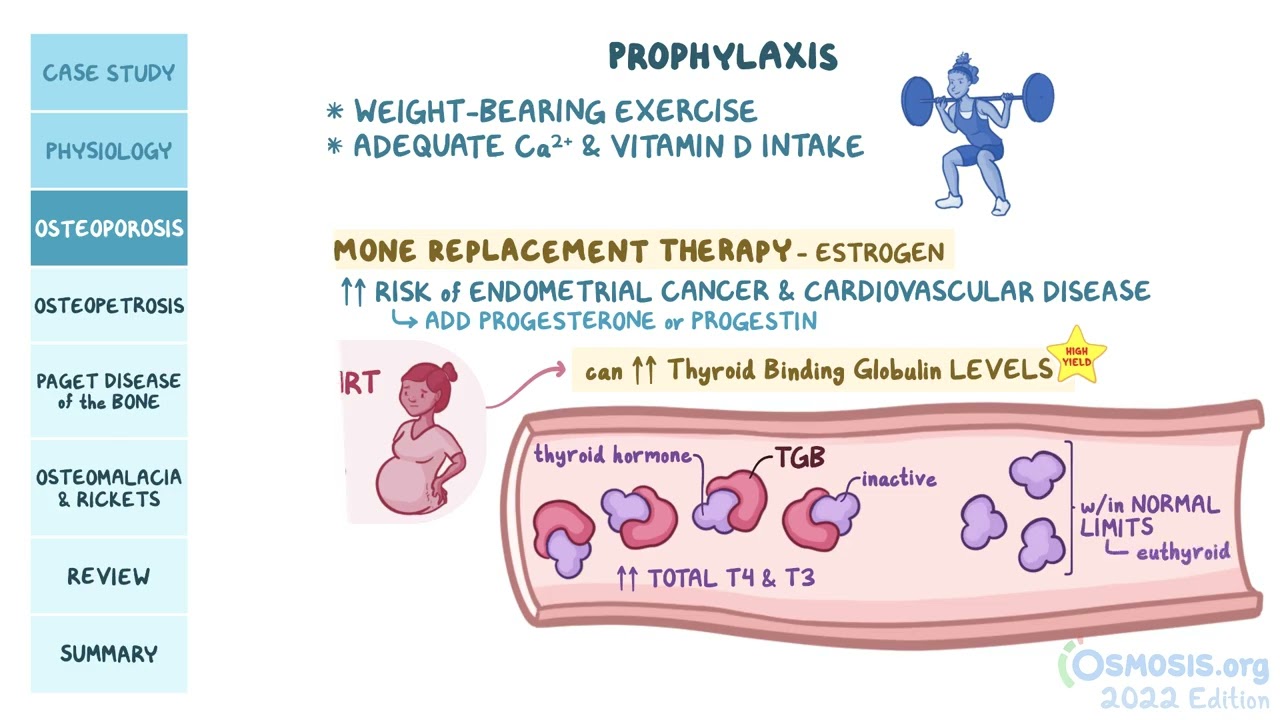

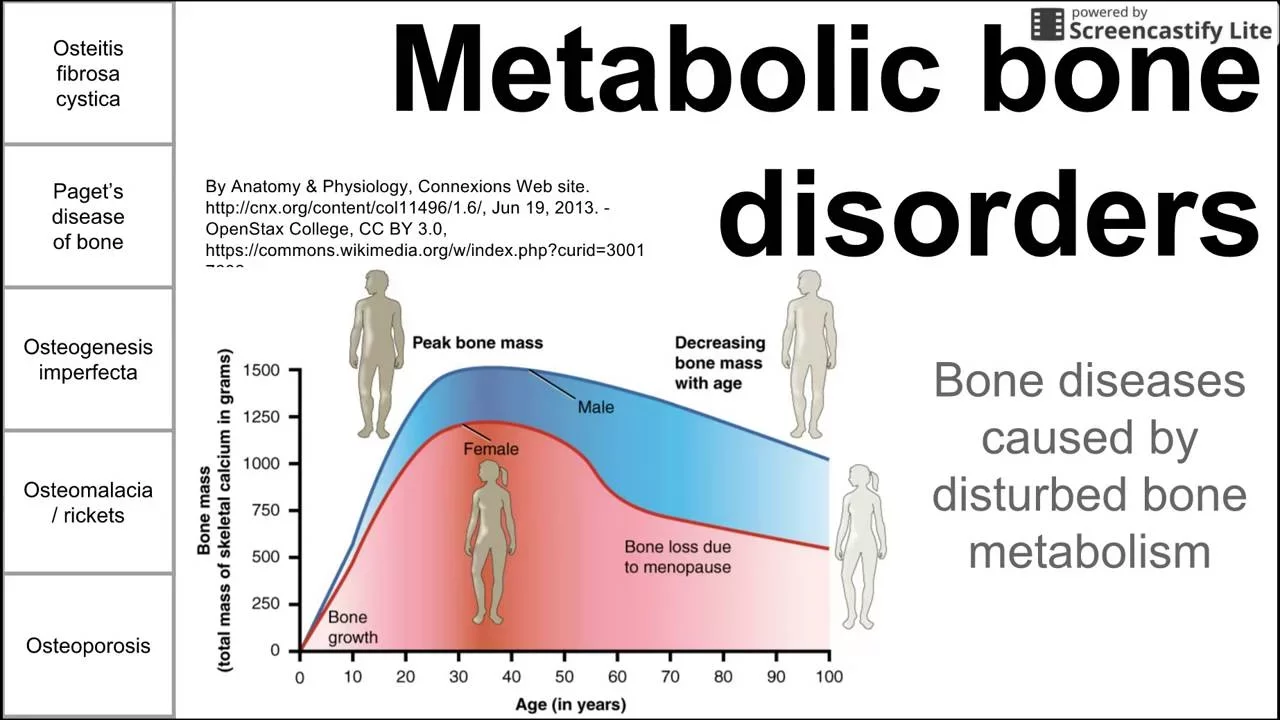
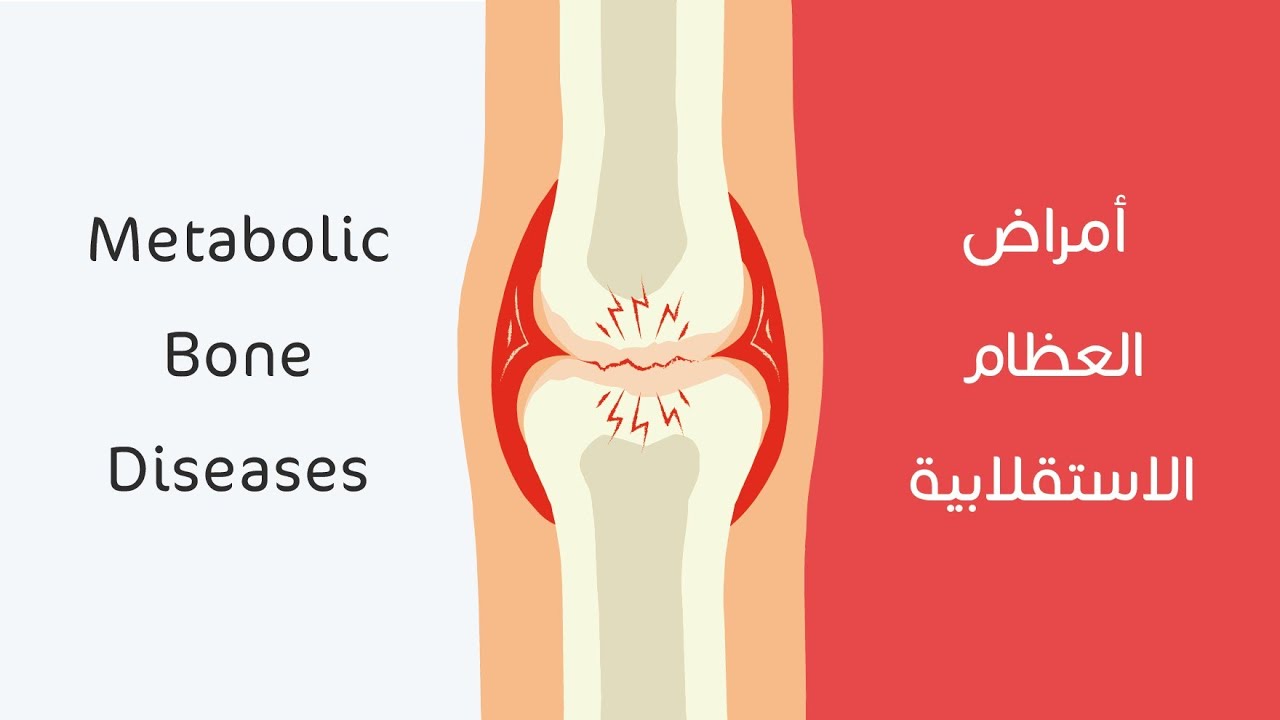





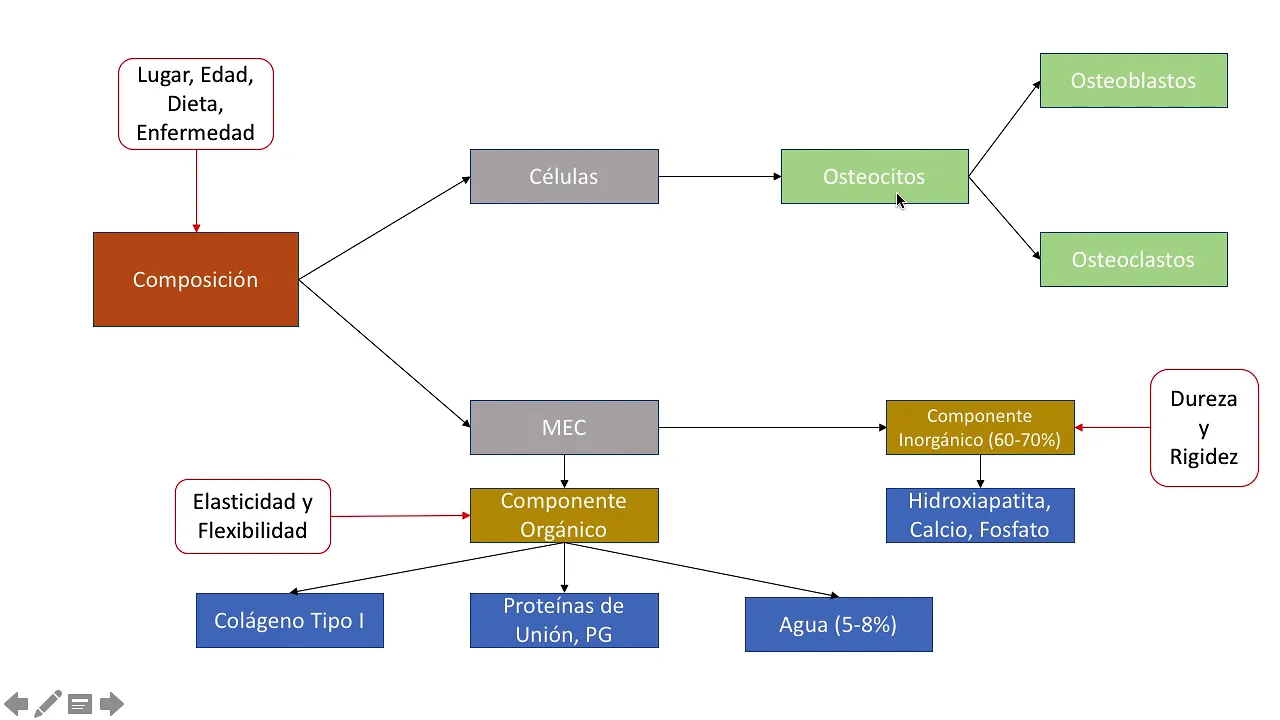
Bone metabolism, or bone remodeling, is a continuous lifelong process where specialized cells called osteoblasts (which build bone by secreting collagen and depositing hydroxyapatite crystals containing calcium and phosphate) and osteoclasts (which break down bone tissue) work together to maintain bone structure, repair fractures, and replace old bone with new tissue; this process involves four key steps: activation of osteoclasts to resorb bone, detachment of osteoclasts after resorption, recruitment of osteoblasts to rebuild the area, and eventual differentiation of osteoblasts into osteocytes.
Bone Remodeling Explained: Osteoblasts & Osteoclasts in Bone Metabolism
Added:Basic skeletal histology, including the structural differences between cortical (compact) and trabecular (spongy) bone.
The concept of extracellular matrix (ECM) composition, specifically the roles of organic proteins and inorganic minerals.
Fundamental cell biology concepts, particularly cell lineages and how different cells differentiate from stem cells.
The physiological principle of homeostasis and how the body maintains dynamic equilibrium.
Hormonal regulation of calcium homeostasis, specifically the antagonistic actions of Parathyroid Hormone (PTH) and Calcitonin.
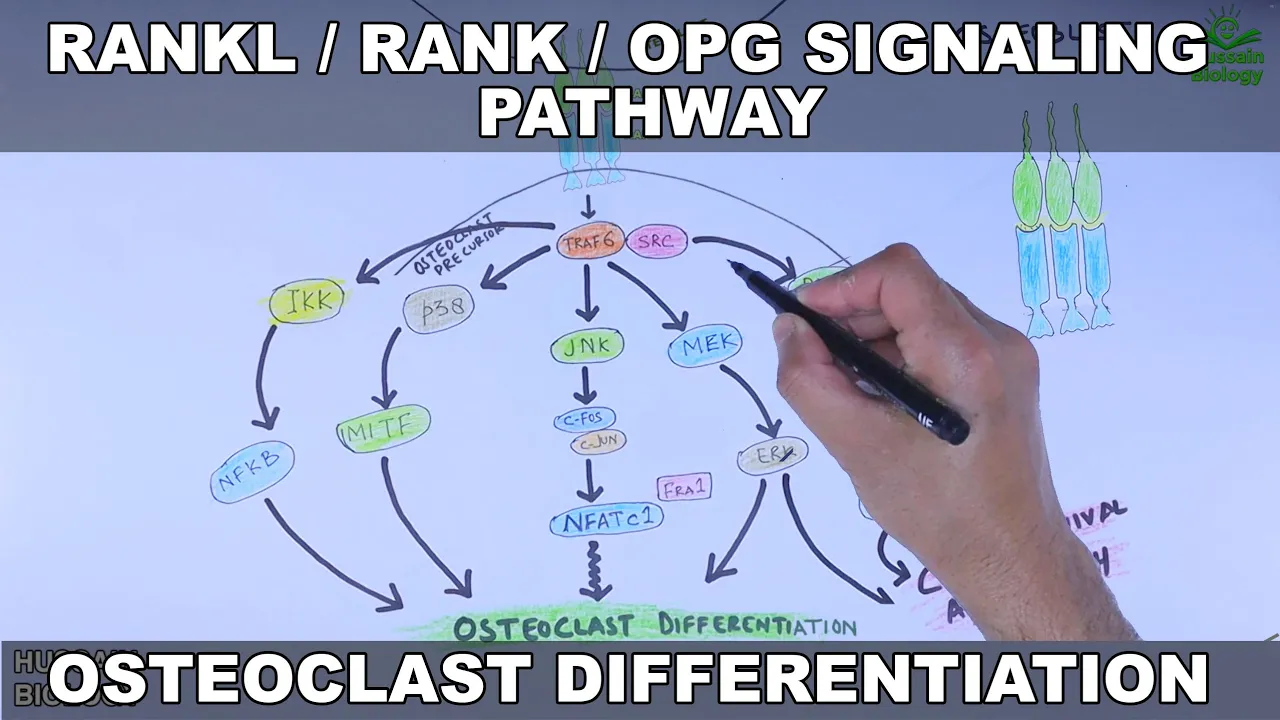
The molecular signaling pathways regulating bone cells, most notably the RANK/RANKL/OPG pathway.
Pathophysiology of metabolic bone diseases, such as Osteoporosis, Osteopetrosis, and Paget's disease.
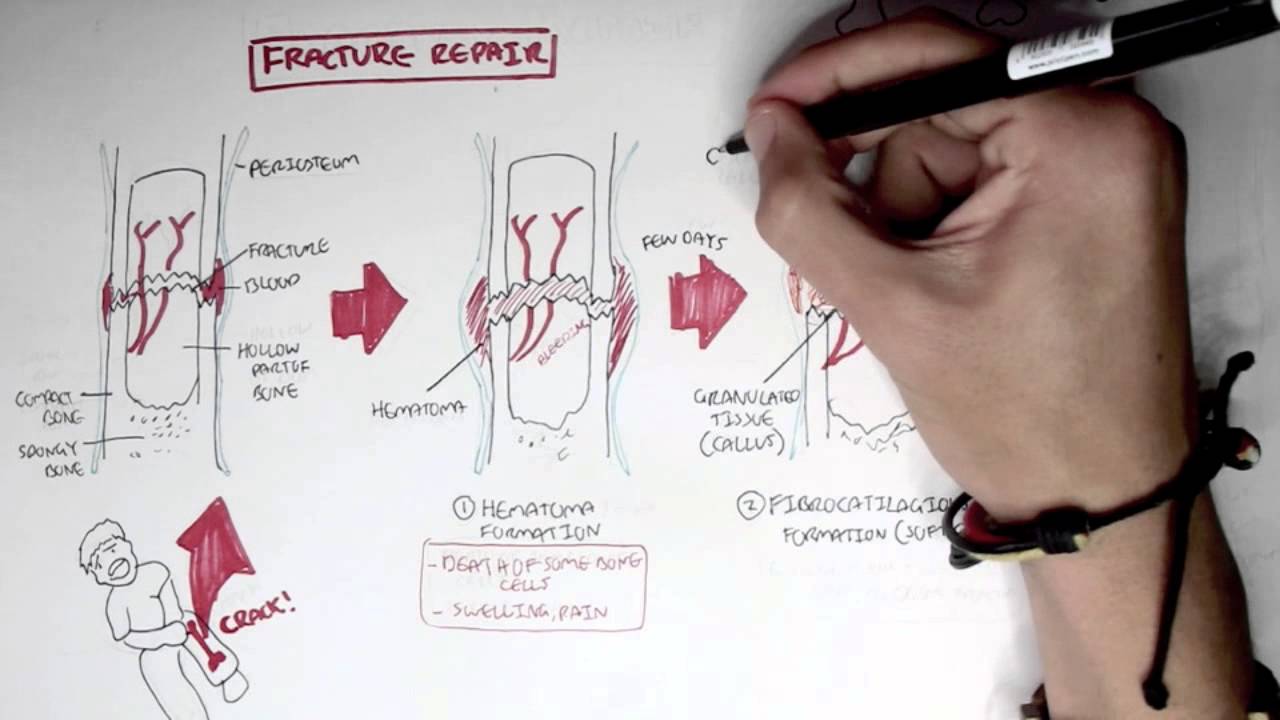
The physiological stages of bone fracture repair and healing.
Wolff's Law and mechanotransduction, explaining how physical exercise and mechanical loading stimulate bone deposition.
72.9K views999likes5:06Original Release: 2014-10-01
human bone consists of living connective tissue and what that basically means is inside the bone we have living cells that continually undergo different types of processes now one very important type of process that takes place in the bone on a continual basis throughout the lifetime of the organism is a process known as bone metabolism or bone remodeling bone remodeling is the process by which specialized types of cells break down and rebuild the extracellular Matrix that surrounds our cells inside the bone now there are two specialized types of cells that are involved in this process of bone remodeling we have osteoblasts and we have osteoclasts now osteoblasts are those cells that build the Matrix of the bone these cells are capable of producing the protein collagen and releasing secreting this collagen into the extracellular Matrix where the organic component of the Matrix consists predominantly of this protein collagen now on the other hand these osteoblasts are also capable of creating the inorganic component of the Matrix they can basically absorb the calcium as well as phosphate from the blood and depos of these ions onto the Matrix in the form of crystals known as hydroxy appetite so remember hydroxy appetite is the inorganic component of our Matrix it consists of calcium phosphate and hydroxide so it's the collagen that gives our bone the ability to resist tensile forces but it's the hydroxy appetite that gives the bone the ability to resist compressive forces now this process of bone remodeling so breaking down our bone and rebuilding our bone takes place during the lifetime of the organism and it also helps us rebuild our bones when we fracture those bones so let's discuss the different steps involved in this bone metabolism bone remodeling process so let's begin with step a in Step a we basically have our resting bone we have the Matrix of the bone as shown so this is our bone we have the line of the bone and these are the cells found on the lining of that bone now let's suppose we want to actually recruit certain cells the osteoclast to a certain location to break down that bone so we basically activate these ostea class we recruit them and we signal exactly where we want our rebuilding process to take place remodeling process to take place let's suppose it's here so these Osteo clats children red are activated they're recruited and eventually they bond they attach onto the surface of this section as shown in this diagram and as soon as the osteoclast attach they begin the process of resorbing so they basically resorb our bone they break down the bone and release these constituents such as calcium and phosphate into our blood stream so once resorption actually takes place and once we break down the bone The Matrix what happens is these cells basically depart they detach and move away while the osteoblasts shown in blue are now recruited and activated and these cells basically go on to attach to the same exact region where the resorption basically took place as shown in this diagram and once they bind to that section they begin to rebuild our bone by creating collagen secreting that collagen into this area as well as absorbing the calcium and phosphate from the blood to create the hydroxy appetite and eventually when some time passes we basically fill this entire section up with the newly formed Matrix so this consists of our hydroxy appetite which is the dominant portion of the inorganic component of the Matrix as well as the Olen protein which is the dominant portion of the organic component of that Matrix and once these ostea blast form our uh Matrix they can basically differentiate into our cells known as Osteo sites as shown as shown in that diagram so these are the processes that are involved in the process of bone remodeling that takes place inside the bone on a continuous basis throughout the entire lifetime of our organism
Up Next

11:35
Gastrulation: Formation of the Three Germ Layers
@AKLECTURES
591.5K views•2014-12-09
50:12
Bacterial Communication: Quorum Sensing and Biofilm Formation Explained
@JHUAAP
12.6K views•2011-06-28

7:47
Post-Translational Modifications Explained: Types & Functions
@AKLECTURES
136.8K views•2014-09-11
7:08
Bacteriophages: Earth's Deadliest Killers and Future Antibiotics
@kurzgesagt
34.6M views•2018-05-13
Related Study Plans & Knowledge Roadmaps
Structured learning paths in Biology
biology
RNAi: Biogenesis, RISC & Gene Silencing
01Molecular Biology Foundations: DNA to Protein
02Introduction to RNA Interference (RNAi)
03Molecular Biogenesis of miRNA and siRNA
+ 2 more learning modules
10h5 modules
Explore Roadmap
biology
Mycorrhizae: Signaling, Biophysics & Ecology
01Foundations of Mycorrhizal Symbiosis
02Molecular Signaling and Root Colonization
03Biophysics and Bioenergetics of Nutrient Exchange
+ 1 more learning modules
11h4 modules
Explore Roadmap
biology
Circadian Clocks: TTFL, SCN & Periphery
01Foundations of Molecular Biology & Gene Expression
02Introduction to Chronobiology and Actograms
03The Core TTFL: Molecular Architecture of the Clock
+ 3 more learning modules
14h6 modules
Explore Roadmap
biology
Population Genetics: Math, Drift & Selection
01Genetic & Probability Foundations
02The Hardy-Weinberg Principle and Baseline Models
03Mathematical Modeling of Natural Selection
+ 3 more learning modules
18h6 modules
Explore Roadmap