





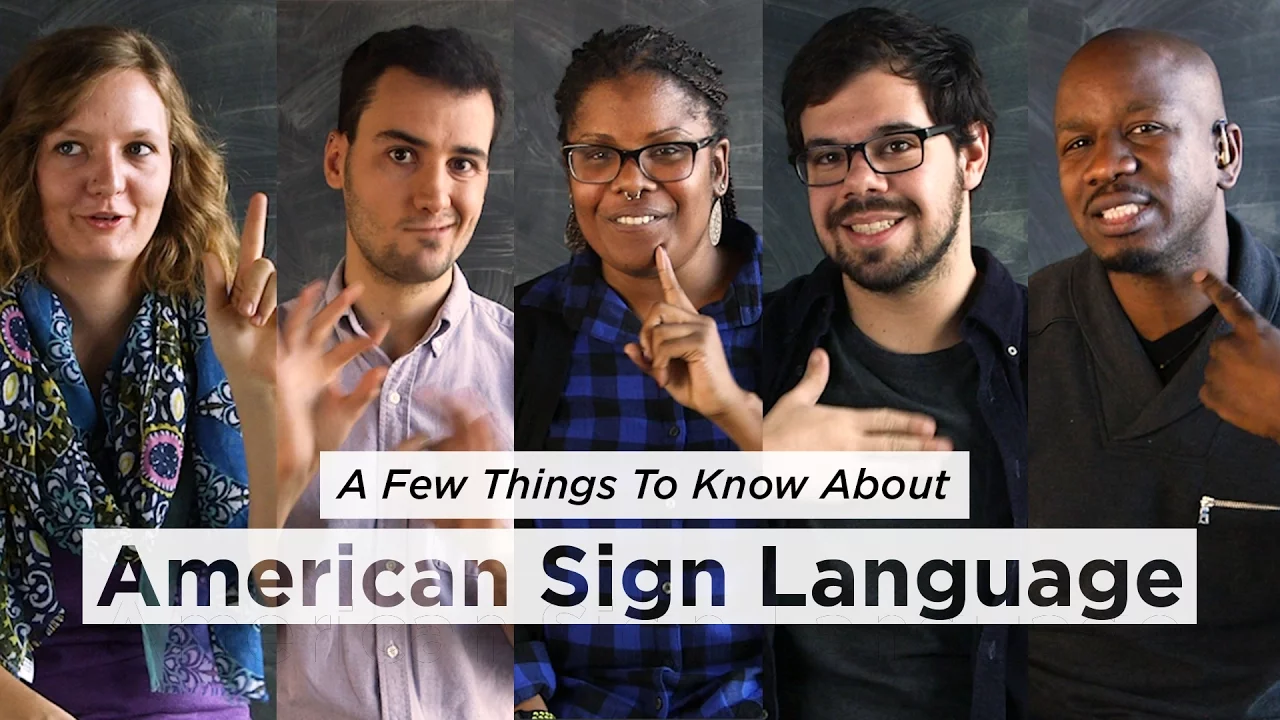


![BSL Verbs-Agreement Verbs [Subtitles available]](https://i.ytimg.com/vi_webp/p8vuHyYHtYs/maxresdefault.webp)
![[6/9] LÍNGUA BRASILEIRA DE SINAIS - LIBRAS - UNIDADE 2 TÓPICO 3 - Resumo em audiobook](https://i.ytimg.com/vi/6Zvr079K5QI/maxresdefault.jpg)




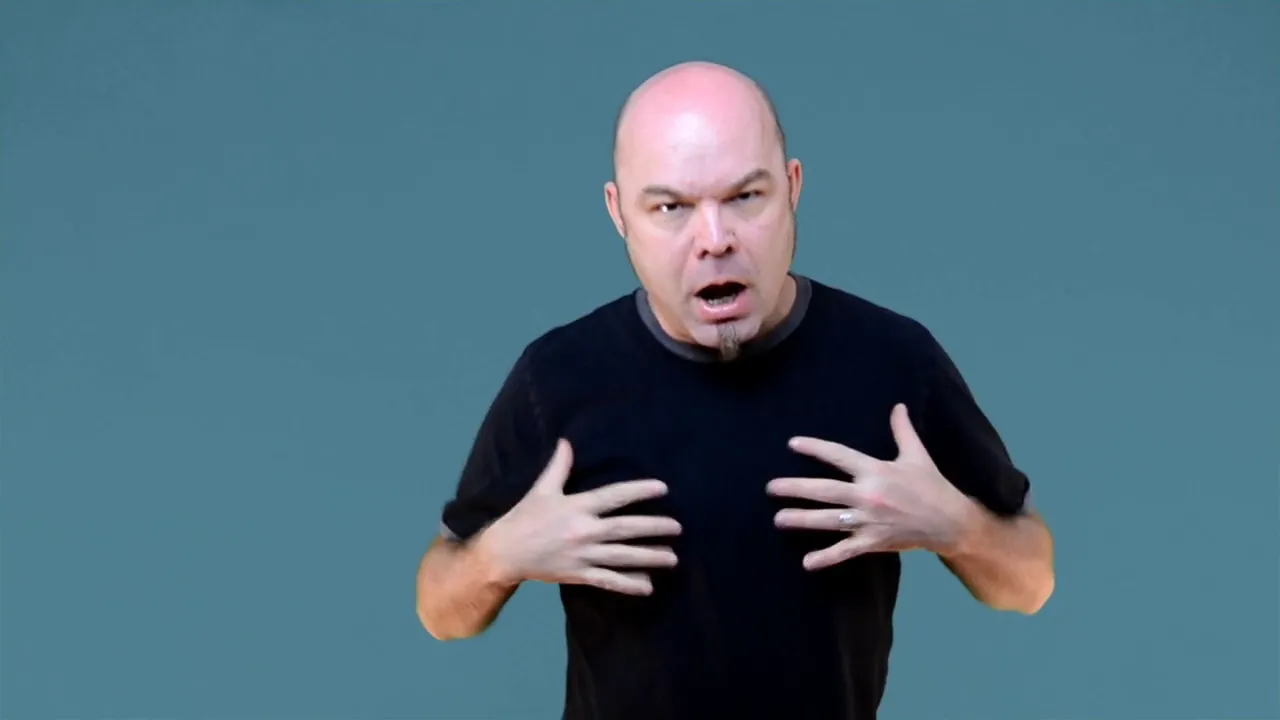
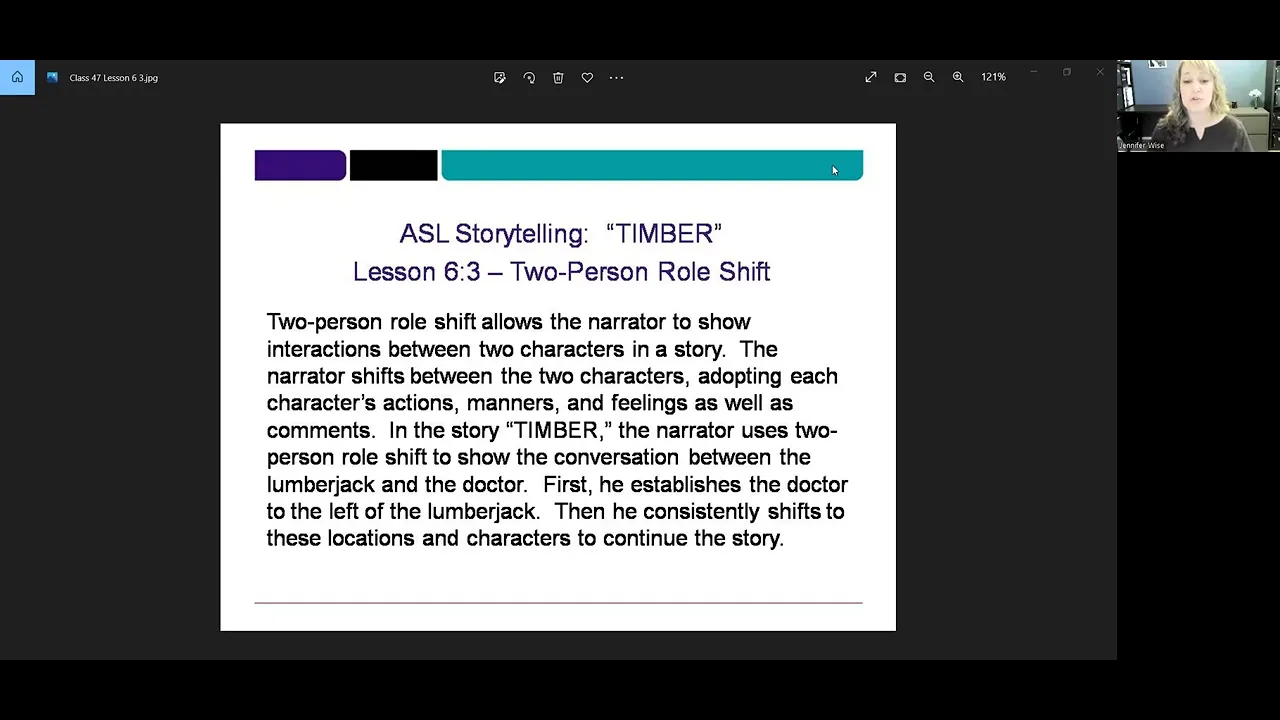










American Sign Language (ASL) is a fully structured, visual language that follows a unique sentence structure where background information is established first, followed by time, object, subject, and verb, with verbs always in present progressive form; unlike English, ASL relies on visual concepts, classifiers, facial expressions, and spatial relationships rather than direct word-for-word translation, making it a complete language for expressing any idea.
ASL Sentence Structure and Sign Language Basics Explained
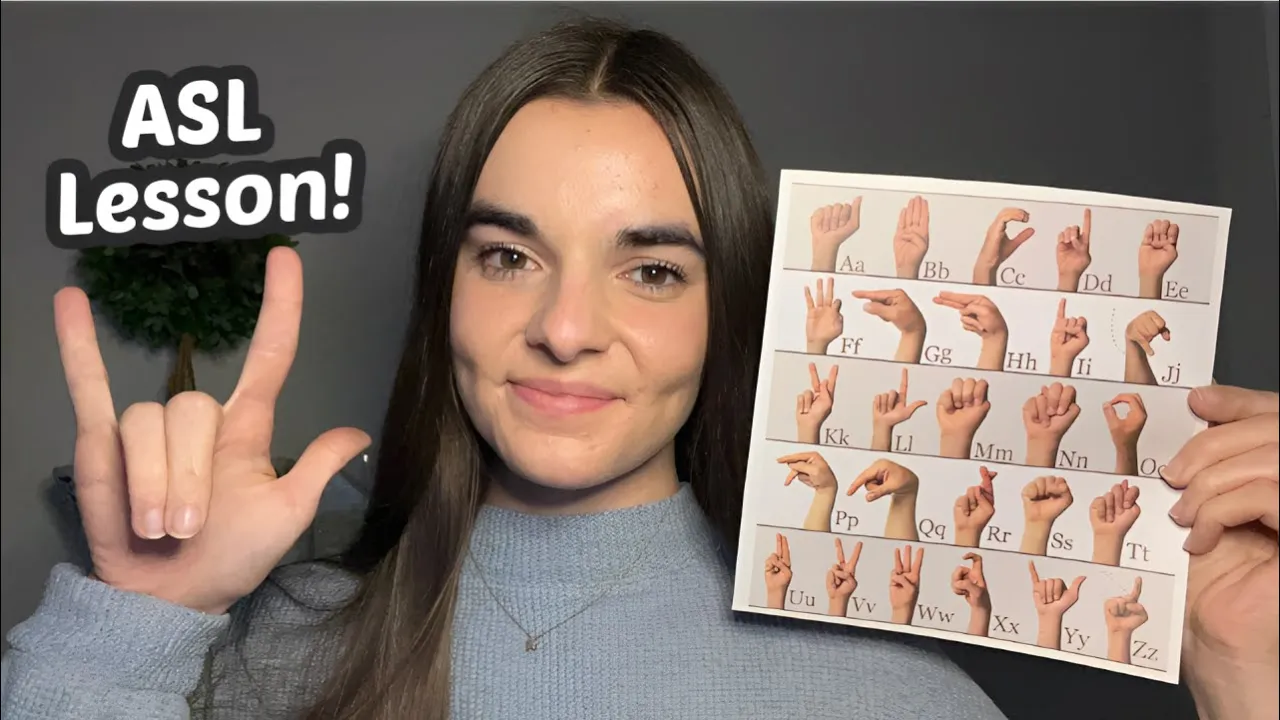
Added:Familiarity with the ASL manual alphabet (fingerspelling) and basic numbers.
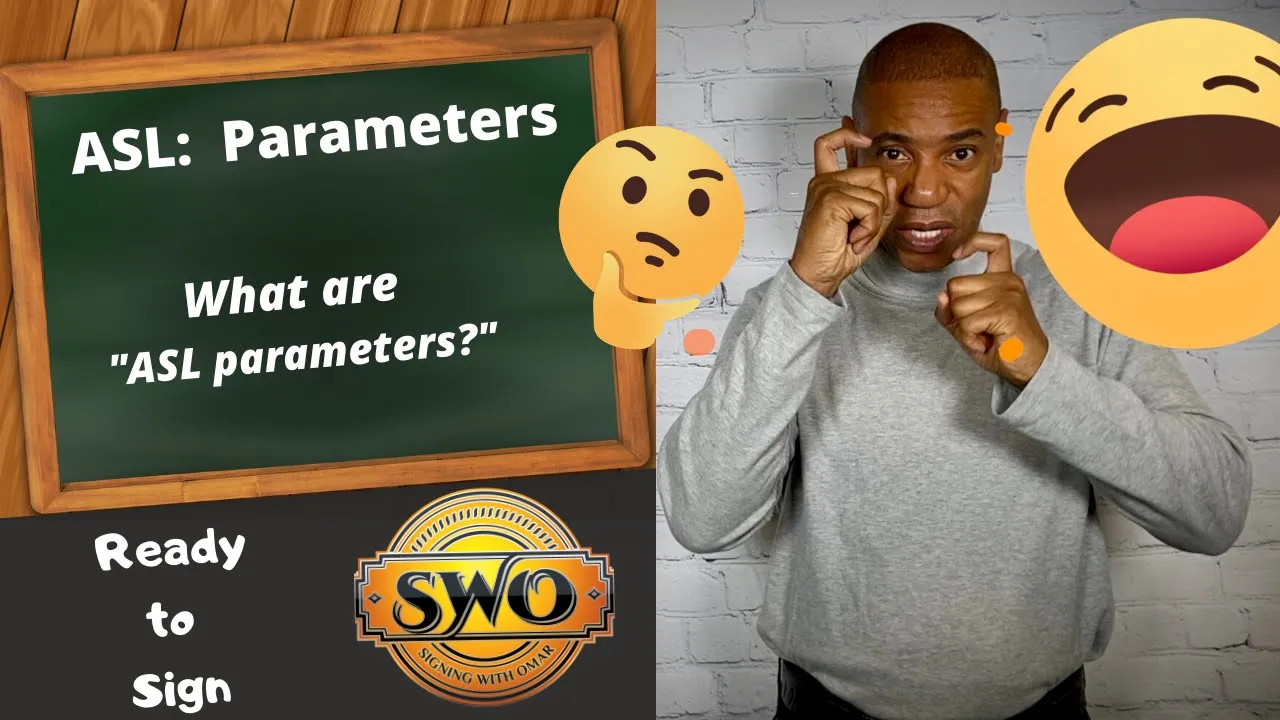
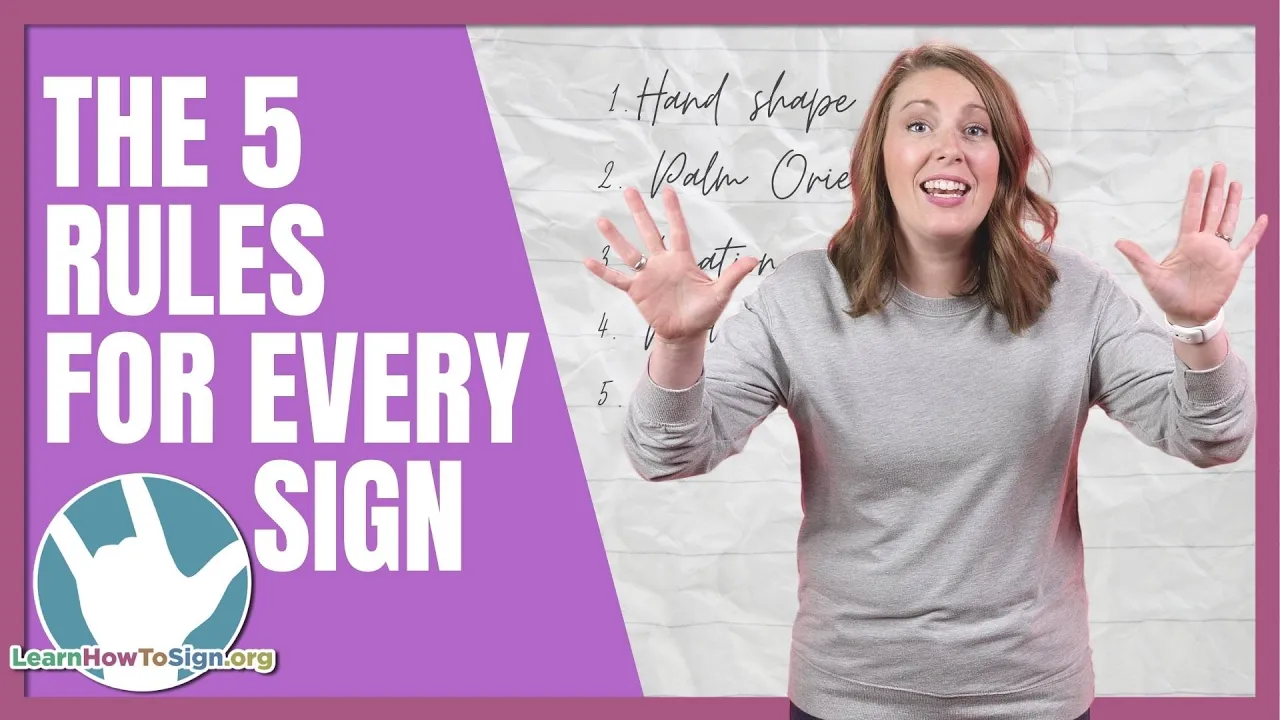
Understanding the five parameters of an ASL sign: handshape, location, movement, palm orientation, and non-manual markers.
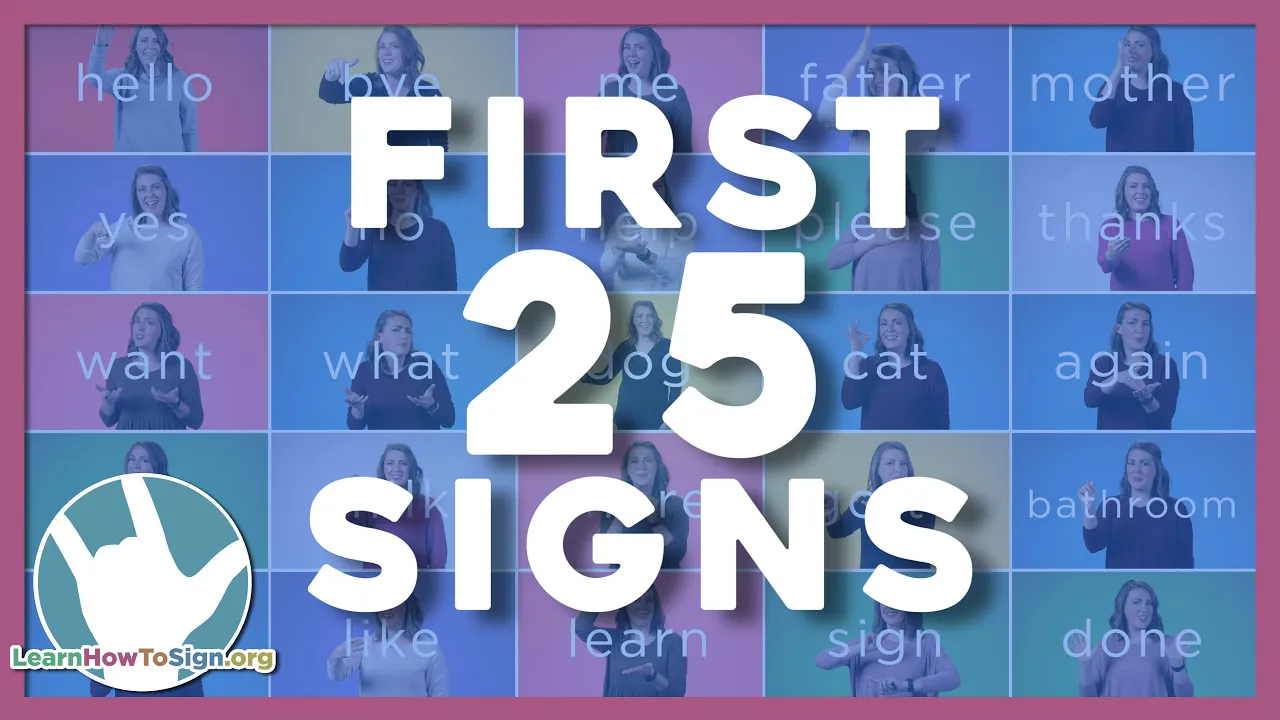
A foundational vocabulary of high-frequency ASL signs, including common nouns, verbs, and pronouns.
Awareness of Deaf culture and the fundamental concept that ASL is a distinct, natural language with its own grammar, not signed English.
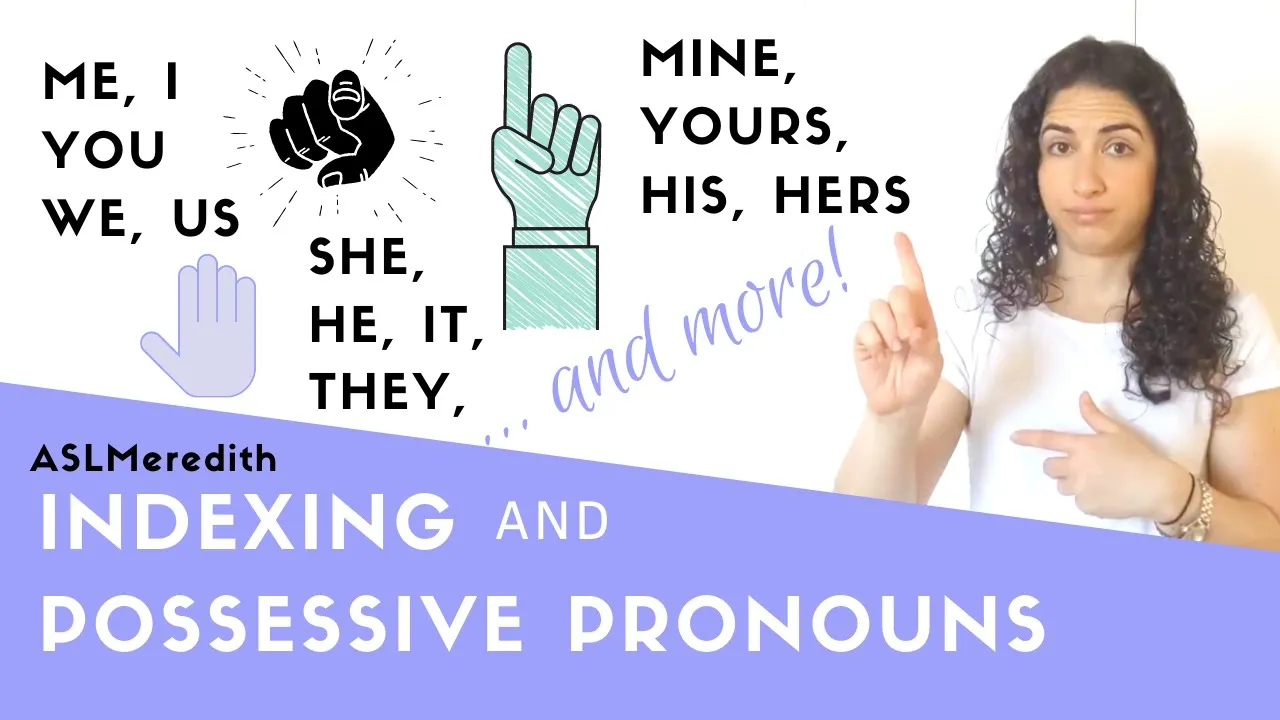
Mastery of spatial agreement and directional (agreement) verbs to show subject-object relationships.
Advanced study of classifiers, specifically Size and Shape Specifiers (SASSes) and instrument classifiers to describe complex actions and scenes.
Techniques for role-shifting (contrastive structure, body shift, and eye gaze) to represent multiple characters in storytelling.
Exploring ASL idioms, mouth morphemes, and non-manual signals that function as adverbs and adjectives.
Engaging in immersive, real-world conversational practice with native Deaf signers to improve receptive skills.
847 views35likes27:07Original Release: 2021-06-23
[Music] [Applause] [Music] when i was learning sign language to support the deaf community and i don't like to say that we as hearing people learn sign language in order to help the deaf because they don't need help but just like in any community where you want to reach out and you want to do more to support people and give them the resources that they need that was always my goal so it led me from one country to another country and eventually i wound up back home in the united states and working in a special program for the deaf and blind and a good friend of mine who was also involved in that program said there's a guy that you need to meet because he's just like you and so that's um that's how anir and i got to know each other [Music] i think if i wanted to share with the world one thing about deaf people and sign language it would be that deaf people are exactly like hearing people except that they can't hear if you are born in france you learn how to speak french if you're born in brazil you learn how to speak portuguese if you're born deaf you learn sign language it's their language and it's their culture and a deaf person is a deaf person no matter what country they're born in they can do everything in their life exactly like a hearing person can do it they just speak a different language so i'm really excited that [Music] my husband and i are able to teach with italki this has opened up so many new opportunities for us i've been teaching english online for i don't know like seven years but always with companies that controlled how i taught and they had their methods and you have to learn the method and then that's how you teach but with italki we've been given a lot of freedom and we're able to express ourselves and tailor our teaching methods to our students because not every student has the same learning ability or the same learning style i think that through italki we've really had a good opportunity to help people to broaden their minds and understand this language as it is a fully structured and completely comprehensible language you can express anything that you would say in any other language [Music] it's a full language it's not just something there to help support the deaf community it is a fully realized language and i think that in learning it we also are expanding our minds and learning to think a little differently about the world hi everyone my name is amy i am proficient in american sign language and i work as a sign language tutor online my husband anirban is deaf and he also works as a teacher online in american sign language hi there today i'm going to teach you the basics of sign language understand that around the world each country has its own sign language but the most popular sign language is asl so this is the one we'll be using in class today so we're here today to teach you the basics in sign language anaerobic is going to be your instructor but because it's kind of boring to read through a video with subtitles i'm going to give you some of the background information in english and then anir is going to demonstrate how we use this information to actually formulate sentences and tell stories in sign language so one of the basic things that we need to learn is the sign language sentence structure and i use the air quotes there because we do have a specific syntax that you're going to learn if you open up a sign language book or if you watch videos online but we really don't want to get hung up in that headspace of trying to put words or signs into sentences in the right order we want to kind of start to layer our language from background information down to details so anir is going to show us a little example of how that works and i'm also going to give you the sentence structure that we'll be using however we're going to break it down in a way that hopefully your mind won't be dependent on english while you're using your sign language so let's take a look at the first example anir is going to show us what images look like as they get closer to us okay so you may have noticed in the story that anir started by showing us an object that was really far away and as that object got closer it could zoom in our vision and we could start to see more and more details for example he gave us one image of a person who was really far away and as that person got closer we could see that they were upright that they were walking as they got even closer we could see the shape of their head moving through our line of vision and as a person we get even closer we can start to see details on their face so that's kind of the way that the deaf mind works we start with the farthest out the background information the things that are not going to change that are not going to move and then we zoom in closer and closer and closer and we add the details the layers the foreground of the picture so if you were to open a book you'll find this language structure it's going to say that a sign language sentence begins with time then we place our object our subject and our verb that's the correct syntax but the problem with thinking this way is that we're constantly confused between which one is the subject and which one is the object and then it's not natural for us to want to put the verb at the end of the sentence we tend to want to start with the verb and add people and things later but with sign language we can't act on an object unless it already exists so we need to start with our object first then we're going to place the subject who is the person that's taking the action and then finally the verb but before any of those three items can be placed in our sentence we need to start with the actual background where are we located what is the biggest part of this picture and what time do these events take place so i'm going to give you a little example don't mind me i've got it written here on my computer so that i don't forget and as we go through this example we're going to see how we kind of have to layer as if we were painting a picture with our hands so let's say for example we have this sentence i need to go to the mall tomorrow to buy some new shoes so the first thing that we want to set up in this sentence is when does this take place the reason for this is because in sign language our verbs are always in the present progressive form so if i don't first give you the time structure it seems as if the story i'm telling you is taking place right now and then if i add in the time phrase later you might be confused oh so did this happen right now or it's going to happen or it did happen so the first thing that we mentioned is our time phrase the time that the events took place this is not to be confused with the amount of time that it takes to do something such as i was driving for three hours but the actual time phrase lets us know when the events took place and therefore how the rest of the sentence will be conjugated so in this case our sentence starts with tomorrow the next thing we want to do is place our background information that is the things that's not moving it's going to give us the largest piece of the picture the place where everything else is going to happen so in this case it is the mall the mall doesn't change but the mall is the setting for where the other events are going to take place such as buying the new shoes so that is the next thing that we want to put in our sentence there is no sign for the word maul we spell it okay now that we have those two things established that's our background information the next thing we need is our topic so we are going to say that i need to go i need to go is the action that has to be taken in order to reach the mall next we have followed in the english the prepositional phrase to buy new shoes to buy some new shoes is our prepositional phrase normally a prepositional phrase in english shows a relationship between two things so we are relating the place that we're going the mall and the act of buying new shoes with sign language we don't use prepositional phrases so we can show the relationship between these two activities going to the mall and buying the new shoes by using a question word why it gives us a reason it's like saying because i need to so this is what our sentence is going to look like or we could leave out the question word why and use more of a nuance to kind of imply that there's a connection between the two events we do that by leaning forward and raising our eyebrows so it could look like this let's take a look at some more examples from a near one helpful tip is thinking about groups of signs or clusters rather than individual signs and how they're going to line up for example our action and our subject are always going to be next to each other the reason is without an action our subject is just someone standing there and without the subject we don't know how the action is going to take place against the object so let's say our object is a ball the action is catching the ball but we haven't stated who is going to catch the ball so it would just be ball catch but we don't know who that's why we state our object the ball then we have our person and the action catching the ball let's take a look at some more examples from anir one of the most important concepts in sign language but often very misunderstood is verbs so what happens is we tend to think more about how i can directly translate my english verb into a sign but really that's not the purpose of sign language sign language is conceptual and it is visual so if i have an action that needs to take place i have to think about what that action actually looks like so tip number two don't think in english verbs think more in concepts what does the action actually look like i'll give you an example the word in english make make covers a large variety of actions i make dinner i make the bed i make a mad dash for the train in each case make looks a little bit different i make dinner by cooking it i make the bed by tucking in the edges and i make a mad dash for the train by running so as you can see depending on the english verb make is not going to convey the same concept in english our verb make looks like this in sign language that doesn't make a lot of sense does it look like this when you make dinner or when you make your bed not really one example i make a lot of money let's take a look at how anir will sign this concept for us let's elaborate just a little bit more on this concept of what signs look like so the way that a deaf mind works is that deaf think not in words or phrases but they think in pictures what did that look like when i experienced it or how could i demonstrate this concept using my hands so anira is going to show us some experiences that we can convert from the english grammatical structure into sign language concepts have a look another important factor when we are building stories or sentences in sign language is using our signing space properly in english we tend to express things very laterally we might say something is on the left something else is on the right something is in front of you something's on top something's on the bottom but in sign language we build our picture first we show you the shape of the room then we start with larger objects that are kind of in the background off to the side and we build our picture towards ourselves or towards our audience so in this next clip anir is going to show you how he would describe for you a classroom with a teacher and students finally let's talk a little bit about adjectives and adverbs when we are signing a lot of what we would describe normally with words in english can be incorporated by our facial expressions exaggerating our signs extending our signs or elaborating with our hands what something actually looks like for example to say that something was very big we don't need the signs very and big we simply expand the size of the object that we're talking about for example a house but it was a big house so aneer is going to give us a look at some ways that we can express the size and shape of things the weight um just different descriptions using his hands let's take a look one more layer that we can add to our signing skill is roll shifting and eye glance roll shifting and eye glance help us to establish where people are what they look like and how interactions take place between two people or objects for example looking up at someone who is tall looking down at someone who is short looking to the right at one speaker and looking to the left at another speaker so let's take a look at some examples from our deaf instructor with this class we're not going to elaborate but just touch on one more important factor in our sign language we have what we refer to as classifiers classifiers i suppose could be the replacement for pronouns in a spoken language classifiers help us to identify people and objects their location their movement or perhaps even delineation so let's take a look and urban is going to show us what it looks like when people interact with each other using classifiers instead of just signs [Music] um [Music] [Applause] [Music] [Applause] [Music] you
Up Next

98:26
Sign Language Negation: Typology and Grammaticalization
@Abralin
1K views•2021-06-09
36:52
Constraint Interaction in Optimality Theory: Epenthesis & Deletion
@Vidyamitra
180 views•2018-08-20

8:59
Forensic Linguistics: How Language Solves Crimes | PBS
@pbsstoried
1M views•2024-01-25

21:32
Accent Expert Explains U.S. Regional Dialects | Part 1
@WIRED
9.3M views•2021-01-21
Related Study Plans & Knowledge Roadmaps
Structured learning paths in Linguistics
linguistics
Optimality Theory: Tableaux & Constraints
01Phonological Basics: Sounds, Syllables & Rules
02Foundations of Optimality Theory: GEN, CON, and EVAL
03The Constraint Inventory: Markedness vs. Faithfulness
+ 2 more learning modules
15h5 modules
Explore Roadmap
linguistics
Morphosyntactic Alignment: S, A & P Systems
01Foundations of Syntax: Transitivity and Arguments
02The Linguistic Variables: Mapping S, A, and P
03Nominative-Accusative Alignment
+ 3 more learning modules
12h6 modules
Explore Roadmap
linguistics
Analyzing Sign Language: Phonology & Syntax
01Foundations of Sign Language Linguistics
02Phonology: The Five Parameters of a Sign
03Morphology: Word Formation and Classifiers
+ 2 more learning modules
14h5 modules
Explore Roadmap
linguistics
Pragmatics: Speech Acts, Grice & Politeness
01Introduction to Pragmatics: Meaning in Context
02Grice’s Cooperative Principle & Implicature
03Speech Act Theory
+ 2 more learning modules
14h5 modules
Explore Roadmap