












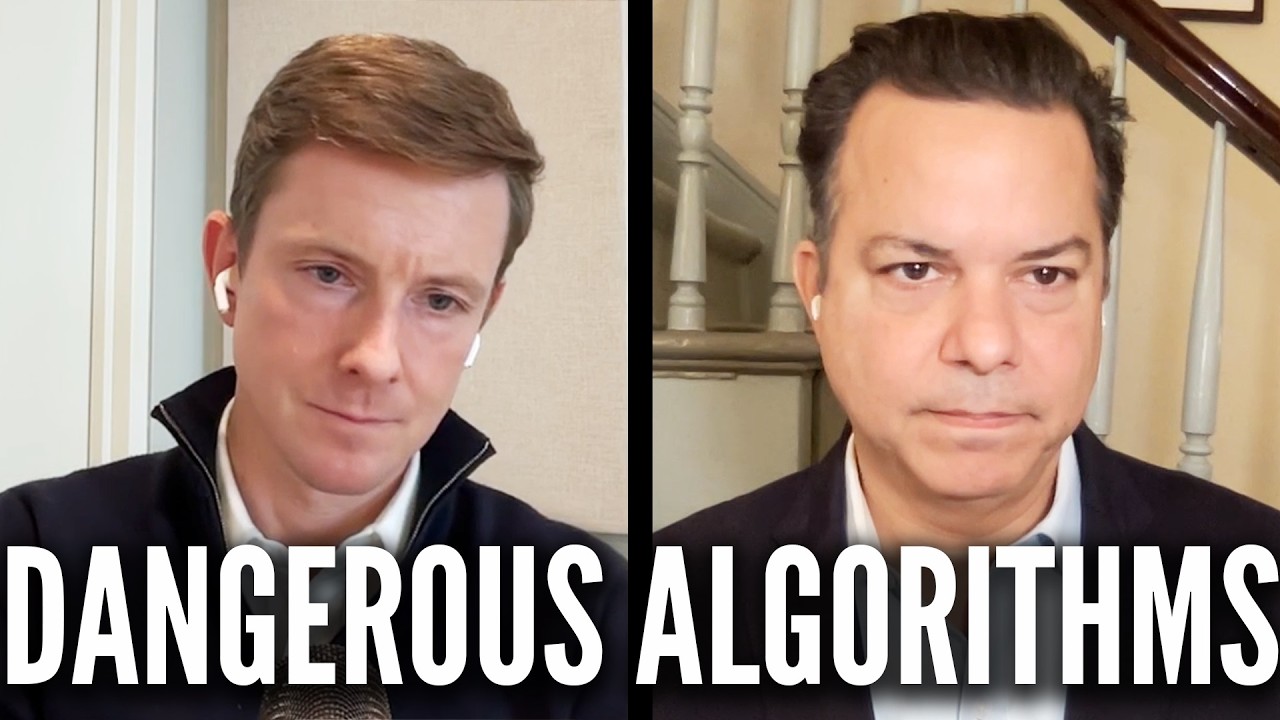


Section 230 of the Communications Decency Act (1996) grants online platforms immunity from liability for user-generated content while allowing them to moderate content in good faith; however, the 2015 Zeran v. America Online ruling by the Ninth Circuit expanded this protection to cover platforms' own content moderation decisions, creating a legal framework where platforms can ban users without accountability, as demonstrated by Alex Berenson's 2021 Twitter ban case where internal documents revealed White House pressure to de-platform him.
Alex Berenson's Twitter Ban Lawsuit: Section 230 and Free Speech Explained
Added:The core tenets of Section 230 of the Communications Decency Act and how it shields interactive computer services from publisher liability.
The legal distinction between state actors (governed by the First Amendment) and private platforms (governed by private property rights and contracts).
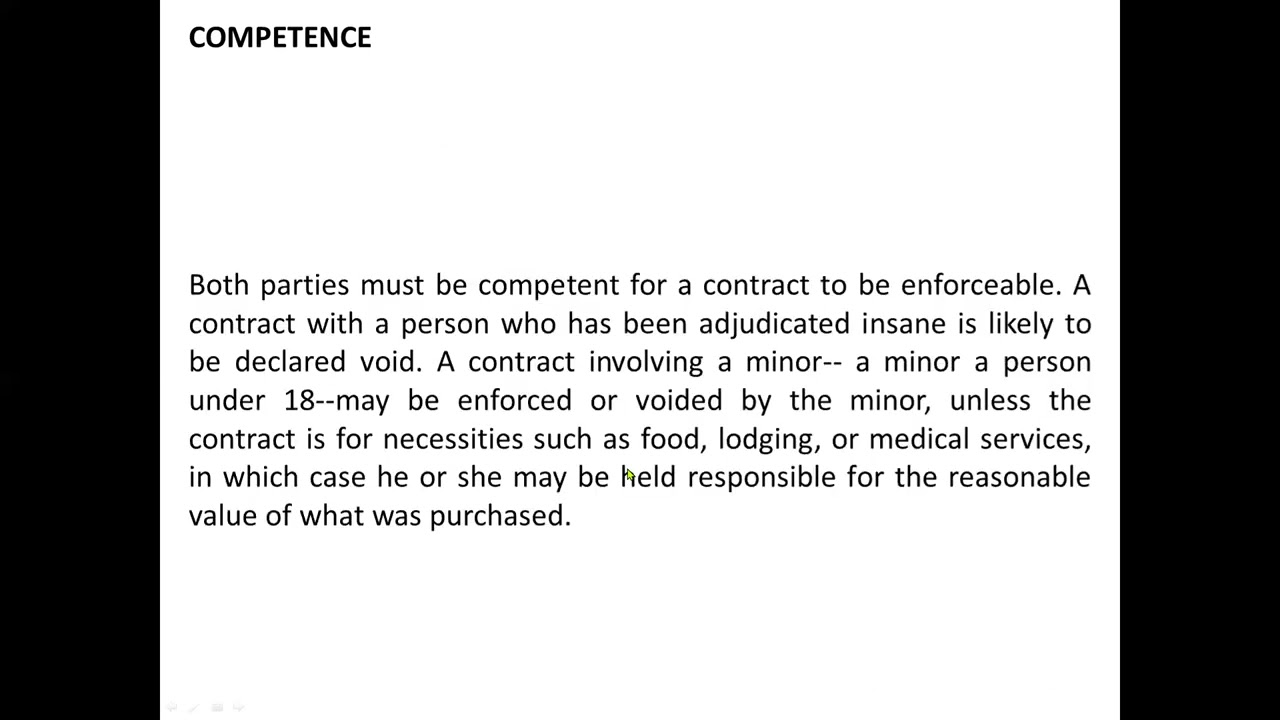
Basic principles of contract law, specifically how a platform's Terms of Service can create enforceable promises or breach of contract claims.
The context of the COVID-19 pandemic and the policies implemented by tech platforms to combat perceived public health misinformation.
The State Action Doctrine and the legal thresholds for when government pressure turns private platform moderation into a First Amendment violation.
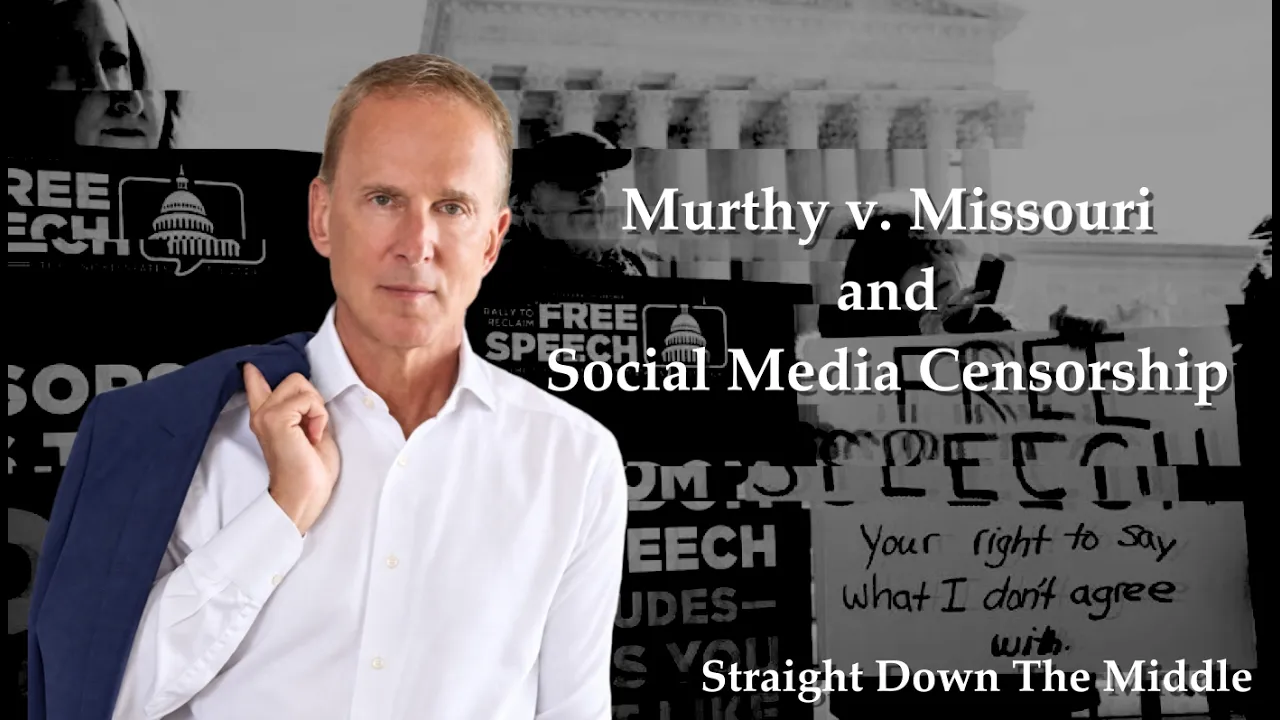
Analysis of subsequent major First Amendment lawsuits regarding social media censorship, such as Murthy v. Missouri.
The legislative debates and proposed bipartisan reforms aimed at modifying or repealing Section 230.
The legal implications of user-platform agreements and how platforms are altering their Terms of Service to prevent future breach-of-contract lawsuits.
1.2M views22.4Klikes15:07Original Release: 2022-08-26
the jurogan experience so explain the process so you were uh what was the exact uh definition of what they kicked you off for oh are we are we live yeah we're all good good okay um uh all right so it was almost exactly this time last year joe it was august 28th 2021 uh i uh wrote a tweet that began it doesn't stop infection or transmission and they banned me i went on to say uh this is not a vaccine or don't think of it as a vaccine think of it as a therapeutic meaning a drug that has side effects and that you have to dose in advance of illness and then the last line was and we want to mandate it insanity okay i i would say that that's been pretty well vindicated by events that's that's vindication so so they banned me they said that was my fifth strike and that i was not allowed to tweet anymore and my account was not available to anybody all the previous tweets were gone the 300 000 people too bad um so i sued them uh in december and here's it gets it gets interesting and tricky uh so other people have sued twitter and facebook and youtube uh and wikipedia actually all these companies um and said you know you've banned us uh uh you know i just want to be able to use your platform i haven't done anything wrong and the companies say we can do whatever we want we can ban you we can you know attach labels to your tweets this that and the other uh and there's a law called section 230 of the communications decency act it's a federal law from 1998 i want to say maybe 96 that basically was intended for two purposes purpose one was we don't want these companies to get sued over stuff that people are saying on them so in other words i go on and i say you know terrible things defamatory things about joe rogan or i say terrible things about my ex-wife whatever okay or i say you know go shoot the president whatever it is i'm saying i'm saying something that's harassing or hateful or illegal we can't expect uh a bulletin board or facebook or uh or or twitter or whoever to police all that stuff there's too much of it it's not fair so we're gonna give them complete protection from that and that makes total sense by the way all right you can't you know you can't have these people uh policing everything that's uploaded or downloaded it's not it's not within their capability okay the second idea was we want these folks to be able to give their users a better experience and so we're going to give them some protection limited protection to moderate the content that's posted meaning let's say i'm posting tons of pornography and you know i'm posting it to a christian website that uh that you know that's advertising itself as a family-friendly place the idea was the uh 230 is going to allow me to take action against uh that user in good faith for harass harassing or objectionable content so i'm gonna be allowed to ban stuff or to age restrict it and and that was really intended when you look back at the statute for pornography especially okay so what happened was the companies with the help of the ninth circuit which is uh the the federal uh judges in in california which is where most of these companies are based california and the west coast uh managed to get bigger protection and this really this was happening for a while and then it really happened in 2015 there was this case where a group of sikhs uh you know an indian minority group the government of india went to facebook and said we don't like these people they're protesting against us you gotta ban them you gotta ban their their group website and facebook said okay and pulled them they sued facebook they said this is not right and by the way like this was a classic example of a government telling uh you know didn't not wanting dissent okay they didn't facebook the indian government didn't want to deal with this group so they told facebook to ban it okay the ninth circuit said that 230 protection that allows you complete immunity if if alex berenson says you know here's naked pictures of my my ex-girlfriend that also allows you to ban whoever you want whenever you want they called it first party third party they said there's no distinction in the statute between the immunity you get for uh you know for for this for this defamation that alex might be doing versus your own decision to ban these people who don't want to be banned and ever since then 230 has been a beast and every time somebody has sued the companies have said look at seeks versus facebook we win and that's basically been how it's been they've been allowed to do whatever they want and so by the way i know i'm not even talking about my case yet but this is the legal background so sometimes when conservatives say hey we need to ban 230 we need to repeal 230. i that's actually not true you just need to have the courts interpret 230 the right way which is you don't get to sue facebook or twitter for these defamatory or harassing or illegal posts that other people are putting up but at the same time they shouldn't have blanket protection for their own decisions so they've had the best of both worlds they call themselves publishers when they want and as a publisher i have the protection to publish who i like not publish who i like but i'm not a publisher for the point from the point of view i'm more like a telephone company if somebody does something bad over my airwaves does that make sense that's how they've got it okay okay all right so fast forward barons and sues baronsonv twitter here's what i had i had conversa and i had emails from a guy inside twitter named brandon borman who is a pretty senior executive he was their vice president of communications telling me explicitly hey we know what you're saying we are in favor of encouraging debate about covid that was in 2020 and then in early 2021 he even went on to say we're encouraging debate about the vaccines and we don't think you're doing anything wrong so so i said not only are they violating my rights as a you know as an american and you know the california constitution actually has additional free speech protections and i think they're violating those too they're specifically they made these promises to me they may they they modified their contract with me and there's a broader point that's important to everybody when they say we have a coveted misinformation policy or we have a election misinformation policy or you know pretty soon they'll probably have a climate change misinformation policy whatever these policies are that that govern what you can and can't say on their platform they have to follow those so even if they say their contract and you know when you you you if you sign up for twitter you you know you click on something at the end and you've signed a contract with them basically and that contract is written by their lawyers it's very favorable to them very unfavorable to you as the user they're modifying that okay that was our argument they are modifying that when they put out a covet 19 misinformation policy they don't have to have a covert 19 misinformation policy they could say hey we're twitter we're going to ban you whenever we want for whatever reason but they did have that policy and our argument was they have to now follow it and the judge his name is judge wilson william allsup he was in california and he is not a trump appointee he's not a george bush appointee he is a bill clinton appointee known for being a smart guy who kind of plays it down the middle he in april of this year just a couple months ago said i think barrington's got a case i'm going to allow this lawsuit to proceed i'm not going to dismiss it and that was a that was a major event you know and sort of the point of view of internet law because again even though i did have these communications with borman that other people uh don't have this broader issue of who is of of whether or not these platforms when they tell you we're going to have this strike policy we're going to do these things do they have to follow that that's the question again if if the if the argument is i'm twitter or i'm facebook i'm all powerful i operate under 230 and i'm going to kick you off whenever they want they gotta tell people that instead it's like well as long as you play within the rules and you color by our guidelines it's okay and then they don't even do that now you can sue them so you sue and then did they settle so so i sue in december in april we get this ruling and the judge doesn't allow everything to proceed which from my point of view was sort of unfortunate he didn't allow uh my big claims on the first amendment or my california claims to proceed and frankly i still think there's a chance uh whether it's me or you know it's or it's not me but whether it's somebody else somebody else going forward might be able to have a good claim on california constitutional law because again twitter's based in california and the california constitution is even more protective of free speech than um than the u.s constitution it actually says for example the way it's been interpreted in california the california constitution if you own a mall you have to let people come in and protest even if they're you know like from the vietnam war on even though that's a private facility you because you're running this place that's open to the public and that a lot of people who you know go to it becomes almost a public facility for the purposes of the california constitution and my argument my lawyer's argument uh is twitter is twitter is a huge public space it's referred to itself as a public square many times it should be forced to do the same thing under california law and if the federal law if 230 blocks that now we have an issue of uh you know does the federal law go too far and sort of hurt first amendment protections but put all that aside judge didn't allow any of that stuff but what he did allow was my breach of contract claim to proceed and he did something else joe he he said this guy is going to get discovery so discovery is a in is a legal term it means that the two parties have to exchange information in a civil lawsuit so so and it's actually kind of amazing if you think about this that this is how this works the lawyers for you know for twitter we're going to go to twitter and say you got to give us all your documents that and you know that where alex berenson is named whether that's internal or whether that's you know pfizer emailing about him or whatever it is and we're going to hand that over to his lawyers so he can help sue us and i had to do the same thing i mean for me it's not a big deal you know it's like me and my phone or whatever but but just and then he said the judge said i would get to depose two twitter executives and that could be anybody he didn't put any limits on it so that could have been like jack dorsey okay so if you're a big company that's a nightmare for you you do not want that you do not have to go through discovery you do not want to have to go through depositions you just want uh you you want a lawsuit to go away okay so and my position was look the judge gave me this stuff i'm not backing off i want those depositions i want this discovery and i want the right to make it public and so twitter i did not think we were going to be able to settle but twitter uh and i in june we had these this long mediation and i can't sort of talk about how that went specifically but i can tell you that at the end of well july 6th they they they reinstated me to the platform we settled they i guess you could argue they didn't apologize but they acknowledged they were wrong to have taken me off last august and and this is the really good part since then i've been publishing internal documents where twitter says that they came under pressure from the federal government to ban me so this to me so people said when i settled it was funny it was actually people on the right they said this guy he took all this money to sue twitter he didn't care he just wanted to get back on the platform he just wanted to be able to tweet he wanted some money from twitter that's what he got he promised you he'd get discovery he didn't get it nothing nothing's ever going to happen with this well screw those people too okay because i've now been publishing documents that show that the white house wanted me banned and that is the biggest part of all of this okay that's where the story is going now that people inside the white house this is and this is this is twitter employees talking to each other about a meeting that they had in april of 2021 before twitter had ever done anything to me where they said they said that the white house said why is this guy still allowed to tweet and at that time they were saying to each other these twitter employees we think he's fine we don't think he's doing anything wrong well you fast forward to july of 2021 just over a year ago and joe biden says the vax anybody who debates the vaccines if social media platforms allow that they are quote unquote killing people and then less or barely a month after that four hours after that i should say twitter puts a strike against me they begin the process of de-platforming me six weeks later they d-platform me
Up Next

43:46
Foundations of Law and Legal Anthropology | Anthropological Key Concepts
@ayabaya
19.1K views•2008-03-10

6:55
Understanding Copyright and Fair Use in the Digital Age
@techquickie
144.1K views•2016-07-22
5:27
Forensic Phonetics: Speaker Identification in Legal Cases
@nptel-nociitm9240
539 views•2025-03-19

24:42
Police Interrogation Tactics: False Confessions & Legal Reform
@LastWeekTonight
7M views•2022-04-18
Related Study Plans & Knowledge Roadmaps
Structured learning paths in Law
law
Analyzing Mergers: Clayton Act & FTC Rules
01Introduction to Antitrust Law and Market Competition
02Corporate Mergers and Section 7 of the Clayton Act
03Defining Markets and Measuring Concentration (HHI)
+ 2 more learning modules
10h5 modules
Explore Roadmap
law
Self-Defense Law: Imminence & Castle Doctrine
01Foundations of Self-Defense Law
02Imminent Threat & Reasonable Belief
03The Principle of Proportionality
+ 3 more learning modules
12h6 modules
Explore Roadmap
law
Defamation Law: First Amendment & Actual Malice
01Introduction to civil torts and the First Amendment
02Elements of Defamation: Libel and Slander
03Public Figures vs. Private Individuals
+ 2 more learning modules
8h5 modules
Explore Roadmap
law
Hearsay Rule: Trial Evidence & Exceptions
01Introduction to Trial Evidence & Courtroom Basics
02Demystifying Hearsay: The Core Definition
03Non-Hearsay: Exclusions Under FRE 801(d)
+ 3 more learning modules
14h6 modules
Explore Roadmap