





















In SaaS pricing, the critical lever is not what you charge but rather who and how you charge, with effective pricing requiring clear segmentation based on customer value metrics, appropriate pricing metrics that scale with both customer value and company costs, and careful communication of changes to maintain customer trust.
SaaS Pricing Strategy: Value Metrics and AI Monetization
Added:Basic SaaS Business Models and Key Performance Indicators (e.g., MRR, LTV, CAC, and Churn Rate).
Fundamentals of Pricing Strategies, specifically the distinction between Cost-Plus, Competitor-Based, and Value-Based Pricing.
The concept of a 'Value Metric' and how software companies align charging mechanisms with customer utility.
An introductory understanding of Generative AI costs, specifically how API providers charge using token-based pricing models.
Advanced Packaging and Tiering Strategies, such as the 'Good-Better-Best' framework and feature gating.
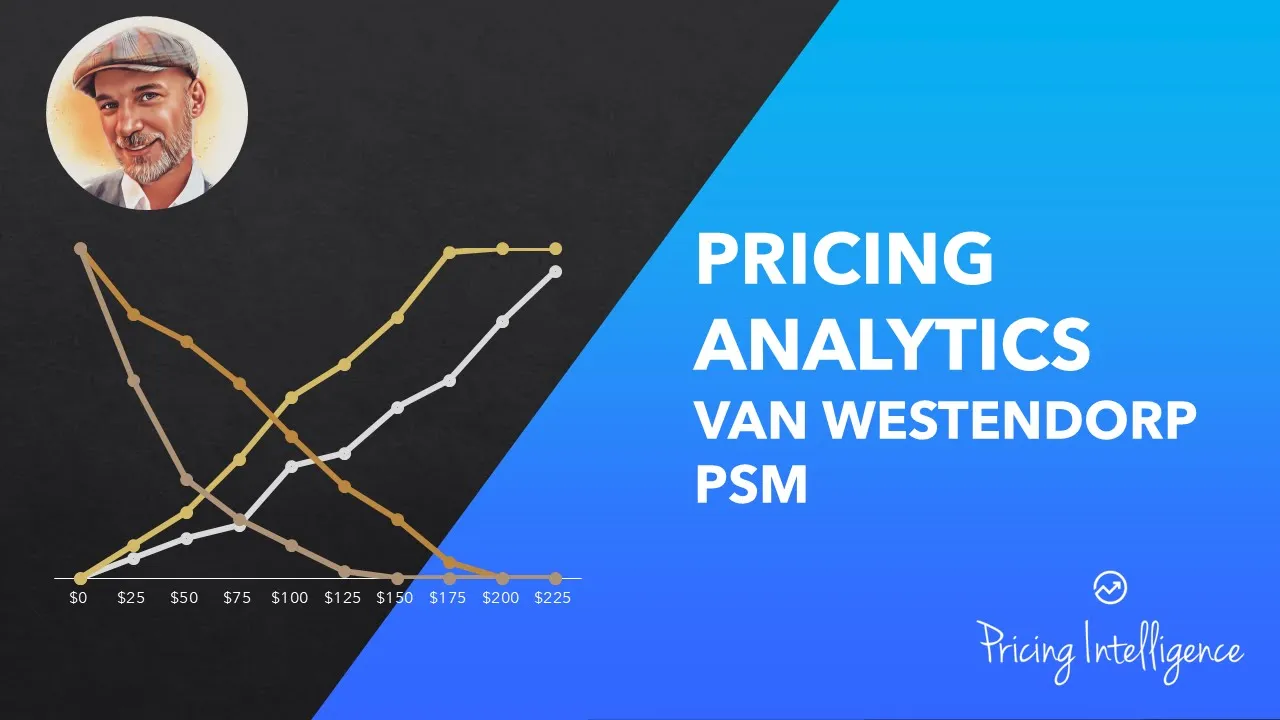
Quantitative research methodologies for pricing, including the Van Westendorp Price Sensitivity Meter and Conjoint Analysis.
Change Management and Communication Playbooks for executing price increases without damaging customer retention.
Architecting modern usage-based billing infrastructure (e.g., metering systems and hybrid subscription/consumption platforms).
130.3K views39likes51:51Original Release: 2026-03-03
Just because you added an AI feature does not mean it has value for [music] your customers. A lot of these AI features I've tried in products. It's like, yeah, it's interesting. It only works about 50% of the time, and now you're going to charge me more for this thing that works 50% of the time. As soon as I put a monetization gate in front of it, [music] that's going to stop my adoption flywheel. Welcome to SAS that app building B2B web applications. The podcast where we share real world stories, practical advice, and tech insights for those building or thinking about starting a tech- enabled business. I am your co-host, Aaron Marchbanks, and I'm Justin Edwards. Each week, we bring you the stories, strategies, and insights you need to build your SAS or tech enabled business smarter, not harder. Let's dive right in.
Hello and welcome back to SAS that app.
As always, I am your co-host, Aaron Marchbanks, and with me today, as almost always uh either here or here, uh usually is Justin Edwards, my partner in crime. How's it going, Justin?
>> Hey, never better. had a somewhat eventful uh weekend as you may have uh picked up on if you saw the news, but uh all in all not uh not doing too bad.
Yes, Justin is hanging out south of the border where there has been things going on. [laughter] So, but happy to report safe, you know, safe and sound. Um but yes, and and finishing up the house, right?
>> Yeah, the house is basically done. This is not a virtual background. This is actually my mess. So that's exciting.
Yeah, >> I I I noticed that as well. It's like that's great. Things got to start feeling a little bit more settled with that. Also with us today, our guest is Dan Balcowski, founder of Product Tranquility, where he helps B2B SAS companies uh design pricing and packaging strategies that actually reflect the value of what it is they're delivering instead of just guessing or doing what other competitors are doing or just, you know, going with the gut and charging what feels right. So D has spent most of his career uh kind of at the intersection point of product and strategy and growth. Worked across startups, large organizations. Um led a lot of product initiatives and and dealing firsthand with what we're going to be getting into today, which is one of the hardest problems in software. And that is how to price something in uh a meaningful kind of tangible way that's fair andor scalable andor aligned with businesses uh and models that you're trying to build. So through product tranquility, he partners with SAS founders and and that's kind of how he he gets them across the line. So if you've ever launched a feature, had no idea what to charge for it, underpriced it because you're afraid of losing deals, looked at your pricing page and thought, uh, this is probably not the best way to go about it. Uh, we're going to get into all that today. So Dan, welcome to the pod.
>> Thanks for having me. It's good to be here.
>> Absolutely. So first things first, uh, what pulled you in the direction of technology? U, you know, was this something that that was like goal for yours from the get-go? Did you did you fall into it? Did you get in there sideways? How how did you get here?
>> Yeah, I've been in uh the tech space my entire career. Uh probably going back to, you know, high school. Uh was I'm a nerd, so really did well at, you know, math and science and those type of things. And um took uh my first programming classes in high school and decided, you know, to go and get a computer engineering uh undergrad. So started out my career as engineer and then moved into product. got an MBA along the way and been running my consulting firm for a little over six years now, which is kind of wild to say.
And now I have the uh privilege of helping, you know, founders, CEOs, their teams define pricing and packaging that helps them, you know, turn pricing from a strategic liability into a core strategic asset.
>> So at what point along the journey there did you decide this is going to be the focus? Pricing is a problem. Packaging is a problem. I want to attack that.
Yeah, that's an interesting blend, right? I think like any good career, it's a blend of luck, uh, experience, wisdom. Wisdom is what you get when you get experiences you don't want. Um, and then, uh, some natural inclination or talent. Uh, as I mentioned, I'm a nerd.
So, uh, I think my preconception before I got into pricing, you know, explicitly was pricing is very analytical, very data driven. And there are pricing worlds that are like that and we may get into what it looks like at B2B SAS or elsewhere. B2B SAS u there's definitely analytics to it. Uh but it also is a significant blend of psychology and uh understanding and we think about uh idea like customers willingness to pay some for something. Willings to pay is a measure of desire or motivation. It's similar to measuring happiness. Um and so it has a lot of interesting principles of consumer psychology that you have to understand and then uh yeah so it blends a lot of interests and then you know happen stance along the way for sure. So you've worked in companies obviously you know before becoming you know a pricing wizard the the wisdom part of that right um so so when you when you get into and and I'm assuming there there are many places where your your line of work and and our line of work kind of cross over you have to almost become a subject matter expert with the people that you're helping so that you can understand you know their market their customers and things like that but when you're when you're on the inside when you're getting in here you know how do you help founders approach pricing you know, when you get in, what are what are the places, the specific elements that you look at that deserve attention that that you know, kind of kind of drive what it is that you want to get them to see?
>> Yeah. Well, I think maybe first is helping them with a misconception that is pretty rampant when folks think about pricing. You know, when it comes to SAS pricing, most executives think that what you charge determines your success. In fact, who and how you charge determines your success. So, unpack that a little bit. You know, that first part people think about what you charge. A lot of the initial preconceptions are all around what's the number? You know, we're we're charging for this product. Should it be $19 a seat or should it be $99 a seat or should our prices end in fives or nines?
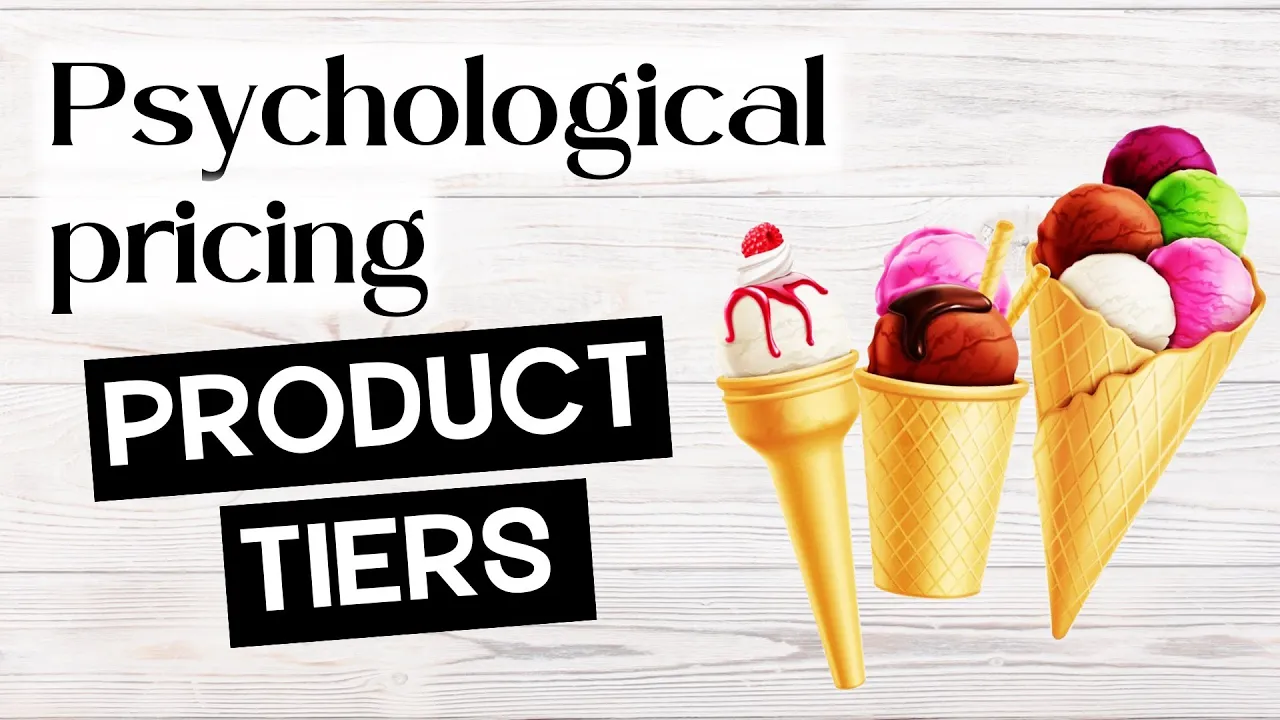
Uh those are all super interesting questions, but they tend not to be the biggest leverage points. [snorts] So, you know, in this conversation, I may say pricing, but I'm always talking about pricing and packaging. And so, that really gets into that second part of who and how. So, I kind of hinted at this before, thinking about willingness to pay. It's a measure of of desire or motivation that often comes from a particular customer or group of customers, what we call a segment. Their specific situations, their motivations, their current constraints define that level of desire or motivation. And then how we charge, breaking packaging down into its different elements like the price metric, the unit of value you charge customers for. Are you charging per seat or per number of contacts in your database or number of pipelines in your CRM? Right? It could be any number of things. Or the pricing models, it's subscription, perpetual, pay as you go, some sort of hybrid of those. uh is it what are the offer configurations or bundles that you're putting into the market such that your differentiated value as you graduate between for example tiers a lot of companies in the B2B SAS world use good better that that's clear and consumable by your customer right because you might have for a mature even semi-mature software product you could enumerate a couple hundred features right and so if we tried to sell those as a Chinese menu of features like you First of all, your sales people aren't going to be able to explain it. Your customers or prospects not going to be able to understand it.
So, we need to put those together into uh bundles or offers that are coherent that solve distinct use cases that are easy to communicate. Uh, right? But so, a lot of the work goes into that packaging aspect. And of course, at the end of it, we need to put a price point on something, but it's really at the tail end. And it's usually no more than I would say at most 5% of any given pricing exercise is really figure out what that number is at the after the back end of all that work.
>> So if you wanted to be a little data driven about this and you like are launching a relatively new product, maybe you have a couple customers who you knew personally who became customers kind of through your connection with them and now you're trying to develop the pricing [snorts] uh that works to address the market like more generally to go find people who aren't coming to you from word of mouth or through connections. What are the things that you coach people to look at to start developing a sense of like segmentation?
If we're going to do good, better, best or or maybe there's certain modules that people need and other people don't.
What's the way to engage with that initially?
>> Yeah, it really depends on, you know, when you say they're bringing a new product, right? I could take that kind of from two ways. You know, there's the early stage company where they don't have anything in market. uh which might be very different than if you're already in market and you have a portfolio already and now you're adding an additional product right your understanding of customers and dynamics and what they've been asking for in those two cases might be very different you know I would say the latter case you're going to have a much stronger hypothesis of what is going to satisfy customers the early stage company right anybody going through a Y cominator program or anything else right it's like you're starting from zero we got this idea we think it might be valuable now we got to go talk to 100 people net new to go figure out is this something that they're struggling with and and is a problem that they need to have solved.
You know, there's a couple of different assumptions buried in your question. I would say, you know, when you're at the earliest point in your development, so I'll start with the new company because it's the cleanest sheet of paper.
I see a lot of companies that maybe try to innovate in areas that don't require innovation off the bat. Is that really required for market success for you to have that? And so when you think about something like good, better, best, it's a really nice starting point. It's not the best solution for every single scenario, but it has a lot of things going for it. It uh relies on a lot of tried and trueue methods of uh consumer psychology and choice architecture. Um it's relatable for your customers, right? So even going back to something like price metric. If I'm creating a new CRM, well, who's the absolute market leader in that space, a salesforce? What does Salesforce use for a price metric?
The number of seats. If I come with a new product and I'm like, well, I'm not going to charge you by number of seats.
I'm going to charge you by the number of I don't know uh the the number of uh I don't know tokens our AI uses on the back end to to to you know help your sales team. You're going to have you just put yourself in an uphill battle, right? It's very similar, not the same, but has similar characteristics to if you're you know there was a lot of uh buzz about this back in the day uh when people were like oh you have to create a new category. It was like yes the there's companies that do create a new category and it worked out very well for them but they're few and far between and there's many many successful companies that did not create a new category because create a new category is hard because every time you're like trying to create something in the frame of mind of an entire market it's very expensive and difficult for them to to reference versus like hey we're a CRM we charge by seat this now we can talk about a differentiated value proposition this is how we're different so like that's a longwinded say way of saying like don't be afraid especially at the early stage of you know this is not copy your competitors but not trying to out innovate yourself and be too clever such that you put yourself in a in a a bad position I would say early stage as well there's you know really a question or decision to make around price positioning it's kind of rarely talked about but at the earliest stages like well what kind of company are you trying to be I think that maybe the most relatable example to this is okay I'm going to be a watch company am I am I maybe a Timex or a Rolex cuz that has very downstream implications on the rest of my company and go to market model and marketing and position you know how we talk about it you know what are approaches to sales right is it is it very high touch is it very bespoke concierge because our you know a single sale supports all that activity or does it have to be highly transactional in volume and that's a decision you're not going to come at that analytically I mean potentially you have some amount of analysis that says like this is what this looks like. But that's really sort of a decision point. Are you going to be a you know a luxury brand? Are you going to be a a value brand? Are you going to be you maybe somewhere in the middle? Um and then you know at those earliest stages it's I say all what I said before around don't out clever yourself because those earliest product launches and you know maybe the first one two years after launch it's really about does this product actually create value? Does it solve the problem we say it solves so that we have validated feedback. Of course, you want to have people paying for that, but you're very rarely is your problem. Oh, we don't have the optimal pricing and packaging, right? You could really screw that up by being too clever. But you want to validate that because if you think about any product launch, all products have a set of hypotheses. You build something, it doesn't mean it's actually going to solve the problem. It's going to work for customers. You know, maybe you solved it and realized it wasn't. We use sometimes use the term vitamin versus aspirin. Now, this is more of a vitamin than an aspirin. price could give you some of those signals, but my sense is that like your product alone is going to give you some of those signals and so you don't want price to get in the way with it, which is very different that maybe you get to, you know, five million or 10 million of ARR and now you're like, okay, the product's getting complex enough. We've established a differentiated value proposition. We know enough about our customer base and now it's time to kind of go back and uh rigorously approach this at at that point.
Real quick, this episode is brought to you by Delta Systems, which is what Aaron and I do when we're not talking through microphones to you, the people of the internet. We've got a really, really great software team here, and we love to work with [music] cool people on cool projects. So, if that sounds like you and you've got a problem or you're in some kind of a jam, go to deltasystems.com, grab a time with us.
We can beat up on your problem together, and if there's a fit there, amazing.
We'll help you out. So, deltasystems.com, grab an appointment, and hey, maybe we can work together.
So, what are like the signals that you look for when you're you have some customers and you're you're kind of trying to take your different customers, maybe you're doing segmenting or seeing maybe there's different types of customers that are I mean they're segmenting but not necessarily by size.
Um, and saying like I guess what is your strategy if you work with a company that's rethinking their pricing and they have a bunch of customers. How do you go about trying to tease signal out of of what pricing might might work better?
>> Yeah, so there's a couple of different ways you can look at this. I would say transactional analysis like the data that you have in your general ledger or CRM. Um that can be helpful but probably not as helpful as most people think it is. Uh what do I mean by that? Like usually we'll go in and we will look at uh the transactional data for example to see do they have a discounting policy?
Is that discounting policy enforced? Uh those are two different questions by the way. those don't always happen um together. Uh and and then what is the sort of that dispersion, right? And so you can potentially see pricing problems in uh the dispersion of discounts as it relates to potentially different customer groups. Um so for example, what can happen may be helpful, you know, very tactically is we have a use case. I see this quite often actually. We have a use case that is split across tiers. So see we're just take uh we have a two simple two-tier.
We've got a good and a best. We don't have a better, right? But there's a use one of those use cases is split between.
And so you see customers who to solve their problem really need to buy the best but don't want all had no need whatsoever for all the other stuff the best comes with.
>> Yes. Yes. And >> so what you'll see there is you see that they got sold the best, but they got a really significant set of discounts. And that points to a problem of hey, like our use cases should be coherent within a package. Like if we're straddling use cases, you're going to end up having a lot of imagine what that looks like in real time in the sale, right? It's like, okay, we got the sale, but how many extra calls with sales and negotiation rounds did that have to go to close that sale versus like, oh yeah, Justin, you got this problem. This package is the one for you. Oh yeah, that does everything I need. Great.
Here, send me the send me the uh, you know, PO or etc. We'll get the contract signed.
>> I'm living this problem right now. So, I have trying to figure out pricing for a company that I'm I'm working with. And we have one customer who's a large customer and they're very very happy with their package and happy to pay for it. And then I have another customer who's a lot smaller and really wants a couple things out of the the better or best tier, but just can't actually afford that tier for the size that they are and but really need a couple things from that. So, we ended up basically discounting them down because of their size. But, I'm trying to like I think you're right. I think it's like a problem with with how we're packaging this.
>> Yeah. And so, you know, that's that's a problem that will I don't say there's any perfect solution. There's always, you know, segmentation as a uh approach always has, you know, somewhat fuzzy boundaries. So, but definitely that could be a way to, you know, get at that. Um, but in general, right, when you're looking at pricing, especially you're looking at transactional data through a pricing lens, trying to figure out what to do, it's much like looking at your company strategy through last year's P&L. Like that's what happened.
That doesn't tell you what you should do. Like unless it's glaringly obvious of like, hey, like we keep on, you know, punching ourselves in the face. We should stop doing that. Uh, the P&L, right? If you if you have a another dimension you can look at for example is like your your win rate or close rate um and what your push back is on deals that you don't close. If nobody is complaining about your pricing whatsoever, you lose no deals to pricing. Hey, well, we got a fantastic win rate. Well, that's probably a problem. It probably means you're way underpriced. If anybody's sold services before, you know, having a talking to a prospect, you're like, "Yeah, this will be a million dollars." They're, "Oh, great. Send me this thing today." You're like, "Oh, no.
>> This person this person probably would have bought this person probably would have bought for 10 and now I don't know that." Um, so you know, that that is a sort of a dog that that didn't bark type signal that you could look for.
uh but going back kind of so so then so the transactional analysis helps for some you know remedi remediation uh issues churn customers are also very helpful uh you know if you could do uh with uh well win loss on the front end and then also you know retention studies on the back end that can give you signal then looking at uh deeper levels of you know what you might call kind of unobservable characteristics so we're really getting into a segmentation approach I think One problem that many companies run into is they think about segmentation and they infer that oh well our sales team is divided into an enterprise and commercial segment. So that's our customer segmentation.
But remember what I said before about willings to pay. Like willings to pay arises from the situation the context that you're in. I don't know any so sell your say you're selling martekch software. I don't know a Fortune 500 CMO that wakes up in the morning says I am a Fortune 500 CMO. what software do I want to buy today? It's like no, that person has got some very specific problems that they're dealing with in their organization and usually what we see when we go and do uh the deeper level segmentation work is that that Fortune 500 CMO maybe also looks very much like a mid-market CMO, right? But there's there's other characteristics. There's situations, motivations, uh, behaviors, uh, workforce compositions that are more telling, um, that help help you define what those those are that then propagate into, okay, what is the what are the use cases, what are the pain points those people need to solve. So you you start from that bottoms up of what is the problem they're trying to solve into the capabilities that your platform has to coherently package them together to create an offering for that kind of person who's in that situation.
>> I want to I want to jump into as we we spent some time talking about you know I'm going to I say startups or early stage or or you know these are these are good points to be thinking about. I want to jump to a mature company now. So, someone who's been in business for a while, uh maybe maybe it's a very I'm going to call it a broad type of approach to pricing that's that's like a license model. You know, it's just like a per use, like you know, here's this thing, you pay an annual fee or or a monthly fee for the licensing of it or something like that. And they find themselves at a point of segmentation or at a point where um they need to maybe fork their product uh and therefore change their pricing model. How do you how do you help them? first of all identify if that is something that they do in fact need to do and two if they do need to change that model and you know maybe fork their product or whatever how do you help them change that from like a maybe a license to a per use or a perceipt um or you know per like you said token something something like that that's that's a departure from what they have done for years and years with their customers. So these are these are often challenging because in existing business um you know the the benefit of the incumbent is they've got money.
[laughter] U the the down the downside or weakness of an incumbent is they've got a lot of money that they don't want to lose. Um and so uh going through one of these transitions uh can be uh risky and painful uh etc. So there's a bunch of like sub questions embedded in yours.
So, I'll just take >> Sorry, I do that sometimes.
>> All right. [laughter] I'll just take I'll just I'll just take like a price metric transition because I think this is one that is uh most impactful for for companies. Um it can be it can be difficult and painful, but it's often uh you know worth worth the the the bite at the apple to uh to figure it out, right? So um I would say across like B2B SAS about 40% of B2B SAS companies charge by seat.
So it's not the I don't think any uh metric is beyond that but it's definitely the the highest proportion wise. But like maybe for and I'm not a person who believes that per se is dying or that it's bad for all use cases. It makes a lot of sense. Um, but maybe it's like, okay, should we we need to look at at what this should be. So, how we would go about that is multi-step. I'll give you the short version. If you want to dig in at any level, you let me know. Um, one thing that we always want a couple of criteria for what a good price metric looks like. And so, again, a price metric could be per API call, per contact database, per se, uh, you know, per gigabyte of data stored. uh Dropbox or you know any storage uh company has.
We want to evaluate a price metric through a couple of lenses. So does it scale with the value that customers receive?
Does it scale with [snorts] your costs to serve? Um and do both sides, the buyer and the seller, uh is is it relatable and do they feel like they can exert some reasonable control over the metric? Because if it's not enforceable, then that's a real problem.
So I want to add to this picture this concept of a value metric. So a value metric is separate than a pricing metric. But a value metric helps you frame what is the customer really trying to achieve by using your product. So the tright answer here is all B2B SAS could be boiled down from value prop. Either it's going to make me money or going to save me money. There's some others but that those are the two two ways. And so if we think about, okay, I'm making a a CRM or a Martekch platform. This is going to help me make more money. That's the customer's value metric. That's what they're using to judge the success of your product. Usually implicitly, like you have to bring you have to drag this out of uh customers and prospects as you talk to them. Uh but effectively, right, if you if you sell a CRM and it doesn't like it doesn't help them make more money, like I'm it's probably something is going uh terribly wrong, right? even if you can fully attribute to that or or not. And so we want to understand what the customer's value metric are and then how does using our product help them achieve that value such that we can tie together this customer centric view of value with what our product is doing and what it's enforcing. that we can think of that as like a a value chain, a multi-step process that I'll use an example or sell again, we'll go use a martekch uh platform uh help helps you and your marketing team send more email campaigns, right? And those email campaigns are now more effective. So, you can sell more and they're more effective uh because we got some fancy AI system that helps you, you know, really understands your customers well.
It could could AB test to do all this stuff for you. And so within that is okay if they're launching more campaigns like we could look at and they're getting more customers. We could look at the size of their database. We could look at the number of campaigns they're launching, right? But none of those are the things the customer really cares about. The customer cares about like you got to be more MQLs and those MQLs translated in pipeline and the pipeline closed and converted into sales, right?
So we have to draw that line to okay what are the things we could measure versus what are the customers trying to achieve and then evaluate each of those against a set of criteria. Is it enforceable? Is it relatable to the customer? This is an area where we may get into AI a little bit more in depth later, but I think a lot of people are really taking a hard turn in the wrong direction by looking at a lot of cost plus pricing as they pertains to like LLM use. is people are building AI enabled applications that use a foundation model for Anthropic or OpenAI, uh, Google, Gemini, CFOs are seeing a giant monthly bill go out the month, go out the door every month to those companies and they're like, "Oh my god, this is now costing us way more to serve than we expected. So, we're getting charged by tokens by Anthropic, so we're going to charge our customers their token usage." Well, your customers are not developers, they're not AI experts, they're buying a CRM, and now your salespeople have to explain in real time what a token is and why they should care about it. Um, it's just a losing battle. It's not relatable. Uh, even if you have really persuasive sales people, which I know a lot of companies do, it's still very difficult to wrap your arms around something that the customer is not already measuring. Right? Going back to your original question, Justin, of you know, what should you do if I'm, you know, entering a market, right? It's the same idea. Like if you're selling a CRM and I say, "Hey, we charge you per seat of sales people that are there." It's very relatable. Oh yeah, like the other the other uh players in the space already do that, right? It's an easy thing to to gro versus like, oh, this is new and different. Doesn't necessarily mean it's always the right uh always the wrong choice if it's not, right? It might be very strong on other characteristics where you have some value proposition where that really aligns well to the differentiated value story you're trying to tell. But you usually what you're looking for going through that process is what is the best of of the set of different options that we have. There's rarely one pure best play. Um, and let me just say one more thing because in the value metric to pricing metric story, I think one thing that folks always try to do is like, well, we're trying to help them increase revenue.
Why don't we just help them grow revenue? That's really difficult on something like the enforcement mechanism because unless you're in the transaction, I think Stripe has a beautiful business model. They charge, you know, percent of a transaction plus, you know, some uh additional fee. I haven't looked at the pricing recently, so it may be different, but they're in the transaction, right? They're like, "Hey, we're helping you scale your e-commerce business or whatever. You're using Stripe, so we're going to take a percentage of that revenue." Most companies, they do not have enforcability on that revenue level and therefore kind of a pure performance or outcome based model usually is a non-starter and you have to look at one of these other surrogates. Getting back to you said that you think kind of trying to switch to tokens and charge people with for their token usage is is kind of a a hard turn the wrong direction. Would you then advocate for setting like a limit like a you know you can use a product up to some limit but then you just raise your prices on on your package and then do uh some enforcement on how much token usage that that package is allowed so that it stays profitable or or what what I guess would you be like the right way to pivot from your your price perspective? So there's a few different approaches uh that I think are becoming more standard. I think we're still in a uh area of high experimentation. Um I would say the way I would frame what we're in right now is very akin to the transition every software company was going through, you know, between 2005 and 2010 trying to wrap their arms around a subscription uh model and a SAS model. uh and so I think there's a lot of uh learning and iteration going on right now. But what we're seeing is if your capabilities you're adding are enhancing an existing value driver.
Then what do I mean by that? Give let's give an example. Uh we'll go back to our CRM. uh I add an AI feature such that a sales rep can come in look at the the account and summarize all the transaction history and all the conversations that have been had with that customer. Okay. Um so that's using some tokens, right? But I'm helping that sales rep do the job better that I already sold on, right? That's not a net new value proposition. I'm just making that person more efficient, more effective, right? They're able to give a friendlier touch. I don't know about you, but I hate ever calling into a company. I've been a customer for 20 years. Uh, and they're like feel you have a support ticket that it feels like the first time you've ever talked to them. That's super annoying, right? So, I can imagine that inspires a lot of customer loyalty. That increases customer lifetime value, right? It increases brand affinity. There's there's some other uh characteristics there. But that said, that's going to cost us more. So, how do we want to monetize that? Because remember, customers don't care about your costs.
That's not their problem. So if you believe that has differentiated value, then put that in your higher paid tiers to help drive upsell. If you think that's not enough, if you have in your CRM space a say for your better plan, it's $9 per user per month on a net basis, can we raise that plan to $2 or $2 more to $11 per user per month for that plan because we're adding that that value and just assuming with a distribution of usage that we're going to end up on the net positive. Yeah, we're going to have some heavy users, we're going to have some light users. It really depends upon what you're trying to do with that feature. I think uh one mistake with tokens is that I was mentioning before it's symptomatic of a deeper set of problems. So fundamentally we've got a cost problem. We need to pass that cost problem onto our customers. Again, that's not a cost customer's problem. That's your problem.
So does this feature have differentiated value? Is it actually driving results for customers? Just because you added an AI feature does not mean it has value for your customers. A lot of these AI features I've tried in products. It's like, yeah, that's interesting. It only works about 50% of the time. Like, and now you're going to charge me more for this thing that charges that is like works 50% of the time. And so in that knee-jerk reaction to, hey, let's make sure our margins don't change because we ship this product, remember what I said before. Anytime you launch a new feature, you always have adoption risk. You always have value creation risk. We put something out even with the best of research. We don't know that it's actually going to do the thing customers wanted. Maybe the UI is not quite there. Maybe we miss some things, right? Such that customers sort of look at it and don't get it. We happen all the time. And now you're also going to put a monetization barrier for there.
And so we're seeing a lot of companies now retract from that approach because they're realizing that as soon as I put a monetization gate in front of it, that's going to stop my AI my adoption flywheel.
And I think we've all got very comfortable over the last 15 years of SAS saying, "Hey, we're going to ship stuff and we're going to iterate and we're going to move as like customers.
We're going to see where the the flaws are." Well, now we're charging for this thing that's not quite halfbaked. So now we get no usage on it. now our flywheel is immediately impeded. Um, and so we're seeing companies start to look at this risk trade-off a little bit more uh deeply and try to see like, okay, are there things that we can do that maybe are fair limit uses?
Most software you use, if it has an API, somewhere in the user agreement documents, it'll say, "Hey, we don't charge for API usage, but if you start making a million requests a second to our servers, we reserve the right to rate limit you because you're not allowed to take down our system for all of our other customers." Um, so maybe you put something in there like that.
There's other uh cost routing options people have. So, you know, Anthropic has haiku, sonnet, and opus. If maybe the first 50 requests or first 100 requests get you routed to Opus, if that salesperson is just hammering our thing all day every day, maybe we route him down to the haiku model. Uh he still gets his question answered, but it saves us a bunch of money and like most of the people in the organization are still getting the the promised value. It's just we can help manage costs on our end. Um and so or maybe you put things in sort of in contract language, right?
Not in the like technical documentation, right? It's like, is that feature really something you're broadcasting on your pricing page and saying, "This has value, therefore we're going to charge you money for it." U I think that's where companies are really taking a second look at, okay, how far ahead are we are we? I think the other thing that's going on here is there's a bit of red the Red Queen problem. So, if you remember your childhood story book, Alice in Wonderland, the Red Queen is I run faster and faster to stay in the same place. We're seeing that in spades.
Um, I do not envy the foundation model companies. Uh, they're out raising hundreds of billions of dollars in capital just to keep the lights on and and serve the next model. Um, and they're also incredibly price competitive, right? The models that are out right now versus two years ago, if someone gave you the top tier model from two years ago and made use it today, you'd be like, "What is this garbage?"
Right? It's amazing how fast our preferences change and it probably cost you less like allin to do that task that it would have done uh before right so the cost is less the effectiveness is more I think there was a report from openai um I can't remember exactly what the the number was but they looked at just from a year ago the same token usage uh one model versus another from a a year was like 350x better efficiency like or or or price so That's the level of the price curve that we're talking about.
>> It's like the new the new Moors law.
>> Yeah. Yeah. It's, you know, so so I I would say all that to say, you know, plan for continued improvement of these models. Plan for this to be a investment period. Plan for agility and iteration.
Um, I don't I think the companies that are doing the best at this in the AI game have their ears glued to their customers, to their customers communities. Uh, if you pay attention to Reddits or Twitter, like uh there was just a price announcement from a company I'll leave nameless, but like uh I I I saw it all over my Twitter feed. Maybe I'm getting fed specially uh because of uh my my proclivities and my uh recommendation algorithm is tuned uh to to service all that to me. and then doing really well on communicating and iterating based upon that market feedback. Uh versus thinking like I think I think we got lulled into a a false sense from 2010 to now thinking like oh the subscription model is baked.
We just change our pricing once every 5 years when we do you know do something major. Um and yeah that that wasn't the case again 05 to 2010 there was a bunch of perpetual software companies be like what do we do with the SAS thing we don't understand and then we had to figure it out and then we got lulled into you know 10 15 years of a fixed business model I think we're in another one of these transition periods and so I think agility is the name of the game >> I like that there's so there's so much there you said to unpack and just I have like six more questions based on that unfortunately we don't have a lot of time I do have a few more questions and we've kind of we we've worked our way to my next question actually which is um communicating then these pricing changes to your existing customers without damaging their trust. I mean we've we've kind of you hit on it like around it in several ways but you know the decision gets made based on whatever information or analytics that we have a pricing change is going to occur again for whatever reason that might be good bad or indifferent. How do you now communicate that to your customers in such a way as to not damage that trust or or make it off-putting? I would say uh there's a few different techniques or dimensions here that I would touch on.
So one is the communication itself, one is the timing and one is um uh iteration. So um so let me talk about uh iteration. So uh segmentation isn't just applicable when you're trying to understand customer motivations and needs. Um but when you're rolling out changes like this uh thinking about segmenting your existing customer base and who is at risk and who isn't uh is really important. So any B2B SAS company separate than B TOC so Netflix I don't know how many millions of customers they have if they lose any one of them not going to be material to their business. Um, however, B2B SAS company, oh no, we lost JP Morgan because of our price change. There goes 20% of our revenue. That's a problem.
Uh, so, so maybe you want to put JP Morgan in a special bucket. Maybe towards the end, uh, well, maybe towards the beginning and the end. Maybe before you make the decision, your product team, maybe your CEO should have a conversation with your JP Morgan person being like, "Hey, here's what we're thinking about doing. like, uh, would you cause this to cancel your contract? Right? Um, there's better and worse ways to have that conversation, but usually customers look, they want you to be long-term successful. We've had a lot of innovation. We're trying to succeed as a business. You like our product. We would like you to continue using our product. We we don't want to like go bankrupt and have you find another vendor, right? Having it be aligned is is very upfront, right? I think a lot of people are very shy from their prison uh not prison personal lives talking about money, but in business like it's very upfront to talk about money. Like, hey, we like you've got a business, we've got a business, we've all got to be here together. Do you guys want to write the software? No.
That's why you're paying us. Like, we've got to be able to make sure that our business is successful could be around long term, right? So making sure values are aligned and that you're communicating up front, but then also when you're rolling these changes out, hey, we've got a segment of customers who are highly engaged, high NPS scores, um, and they don't pay us a lot currently. Like these are like a ripe target to roll that first set out of changes to, right? Like, hey, hey, we're, uh, you're getting tons of value out of the product. Um, you you really love us.
We're charging you more. like you might hear some push back, right? But then listen and then tune it for your next group, right? And you're going to slowly sort of move up that risk curve. Um I've seen companies uh go to like, you know, like a 5x5 matrix, right? Where they're looking at like value to the customer, value to us, right? And trying to figure out like how we how we grow that. Uh but, you know, however many levels uh is, you know, tactically unimportant, but the idea is like you're not doing like a broad sweep at once. Um the other point is kind of the communication itself. So hey Mr. customer last year given our you know what we heard from you in QBRS or what we could tell from our product analytics data you know we think we helped you generate x million dollars a year in pipeline or you know close this many deals. Um over the last uh few quarters or few months we've introduced all XYZ amazing new features. we see that your team is really adopting those blah blah blah. Uh glad you're getting a lot of value. Um we're committed to continue investing in the product and therefore we need to adjust our pricing uh to do that. Um and therefore we're increasing our prices. Here's what our new price is going to be. However, this is optional but recommended depending upon your case. Because you've been such a loyal customer, Aaron, we want to extend you a 3, six, 12 month loyalty discount. So, your pricing is not changing. For everyone else, it's changing on March 1st. For you, you're going to have the same pricing through March 1st of next year. Um, and then your price will be set at the new list price. Um, after that, the new pricing will apply. You know, PS, if this causes, you know, real hardship for you, please reach out to us. we'd love to speak with you and see if you know we could uh make this uh more amendable to you.
>> Yeah. No, absolutely. It's it's a big part of my my day-to-day is is you know handling client communications and things like that and and that is something that comes up periodically obviously is is when you have a new service or or you know uh it becomes an annual sort of a thing or as you say you iterate on it. I'm always interested in in reaching out to clients and customers and and other businesses in a in a meaningful and healthy way, but you know, keeping everything on the up and up, as you say, talking about money, which is not a strong suit of mine. I'm afraid my wife is far better at that than I am. But, uh, >> yeah, there's there's been some really bad blowups in the last few years. Uh, there was a company, Unity, that was I think their CEO got fired and then they were on the front page of the New York Times. Uh, Reddit changed their API pricing and irritated a bunch of people.
uh all their moderators quit in protest.
Um and you know, if we could draw one through line through a lot of those ones where things go poorly, it's because uh one, you don't want to argue with your customers in the public square. Um there's no way that comes off as anything other than you're stupid and we're smart and customers don't like it when you say you're stupid and we're smart. Um so don't do that.
>> Good note. And usually it implies that you made a communication error somewhere like uh you know this doesn't apply to every example but I've been on the other side of this. Usually this you you do have a lot of spreadsheets you know on the back end that explain what the changes are and and where everyone's going to land.
Spreadsheets are really hard to communicate to entire customer base right even if you sent them to them they probably wouldn't understand them. No, like most people wouldn't even open it up. And so usually what you have is just confusion and then you get really unsatisfactory answers from a comm's team. And so what do you do instead? You say hopefully CEO comes out says, "Hey, sorry about that. We screwed up. We're going to retract what we said we were going to do and we'll be back with an update in a month on what we're going to what our plan is." Right? And so because where where the you're you're stupid and we're smart uh thing goes wrong is that just riles up the crowd. This is particularly pernicious if you're uh have customer base that's chronically online. Pissing off all the Reddit moderators. Really bad idea. Unity is uh sells to game developers. So techies who are on these tech forums and Twitter etc. really bad community because as soon as you start arguing with people in forums and tell and trying to explain yourself, it's just going to be a pylon.
It's not going to go well. So just short circuit that. Hey, we screwed up. Sorry about that. Disregard what you said.
We'll be back with you update in a month, right? And then you come back and even if you come back in a month and it's just kind of marginally better, you've you've you've not turned a little bonfire into a into a a forest uh fire in the in the interrup. Yeah, the Reddit API changes were particularly upsetting because a lot of people had businesses that were built off of Reddit's old API model that were just not feasible after the changes and they they killed a lot of people's small businesses, which uh I can understand why people were irritated by that.
>> Yeah. Yeah.
>> And uh yeah, Redditors are a vocal group. [laughter] >> What I appreciate not wanting to uh Yeah. to to irritate them.
Well, I guess in your work consulting and helping people with pricing, what is what are the things that people most often get wrong? Like if there if there's one or two mistakes or if an and 80% like if you hit three things on this checklist, you're probably doing okay.
Do you have do you have like a a quick answer to something like that?
>> I would say uh one uh just very tactically like especially if you're B2B going back to I was saying before like having a discounting policy and enforcing it. This is more the operational side of of pricing, but you know, it is also if it's not enforced, you don't have market signal, right? It'd be it's you're like trying to push on something with a with a string. Uh it's if your pricing is squishy to the market, think about what that does is it translates back into the business from the market.
You have very squishy understanding of of where the problems in your pricing are. um even if it's not good today, if you if you have a policy and are enforcing it or are monitoring it, that at least gives you a better sense of the market. It shouldn't be your only one, but it gives you that sense. Um so I'd say that's that's one area.
>> Can you can you bring that down to the street? Like what is what does it look like when someone has a discounting policy that's in force?
>> Yeah. So um I've seen a lot of uh discount policy theater um maybe what I call it. So, uh, if I, so maybe you have a discounting policy that says a sales rep can discount to X before they need approval. Then it has to go to their manager and then they get this approval authority. They has to go to a VP and then it has to go to CRO and then it goes to CEO and CFO for approval. Right?
Um, so one question to ask is of discount escalation requests that get made, what percentage of them are approved and I see a lot of companies where 100% of them are approved. So what does that mean? It means that you have VPs and directors who are in their email probably getting bombarded just being like approve approve approve approve approve. And why do they have that? It's because they you ask them they're like hey I see you have 100% approval on all the discounting. So then why have the policy? Well because every time I get asked about it or I say no or I used to say no. So from that as a tactical perspective, um I would say you know trying to uh go through and you know does your uh what we were talking about before like can you say who each of your offers is for I think is a really helpful exercise. So if I have a good better best like who is this for? Right? like can we name that or did we just throw a bunch of features together because they were I don't know cheap for us to build and we just thought like well we'll just give those away basically because we don't care about those features right it's like no like that has to solve a customer use case and that customer looks like they're in some situation can we name so each of those are for um and man I could just I go I could go on and on um I would say the other thing is just you know do you have the right price metric that's probably one of the highest leverage things uh and it can be one of the hardest to pull off. Uh it is definitely not something you want to change repeatedly. Uh probably no more often than you know once every two or three years I would say at most.
Uh but you know that one can have a really big impact because that allows you to really scale with the how much value different customers get uh in a very repeatable way that hopefully customers understand and you know they see the success as well and uh maybe they're not happy to pay you but they they understand it >> for sure. Uh, I've got I've got one more and it's actually Justin's favorite question. So, I'm gonna steal it from him. Sorry for taking the thunder, sir.
Uh, because we are getting tight on time and I still have like so many questions for you, but what's what's something that we did not ask you that we should have or some some bit of information you want to get out there that that we did not prod out of you?
>> Oh, man. Um, and don't say that's enough for a whole another episode because that might be true, but it won't make us feel good as interviewers.
If somebody starts saying, "We're in AI world now, so outcomebased pricing is the way to go." Um, I would stop listening to anything else that person tells you. Uh, so uh, I'll leave you with with that.
>> There's a sound bite. I love it, >> man. Yep. Clip that.
>> Yep. Fire, Dan. I love it. That's amazing.
>> Awesome. Dave, this has been super fun and really informative and and no kidding, I could I mean, we could easily do a whole another episode uh for real, but thank you so much for sharing your time and your insights and your talents here.
>> Oh, thank you for having me. I appreciate it. That was fun.
>> Where can folks connect with you?
>> Yeah, uh happy to connect with folks on LinkedIn. Um just let me know in the request that you heard me on a podcast so I can separate from the rest of the LinkedIn spam and um you check out the website product tranquility.com. I also have a podcast called SAS scaling secrets where interview scale up B2B SAS CEOs u it's not pricing ccentric but all of the other challenges sometimes including pricing but you know it could be culture could be you know management could be remote uh you know work um etc and scaling companies so that could be found wherever podcasts are fantastic we've been talking with Dan Boauski founder of uh product tranquility special thanks as always to our listeners if you like what you're hearing have ideas for the show just want to tell us what's on your mind Um, hit us up. Hit that like button. Throw a review our way. Subscribe if you are so inclined. Justin May, thanks my friend.
Looking forward to seeing you again next time on SAS that app.
Thanks for cruising along with us on SAS that app. We hope you grabbed some insights that were inspiring, actionable, or at least entertaining. If you enjoyed the show, don't forget to subscribe and leave a review. Until next time, keep building, keep growing, and keep those apps sassy.
Up Next
6:24
Usage-Based Billing with Stripe in ASP.NET Core: A Practical Guide
@StripeDev
14.9K views•2025-08-08

23:08
Building Iconic Brands: Marketing Strategies from Rohan Oza
@CNBC
16.7K views•2017-09-28

15:23
Decoy Effect: How Pricing Psychology Influences Consumer Spending
@bobinvestsUS
90K views•2026-01-05

17:30
The Planned Obsolescence of Light Bulbs and Tech
@veritasium
25.3M views•2021-03-26
Related Study Plans & Knowledge Roadmaps
Structured learning paths in Business
business
Gov Procurement: Find, Bid & Win Contracts
01Introduction to Government Procurement & Business Setup
02Small Business Certifications & Set-Asides
03Finding and Analyzing Contract Opportunities
+ 2 more learning modules
14h5 modules
Explore Roadmap
business
Greening Supply Chains: ESG Audits & Net Zero
01Introduction to Supply Chains and ESG Standards
02Measuring Carbon Footprint: Scope 1, 2, and 3
03Auditing Legacy Systems & Lifecycle Assessment (LCA)
+ 2 more learning modules
14h5 modules
Explore Roadmap
business
13-Week Cash Flow: Liquidity & Forecasting
01Excel & Financial Statement Foundations
02Working Capital & Liquidity Dynamics
03The Direct Method of Cash Forecasting
+ 2 more learning modules
16h5 modules
Explore Roadmap
business
Migrating to Usage Pricing: Strategy & Value
01Foundations of Business Pricing Models
02Understanding Enterprise Contracts & Value Metrics
03Designing a Usage-Based Pricing Structure
+ 2 more learning modules
12h5 modules
Explore Roadmap