























In Charlotte Brontë's Jane Eyre, the characters Jane and Bertha Mason serve as symbolic mirrors to each other, representing opposing yet complementary aspects of femininity—Jane embodies the restrained, rational, and plain British woman seeking equality, while Bertha represents the exotic, passionate, and uncontrollable Creole woman associated with witchcraft and madness; this duality explores Victorian anxieties about female autonomy, sexuality, and the societal containment of women's desires, ultimately questioning whether true equality between genders is achievable within patriarchal structures.
Jane Eyre by Charlotte Bronte: Literary Analysis & Themes
Added:A basic familiarity with the plot, major characters, and narrative arc of Charlotte Brontë's 'Jane Eyre'.
An understanding of Victorian social structures, particularly regarding class constraints, gender roles, and the status of governesses.
An introduction to the key conventions of Gothic literature, such as eerie settings, psychological terror, and the sublime.
Familiarity with foundational literary devices, specifically character mirroring, foils, and the concept of the doppelgänger.
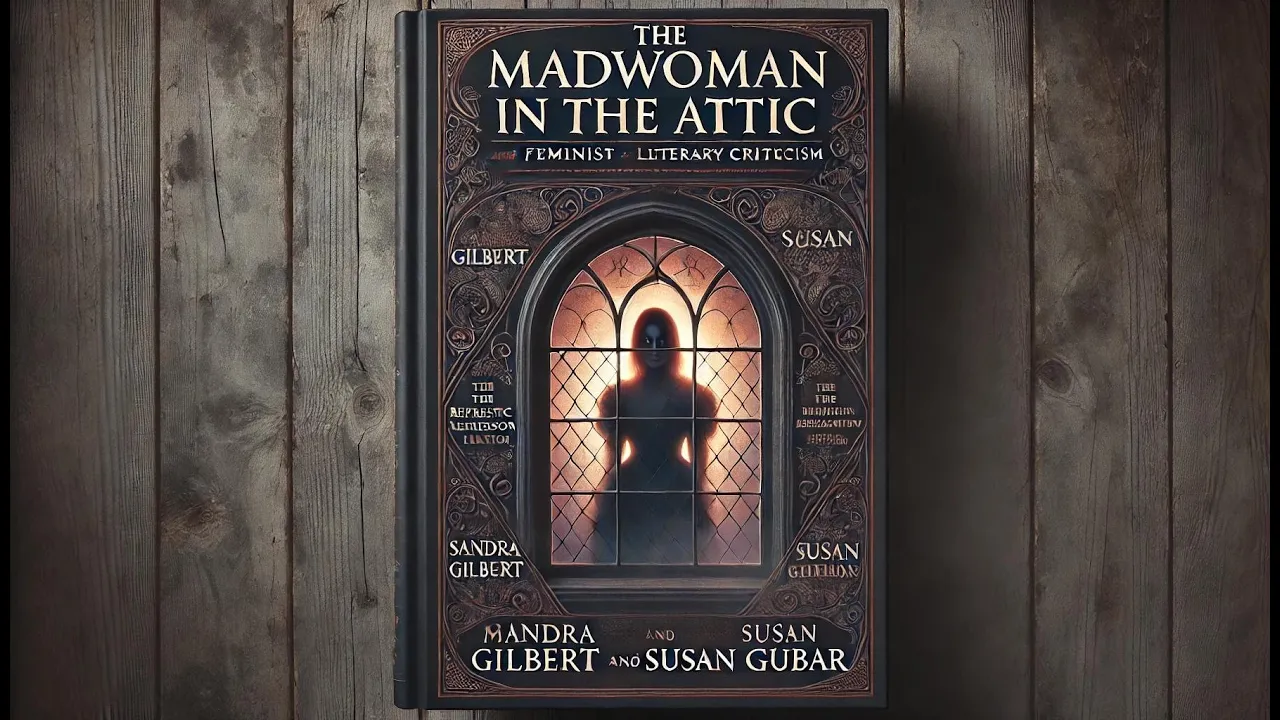
Critical study of Sandra Gilbert and Susan Gubar's landmark feminist text, 'The Madwoman in the Attic', to deepen understanding of the Victorian female writer's struggle.
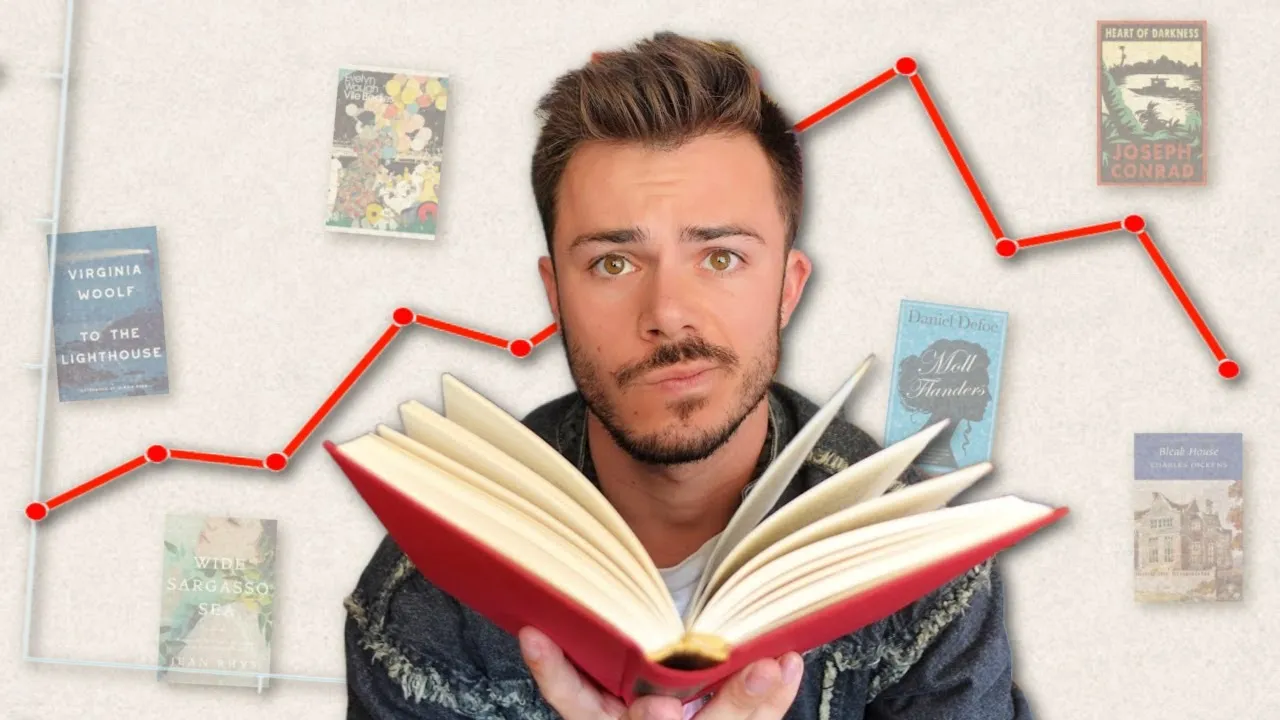
Post-colonial literary analysis of the novel, specifically reading Jean Rhys's prequel 'Wide Sargasso Sea' to examine Bertha Mason's perspective.
Applying psychoanalytic literary theory to explore Bertha as the physical manifestation of Jane's repressed rage and societal rebellion.
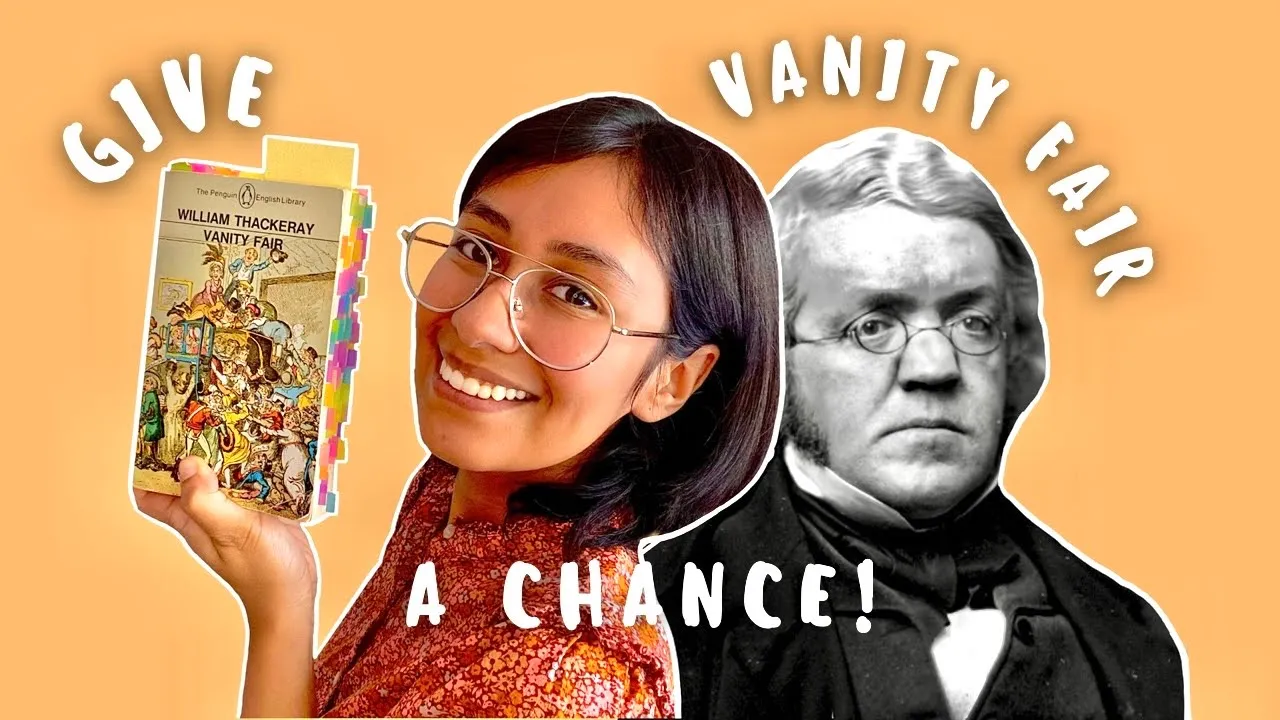
Comparative analysis of performance and theatricality motifs in other Victorian novels, such as Vanity Fair or Villette.
29.8K views1.3Klikes12:47Original Release: 2016-04-23
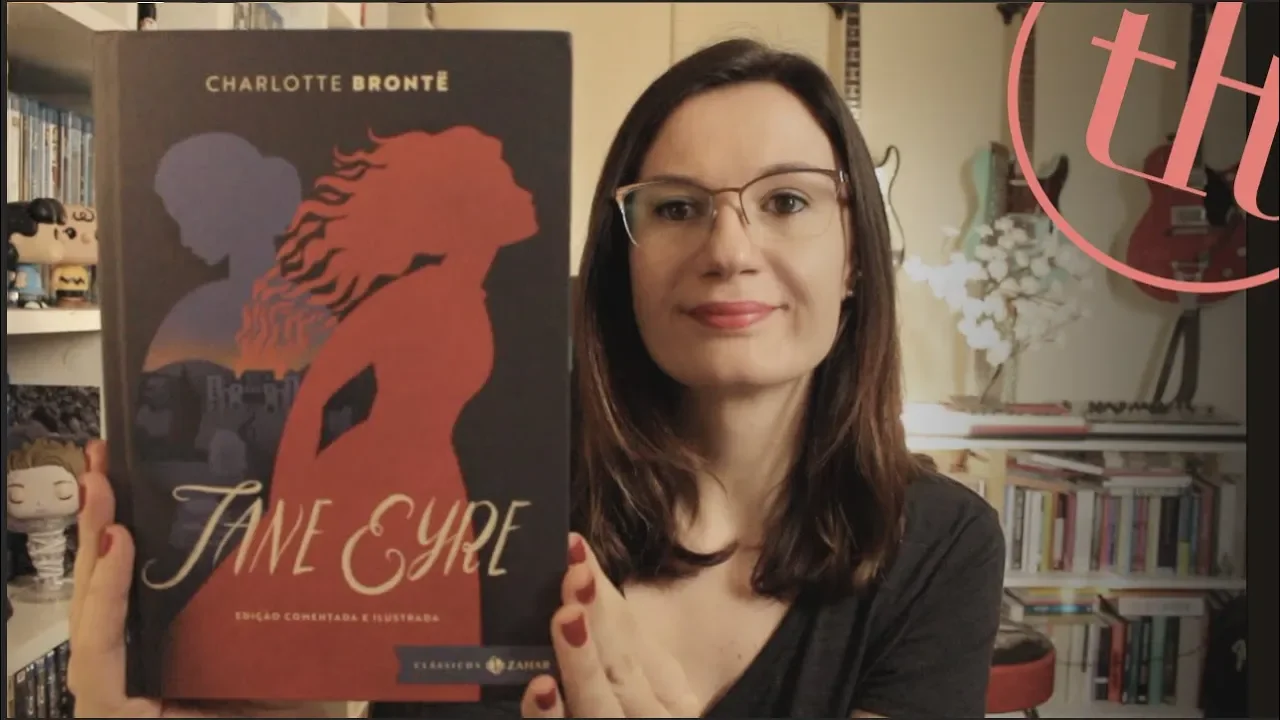
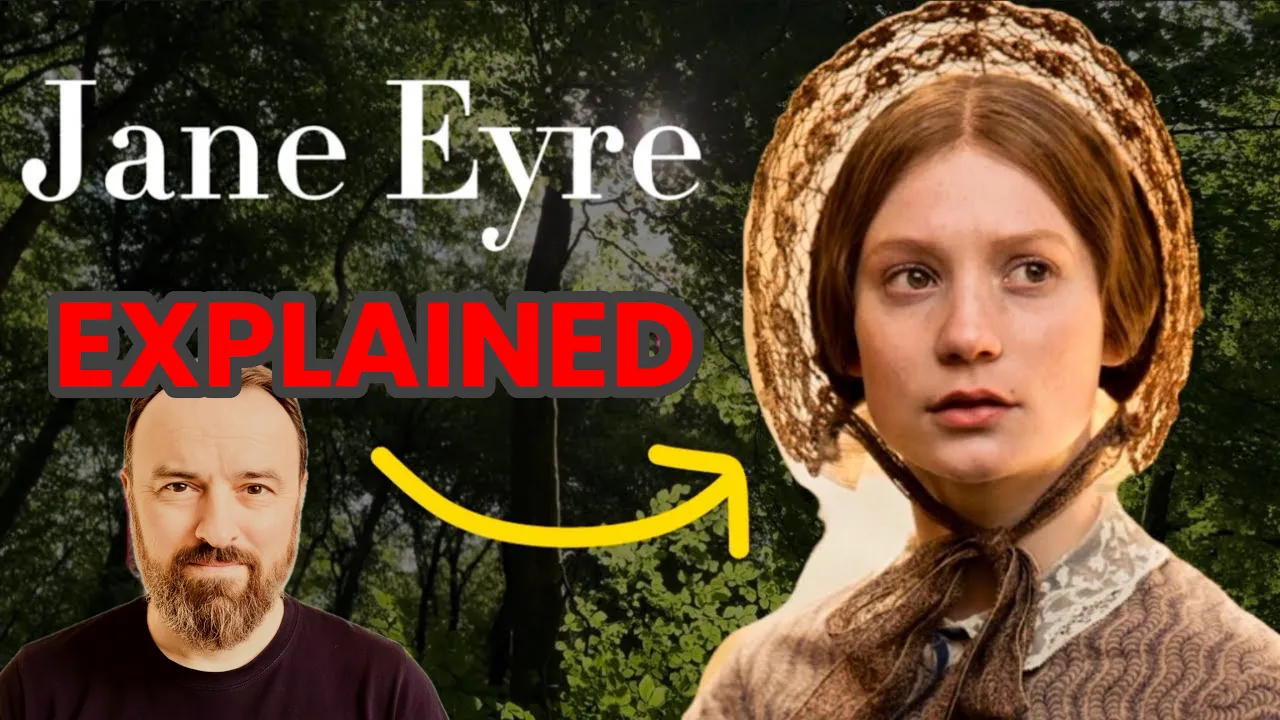
hi guys as promised I'm here today with the discussion on Jane Eyre I hosted a read along with Jane Eyre during the first two weeks of April so if you took part in that welcome take a seat if you didn't take part in that and you want to listen to my thoughts on Jane Eyre welcome take a seat if you haven't read Jane Eyre and you think that you might want to do so in the future beware that some of this is going to include spoilers I think that my first read Jane Eyre when I was about 14 years old and I've reread it a couple of times since then and every time I reread it I noticed something new about there for those of you asking because I get asked a lot my favourite adaptation of Jane Eyre is the BBC miniseries starring Ruth Wilson because I think she's fantastic there are so many things that we could sit down and talk about when we're discussing Jane Eyre we could talk about class and marriage the Gothic slavery colonialism witchcraft and proto seven ISM as well as many other things prototype feminism is the word that we use when we talk about characters or people who are searching for feminist ideals but before the word feminist was Quinn but what I'd really like to do today is just to have a really like informal chat and pick out certain things about Jane Eyre that I love I want to talk about the imagery within it and the things that I think make it a really interesting book on one that's great for discussion the main weeding or imagery within Jane Eyre that I find the most compelling is in thinking that Bertha and Jane and mirrors of each other that they are some way part of a whole the book opens with Jane reading a book about birds and she's looking at British birds but she's also fascinated with exotic birds with birds of paradise Jane is often referred to as a bird throughout the book and I subscribed as quite plain Bertha on the other hand is seen as exotic and mr. Rochester says that she was once very very beautiful so Bertha and Jane are two opposites here two completely different types of women two different kinds of birds who both want to fly away and Jane also reads Gulliver's Travels and is mesmerized by the people from far-flung places Jane herself as an outsider she's an orphan who's been flung into this household full of people who do not love her yet she is told that she should be grateful she is specifically told that is her place to be humble and that she should try to be useful and pleasant Bertha is also an outsider married in Jamaica and moved to the UK to a man who no longer loves her own or locked up in a tower and told that she must contain herself and behave Bertha's characteristics of the other as a non-white woman marrying an Englishman embodies the mad woman in the Attic characteristics of hysterical woman in Victorian times Rochester tells Jane that Bertha had unhealthy indulgences so we see her as the sexualized craze being all of the unladylike and undesirable characteristics of a wife are thrust onto Bertha she is seen as this witch like person who plays with fire and needs to be shunned however though it's not just Bertha who has these moments Jane herself has her birth their moments at the beginning of the novel when she stands up to her abusive cousin she is thrown into what is called the Red Room and when she's locked within this room she starts to feel as though she's losing her mind and begins to see spirit again evoke in this sense of witchcraft and witchcraft being linked with the women the red colour of the Red Room isn't just a reflection of red as being in the colour of rage but also of menstruation it's as though Jane is being thrust into this large version of a womb to contain her femininity so that it can't leak out and poison the world the difference here between Jane and Bertha being that Jane gets to be left out again this imagery of women and witchcraft persists throughout the book and we see it in many different forms and one of them that's quite fun is that it is shown in the names of the characters themselves we see elements of the world like a pagan type tradition you know air earth water and fire so we've got Jane Eyre we've got Helen Burns we have grace Poole and Sinjin rivers Jane goes off to her horrible horrible school where she meets Helen Burns and Helen exists as a counterpart to birthday she is this pious version of innocence so much like Jane has an angel and a devil sitting on her shoulder throughout the book so we have Helen and we have Bertha and each a whispering things to her both Helen and Bertha or hyperbolic characters they're unrealistic and they can't survive Helen Burns must burn the same way that Bertha must burn except that Helen dies in this master type Jesus death and Bertha dies in this version of hellfire and both died to pave the way for Jane Jane is a byproduct of folks women and if we're talking about names and symbolism then Bertha's name is important too because Bertha Mason Mason is the French word for house Bertha is contained when I find quite interesting about the characters in this book is that they realize their sense of performance it's almost like they know that they're putting on a show for the reader and this can be seen initially in the fact that Jane Eyre is apparently writing her life for the reader she dresses the reader she knows that she is writing for an audience and therefore she is aware of everything that she is saying but aside from that all the characters themselves go through these bouts of performance performance of gender performance of class and this is reflected in lots of the goings-on that happened throughout the novel to Jane being obsessed with because there she paints a lot of gothic images herself and she kind of wants to bring those to life she also as a writer within her own book evokes a lot of pathetic fallacy so whether to reflect the feelings of the characters at the time there's lots of storms going on during dramatic moments and things like that there are lots of other instances of characters playing roles mr. Rochester dresses up as a traveler which mixes class and both gender and blends those things the characters also dress up to play charades and mr. Rochester again is played many different roles he's pretending he is not married he pretends to Blanche that he doesn't have as much money to see if she really loves him and he's also looking after Adele playing the role of her guardian despite the fact that he's probably not her father and to go along with all of this imagery of performance performance which the characters seem to be quite acutely aware of we have lots of imagery to do with curtains visual imagery of breaking down that fourth wall so he opened with Jane hiding behind a curtain she's trying to escape from her cousins and we see mr. Rochester when he is spying on his French mistress who he thinks is cheating on him he's hiding behind a curtain looking on her and then Bertha in turn spies on Jane and Rochester behind curtains before setting fire to the curtains that surround mr. Rochester's bed that element of performance is taken one step further again when mr. Rochester and other characters in the book start referring to other performances so for instance there's quite a lot of references to Shakespeare mr. Rochester starts calling Jane his mustardseed who is a fairy within the play of A Midsummer Night's Dream a play that's all about mistaken identity and falling in love with the wrong person mr. Rochester continually refers to Jane as pixie like all fairy like again going back to that sense of women being tied up with witchcraft and magic Rochester also refer the Thornfield and links it with Macbeth at various points throughout the book which of course would make birth their Lady Macbeth a woman whose roaming the corridors at night wringing her hands and going out of her mind and when Bertha attacks her brother mr. Rochester jokes oh don't worry it's just a rehearsal for much ado about nothing this plays to a mistaken identity a trope that is rife in Shakespeare plays both in the comedies and the tragedies and this novel draws from both so you have mr. Rochester dressed up as a traveling woman to see if people can guess who he is and then James says to mr. Rochester at some point your bride stands between us and she's not talking about Bertha because she doesn't know that Bertha she's talking about Blanche but little does she know she's actually writing what she's saying she's just got the wrong person and then also with regard to performance we have performative gender too often when Jane is talking to Rochester she asserts herself so that she could be more manly and the language that Charlotte brontë uses is really interesting so when she's talking to mr. Rochester Jesus words like I stand erect and also I ejaculated like those words are chosen very very carefully this performance isn't just relevant to a discussion on what it means to be a woman or a husband or a governess but also interesting language used when we discuss skin color in this novel what we expect of certain characters from their other descriptions in other places throughout the book isn't always lined up it doesn't always match up entirely so for instance John Reed who is James cousin mocks his mother for her dark skin which he has apparently inherited but they appear to be an all-white family and bland engrams so named by charlotte brontë because blanche means white is really only referred to as being dark she has dark hair she has oriental eyes we might expect denim Bertha and the characters within this book to be a series of opposites that are clearly defined so Jane as a white British woman and birth that as a non-white Creole woman but that actually often not the case ammos Jane and Bertha and other characters throughout the book refused to be defined in this way Jane does make some self assured proto-feminist decisions in this book either due tomorrow or due to her self-respect or sometimes due to love but there is a very dark undertone throughout this book it's birth that is seen as the red side of womanhood representing sex and feeling and emotion then we can read that as birth they're having to die in order for Jane to be with Rochester not just because the represents a marriage but because jane has to kill that side of her and has to become submissive to be with rochester previously before jane had found out that bertha she said to rochester that if they got married then she would like to continue to work to continue to be paid and to have her sense of an independent woman who was also married to him as an equal and at the end of the book Jaime returns to Rochester in a position of power she had inherited money in this ridiculous circumstance where most if not all of the men apart from Rochester in the world are apparently called John and she has inherited this money and therefore has returned to Rochester in a place of power because money equals power she's not just powerful because she has money but she's powerful physically because she returns to Rochester and he has been injured in the fire that Bertha dylon he's now blind and he has one hand as well so he has seen as physically weak which is not a trope that I particularly like but throughout the book Rochester is actually described by various characters as having deformities this is well before the fire so after the fire at Thornfield and as I'm aside I do think that Thornfield was in itself represents a lot of fairy tale elements and has a lot of things to do with Bluebeard and also to do with Sleeping Beauty slash Briar Rose Rochester actually says to Jane at one point that she is as fearsome as prickly as a briar rose and when this was written it was in a time where things like the Grimm's fairy tales had been written down were now being distributed quite widely and moving through with this imagery of fairy tale as I said after the fire at Thornfield Rochester decides to move into a house in the middle of the woods and that is what happens with old women in fairy tales towards the end of their lives they move into a cottage in the middle of the woods they're often old they are often deformed and Rochester decides that he's going to move into the woods and he is deformed so he takes on this characteristic of a woman and he calls Jane who send out for that in a dream suddenly he seems to have this almost magic power again linking witchcraft with women and Jane hears him and she comes and she comes with this money and this power and suddenly their gender roles are switched and that is how it could be that Jane can be with Rochester because their gender roles have switched because she's suddenly in a position of power because she has attained not only the equal status that she wanted but the suggestion of something more than that however it does not end like that there is this subtle darkness that starts creeping in again because it mentions at the end of the book that mr. Rochester is getting his sight back he is getting his strength back so that is the dark question that hangs over the end of this novel that I find so fascinating what happens when mr. Rochester gets his sight back what happens when he regains his power is jamey equal to that or is everything broken again does she become bertha is it a cycle is she a bird locked in a cage so that is why I find Jane Eyre such a fascinating book to discuss to think about I think is absolutely fantastic let me know if you took part in the read along this time whether it was your first time reading Jane Eyre or your second time on Monday I'm gonna be uploading a video looking at behind the scenes at northern ballets production of Jane Eyre which I really hope that you guys are going to like even if you think you don't like ballet please come back on Monday and watch that video the dancing is amazing and it's so accessible I'm really excited to tell you guys about it I'm going to be reading reader I married him which is a collection of short stories based on Jane Eyre and edited by Tracy Chevalier in the not-too-distant future if you would like to join in and read that with me I will leave a link to the book in the description box down below I was also wondering if you guys would like me to do a video at some point talking about books that have been inspired by Jaina because there are quite a few of those in the meantime I would love to get into a discussion in the comments let me know what you think I hope you like this video and I'll speak to you guys very soon lots of mixture bye [Music]
Up Next

20:40
Jane Eyre Feminism & Gender Roles: Victorian Governess Analysis
@DrOctaviaCox
40.4K views•2021-10-08

40:06
Street Haunting: Virginia Woolf’s London Essay Analysis
@ExtraLiteraryAffairs
146 views•2025-01-24

6:08
Point of View in Fiction: First Person vs. Third Person
@magicalthriftyteacher
153.8K views•2014-03-31

15:25
1984: Orwell's Dystopian World and the Mechanisms of Totalitarianism
@AlternateHistoryHub
7M views•2017-03-04
Related Study Plans & Knowledge Roadmaps
Structured learning paths in Literature
literature
Graphic Memoirs: Visual Art, Trauma & History
01Foundations of Sequential Art and Visual Language
02Autographics and Processing Historical Trauma
03Visualizing Personal Trauma, Grief, and Graphic Medicine
+ 2 more learning modules
14h5 modules
Explore Roadmap
literature
Campus Novels: Evolution, Themes & Critique
01Introduction to the Campus Novel Genre
02Mid-Century Satire and the Post-War Academy
03Dark Academia and the Critique of Privilege
+ 2 more learning modules
14h5 modules
Explore Roadmap
literature
Theater of the Absurd: Philosophy & Plays
01Postwar Existentialism & Historical Roots
02Dismantling Narrative: Esslin & Absurdist Conventions
03Samuel Beckett and Tragicomic Existentialism
+ 2 more learning modules
12h5 modules
Explore Roadmap
literature
Revenge Tragedy: Justice, Madness & State
01Foundations of Early Modern English Theatre
02Anatomy of Revenge: Structural Conventions
03Psychological Complexity: Madness and Melancholy
+ 2 more learning modules
15h5 modules
Explore Roadmap