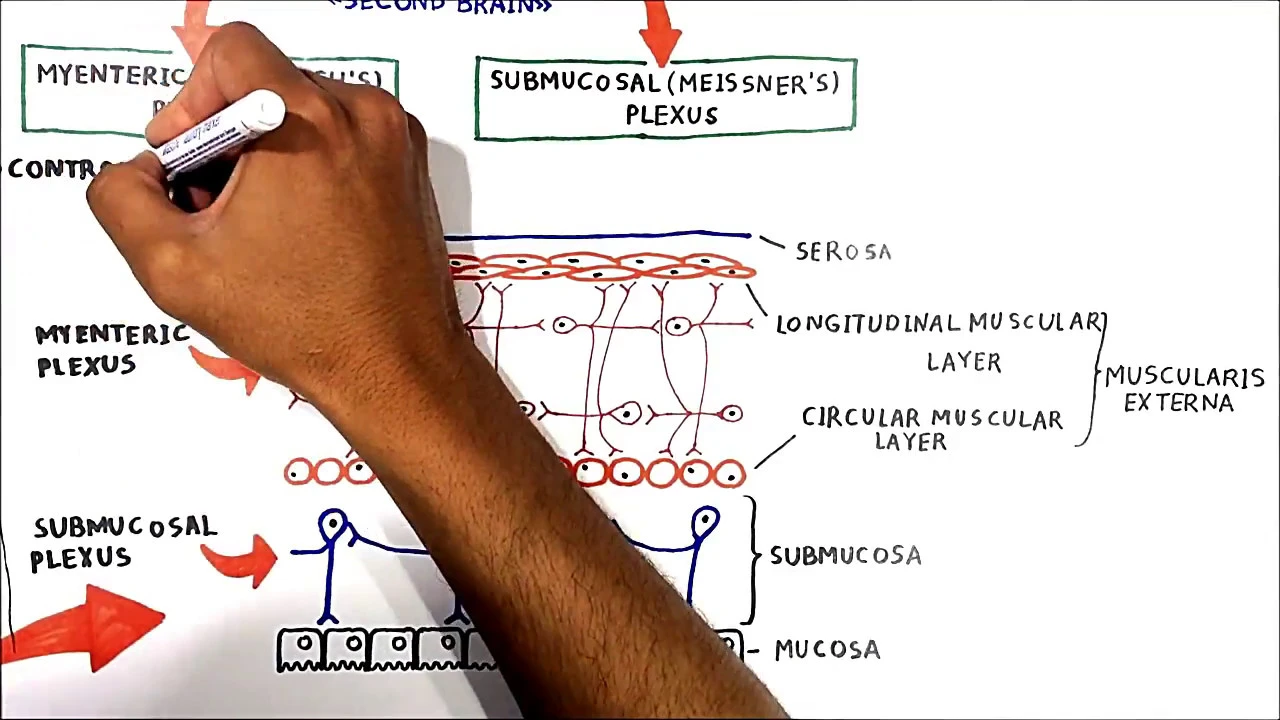

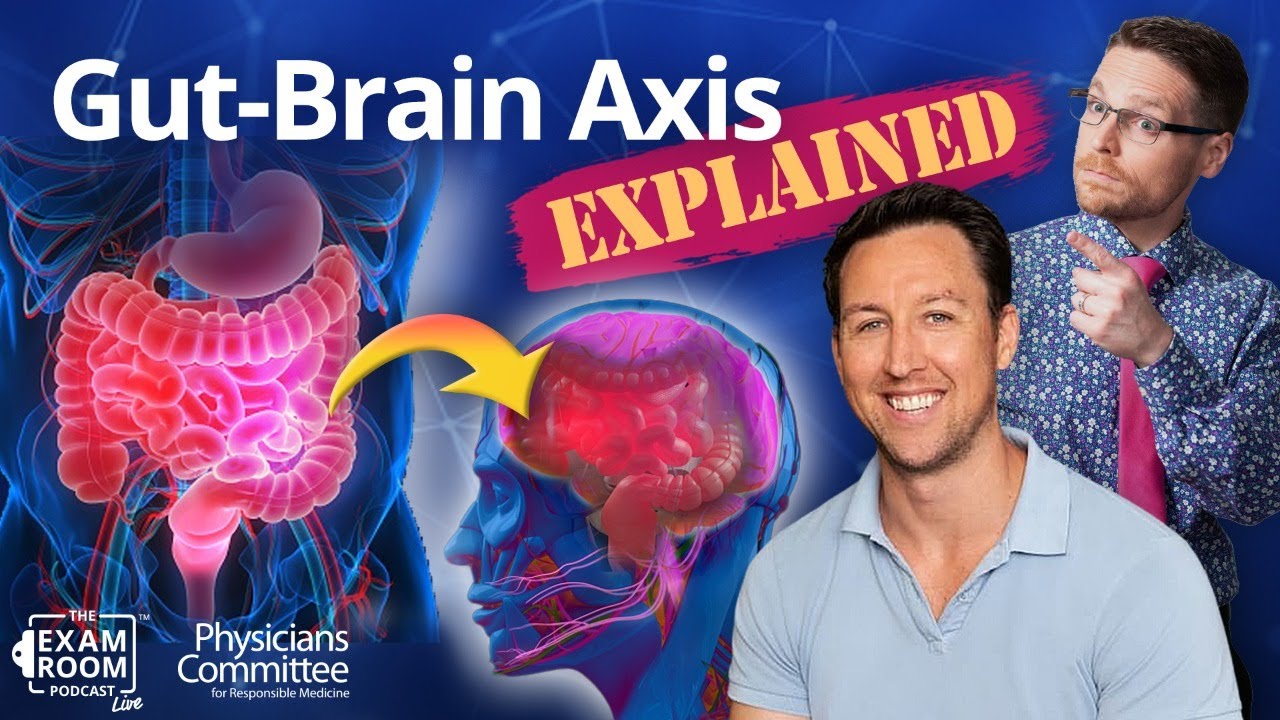



















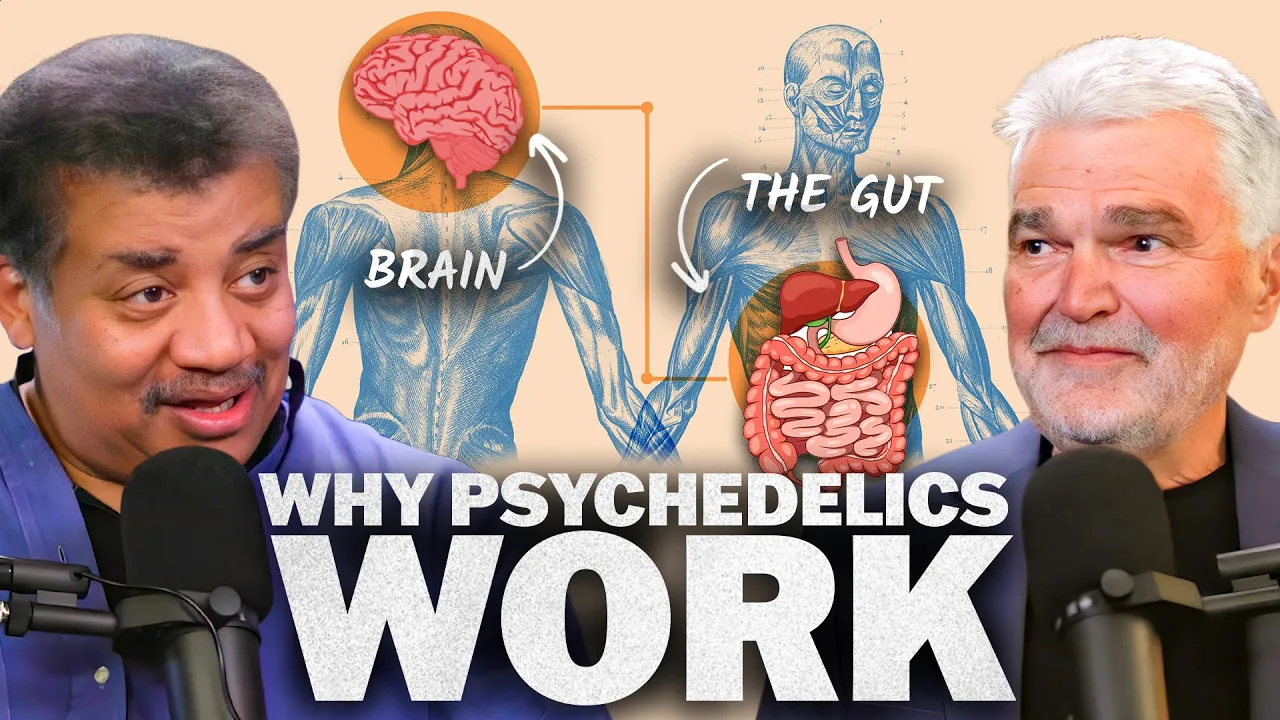




The gut contains a 'second brain' of approximately 100 million neurons that communicates with the head brain through the vagus nerve, and since 90% of serotonin (a key neurotransmitter for mood regulation) is produced in the gut rather than the brain, the types of bacteria in our intestines can significantly influence our mental health, emotions, and behavior, making gut health crucial for overall wellbeing.
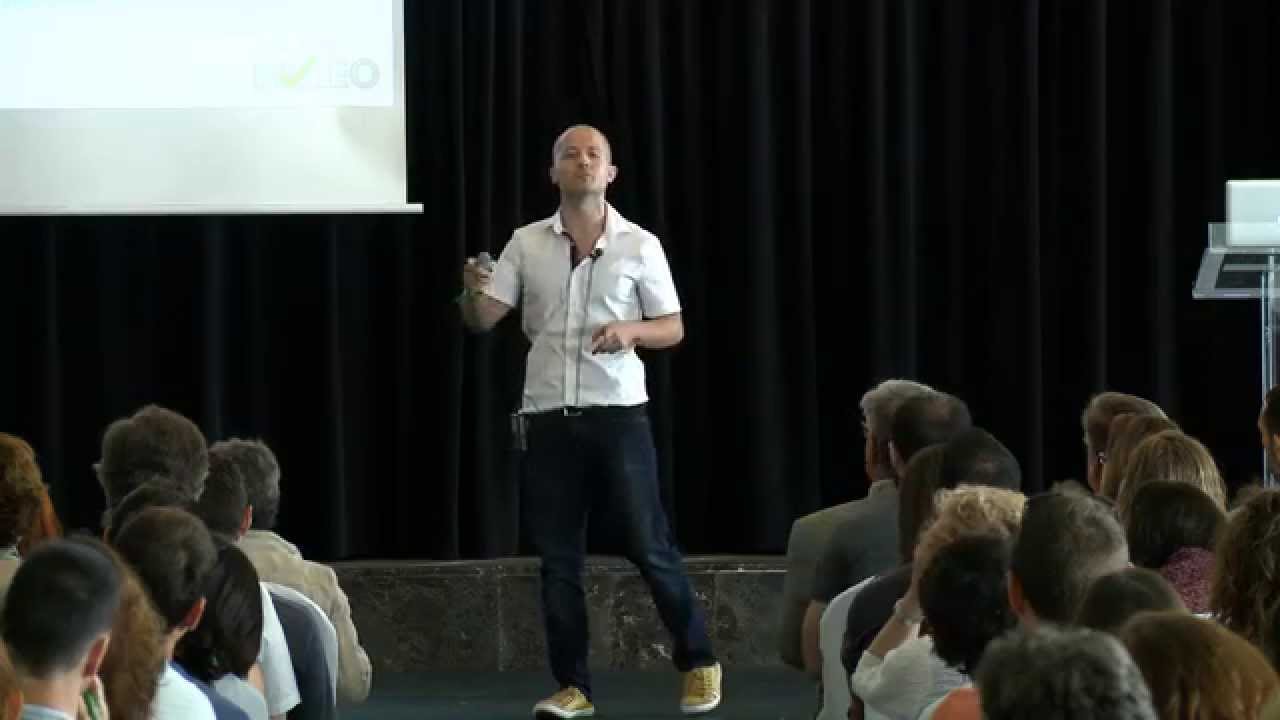
The Gut-Brain Connection: How Microbes Control Your Mind | TED Talk
Added:Basic anatomy and functions of the Central Nervous System (CNS) and the Enteric Nervous System (ENS).
The concept of the human microbiome, specifically the diverse ecosystem of bacteria, fungi, and viruses residing in the gastrointestinal tract.
Fundamentals of neuroscience, including how neurotransmitters like serotonin and dopamine facilitate cellular communication and regulate mood.
The basic mechanics of the immune system and how chronic inflammation can impact overall body systems.
The emerging field of 'psychobiotics' and the therapeutic potential of using specific probiotics and prebiotics to treat psychiatric conditions like anxiety and depression.
The physiological pathway of the Vagus Nerve as the primary highway for bidirectional communication between the gut and the brain.
The influence of dietary patterns (such as ultra-processed foods versus fermented and fiber-rich foods) on the diversity and health of the gut microbiota.
The scientific links between gut dysbiosis (microbiome imbalance) and neurodegenerative diseases such as Parkinson's disease and Alzheimer's disease.
Advanced clinical applications, including Fecal Microbiota Transplants (FMT) and personalized nutrition based on microbiome sequencing.
5.7M views103.9Klikes14:30Original Release: 2015-12-07
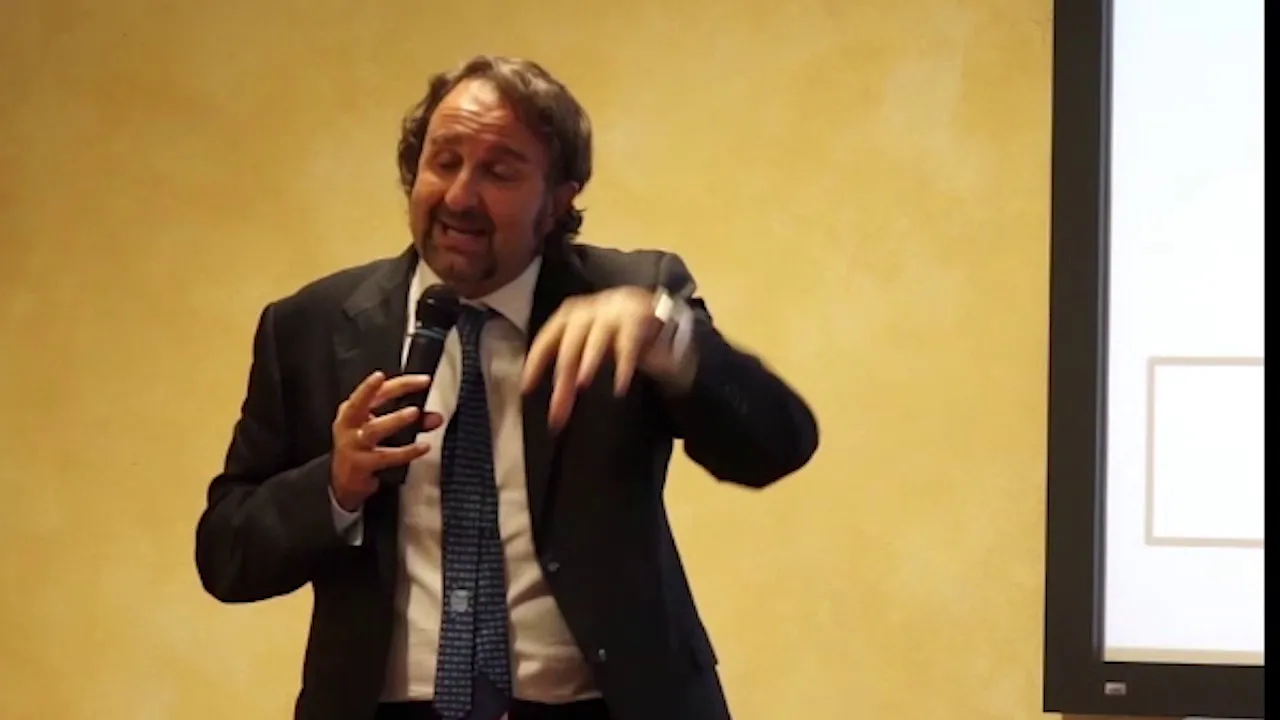
Translator: Rhonda Jacobs Reviewer: Ellen Maloney Imagine this... You have just won ten million dollars in the lottery.
Congratulations.
(Laughter) You have just eaten the most delicious, warm, chocolate brownie that has ever been baked.
(Laughter) You... have just had sex.
(Laughter) And you... have just done all three at the same time. Congratulations to you, too.
(Laughter) In these situations, our brains produce chemicals called neurotransmitters which give us these great feelings of energy, excitement and happiness.
And without such chemicals inside of us, we wouldn't feel such emotions during such pleasant circumstances.
So instead, imagine this: You've just been fired.
You're about to sit an exam.
You have depression.
In these situations, our brains, instead, produce different chemicals, making us feel stressed and anxious.
The highs and lows of life are controlled by our emotions and these chemicals in our brains.
This vital organ inside all of us that controls everything that we feel, think and do.
However, as a biologist, I've always found it strange to comprehend that every feeling, thought, and action that we have is controlled by a three-pound, soggy lump of cells inside of our heads, until I discovered that this might not be the case.
The story I want to share with you today unfolds a fascinating new revelation in our understanding of human physiology, that we each have a second brain, another organ in our body which controls as much of our physical and mental functions as the brain in our heads, and which may be the key link between modern disease epidemics, globally, from obesity to cardiovascular disease, maybe even to mental health.
But first, to give you a little introduction to this story, I want to tell you a little bit about my background.
I was brought up in a family of psychologists.
My mom is a clinical psychologist; my dad a professor of psychology in a university; my sister even has a PhD in psychology.
So when it came to me going to university, I wanted to study something different.
I'd heard enough about the brain and how it worked at home so I wanted to study something new.
I considered what I was interested in, and I figured out that from a very early age, I'd had a big interest in food.
I loved eating food.
So, I decided to study human nutrition.
And this was great because I got to study food, how it affected our bodies, how it could contribute to disease, and more importantly, how we could use it to fight and prevent disease.
This story begins back in 1845 with the birth of a curious young boy in Russia who became an incredible man, but who was forgotten by history and medicine.
Ilya Mechnikov was fascinated by everything in nature, and by the age of eight, he was taking notes on all the living things in his vibrant back garden.
He became so good at science that he discovered the role of phagocytes, some crucial cells in our immune systems, for which he won the Nobel Prize in 1908.
But it was his science after winning the Nobel Prize that was even more crucial to our understanding of human health, through a tale of discovery, death, and self-experimentation.
See, everyone in this room has something in common.
We all spent the first nine months of our existence inside our mothers' wombs.
And this was essentially a sterile environment where no other living things existed, just you.
But as you emerged into this world, you were smothered in an invisible coating of microbes, friendly microbes from your mother's birth canal.
And these bacteria grew to form what is now a three-pound invisible organ inside your large intestine, the same weight as your brain, and which has become known as our microbiota, or microbiome.
And this invisible organ has grown so much, in fact, that right now, 90 per cent of the cells in your body are bacterial cells; only ten per cent are your own human cells.
So you are more bacteria than you are human.
(Laughter) This ecosystem of microbes in your gut is as diverse as the Amazon rainforest.
Thousands of species all with different functions.
And your health is incredibly dependent upon the life and vibrancy of this rainforest.
Your gut bacteria digest certain foods, produce essential vitamins and hormones, respond to medicine and infections, control your blood sugar and blood cholesterol levels.
Meaning the types of bacteria in your intestines can significantly control your risk of certain diseases from obesity to diabetes, maybe even osteoporosis.
They're involved in just about every process in your body.
They function almost as a second brain.
Well, Ilya Mechnikov may have figured this out himself in 1892.
He lived in France, in Paris at the time, where a deadly cholera epidemic had broken out with thousands of deaths.
Naturally, as a scientist, he decided the best way to study this was to drink a broth of cholera himself.
Remarkably, he didn't get sick.
So again, as a true scientist, he needed to increase his sample size, so he recruited a colleague to do the same thing.
This guy didn't get sick either.
But when he recruited another colleague to do the same, this poor guy got critically ill and very nearly died.
By studying cholera under the microscope, Metchnikov found that certain species of bacteria from the human intestines supported and stimulated cholera's growth, while other species prevented it.
He subsequently claimed that our gut microbiota, or our gut bacteria, were essential for human health, and that the right balance of microbes inside of us could help stave off disease.
However, popular understanding at the time, was that the human gut was a noxious reservoir of toxins.
Surgeons had even begun removing entire sections of human intestines in patients with gut discomfort.
Mechnikov's death in 1916 meant that his ideas that our gut bacteria were good for us were forgotten.
A decade later, antibiotics were discovered, and drastically became overused.
C-sections became common.
Diets became Westernized.
A war was waged on microbes and we spent a century trying to kill them, which turned our intestinal rainforests into barren wastelands.
This Nobel Prize winner's ideas were lost in time.
Some of the implications of this were identified recently.
See, right now, one in three children in America are born by C-section, meaning they don't get this initial innoculum or coating of bacteria that's been designed by evolution to be in the mother's birth canal.
Instead, they're first coated with other bacteria on the skin or in the hospital environment which has contributed to up to a 25 per cent increased risk of obesity, asthma, immune deficiencies and inflammatory bowel disease in later life.
Fortunately, in recent times, we've realized we must restore our relationship with gut microbes for our own physical health.
However yet, we've still completely underestimated their role as our second brains.
And this is something that I'm researching.
And I learned this first through the intriguing story of a mouse.
If mice become colonized by the microbe Toxoplasma gondii, an intriguing thing happens: they lose their fear of cats.
(Laughter) In fact, they become attracted to cats.
(Laughter) In essence, they go a bit mad, and unfortunately for them, usually end up as dinner for cats.
(Laughter) So, this microbe ingested by this animal takes control of its brain, and changes the way that it thinks and behaves.
So, by delving deep inside the intestinal jungle of bacteria in our intestines, we've begun to find some incredible discoveries that are changing our appreciation for bacteria forever.
See, our bellies and brains are physically and biochemically connected in a number of ways.
First of all, our intestines are physically linked to our brain through the vagus nerve which sends signals in both directions.
Interestingly, even though if this is severed, our intestines can still continue to function fully without a connection to the brain, suggesting they have a mind of their own.
Secondly, our brains are made up of a hundred billion neurons which continuously send messages to tell our bodies how to work and behave.
Well, interestingly, our guts have a hundred million neurons.
Thirdly, our microbiomes are the centerpoint of our immune systems, meaning a disturbance down here can cause subtle immune reactions all around the body, which if prolonged, can affect brain health.
And finally, do we remember our chocolate-eating, lottery-winning womanizer here in the front row?
He demonstrated for us the neurotransmitters are these chemicals that can change the way we think and behave, and how we feel.
As it turns out, most of these neurotransmitters are also produced in our gut, none more so than serotonin, nature's antidepressant, 90 per cent of which is produced in our intestines, less than ten per cent is produced in our brains.
Meaning the types of bacteria inside of you may control the way that you think and behave.
Has stress ever messed with your insides?
Have you ever had a gut feeling?
Or butterflies in your stomach?
You may have to think twice about that.
So, you can see, despite my naive reluctance as a teenager, I've begun to study not only one brain, but two brains.
In the APC Microbiome Institute in Ireland, we're fascinated in this link between our belly and our brains, and we research how our modern diets and lifestyles are impacting this gut-brain relationship, and how we can design interventions to target the microbiota in order to prevent and treat chronic diseases.
For example, we've shown that the types of fats that you eat throughout life can drastically change the types of bacteria that decide to reside in your intestines.
In addition, we've shown that by feeding specific strains of bacteria, it can enhance memory, stress behavior, and stress hormone levels in animals.
And in addition to a number of other researchers worldwide, we've identified lists of foods that can act as prebiotics, or foods that can stimulate the growth of healthy bacteria inside our intestines.
To me it's fascinating that our health is so dependent not only upon nourishing ourselves, but upon feeding other living microorganisms inside of us, meaning future strategies to target and treat chronic diseases, including brain health, may depend on targeting or feeding our gut microbiomes.
As it turns out, Ilya Mechnikov may have known this himself.
See, much earlier in his life he married, but his wife quickly became sick with tuberculosis and died.
The stress and trauma of this led Metchnikov to take an overdoes of opium.
Thankfully, he survived.
He then re-married, and when his second wife got sick with the deadly typhoid fever, this time he injected himself with a deadly tick-borne disease.
Thankfully, he survived again.
It was only after this, Metchnivok began studying and appreciating the microbiota.
He moved to Paris to work in the Pasteur Institute where he began hypothesizing the right balance of microbes in the gut could help stave off disease, and he published a series of books and lectures describing how to achieve this and prolong life.
Despite the stress and mental turmoil that he'd experienced in earlier life, he spent the rest of his life dedicated and obsessed with researching how to prolong human life.
He began studying an interesting group of people in Eastern Europe who were living exceptionally long lives, and he noted that they all drank bacterial-fermented milk every day and he suggested that this contributed to their longevity.
Interestingly, he began drinking this bacterial-fermented milk himself, and seemingly lived a healthy life rid of the stress and mental turmoil he'd experienced in earlier life.
Maybe that was just coincidental.
He described the time in Paris as the happiest of his life.
But Metchnikov died in France in 1916 at the age of 71.
The life expectancy in France at the time was 40.
As humans, we all need to adopt a greater appreciation for the microbes inside of us.
The incidental war we've waged on bacteria over the last century has led to bacterial extinction and sparked an epidemic of modern plagues.
I'm here on a Fulbright to research how we can restore our relationship with microbes, and how this can be used to prevent and treat chronic diseases.
But I feel that we all have the responsibility and the potential to follow in Ilya Metchnikov's footsteps.
Not only to revive his scientific findings that were lost in time, but to adopt his desire to prolong healthy, human life.
Whether it's by educating ourselves on the risks and benefits of C-sections, restricting unnecessary antibiotic use, or by adopting a gut-friendly diet and lifestyle, we can all support the life of microbes that we've evolved to live alongside.
So imagine this: Imagine you've just eaten chocolate, or won the lottery, sat an exam or just been fired.
Imagine your thoughts, your emotions, your behavior, and your health could be controlled by a hidden organ that you knew little about.
Ilya Metchnikov fought to not only prolong healthy human life, but healthy microbial life.
I feel we can all contribute to this fight worth fighting for our own health, but more importantly, for future generations' health by restoring the relationship between microbe and man.
There is some food for thought.
Thank you very much.
(Applause)
Up Next

60:50
Gut Microbes and Mind Control: How to Fix Your Brain by Fixing Your Gut
@QuadramInstitute
3.5M views•2015-05-15
22:43
Ketone Ester Treats Angelman Syndrome Seizures in Mouse Model
@epigenixfoundation5302
1.3K views•2016-07-15
19:33
How Trees Talk to Each Other in a Healthy Forest | Suzanne Simard
@TEDx
190.8K views•2017-02-02
7:08
Bacteriophages: Earth's Deadliest Killers and Future Antibiotics
@kurzgesagt
34.6M views•2018-05-13
Related Study Plans & Knowledge Roadmaps
Structured learning paths in Biology
biology
Analyzing Animal Venoms: Genetics & Pharma
01Molecular Biology & Physiology Foundations
02Venom Evolution & Toxin Gene Recruitment
03Neurotoxins & Ion Channel Pharmacology
+ 2 more learning modules
18h5 modules
Explore Roadmap
biology
RNAi: Biogenesis, RISC & Gene Silencing
01Molecular Biology Foundations: DNA to Protein
02Introduction to RNA Interference (RNAi)
03Molecular Biogenesis of miRNA and siRNA
+ 2 more learning modules
10h5 modules
Explore Roadmap
biology
Mycorrhizae: Signaling, Biophysics & Ecology
01Foundations of Mycorrhizal Symbiosis
02Molecular Signaling and Root Colonization
03Biophysics and Bioenergetics of Nutrient Exchange
+ 1 more learning modules
11h4 modules
Explore Roadmap
biology
Circadian Clocks: TTFL, SCN & Periphery
01Foundations of Molecular Biology & Gene Expression
02Introduction to Chronobiology and Actograms
03The Core TTFL: Molecular Architecture of the Clock
+ 3 more learning modules
14h6 modules
Explore Roadmap