

![VANILLA #20 | ESCRITÓRIOS DE ALTA TECNOLOGIA [Cities: Skylines – Gameplay PT-BR]](https://i.ytimg.com/vi/Ry1F4cWe8pw/maxresdefault.jpg)













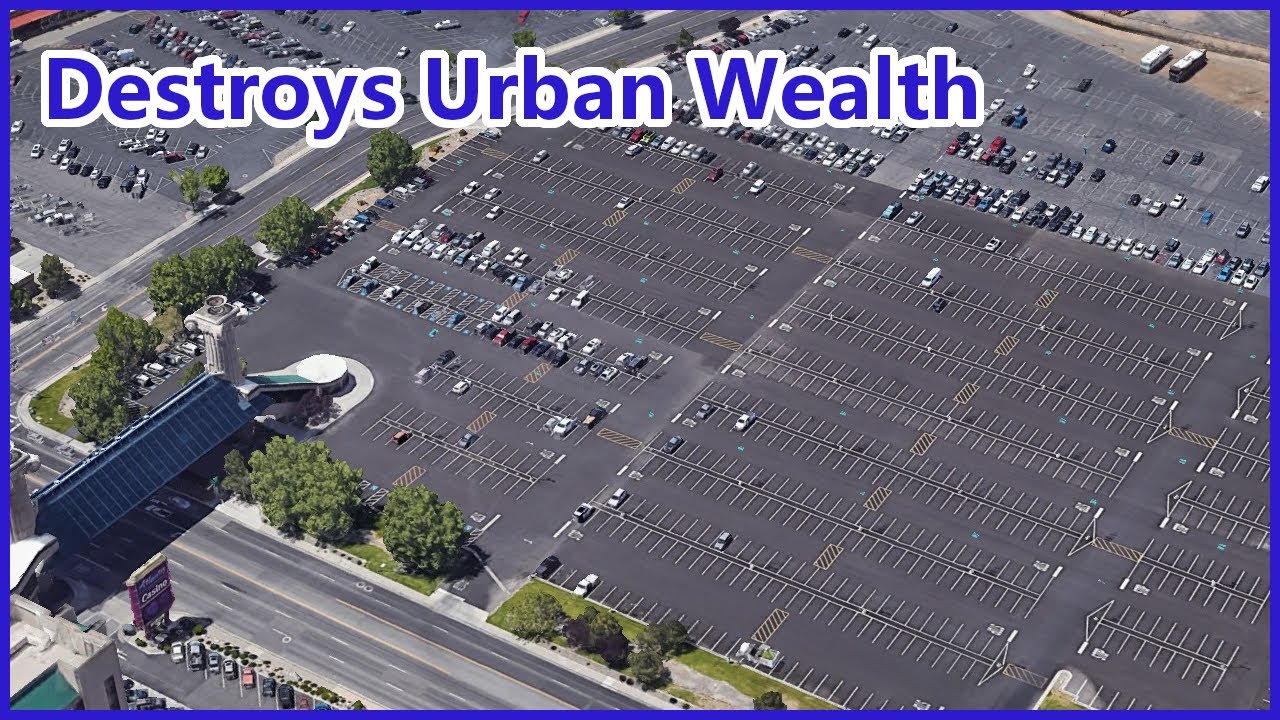
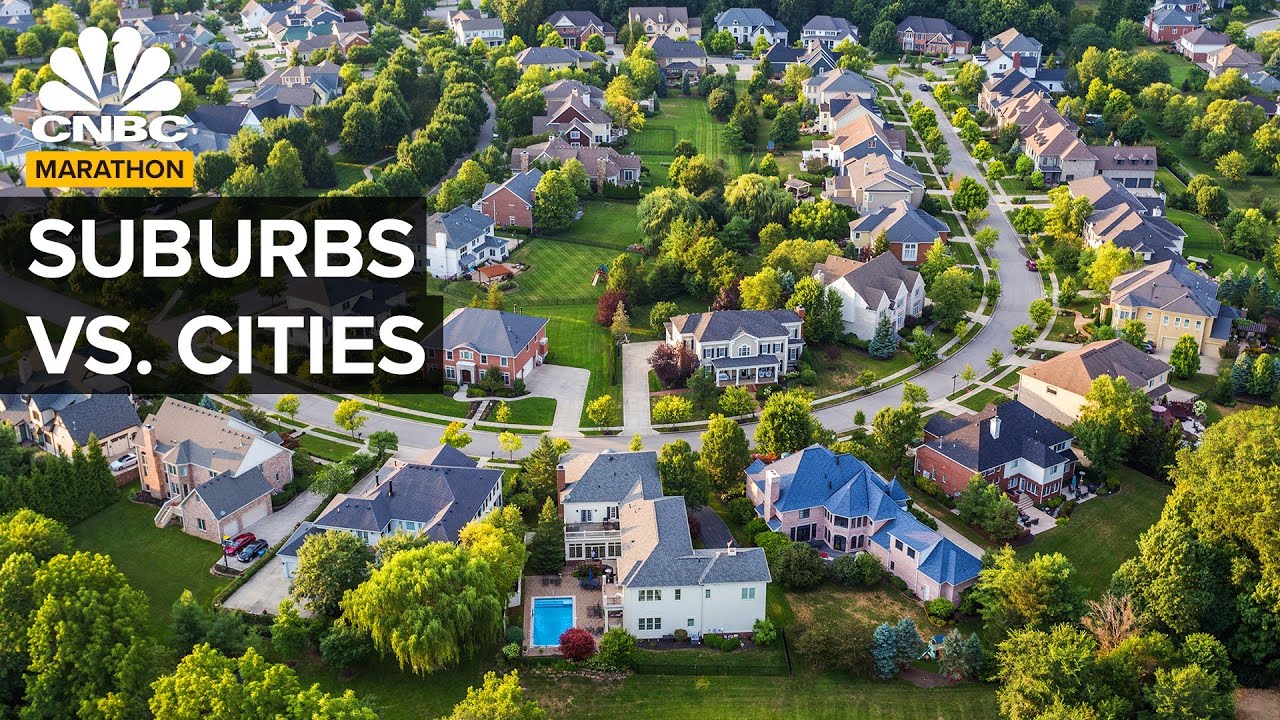


Third places—social spaces outside home and work that foster community connection—are disappearing in North America due to four main factors: the decline of American shopping malls (which were designed as suburban town squares but now face closure due to car dependency and online shopping), no-loitering laws that discourage people from lingering in public spaces, zoning regulations that separate residential and commercial areas making social spaces inaccessible, and high price points in modern entertainment venues that limit access for lower-income individuals. These spaces, characterized by neutrality, equality, conversation, accessibility, regulars, low profile, playful mood, and a home-away-from-home atmosphere, are essential for social cohesion and mental wellbeing.
Why Third Places Are Vanishing and How to Rebuild Them
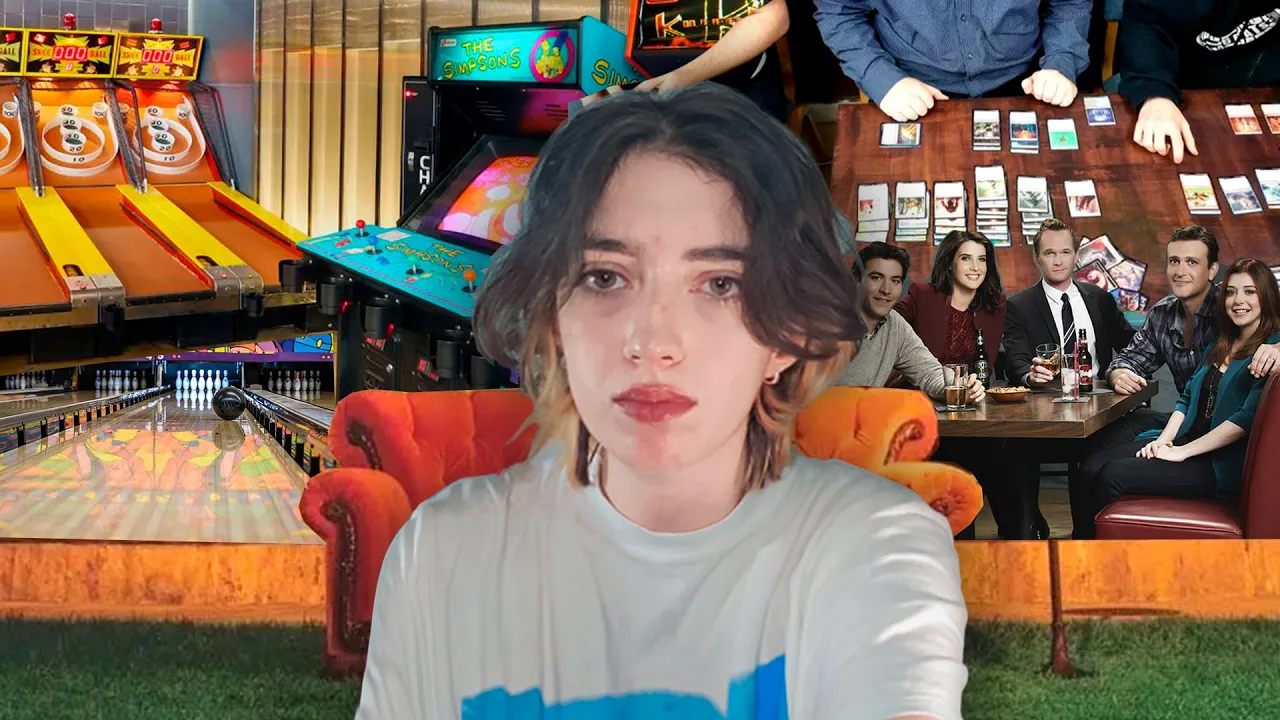
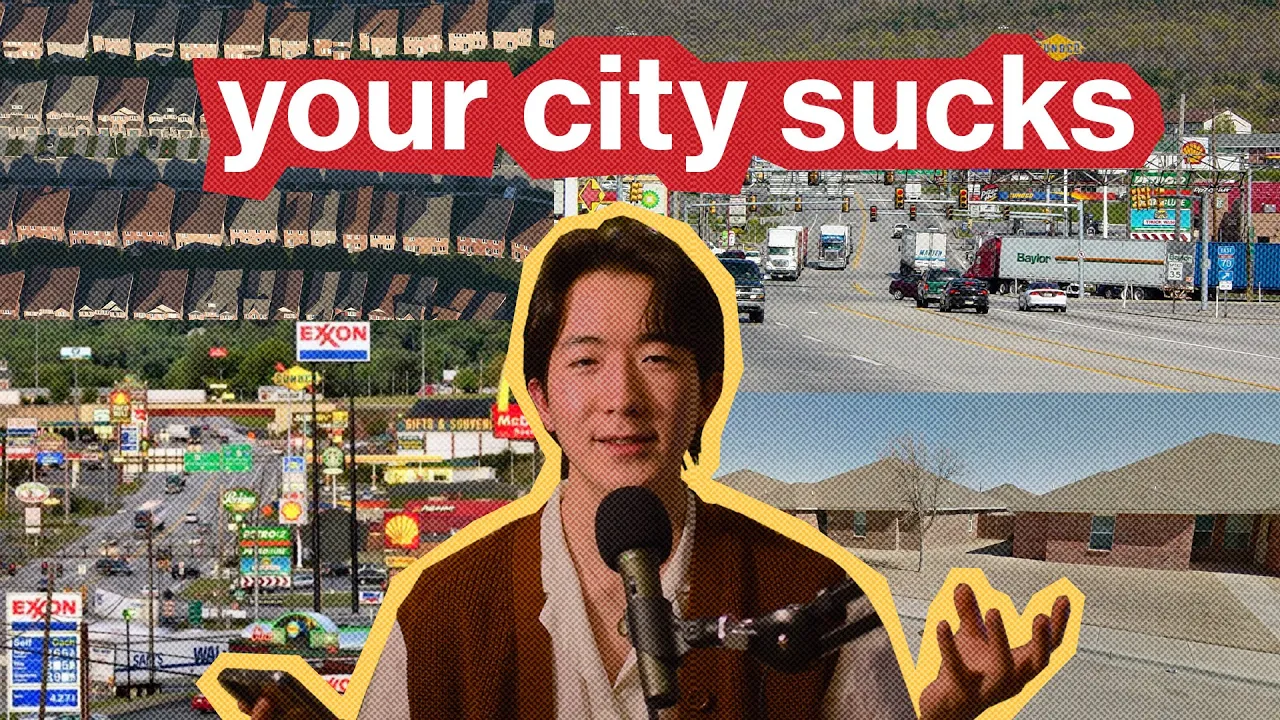
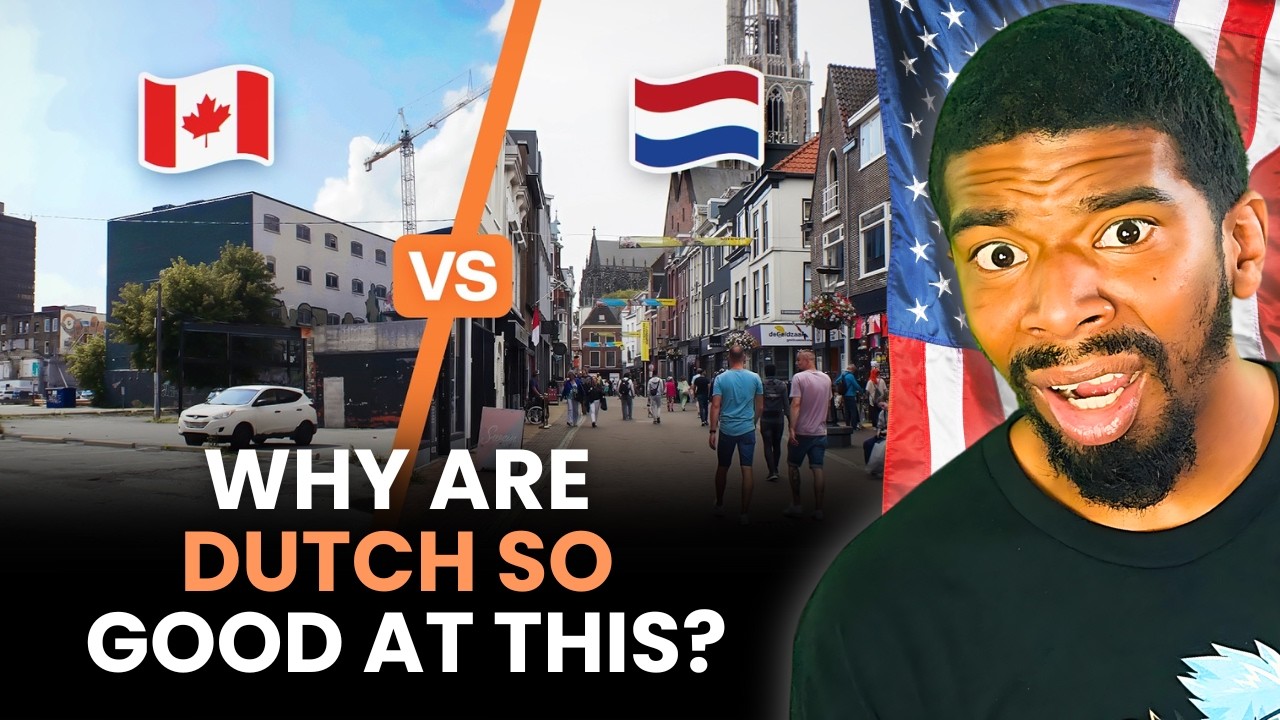
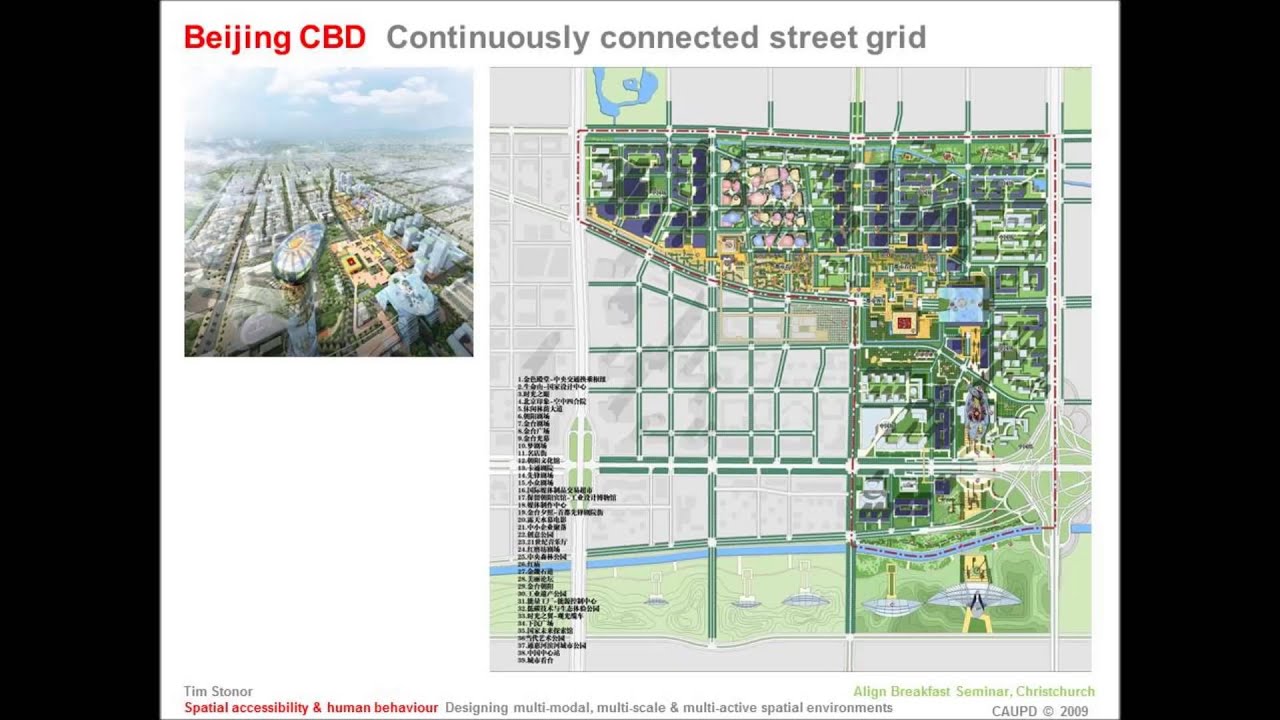
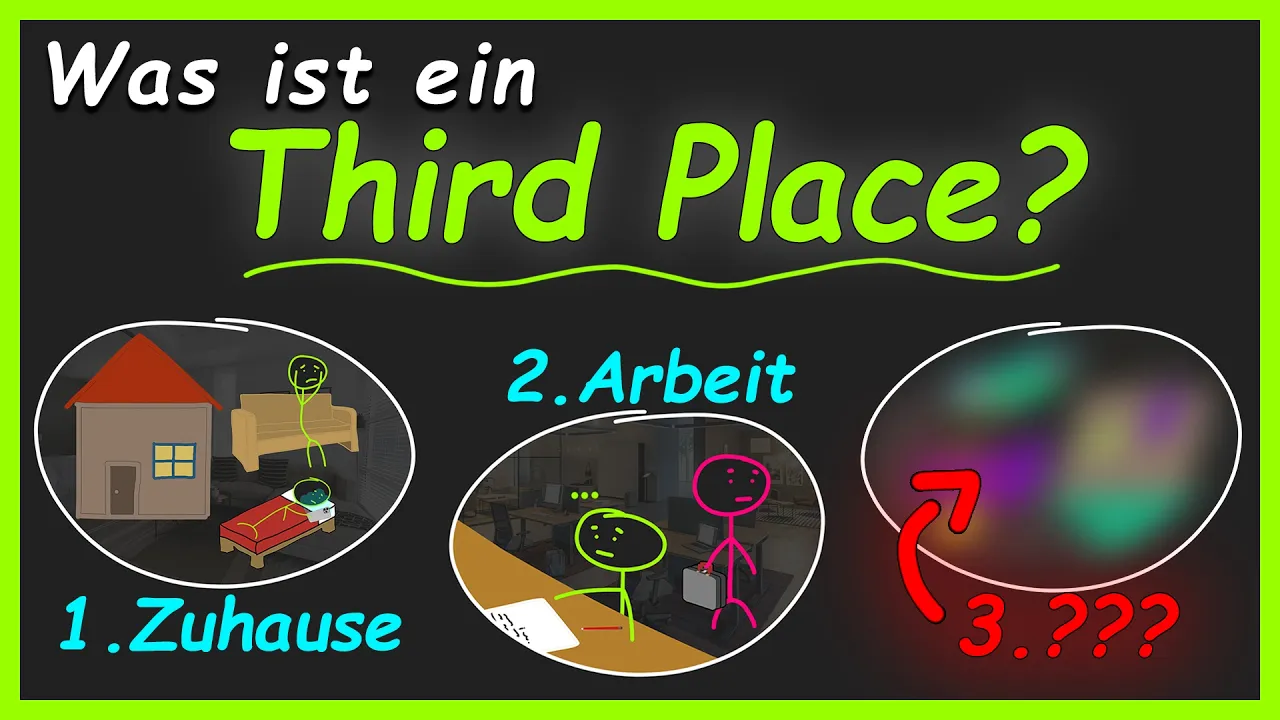
Added:so what our social spaces are disappearing or at least that's what people are saying and I want to understand why why does this even matter I mean after the pandemic for example it seems that everyone has started to come back into the street and we're revitalizing our social spaces isn't that a good thing well today I want to walk through the four different culprits of why we believe our social spaces are disappearing and ultimately why this is even an important topic to be discussing to begin with but before we get into that we really need to understand what these social spaces are and how we Define their characteristics so that we can better identify them when we're in them these social spaces are also known as third places a term coined by Ray oldenberg in the 1980s and his book The Great good place he references that a third place is a space for us to interact outside of the the home and work third place is any place we might gather on a regular basis typically there are small businesses which can be visited frequently at very little cost places like public parks bars community centers libraries aren't installations that are free and open to the public and these third places all have one or more of these eight characteristics neutral ground basically places for people to come and go as they please the level brings a level of equality to amongst people incentivizing inclusivity of people regardless of their income class it has to be able to promote conversation AKA making people want to talk to each other it also should be accessible and accommodating to people so that is having long hours and is well located and situated amongst your community the regulars is the idea that there are regular members of your society that like to frequent these certain establishments because they know that they're also places where their friends are more likely to congregate the place itself should also have a low profile these are places that aren't as attention grabbing and much more unassuming they should also have a playful mood that is they're light-hearted and conversational and you should be able to hear laughter when you're in them and lastly it should be a home away from home a place we're allowed to come and go and offers a sense of familiarity and Trust to us describing these different characteristics I'm sure we're all able to come up with different third places that were formative for us in developing our sense of community where we lived it's really relaxing and a great way to socialize and just connect with one another again so then why do people think that they're Vanishing over 1.2 million square feet of pure shopping pleasure awaits you shop like you mean it one of the main reasons that we are starting to see this conversation come up a lot is the fact that the American Mall is in Decline and really good friend and fellow YouTuber Flur design has done an amazing job of explaining what the issue is with the American Mall so I'll pass it over to him for a second so that he can better describe what's happening there and why we do feel like these third places are Vanishing the shopping mall was invented in the 1950s by Austrian architect Victor gruin he hated the American suburbs so he wanted to transform them by creating a centralized Community Hub where people could gather and social Iz rather than being just consumerism the shopping mall was supposed to be a Town Square for the suburbs something you'd find all over European cities such as his hometown of Vienna the architectural Forum published an issue called 194x an article written by us in which we described a new postwar building type to come it's the integrated shopping center and in 1950 we got a chance to translate that dream into reality Northland Center in Detroit was our first it was our first chance to express our Notions on environmental arit the mall had initially been a huge success attracting millions of visitors and inspiring thousands of other malls to open across the country however fast forward to today malls are dying a quarter of all malls in the US are expected to shut down within the next few years the reason behind this relates to how unsustainable and fragile modern Suburban development is a traditional Main Street would have patrons and employees living right next to stores meaning there will always be high amounts of foot traffic as people walk by and go about their day allowing these stores to sustain themselves but modern Suburban shopping malls are surrounded by Massive parking lots and low density housing and the only viable way of getting there is by driving this means people aren't going to malls if they don't want to or need to so when anchor stores move away and as shopping online becomes more and more popular less and less people will have a reason to visit the mall leading to its eventual closure this is why malls in downtowns or in other countries are still thriving they're a lot more accessible on foot and by public transit and they're usually surrounded by high density housing meaning there will always be a lot of people walking through the mall even if they don't intend to buy anything so as suburban shopping malls are disappearing these social hubs that they had once served are going away too leaving many suburbs with no social spaces on one thing I believe we can agree planning for the renewal of our languishing cities must emanate from the realization that cities are for people and not vice versa although the mall experiment has been failing over the last couple of years I find it very interesting that he is focused on this idea of our human need to be together so if we can't do that in a mall then where can we go and remember kid no loitering stop right there hey clear out of here no lering Allowed no scram the sign above you says no loitering the Department of Justice of the United States defines loitering as dottling lingering or acting in an idle manner it has its roots in the quote medieval St statutes of laborers it's 1351 England you're a surf working for little to no wages and are part of the 40% of the world that survived the black plague your boss is all in a tizzy because there's massive labor shortage and now you have more control to ask for higher wages but to try and avoid paying more for Less output they went to the government and enacted one of the first known vagrancy laws aka the Grandpapa of no lawyer ing all in an effort to increase available workforces by criminalizing quote unquote idleness of the able-bodied potential worker although the ethics on which this law was founded is debatable what is undeniable is its impact on our society today but for the purposes of this video we're going to be looking specifically at its impact on third places today no loitering directly threatens one of oldenberg eight characteristics the leveler this idea that space should be equally accessible to all people of different income classes races cultures and ethnicities now I understand that people think when you say yes to loitering that we're immediately opening up our society to public disturbances or other social issues that may feel uncomfortable in our open and public spaces but I really think that we should and are capable of distinguishing the differences between people just sitting around to have an informal conversation and those other activities Spain actually doesn't have any kind of no loitering laws in their criminal code or administrative laws they do instead have laws that protect public health and safety as long as you're out with friends you're not disturbing the peace of society and of course they're monitoring for this you're allowed to be out on the street and having conversations and you will see that family members with their little ones and strollers just chatting with one another not even thinking about what time it is and contrary to the belief that getting rid of lering would make our public spaces more dangerous I think it would actually make it safer by allowing people to hang around more in their communities you're actually instilling a sense of confidence in people being able to utilize the spaces that surround them if these spaces become more engaged by larger groups of people for longer periods of time you actually reduce the window that suspicious activity can happen in them I can definitely attest to this being able to walk around in a place that has a nice night life hanging out and seeing families around or elderly people it definitely has added to my sense of security in the different spaces that I find myself interacting with the good news here is that the US is building spaces that cater more to this mixed use style of living which can slowly break the prejudices we have against casual and unassuming groups meeting up with one another and opens up more freedom and autonomy for people of all ages and I'm going to pass it back to Bryce because he explains really well why we're having issues in the United States and Canada with this demographic accessibility in our spaces third places in modern American suburbs are at best hard to access and at worst downright illegal to build ukian zoning was invented to separate residential commercial and industrial buildings and this was a good thing because who wants to live right next to a factory but North American cities took this to the extreme and only allowed single family homes to be built on majority of the land but there are many compatible businesses that should be integrated into residential neighborhoods such as cafes libraries bakeries and convenience stores but even when one of these can be built there are a ton of other regulations that make them super hard to access minimum parking require enironment Force every building to provide a massive amount of parking making them tiny Islands surrounded by Seas of ashalt making them less inviting and the actual layout of the streets are in a garden pattern rather than a grid making it pretty much useless to walk anywhere and so as a result everyone has to drive and this is why many neighborhoods are built without sidewalks now this might be all fine and dandy for your average American adults but there are many people who can't drive and shouldn't drive that is it's very difficult for kids and young adults or even the elderly to be able to congregate and meet with one another because they become very dependent on a very specific age range of people to be able to take them from their work or home or school to anywhere where they're able to socialize with their community and although legally in the United States and Canada you're able to start driving between the ages of 14 and 16 we're still excluding roughly 59.7 million ionians in 5.9 million Canadians between the ages of 0 to 14 without direct access to socialization outside of their siblings and direct neighbors although 88% of total drivers range between the ages of 25 and 74 there are still roughly 2 million Canadians and 16.3 million eonian over the age of 75 that are not able to use a car that are more likely to be dependent on a loved one or caretaker to continue to bring them to places where they can interact socially with others which totals to about 83.9 million people in North America that don't have independent access to social spaces it makes it much more difficult for our society to actually feel the autonomy that each of us individually wants to feel in Spain for example access to bars and cafes are a regular part of everyday life here in fact the way that the models work here allow for people of all different ages to come and meet together and it's higher price points make this a little bit more difficult to achieve in United States or Canadian society and is therefore one of the last reasons that we feel that these social spaces are Vanishing can I get a drink how much is it how much $1 million what but Rachel there are so many cool places to go and hang out nowadays that are considered third places don't those count as third places too well yes to some extent they do but at the same time they don't necessarily fit in with some of goldenberg's original Aid characteristics yes these are places that outside of work and school you can go and hang out however you are limited by the amount of money that you're able to spend there and that dictates how long you're able to spend inside of one of these places this not only makes it a little bit more difficult for people with lower income statuses to be able to access third places like these but it also makes your visits to these places feel much more sporadic as the price point typically means that you're probably only going there during special occasions or events where you want to celebrate traditional third places have low price point barriers making it much easier for people of all different income classes to come and congregate in certain spaces and also not feel forced to leave there by any time then what about nature we all have access to that it's also not expensive to go to is that considered a third place I've heard this topic come up in a couple of other places but I would say that the theory is not fully developed yet so I'm going to give you my opinion and you can let me know what you think in the comments down below for me I think nature is probably a fourth place but the main distinguisher being that third places are places that are man-made places that we able to congregate around each other or food or music whereas nature is a natural element that we also need a connection with because it offers us a sense of Serenity peace and maybe even a way to disconnect from the builtup societies that we have around us and we'll get back to the point are our third places really Vanishing or do we just lack connection to them the main issue here really is that in the United States and Canada our third places feel inaccessible because they're inconvenient to get to there are advoc eacy groups like PPS which is a group that is trying to find ways for communities to put a voice to their needs for better public spaces across the United States and then of course we can slowly start to build out Community connectivity through Light Rail transit buses Metro systems what have you because it's all about creating less friction for people travel-wise for them to then get to the destinations where they can have these kinds of interactions which is why the topic of them Vanishing has become increasingly more important with the onset of technology and Innovation that we've seen over the last decade even the last year it's easy to see how our lives have become much more convenient and easier to live but what technology can't replace is this need for us to be physically present with one another with the delivery of everything at the touch of our fingertips and jobs asking for Less in-person work there is less incentive for us to go out and so socialize now more than ever we are aware of how old development patterns have had a major impact on our ability to not only live convenient lives but ones that are also well connected to others this lack of third places is directly linked to a lack of social interactions and cultural exchanges which ultimately all affect your mental health and wellbeing and even the health of our society as a whole longterm groups like yes loitering and project for public spaces are looking to make positive changes to our Urban fabric shortterm we can build accountability circles within our neighborhoods see if you can get a group of people that walk 15 to 20 minutes a day together creating that accountability is not only going to help your social interaction but also the cultural cohesion that you have within the neighborhood you're in look it does take effort and may feel awkward but so does all change having this conversation with our physical communities is becoming increasingly more important but I hope you also know that if you want to find a place to start that this community here is ready and open to all of your thoughts and concerns about those topics we all have incredible ideas that can really help each other out and having a nice Haven of support is always a good place to [Music] start m
Up Next
The Decline of Third Places and Its Impact on Modern Relationships
@TheConnectionRoom
307 views•2026-03-11
Contemporary Sociological Theory: Micro, Macro, Integrative
@NaSESYNC
45.7K views•2016-02-17

How to Analyze Conversations Scientifically | Elizabeth Stokoe | TEDx
@TEDx
1M views•2014-12-04

What is Sociology? The Sociological Perspective Explained
@crashcourse
4.6M views•2017-03-13
Related Study Plans & Knowledge Roadmaps
Structured learning paths in Sociology