



![[자막 번역] 구조체와 포인터 (IITBombay)](https://i.ytimg.com/vi/eMG1ZZ7WFmY/maxresdefault.jpg)















![07 - OLTP Indexes [Part II] (CMU Databases / Spring 2020)](https://i.ytimg.com/vi/N6rhECUjdaI/maxresdefault.jpg)
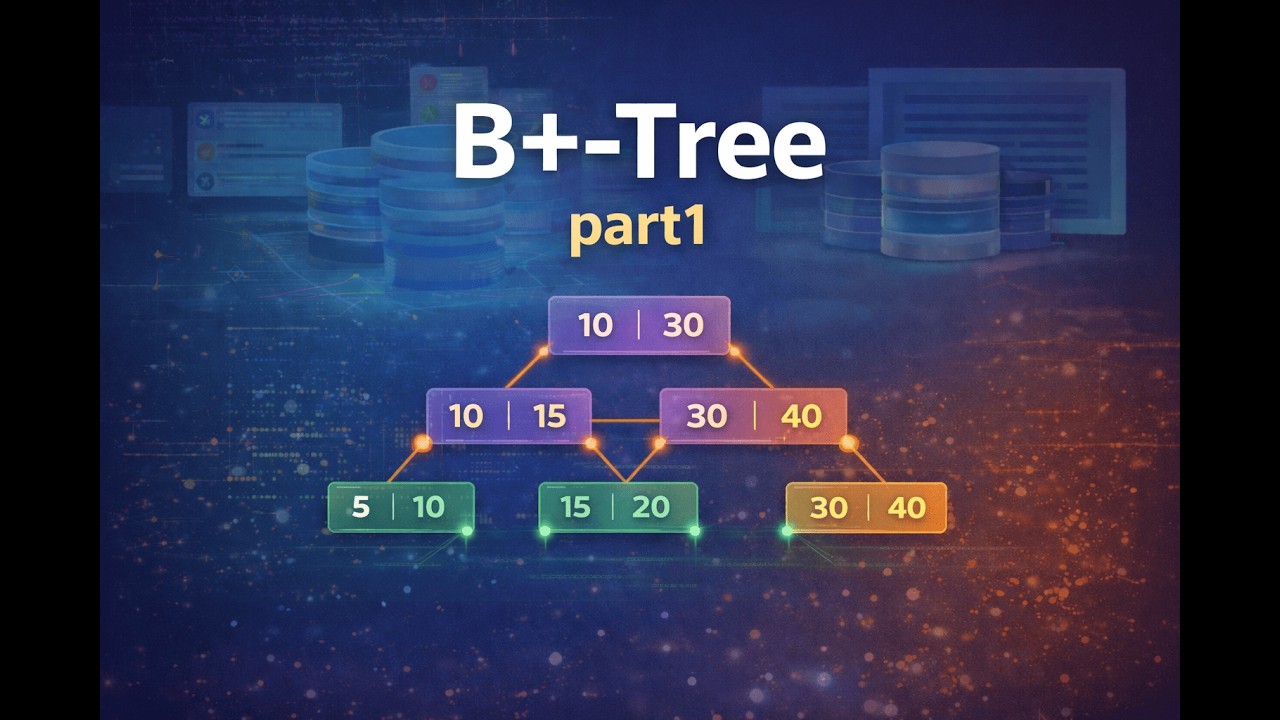
In B+Tree implementation, each node is represented in binary using a 1-byte flag to distinguish between internal and leaf nodes, with internal nodes starting with a pointer followed by alternating keys and child pointers, while leaf nodes start directly with keys and data pointers; each pointer requires 13 bytes (1 byte for type flag, 8 bytes for disk position, and 4 bytes for chunk offset), and bitwise operations are used to manage the flag bits indicating node type and root status.
Building a B+Tree Database: Node Binary Representation Explained
Added:Logical understanding of B+Tree data structures, including the structural differences between internal and leaf nodes.
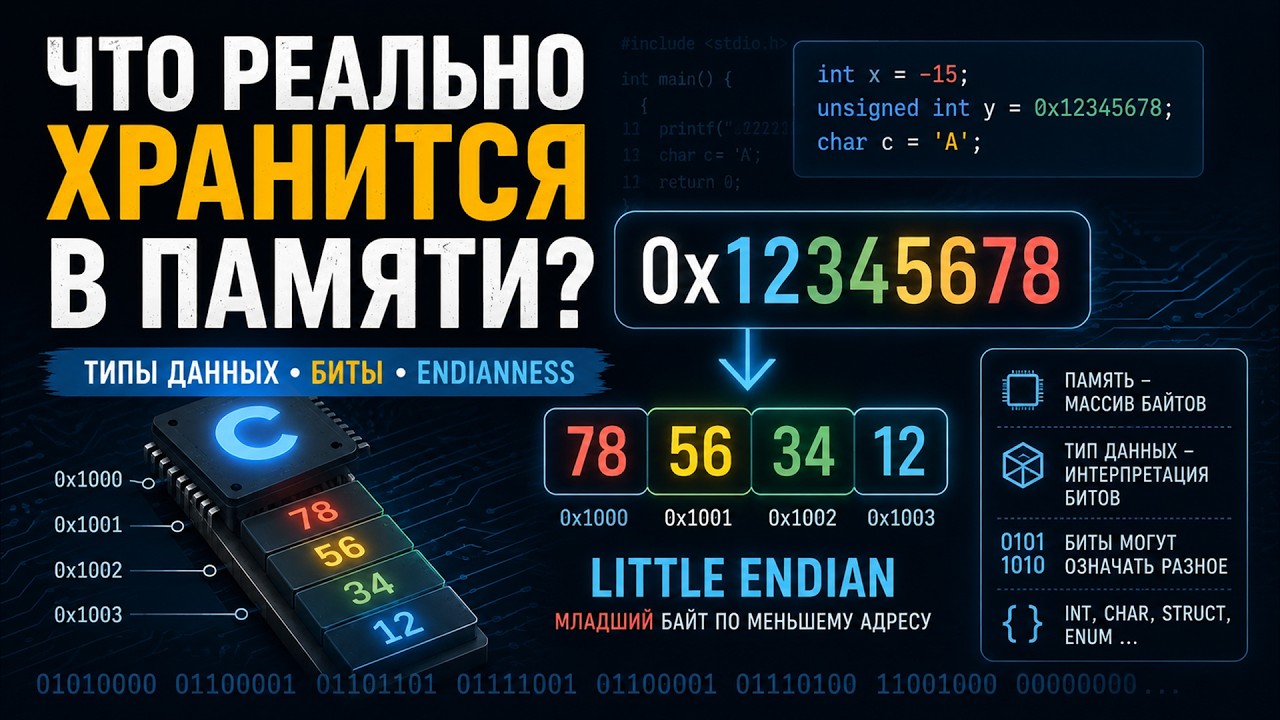
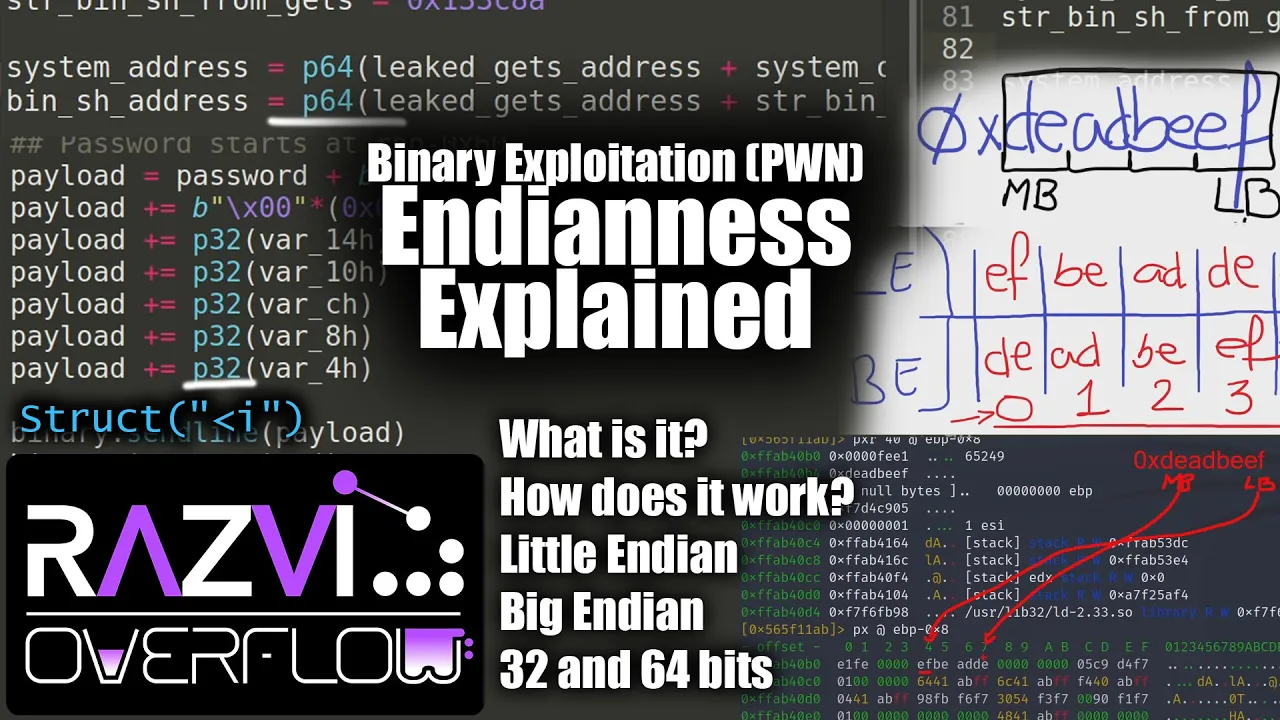
Fundamentals of binary data representation, byte ordering (endianness), and bitwise operations (AND, OR, shifting).
Basic memory management concepts such as pointers, offsets, struct alignment, and manual memory allocation.
The concept of page-based storage and how databases interact with disk I/O in fixed-size blocks (e.g., 4KB pages).
Implementing node serialization and deserialization to read and write B+Tree nodes to persistent disk storage.
Developing B+Tree insertion and deletion algorithms (including node splitting, merging, and redistributing) at the binary level.
Designing a Buffer Pool Manager to cache binary pages in memory and minimize disk I/O overhead.
Exploring concurrency control mechanisms for B+Trees, such as latch crabbing or optimistic lock coupling, to support multi-threaded access.
1.9K views26likes10:53Original Release: 2024-06-25
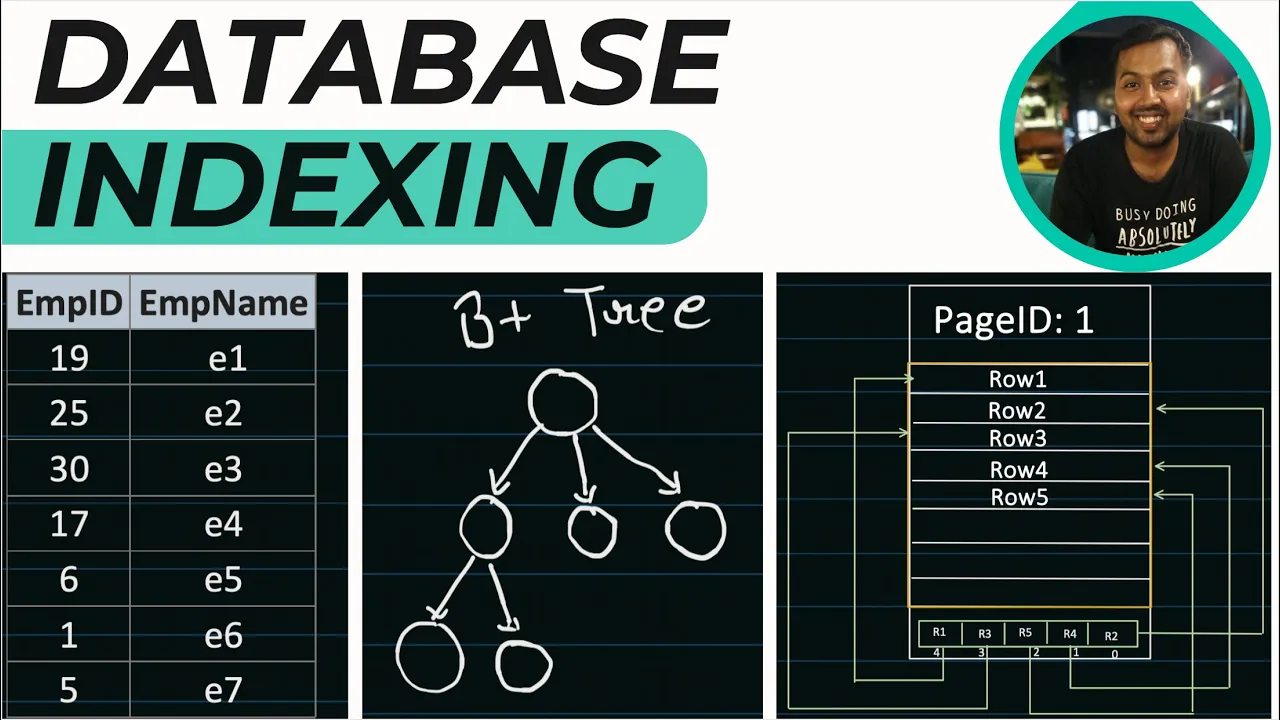
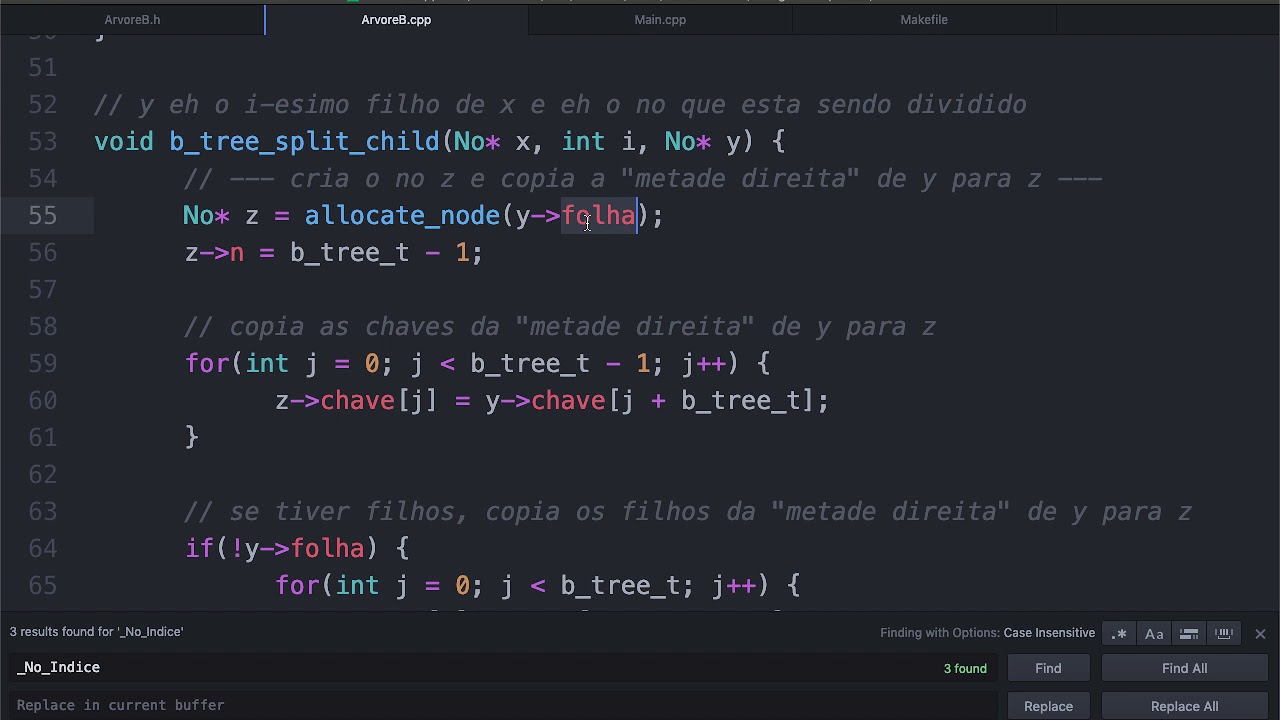
welcome to another video in this video we want to see binary representation of B+ 3 notes and some code examples in previous lessons we learned that each p+ three node has two types it can be internal note or a leaf note so if we have a tree like this the nodes in the last row are Leaf nodes and previous ones are internal another point that we need to remember is that if we have a tree of degree four then each internal node has three keys and each key has a pointer to the child in the left or right but the leaf note with decrees four has three keys and each key has a single pointer to the location of the data on disk let's begin with understanding pointer binary representation first we know that there are two types of pointers a pointer is either pointing to another node which then it is used in internal nodes or it is pointing to data on disk so types are node and data second we would want to know the position where that data or a node is on the disk third we want to know which chunk is that data stored and we will come back to this position and chunk later because there is a lot more that we need to know about them but for now we assume that a position is type long the chunk is type of integer and the type is a single bite therefore the binary representation of a pointer is 13 bytes the first B is type the next eight bytes is the position and the last four bytes is the chunk I should also mention that it's a good practice that if you are representing some sort of data in binary we can use a version flag and this version flag can help us if we need to parse this binary data in different way in future but in my current implementation I'm not using any versions so here is the code of the pointer class in this section we have type position and chunk the total size of a pointer is one by plus number of bytes in a lung and number of bytes in an integer and if it's pointing to a data the flank will hold the number one and and if it's type node the flag will hold number two also if we have an bite array and we want to start reading the pointer from a position in that bite array again the type would be the first bite from that position and then we can pass eight bytes for position and four bytes for chunk which are long and integer respectively so first thing we need to know if a node is actually an internal Noe or not therefore we need one B for a flank and this flag can tell us two things first if a node is root or not and second the type of the note which again is either leaf or internal therefore this flag is also used in binary representation of a leaf note after this one bite of flank things get a little bit more complex we know that the next bite should be combination of pointers and Cas so it will start with a pointer but then there will be two Quest s first we know that any comparable data can be used as a key in B+ 3 node so the question would be what's the type of the key in our B+ 3 and again it should be comparable and second what is the degree of our Tre so if we assume that the type is integer and the degree is three we know that integer takes four byes and as a result our representation would look like this the first pointer points to the note that holds keys less than the key one then we have key1 the next pointer points to the note that holds keys between key1 and key2 and this goes on in the end we will store some padding and I will explain the reason of that later before we move on to discuss Leaf nodes let's a little bit not more about this flag so the concept that we are using here is called bit wi Flags we can assume that the flag representation of an internal note as first bit as one then Lea notes as second bit as one and the root as third bit as one so if we have a node that is root and is type of leaf then the representation would look like this if it is a root and it's internal note then the representation would be like this a note that is not root and it's type of leaf its representation would be like this and internal note there is not a root would look like this so basically this abstract 3 node class is how I represent a B+ 3 node you can see it has a generic type K which is comparable and it is used for key again the structure is described in the comment above the class so the main idea is that if we have an bite array then using this class we should be able to understand its type and convert it to either a leaf node or an internal node and if I click here so you can see implementations of abstract three node or the classes that extend from abstract Tre note you can see an an internal tree Noe here and a leaf cluster Tre note there are still a lot of details that are not described yet for example this immutable binary object wrapper but for example we should now be able to understand how this is Lea method works it uses bitwise operation to check the flag which is the first bite of the data the same thing happens in the get type method we use and bitf operator again in is root method and if you want to set or unset we again use and and or so again this for all topics of bitb flags and it's a pretty straightforward operation I encourage you to look it up if you don't know about it yet and the rest of the methods in this class are respectful to the degree of the tree and the value size which I will explain later in order to get list of the keys or iterator of keys set a key or remove a key now that we understood binary represent ation of an internal Noe binary representation of a leaf Noe should be very easy for us again we need one bite for the flag and there may be some padding in the end and these questions will also apply to the leaf note but instead of a starting with a pointer we will immediately start with the key one which again if it's integer is 4 bytes and then a pointer key2 pointer key3 and last pointer and of course these pointer types are data and each pointer is paed with a key in next video we will see how we can read and write this binary data on disk and and we will understand more about this position and Chunk in a pointer and also the padding at the end of each note if you enjoy the content on this channel don't forget to like and share and to get notification for next videos consider a subscribe see you in next video and take care
Up Next
8:00
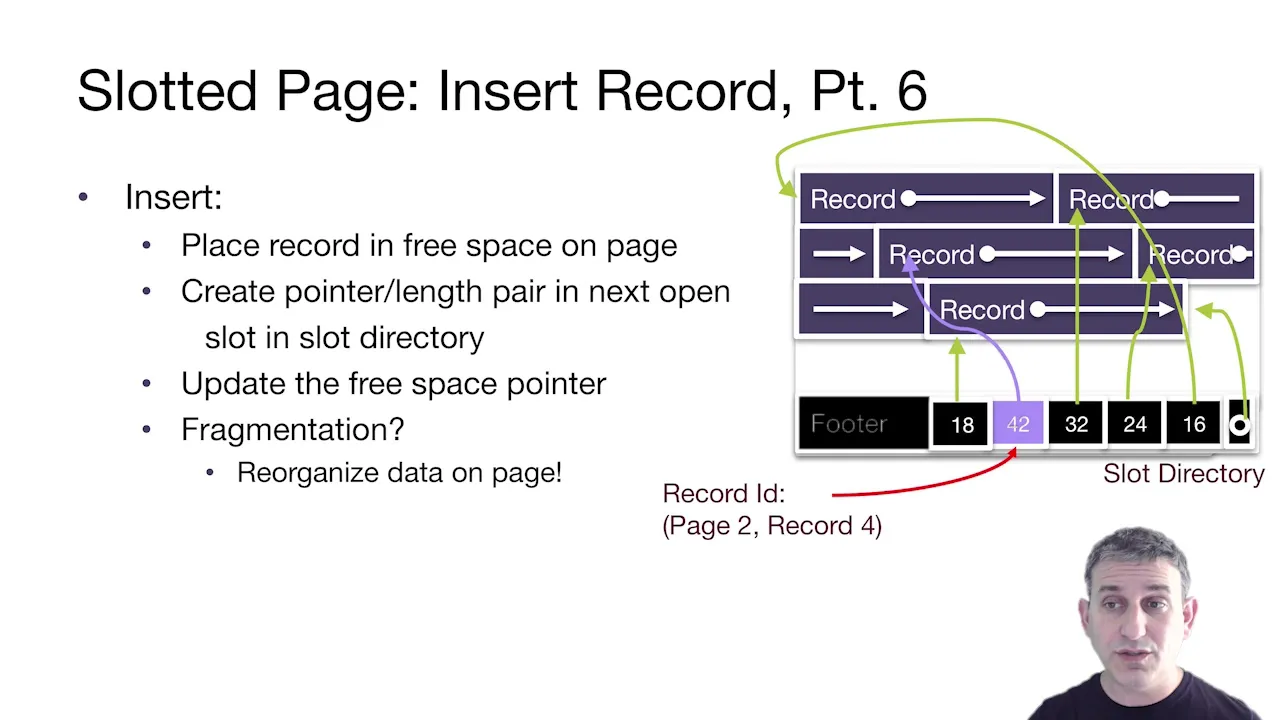
Variable-Length Records and Slotted Page Design in Databases
@CS186Berkeley
15K views•2018-09-01
87:26
Introduction to Secure Multiparty Computation with Yehuda Lindell
@fhe_org
7.7K views•2021-02-04
4:55
HTTP Requests Explained: GET, POST, PUT, DELETE
@codecademy
103.1K views•2021-10-07
19:25
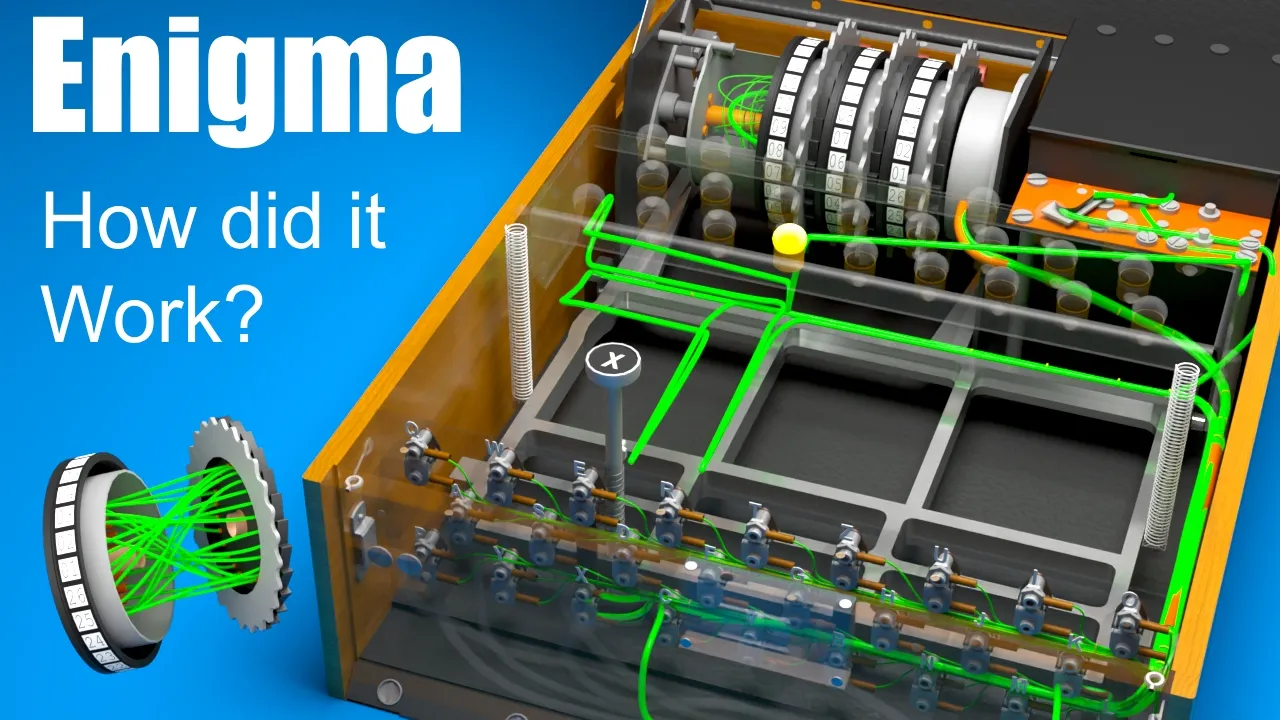
Enigma Machine Mechanics: WWII Encryption Explained
@JaredOwen
13.2M views•2021-12-11
Related Study Plans & Knowledge Roadmaps
Structured learning paths in Computer Science
computer-science
Container Runtimes: Namespaces, Cgroups & Go
01Linux Systems & Go Programming Foundations
02The Core of Isolation: Chroot and Filesystems
03Linux Namespaces: Process Isolation
+ 3 more learning modules
32h6 modules
Explore Roadmap
computer-science
Building a CHIP-8 Emulator: Rust & CPU Basics
01Computer Architecture Foundations (Bits & Bytes)
02Rust Programming for Systems Development
03CHIP-8 Virtual Hardware Specifications
+ 2 more learning modules
32h5 modules
Explore Roadmap
computer-science
Building BitTorrent: Go, P2P & Concurrency
01Go Fundamentals & Concurrency
02Networking Foundations & P2P Architecture
03Bencode Parsing & Torrent Metadata
+ 3 more learning modules
26h6 modules
Explore Roadmap
computer-science
Actor Models (C++ Concurrency & Lock-Free)
01C++ Multi-Threading Foundations
02Thread Pools and Task Scheduling
03Atomics and Lock-Free Queue Design
+ 3 more learning modules
45h6 modules
Explore Roadmap