![How to Value Your Startup? [Part 2- Startup Jargon Buster Webinar Series]](https://i.ytimg.com/vi/0x7L-605or0/maxresdefault.jpg)








![Como montar um MODELO DE NEGÓCIO do ZERO? 🤔 PASSO A PASSO FÁCIL [ATUALIZADO 2022]](https://i.ytimg.com/vi_webp/4o7x07nO2wM/maxresdefault.webp)


![[AU] Startup 101: Ensuring Your SAFE is Safe | LegalVision](https://i.ytimg.com/vi/REdK2qJTpTg/maxresdefault.jpg)


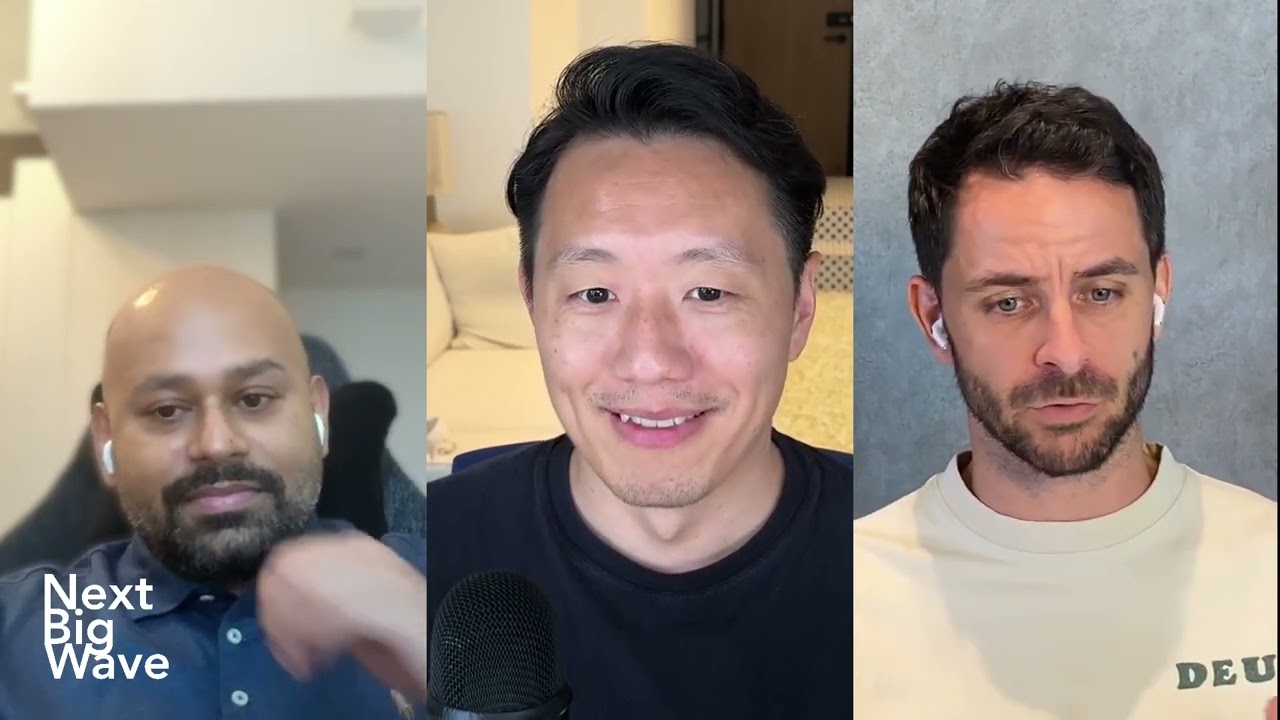






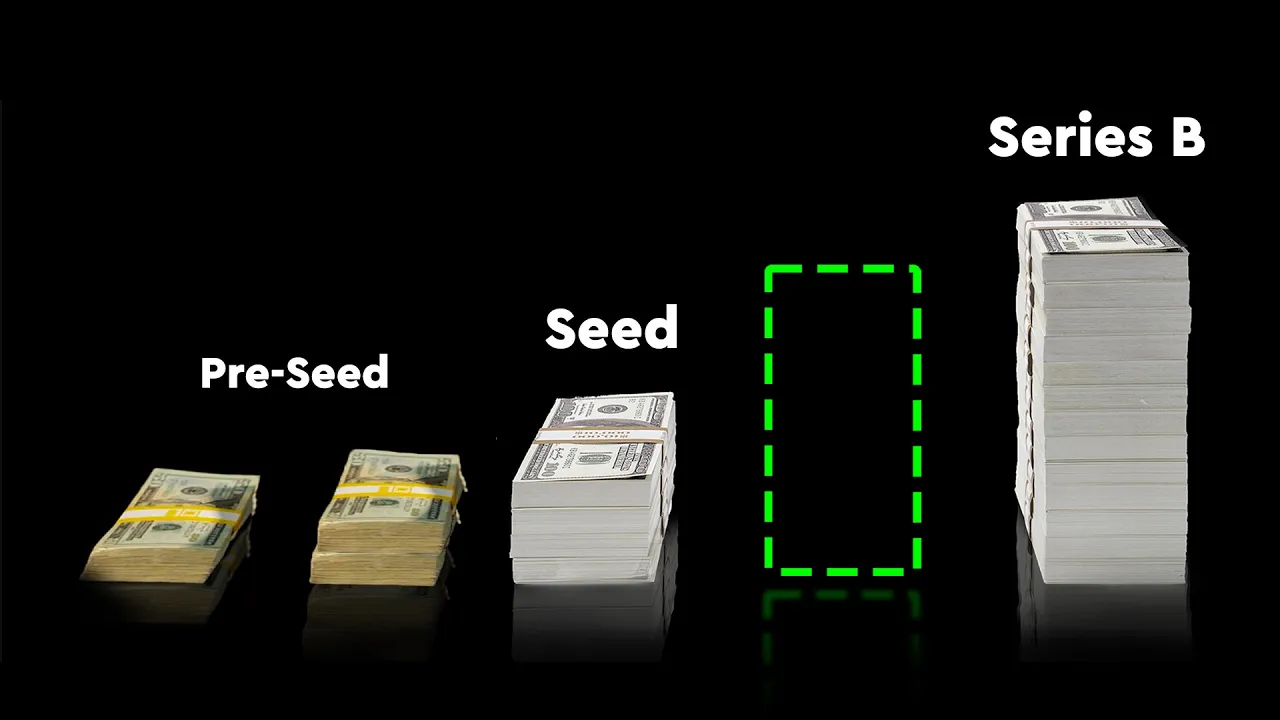
Seed funding has evolved significantly over the past 15 years, with traditional seed rounds (originally $2 million from Series A firms taking 50% ownership) now being replaced by a new pre-seed stage of $250K-$1 million for first-time founders, while repeat founders can raise $2-5 million at higher valuations. The key to successful seed fundraising involves proper preparation (clean cap table, financial plan, compelling narrative), understanding that the process typically takes 3-6 months with 40-50 introductions needed, and recognizing that Series A investors expect specific metrics like $2.5 million in annualized revenue for B2B software companies. Founders should expect 10-20% dilution in seed rounds and should drive the closing process themselves rather than relying on lead investors.
Seed Funding Explained: Preparing for a Successful Raise
Added:a big question people usually you have is how does C funding work what do I need to know Charles is going to give you all the insight in the crash course so please run applause for Charles let's welcome to the stage thank you I think I've got a mic all right hi everybody I'm Charles nice to meet you all we'll get everybody settled so I'm here to talk to you a little bit about just seed funding 101 my goal is to give you some some of my thoughts on what works well in the seed funding landscape which is really dynamic and changing and hopefully leave plenty of time for questions that any of you might have about your specific situations or general questions I figured I would just start with a little bit about me I'm originally from Detroit Michigan I've been living in the Bay Area for about 20 years so I moved out here for school and about half of my career I've been a professional venture capitalist investing other people's money in early-stage startups so I started my career working for in-q-tel the CIA's venture capital group I was there for about four years helping them invest in hardware and software companies after that I worked for a firm called uncork which used to be known as soft tech which is about 15 minutes from here we invested in companies like Fitbit SendGrid Poshmark a number of really interesting companies in the port including curse which is now a part of of Amazon it's cool and then about three years ago I left soft tech gun court to start my own fund precursor and we'll talk a little bit about sort of the YF precursor but prior to that I also had some operating experience I worked for Google and a group called new business development that helped them staff up the bébé function for a bunch of new industries I spent five years working in games so I started a games company that I would say was not terribly successful if I'm really honest with myself worked for a company that was acquired by Zynga and worked for another company that's still chugging along and yeah so I thought you know I've been working as a seed investor for about half of my career and I thought it was interesting just to give you the quick back story on precursors so we're a two-person venture fund it's about ten blocks from here in Union Square in San Francisco and I tell everyone our strategy is to invest pre-everything and we'll talk a little bit about why in today's market this strategy of going before data before product before attraction is something that's to me both personally interesting and I think much needed and so my associates did I will invest in 15 to 20 companies the year will write a check of anywhere from 100 to 250 K in two rounds that are a million dollars or less so if you think about what we're doing we're really finding the person that has that idea or has a rough prototype but really needs that first bit of money in order to bring that product to market we don't take board seats but we try very hard to be helpful and useful to the founders that we back and we've invested in companies in 13 different states plus Canada and we've invested in everything from vertical takeoff and landing aircraft to consumer video messaging apps so we have a very wide aperture in terms of vocal time so I think it's really interesting to talk about the evolution of seed investing because I think what a seed round is today is very different from what a seed round was 15 years ago when I got an adventure so when I think about the really old days of seed funding like really old before 2000 the seed market used to be really different series a firms did seed rounds they would give you 2 million dollars and take half of your company and you would get started from scratch with an idea and you'd take massive dilution but you'd get a really dedicated engaged partner to help you build the business and for a long time that was the way you did it you had to know uh venture capitalists and you had to have connection to him or her or the other thing was you had to bootstrap you had to build your business on the back of customer revenue personal savings your own resources and I think that worked fine for a certain type of entrepreneur for a certain period of time but around 2004 there's this explosion of what we now call micro VCS and to be a micro VC is the VC firm where the size of their phone is a hundred million dollars or less that's really focused on early stage investing and the reason why micro bc's came to exist is that not everybody could get that 50% delude around from a big series a firm those firms emerged because they saw this gap in the market where there were people who needed a million dollars or less and really needed help getting over the hump and so this is the emergence of firms like soft and freestyle and floodgate and felices and first round capital this is sort of that generation of firms and they really feel this important gap which is not everyone had enough personal savings or network to either meet a venture capitalist or bootstrap their way to a product and these firms feel this really important gap and they were doing this really important work of helping people go from idea stage to launch product but ventures the funny business it doesn't scale very well the kinds of investments you can make when you have a small fund that's fifteen or twenty million dollars are very different than the kinds of investments you can make when you have a fund that's a hundred million dollars and if you think about the difference when you have a fifteen million dollar fund and you're trying to return money of your investors almost any outcome is good if you have a company that sells for fifty million dollars you can do really well you have a 100 million dollar fund you need really really big outcomes and just to give you a sense of quick venture math for those of you who aren't familiar typically whatever you raise from your investors the minimum they want to see back is 3x so if you raise a hundred million dollar fund your investors want you to give them four hundred million dollars back so that our original investment plus three times so let's just do a quick math exercise so in order to get four hundred million dollars back what do you need to have happen in terms of outcomes if you own 25 percent of every company that you invest in at the time that they're sold you need 1.6 billion dollars and outcomes to give 400 back to investors so if you own 25% of YouTube when it was sold you would have been able to return all that money back to your investors you have a 15 million dollar fund you have to turn that into 60 million dollars and if you own 10% at the time that you exit you only need six hundred million dollars in it and outcomes so the bigger your fund size gets the bigger the opportunities that you go after I have to feel and the more I need each company to return and so what happened is these seed funds that started off really focused on helping people get started have morphed into funds that are much larger and have a much higher expectation in terms of what they want to see in terms of traction and progress is anyone in here raised seed capital in the last year that curiosity okay we've got a couple brave souls here good hopefully this will match your experience and it used to be that a seed round was really the first round you raised it was around here raised before you had traction and evidence but now that's not the case for most entrepreneurs anymore so now we have this thing called proceed and all proceed is I think you know I run a precede firm I think it's actually kind of a silly term proceed is just the new seed the seed round has gone from this million dollar round to this round that's now two to three million dollars so now we have a round before the seed round so you have to call it something so we call it precede and the idea is that in the same way that seed funds originally gave you that first million dollars to get started precede firms like mine can help you get started with that million dollars or less that helps you go from rough idea to launch the product I just want to talk a little bit about what we've observed in our portfolio we've invested in about a hundred companies at this point about two-thirds of them were really cold start companies where it was really a founder and an idea a lot of passion a lot of Drive a lot of hunger but not much in the way of progress and the third of them were repeat founders who had some progress reputation sort of knew what they were doing already so people always ask me what does it take to raise a scene around and my answer is it kind of depends and this slides a little busy but I really think there's two really distinct markets for seed financing today there's the market for what I call the repeat or the famous founder this is someone who's got big reputation well-known person has had a successful exit before their process is really different they basically get the benefit of the doubt so they're able to raise more money so anywhere from two to five million dollars they'll be able to raise it on a higher valuation eight to ten million dollar valuations are common there's very little in terms of requirement that they have a prototype product or sometimes even a clearly-defined version of what it is that they want to build people are really backing up the truck for these folks because they've done it before an investors invest with the expectation that that founder is going to figure it out that's a very small sliver of people that raise seed rounds for the majority of people the process is really different if you're a first-time or lower signal founder and lower signal doesn't mean less capable it just means you might not be on VC's radar you're not a famous executive at Dropbox Twitter or square or Pinterest the burden of proof will be on you you're less likely to get the benefit of the doubt to the same degree as that repeat or high signal founder so what we see is that people who are you know first-time founders are lower signal they're raising less money to begin with 250 to a million to get started they're raising it on lower valuation so whereas those repeat people are getting kind of eight to tens the founders that we typically work with are raising more at sort of the two to four or maybe five million dollar valuation so more dilution lower valuation and I think for most of these companies the real question is can you get enough done with that million dollars or less to unlock the seed round and so for many of the companies that we work with the next step in their capital raising journey is to raise a two to three million dollar seed round so in essence if you're a lower signal founder there is a round before your seed round that you're gonna raise now admit some of this is just nomenclature it's all just money but it's important I think to understand the way people talk about this and so I thought I would just walk you all through the kind of process that we run with all the companies in our portfolio who want to raise seed capital servants says you know we think of it as a three or four step but there's a really important step which I call step zero which is are you actually ready to go raise the seed rod and I would say half the time I talk to people who want to raise money they're glaring things that they haven't gotten right or done that I think they should fix before they go to raise seed capital so I think the number one thing before you go fund raises make sure your companies houses in order make sure that you've fixed your cap table that all the options grants you've made have been approved by the board and issued make sure you have everything countersigned make sure you put founder vesting in place make sure that if you have people who are not part of the team who were once part of the team that you've resolved all those issues because you really want to have the cleanest company possible when you go out to raise capital the more things that an investor discovers early on that he or she has to clean up the more work it is to invest conferring the less likely investor is to say yes to you and that's something that's under your control and if you have good legal representation you should have no issues there the other piece is like do you have a really credible plan for what you're gonna actually do with the money I would say and most of the companies that we back seventy percent of the money they raise goes to salaries particularly in the Bay Area team is usually the one thing you're lacking and people are expensive but I think it's really important to build out a financial plan and a narrative so one of them one part of it is build the plan that says that hey if we raise a million dollars in a year our company's gonna look like this we're gonna have 50,000 users we're gonna have $10,000 in revenue build a really simple plan that you can share with investors but also build a narrative because I think right now there's a lot of talk around what metrics do I need in terms of users usage and revenue to unlock around in addition to the narrative you also need to have a company you need to have a narrative that makes your company sound interesting so just to give you some perspective in a normal year we'll make 15 to 20 investments but I'll meet 15 to 18 hundred companies over the course of a year so roughly 1% of the companies that we end up investing in so one person coming as we meet end up as investments in our portfolio but there's probably three or four percent of the companies that we meet that are good enough to get venture capital they should get funded they won't get money from us they'll hopefully get money from someone else and when I think about what separates the good ones from the ones that we end up funding it's really the the founders ability to tell me a compelling narrative about why their company matters and that's as much about impact and scale and sort of what the world looks like when your company successful it is about just the metrics and numbers so I think it's important to have realistic expectations about what it really takes to raise a seed round today and this might vary if you're not in the Bay Area or New York or a place where there's sort of capital density but we have come we have companies in 13 states I went back and looked at all the data for last ten companies that have raised seed rounds in our portfolio and this is largely true based on our experience most people in our portfolios say I need to raise a seed round I think I want to be done in a month and I tell them you should really plan for three to six months which can be a really daunting amount of time but I think the reason it takes so long as there's some randomness between which VCS you reach out to who likes your model whether your calendar is aligned whether that person is invested in a competitive and company and just the time required to go from meeting someone to getting comfortable to saying yes to getting all the documentation done to closing and wearing I really hope for everyone that it doesn't take three to six months but I think if you go into the process expecting that you won't get discouraged or defeated three months and if it takes you longer than you thought the other thing I'll say is within our portfolio on average it takes 40 to 50 introductions over the life of a seed fundraise which sounds like a lot and I write a good chunk of these introductions on behalf of our portfolio companies and part of it is that every investor has his or her own bespoke set of interests and part of it is finding the right set of people who have capacity to invest an interest in your company and who want to work with you and with 40 or 50 I typically find that's a big enough sample to figure out if the company is financeable with that number of intros we're going to get enough data from the market about what the issues or challenges or perception of the company is and you know when it when it comes to the dilution people say well what am I going to give up when I raise this two to three million dollars seed around I would say the best companies in our portfolio are able to get away with ten percent dilution so they're able to get the money they need and only sell ten percent of the company that's pretty rare I'd say on average the companies in our portfolio end up selling about twenty percent of the company to get the two to three million dollars that they raise sometimes a little bit more sometimes a little bit less and in terms of structure you know at the precede rahmanir we typically get involved at pretty giris or a third of the investments we make are done using the using safes the document that y combinator has really popularized a third of them are done with the version of a convertible note that we've developed internally that has some rights and provisions that we care about and a third of our proceed rounds are done as price rounds almost all of the seed financings that we do in the portfolio that are two to three million dollars in size there are almost all priced rounds with asset valuation with an option pool and with a bunch of other rights that really matter to investors that you should definitely educate yourself on if you're an entrepreneur I would say very very rare that we'll see a seed round of two to three million dollars done on anything other than a priced round sometimes if it's a company coming from an accelerator or it's an entrepreneur that has tons of leverage you will occasionally find find rounds done at different docks in terms I'd also just say about two-thirds of the time when a company raises an institutional seed on our portfolio they're going to get a board member usually only one but one of the investors involved is going to take a board seat so the first thing we really advise companies to do when it's time to fundraise is to build a plan on a deck and I find that most founders that I invest in advise want to jump right to the deck working on the deck and the visuals and the story is a lot more fun than working on the plan but actually think you have to do both of those things because the plan you build should inform the amount of money that you want to raise and the plan is important because I think of the goal of a seed rod is remember your competition when you're fundraising it's not actually the people on your competition slide it's all of the other companies that are out there that are raising seed Fanning that are competing for that investors attention that's your real competition so your job as a founder is to make sure that your company is the top five or 10 most interesting things that comes across that person's desk and that's a combination of building a financial plan that yields a really interesting company and people say what's interesting I would say if you're a b2b company and you're selling the enterprise or some other businesses good growth of 10 to 20 percent and very low churn those are the kind of things that get people excited if you're a consumer if you're a consumer company low customer acquisition costs high usage fast growth these are things that get people excited but you should understand your plan because you might look at the plan and say you know if we raise two to three million dollars this company doesn't get to a threshold of being interesting and what are those thresholds we'll talk about those in a little bit but I think if you build the plan first you understand where you're trying to go and then you can wrap a narrative with the deck around that I would also say it's worth the money to pay a professional designer to work on your deck if you can afford it there are good professional designers that can turn a deck around for under two thousand dollars and I can tell you as someone who looks at thousands of decks a year the difference between a deck with professional visuals and some care put into the design choice of font icons layout it does make a difference and so if you can afford it I think it's a good investment to make on behalf of your company once you've gotten the deck to a point where you're happy with it one other thing I will say is many venture firms have been pretty upfront with you about the way that they want to be pitched down to so for example Sequoia has published a document that says this is the slides that we like to see in this order they're telling you what they're looking for and so there's some really good resources out there Doctson has done some has published some really useful articles around what slide should absolutely be in your pitch deck and the order in which most investors like to see them and also how much time they spend on each slide so I would say make sure you understand pitching and presentation conventions when you're putting your deck together and definitely do it in keynote PowerPoint or PDF do it in one of those three plates one of those three formats to make it easy for your investors I would say the other thing is the hardest part about raising a seed around is finding a lead investor in most cases you're going to need a lead investor your lead investor is gonna be the person who's gonna put down financial terms for the round and ideally help you find the rest of the money that you need and that's the person with whom you're gonna principally negotiate the terms of the round and the reason I think that the lead investor is so important is once you have a lead investor it's really 10 times easier if you have found it or roundup to let the rest of the capital and we'll talk about some of the things that VC is tell you when you're looking for a lead investor that will help you smoke out whether people are serious but a good lead investor should be able to help you accelerate your fundraising process but introducing you to more capital and helping you set terms I think once you get a lead investor it's really important to focus on filling out the rest of your round it's interesting one of the things I hear from founders all the time when we're helping them fundraise they'll come back for me and I'll say I met this VC they were super pumped about what I'm pitching they told me as soon as I find the lead investor I should come back to them and they would totally participate and they'll see we've had five people who will all participate when we have a lead I said then you have nothing in many cases that is VC speak for this is a nice company I'd like to reserve the right to take another look in the future but I don't have this sort of drive or conviction to invest now so come back later when you have a lead but once you have your lead into thinking about filling out your round I think it's really important to ask yourself like what do you want from your investor investors are gonna pitch you on their value add I'm available I've got all these connections I can help you with all these problems but to be honest you know it takes work on your part as a founder to extract value from value add investors you have to spend time with them and time you spend with your investors this time that will pull you away from building your product or company so it's okay if they have a mix of really engaged value add investors and some people who are gonna kind of trust you to build the company it'll be maybe a little bit more low-key some people want everyone to be engaged other investors want everyone to be passive I don't think there's any right or wrong answer but I think you should be intentional about the kinds of investors you bring into your company in what you for because you can't easily get rid of your investors once you add them to the company you can replace people on your team you can part ways with your co-founder getting rid of your investors once they're on your cap table is very very difficult that's a the last thing is it's up to you to close the round this is probably one of the biggest mistakes I see founders make at the seed stage they get their lead investor they get a commitment and they think that somehow that lead investor is going to drive the closing process around it is your round it is your company you've got to drive the round of clothes you've got to set a date by what you want Docs in and you've got to make sure that happens think of it like any sales process software products generally don't sell themselves you need to help the customer through that journey closing adventure round is the same way and I think one of the big questions then we try to help companies think through is if you can get everybody to sign why are enclosed on the same date that is the ideal scenario for you as a founder you'll have one date all the docs come in all the wires hit and you're done sometimes it doesn't work that way sometimes you'll have a million dollars ready to go out of a two million dollar round and you'll ask yourself do I want to close this million dollars now get it in the bank at these people on board or do I want to have these signed docs hanging out while I try to go close the rest of the money my personal preference is when you have people that are ready to give you money you should take it you never know what could happen in the world and their personal circumstances and their attention that two weeks from now the person who is super fired up to invest in your company could be distracted and on to the next thing so my encouragement to companies is there's nothing wrong with having multiple closes that around if you need to closes they get everybody in by all means do it and I think it's worth thinking about VC speak I think VCS say a lot of things that founders misinterpret some of them I think are honest miscommunication I think some of them are designed to make you feel good and so these are all things that I hear people tell the companies that we've invested in and founders like what does this mean just to be clear almost all of these things mean know some of them mean like never and company under any circumstances some of them mean the timings not right you can come back to me and some of you probably heard this we're definitely interested come back to us and you have a lead investor that means not now and probably never but please come back to me if you find a great investor who leads around we'd love to get another look when you have more traction who wouldn't love to see more data oftentimes my experience has been the people who want to see more data always want to see more data and if they tell you hey come back to me when you have a hundred thousand users you'll come back with the hundred thousand users and they'll have some new reason why they're not ready to invest one of my favorites is I couldn't get my partnership over the hump on this one which I feel like is cheap deflection you know it's like your job is to sell internally if there's a legitimate reason that your partnership didn't approve the deal don't hide behind your partners be honest about why you wouldn't invest and my personal favorite this feels really early but we'd love to stay in touch I'm sure you've all heard this one of the nice things about being a precede investors like we're not allowed to say that like there is no such thing as too early for a precursor companies I back get this all the time and Founder like oh he was so close and he wants to stay in touch I'm like that person's probably never gonna invest in your company I'll just be honest with you and so part of my job as an investor is to sort of do the back channel for our companies and say hey why did you guys really decide not to invest in weirdly sometimes investors are more comfortable telling other investors the real reason why they passed and they are telling the founders themselves so be be on the lookout for anything that doesn't sound like an unabashed yes not only if you push on it hard enough you'll find that it's a well packaged no so the other thing the other thing that's I think this terrifies a lot of the companies that we back at precursor the day that you close your seed round the clock for series a starts and so typically what happens for people is it's so hard to raise your seed round you finish it and you're happy and you're like oh we got this done now we can catch our breath and you should totally celebrate for like a day be very happy that you have the money high five do a company party of some sort and then you got to get back to work because remember your seed round investors invested your company because they think that there's a path to series a they think that they're getting on the early phase of a journey for a company that's going to become very important and impactful in the future so the first meeting you're gonna have with them oftentimes after you close the seat on this alright let's talk about Series A metrics and how we're gonna get there and so people always ask me you know what are the metrics I need to hit to raise the series a and VCS will tell you okay if you're an enterprise software company we'd like to see you get to an annualized revenue run rate of two and a half million dollars for your b2b software company so founders diligently run really hard and try to build the business I don't actually think most Series A investors know what they want to see until they see it but if you think about it from their point of view I'm a pre seed investor I can make fifteen or twenty investments a year a Series A investor is gonna make I don't know two or three investments per partner per year it's a different filter that person gets two shots maybe three shots a year to say yes to a company so think about that like it's four to five they have four to five times fewer chances to say yes so to stand out you have to stand out and I think when series ABCs give you metrics around revenue or user usage they're just trying to shape their own meeting funnel they're trying to say look I only want to meet with companies that are in the top ten fifteen percent of performance so if at one point in time there was one point in time where a million dollars in revenue was the threshold for Series A but over time more companies were able to get to a million dollars in revenue so it was no longer a useful filter for the person who's trying to find the top of the top companies in terms of performance and even if you hit two and a half million dollars it's magic two and a half million dollars in annual recurring revenue it's not an automatic sufficient unlock it's not like if you get there someone's gonna give you money you'll get meetings but I think most Series A investors it's really important to think for founders to think about this moat the later you go in your fund raise investors start thinking can this company return my fund can my investment in this company and the ownership that I own based on what I think the outcome can be is it going to be meaningful to my so if you think of a big billion dollar fund a fund that that's raised a billion dollars a meaningful exit for them is two hundred and fifty five hundred million dollars but it's not life-changing for that fun it'll be life-changing for you as a founder most likely but if they only own twenty or twenty five percent of your company you sell for five hundred you high five then they go well we got a hundred and twenty five back we still have eight hundred and seventy five we have to find from within the portfolio in order to return our fund and so the expectations for sort of what a big company feels like - a big fund it's very different from what it feels like for a small fund like mine and I think if as you go through your funds if you always try to think about the person on the other side of the table as an investor what he or she needs to see it referred to be a success I think you'll have a good experience so that's all I had for you I wanted to leave plenty of times either for for questions from the twitch stream or for the audience but I thought I would just try to give you all kind of a distilled version of the advice that I gave our portfolio companies when they go out for seed financing and I hope those of you in the room would find it useful can I just I think I've got a question in the back so what space are you currently like you know investing presa I you mentioned a wide gamut but then are you interested in like data analytics and yeah I mean the question is what space we invested in I'm a generalist so I tend to think entrepreneurs are better at picking ideas than I am at picking ideas they should work on so we look at almost everything there's a couple of things I don't do I don't do like space and satellites I don't do anything that requires a deep knowledge of chemistry biology or physics like I'm not a scientist so I sort of leave those things to others so the last I can tell you the last four investments I've made were a crypto asset fund an institutional trading platform for crypto currency a kid's eyeglasses company and a company that's using computer vision to prevent phishing on websites so a lot of times it's like I meet a founder who's really has a so what we're looking for is something that has a unique insight on the market they're going after and whenever I find someone who has that unique insight can tell me a good story I get really excited the things I avoid are crowded competitive markets because I think so data analytics is a market where I meet lots of companies and sometimes they all kind of feel the same to me like all of their messaging feels the same their go-to market feels the same the sort of product value prop feels the same and I just worry that all of those company are gonna end up duking it out in the market and there'll be no winner so I try to find companies where it feels like the space is not crowded which usually means the space isn't well defined so we try to take markets that feel like they're really nascent as opposed to markets that are maybe well established this is the voice of twitch so a user husky potato yep nice wants to know what are the approximate volumes of money for seed in Series A investments like how much did you expect horse do you look for a company like how much is that funding round generally for those those are in stages so for us the precede rounds are generally less than a million bucks and I would say the media probably 500k and the average is probably 754 seed rounds in our portfolio I would guess that the median is probably two and a half and the average is probably three and then series days are all over the map it's kind of by it's sort of like bimodal we have a bunch that are four to six and a bunch that are eight to ten and not much in the six date range audience question perfectly which two how much time do you spend with the founders yeah with the investment that you made and then what are the top three challenges you see looking at them so the question is how much time do we spend with founders after we invest and what are the top three challenges so my goal is to this might be like a little touchy-feely but my view was like it's my job to convince a founder that spending time with me is valuable and helpful to him or her and so our basic offer is we can meet with you once a month and in a structured way where we'll talk about what's happening with the business and what challenges you face for really early-stage companies I have some companies where solo founder first-time person I see those companies every two weeks mostly because I think it's really hard and lonely to be a solo founder particularly if you're doing it for the first time I try to be more available for them and I tell them that they can text or call anytime so every day I keep about two hours of my day open for random stuff that comes up so it's two 30-minute blocks and four 15-minute blocks so if something comes up that's day off you need my feedback I generally can accommodate that so the number one thing I do for people is actually what we call on-demand support it's like this thing happened and I really want feedback so an example of that is I met someone who hired someone from a big company into a small company and a weekend the founders like I feel like this isn't working I feel like this person doesn't actually understand what it means to be in a company of my size and I just need to talk to someone to understand whether the signals I'm seeing should be alarming to me and the answer was yes but like that was something that was stressing that founder out that he needed to get off his chest the second thing I spend time on is I help people close candidates and you know a lot of the founders I meet I tell them you've got to get good at sourcing candidates are gonna be hiring people for your startup for your whole career but I can give you third party perspective on whether this person is good or my assessment of what their strengths and weaknesses are so I probably do ten of those calls a week and the thing I'd spend the most time on is helping other people fundraise so we oftentimes write the first check into a company say now that I've invested I'm gonna help you raise the rest of the money that you need and the biggest challenges that founders have that I find are usually around getting stuck in product market fit they have some little glimmer of users and usage and they're not sure if it's indicative of a big idea the other thing is you know when you're a founder you spend all of your time really focused on your company your company's problems and I don't but I know you and a lot of times people kind of be like I'm stuck and they just tell me what they're stuck on I go oh is someone who knows you and knows the business let me give you like an outsider's perspective on the problem you just presented with me a lot of us is trying to help people get unstuck so you can keep going Nerys the next question from twitch prepare yourself for the username so you have a Wang main it's a two-part question actually so I'm also going to throw light-skinned xenos question in there also first one is do you see VCS nowadays using ml to accelerate decision-making for what startups will succeed and the second question is around ml do you think that investors are jumping on bandwagons of investing in companies that you guys are using AI you talk a little bit about that totally Wow those are two good questions so I'll take the first one which is our investors using a melted expedite decision-making the answer is there are some firms that are I know some firms that have built I think if you look at what social capital is doing with capital as a service that's basically a big data exercise where they're taking a ton of data about a bunch of startups and trying to figure out kind of what correlates well with success it's harder to do it proceed because there isn't very much data other than data about the founders of where did they go to school where did they work before you know what other indicators that that they have I would say most firms I know are using data science or m/l more on the sourcing end to figure out what companies they should look for and where they should spend their time more than for diligence but there are definitely firms that are using and the question is the VC's jump on bandwagons around hot buzzwords absolutely and just down to founders sometimes try to manipulate VC's by jumping on a bandwagon absolutely like the number of times I saw companies six months ago there were ml companies that are now AI companies that are the same founders in the same product just different domain like literally like different web domain but like everything else the same I don't blame them if they if I were reading an article that said VCS are really into AI and I had something that felt like AI I'd probably branded as an AI company - I don't blame people I think the smart people though understand is this a company that's fundamentally enabled their by AI or ml or are they just using this buzzword as a way to get a meeting audience question oh we got one in the back hi so my question is say after a seed money has been invested so what is the typical financial arrangement between the startup and the investor or the VC so in terms of you know how do they how does the VC get their money back or they become a part owner or what the questions how does it B's to get the money back you know with I won't get into the boring parts about finance and tax code but basically as an investor I can make money two ways I can make money if a company's acquired or if a company goes public you having a really profitable company that issues of stream of dividends is actually not desirable for me for a bunch of tax reasons that I won't go into so I need to come to Z they get acquired or go public so a really successful company that doesn't go public is interesting to me or doesn't get acquired as interesting to me but doesn't help me meet my returns goals so one thing you should know is that if you take money from VCS that's the outcome that's meaningful to us as investors is some will eventually acquire the business or it'll go public there are rare cases where a company becomes wildly profitable has no interest in going public or selling and they buy out their shareholders at some premium or you sell the company to a private equity firm that's willing to hold it for some period of time but in 99% of cases as an investor your expectation is this company will one day either get acquired by someone else or go public and that's when you'll get your liquidity I'm gonna do one more question from twitch i'ma let you choose do you want a secondary question from Wang mang or do you want to go with oMG fiends let's go with oMG fees let's put it around alright oh em gee fiends it wants to know what are some tips on getting investors in your side what to look for what do they basically look for when you're presenting to them like what what should they be doing so one one I think useful tip when you're meeting with investors is you have to understand like an investor workflow typically if you're pitching if you're going to fund that has multiple partners you're probably gonna meet one person in that first meeting and let's say you meet that person on a Tuesday most venture funds do their big team powwow meeting on Monday and they talk about everything that they've seen and what they're excited about so if you pitch me if you pitch someone at a four-person fund on Tuesday they're gonna see a lot of companies between now in their next partner meeting and you want to have what your company does be super easy to remember so let me tell you what happens in a partner meeting when it's super easy to remember what's your name sir Arnie I go in for a meeting I met Arnie's company Arnie's company is amazing its Airbnb for hamsters and people are like okay like I understand what that means and like let me say well it's gonna happen I met Arnie's company what do they do you know it's kind of this like thing and it's like hamsters and sharing you gotta meet Arnie now which of those do you think in a group setting is a more compelling message to your partnership the simple clear crisp articulation of what you do is what gets the firm excited so when you're thinking about how you remain relevant in top-of-mind you want to make sure that the takeaway about what your company does is really easy for that person to remember and repeat to their partners because they might see 40 or 50 companies between now and the next time they get together with their group and the better that that person understands what you do and why the better job they can do selling on your behalf internally and the better the chance that you're getting another meeting that's question from the audience hey thanks Toronto story time good question what's your experience with and advice to part-time founders especially at the really early stage do you ever interact with them or do you tell them don't come to me till you're full-time I would say most fees the question is part-time founders would advise do I have for them I'm a realist there are some people who are just not in a position to drop everything and we're gonna start up full-time you might have family obligations you might not be sure enough that you are totally sold and the thing that you're building there's a lot of reasons why people can't do it I would say most investors will not invest in a founder who's not working on the product full-time the closest I've gotten to investing in a full-time founder is I invested in someone who would quit their job at Google on Monday and I met them on Tuesday so words like I'm done like I've quit I'm not going back and that's an important signal I think the most investors is that I'm going to give you money with a gold you're gonna build a company I kind of want to feel like you're all-in and that you're not hedging with the part-time job the other thing is that when you're working on a start-up part-time it never goes as fast as it does when you're working on it full-time and there's things that you learn about the business working on it full-time that I think are transformative so my view is if you're a part-time founder for whatever reason I wouldn't encourage you to fundraise unless you're ready to go full-time and I think most species have an allergic reaction if you say I would do this full-time if I had the money most pcs are just like oh I don't that doesn't feel good I think it's unfair different people have different financial circumstances but I think that's a turn-off for most people Charles thank you very much as always round of applause for Charles [Applause]
Up Next

Airbnb's First Pitch Deck: A Critical Review of Startup Metrics
@CodeLaunch
150 views•2024-08-09

Retention Habits of Top DTC Ecommerce Brands Revealed
@SendItPodcast
44K views•2026-03-03

Decoy Effect: How Pricing Psychology Influences Consumer Spending
@bobinvestsUS
90K views•2026-01-05

The Planned Obsolescence of Light Bulbs and Tech
@veritasium
25.3M views•2021-03-26
Related Study Plans & Knowledge Roadmaps
Structured learning paths in Business