

![[고등] 음운의 개념과 종류](https://i.ytimg.com/vi/oy4_-sQ-hjw/maxresdefault.jpg)


















Chinese writing is a logographic system where each character represents a word or morpheme rather than a sound, requiring memorization of both meaning and pronunciation; the majority of characters are phonosemantic compounds combining a radical (indicating meaning) with a phonetic component (indicating pronunciation), allowing for systematic character creation and enabling the periodic table to be constructed consistently using shared radicals for element categories.
Chinese Writing System Explained: Logography, Radicals, and Phonosemantic Compounds
Added:Basic understanding of the distinction between alphabetic (phonetic) and non-alphabetic writing systems.
Familiarity with the concept of a Chinese character (Hanzi) as a monosyllabic visual unit rather than a phonetic spelling.
Introduction to Mandarin Chinese phonetics, specifically the Pinyin romanization system and the concept of homophones.
A foundational awareness of how writing systems historically evolved from pictograms to abstract symbols.
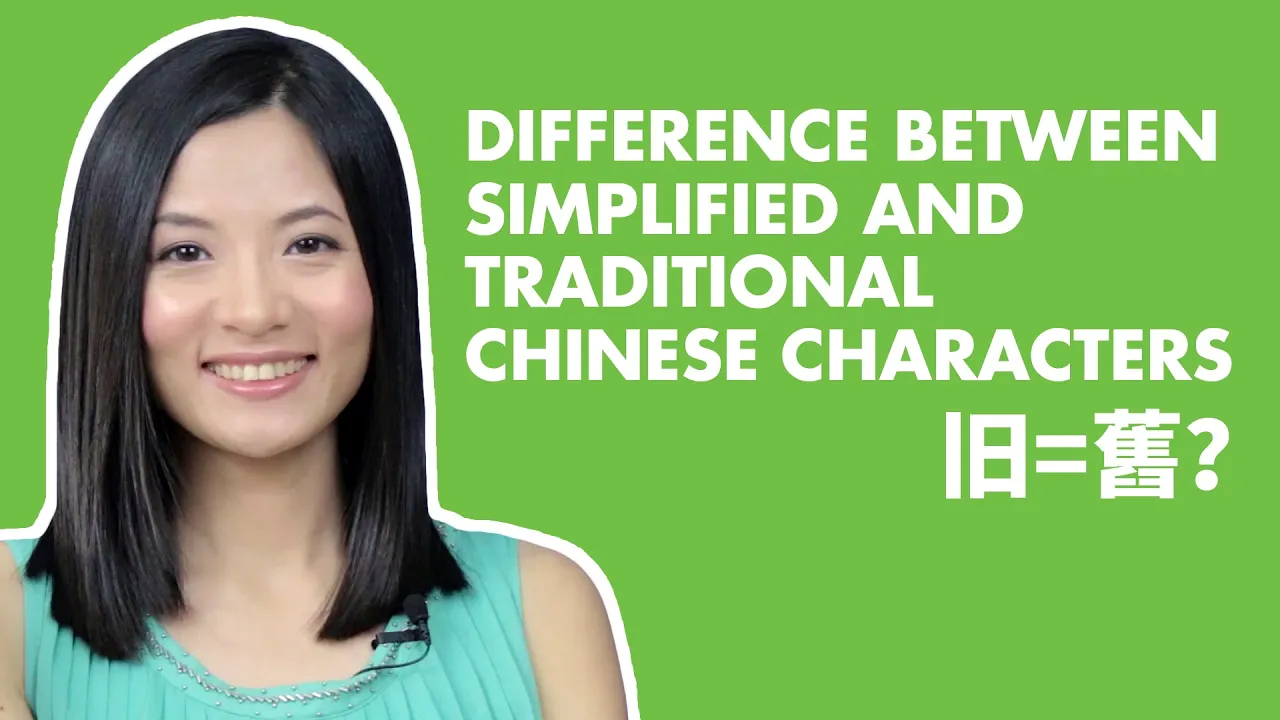
The historical divergence and linguistic rules behind Simplified versus Traditional Chinese characters.
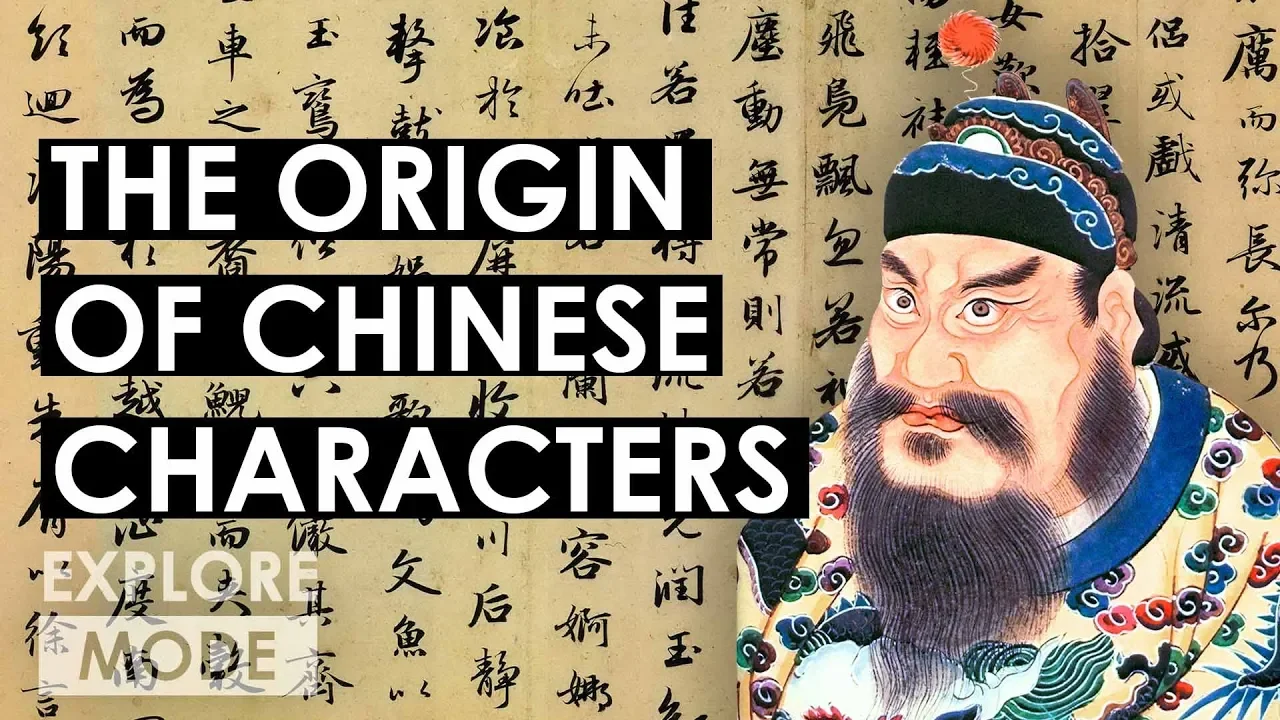
The evolution of Chinese scripts, from Oracle Bone Script and Seal Script to modern Regular Script (Kaishu).
How to efficiently use a Chinese dictionary using the radical-and-stroke-count indexing method.
Advanced character input methods (IME) beyond basic Pinyin, such as shape-based systems like Wubi or Cangjie.
The transition from individual characters to compound words (morphology) in Modern Standard Chinese.
242.6K views16.8Klikes8:51Original Release: 2025-12-14
Okay, the trauma still hasn't left me yet. So, I keep thinking back to high school Chinese. I tried the class action angle, but that failed. Now I need to make my money back. You might have heard it described as picture writing, which actually isn't entirely false, but also clearly not true. The the Chinese aren't playing Pictionary. It's a language. If my teammate drew me this and told me it was love, I would kill them. Now, some of you might think I don't have the right to complain about writing considering I'm coming from English.
Unfortunately for you, I don't care.
Call it hypocrisy. I call it a double kill. Also, how you type. Chinese writing is actually one of my favorite writing systems. Don't get me wrong, though. I [ __ ] hate it. See, Chinese writing is a liography as opposed to an alphabet like what English has. So, while in English our symbols are used for representing the sounds they make, hypothetically, Chinese has symbols for every word. But wait, if you're not spelling anything, how do you know how a character should be pronounced? No.
Yeah. On top of knowing how to write it and what it means, you also have to memorize how to pronounce it because there's nothing here to help you. To show you what I mean, I want you to try matching each character here to the sound it makes and see if you can find the pattern they're all homophones.
Nowadays, there are tens of thousands of Chinese characters with 3,000 being a lowball estimate for how many you'll need to be fluent. And the only thing you have to do is wrote memorization.
So, unfortunately, I can't teach you Chinese writing without also teaching you Chinese, which is a real shame because that video would have the numbers. Fear not the language that uses 10,000 rules. Fear the language that uses one rule 10,000 times. Bruce Lee.
Okay, that's probably enough bashing for now. How does it work? Okay, so I'm going to have to answer two questions here. How is the character put together?
And how do you use them? I'm going to start with that second one because it's easier to explain and kind of important we get it out of the way. So, writing Chinese is very straightforward.
Literally, you write straightforward.
Used to be like this, which is why manga is backwards. Huh, that's weird. Japan doesn't speak Chinese. Ah, well, now every character is just one syllable long. Rattling off a sentence of spoken Chinese, you write out each syllable one by one with a line of characters. That means there's a lot of characters who are actually homophones. Don't think about it too hard. It's probably not important. Remember how I said Chinese has a symbol for every word? I was actually lying. I do that when it suits me. Yeah, Chinese characters aren't words, actually. I mean, every character has a sound they make in a meaning, which is pretty wordlike, but a lot of words are made up of several characters.
They're usually not very long, though, because apparently nothing escapes the two child policy. Technically, the term I'm looking for is morphe, which unlike whole words, includes stuff like affixes or pluralization that clearly mean something, but somehow aren't words themselves. Now, I'm going to ignore this difference for the video, but I felt I had to say this because I don't want to linguist calling me slurs. Their vocab is massive. That all said though, just like how words in English can have a range of meanings, Chinese characters are the same with characters ranging from it actually doesn't mean anything, I have tricked you, to men shampoo.
Beyond that, yes, in the most basic form, characters are just pictures of the thing they're describing. Like, this is tree. Sure. This is person. Close enough. This is a mouth. I don't know what that is. This is a What the hell?
They used to look pretty all right, but a few thousand years later or so, the pictures have been further improved on by Alzheimer's disease, apparently.
Obviously, you can't keep this up. I mean, you could try, but eventually you're going to hit a wall, and those are huge here. Okay, how do we keep this machine going? Well, I mean, the most obvious answer is to just uh combine them. Like, we already have the character for trees, so uh behold a forest. Putting the sun and moon together means bright, which does the opposite. Actually, three males put together is product H. Three women put together is oh. However, there are some characters that are still too complicated to easily combine together.
And for some reason, this is the point where we draw the line. Okay. For example, say I wanted to make a character for tear as in crying. Highly relevant here. And the Chinese just so happen to have pictographs for I and how is that water? Well, no shot they were going to try fitting that one in. So, they simplified it into something small and simple for the purpose of getting tacked on to other characters. These smaller characters are known as radicals because they're really cool and also defend the whole more. Oh, speaking of communism, this is also where the simplified traditional thing comes in.
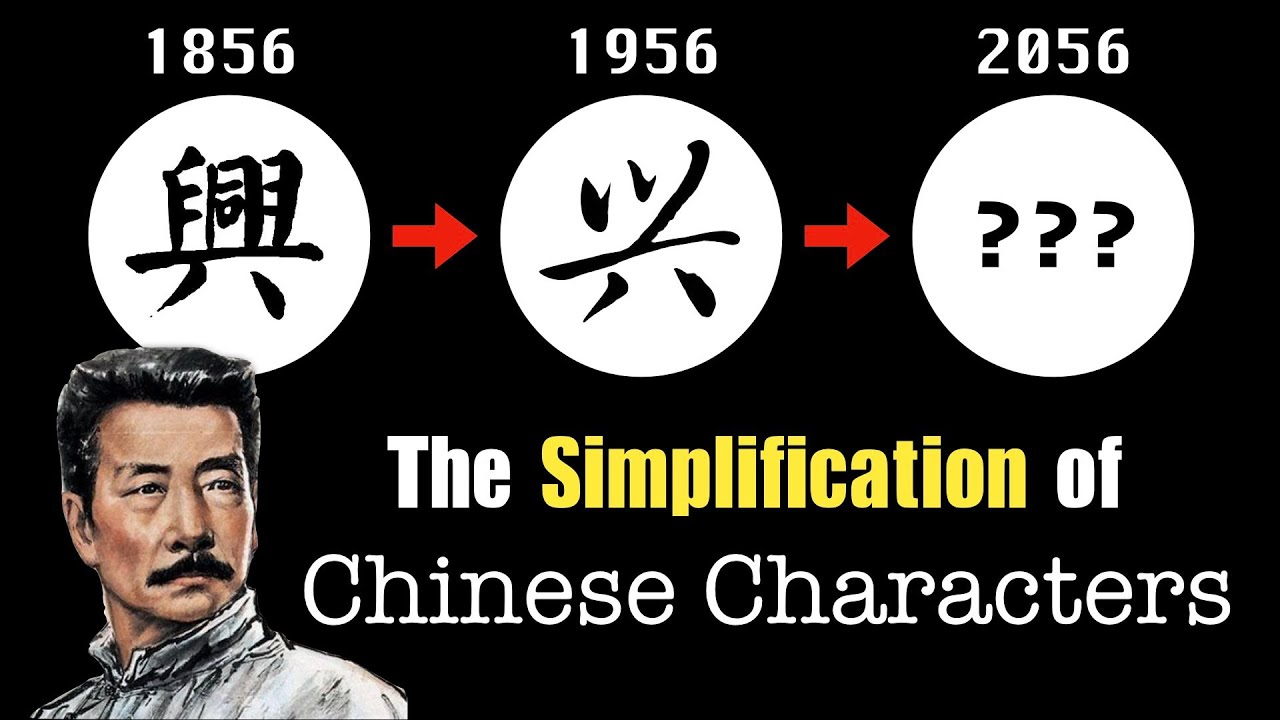
There was a writing reform in communist China that mostly went about it by simplifying radicals down, which other places didn't go along with because better red than red. Why did I write that? It's a bit analogous to how there's two ways of spelling words in English. But instead of only mattering when it's outing a Canadian, the differences here get a little bit more extreme. If you're curious, I've been using simplified this video. Not because I'm a mauist. I just I just like this font. But this is really good. Not the font. I'm saying that every character is just a combination of picked, graphs, or radicals. Characters that once look complicated, like whatever this is, can be broken down into smaller chunks. It is at this point that some Chinese teachers will tell you with the conviction of a military recruiter that Chinese is actually easy to read because the symbols that make it up already tell you what the character is about. This is a linguistic concept known as a bold-faced lie. As in walk plus hole plus moon plus sword plus two things of silk, a heart, the word for speech, the word for long twice, and a horse refer to a type of noodle. Okay, I'm being unfair. That was probably a marketing gimmick. So, it's only mildly [ __ ] up, but it doesn't get much better. Remember this thing? Yeah. It's made up of tree, rice, woman, and it means floor. Don't trust your teachers. They aren't paid enough for the truth. Water and goat, ocean, silk, and record is green. Woman and horses, mother. Okay, what the hell?
Okay, here's what's happening. You know how I said before there's no way of knowing how a character is pronounced.
That was actually true. I wasn't lying.
Except I was. I'm sorry. Maybe. See, these characters aren't actually here for their meaning, but for their sound.
Horse sounds a bit like mother. Well, it does if you're Chinese or a very rude dyslexic. So, we could just reuse stuff people already know and skip having to make something new ourselves. Wow, these guys really did make Tik Tok. Now, with our sound in hand, we can tag on a radical to specify what we're talking about. So, we have a character for sound, usually here, and a radical for meaning, usually here. And we call this sort of character a phonsemantic compound, which means they lie about being Jewish. This was such a clever idea, everybody else did it, too, with Egyptian hieroglyphs doing something similar and eventually tumbling into becoming our modern alphabet. If I may condense 5,000 years of history into it, that that wasn't even a full sentence.
The overwhelming majority of Chinese works this way, to the point it's kind of hard to find examples of things that don't. Granted, the system still isn't perfect. I don't know if that's what you were thinking, but I can't take that risk. Some Chinese characters that were once homophones before now only sound the same to children whose parents were mistakenly given an overclocked ultrasound. I'll still forgive it, though, because it allows for one of the coolest applications of the concept I've ever encountered. The periodic table.
Now, the periodic table itself already goes pretty hard. It's organized in a way that runs circles around even the most whimsical of schizophrenics on top of literally being revealed to the guy who made it in a dream. The most important thing about it right now and my personal favorite fact is that all the elements sort of cluster up based on what kind of material they are. Like this section is all metals. The gases are mostly kept on this edge here.
There's a little zigzag border between them of all the other stuff which will probably kill you. Now keep that in mind when I show you the Chinese names. These characters have the radical for metal.
These characters have the radical for air. These characters have the oh my god. Chinese elements are all phonmantic compounds constructed the same way. This part of the name gives you its pronunciation, and the radical tells you what the element is like. A really satisfying change of pace, especially when you're coming from this [ __ ] The only two exceptions are gold and mercury, which are old enough to get their own characters. And uh broine gets a special mention for being the only liquid element along with mercury, so it's the only one with a radical for water. This was so cool, it probably motivated the entire video. Uh, was it worth it? No. So, that's the dirty secret. The majority of written Chinese is basically just to type a pun. Hey, speaking of typing puns, you might think typing in Chinese would be something really complicated, but thankfully it's a lot simpler than you think.
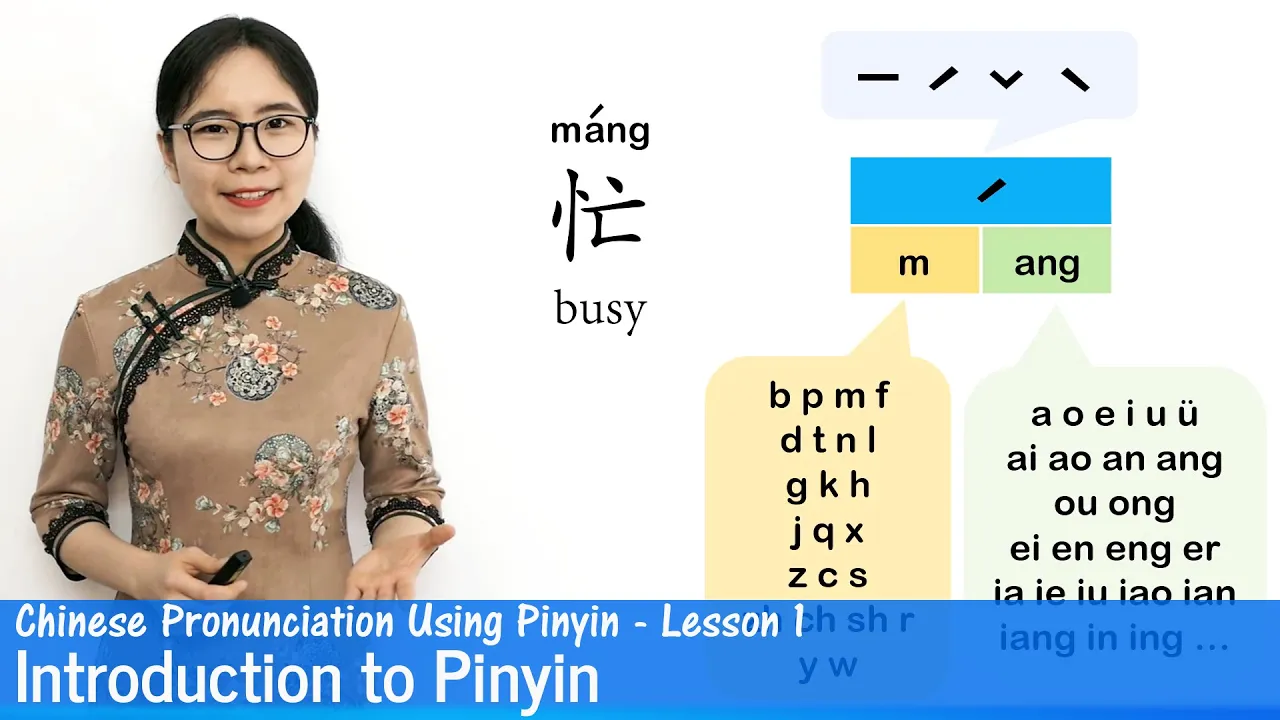
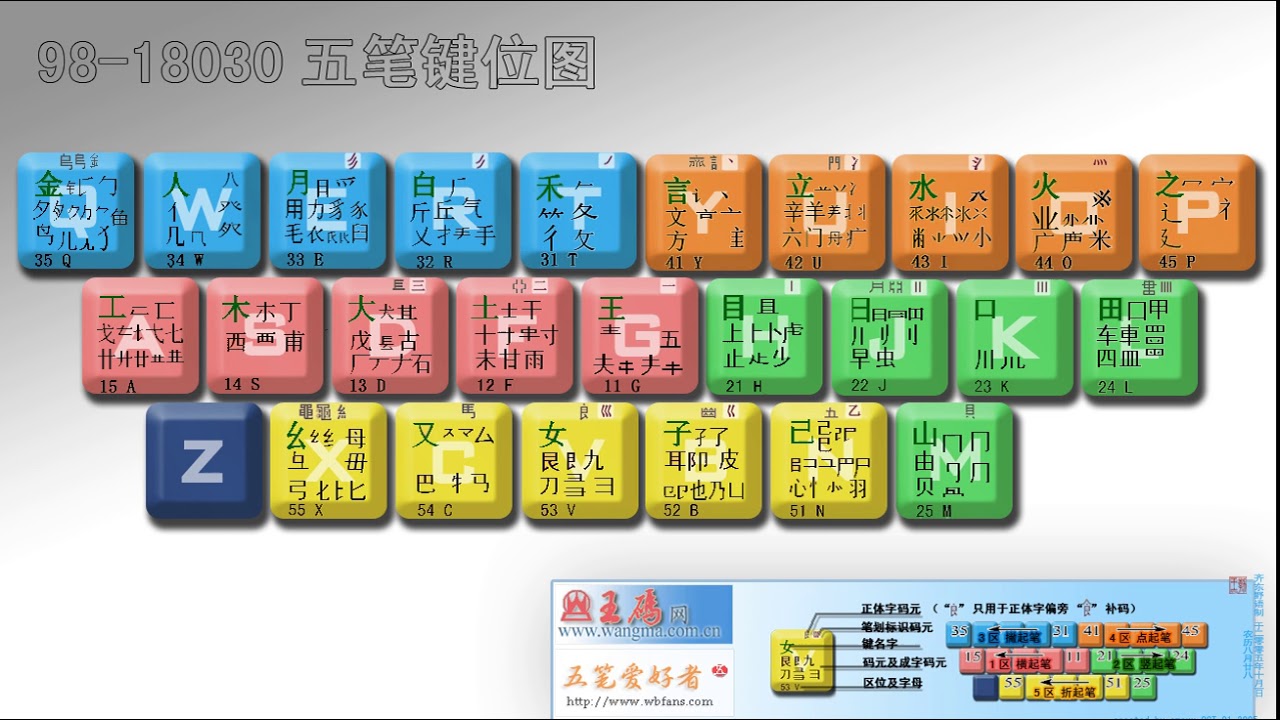
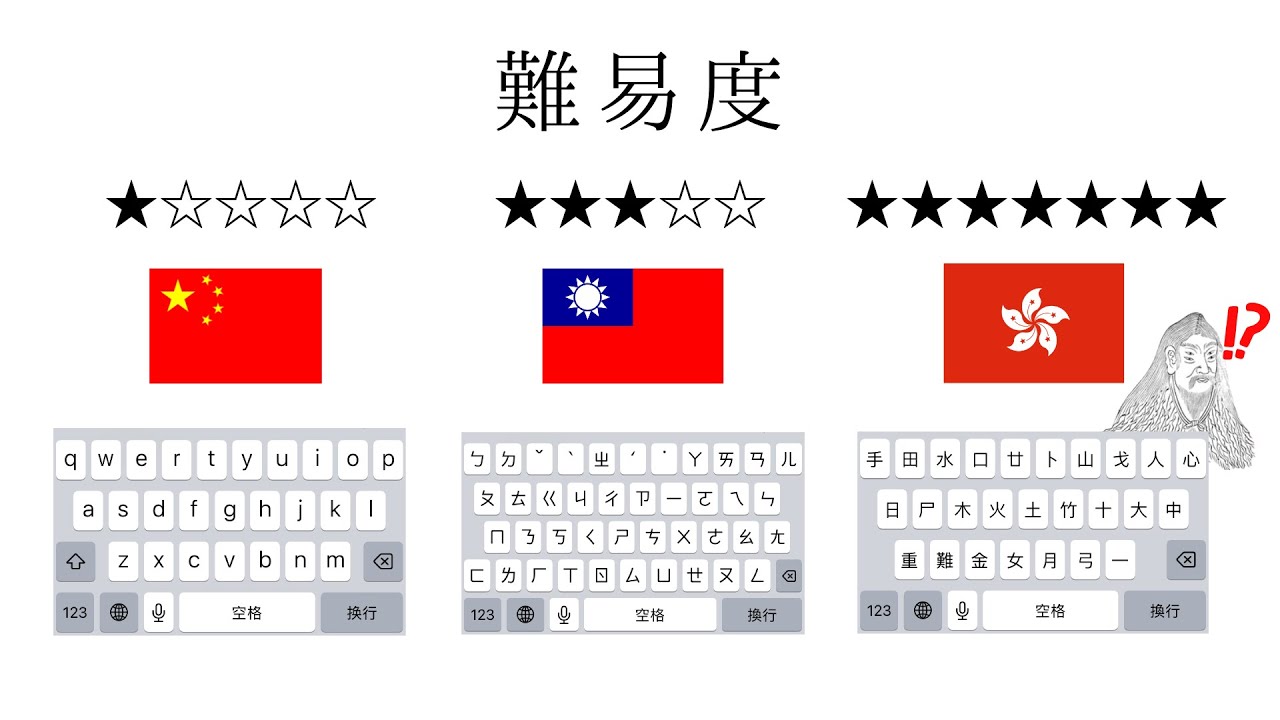
Unfortunately, now that I told you that, it's a lot more complicated than you think. There are actually several competing methods, and if I were to give you the full answer, this video would get gentrified real fast. So, you get one as a treat. So, while the Chinese language doesn't have an alphabet for regular use, they still have a system in place for writing words in plain Latin letters called pin. If you see a word for something Chinese, it's probably written in pinion. Well, typing in Chinese, uh, one of the ways is just writing out the word in pinion and relying on the computer to give you a list of possible characters you could mean. That might sound tedious, but like autocorrect, the list is contextsensitive, so you can write out full sentences before having to specify what you mean. Also, they give Adobe products a stroke. Adobe products also give me a stroke. Again, I would like to stress though, this is a very big topic, and I simply don't have time for any more. So, here's a few more. There's one where you build the character directly.
Taiwan has a specialized alphabet they use. Japan gets to use Japan. Okay, I need to vent about something. Okay, so Japan doesn't speak Chinese. Uh, their languages are not even remotely alike. I would think most people know this, but I was taught No Child Left Behind.
Regardless, I still want to talk about it because although Japan has their own writing system, they also use Chinese characters. It's literally Chinese writing. They call it kanji, which is a Japanese word that means Chinese writing. Now, a limitation of Chinese characters is that they're pretty clearly made for things that aren't not Chinese. You can try getting characters that sound close enough to what you want, but that gets bad fast. In spite of this, and more importantly me, historically, other Asian languages first got into writing by copying Chinese characters, following the logic of it being this or illiteracy. But after realizing what they had was unreadable anyway, all of them started dropping Chinese characters in favor of purely phonetic writing systems, leaving only Japan, who while the others had accepted that they couldn't fix her, instead knew it was way hotter when you make her worse. Okay, here's the rub.
When Japan got their hands on Chinese characters, they used them for their own native Japanese words, which is reasonable. But they were also bringing in Chinese loan words that also used the same characters. And unfortunately, this is Japan. So guess who's stuck doing overtime. So a character can have a Chinese style reading or a Japanese style reading, which is pretty annoying, but it's just two readings, right? Well, as the ancient Japanese proverb goes, in for a yini, in for a yound. You see this thing? 10 different pronunciations changing across nouns, verbs, and names, which wouldn't be so bad if it weren't for the fact these are completely unfinetic. Oh, look, I'm lying again.
I'm sorry. Of course, we still have the sound meaning characters here, too. I mean, ignoring that they also have multiple pronunciations, and the sound they're given comes not from Chinese, but Chinese from a year with three numbers in it. So, the sound we'd be reading out is that of a modern Japanese evolution of an old Japanese interpretation of an old version of the [ __ ] microbial number of different Chinese dialects. Yeah, I bet you were waiting for that shoe to drop.
Did you know the red teel is canonically cannise?
Up Next

16:15
The Complete Origin of Every Letter in the Alphabet
@RobWords
3.9M views•2023-02-11
36:52
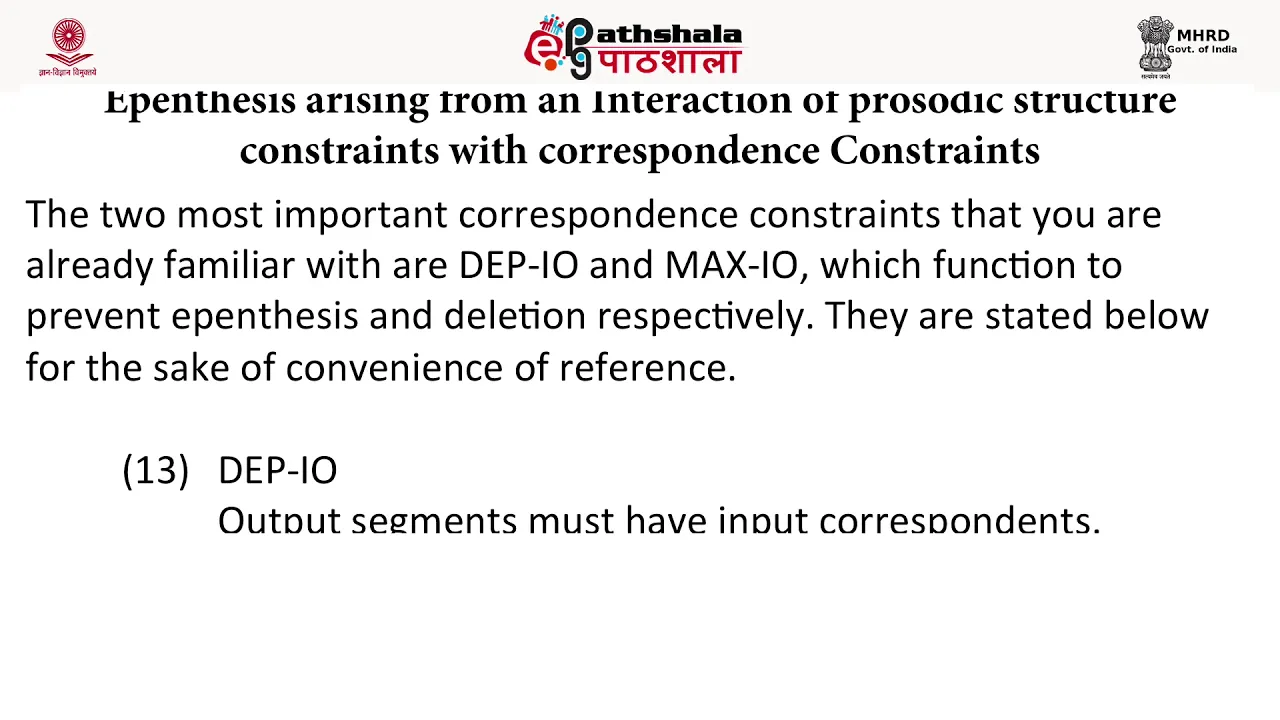
Constraint Interaction in Optimality Theory: Epenthesis & Deletion
@Vidyamitra
180 views•2018-08-20

8:59
Forensic Linguistics: How Language Solves Crimes | PBS
@pbsstoried
1M views•2024-01-25

21:32
Accent Expert Explains U.S. Regional Dialects | Part 1
@WIRED
9.3M views•2021-01-21
Related Study Plans & Knowledge Roadmaps
Structured learning paths in Linguistics
linguistics
Optimality Theory: Tableaux & Constraints
01Phonological Basics: Sounds, Syllables & Rules
02Foundations of Optimality Theory: GEN, CON, and EVAL
03The Constraint Inventory: Markedness vs. Faithfulness
+ 2 more learning modules
15h5 modules
Explore Roadmap
linguistics
Morphosyntactic Alignment: S, A & P Systems
01Foundations of Syntax: Transitivity and Arguments
02The Linguistic Variables: Mapping S, A, and P
03Nominative-Accusative Alignment
+ 3 more learning modules
12h6 modules
Explore Roadmap
linguistics
Analyzing Sign Language: Phonology & Syntax
01Foundations of Sign Language Linguistics
02Phonology: The Five Parameters of a Sign
03Morphology: Word Formation and Classifiers
+ 2 more learning modules
14h5 modules
Explore Roadmap
linguistics
Pragmatics: Speech Acts, Grice & Politeness
01Introduction to Pragmatics: Meaning in Context
02Grice’s Cooperative Principle & Implicature
03Speech Act Theory
+ 2 more learning modules
14h5 modules
Explore Roadmap