


















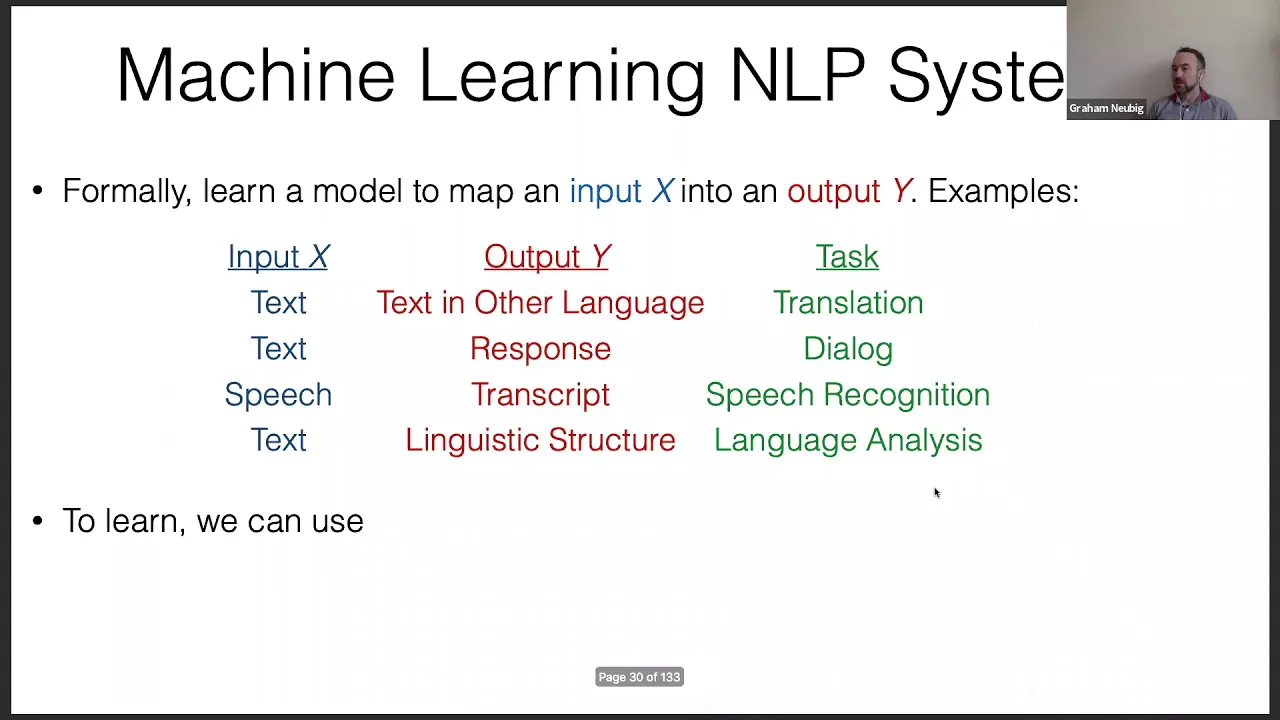





Natural Language Processing (NLP) is a branch of artificial intelligence that enables computers to understand, interpret, and generate human language by converting unstructured text (like spoken words or written sentences) into structured data that machines can process; this involves techniques such as tokenization (breaking text into individual words), stemming (reducing words to their root form), lemmatization (finding dictionary-based word roots), part-of-speech tagging (identifying grammatical roles), and named entity recognition (identifying specific entities like people or places), with applications including machine translation, virtual assistants, sentiment analysis, and spam detection.
NLP Explained: Natural Language Processing Basics for Beginners
Added:Basic understanding of programming concepts, particularly string manipulation in Python.
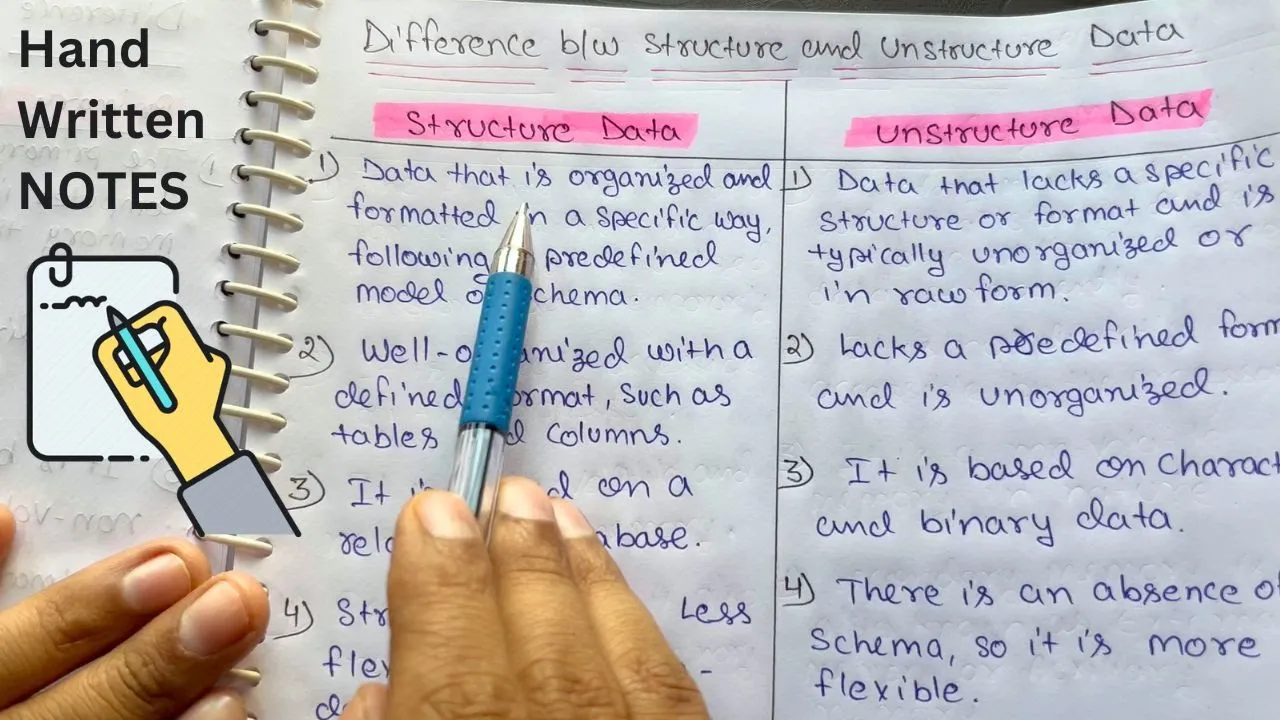
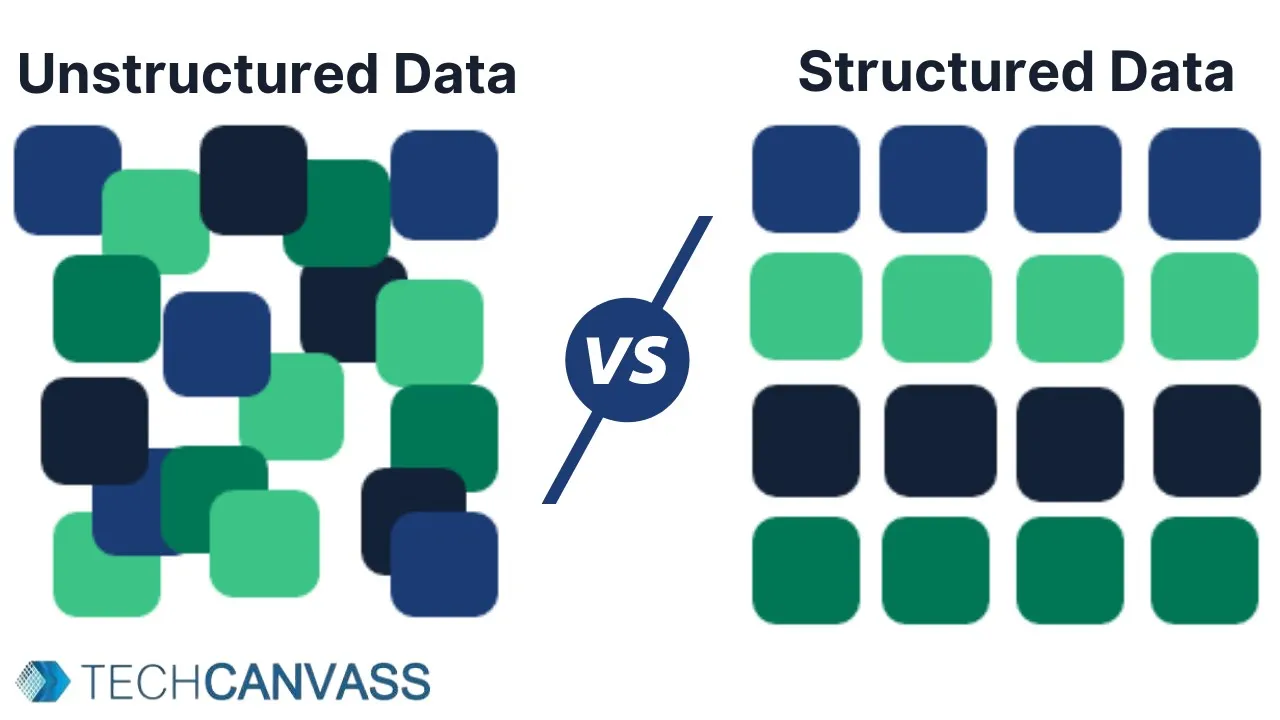
The conceptual difference between structured data (like databases) and unstructured data (like raw text).
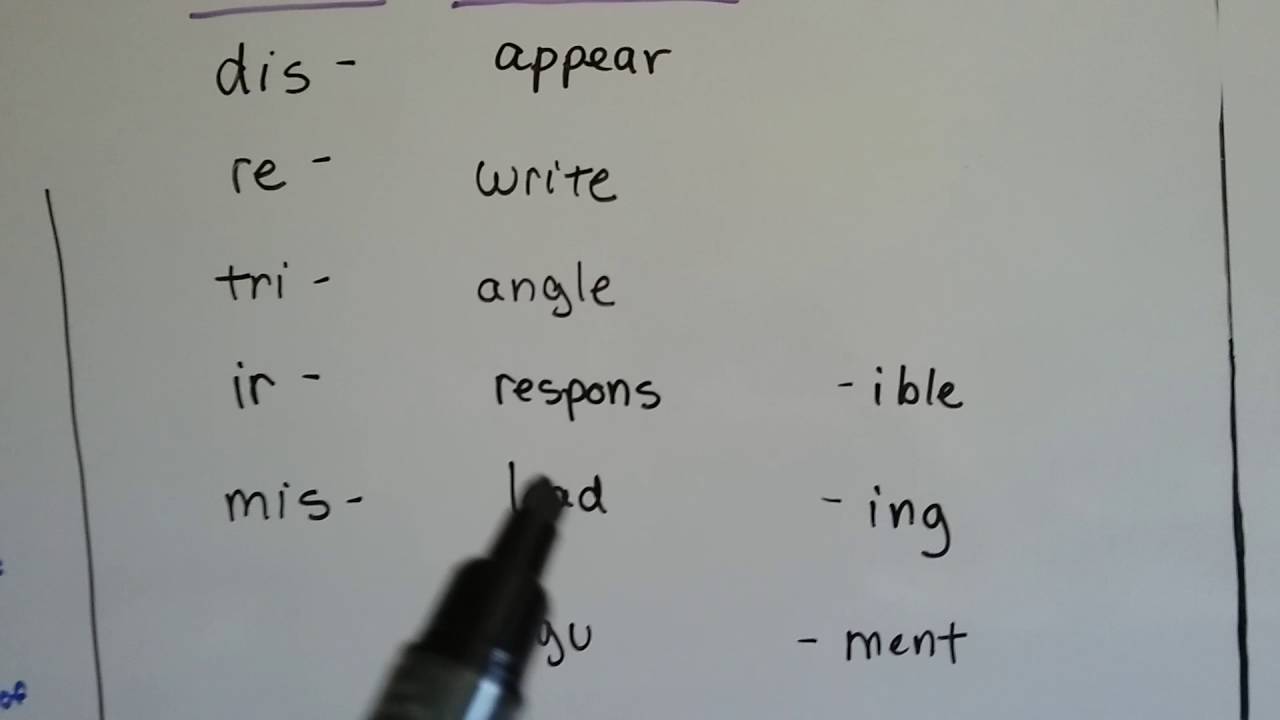
Elementary linguistics, including parts of speech, prefixes, suffixes, and word roots.
An introductory familiarity with the overall goals of Artificial Intelligence (AI) and Machine Learning.
Feature extraction and vectorization techniques, such as Bag-of-Words and TF-IDF, to convert text into numerical matrices.
Sequence labeling and syntactic analysis tasks, specifically Part-of-Speech (POS) Tagging and Named Entity Recognition (NER).
Implementing practical classification models, such as Sentiment Analysis and Spam Detection, using preprocessed text.
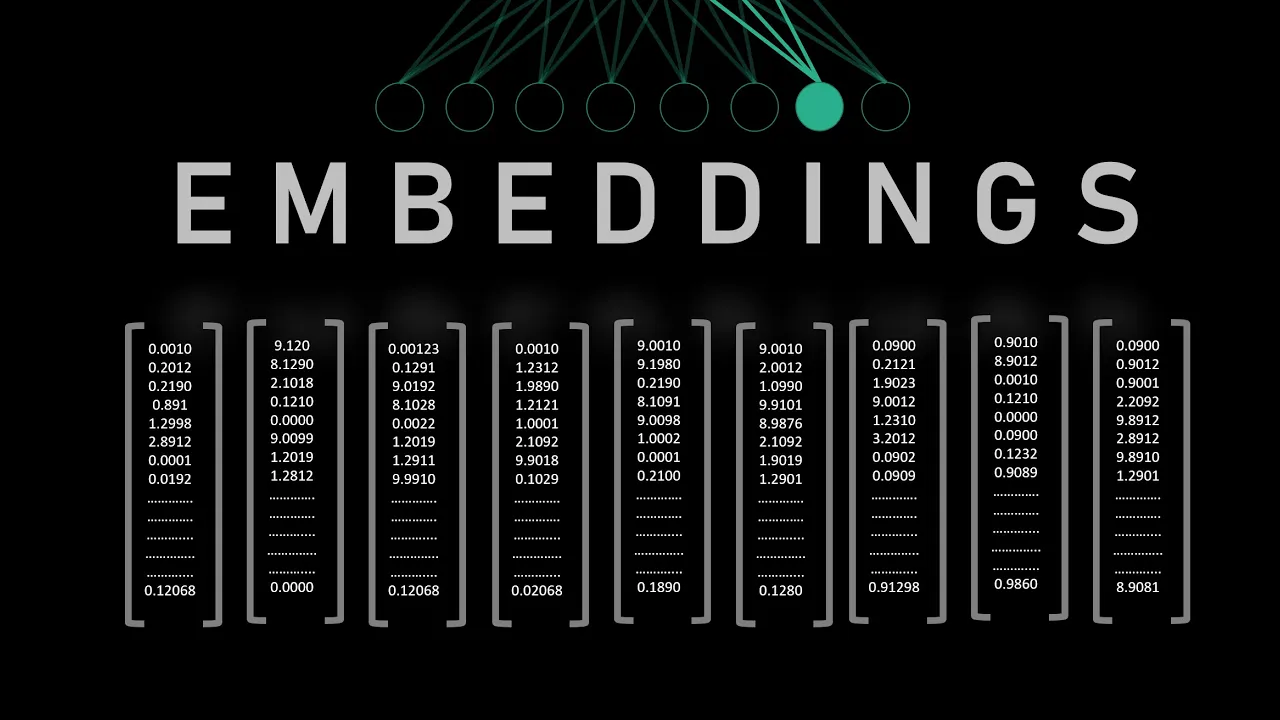
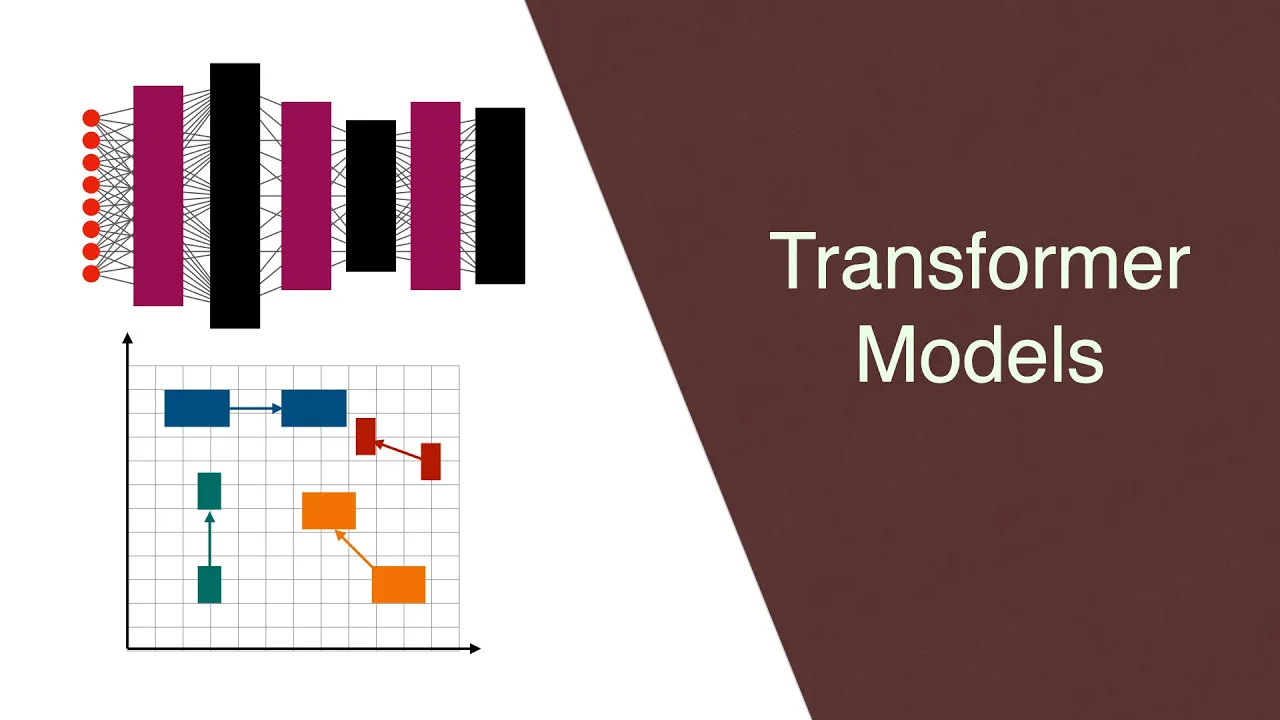
Exploring semantic representation through Word Embeddings (like Word2Vec) and advanced deep learning architectures like Transformers.
464.6K views11.5Klikes9:37Original Release: 2021-08-11
What is natural language processing? Well, you're doing it right now, you're listening to the words and the sentences that I'm forming and you are forming some sort of comprehension from it. And when we ask a computer to do that that is NLP, or natural language processing.
My name is Martin Keen, I'm a Master Inventor at IBM, and I've utilized NLP in a good number of my invention disclosures. NLP really has a really high utility value in all sorts of AI applications. Now NLP starts with something called unstructured text. What is that? Well, that's just what you and I say, that's how we speak.
So, for example, some unstructured text is "add eggs and milk to my shopping list."
Now you and I understand exactly what that means, but it is unstructured at least to a computer.
So what we need to do, is to have a structured representation of that same information that a computer can process. Now that might look something a bit more like this where we have a shopping list element. And then it has sub elements within it like an item for eggs, and an item for milk.
That is an example of something that is structured.
Now the job of natural language processing is to translate between these two things.
So NLP sits right in the middle here translating between unstructured and structured data. And when we go from structure from unstructured here to structured this way, that's called NLU, or natural language understanding. And when we go this way from structured to unstructured, that's called natural language generation, or NLG. We're going to focus today primarily on going from unstructured to structured in natural language processing now let's think of some use cases where nlp might be quite handy. First of all, we've got machine translation.
Now when we translate from one language to another we need to understand the context of that sentence. It's not just a case of taking each individual word from say English and then translating it into another language. We need to understand the overall structure and context of what's being said. And my favorite example of this going horribly wrong is if you take the phrase the "spirit is willing, but the flesh is weak" and you translate that from English to Russian and then you translate that Russian translation back into English you're going to go from the "spirit is willing, but the flesh is weak" to something a bit more like the "vodka is good, but the meat is rotten" which is really not the intended context of that sentence whatsoever. So NLP can help with situations like that. Now the the second kind of use case that I like to mention relates to virtual assistants, and also to things like chatbots. Now a virtual assistant that's something like Siri, or Alexa on your phone that is taking human utterances and deriving a command to execute based upon that. And a chatbot is something similar except in written language and that's taking written language and then using it to traverse a decision tree in order to take an action. NLP is very helpful there.
Another use case is for sentiment analysis. Now this is taking some text perhaps an email message or a product review and trying to derive the sentiment that's expressed within it.
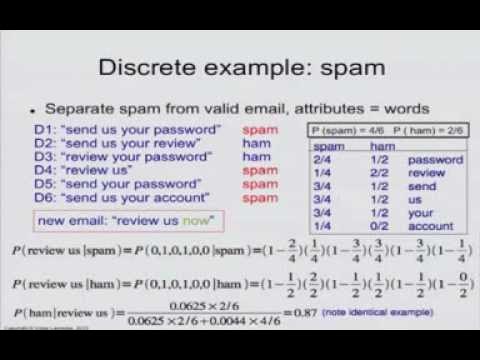
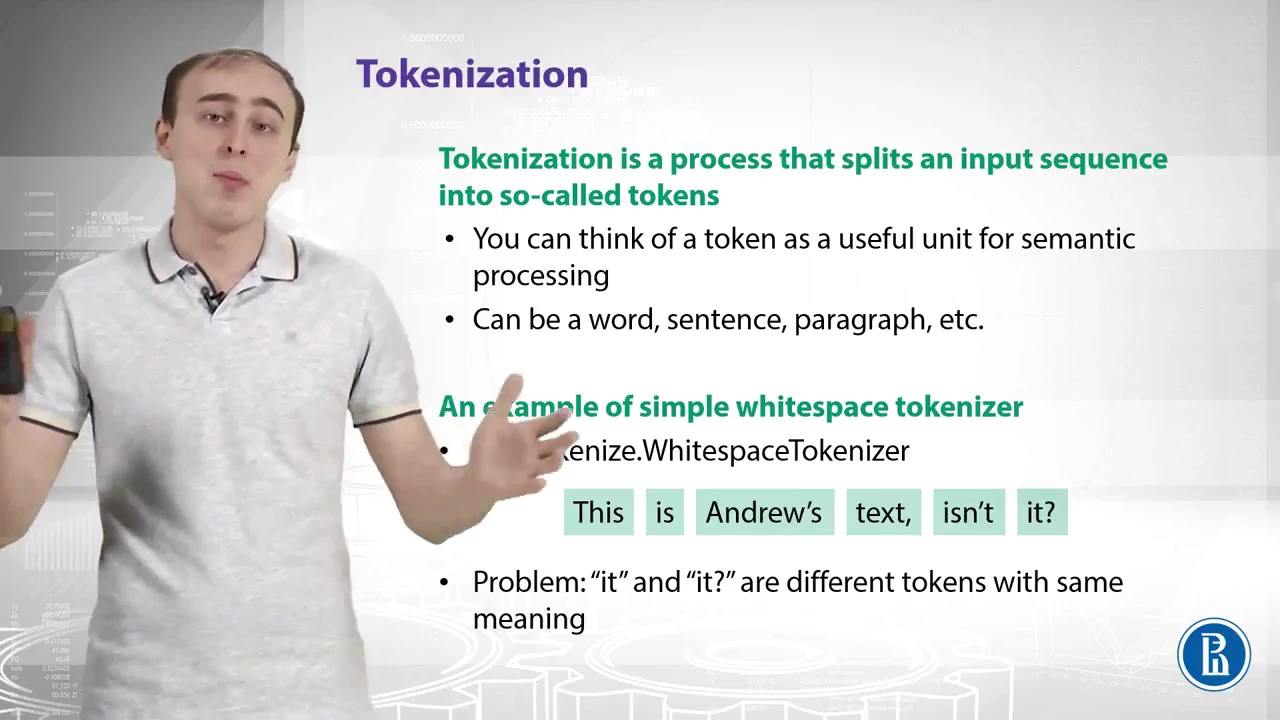
So for example, is this product review a positive sentiment or a negative sentiment, is it written as a serious statement or is it being sarcastic? We can use NLP to tell us. And then finally, another good example is spam detection so this is a case of looking at a given email message and trying to drive is this a real email message or is it spam and we can look for pointers within the content of the message. So things like overused words or poor grammar or an inappropriate claim of urgency can all indicate that this is actually perhaps spam. So those are some of the things that NLP can provide but how does it work well the thing with NLP is it's not like one algorithm, it's actually more like a bag of tools and you can apply these bag of tools to be able to resolve some of these use cases. Now the input to NLP is some unstructured text so either some written text or spoken text that has been converted to written text through a speech to text algorithm. Once we've got that, the first stage of NLP is called tokenization This is about taking a string and breaking it down into chunks so if we consider the unstructured text we've got here "add eggs and milk to my shopping list" that's eight words that can be eight tokens.
And from here on in we are going to work one token at a time as we traverse through this. Now the first stage once we've got things down into tokens that we can perform is called stemming.
And this is all about deriving the word stem for a given token. So for example, running, runs, and ran, the word stem for all three of those is run. We're just kind of removing the prefix and the suffixes and normalizing the tense and we're getting to the word stem.
But stemming doesn't work well for every token. For example, universal and university, well they don't really stem down to universe. For situations like that, there is another tool that we have available and that is called lemmatization.
And lemmatization takes a given token and learns its meaning through a dictionary definition and from there it can derive its root, or its lem. So take better for example, better is derived from good so the root, or the lem, of better is good. The stem of better would be bet. So you can see that it is significant whether we use stemming, or we use lemmatization for a given token.
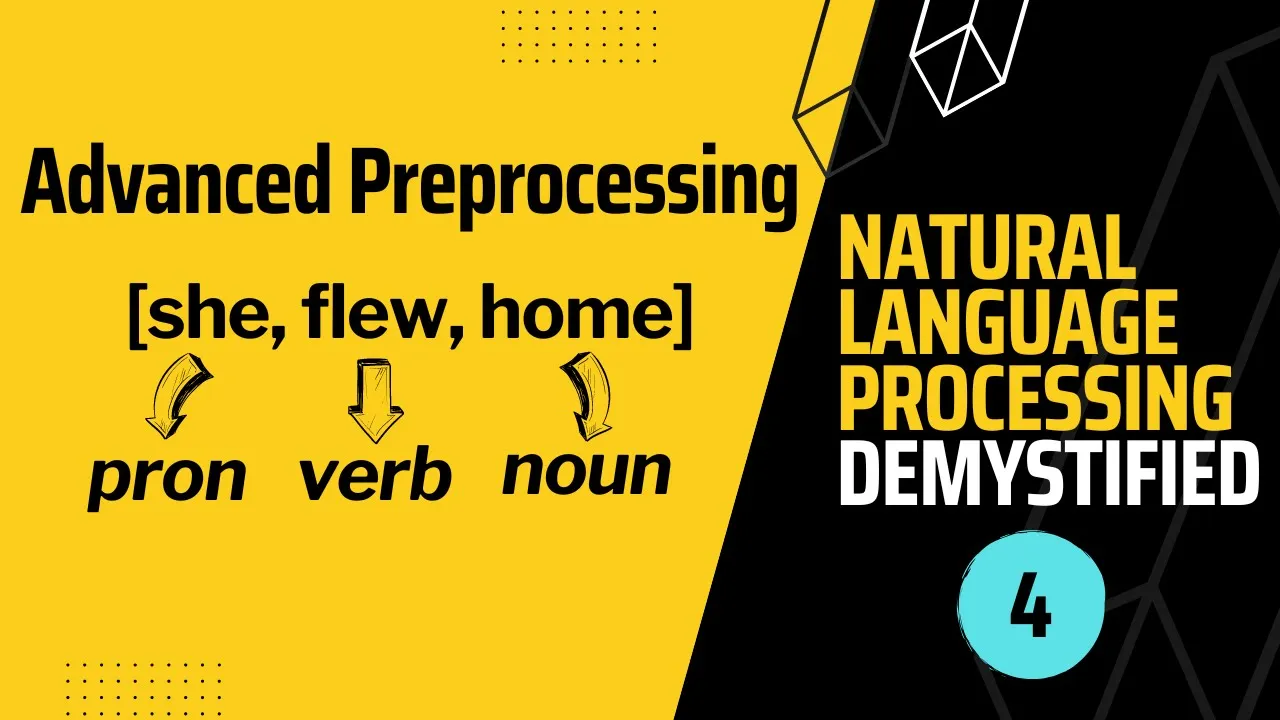
Now next thing we can do is we can do a process called part of speech tagging.
And what this is doing is for a given token it's looking where that token is used within the context of a sentence. So take the word make for example, if I say "I'm going to make dinner", make is a verb. But if I ask you "what make is your laptop?", well make is now a noun. So where that token is used in the sentence matters, part of speech tagging can help us derive that context.
And then finally, another stage is named entity recognition.
And what this is asking is for a given token is there an entity associated with it. So for example, a token of Arizona has an entity of a U.S. state whereas a token of Ralph has an entity of a person's name. And these are some of the tools that we can apply in this big bag of tools that we have for NLP in order to get from this unstructured human speech through to something structured that a computer can understand. And once we've done that then we can apply that structured data to all sorts of AI applications. Now there's obviously a lot more to it than this and I've included some links in the description if you'd like to know more, but hopefully this made some sense and that you were able to process some of the natural language that I've shared today.
Thanks for watching. If you have questions, please drop us a line below. And if you want to see more videos like this in the future, please like and subscribe.
Up Next
71:40
Stanford CS25: Transformers Introduction with Andrej Karpathy
@stanfordonline
941.7K views•2023-05-19
87:26
Introduction to Secure Multiparty Computation with Yehuda Lindell
@fhe_org
7.7K views•2021-02-04
8:22
Load Balancing Explained: Algorithms & Architecture
@IBMTechnology
309.8K views•2021-10-04

19:25
Enigma Machine Mechanics: WWII Encryption Explained
@JaredOwen
13.2M views•2021-12-11
Related Study Plans & Knowledge Roadmaps
Structured learning paths in Computer Science
computer-science
Container Runtimes: Namespaces, Cgroups & Go
01Linux Systems & Go Programming Foundations
02The Core of Isolation: Chroot and Filesystems
03Linux Namespaces: Process Isolation
+ 3 more learning modules
32h6 modules
Explore Roadmap
computer-science
Building a CHIP-8 Emulator: Rust & CPU Basics
01Computer Architecture Foundations (Bits & Bytes)
02Rust Programming for Systems Development
03CHIP-8 Virtual Hardware Specifications
+ 2 more learning modules
32h5 modules
Explore Roadmap
computer-science
Building BitTorrent: Go, P2P & Concurrency
01Go Fundamentals & Concurrency
02Networking Foundations & P2P Architecture
03Bencode Parsing & Torrent Metadata
+ 3 more learning modules
26h6 modules
Explore Roadmap
computer-science
Actor Models (C++ Concurrency & Lock-Free)
01C++ Multi-Threading Foundations
02Thread Pools and Task Scheduling
03Atomics and Lock-Free Queue Design
+ 3 more learning modules
45h6 modules
Explore Roadmap