







![[PSYC200] 10. Child Development Part 1: Pre-Natal and Newborn](https://i.ytimg.com/vi/sYn6-pXjgUQ/maxresdefault.jpg)






![[PHƯƠNG PHÁP NGHIÊN CỨU KHOA HỌC SỨC KHỎE] - Bài 13: Đạo đức trong nghiên cứu y tế (P.2) _ CTUMP.](https://i.ytimg.com/vi/h0dcktZ0F4M/maxresdefault.jpg)











![Era de IDIOTAS: David Pastor VICO y Santiago ARMESILLA [Especial 300.000 Suscriptores]](https://i.ytimg.com/vi/bbxKq9ymko4/maxresdefault.jpg)

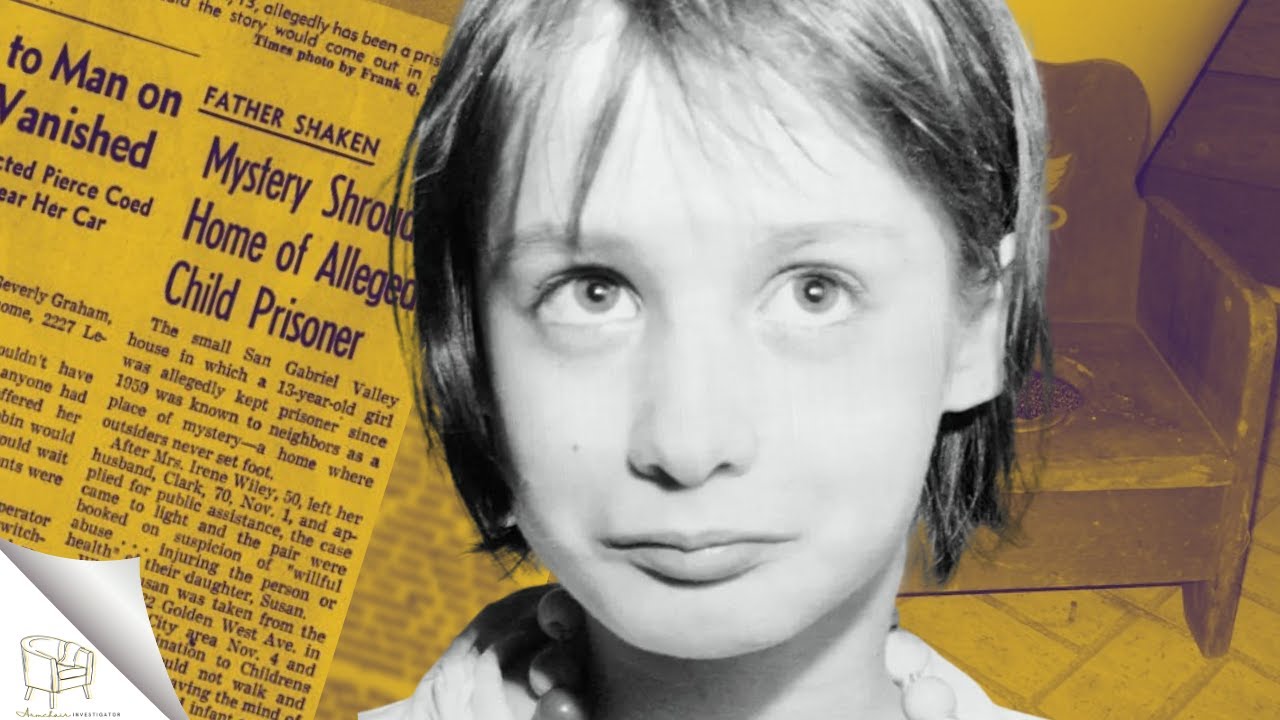
The critical period theory in human development posits that the first five years of life are essential for acquiring fundamental skills such as language, hearing, vision, and social bonding. Genie Wiley's case, a 13-year-old girl raised in extreme isolation with minimal human contact, demonstrated that while some language learning can occur after this critical period, the inability to acquire grammar and complex language structures indicated that passing the critical period was detrimental to full language acquisition.
Genie Wiley: The Feral Child and Language Acquisition Study
Added:The Critical Period Hypothesis in linguistics, particularly Eric Lenneberg's theory that there is a biologically determined window for acquiring a first language fluently.
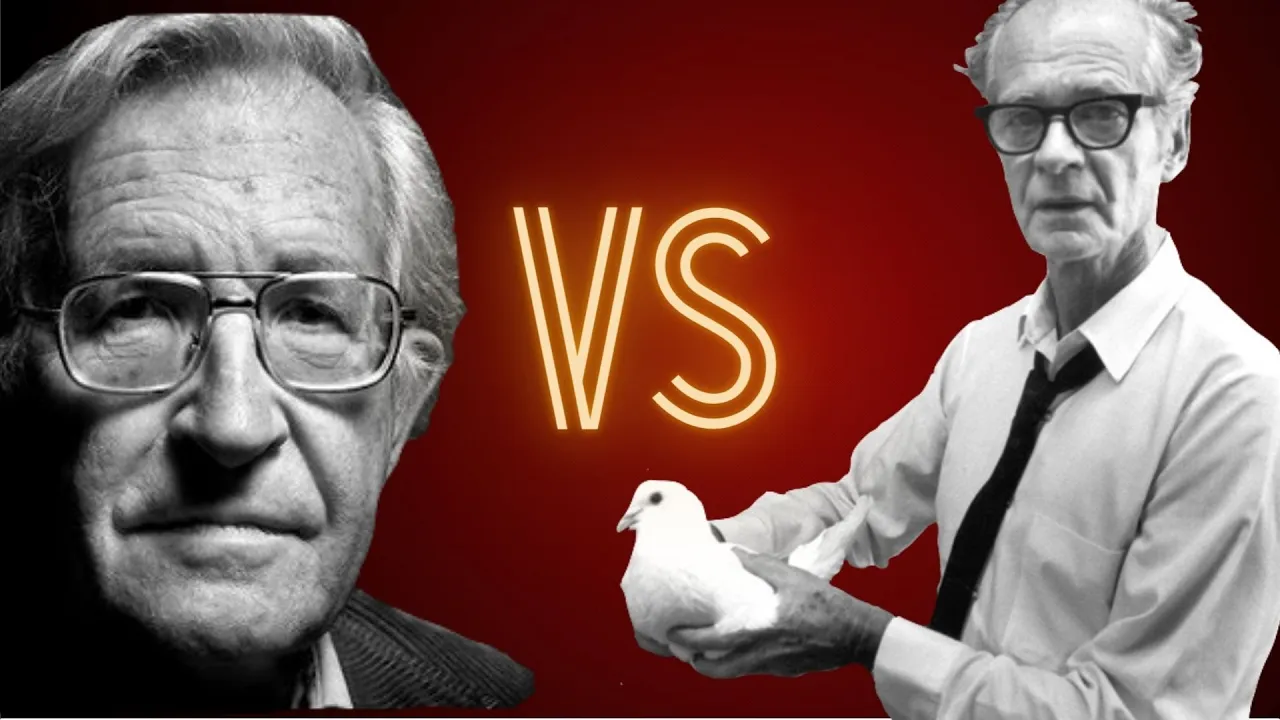
The fundamental debate between Nativist (Noam Chomsky's Language Acquisition Device) and Behaviorist (B.F. Skinner's operant conditioning) theories of language development.
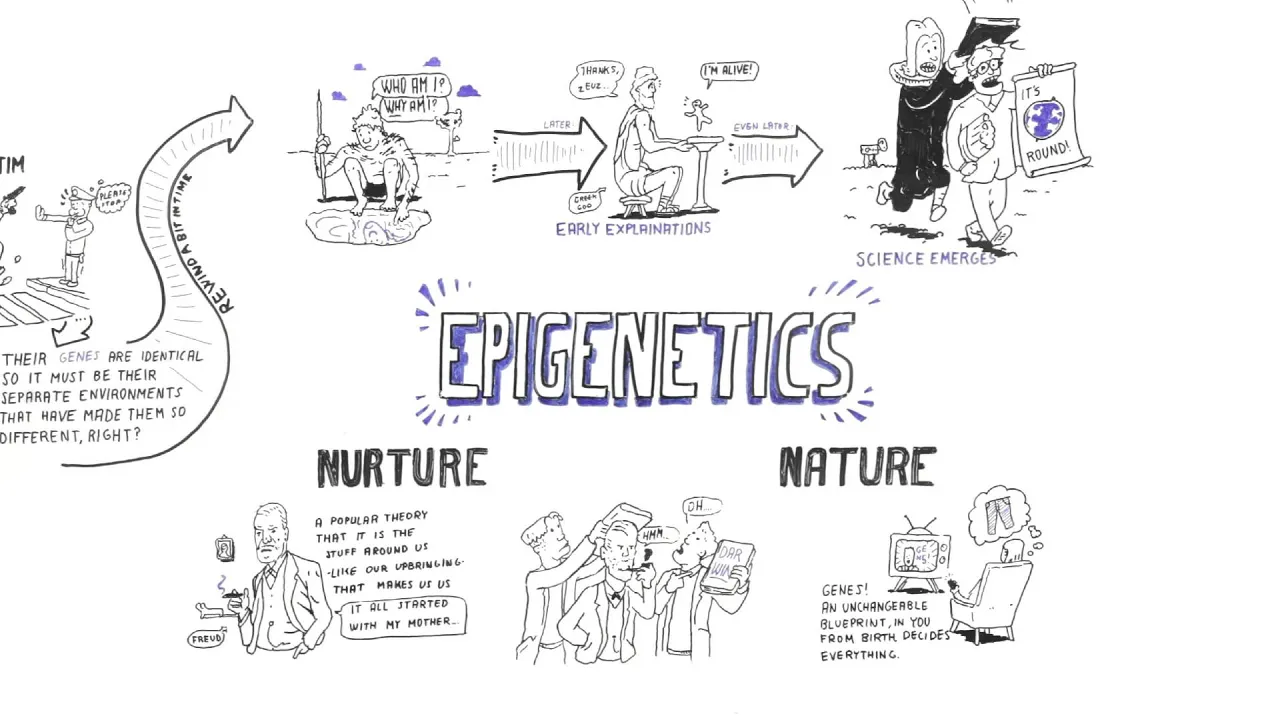
The core concepts of the 'Nature vs. Nurture' debate and how environmental factors interact with genetic predispositions in human psychology.
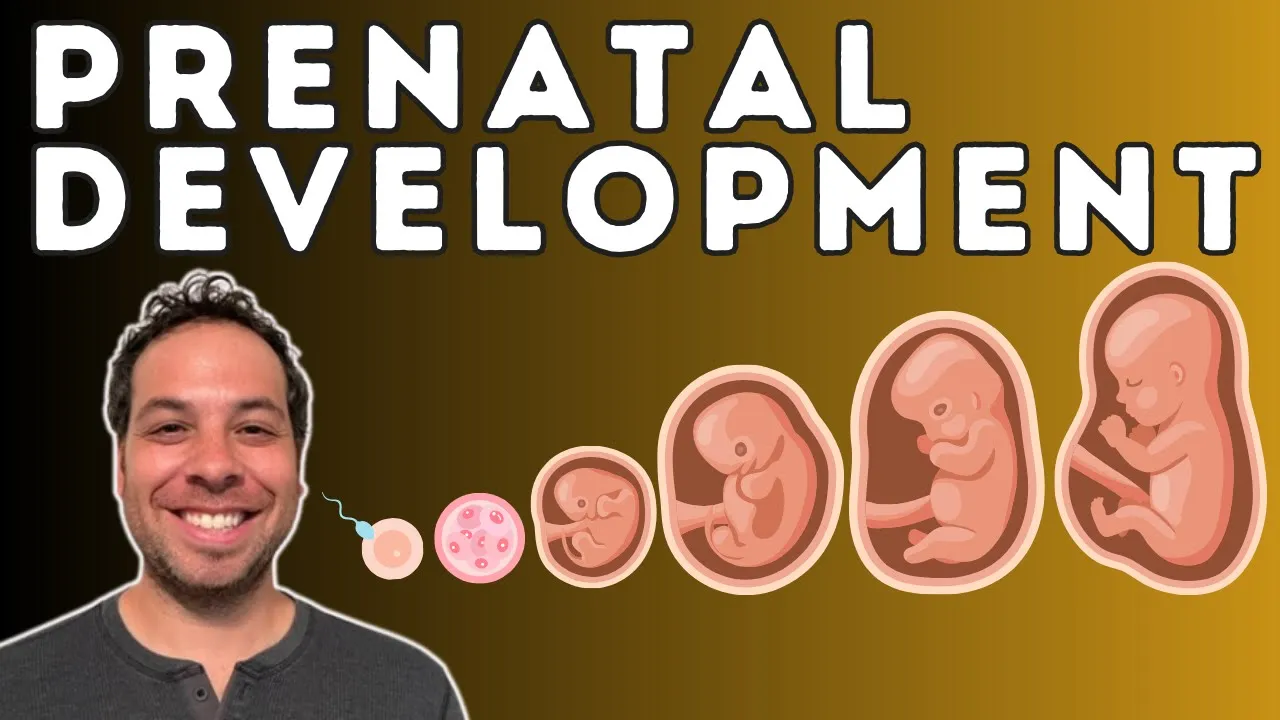
Standard developmental milestones in early childhood, particularly those related to cognitive, social, and linguistic growth.
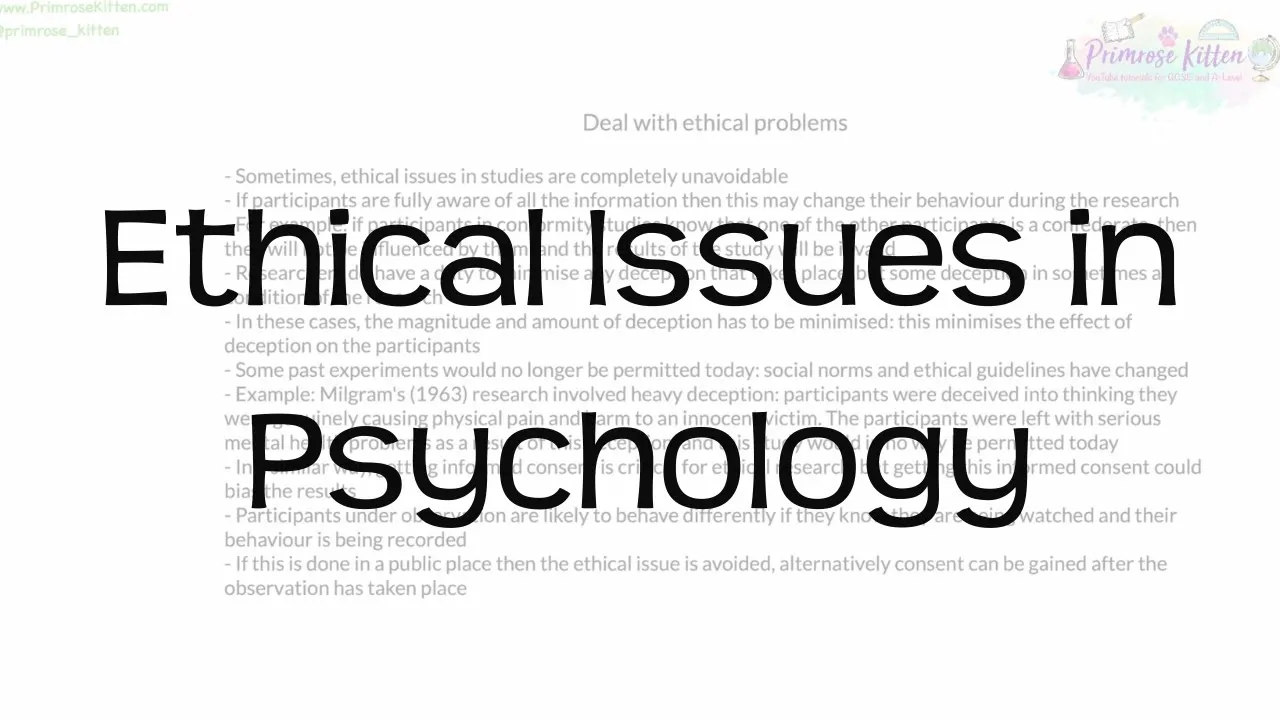
The ethical guidelines and conflicts of interest in psychological research, specifically examining the boundaries between scientific inquiry and the therapeutic welfare of a vulnerable subject.
The neurobiology of extreme neglect, exploring how severe isolation impacts brain development, cortical thickness, and synaptic pruning.
The linguistic distinction between syntax and semantics, analyzing why Genie was able to acquire a large vocabulary but struggled to master grammatical structures.
Comparative case studies of other feral or isolated children (such as Victor of Aveyron) to identify broader patterns in human development and social deprivation.
75.5K views2.8Klikes46:21Original Release: 2023-04-11
hi guys and welcome back to another True Crime and makeup Time video if you're new here my name is Zara and I post a new true crime video every single week so if you love makeup and you loved your crime definitely hit that notification Bell button hit the like button and make sure to subscribe guys would mean so much to me so I don't know why I decided to film this video I actually have a baby shower that I'm gonna be going to so I'm going to keep my makeup a little light but I hope I'm not gonna be sad when I'm at this event because today's case before we get into it I want to thank today's sponsor hellofresh you guys know I love me some hellofresh and if you're like me and looking for ways to save did you know that hellofresh is cheaper than grocery shopping and 25 cheaper than ordering in I didn't know that and it's so much better because all the ingredients I need for each meal are right there organized in each meal kit I absolutely hate wasting food especially when you buy too much of one ingredient like too much broccoli and then it goes bad before you can eat it good food is too precious to waste and with hello fresh they give you pre-portioned ingredients which can help cut down on food waste by 23 compared to grocery shopping which is not only amazing for the planet but so good for your bank account with hellofresh you get seasonal ingredients that are picked and sent out at their Peak ripeness and these ingredients then travel from the farm to your home in less than seven days so you know they're as fresh as can be what I also love is that hellofresh is not just for dinner they have so many options so hello fresh has you covered for all types of meals from snacks and quick lunches to seasonal celebrations and festive Gatherings this was my first time trying one of their desserts and the cake was so good I don't even like coconut that much but this cake was so bomb so go to hellofresh.com and use code Zara v50 for 50 off plus your first box ships free that's hellofresh.com and use code Zara v50 for 50 off plus your first box ships free thank you so much to hellofresh for sponsoring today's video and thanks so much to you beautiful people because you guys are amazing now I initially just randomly stumbled across it I was just on some blogs and I ended up reading about this case and I could not stop reading about it I was just like is this real I thought it was fake at first and I guess with a lot of cases a lot of us when we find out about certain cases what intrigues us the most is we want to know why people do certain things and why they behave a certain way or why they treat other people a certain way today's case is about the tragic story of a girl little girl who was raised in the most horrific way something that you would never think anyone would do in Social isolation with little to no human contact she was mistreated brutally imprisoned and she didn't really develop at a normal human Pace what's interesting about this case is this case put the critical period Theory to the test and what that basically is is when you when you have a kid they tell you you know the first five years of that child's life is critical to their development this period or these five years are usually the time that a child will learn the essential things that they require for survival like it's in our DNA to grow the surroundings that they are influenced by impact so many developmental processes such as hearing and vision and language development and social bonding so let's get into today's case so there apparently is a documentary about this case called secrets of the wild child but for some reason I wasn't able to get access to it the main research is Susan Curtis stated that the name that they gave to this guy oh I haven't even told you the name Jeannie Wally is what we're going to be talking about so the name Jeannie Wiley is not her real name and it was given in the documentary or in just the research of this case to protect her real identity and her real name is out there now but I don't think I'm gonna share it it was hidden for privacy reasons so I don't know how we got out there but I'm just not gonna be the one to share it so Jeannie Wiley was born in Arcadia California in the year 1957. her father was clock Wiley and her mother was Irene Oglesby I think it is now Irene was from an Oklahoma farming Community but she was apparently a dust bowl Refugee and she fled to Los Los Angeles during that time when she met clock and I had no idea what a dust bowl Refugee was I've never heard that term so what it is is during the 1930s there was a period of severe dust storms that damaged the crops in the Farms so during this time many of the farmers they abandoned their farms and they packed up all their belongings all their possessions they packed up their families into these really old battered trucks and they with their families wondered the country just searching for a new start many of them were just looking to work and yeah basically just provide and support their family so that's those people are known as dust board refugees now during Irene's Early Childhood so Jeannie's mother she suffered a severe head injury which ended up causing some type of mental or neurological damage that would cause one of her eyes to degenerate along with that there's neurological damage just was lingering and the I started having vision problems Genie's father Clark he was a former assembly line machinist and he was raised in and out of brothels by his mother but then in some parts I also read that he was raised mostly in orphanages so I don't know if it was a combination of the two but definitely something to do with both of orphanages and brothels and this does make makes sense because this type of childhood had this profound effect on Clark for the rest of his whole life he would just fixate on issues with his mother so this type of Lifestyle with his mother clearly left this lingering impact on him he also apparently resented his feminine first name and I was like Clark how is that feminine but apparently he did because that first name caused him to be bullied a lot in school so because of the brothels because of the childhood that he lived because of his feminine first name he really just resented his mother a lot as he grew up now although Clark and Irene they seemed pretty happy to most people when they first got married but soon Clark would become controlling and he would prevent Irene from even leaving her home and then he would subject her to like really horrific readings and these beatings as the years went on would just increase in frequency and severity now one thing that makes me really annoyed cloth never wanted any children he just never liked kids never wanted children and he apparently just hated the noise and the chaos that a child would bring and I mean that's totally understandable but you know children are not easy for most and you know you don't just have to like children just because you're a human being but I don't know what birth control was like back in the day or what Society was like but nonetheless clock would end up having children now their first child was a girl and she was born and everything was kind of okay for the first two months when she was two months old Clark decided that he couldn't handle it anymore he took this baby girl he wrapped her up in a blanket and he went into their garage and he placed this poor baby inside this dresser drawer in the garage it was freezing cold and the baby died the reason why he did this is because this baby girl was crying too much oh Jesus then clock and Irene have another baby a baby boy but this baby he dies soon after birth because of A congenital defect apparently then soon after that came along Genie and her brother John now obviously from just those two children it's clear that clock was abusive and although Jeannie's brother John would face similar abuse it would be nothing compared to what Genie would go through so remember Clark he had this strange relationship with his mother and you know he was a bit of a strange person I mean we can tell that from the fact that he put his newborn into a freaking draw in the garage to freeze to death but the year after Genie was born in 1958 his mother was hit by a drunk driver which killed her and that was the thing that completely set him off the death of his mother seemed to cause him to unravel completely which you would think because he resented his mother so much it would kind of put an end to a suffering but if anything it caused him to freak out even more and his resentment towards his mother is what's believed to have caused him to even treat the people around him this way let alone his own children this resentment towards his own mother was the root cause for all his anger problems and his subsequent treatment of his daughter Jeannie he was already known to be a cruel man but losing his mother just turned him into something much worse as if you could get any worse so Genie's brother John who was older than her and when he was four his grandmother so Clark's mom when she was still alive she chose or she took custody of John and the reason why she did this and we don't know what she witnessed but the reason why she did this is she did not believe her son Clark to be a stable parent so she's like I'm gonna take custody of my grandson John so he was living with her for around two years at this point so when he was six clock's mother the grandmother was taking John to get ice cream they were walking and as they were walking down the street to get this ice cream and out of control pickup truck slammed into Clark's mother killing her now John was six at the time and he was with her and he narrowly missed this car but after the death of his grandmother he was forced to go back and live with his parents now getting into Genie and her life because at this point when the grandmother died she would have been I think just over one a few months over one and I'm gonna quickly detail everything that happened to her just because I don't know if we can all stomach it and also there's really not much known about Genie's life prior to the abuse I don't know if she lived a normal life I don't know if she was loved like I don't know I don't know any of that so if child abuse and harm against a child is distressing to you which it is to everyone but too distressing please skip through this next part so because Clark was so deranged when Jeannie turned or when she was around 20 months old he decided that Genie was mentally Disturbed and she would no longer serve a purpose to the society she was just not valuable so in his eyes there was no point in her existing to the world interacting with the world that's what he had decided was best for his daughter so with this decision he exiled her from society no one was allowed to interact with Genie not even her immediate family she according to Clark was not allowed to be exposed to any kind of stimulus Genie for most of her days oh was kept locked down in a cold dark basement most of the time when it was blacked out or in a makeshift cage not a crib a cage her father I don't want to call him her father he kept Jeannie strapped down to a toddler toilet okay a toilet as a sort of straight jacket you know or if you put her in the crib she would be bound to the crib her arms and legs were trapped you know tied down and she wasn't even potty trained so I'm just like was she just going all over herself now I said crib but remember it's not a crib I don't know why I said crib it's made out of chicken wire guys chicken wire and it had like a latch on it the windows were covered with foil to make sure that no sunlight got in the room was super dark it was super cold and Jeannie was kept naked most of the time in a cold dark basement a little the funny thing is Clark hated his mom right but the other bedroom in the house okay because they had more space they didn't have to keep genie in the freaking basement but the other bedroom in the house was more like a shrine dedicated to clock's mother it was kept unused and just dedicated to his freaking mother one that he hated for some reason but again her death caused him to become like this so now I'm guessing there were other bedrooms in the house I'm not sure what happened to them because the rest of the family they slept in the living room and this kind of sounds unbelievable but this is what was reported clock slept in a recliner chair like all night his wife Irene slept in a dining chair on the dining table and John her brother slept on the floor so that's not torture you know compared to Genie but it's still strange Genie when she was restrained for all those days she had very limited use of her hands and feet and you know everything was dark and the door to the basement everything was kept shut because Clark didn't want any light to enter that that room and it's almost like was he conducting his own type of experiment how did he like why put your kid in the dark like if you're gonna keep them isolated why do so in the dark like there must have been and more to it but I don't know he just really wanted to cut her off from any stimulation now obviously this whole case is sad but one of the saddest parts to me because I don't know if you're a mom you'll you'll understand why one of the saddest Parts is that clock did not feed or allow anyone to feed Genie proper food and liquids she was only fed cereal and baby food baby food that are not solids just so you know my baby is six months old right now okay and she's already on solids because that's what's recommended they're not supposed to like solids are not really um necessary but it's just more for practice and just so they get used to eating you know like grown-up food where's the milk like she's not getting milk well no she was over one wasn't she so she didn't really need the milk so then yeah she needs solid foods guys oh my God sorry one of the biggest things is that she never chewed she was given mush and if she didn't eat the food that they had given to her they would smear it all over her face beat her slap her because they're cruel now as you can imagine day by day Genie is becoming more and more malnourished and although she lived with three people in her home she oh breaks my heart she was barely spoken to Clark and her brother John would only growl at her through the door or like make noises and her mother Irene was only allowed very brief interactions with her own daughter now remember a clock he hated the fact that babies would make noise so he in general just hated noise so he wouldn't even play any TV or radio in the house the house was just always quiet Genie barely heard any sounds No conversations with anyone no outside noises no birds chirping no one had any conversations with her I don't even know if when they would give her the food or tie her up or I don't know what they did to her whether whether they would talk to her I don't think they did I mean I don't understand how there wasn't even a period of time that we know of where her mother her father her brother like didn't show her a drop of love affection something wasn't she a cute baby what about when she was a newborn like you'd hate to think that people are allowed to raise human beings in these kinds of environments like it's horrible clock would hit her with a really large plank of wood for any breach well whatever he considered to be a breach that a freaking little baby can do what what could she do to ugh anyway he would hit her for example if she made any little noise he would beat her now because he would freaking growl outside her door like a freaking weirder deranged animal this obviously caused Genie to be afraid of animals now if that wasn't enough some doctors believe that Genie had to have been just because she would exhibit some inappropriate behaviors that are just consistent with being abused and also this Behavior would mainly come out when older men were present so it just seemed you know likely that this also happened to her on top of everything that she went through already now also because no one would talk to her and this type of isolation the extent of it also prevented her from even having some type of speech she had no knowledge of any normal speech Behavior the biggest part in this case is that due to this isolation she did not develop any language or human behavior now like I said Genie wasn't the only one who suffered abuse even though hers was the worst her brother John also did not have you know the best childhood as he got older he would be punished for his growing sexuality yep something that's normal and natural and this is really horrific guys so just please be warned clock would tie John's legs to a chair and then use that same wooden plank that he beat Genie with and beat and pound on his test because for some reason he thought that was going to help his son look he probably didn't think that he's probably just a sick John later on states that he doesn't think his father wanted him to ever be able to have children and that's why he did that to him these beatings continued throughout the years for John which is terrific and because he beat his son so badly he would write notes for John to not attend like sporting events or PE class at school so that nobody else would see the bruises on his privates at that time they were severely damaged from his father's beatings look the first thing we all question you know especially if you're a mom you're like where was the mom where was the mom throughout all of this why did she allow this like you know it's easy to blame her and look I'm one of the first people to be like where the [ __ ] were you know what I mean like it's it's natural it didn't seem like Irene was involved in the in the cruel treatment in that in the way I mean she wanted to do it it seemed like maybe she had to do it is it just as bad as her not helping Genie but we don't know what it's like in an abusive household unless you've been through it again also the fact that she had that neurological damage and she was you know almost blind or I think she was legally blind in one eye she stated later on that those were the reasons why she didn't help Genie she claimed that she just felt she couldn't intervene on her daughter's abuse now her mother wasn't completely useless because we're about to reach some sort of happiness I guess in 1970 Genie's mother Irene decided that okay that's that I need to do something about what's going on it was time to get some help so Irene escaped to her parents home and on 4th November 1970 she went in search for a place that was supposed to help the legally blind and this place was supposed to give like welfare and Aid to people that were legally blind so she brought along Genie with her and apparently she stumbled into the wrong room she stumbled into the offices of Social Services and obviously when she got in there a social worker took one look at Genie and she was like oh something's not right Genie was stooped over a shrunken little girl who apparently she held her hands up like a bunny and I'm guessing she was doing this like you know like like a bunny and look if you really think about that that's almost like a protective mode like you're kind of doing this because you something's gonna happen to you it's really sad she looked about six or seven years old and all the welfare officers were just like mesmerized by her because they had never seen a child looking like her and at first they were just like okay looks like she has autism then as she spent a little bit more time in the office they discovered like oh my God this little girl she can't even talk they also discovered that she was incontinent and she salivated a lot and she spat a lot one thing that I find incredible because it just tells you about the human body she had two nearly full sets of teeth and when I read that I was like okay like yeah we all do but no she had like back in front like her baby teeth and some adult teeth and this type of condition is super rare it's known as supernumeries it's a very very rare Dental condition and can anyone guess why this even occurred to Genie or happened to her I'm sure some of you did guess it's because she was only fed much she was fed baby food she'd never developed the the behavior of chewing and allowing her teeth to fall out chewing hotter food is what triggers your body to make your teeth fall out your baby teeth she had never had that experience she could barely chew or swallow she also could barely see and she couldn't extend her limbs fully which is just so sad I mean guys how can she learn to focus her eyes or use her vision correctly if she is in a dark room majority of her time her eyes cannot adjust to lighting and different colors and things like that there's nothing to focus her eyes on she weighed just 59 pounds 26 kilos and once they found out that she was actually 13 years old they were like what the hell the social workers immediately tipped off police about Genie once they noticed her strange odd behavior 26 kilos my goodness my goodness me I'm pretty sure my four-year-old is and he's like on the skinnier side and he is 16 kilos and he's four now upon Genie's discovery police immediately admitted her to the hospital the Children's Hospital of Los Angeles and she was evaluated she was severely underdeveloped she looked like a child that was six or seven years old she behaved like one even younger she couldn't even stand up straight she walked in like this hunched stature and she almost seemed like an animal through the researchers she only walked with this funny walk as they call it and she couldn't really recognize any words the only words she recognized were her name and the word sorry shortly after being at the hospital they evaluated her and they determined her social skills and her development to be that of a one-year-old she was 13. now one of the first things that I'm guessing Genie's mother gave this information Genie did not begin walking at the age of one and look there's no like right or wrong age for stuff like that I mean kids if they don't hit a certain Milestone yes they get evaluated but my son didn't begin walking till I think it was 15 months old so 12 months is one year so he was 15 months old so just like a few months after one like give give them a freaking chance you know so with Genie she didn't start walking by the age of one so her father was like oh something's wrong with her throw her in the bin so because she didn't you know walk at one her father thought she was developmentally disabled but when researchers looked into her history they were like we never found any history before 20 months old of mental illness autism any kind of disability there was nothing therefore they came to the conclusion that the impairments that Genie had suffered was caused by her father caused by the isolation and deprivation she was subjected to the wild thing is police found meticulous logs that Clark had been keeping of his treatment of Genie he would write down every time he locked a window locked a door you know closed this thing closed that thing like he wrote everything down he was a total dictator he his word was law he was a total dictator in that household the police state that even Hitler could have taken notes of him that's how bad he was now by the time Jeannie was discovered something clearly clearly had to have been going on around that time when she was 13 because not only did Irene Escape you know a few months before that but John he had just turned 18 and he also fled the home because of his father's increasingly violent Behavior now upon her Discovery both of Jeannie's parents were charged with abuse but clock by that time Jeannie was 13 or a little bit older he was old he was 70 years old and do you guys want to know something really unsatisfying the day he was supposed to appear in court for his treatment of Genie he committed suicide yeah like most of them do he was such a son of a he left his funeral clothes laid out on the bed okay for his family to come and take care of him he also left two notes and four hundred dollars for his son John the note to John said be a good boy now I love you another note that was left which I think was in regards to Genie stated the world will never understand which let me tell you is such a cop-out I mean you don't do these things to your own child and it's the world's problem it's the world's problem that you mistreated your child and we are the issue for thinking that it's wrong you had no issue harming a two-month-old baby let alone a 20 month old baby what what did a 20 month old mean to him if a two-month-old didn't mean jack [ __ ] some people really don't deserve to procreate they really don't and yet they do they're the ones that end up having the children and people who really want kids unable to freaking have children his notes stated no one will ever understand but the fact that he committed suicide doesn't that make you think that he knew what he was doing or what he did to Jeannie was wrong why commit suicide if the world wouldn't understand and you were in the right the world's wrong where'd you go where'd you go Clark now as you can imagine Genie's case really drew a lot of attention to it there was a great interest from the research Community because they had never been privy to someone a human being treated the way the genie was treated it was such a rare opportunity to have a subject like her the researchers wanted to undertake Genie's case because they wanted to see okay is it possible for someone to now begin develop developing at the age of 13 years old after you know being subjected to years of this torture and I mean researchers would never intentionally do that to someone they would never intentionally raise a baby and do that so this was considered such a rare opportunity for them so unfortunately Genie's super rare case was up for grabs the National Institute of Mental Health provided funding for the team to research into Genie's case and a team was assembled to rehabilitate and study Genie's Behavior Genie soon learned basic skills like going to the toilet and dressing herself poor Genie she was so fascinated by her environment and wanted to learn she would study it immensely and she especially loved to be outside the hospital she liked to go into the outside world as you can imagine she was pretty talented at non-verbal communication but actual verbal communication she struggled with and she couldn't pick it up as easily as a result this psychologist David Rigler he decided to focus his main efforts on Genie's language development now I'm really not gonna cry or try not to cry at this next part because I'm gonna read to you an example of how Genie spoke okay so she would say these things often and this was an example of it father hit arm big wood Genie cry not spit father hit face spit father hit big stick father is angry father hit Genie big stick father take peace would hit cry father make me cry she had spent 13 years living this way guys and you know like if I I'm pretty I'm a pretty patient person like I never was but somehow when I became super patient and if I lose my patience if my son is just annoying me and I've been pretty patient with him and he said something and I'm like utter stop it like I get frustrated immediately I feel horrible like so horrible just to see his little face like like he gets so upset um and I know discipline and stuff needs to be there and that's normal in life but I'm talking about like just you know seeing your kid be upset it's sad it breaks my heart so much do you know how hard that statement was for me to read like it's it's just words right but now picture it that there's a person behind there saying that and it's like that person has experienced something so horrific that we will never understand and I hope no one ever has to understand that it's just the most horrific it's the most horrific thing I think what's wild about this statement is that okay in the first five years of human development we develop right like we learn certain things crucial to our existence this statement that Jeannie made was at 13 14 years old and I mean she didn't receive any love any affection any interaction no playing you know the first five years they stayed you need to play with kids really play with them because that's how they learn playing is their form of Education not receiving any love any kindness someone to play with her like she doesn't even know what that is because she was never given it playing with children is so crucial to their minds to their hearts to their souls like no one played with her it makes me so sad and what makes me even sadder is that even though this was the life that Jeannie knew that's all she knew she still knew how to cry oh my God because that tells you that us as human beings our feelings they're real you can't control that she can't control I mean she was subjected to that for so many years she should have learned to just not cry right no she still cried she cried from the pain she probably cried from being treated that treated that way like even if she didn't know that that was wrong oh it just breaks me it breaks me so they also called this experiment um Genie the feral child experiment and at first I was like so rude how like you're gonna call her feral child because in Australia like we'll like I've heard people be like oh my child's a little feral like she's being a little feral she's being feral today you know it's like kind of like an insult but in this case feral child is a human child who has lived isolated from Human contact from a very young age and so has had little or no experience of human care Behavior or human language it can be due to an accident fate or even human abuse and cruelty so that's the reason why they called this experiment that because they were going based off that definition now within the first seven months of her Discovery Genie learned many new words she had even begun to speak but she still spoke into single words by 1971 Genie could put together two word sentences and later that year in November she could put together three word sentences now just a side note that tells you how affected she really was because I remember with my son I you know was reading to him and things like that they pick up things like that in a week No Lie they literally can pick up like I can be like ball ball you won't know what the hell a ball is and then like the next day he's like ball and he'll in every way he sees he's like ball ball like he'll just know and it took her that many months so that clearly tells you that the human brain when you're young and developing at that age it's crucial to continue developing at that young age and not at the age of 13. now despite this progress of two words sentences three-word sentences Genie never learned to ask questions and she never really understood grammar and that is something that would happen to humans on like a Daily Language basis right like when you're talking to your mom dad that's just what you learn but trying to teach her that at that age it was just a struggle like I said before after learning to speak in these two word three-word sentences children normally develop a language explosion where they suddenly blab like I said ball and then he'll be like ice cream and things like that like he'll just it's it's quick you know it they develop it this like rapid speed which is what the explosion is but Genie never experienced such an explosion she kind of just plateaued at this three-word sentences like level and this Plateau lasted four years she had four years of consistent help and work people working on her but that's where it plateaued she could convey like simple words or things that she wanted she'd be like applesauce by store like she knew to buy the apple sauce at the store but more sophisticated um sentence structures were out of her grass and the researchers concluded that thought is different from language does that make sense so you can think something you can think like okay well can you pass me that light but our language cannot keep up with the speed of our brain does that make sense I hope that makes sense so Genie during this research demonstrated demonstrated that it is possible for a human to learn language beyond that critical five-year period yet her inability to learn grammar which they believe is the key to human language indicated that passing the critical period The Five-Year period was detrimental to language acquisition it was just not going to be either possible or easy now Genie had a thirst for Learning and she was also highly communicative but that whole language versus grammar barrier was just something they could not break they said that she was actually really smart she could like hold a set of pictures and tell you a story from it she could build really complex structures from sticks she had other clear signs of intelligence and that the lights were definitely on she almost was an expert in non-verbal communication she could express what she wanted to people around her and that's even without being able to speak to them directly one of the psychologists remembered that one time there was a father walking with his son and the son had a fire truck with him and they just passed Genie and Jeannie was looking at them and they just passed and then the boy just stops turns around and hands his comes back and hands his fire truck to Genie and Jeannie never asked for it she never said a word but it was clear that she wanted it and that's just how she was able to somehow communicate it was almost like magical during Genie's treatments there were quite a lot of disputes between the members of her team she had quite a lot a large team in the early days after her Discovery she first was fostered by a teacher named Jean Butler and Jean felt that Jeannie was being subjected to too many treatments and she attempted to change Jeannie's treatment plan on her own she wouldn't allow the linguist Susan Curtis just remember that original one or the psychologist James can enter her home to see and treat Genie other people claim that Jean did this because she believed that Jeannie was going to make her famous and she wanted to keep her all to herself she wanted to get all the credit and she actually applied to be Genie's permanent foster parent but that was rejected the psychologist David Rigler and his wife then stepped in and fostered Genie and they were with her for the next four years they continued to work with her and they also let other researchers work with Genie however Genie had to leave this foster home after the four years because the National Institute of Mental Health stopped funding her research and this was due to some type of error with data collection I couldn't really find much more about that throughout the years that Jeannie was being I guess helped but researched on there were so many questions on whether someone like her a patient could be a patient but also be tested and research conducted on how could she be a research subject and rehabilitated at the same time the lines were so murky and they were crossing in 1975 Genie's mother Irene regained custody of her because her she was acquitted from all the abuse child abuse charges but she couldn't care for Genie it was too much work and then Genie ended up being bounced faster home to foster home and once again I don't know how this happened she was subject to abuse at these foster homes she was beaten for vomiting and you know because she wasn't like a normal 13 year old and due to this abuse again she regressed badly soon she stopped talking and she refused to even open her mouth she never regained the progress she made which is so ridiculous to do to this poor poor lady poor girl you do all this to help her subject her to all this [ __ ] involuntary testing and then only to just end up back at square one what was the what was the point she was better off just being in a hospital being treated like meanwhile Genie's mother filed a lawsuit against the researchers in the children's hospital stating that they prioritized their research over her welfare which she's kind of right she contended that they pushed Genie to the point of exhaustion and the case was eventually settled and the debate still continues some people believe that the researchers exploited Genie and that they didn't help her as best as they could but then some people are saying well they were researching and they were treating Genie to the best of their ability what else were they supposed to do a historian and a psychologist Harlan Lane made a statement saying that there is an ethical dilemma in this kind of research if you want to do rigorous science then Genie's interests are going to come second some of the time if you only care about helping genie then you wouldn't do a lot of the scientific research so what are you going to do now I couldn't find information about Genie now in 2023 but as of 2019 Genie was believed to be still alive and living in an adult foster home as a ward of the state in California still now that linguist Susan Curtis Curtis she claims back then that she really tried to get in touch with Genie and rekindle with her essentially but she's been repeatedly rejected that Susan states that she has tried and tried and tried but she's never been able to get in touch with Genie she says that when she contacts the authorities that are with Genie that they tell her yeah Genie is fine she's doing well yet when this journalist Russ Reimer said he saw Genie at her 27th birthday he refutes that claim and then this other psychiatrist uh Jay Shirley he saw Genie at her 27th and her 29th birthday and he also agrees with that other guy stating that Genie does not look well she looks withdrawn and depressed Genie's brother John has been interviewed a few times and he obviously witnessed a lot of the abuse and he states that he feels that maybe God failed him or he failed God and he states that the last time he saw Genie was 1982 and he lost touch with his mother and she died in 2003 and this part makes me sad he says he says that he just tried to put Genie out of his mind because it just brings him a lot of Shame maybe he couldn't cope with helping her maybe he had to live his own life who knows he states that he's glad that Genie got some help um and he actually dealt with a few brushes with the law he finally settled in Ohio and he worked as a painter he married and had a daughter named Pamela but the marriage didn't survive and his daughter Pamela turned to drugs in 2010 police found um John's daughter Pamela she was really intoxicated and she was charged with endangering her two daughters Genie's nieces now you would hope that this would have a happy ending but really doesn't there was no turnaround John he had diabetes and he died in 2011. Pamela his daughter who apparently never met her Aunt Jeanie died the following year in 2012. leaving those two daughters behind and Jeannie Wiley's story is just one of the saddest stories you will ever hear and it leaves behind more questions than it does give you any answers so though Genie was unable to really learn language she was able to communicate in so many other ways through ART through music and she had this innate ability to communicate without even speaking she had done all this in a safe environment if she had stayed in a safe stable home with help continuing on her treatment what would she have become we don't know what her progress would have been if adequate care was not taken away from her why did her funding stop you know I mean she didn't even need to just constantly be experimented on and researched on they could have literally just given her a safe stable home even if it had to be in a hospital that's better than what she ended up in this case really puts forth the question of how we deal with and treat and care for child abuse survivors and learn about them without exploiting them again Genie's story doesn't have a happy ending she went from one bad situation to another I feel like she was failed by all those who were supposed to be caring for her I hope whatever she ended up in if she's still alive that she receives some sort of care love happiness I hope she at least experienced that sometime in her life so guys let me know your thoughts on today's case I know it's a pretty gloomy doomy one but you know we need to talk about these things and I'm so glad you guys are with me on this journey into sharing these cases and thank you so much for your support I will see you in the next one busy toes bye Mommy hello you want to use it okay use it here on my chin thank you you want to show it come closer to me yeah there you go okay thank you buddy thanks
Up Next

10:18
The Linguistic Genius of Babies | Patricia Kuhl | TEDxTalk
@TEDEd
137.6K views•2013-07-10

36:52
Constraint Interaction in Optimality Theory: Epenthesis & Deletion
@Vidyamitra
180 views•2018-08-20

8:59
Forensic Linguistics: How Language Solves Crimes | PBS
@pbsstoried
1M views•2024-01-25

21:32
Accent Expert Explains U.S. Regional Dialects | Part 1
@WIRED
9.3M views•2021-01-21
Related Study Plans & Knowledge Roadmaps
Structured learning paths in Linguistics
linguistics
Optimality Theory: Tableaux & Constraints
01Phonological Basics: Sounds, Syllables & Rules
02Foundations of Optimality Theory: GEN, CON, and EVAL
03The Constraint Inventory: Markedness vs. Faithfulness
+ 2 more learning modules
15h5 modules
Explore Roadmap
linguistics
Morphosyntactic Alignment: S, A & P Systems
01Foundations of Syntax: Transitivity and Arguments
02The Linguistic Variables: Mapping S, A, and P
03Nominative-Accusative Alignment
+ 3 more learning modules
12h6 modules
Explore Roadmap
linguistics
Analyzing Sign Language: Phonology & Syntax
01Foundations of Sign Language Linguistics
02Phonology: The Five Parameters of a Sign
03Morphology: Word Formation and Classifiers
+ 2 more learning modules
14h5 modules
Explore Roadmap
linguistics
Pragmatics: Speech Acts, Grice & Politeness
01Introduction to Pragmatics: Meaning in Context
02Grice’s Cooperative Principle & Implicature
03Speech Act Theory
+ 2 more learning modules
14h5 modules
Explore Roadmap