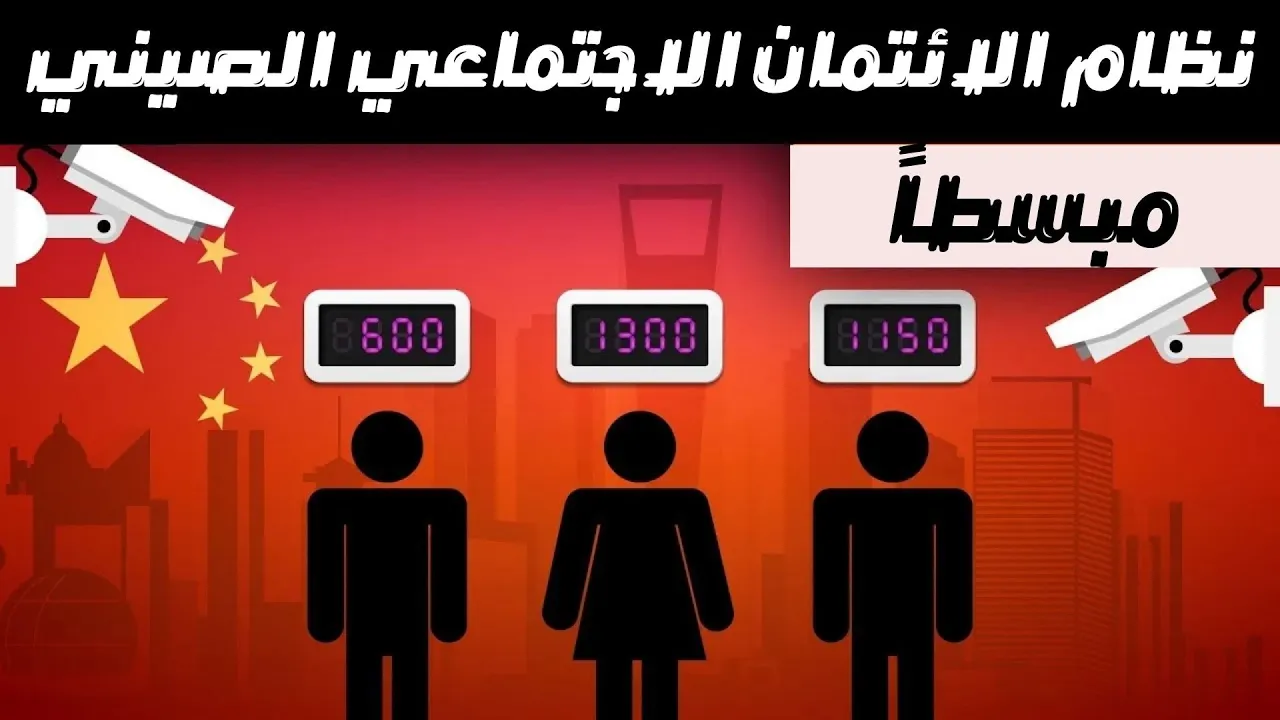




























The widely circulated Western narrative that China operates a centralized 'social credit score system' designed to politically control citizens is a fabrication; instead, China employs multiple distinct, voluntary systems for tracking specific offenses (such as bad driving, smoking violations, and fraud) that are similar to credit monitoring systems used in Western countries, with no unified government system that evaluates citizens based on political or ideological criteria.
China's Social Credit System Debunked: Western Media Myths vs Reality
Added:The basic mechanics of traditional financial credit scoring systems (e.g., FICO scores) and how they differ from social rating concepts.
Fundamental concepts of media literacy and critical discourse analysis, specifically how geopolitical framing and media bias shape public perception of foreign policies.
The administrative and political structure of the Chinese government, particularly the division of power and policy implementation between the central government and local municipalities.
An introductory understanding of surveillance capitalism and global data privacy frameworks (such as the GDPR versus China's Personal Information Protection Law).
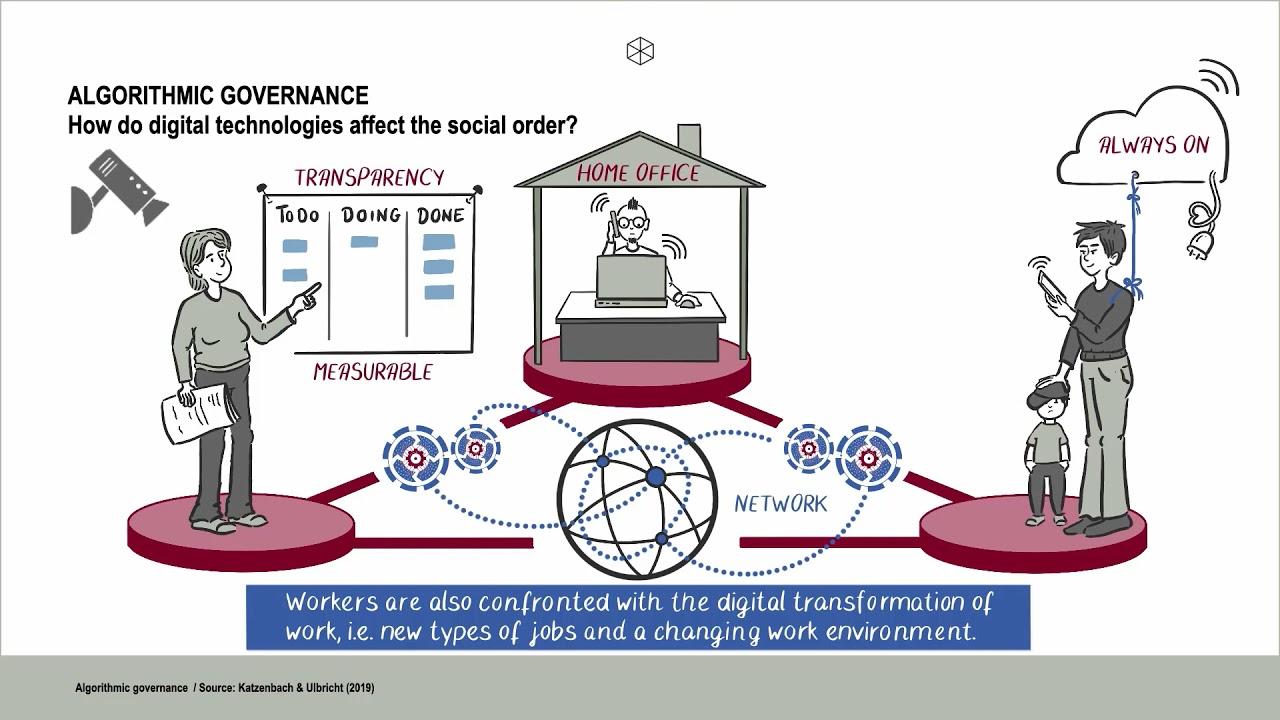
Comparative analysis of algorithmic governance and alternative data scoring used by private corporations and governments in Western societies (e.g., gig economy ratings, insurance algorithms).
Deep dive into the operational reality, legal framework, and compliance requirements of China's Corporate Social Credit System for multinational businesses.
Advanced study of digital authoritarianism, techno-nationalism, and the ethical implications of state-led big data initiatives.
Empirical research on the localized pilot programs of social credit in China, evaluating their actual societal reception and public compliance.
76.5K views8.8Klikes26:08Original Release: 2022-11-01
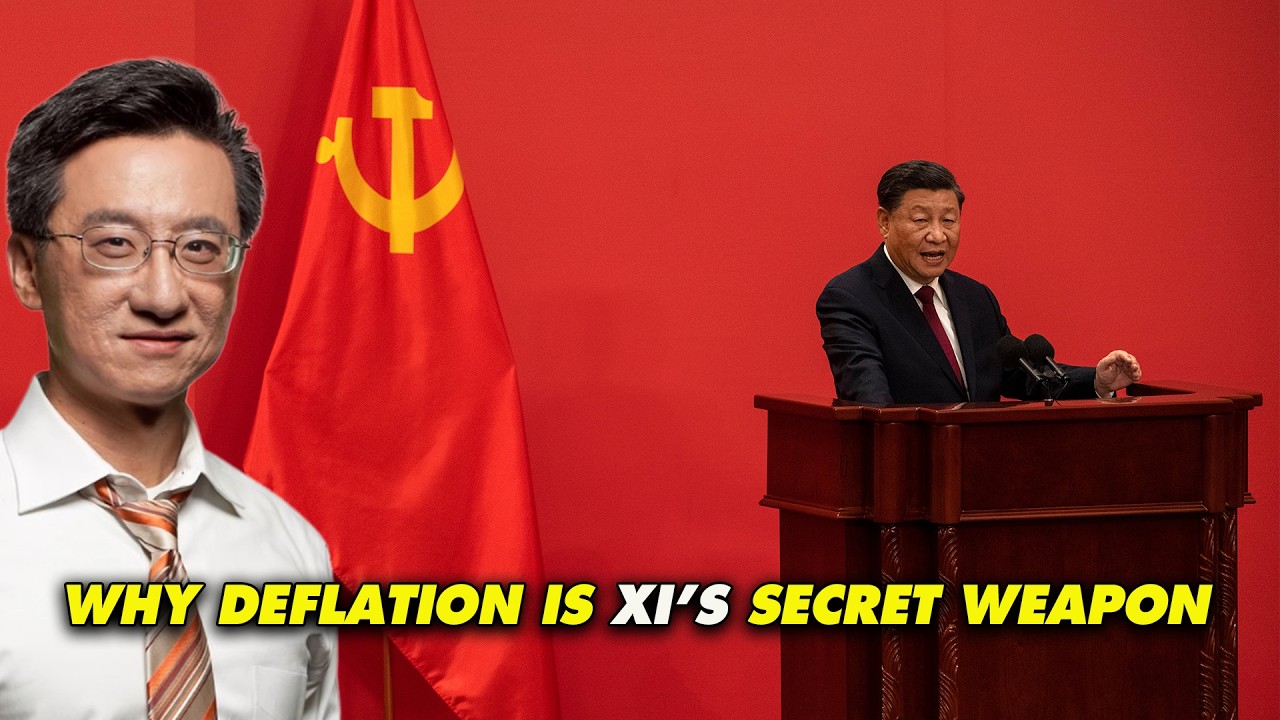
I did a recent video about the situation regarding Taiwan I explained how even the U.S state Department admits that Taiwan is part of China and that the United States is essentially violating agreements that it made with Beijing and also violating international law by encouraging what is essentially separatism in Taiwan sending arms even U.S troops to territories the U.S more or less recognizes as Chinese territory and how it's the United States at the center of this crisis and a lot of people had no no choice but to admit that that was true because it was information taken straight from the U.S government's own website they admit all of this there's no disputing this but then I heard comments about how uh maybe that's true but uh however bad the United States is the CCP is worse now a couple of things here first of all there is no such thing as the CCP the Chinese Communist party does not exist China whenever it is written in English calls it the Communist Party of China c p c the west Western governments the Western media deliberately right it wrong it's like if I told you my name was Brian and you decided to continue calling me Ryan just to be disrespectful this is actually how Petty but also how concerted this disrespect is across the the West the Western institutions governments and also the Western media so right there when you hear CCP a red flag should go up uh you're you're you're most likely about to hear a bunch of propaganda these people are repeating lies told to them by the US government the US government and the Western media who lie about absolutely everything weapons of mass destruction in Iraq chemical weapons in Syria where we're listening to lies every single day about Ukraine and Russia from the Western media they're lying about China just as bad if not much worse and one of the comments that I kept seeing over and over again is about this social credit score system that China supposedly has the the CCP is using to control everyone in a a dystopian sci-fi style nightmare of a society but this system does not exist and even the Western media lying about it trying to convince you that it does admits that it does not exist and that the systems that do exist in China are actually very reasonable and work very well as a matter of fact so I want to get into this and I want to I want to break this myth up into small pieces and sweep it into the Dustbin where it belongs because I'm tired of hearing it I'm tired of hearing people who are aware that they're being lied to by the Western media repeat this very quite frankly stupid lie the first uh article I want to go over is an article that will try to convince you that this exists and that it's horrible but we'll admit in the text of the article that it is not true so let's take a look this is Business Insider China's social credit system ranks citizens and punishes them with throttled internet speeds and flight bands if the Communist Party deems them untrustworthy now I I promise you that as I read through this The Business Insider itself will reveal that headline as an absolute lie but the Western media knows that first impressions are important and that if they can convince you in the the headline in the first two or three paragraphs that this exists then even as you read through the rest of the article and they tell you that it doesn't exist this first impression still sticks with you and then when you go into the comment section of someone trying to tell you the truth about China you'll be asking about the social credit system that actually does not exist so let's go over this article and it be and uh let's start with this the Chinese Communist party so the CCP so you you hear CCP you you know you're going to be listening to some propaganda that follows the CCP has been constructing a moral ranking system for years that will monitor the behavior of its enormous population and rank them all based on their social credit again this is a complete lie and this article is going to explain to you how it is a big lie there is no moral ranking system in China even uh the individual systems that they go over are uh looking at very real offenses that are offenses anywhere you go in the world they they are about uh health safety and and just quite frankly criminal Behavior so let's let's continue let's continue reading the Business Insider as it strips away the the layers of its own lie the rankings are decided by China's economic planning team the national development and Reform Commission The People's Bank of China and the Chinese court system according to the South China Morning Post so this article is citing other Western articles that when you go through them they are also doing the exact same thing they are blatantly lying to you but also in the text of their articles telling you the truth that this this is not what they're portraying it as at first the system can be used for individual people but also for companies and government organizations the private sector including the burgeoning tech World in China has their own non-governmental scoring systems they that they Implement as wired reported so there there's another Western media organization wired that they're citing which again does the exact same thing so in this paragraph they're admitting that there is not one single system there are a multitude of systems some of them are governmental some of them are private it continues for example Sesame credit which is owned by Jack Ma's ant group uses its own unofficial scoring system for its employees such as studying shopping habits according to the think tank Merricks so this this has nothing to do with this social credit score system that they claim exists but are now explained doesn't exist there's no unified social scoring system it is a multitude of scoring systems including ones used by private companies which are an extension of human resources and has absolutely nothing to do with the government remember the headline of this article says you're going to be punished if the Communist Party deems you on trustworthy well now they're talking about something that has nothing to do with the Chinese government at all the program has been piloted for Millions across the country in recent years as CNBC reported so another reference to another Western media outlet and was expected to become fully operational and integrated by 2020 but at the moment the system is piecemeal and voluntary so this idea that there is a compulsory centralized Draconian social scoring system that it exists and is being used by the horrible CCP in Beijing is a lie and they're telling you that it is a lie because they're telling you that the system is piecemeal and voluntary and then they say the plan uh though the plan is for it to eventually be mandatory and unified Across the Nation with each person giving their own unique code used to measure their social credit score in real time per wired with again this is a lie and I'm going to go to another uh Western media Outlet foreign policy which explains this in detail how this is a lie but just keep in mind this this last paragraph that I read to you from is telling you that it doesn't even exist yet that that it might in the future exist but it doesn't exist right now so everyone talking about a social credit scoring system in China is repeating a lie about something that doesn't even exist the article continues like private credit scores a person's social score can move up and down depending on their behavior the exact methodology is a secret but examples for our infractions include bad driving smoking in non-smoking zones buying too many video games posting fake news online specifically about terrorist attacks or airport security so the vast majority all of these except for one buying too many video games which they don't provide evidence of or explain put in any kind of context but all of these other examples uh bad driving smoking and non-smoking zones posting fake news about terrorist attacks or airport Securities like calling in a bomb scare this is illegal and can get you in serious trouble anywhere in the world this is not the Communist Party trying to see if you're untrustworthy or not these are these are real offenses anywhere you go in the world so so as you read deeper and deeper into this article you realize that all China is doing is something that every other country has always done and they're simply using technology to keep track of it all because they have 1.4 billion people stretched across a one of the largest countries in the world by land area then the article starts talking about travel bans which at first sounds extremely scary but then when you you read about the reasons why you might be banned from traveling it says potential misdeeds include trying to ride with no ticket loitering in front of boarding Gates or smoking in non-smoking areas so if you were on a plane and you were smoking in in the plane or on a train where it's prohibited for safety and health reasons they will throw you off anywhere in the world not just China so this is Business Insider and the rest of the western media trying to take something mundane ordinary Universal all around the globe and spin it as something sinister that China is doing because it's an evil dictatorship it is ridiculous this is one of the most ridiculous but persistent and widespread lies I hear about China almost on a daily basis then it talks about a moral Dimension so it says according to foreign policy Credit Systems monitor whether people pay bills on time much like Financial trackers so they're admitting that this system is much like Financial Credit trackers that you will find anywhere in the west but also ascribe a moral Dimension so what is this moral Dimension this is the example they give you or your kids could also miss out on the best jobs in schools 17 people who refuse to carry out military service in 2017 were barred from enrolling in higher education applying for high school or continuing their studies Beijing news reported if you are avoiding compulsory military service in the West in the East anywhere on Earth you you usually just go straight to jail so if anything this is a much softer approach to something that you would go to jail for in the west if I signed a contract for military service and then I told my Superior that I wasn't going to train or do my duty I would go straight to jail that is a fact apparently that happens in China also then it says you could also get your dog taken away so if I'm not praising the this evil CCP which is again I'm going to remind you it is the Communist Party of China CPC if I don't say good things about the CPC are they going to talk take my dog away or are they going to reveal that this is actually very practical and similar to something you you will find anywhere in the world so it says the Eastern Chinese city of Jinan started enforcing a social credit system for dog owners in 2017 so they're admitting that this is a again there is no centralized system there are a multitude of systems for all different things and this one is for dog owners it says this happened in 2017 and says whereby pet owners get points deducted if the dog is walked without a leash or causes public disturbances which could include uh terrorizing other people or even biting them and if you walk your dog without a leash or your dog bites someone else in in many countries not only are they going to take your dog away but they'll probably put it down so again this is another example of something that is extremely reasonable and necessary in society that they are portraying as some sort of dystopia system of control and again remember the headline was Communist party if they deem you untrustworthy you will be punished no if you are endangering other people in society you're going to get in trouble it's as simple as that and the article is admitting that they lied in their headline that is what this article is doing then uh let me show you let me show you this one because I remember seeing this video and I remember everyone uh taking it completely out of context so I'm just gonna I'm not gonna play it but you might may or may not remember James O'Malley posting this video on a Chinese train and it says uh here's a dystopian vision of the future a real announcement I recorded on the Beijing Shanghai bullet train and then it says uh Behavior will be recorded in individual credit information system but if you if you look at the explanation for this this again this was like riding in somebody else's seat you're stealing someone's seat or you're picking a fight with someone or you're smoking on the train where you're not allowed to smoke you will get in trouble it'll go on the the point system for Riders on trains that is not your decentralized social credit score system because there is no centralized social credit score system it is simply a system for people who ride trains and if you are disturbing others or endangering others points will be deducted and eventually you won't be allowed to ride the train it's very reasonable and in the west you used to be thrown off and banned from public transportation if you were a constant nuisance or you were endangering other people now they don't do that and writing public transportation and I know this from from first-hand experience has become extremely unpleasant if not dangerous even at times deadly dangerous this is how the article ends this is how Business Insider claiming in its headline this this was about the the Chinese Communist Party the evil CCP punishing you for being untrustworthy this is how this whole article ends a 32 year old entrepreneur who only gave his name as Chen told foreign policy again they're not even interviewing people themselves they are citing other articles but they cite foreign policy and he says I feel like in the past six months people's behavior has gotten better and better for example when we drive now we always stop in front of crosswalks if you don't stop you will use your points at first we just worried about losing points but now we got used to it so they're talking about Public Safety Not endangering people's lives a point system to encourage people not to endanger other people's lives so talking about crosswalks they're not talking about obedience to the Communist Party of China they're talking about everyday things that you should do so that you don't endanger yourself and others this is common sense and the Business Insider is deliberately lying to you trying to spin it as something sinister which is something the Western media does about all nations the U.S targets around the world they smear them they fabricate claims about them they take ordinary things and they spin it as something sinister and that is exactly what they're doing with China and the myth of this centralized Draconian social credit score that the Business Insider itself admits doesn't exist now I told you that the Business Insider cited several articles throughout its own article and I linked to all of them in the video description below and one of them is wired and the additional language because it is it is explaining the same thing Business Insider explained that this is actually not about politics or morality it's about things that are offenses anywhere in the world but who are they citing who's adding this extra language to convince you otherwise essentially lying to misleading you well they they say right here Australian strategic policy Institute otherwise known as aspie they're one of the most persistent corporate and government-funded think tanks pushing out lies just straight up propaganda about China on a daily basis and why why are they doing that who who funds them always follow the money to figure out why we know they're lying Business Insider admitted that they are lying about this social credit system that they admit doesn't even exist that they misled you in their headline without directly saying it but by just reading their article that is obvious we know they're lying why are they lying who funds them so here's aspie's sponsors Naval group Northrop Grumman Lockheed Martin Saab fails you have the Australian government here you have Amazon you have Microsoft you have Google you have Twitter and you want US Government the U.S state Department also funds Aspen I don't know why uh it's not on there but I know that at least in the past they have been funded by the US government itself so the U.S government has marked China for regime change for undermining it dividing destroying it preventing it from surpassing the West and in order to do this to get the population on board with what essentially is going to be a war either by proxy or directly and also a lot of uncomfortable economic measures taken before him to get the public on board with this they need to convince the public that China is actually a threat and it's not just another example of the U.S bullying other countries on the global stage so they have aspie lie to you and then Publications like Business Insider wired the guardian South China Morning Post they all take turns repeating these lies there are however articles in the western media that are a little bit more truthful so I want to show you one from foreign policy China's orwellian social credit score isn't real and I just explain to you why it's not real the truth of it but let me read from foreign policy so you know that it's not just me my interpretation of Business Insider's article that this is actually the only way to interpret it because it's the truth China's sweeping data-driven social credit initiative is sounding alarms in a speech uh U.S vice president well former vice president Mike Pence described it as an orwellian system premised on controlling virtually every facet of human life but there's a small problem the system doesn't actually exist at least as it's generally portrayed then it explains the government does assign Universal social credit codes to companies and organizations which they use as an ID number for registration tax payments and other activities while all individuals have a national ID number same as every other country in the world the existing social credit blacklists use these numbers as do almost all activities in China and everywhere else but these codes are not scores or rankings Enterprises and Professionals in various sectors may be graded or ranked sometimes by industry associations for specific regulatory purposes like restaurant sanitation something you probably want the government or some organization checking up on to make sure your food is clean and not poisoned for example however the social credit system does not itself produce scores grades or assessments of good or bad social credit instead individuals or companies are blacklisted for specific relatively serious offenses like fraud and excessive pollution that would generally be offenses anywhere anywhere anywhere in the world so this is foreign policy explaining exactly what I just explained which is exactly what Business Insider eventually explained after lying to you in the headline the first couple of paragraphs and I'm going over this because it's important to cut through these lies it's important for ordinary people to realize that they are repeating lies for their own for their own integrity and dignity uh there's something very undignified about being lied to and then unwittingly repeating that lie thinking that it's truth they're just something very undignified about that and it bothers me it also bothers me that the US is lying to people to justify a conflict between China and the West when there most certainly doesn't need to be most of the things you think are scary about China are absolute lies like the social credit system I just cited the Western media I even cited an article trying to lie to you about the social credit system and it eventually explained how it does not exist and everything about it being politically morally or ideologically driven is false and that it deals with very real offenses that every nation keeps track of and punishes you for so I I always hear about this social credit score which I now have showed you does not exist I also hear fabricated claims about all kinds of Human Rights abuses in China I I want you to go to my my YouTube channel all of these claims whether it's about Tibet Hong Kong at the uyghurs and xinjiang I have done videos on all of this so on the videos tab go to the search function and just type in uh uyghur for example and I have video after video after video and each video is citing references from across the Western media from across Western governments and I go through how all of these are verify wise this is not just a process of assuming the West is lying because we know they've lied about everything else so we just assume they're lying about this I have done deep research over years documenting the fact that these are lies social credit score is a lie weaker genocide is a Lie the abuses in Tibet the Crackdown on Hong Kong democracy these were all lies told To Us by the exact same people and interests who tried to convince us that Iraq had weapons of mass destruction that we needed to destroy Libya that's uh we were helping Freedom Fighters in Syria who turned out to be Al Qaeda and we need to help Ukraine defend against evil Russia when the Ukrainian military itself is infested with literal Nazis these exact same people are now going to try to tell you what China is and isn't like and I'm telling you you don't need to believe me but you shouldn't believe them either do the research yourself look at primary sources and always follow the money and you will not be confused and never again will you be humiliated by repeating lies that are not true about places you know nothing about I want you to know about these places I want you to be informed this is why I invest so much time doing these videos if you thought this video was useful or helpful in any way please like and share think about subscribing to my channel it's free to do it helps the channel grow if you're watching this on YouTube check the video description below for other places you can find and follow my work I'm on telegram I update that several times a day all of my YouTube videos are backed up on Odyssey and Rumble in the video description below I have many links The Business Insider all of the the Articles Business Insider sites as well as two two foreign policy articles about this the so-called social credit system that they admit does not exist and also information about aspie this Australian think tag that's actually also funded by the the US government so you can see how transparent this is in terms of just being propaganda with no basis in reality also in the video description below are ways you can help support my work I do not monetize my YouTube channel I depend solely on my audience's support So if you you see an ad pop up on YouTube just skip it because it's not helping me at all if you want to help please do so through buy me a coffee through patreon and also PayPal to everyone who has been helping out whether it's donations once a month or one-time donations or even if you're just helping share my work with other people I greatly appreciate all of that I could not do this work without that support so thank you and as always thank you for watching
Up Next
62:24
CCPA vs GDPR: Key Differences in Consumer Rights
@PrivacyassociationOrg
1.9K views•2019-03-11

4:27
US Secondary Sanctions Impact on EU Businesses and Blocking Legislation
@Bureauvandijk
1.6K views•2019-03-20

5:27
Forensic Phonetics: Speaker Identification in Legal Cases
@nptel-nociitm9240
539 views•2025-03-19

24:42
Police Interrogation Tactics: False Confessions & Legal Reform
@LastWeekTonight
7M views•2022-04-18
Related Study Plans & Knowledge Roadmaps
Structured learning paths in Law
law
Self-Defense Law: Imminence & Castle Doctrine
01Foundations of Self-Defense Law
02Imminent Threat & Reasonable Belief
03The Principle of Proportionality
+ 3 more learning modules
12h6 modules
Explore Roadmap
law
Defamation Law: First Amendment & Actual Malice
01Introduction to civil torts and the First Amendment
02Elements of Defamation: Libel and Slander
03Public Figures vs. Private Individuals
+ 2 more learning modules
8h5 modules
Explore Roadmap
law
Hearsay Rule: Trial Evidence & Exceptions
01Introduction to Trial Evidence & Courtroom Basics
02Demystifying Hearsay: The Core Definition
03Non-Hearsay: Exclusions Under FRE 801(d)
+ 3 more learning modules
14h6 modules
Explore Roadmap
law
Medical Malpractice: Law, Liability & Care
01Foundations of Tort Law and Civil Liability
02The Four Elements of Medical Malpractice
03Defining and Proving the Standard of Care
+ 2 more learning modules
12h5 modules
Explore Roadmap