



















Dictionaries are descriptive tools that document how language is actually used, not prescriptive rules that dictate how it should be used; words like 'irregardless' persist in dictionaries because they are genuinely used by native speakers across dialects, and Standard English itself is a relatively recent development (mid-1600s) that continues to evolve with geographic and cultural variations.
Lexicography and Language: A Guide to Dictionary Making
Added:The distinction between prescriptive grammar (rules on how language 'should' be used) and descriptive linguistics (observation of how language is actually used).
Basic concepts of historical linguistics, particularly semantic shift (how the meanings of words change over time) and etymology.
An introductory understanding of sociolinguistics, specifically how regional dialects, slang, and cultural contexts shape vocabulary.
Fundamental terminology of grammar and syntax, such as parts of speech, collocations, and register (formal vs. informal language).
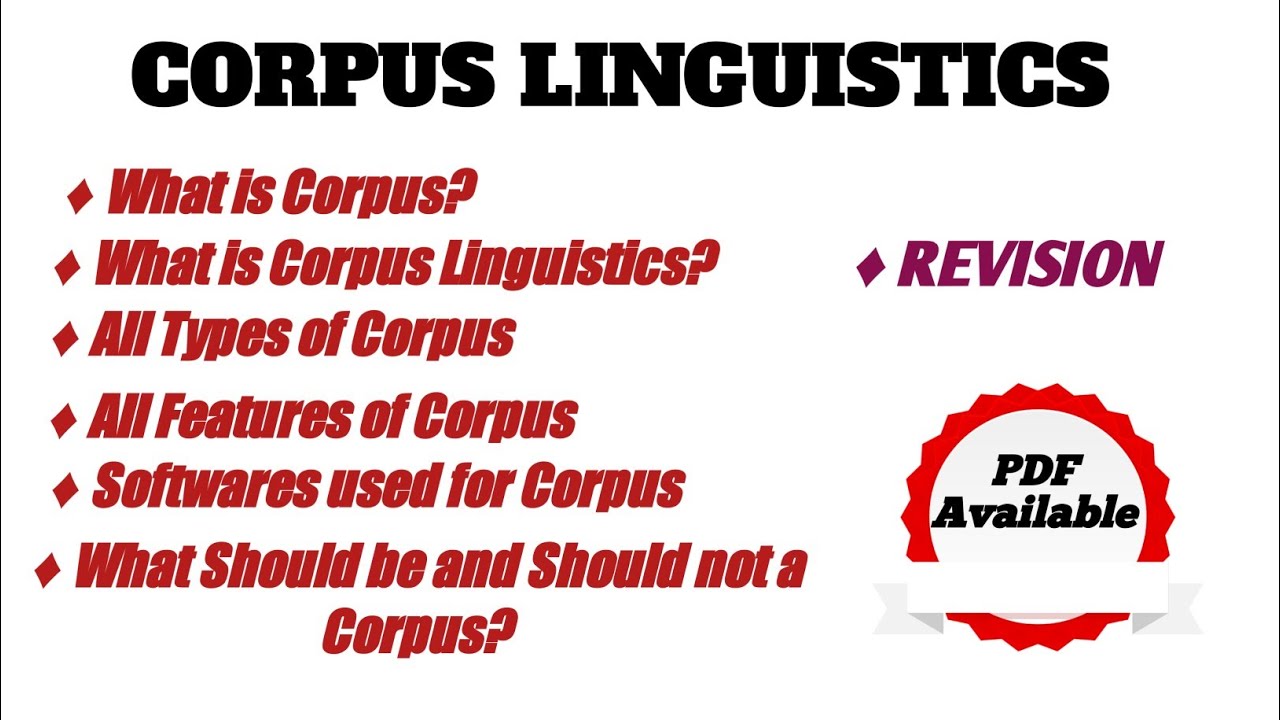
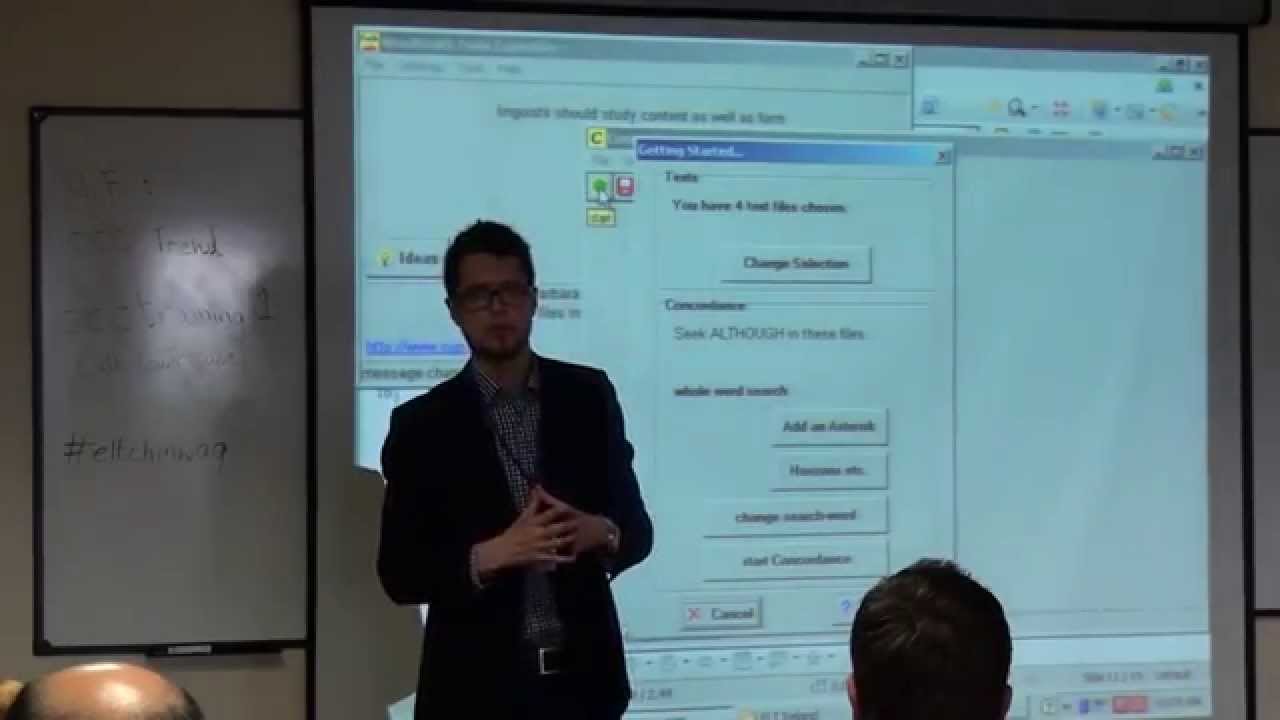
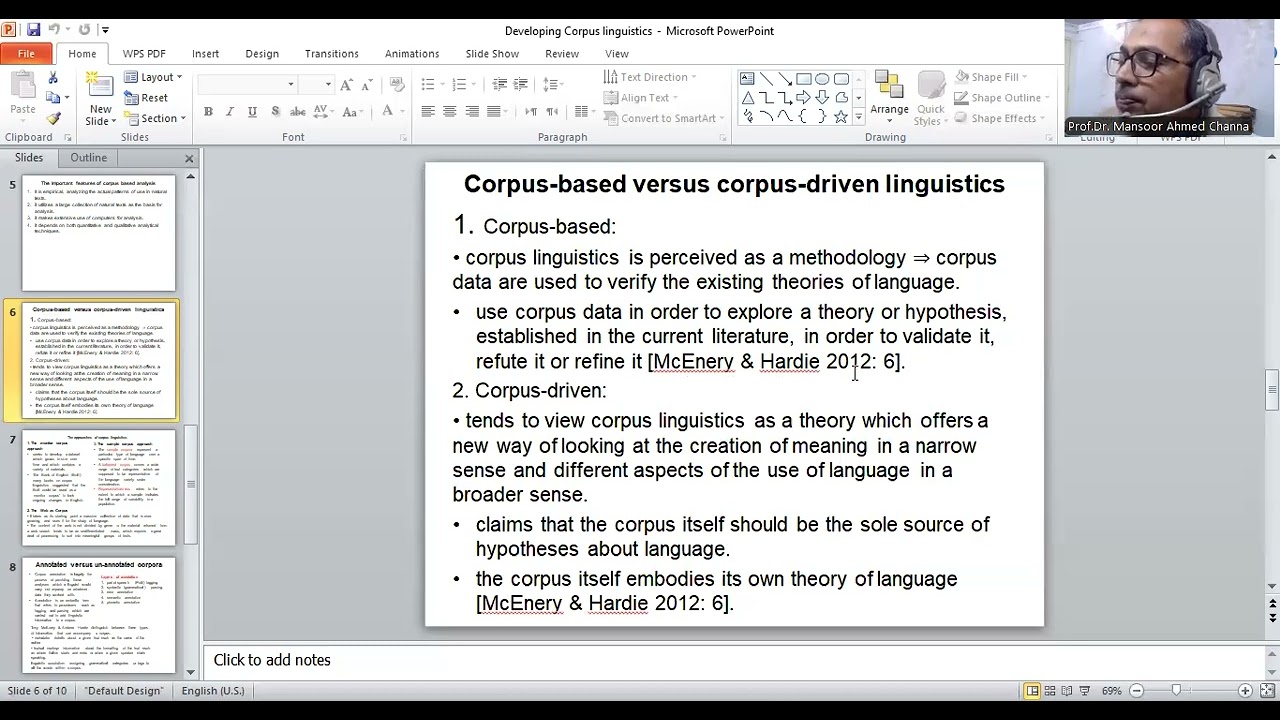
Corpus linguistics, including how to use computerized databases of language (corpora) to analyze real-world word frequency and usage patterns.
The practical methodology of lexicography, such as citation reading, drafting definitions, and the specific criteria editors use to admit neologisms into a dictionary.
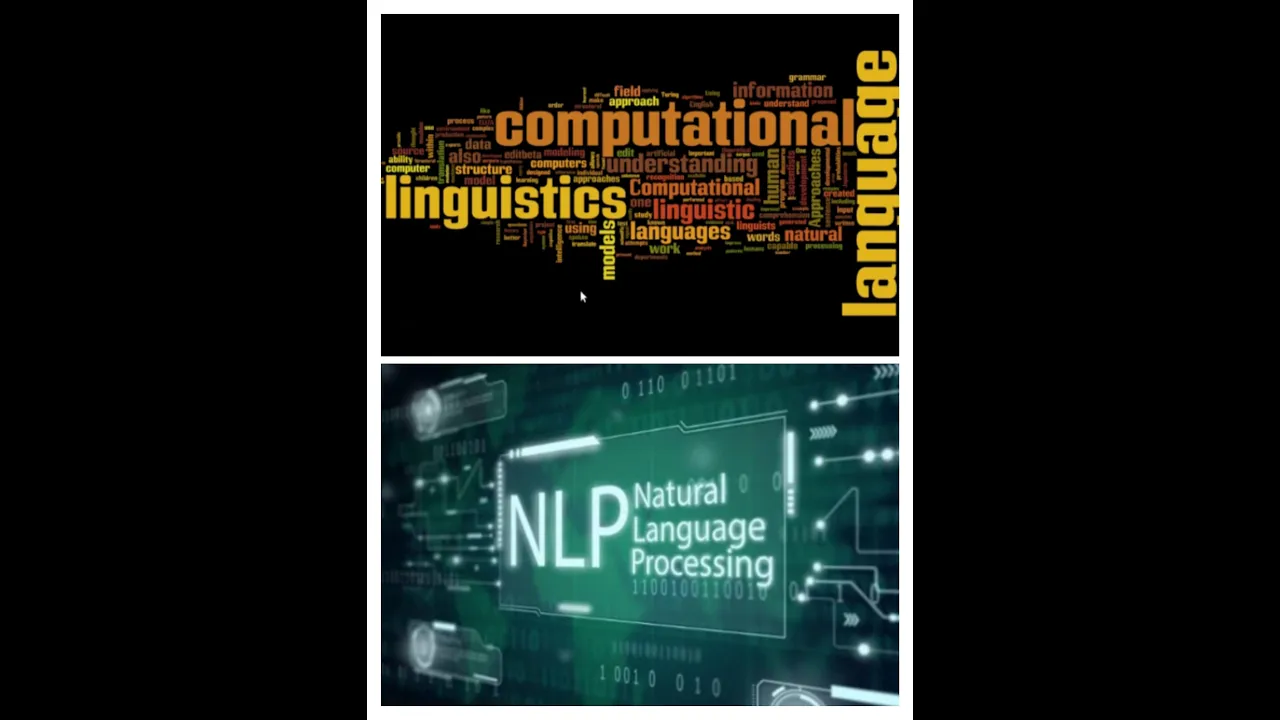
Computational lexicography and its role in Natural Language Processing (NLP), machine translation, and search engine optimization.
The politics of language and standardization, exploring how dictionaries historically wield cultural authority and influence legal, social, and educational standards.
109 views2likes29:13Original Release: 2017-07-19
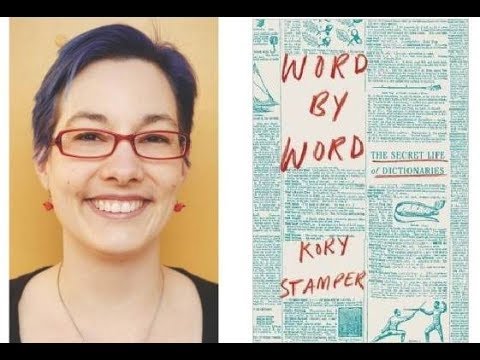
welcome to the ABA journals modern Law Library podcast I'm your host Lee RS and this week we have a real tweat for you word nerds I have with me an associate editor and lexicographer from Miriam Webster her name is Corey Stamper and she's the author of a new book word by word The Secret Life Of dictionaries Corey thank you so much for joining us thanks for having me so I don't know how much you know about lawyers and their really deep love for Lay anguage but we at the ABA Journal certainly do know and get letters all the time about language and usage and I think that some of our audience you probably have their dream job can you talk about how you became a lexicographer well it was really kind of an accident um I started college as a Premed major I was going to go to med school I was weeded out of that pool very quickly by organic chemistry and I ended up becoming a medievalist so my focus was on early language and literature which meant Old English Latin Greek Old Norse Middle English you know highly highly profitable Fields I left school with a ba I worked a job in finance for about a year and that didn't go so well and after about a year I was looking for a new job and I happened to answer want ad in the paper for an editorial assistant for Mariam Webster and that was about 20 years ago and here I I am today one of the things I really enjoyed about your book was your description of the building and your working conditions you said that you know often a lot of people kind of picture oh it must be like a temple to language with high ceilings and fluted arches and really it seems like you lexicographers are in tiny little tiny little dens all clutching your clutching your you know Word files to you can you talk a little bit about what the atmosphere is like in Miriam Webster absolutely the office building is very um unassuming it's an office building in fact it is not some vast library with soring arches the first floor of our building is where all of our customer service staff and all of our marketing folks and sales folks all work so it's like any office and then upstairs is the editorial floor and the editorial floor is so quiet that it puts most libraries to shame people are sort of scattered all over the floor in their cubicles there's very rarely talking there's very rarely any kind of face-to-face interaction the nature of the work is so intense that you really need that kind of solitude in order to focus well so once you go upstairs to the editorial floor um it's I imagine it actually sounds a lot like you know a room full of lawyers studying for the bar it's just silent so if any of you out there listening really miss your care your study Carol I think that that's more or less the vibe so Cory I'm about to out you to our listeners you by your own admission are one of the foremost Defenders of the word irregardless and I thought that would be a great way to illustrate to our listeners how you kind of came around on the word IRG regardless and discovered this you know long kind of complex history could you talk a little bit about why irregardless which I think some people's pet speech peeve uh is definitely a word and belongs in the dictionary I am happy too as America's foremost irregardless apologist uh when I started my job I like you know the vast majority of Americans thought irregardless was a disgusting word I all I believed it was not a word which is something we're all told I thought that it was illogical it was unnecessary um and I didn't realize that I thought this until I was at work and I started answering consumer email and we had someone write in just frothing at the mouth over what I assumed was a supposed entry in our dictionaries for irregardless and I went to respond and said well that's ridiculous we would never enter this word in the dictionary and in the process of answering I discovered we did in fact enter the word and that really got me wondering so what is it about this word word that everybody hates that merits entry into a dictionary and so I started doing research about the word now oddly enough irregardless is completely non-standard it is not a part of Standard English and so therefore if you use it in contexts where Standard English is expected you will absolutely be pillared for it that said it's a word that's over 200 years old and it keeps showing up ined Ed printed pros and not even as an example of bad usage people just use it and as I started really sort of pulling all of this evidence apart I realized that in some dialects of English irregardless is actually an intensive form of regardless it's used to sort of Forstall any further discussion on a point and once I realized that I realized you know this word that in print and in standard use that everybody hates actually has this really rich textural use that you only get if you are a native speaker of one of those dialects where irregardless is normal and so I you know I myself don't use irregardless but you'll be surprised at where it pops up I mean in fact I have seen irregardless appear in the transcripts of oral Arguments for Supreme Court cases so you know that's a pretty formal setting and and it still sort of slips out so I have a I have this sort of appreciation for irregardless it's kind of clung on to the hole of English it's this Barnacle that no one can get off but it does have this really beautiful use that lots of people Miss I also think that it would be useful for especially our lawyer listeners to talk about you know if you break people down into two camps when it comes to language use broadly speaking you have the prescriptive s like our own Brian Garner who writes a monthly column for our magazine or descriptivists like myself could you please describe um the difference between the two camps and why this is such a just a passionate debate over whether we should be prescriptivists or descriptivists absolutely so prescriptivism and descriptivism is this dichotomy that came about the first half of the 20th centur and there two approaches to language to both language description and study so the prescriptivists chief of whom is Brian Garner they believe very firmly that English is really led by its best practices and so it prescribes certain uses that's where prescriptivist comes from over and above other uses that are deemed as either being less correct less common more iable to trip people up so that's what prescriptivism is descriptivism is sort of the other end of the spectrum and what it does is its approach to language is that all language is valid that if people use it then it should be described it's a descriptive now the big issue with that and I imagine that many lawyers are hearing this saying well obviously prescriptivists are better people why would you not be a prescriptivist but the fact is is that American dictionaries frankly since the time of the you know probably about the mid 1800s have been descriptive in nature our goal is to collect arrange and Define as much of the language as possible and that means not just saying things like we're going to put irregardless in but that also means giving some sort of information about particularly contentious uses so irregardless is labeled non-standard but those are the two two ends of the spectrum now I tend to believe that it is not actually a true dichotomy a really good dictionary is not going to be wholly descriptive it will include some prescriptivism because part of describing the language is also describing how it will be heard and how it will be received it's about setting things within context and honestly a good prescrip descriptivist is also to a certain degree descriptivist um Brian Garner's latest uh usage guide which you know I got like everybody else when it came out he talks about how a lot of his opinions he has decided to back up not just with sort of the body of prescriptivist usage literature but also with data and there are places in the most recent edition of Garner's Modern English usage where he has shifted his you in light of the data so yeah that's what prescriptivism and descriptivism are um I think people simplify them because it's much easier to just sort of say descriptivists are people who care about language and or prescriptivists care about language descriptivists don't but in fact it's a lot more complicated than that this also reminds me of a debate that has gone on in the American legal Community since the Constitution was written which is is the Constitution a living document or a dead document and you in your book argue very persuasively English is a living language it is always changing it is always evolving and I think that for many lawyers and lawmakers that can be a bit threatening because how do we then know what someone 80 years ago meant when they wrote a law or a regulation um right yeah that's an excellent point for lawyers especially uh I often actually get a lot of email from from lawyers who will say things like I'm arguing a case and I need the definition of property from your 1890 dictionary or from your 1957 edition of this dictionary because they recognize meaning changes and they need to place meaning within a certain historical context this usage of English and especially of dialects can really rear its ugly head in a courtroom where only Standard English is considered an appropriate use and you may have a witness who does not use standard English um you wrote about the Trayvon Martin trial and one of the witnesses was really discredited and it was all based on the way that she spoke could you talk a little bit about that incident and the followup by linguists after the trial about her testimony yeah absolutely so the witness in consideration is Rachel Jeantel she was on the phone with Trayvon Martin as he was being pursued and shot by George Zimmerman so of course her testimony her deposition was incredibly important to establishing the order of events and the case and and what was going on now during her deposition interview she said that she heard someone yell get off and when she was asked could you tell who it was the transcript of that deposition indicated that she first answered I couldn't know Trayvon and then later I couldn't hear Trayvon now so that's the deposition when she was in the courtroom being examined there were many points where the defense attorney would ask her to repeat herself the jury claimed they could didn't understand most of her you know most of her responses she was asked many times if she understood the questions presented to her and the whole reason that that was there was not just because she was a young woman but also because she speaks three different dialects of language she speaks Standard English a dialect called African-American vernacular English and Haitian creel so so there was definitely some dialect confusion in the courtroom now after the case ended John rickford who is a sociolinguist in California took uh transcripts of the trial looked through her deposition and he is a specialist in African American vernacular English and what he did was he wanted to see was it the case that she was just not communicating clearly or really was it an issue of she was speaking a dialect that none of the other people that courtroom understood and he focused particularly on the transcript of her deposition and when he heard the recordings that were played in court he heard instead of I couldn't know Trayvon or I couldn't hear Trayvon I could and it was Trayvon and he says you know in his study said he would need to hear a better recording but he goes on to say that she didn't say what the transcripts report her to have said it was that the person transcribing her deposition did not understand African-American vernacular English so this is a really fascinating case where dialect really has far-reaching consequences in the courtroom and it really makes you think a lot about how we privilege Standard English over and above many other dialects and so don't even think that people might be speaking other dialects when they're giving testimony or when they're a juror it's been my experience especially when say getting into fights on the internet that um people use a dictionaries definition a standard English definition to argue points and support their own case but could you tell us a little bit about how what we now know is standard English came about uh because I think a lot of people treat it as though it was handed down by God on several thousand Stone plates um who was actually making these decisions and deciding what's quote unquote proper and what's not and developing this into Standard English yeah this is a fascinating history um lots of people assume proper English is just as you said has always been and shall always be forever more the fact is is that really prior to the mid to late 1600s there was no such thing as proper English however you spoke was proper if you spoke English that was what you spoke really starting in the late 1600s and early 1700s there was this huge boom in literacy in England you had this huge social shift going on the aristocrats who were the moneyed and highly educated people were losing influence and at the same time these Merchants the merchant class was gaining both money and influence through global trade and through the decline of the aristocracy so what you have is you have suddenly the creation of the middle class and for those Merchants who are now mixing with higher class people we started seeing writers write books that told them how to write elegant letters letters that would be understood by educated people how to undertake business letters in a way that was decorous and that led to then grammar books specific Al for native speakers of English these people who were coming in and might have had rudimentary education were now getting a lot more education through these books at the same time you have a group of folks that are neoc classicists who are looking at all of the ways that English has been growing over the last couple hundred years and it's been grow I mean it just booms in the 14 15 and 1600s we have so much contact with so many other parts of the world world that English is really becoming a global language for the first time and the neoc classicists are a little nervous that English is getting a little out of hand so what they start doing is they start advising that English perhaps in order to be a language of record and in order to last that it should maybe model the other languages of record the primary one being Latin so in the 1700s that's when you start seeing people notably John Dryden he was a he was one who put forth a lot of uh these rules that we've sort of codified as being part of Standard English you start seeing these men writing in their own writing things like well I translated my letter from English into Latin and then retranslated it back into English and because Latin doesn't let you do things like split infinitives or doesn't let you do things like end a sentence with a preposition because that's Latin grammar you started seeing some of that carried over into English and this was really the beginning of proper English this idea that there are types of English that are less beautiful less elegant and therefore even in some extreme cases less worth preserving than other forms of English the other thing that's fascinating is the norms for what standard or proper English have been have changed dramatically over the years this is one of the things that I really about Garner's book is he will give you a history in his usage books of contested usages and sometimes it's fascinating to see things like the use of above as a noun was once considered absolutely horrible so to say all of the above was a terrible thing was a sign of your uneducated miseducated mind so yeah I mean English is a living language and Standard English is a living language it also has a beginning point and it has an arc it continues to change yes and I've had to uh get into arguments before about the word y'all which I did not grow up using I grew up in Central Illinois but I worked for a newspaper in North Carolina and in taking other languages I realized oh they all have a type of word for you know the plural form of you and we just don't so we're when someone says y'all or use guys they're just trying to make up for a defect uh in the English language right they're just trying to clarify what is already there I think what's so fascinating about y'all is y'all in some parts of the country like I'm from Colorado and I have lots of family in Texas in Texas y'all can actually be singular and then all y'all is plural so I might have a cousin come up to me and say y'all come to the picnic and then point to the rest of my family and say all y'all are invited so even y'all has been you know as y'all has been sort of pulled into the singular realm people are adapting so it's all y'all know yeah I hear it and uh when you look at when English spread so all of a sudden we in America are divorced geographically from England and you have Australians who also you know natively speak English many of them it's interesting to see how the language diverged the word quite I learned just recently in America if I say you know what that's that was quite nice that's more like an intensifier and I guess in Great Britain it's almost an insult it's like well it almost made it to nice but it you know it fell short and I realized that I'd been having conversations in which I was coming away with the complete opposite idea as the person who I'd been speaking to what kind of Divergence do we expect to see in the future do you think that as a global Community we're more likely to synthesize or do you think we'll still keep growing apart in words and their usage uh I I think both and I think the the thing that's great about where English is now is that we have speaking communities outside of traditionally English-speaking countries that are taking English as their language and adapting it for their own uses and some of those uses are coming back into you know they're coming back to the Homeland you'll see them in Britain or you'll see them in America or you'll see them in Australia one great example of this is the verb preone which is Indi and English and was my guess is probably coined by uh English-speaking Indians in call centers or in tech support centers in India and it's it's a beautiful verb it means it's modeled on postpone so it means to reschedule something prior to the originally scheduled time oh I don't have a word for that that's amazing okay isn't preone isn't that an amazing word and it's it's beautiful it sort of it shows that they've grasped the rules of English morphology they get that pre and post are suffixes and that pone is the verb core so preone you know was primarily in Indian English and now I'm starting to see it in business literature in the states so there is still going to be some of that sameness because we're a global Community we communicate much quicker and with a broader diversity of English speakers than we probably ever have before at the same time you know language we haven't seen this sort of collapse of dialect or collapse into one standard form right so there's still British English and there's still American English even though we've had lots of contact with each other there's still Australian English within America you know you can slice up American English to be you know six major dialects or 285 different dialects so I I think that the dialects this sort of differentiation helps us is sort of claim a particular identity within the language and I don't see people giving up that identity very easily and I also think people switch dialects I mean when I lived in New England I found myself saying things like Wicked which that's wicked for that's great I never would have said that in Colorado when I go back to Colorado I find myself saying howdy that's nothing you would ever say in New England so I think that we are going to see sort of this unification in certain ways there's going to be more vocabulary shared back but I also think you know those dialects are our identities so those will continue to proliferate I think I think I want to end off on talking about language as we use it in politics the political ramifications of language the Miriam Webster Twitter account has recently gotten more attention because it seems like when an event happens nationally maybe a word that has to sort of refers to that event will be defined by Miriam Webster on Twitter what made your social media folks decide to be engaging With Their audience like that I I like it I think that it brings sort of a living element to dictionaries rather than thinking them as stuffy things that sit on shelves yeah absolutely so we've actually been doing this on Twitter for almost 10 years now and the idea is people come to our website we have this website where people look up words and in house we can see what people are looking up and what they're looking up when and how many of them are looking it up but that's not public information what ends up happening though is you're right events happen and people will go to the dictionary to look up words surrounding that event and not always the words you think sometimes the words are more sort of social commentary on what's Happening sometimes the words are difficult words that were used during an event sometimes they are reactions to an event and after a while we thought you know we have all this data and we think it's cool but no one else knows that you know hey millions of you right now are looking up the word preone you know why are you looking that up so we start we decided on our Twitter account we're just going to tell people this word is spiking in lookups and after a while we were like well let's figure out why so then we'd say this word is spiking y'all are looking it up a lot and this is the event the news story whatever that's driving that lookup now as all of your listeners know the last couple of years have been very interesting politically and have and there's been a lot of focus on language in a way that we haven't seen in any other election cycle which means that you know when Donald Trump says you know these guys are bad ombres and ombre spikes and we say everyone's looking up ombre um and they're looking up the right Ombre with the H and they're also looking up the wrong ombre which refers to hair coloration without the H suddenly people are ah they're being political the fact is is we're not choosing to be political or engage politically what we're doing is we're always engaging culturally we're holding up a mirror for our users to see what are things that other people are really interested in right now and that has been so fascinating with this recent election cycle in this administration because our sense of things is that people are caring so deeply about what words mean the full meaning Nuance connotation everything else and they're also in some ways starting to fact check their politicians their reporters in ways that we haven't seen before so you know for instance kellyanne Conway used alternative facts and fact was the top lookup for days people it's not that people didn't know what fact meant they wanted to make sure that we not changed it because an Administration official had used it in a way that they weren't sure of so it's been this really fascinating Journey for us to see and to engage with people this way people feel so strongly about words and I think that's one of the brilliant things about what we do on social media is that every day you get to see just how strongly people feel about words and about their use and that's a really rare thing to be able to share well Corey thank you so much for for joining us this has been just so fun and Illuminating to hear her book for my listeners is word by word The Secret Life Of dictionaries and Corey if people want to discuss this with you further or look up other things you've written where can they go and how can they do that they can go to my blog uh you can find it at harmless drudgery docomo you are all there and so fitting too well thank you all for joining us for this episode of Modern Law Library please rate review And subscribe on iTunes or whatever your preferred podcast service is
Up Next
20:16
Linguistic Discrimination and the Pitfalls of Intelligence Evaluation
@Shanspeare
212.1K views•2021-05-22
36:52
Constraint Interaction in Optimality Theory: Epenthesis & Deletion
@Vidyamitra
180 views•2018-08-20

8:59
Forensic Linguistics: How Language Solves Crimes | PBS
@pbsstoried
1M views•2024-01-25

21:32
Accent Expert Explains U.S. Regional Dialects | Part 1
@WIRED
9.3M views•2021-01-21
Related Study Plans & Knowledge Roadmaps
Structured learning paths in Linguistics
linguistics
Optimality Theory: Tableaux & Constraints
01Phonological Basics: Sounds, Syllables & Rules
02Foundations of Optimality Theory: GEN, CON, and EVAL
03The Constraint Inventory: Markedness vs. Faithfulness
+ 2 more learning modules
15h5 modules
Explore Roadmap
linguistics
Morphosyntactic Alignment: S, A & P Systems
01Foundations of Syntax: Transitivity and Arguments
02The Linguistic Variables: Mapping S, A, and P
03Nominative-Accusative Alignment
+ 3 more learning modules
12h6 modules
Explore Roadmap
linguistics
Analyzing Sign Language: Phonology & Syntax
01Foundations of Sign Language Linguistics
02Phonology: The Five Parameters of a Sign
03Morphology: Word Formation and Classifiers
+ 2 more learning modules
14h5 modules
Explore Roadmap
linguistics
Pragmatics: Speech Acts, Grice & Politeness
01Introduction to Pragmatics: Meaning in Context
02Grice’s Cooperative Principle & Implicature
03Speech Act Theory
+ 2 more learning modules
14h5 modules
Explore Roadmap