
























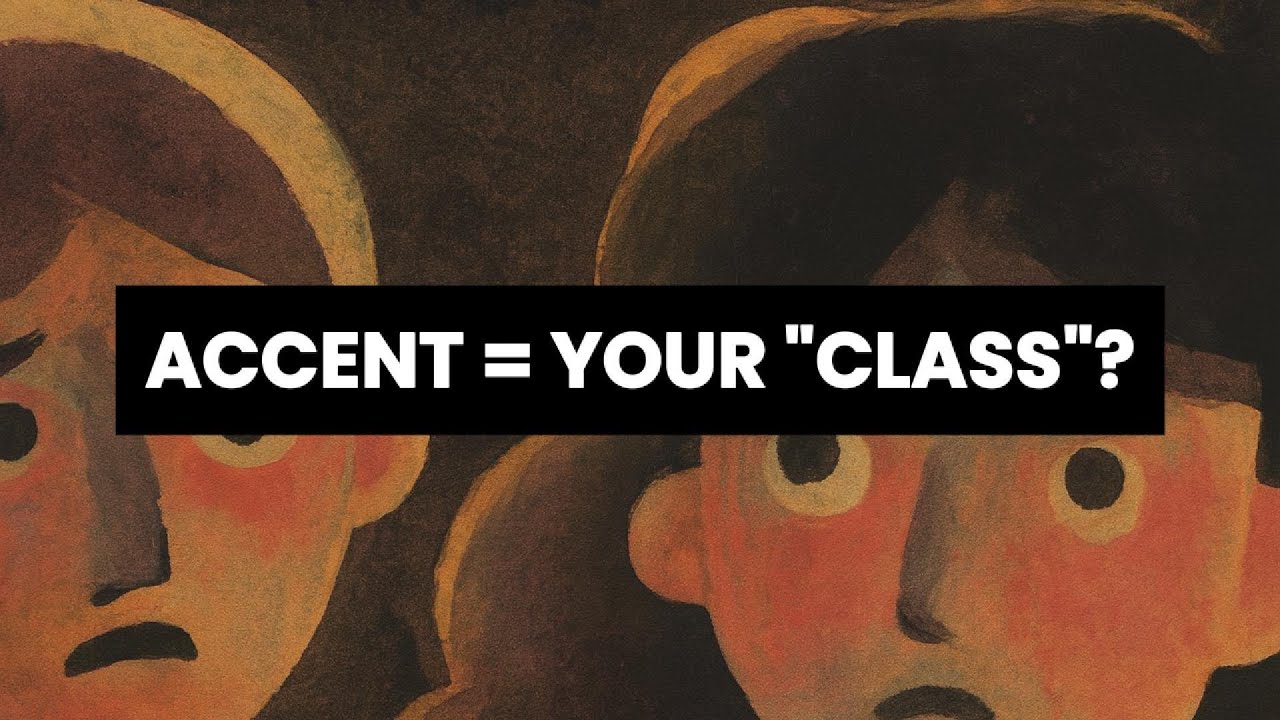

Linguistic discrimination occurs when people are judged as less intelligent or credible based on their dialect or pronunciation rather than their actual knowledge or abilities; this practice stems from historical processes of language standardization that privileged elite, predominantly white, educated classes while marginalizing speakers of non-standard dialects, including African American Vernacular English (AAVE), which is a fully developed and sophisticated linguistic system with its own complex grammar rules.
Linguistic Discrimination and the Pitfalls of Intelligence Evaluation
Added:Basic sociolinguistic principles, specifically the concepts of linguistic variety, dialects, and the social construction of 'Standard English'.
The history of psychometrics and intelligence testing (IQ tests), including early critiques of their cultural and socioeconomic biases.
The concept of scientific racism and how pseudo-scientific theories have historically been used to justify racial hierarchies and social inequalities.
An understanding of institutional racism and how systemic biases can be embedded within educational and testing standards.
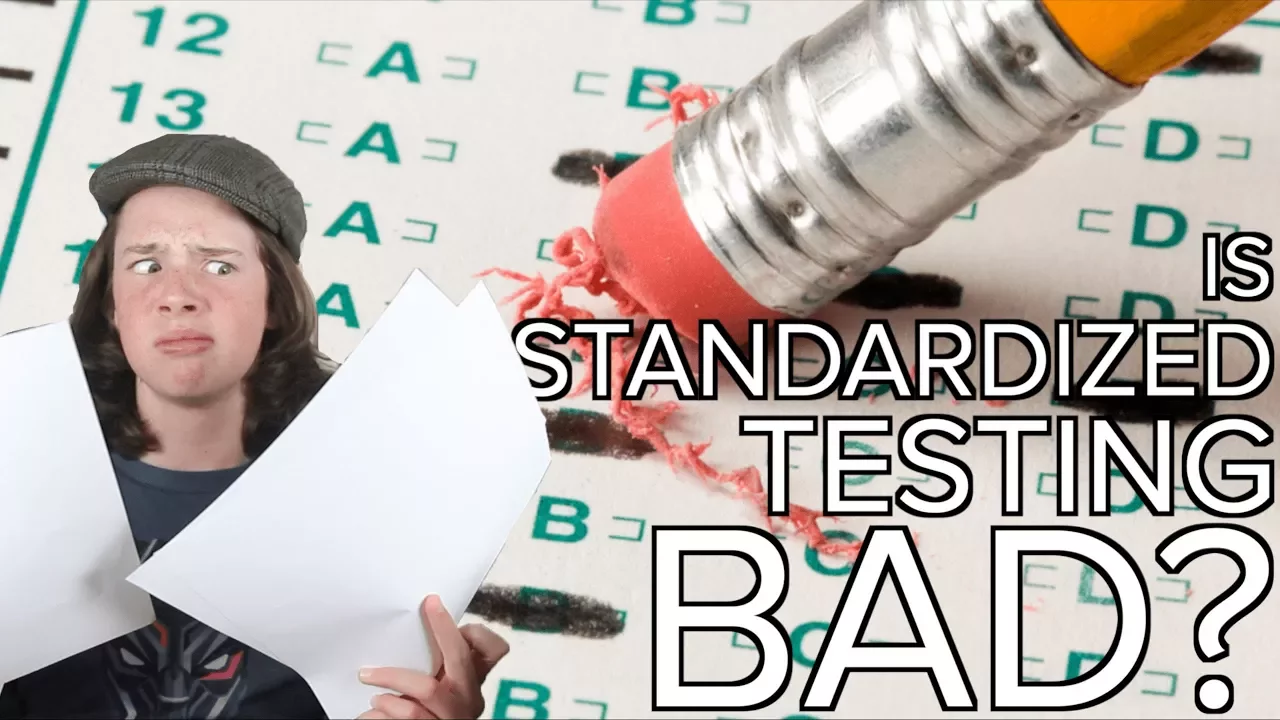
Critically evaluating modern educational policies, such as the linguistic and cultural implications of standardized testing (e.g., SAT, GRE, and TOEFL).
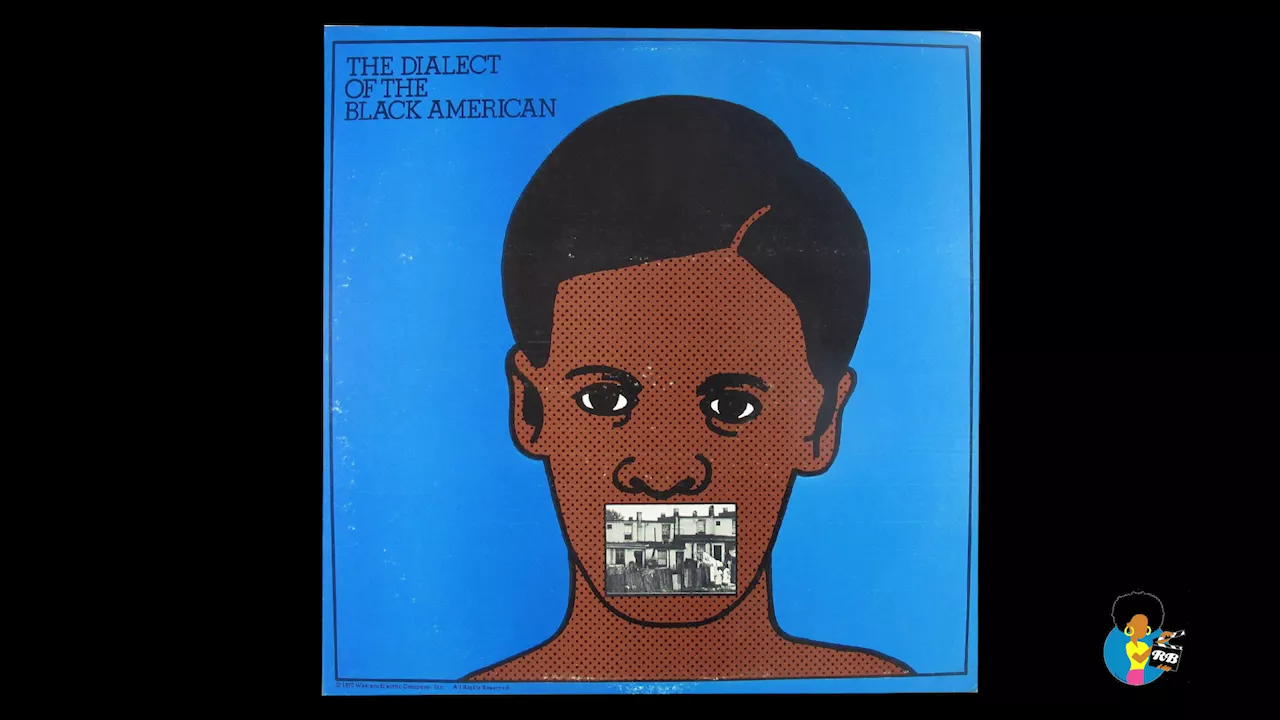
Exploring the field of 'Decolonizing Linguistics' and understanding the legitimacy of non-standard dialects, such as African American Vernacular English (AAVE) and Chicano English, in academic settings.
Investigating linguistic bias in Artificial Intelligence and Natural Language Processing (NLP) technologies, analyzing how algorithms penalize non-standard speech patterns.
Studying the legal and professional implications of accent and dialect discrimination under employment and civil rights law.
212.1K views22.9Klikes20:16Original Release: 2021-05-22
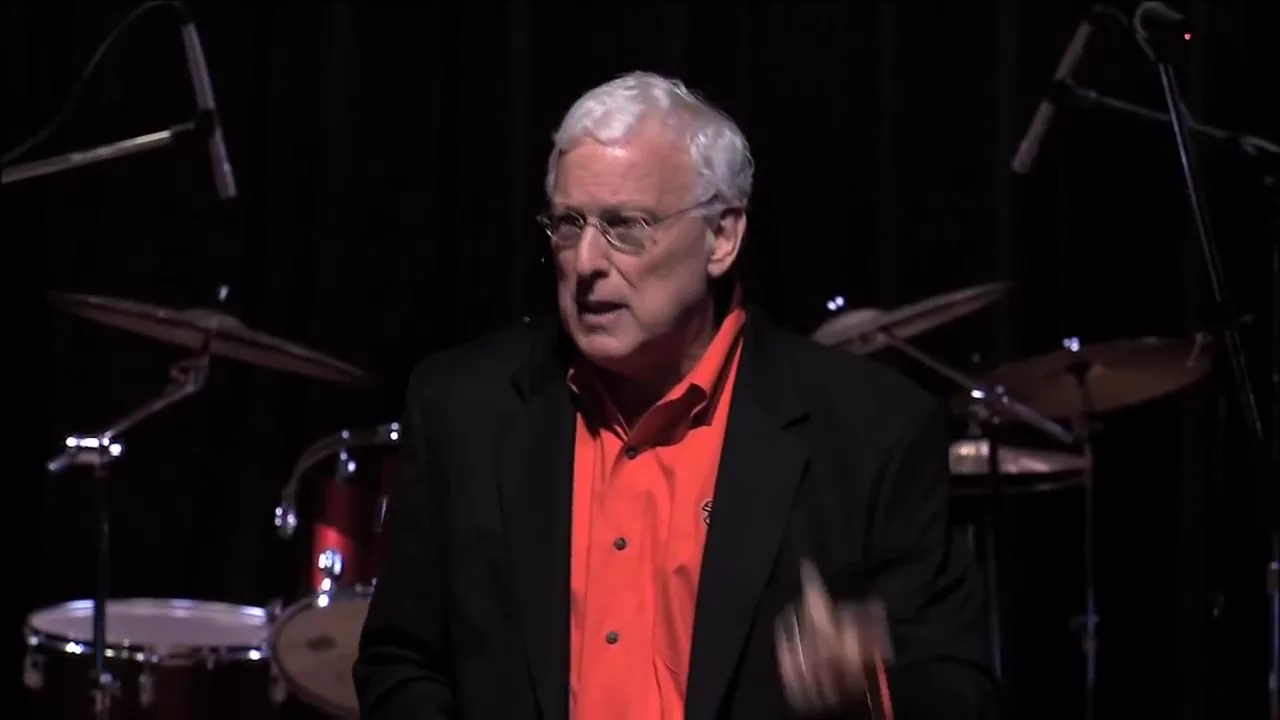
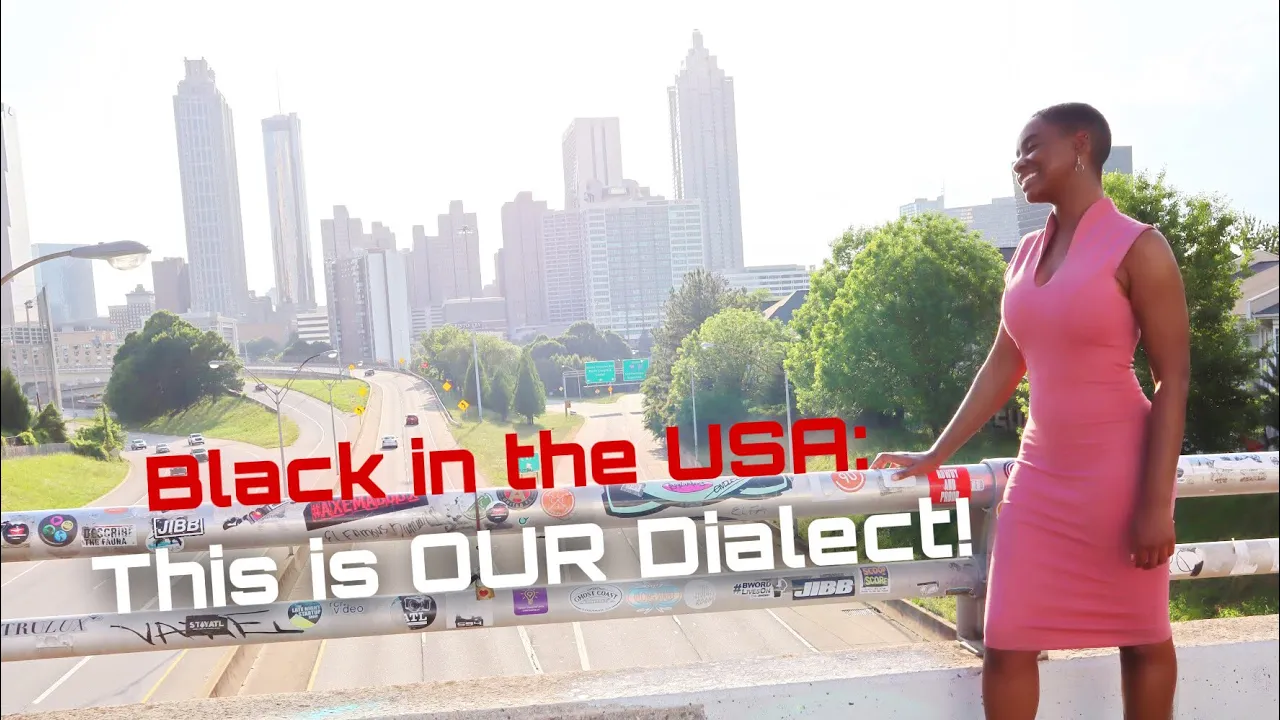
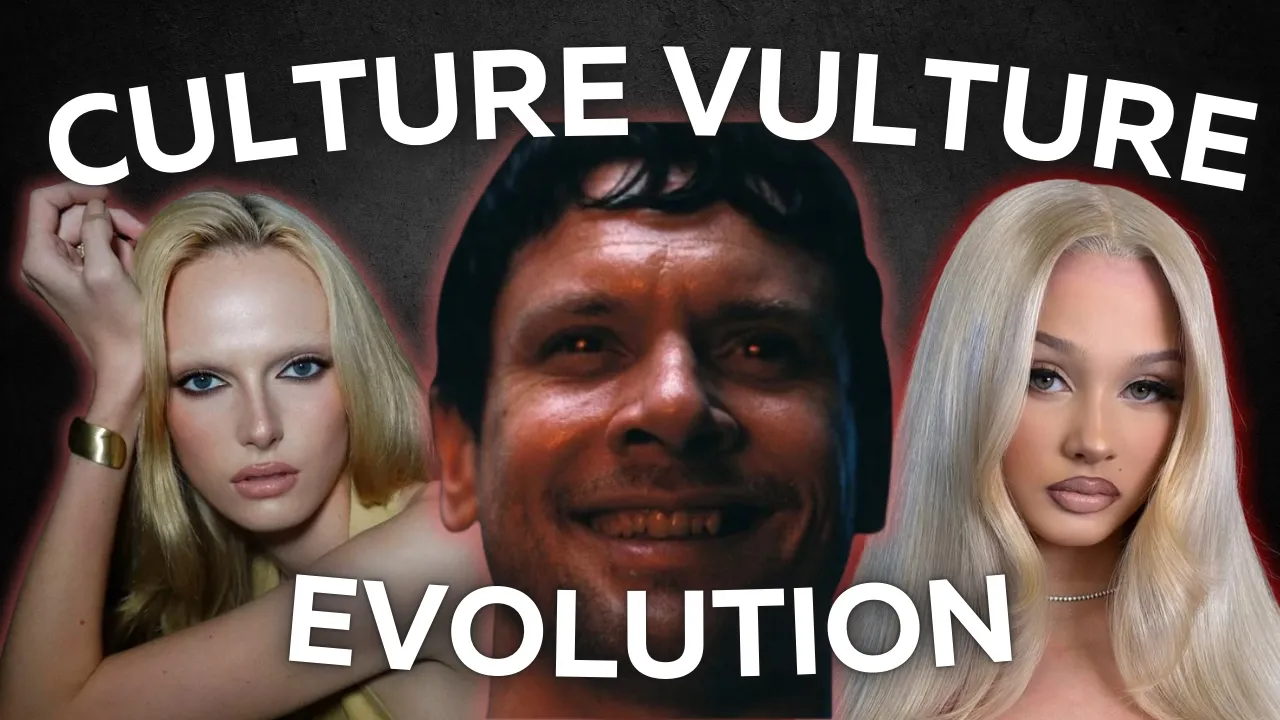
oh what's this you asked just some black coffee i don't really like sugar or creamer people who do aren't real coffee drinkers i love black coffee you know what else i love classic literature i love janine austin and oscar wilde i am one of the last few people in the world who actually have high intellectual taste only commoners and plebians in just pop culture twilight who i actually just threw up in my mouth [Applause] [Music] a while ago i got a really weird comment funnily enough it was not the whoa bro she has big milk jugs bro look at those milky mommies comments or even the i hate your gods i hate everything about you you shouldn't exist you should never speak ever again in your life comments that i usually get see i posted a video called twilight is a psychological thriller not a love story which was a video i did for fun as a twilight fan to analyze edward and bella's relationship in the twilight saga and how stephanie meyer wrote a neat little book about abuse and marketed it to teenage girls as cutting edge romance under that video i got a comment that i've never gotten before that was very interesting thanks for sharing oh thank you susan i really appreciate your next time can you please pronounce the word ask correctly the s comes before the k a s k not aks your thoughts will be more credible if your pronunciation is correct okay now there are many things i can say about this comment the first being that the pronunciation of asks like acts has been around much longer than any one of us i posted about this issue on my instagram story to which a linguistics major actually dm'd me and brought up a phenomenon called metathesis metathesis is the quotes transposition within a word of letters sounds or syllables in layman's terms it just means that sounds syllables and letters switch places within a word essentially changing the pronunciation it could be an effect of regional dialect or it could just simply be the way the english language evolves over time especially since before english became standard the word asks was pronounced and even spelled like ax ax the second thing i can say about this comment is the fact that it is inherently racist the pronunciation of the word ask like ax is very common in african american vernacular english as well as in some southern dialects but to focus on aave there is a long history of black people being discredited or ostracized from academic or professional settings for speaking aave even though aave is an acknowledged dialect that has its own grammar system in this stanford report article by marguerite ricklacio john r rickford a linguistics professor at stanford analyzes the 2013 testimony given by rachel gentel at the george zimmerman trial gentile is the friend of the late 17 year old trayvon martin who was killed by george zimmerman in february of 2012. during her testimony rachel used aave to describe what she heard that night and immediately she was characterized as uneducated and unworthy of being listened to this backlash is particularly interesting because rachel was showing a fluency quote in a variety of english that's been in existence for centuries she speaks a very systematic regular variety of aave it's such a systematic variety of the english language that william lebov a sociolinguist notes that it's no different from standardized english the both studies and studies like it were able to prove that african american english was grammatically no less complex no less able to express sophisticated ideas than the supposedly standard white english a lot of the excerpts from rachel's testimony if you were to listen without prejudice makes total semantic sense at least to me yet rachel's testimony was drugged through the mud and otherwise discarded even though she was the only witness to her friend's murder on this richford states quote research shows that non-native or vernacular speakers like rachel are less believed even when uttering innocuous statements it's likely this stems from social prejudice rather than mere lack of comprehension on the part of the listener when it comes to me being corrected for my use of aave it's clear to me that language is not the point of contention because if the people who aggressively tried to teach me how to speak proper english in my comment section actually cared about language they would know about aave they would know about regional dialects and they would know that there is no such thing as standard english because everyone who speaks english speaks it differently for different reasons and to clarify i'm not talking about the people who come into my comment section with a simple comment that goes somewhere along the lines of oh this is how you actually pronounce that word not like this because i welcome those why would i want to pronounce epitome like epitome for the rest of my life i'm specifically talking about people like our good friend susan who make it seem like a difference in dialect equals uneducated or unworthy of being listened to i can admit that at first susan's comment made me mad but then interest struck me it eventually led me down a path of elitism low brow versus high brow society and what is considered educated or deserving of being listened to by society's standards and the conclusion is quite interesting my research first brought me to a tedx talk titled grammar nazis don't know they're wrong i don't particularly like the phrase grammar nazi because i feel like it's mocking a very traumatic event in history so for the sake of this video i will refer to them as grammar police instead the host spyros armostis explains their own history with being a grammar police and explains their theories on why grammar police put such a strong emphasis on correcting other people's grammar but the point that stands out most to me in our moses's tedx talk and the point that is more crucial to my point is the fact that grammar police are linguistically stuck in the past more specifically they are stuck in the time when the english language became standardized i say standardized rather than standard for the same reason missy watson and elene le pair do because there is no one way to speak english there is no standard english there are only our attempts to make there be one way to speak english therefore there is only standardized english according to le pere english first became standardized in the 15th and 16th century it was quote based on dialects spoken in london and the east midlands for spelling and grammar and the accent of the high society in london for pronunciation lepere goes on to say that the dialect was originally only spoken by government officials but began to bleed into high society and became quote the language of literature science politics and education before the 15th and 16th century there were many versions of words such as the previously mentioned acts for the word ask and waps for the word wasp this process of creating a standardized english didn't just happen in london it became a process that was carried across all english-speaking countries the grammar pronunciation and vocabulary from elites would become the standard of speaking in fact the english language as a whole was considered so damn sophisticated that it was forcibly spread through colonization and imperialism british europeans were the first to speak english and throughout both waves of european colonization they forcibly stripped non-english countries like the americas africa and asia of their native languages under the guise of civilizing them so when i got to this point in my research i began to think what happens when language becomes elite what happens when we model it on high society on the wealthy on the predominantly white the simple answer to that would be that language becomes inaccessible to everyone who isn't an elite who didn't have the opportunity to go to the best schools who weren't raised in wealthy or affluent families and it becomes easy to spot people who aren't in that sphere and thus it becomes easier to discriminate against them highbrow and lowbrow like every other damn thing i talk about on this channel has a history steeped in white supremacy aren't you tired of hearing that because i sure am its first usage was recorded in 1884 but became popular in 1902 when will irvin got his phrenological little hands on it phrenology is a debunked scientific concept that connects the size and shape of one's head to their intellectual capabilities france joseph gaul believed that the brain was separated into various sections and that these sections were larger in size when a person had a particular command of that section so if a person was good at memorizing long passages their foreheads would be large and their eyes would be prominent due to their memorization section which is located above the eyes and behind the forehead being large and protruding as you can probably guess it wasn't enough for people to just go around measuring each other's skulls being like [Music] margaret no offense but your agreeableness section is small as hell there's no bump near your hairline you might want to get that checked out no instead people began using phrenology as a way to bolster their racist beliefs phrenology gave a way for some white people to think of themselves as racially superior to people of color in terms of enslaved africans charles caldwell used phrenology to prove that enslaved people were meant to be enslaved because the measurements of their skulls show that they have a particularly meaty tameable section which of course means they should and deserve to be subjugated and dehumanized charles caldwell is the same charles caldwell who believes that white asian native american and black people are different species coincidentally charles caldwell's brain was supposed to be measured after his death in 1853 but he was shockingly empty up there there was just one single fly buzzing around no brain cell in sight in terms of indigenous people phrenology was used to support the forced removal and genocide of native american people because samuel morton supposedly studied the skulls of african people white people asian people and native american people and concluded that native americans were quote adverse to cultivation slow and acquiring knowledge end quote because of this viewpoint native americans were considered unhelpful to industrialization and were removed from their land by several indian removal policies led by andrew jackson even nazis used the concept of scientific racism to defend their violent anti-semitism they believed among many other grotesque things that jewish people were anatomically different from white people and therefore needed to be exterminated in 1902 when will irvin popularized the concept of highbrow being linked to intelligence the terms association with high society and high culture took off high brownish essentially means that you have a superior taste in culture you consume things typically associated with high culture like classic literature or ballet or opera you enjoy comedy that needs complex understanding of theory and reference some would argue comedy like big bang theory i would argue not the late writer virginia woolf cites such artists like shakespeare austin shelley keats and dickens as highbrows it was a club of culturally and artistically distinguished people people who sought the aesthetic and intellectual beauty of life the lowbrow on the other hand was considered to be an uncultured person they didn't require nuance or stimulation of the low brow class virginia woolf mentions conductors impoverished single mothers dressmakers miners cooks and prostitutes to be clear wolf isn't denouncing low brow people or their lifestyles in fact she claims that there is a need of low browism just as there was a need for high browism i do think however it's impossible to separate her privilege from the matter seeing as she was from an affluent family and the lifestyle of lowbrow people were a quote surpassing interest and wonder unquote to her because she would never experience that life as a highbrow person in terms of pop culture let me break down some low brow entertainment if shakespeare austin shelley keats and dickens are highbrow then twilight is lowbrow it's literally on the list of the worst books ever written which is dramatic to say louise especially considering the other ones on the list some other forms of low brow art would be things like jersey shore family guy my videos you know those sort of things it's made for too wide of an audience the hoi polloi of society to remain an exclusive elite highbrow activity the most interesting thing about the highbrow versus lowbrow debate is the class differences between the two herbert j gonz author of popular culture and high culture makes a connection between highbrow and the wealthy and low brow and the impoverished the highbrow person was more than likely educated and quite possibly wealthy if they were partaking in these various cultured pastimes they also more than likely had the chance to attend higher education because their family had the money to send them there standardized english would be modeled after the eyebrow they were the elites of society they partook in cultured past times and spoke in the most refined way low-brow people didn't get that benefit their language was considered unrefined and an indication of their poor education or environment now of course i could go into the racial aspect the years of systemic racism that oppresses black people every day the same system that pushed black people into bondage the same system that burned down black cities and the same one that then pushed them into ghettos and kept them there i can go on and on about how academia is riddled with that systemic racism i can flap my chops about how my ancestors were brought into a new world a place with a brand new language and had to learn english as they went while being brutalized and tortured i can talk about how the beautiful dialect that has come out of that violence is constantly degraded because it doesn't sound like the white people you've seen on tv of course i could go there because everything every instance of the world has been touched by colonization it happened centuries ago and we're all still reaping the damage but i'm tired i'm tired of having to prove to people on the internet that racism exists i mean you should know by now come on can't i get the opportunity to talk about the things white people talk about no okay it wouldn't surprise me if the lowbrow people back in the day were constantly berated for the way they spoke how their language and pronunciation of words was too crude for the gentle educated ears of their highbrow peers or what's susan saying that comment from earlier your thoughts would be more credible if your pronunciation was correct all of this serves to prove that in the grand scheme of things i'm not smart actually what am i saying i'm very smart i'm smart as hell i can list all the things i'm amazing at but we'd be here all day still intelligence in this world is judged on linguistics judged on standardized education judged on things that are sometimes out of people's control i've been poor all my life i've been southern all my life and i've been black all my life i was the smartest one in the room during my childhood because my family were not distinguished academics my mom is the first and only one from her family to graduate high school my dad was the first in his family to immigrate to america and learn a brand new language at 17 years old all by himself i'm the first one of my family to graduate college i learned a majority of what i know from books or online articles and i suppose that's why i pronounce things wrong because i've only ever heard certain words in my head not spoken out loud something people don't take into account is when you grow up poor and black especially in the south you aren't speaking standardized english at home the language used in your living room is not the same language used in academic settings when i went to college that was the first time i heard the words that i had read alone in my room said out loud and there's a lifetime of words that i still haven't heard that i still pronounce the way i first read them because i haven't heard them spoken out loud that's why i appreciate the comments that are respectful that say oh hey this is how you pronounce this and that isn't period nothing else after that but what i don't appreciate and what i will never tolerate are the comments like susan's because the way i speak is not holding you back from understanding me you understand me well enough to rudely correct me so you understand me enough to get the gist of what i'm saying and above all this is youtube i want my content to be accessible because for a majority of my life academia has been anything but i've sat in classrooms on the brink of tears because i didn't know what was going on i couldn't understand concepts or theories it took levels of pain and discomfort i didn't know was possible for me to integrate into college and i would never want my content to reflect that feeling that's why i make my videos fun that's why i make them digestible i'm not shakespeare i'm shanspir the commentary i make is for the bimbos himbus and thimbos the ones who for the life of them will never know what a prepositional phrase is but can go on for hours about the history of linguistic colonization and pseudosciences that perpetuate the subjugation of minorities the same with my fashion videos i have no technical training in fashion i'm not big on history and fashion or jargon but most people in the world aren't and i make fashion videos for those people because we deserve to understand fashion in a way that makes sense for us that doesn't make me uneducated and that doesn't make you better than me because your mouth can form around the word ask better than mine my mouth wasn't made for this language this language forced itself upon my mouth i don't care if it seems low brow i don't care if it seems uneducated or uncultured this is the way i speak and i can talk circles around you with my accent with my slang and with my poor pronunciation skills the bottom line is susan and susan adjacent don't spew classist racist rhetoric in my comment section i may not read classic literature but i'm not above reading a have a good one
Up Next

10:32
Morphological Analysis in English: Plural Formation & Hockett's Normalization
@oer-vlc
36.2K views•2012-03-18

36:52
Constraint Interaction in Optimality Theory: Epenthesis & Deletion
@Vidyamitra
180 views•2018-08-20

8:59
Forensic Linguistics: How Language Solves Crimes | PBS
@pbsstoried
1M views•2024-01-25

21:32
Accent Expert Explains U.S. Regional Dialects | Part 1
@WIRED
9.3M views•2021-01-21
Related Study Plans & Knowledge Roadmaps
Structured learning paths in Linguistics
linguistics
Optimality Theory: Tableaux & Constraints
01Phonological Basics: Sounds, Syllables & Rules
02Foundations of Optimality Theory: GEN, CON, and EVAL
03The Constraint Inventory: Markedness vs. Faithfulness
+ 2 more learning modules
15h5 modules
Explore Roadmap
linguistics
Morphosyntactic Alignment: S, A & P Systems
01Foundations of Syntax: Transitivity and Arguments
02The Linguistic Variables: Mapping S, A, and P
03Nominative-Accusative Alignment
+ 3 more learning modules
12h6 modules
Explore Roadmap
linguistics
Analyzing Sign Language: Phonology & Syntax
01Foundations of Sign Language Linguistics
02Phonology: The Five Parameters of a Sign
03Morphology: Word Formation and Classifiers
+ 2 more learning modules
14h5 modules
Explore Roadmap
linguistics
Pragmatics: Speech Acts, Grice & Politeness
01Introduction to Pragmatics: Meaning in Context
02Grice’s Cooperative Principle & Implicature
03Speech Act Theory
+ 2 more learning modules
14h5 modules
Explore Roadmap