







![ChatGPT ti sta IMBROGLIANDO [AI e Bias Cognitivi]](https://i.ytimg.com/vi_webp/ua3FKHyXzYQ/maxresdefault.webp)



















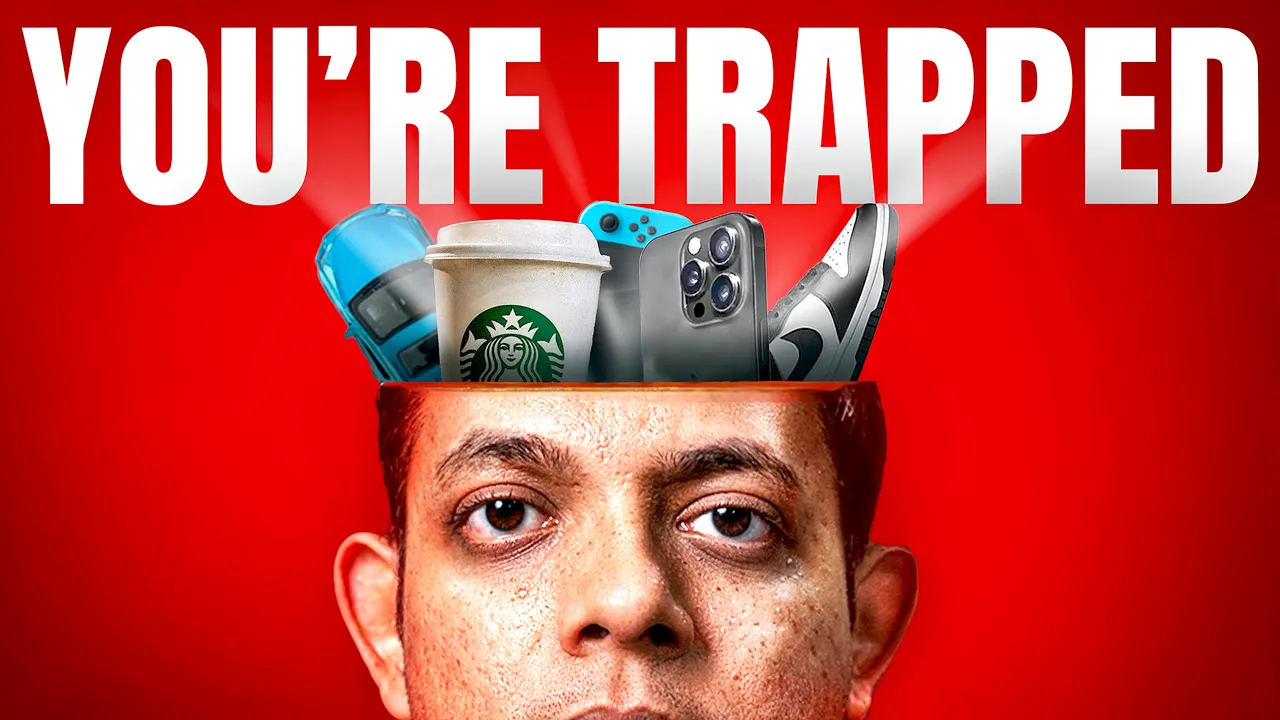
Brands employ sophisticated neuromarketing techniques including sensory marketing (like Netflix's conditioned sound triggers), decoy pricing strategies, and psychological biases (such as the left-digit effect) to manipulate consumer choices and create artificial desires, often without consumers realizing their decisions are being engineered rather than freely made.
Mastering Neuromarketing: Psychology of Consumer Behavior and Persuasion
Added:Basic principles of cognitive psychology, particularly Dual-Process Theory (System 1 and System 2 thinking).
Fundamentals of classical microeconomics, specifically the traditional assumption of the rational consumer.
An introduction to cognitive biases and heuristics, such as anchoring, loss aversion, and framing effects.
The core concept of sensory perception and how environmental stimuli trigger emotional responses in the human brain.
Advanced biometric and neuroimaging methodologies used in market research (such as fMRI, EEG, eye-tracking, and galvanic skin response).
The ethical and regulatory considerations of neuromarketing, including consumer privacy and the limits of subconscious manipulation.
Behavioral design and choice architecture, specifically how to structure digital user experiences (UX) to nudge consumer decisions.
Quantitative experimentation frameworks, such as A/B testing, to scientifically measure the efficacy of pricing strategies and decoy tactics.
972.7K views41.7Klikes26:32Original Release: 2025-02-14
every single day you wake up and make decisions 34,000 decisions what to wear what to eat what to buy and each of these choices tell a story your story but what if I told you that these choices aren't really yours that your wants are carefully planted in You by marketing experts don't believe me [Music] [Music] you know one of the most intimate portraits of a nation is seen through the lens of consumerism glucose D wi glucose to this Relentless persuade of trying to purchase happiness tells the story of a Nation and the desires that drive its people for more than 40 years after Independence India consumed like it was at War and in a way we were a war against car city we had one TV channel four to five car models and one dream survival your grandparents lived on these ration cards why because up until ' 80s buying wasn't a choice it was was a privilege see back in the' 60s India's total consumer spending was around 2.7 lakh crores spending on Leisure and luxury wasn't even considered a category and it is bothered to track the concept itself was almost non-existent that was our story but today consumer spending has SK rocketed to over 190 lakh crores and you know luxury and Leisure accounts for 1/4 of it I mean clearly we are witnessing a cultural transformation this new generation isn't just working to pay bills or safe for the future they're chasing experiences they're traveling they're living in the moment and completely reimagining What happiness success or even being content means in Modern India our story is being Rewritten right before our eyes but there's a Twist something feels off about this portrait an invisible Playbook of sords filled with intricate tricks is hijacking this portrait of our nation you know rather than our desires consumerism is instead telling the story of which brands have the best tricks the sharpest algorithms and the most persuasive psychology this needs to be fixed and I am going to show you how we're going to Deep dive into how these marketing experts are quietly shaping our identities for us but first i'm going to introduce you to four character s from four different classes each with a unique relationship with money I want you to pay close attention and try to tune in to the psychology behind their spending habits hello my name is sing I'm 35 years old hi I'm this is Anisha I'm the founder and CEO of neuro sleeps from Imad and I work as a team manager at prti sales private limited company we are a unicorn [Music] [Music] startup uh you me like my hobbies uh um cryo chamber therapy one thing I enjoy is going on a long drive with my wife and kids playing keyboard and sometime I do voice acting I love Pilates music cets I go for skiing well I like to call my friends at my house have hosting House Parties mountains hiking [Music] as a hotel manager I have to work with a lot of clients for me it's really important to look different from everyone else I have to stand out one time I bought an i shoes because my son wanted one because all his friends had one but one thing that he didn't know that I bought a fake one for him and now he's all happy and satisfied I to don't have any preferences like I buy everything that everybody else [Music] most of my wardrobe is focused on sustainability and I am not into fast fashion at all you know so I make sure I pick clothes that are ethically sourced so what did you notice when it comes to Indian consumers our richest and poorest classes of something in common they both make very deliberate choices look at DH and Anisha they both don't indulge in excess both Dodge mainstream Brands and stick to minimalism but while Danes does it because he has to Manisha does it because she wants to both of them make incredibly conscious decisions one because his knees Force his hand and the other because she sees right through the illusion but the middle classes where most of us are now that's where things get really interesting Shar sing and rer are are essentially the dream customers for nearly 90% of Brands Shar Singh leans towards Indian Brands focusing on mirroring his peers in order to fit in with the crowd he pursues inclusivity whereas rer armed with more wealth and a younger Outlook chases exclusivity his purchasing decisions are an effort to stand out from the crowd and who do you think is on the other side watching all of this friend of course now that we all know that it's these middle class identities that are most at risk of being hijacked let's flip the script stop thinking like buyers and start thinking like the sellers the brands let me show you exactly how they do it and after learning these you will never look at your purchases the same way again Google is able to collect an amount of information about its users that would even make the NSA blush we can use it tring analysis to show where you're looking at and therefore examines your visal attention Facebook admits it knew about data harvesting for at least 2 years it was my mistake the whole economic world is bracing for the next big revolution I think we're an era where creativity technology and data will become the foothold of marketing culture I think we're in that golden age it's a really exciting time to be in marketing picture this your dra on a cab after a hectic day at work as the city blurs past your window a thought Pops in your head I should order dominoes tonight feels like a random craving right you're idea your choice but what if I told you that craving Wasn't So Random see weeks earlier Domino's had been quietly weaving itself into your neural network those subtle ads are the perfect way to unwind that casual mention on your favorite podcast don't talk to me like I haven't had dominoes recently they weren't just background noise they were seeds planted deep in your mind your brain f it all away building tiny neural Pathways tling dominoes with an winding with reward with you by the time that craving hit it wasn't really a choice it was a re FX then you reach home and you want to Cozy up and watch a comforting film except it's too late but when you switch on the TV all of a sudden something shifts now committed to finding something to watch fatigued after an overwhelming number of options you settle on a film with a thumbnail of a couple deeply locked in an intimate stair it feels like a string of decisions that feel very personal to you except this invisible hands tugging at those very strings you know that iconic Netflix sound here's a fun fact about it so Netflix initially wanted to go with a goat's bleed playfully mocking mgm's roaring line but instead they went scientific their VP Todd Yellen and Oscar wedding sound designer laon Bender crafted a unique Sound by mixing a wedding ring stab a slowed down Anvil and even a reverse electric guitar why because they were programming a trigger just like paavo conditioned his dogs to expect food and salivate at the sound of a bell this tum it triggers your brain into recalling every cozy night in every thrilling plot twist and every moment of escape and comfort and all of that adds up to you committing to their product and the overwhelming grid of options that is not a bug it's a feature you know they want you to feel fatigued because when you're tired you're more likely to settle even those thumbnails aren't random either Netflix is constantly testing out personalized thumbnails just for you you know once the platform became aware of your affinity for close-up facial expressions they use that to get you to click on that film you didn't know you wanted to watch so there you are pizza ordered movie picked thinking you made two separate personal choices but what really happened was a carefully orchestrated dance of a trick they call sensory marketing as you can see marketing strategies today have infiltrated your lives pretty cleverly right you know there are endless ways these techniques can be used to shape people's behaviors but here's the thing they're not really weapons we should look at them like tools see an eight where every brand is doing everything possible for a slice of our attention trying to influence our choices through all means there's a massive demand for people who truly understand how to stand out from the noise you know whether you dream of launching your own startup building a personal brand or joining a marketing team at a major company knowing how to capture consumer's attention and turning that attention into real engagement is the new superpower well the question is how do you learn to do it well it's not by just bombarding people with ads which most markers do but by genuinely connecting with them understanding consumer psychology and choices better shaping their decisions and creating memorable experiences that add real value that is why I want to share with you guys the access to the entire Playbook if you've been watching and thinking how do I get in on this pay attention Master Union has launched a new Under graduate program in psychology and marketing this unique fouryear program is actually India's first to blend Behavioral Science with modern marketing strategies here you don't just learn about marketing and isolation you actually dive deeper with a core understanding of consumer psychology and you also practice it we're talking Hands-On stuff like redesigning restaurant menus using neurom marketing principles and building strategies for actual d2c Brands the best part you are learning this from the people who do this for a living CMOS from zato epigamia and Bo teach alongside professors from Cornell and Stanford and Kellog you will be diving into everything from neuromarketing to AI from cognitive psychology to practical skills like graphic design and film making by the way you also get a chance to work they send you to work with companies like blue smart and chaios plus they give you opportunities to study in the US Italy or Singapore their Gau campus is already seeing graduates land jobs at places like zeroda cred and ather if you're interested in being someone who shapes how Brands connect with people check out the link in the description to learn more about Master's Union and their program who knows maybe someday we'll break down one of your marketing campaigns okay so we know that brands have a Playbook of Tricks we already saw how Netflix and dominoes use sensory marketing but that's just the tip of the iceberg what I'm about to show you will reveal just How Deeply marketing and advertising has distorted the reality around us let's go back to one of our characters shade Singh he simply heading to the mall for a movie and some light shopping let's play a game we are going to try and identify all the marketing traps waiting for him along the way Shar Singh has a gap in his schedule and he decides to fill it with the latest movie starring Superstar ALU Arjun who his favorite actor but but after a while of running around the mall trying to figure out its layout is's still struggling to get to his destination you know this is actually by Design it's called cruin transfer where designers deliberately make a confusing Labyrinthian layout for you to navigate why because the more you move the higher the chances you'll bump into a shop that catches your eye in sharing's case it's clearly worked so in his quick detour sharing spots a pair of cocky trousers he is Smitten by it but for him the price is the deal breaker so he keeps browsing until he find something that fits his budget he moves on to another identical khaki pant which is a price tag of $7.99 rupees now having come across one that's a rupee cheaper he's somehow suddenly a little more likely to purchase it it's basically caused by a cognitive bias called the left digit effect you see your brain it reads numbers from left to right so we place more weightage to the first digit we see making 799 feels significantly lesser than 800 100 rupes but still Shar Singh isn't fully convinced so he keeps browsing for a better find this time though he sees a khaki pant which has a price tack with a strike out 12200 with $799 as the price and he gets this one a steel deal with a 30% discount this is what they call strike through pricing you know we have a very famous classic Indian folklore which explains this cognitive bias remember when Arjuna was challenged to make a line appear smaller without all ining it what did he do he simply drew a longer line beside it after picking up his new pants and finally walking past all the distractions Shad Singh reaches the theater with a few minutes to spare before the movie starts he decides to grab some popcorn only problem is what SI stuff to get as soon as he sees the pricing and I'm sure you can relate to this the mental math kicks off in his head a regular 90 G tub cost 270 rupe the median popcorn which is twice the size at 180 g is only 70 rupees more now sharing wants to maximize the value for his money so he feels compelled to spend that extra 70 rupees on the medium tub thinking he's outsmarted the system he settles in to enjoy his movie you know in reality he's fallen for a trick called decoy pricing a clever little inverse of the previous trick that trapped him what you do here is you put a decoy offer that is less appealing to make the more expensive options seem more valuable well if only Shar sing knew this nearly wrapping up his day he decides to tick off one last errand with a quick stop at the grocery store he doesn't know it yet but Shar Singh is about to step into a highly calibrated space designed to borrow into his brain and steer his choices as soon as he enters the store he's greeted by a flood of inviting Aromas the freshest produce sits right at the entrance along with the aromatic Bakery meant to create an entice atmosphere this is sensory priming in Action a hot bed of sensory triggers designed to put you in a good mood there's also moral licensing at play meaning once you've grabbed a few healthy items you're more likely to indulge in less healthy products later but these tricks don't just end there Studies have shown that when you're cold you tend to spend about 18% more and that a hint of a strong scent can Boost customer satisfaction by 20% Shar sing is right in the thick of it all while simply trying to buy some milk and wait here is the most interesting trick you know grocery stores deliberately Place Essentials like milk at the far end of the store what this does is this forces you to wander through Isles and be stimulated by 300 plus products buying for your attention and even within that store there are many more traps did you know for Brands to place their products on the middle shelves right at at the eye level they need to pay the stores a premium this is because they're 25% more likely to be bought than items elsewhere meanwhile placement for the bottom shelves are much cheaper because people are less likely to spot those products having purchased way more than he intended to Shar Singh finally reaches the checkout the line is long and his impatient starts to grow that's when the nearby display of colorful souvenirs and Candy strikes his interest suddenly he St to grab one of these little trinkets this is known as parasite placement you see your brain is a dopamine seeking machine and when you're waiting in the line impatiently you're especially vulnerable making it more likely that your brain will trick you into purchasing these tiny hits of dopamine just like Shad Singh does happy with themselves Shad Singh reaches home he starts to unpack all the items onto the table the clarity that he spent way more than he should have dawned on him and suddenly the horror kicks in he's forgotten about the one product he was supposed to actually buy a simple little trip to the mall turns out to be a battlefield for your brain and all these marketing tricks we've seen fall under what's known as neuromarketing where Neuroscience behavioral psychology and marketing work in unision to hack your brain chemistry now if you think that such tricks are only found in shopping environment I want you to take a look around your own house scan through all your recent purchases and see whether or not any of your decisions were influenced by these tactics or better yet let's take a short of trip around R's house and see how many of his recent buys were pre-planned during the brainstorming session of a marketing team ler has just woken up and he's got a big day ahead it's his partner's birthday after all he starts off the day with his usual routine walks to the bathroom picks up his brush and puts the Hefty amount of toothpaste if you ask any dentist they'd say that a p amount is more than enough but roer like so many others has been trained to do things differently did one of those Colgate ads that sneakily show a big dollop of toothpaste on your brush that's their attempt at subliminal conditioning where they indirectly try to educate you with what they want you to do which in this case is to use up the entire tube as soon as possible if all the tricks we have covered so far were about hacking your brain's Hardware what follows is all about reprogramming your mind software so like I said roer has a big day ahead he's about to surprise his partner with a proposal so he picks up Old Spice a scent gifted to him by her you see sometimes Brands don't even Target their customers look at all the Old Spice commercials for example hello ladies look at your man now back to me now back at your man now notice something they're not talking to men at all on a boat with a man your man could smell they are talking to women about their men this is called proxy targeting from gillet to Wild Stone to Huggies dad friendly diapers it's everywhere since this was an auspicious day for rer he picks up a box of chocolates from cbury despite her favorite sweets being a paira what ran through his mind was what and then he gets to the most important thing a beautiful d diamond ring that he spent 3 months of his salary on what he doesn't realize is that his decisions have been shaped by Decades of brilliant marketing before 1940s diamond rings weren't even a tradition for engagements then the Deb group a corporation specializing in diamond mining launched there a diamond is forever campaign they invented the idea that a diamond ring was a testament of true love and that a wedding ring should cost 3 months of your salary and just like that it led to Diamonds becoming the ultimate symbol of love this is called mythb building a yarn of true lives that can imbue himself into a culture and reshape our choices and now roer starts to get dressed and to look his best he goes through clothes by some of the fancier International Brands Alan suy van houon Peter England Louis Philip Monte Carlo what he hasn't figured out yet is that these International brands are all actually Indian when Indian companies learned that a large portion of the population were aspirational and equated foreign with luxury they just used foreign names for their branding a clever little reframing to sell the same product with the illusion of exclusivity but wait it gets more interesting do you remember the quintessentially Indian brand Bata the one that probably made your school shoes is actually a brand from Czech Republic they just wanted you to feel inclusivity so they made their identity feel local and it's not just them even those household Staples you thought for born and bred in India holx life boy Maggie Vick all have foreign rules in the end Richard Settles for his favorite pair of Nike sneakers but did you know Nike's iconic slogan just do it was actually inspired by the last words of a convicted criminal they just changed the context entirely because Nike learned that so many people like Richard weren't purchasing sports shoes as they couldn't associate themselves with athletes but still aspired to so they didn't sell shoes they sold permission permission to think of yourself as an athlete regardless of who you were one little slogan turns self-doubt into a battlecry and made billions in Revenue Nike's campaign reflects the tactic of emotional engineering where Brands tap into your emotional voids and satiate it with products and with that roer is all set except [Music] do you know how many ads a person sees in a day take a guess right now I'll reveal it in a minute but I bet your guest wouldn't even be close see one of the issues with consumerism is that it links happiness to consumption which can actually be a recipe for dissatisfaction by placing buying at the center of daily life you're allowing corporations to treat marketing as a weapon and Define What happiness means to you and to answer the previous question an average person is likely to come across anywhere between 6,000 to 10,000 advertisements every single day was your guess close let me share some more stats with you you know India spent around 145,000 CR rupees just to show you more and more ads last year that's a 15.5% from the year before and consumer spending it hit around 2.4 trillion in just a quarter of the year that's a number I can't even wrap my head around all of this seems to be creating this constant NeverEnding feeling that we need more see one thing has become very clear Brands aren't just getting better at selling us products they're getting better at programming who we are but here's the thing about programming once you understand the code you can't unsee it and now all of you understand it because you've seen seen this video knowledge is power and you know right now there are many many activists economists that are pushing back tech watch doogs that are exposing dark patterns regular people who are waking up to these manipulation tactics but the real change the real chain starts with you so I want you guys to try something okay for the next week track every single purchase you make and every time you're buying something ask yourself is this my choice or their design because that's what we learn while making this video the most powerful weapon against these marketing tricks against manipulation isn't regulation or technology it's awareness they may have written the Playbook but we decide how the story ends and the story ends with you taking control of your choices [Music]
Up Next
32:29
Applying Behavioral Science to Marketing Strategies
@SiliconBrighton
405 views•2022-03-17
46:36
Retention Habits of Top DTC Ecommerce Brands Revealed
@SendItPodcast
44K views•2026-03-03

15:23
Decoy Effect: How Pricing Psychology Influences Consumer Spending
@bobinvestsUS
90K views•2026-01-05

17:30
The Planned Obsolescence of Light Bulbs and Tech
@veritasium
25.3M views•2021-03-26
Related Study Plans & Knowledge Roadmaps
Structured learning paths in Business
business
Pop-Up Retail: Strategy, Design & Execution
01Introduction to Pop-Up Retail & Strategic Goal Setting
02Budgeting, Site Selection, and Legal Essentials
03Experiential Retail Design & Visual Merchandising
+ 2 more learning modules
15h5 modules
Explore Roadmap
business
Reg CF: Startup Funding, Marketing & Launch
01Introduction to Equity Crowdfunding & Reg CF
02Platform Selection & Legal Preparation
03Crafting High-Converting Campaign Assets
+ 2 more learning modules
14h5 modules
Explore Roadmap
business
Productized Services: Scaling Solo Freelance
01Foundations of Productized Services
02Packaging and Scope Definition
03Pricing and Subscription Models
+ 2 more learning modules
15h5 modules
Explore Roadmap
business
Gov Procurement: Find, Bid & Win Contracts
01Introduction to Government Procurement & Business Setup
02Small Business Certifications & Set-Asides
03Finding and Analyzing Contract Opportunities
+ 2 more learning modules
14h5 modules
Explore Roadmap