


![[TGM-VTC4] Kỹ năng sống số 32: Trí tuệ cảm xúc EQ](https://i.ytimg.com/vi/183_Fu4uLYU/maxresdefault.jpg)




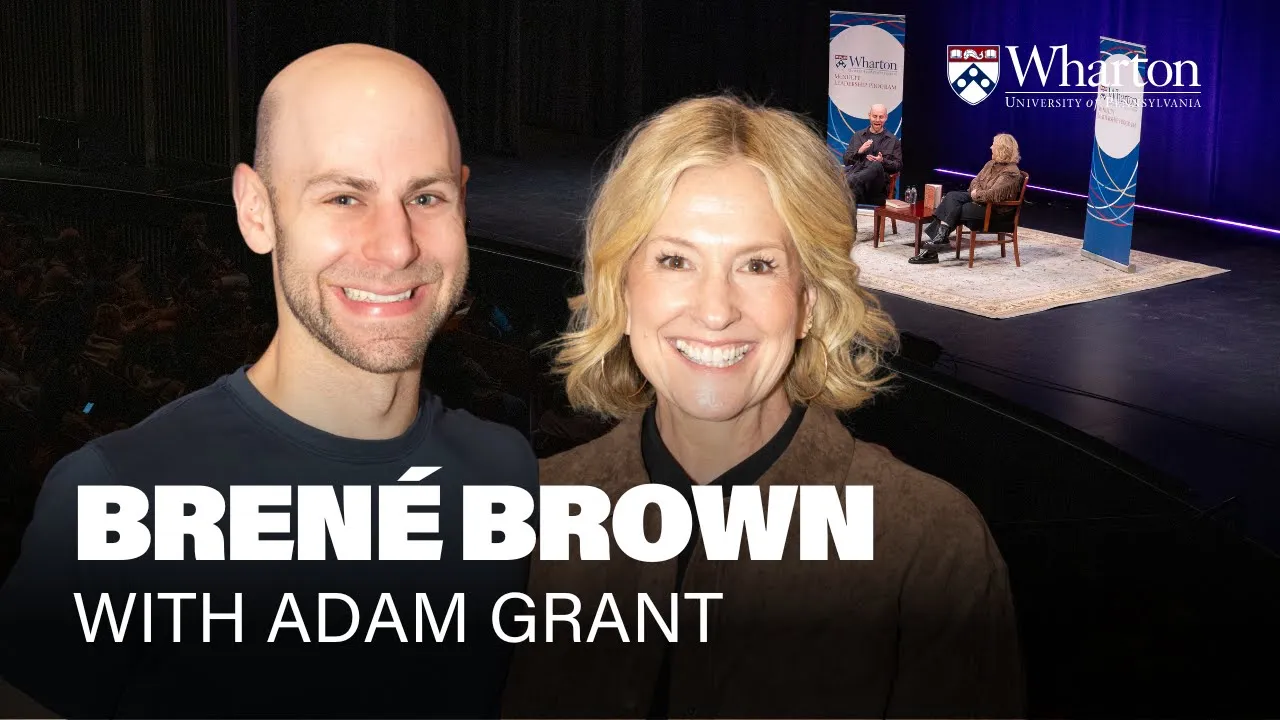

















Brené Brown's research reveals that vulnerability—the willingness to be seen authentically—is essential for meaningful human connection, and that people who embrace vulnerability with courage and self-compassion develop a stronger sense of worthiness and belonging, while those who numb vulnerability through avoidance, perfectionism, or addiction miss out on joy, creativity, and genuine relationships.
The Power of Vulnerability: Brené Brown on Human Connection
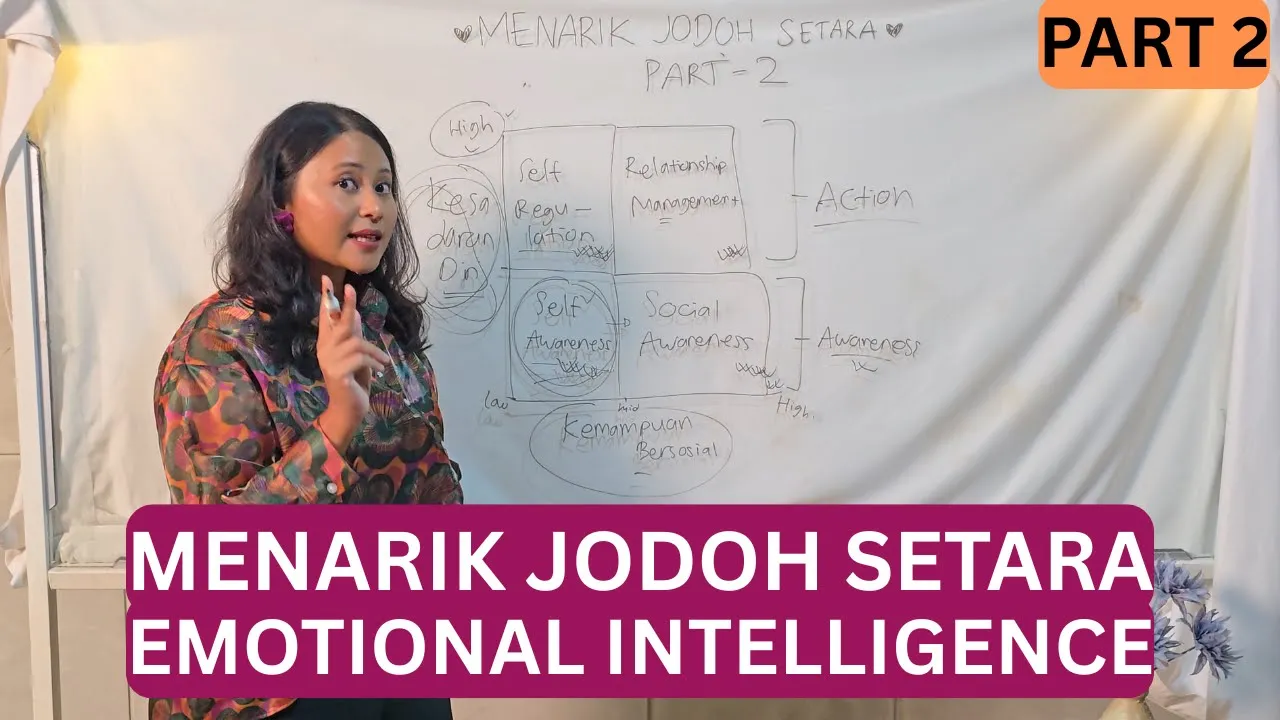
Added:Basic principles of Emotional Intelligence (EQ), particularly self-awareness and self-regulation.
The psychological definitions and distinction between shame, guilt, and embarrassment.
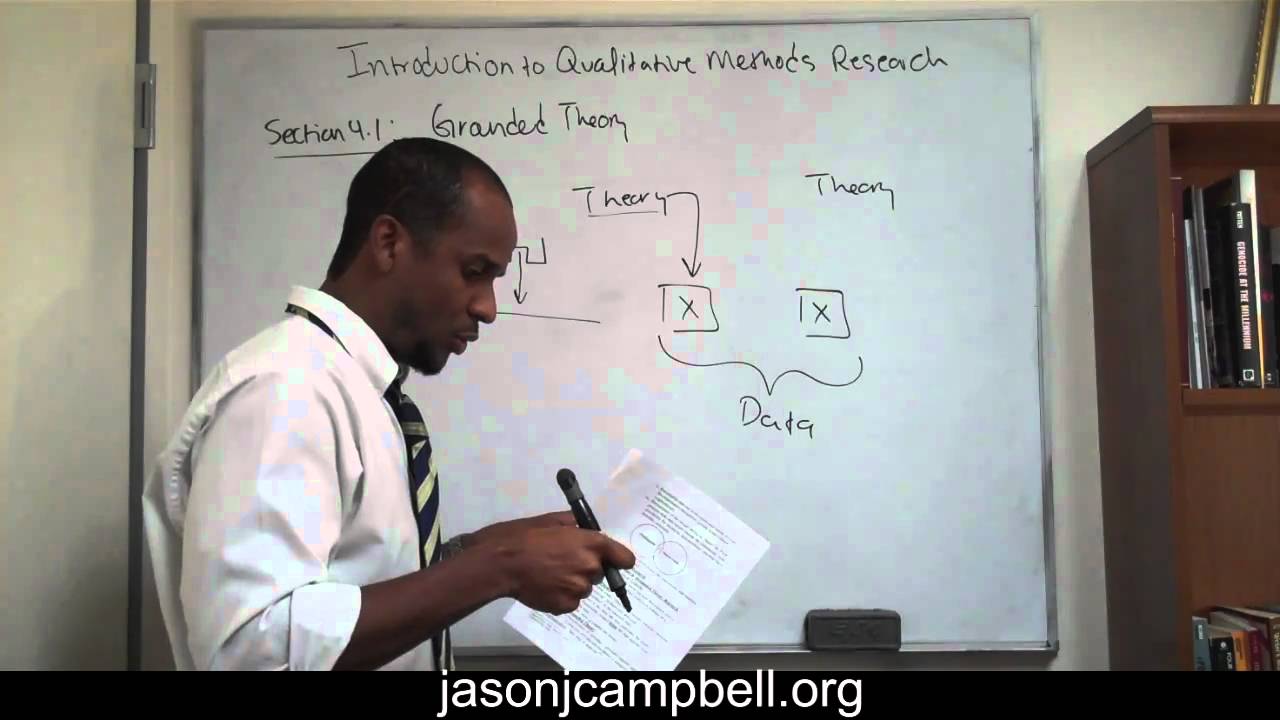
An introductory understanding of qualitative research methodologies, specifically grounded theory, as Brené Brown is a qualitative researcher.
Maslow's Hierarchy of Needs, with a focus on the mid-level psychological need for love, belonging, and social connection.
Shame Resilience Theory (SRT) and the specific strategies used to recognize and navigate shame triggers in daily life.
The application of vulnerability in organizational leadership and cultivating psychological safety in workplace environments.
The neurobiology of empathy and connection, including the role of mirror neurons, oxytocin, and the autonomic nervous system in human bonding.
Cognitive Behavioral Therapy (CBT) and Acceptance and Commitment Therapy (ACT) concepts that align with 'wholehearted living' and self-acceptance.
24.2M views428.3Klikes20:50Original Release: 2011-01-03
So, I'll start with this: a couple years ago, an event planner called me because I was going to do a speaking event.
And she called, and she said, "I'm really struggling with how to write about you on the little flyer."
And I thought, "Well, what's the struggle?"
And she said, "Well, I saw you speak, and I'm going to call you a researcher, I think, but I'm afraid if I call you a researcher, no one will come, because they'll think you're boring and irrelevant."
(Laughter) And I was like, "Okay."
And she said, "But the thing I liked about your talk is you're a storyteller.
So I think what I'll do is just call you a storyteller."
And of course, the academic, insecure part of me was like, "You're going to call me a what?"
And she said, "I'm going to call you a storyteller."
And I was like, "Why not 'magic pixie'?"
(Laughter) I was like, "Let me think about this for a second."
I tried to call deep on my courage.
And I thought, you know, I am a storyteller.
I'm a qualitative researcher.
I collect stories; that's what I do.
And maybe stories are just data with a soul.
And maybe I'm just a storyteller.
And so I said, "You know what?
Why don't you just say I'm a researcher-storyteller."
And she went, "Ha ha. There's no such thing."
(Laughter) So I'm a researcher-storyteller, and I'm going to talk to you today -- we're talking about expanding perception -- and so I want to talk to you and tell some stories about a piece of my research that fundamentally expanded my perception and really actually changed the way that I live and love and work and parent.
And this is where my story starts.
When I was a young researcher, doctoral student, my first year, I had a research professor who said to us, "Here's the thing, if you cannot measure it, it does not exist."
And I thought he was just sweet-talking me.
I was like, "Really?" and he was like, "Absolutely."
And so you have to understand that I have a bachelor's and a master's in social work, and I was getting my Ph.D. in social work, so my entire academic career was surrounded by people who kind of believed in the "life's messy, love it."
And I'm more of the, "life's messy, clean it up, organize it and put it into a bento box."
(Laughter) And so to think that I had found my way, to found a career that takes me -- really, one of the big sayings in social work is, "Lean into the discomfort of the work."
And I'm like, knock discomfort upside the head and move it over and get all A's.
That was my mantra.
So I was very excited about this.
And so I thought, you know what, this is the career for me, because I am interested in some messy topics.
But I want to be able to make them not messy.
I want to understand them.
I want to hack into these things that I know are important and lay the code out for everyone to see.
So where I started was with connection.
Because, by the time you're a social worker for 10 years, what you realize is that connection is why we're here.
It's what gives purpose and meaning to our lives.
This is what it's all about.
It doesn't matter whether you talk to people who work in social justice, mental health and abuse and neglect, what we know is that connection, the ability to feel connected, is -- neurobiologically that's how we're wired -- it's why we're here.
So I thought, you know what, I'm going to start with connection.
Well, you know that situation where you get an evaluation from your boss, and she tells you 37 things that you do really awesome, and one "opportunity for growth?"
(Laughter) And all you can think about is that opportunity for growth, right?
Well, apparently this is the way my work went as well, because, when you ask people about love, they tell you about heartbreak.
When you ask people about belonging, they'll tell you their most excruciating experiences of being excluded.
And when you ask people about connection, the stories they told me were about disconnection.
So very quickly -- really about six weeks into this research -- I ran into this unnamed thing that absolutely unraveled connection in a way that I didn't understand or had never seen.
And so I pulled back out of the research and thought, I need to figure out what this is.
And it turned out to be shame.
And shame is really easily understood as the fear of disconnection: Is there something about me that, if other people know it or see it, that I won't be worthy of connection?
The things I can tell you about it: It's universal; we all have it.
The only people who don't experience shame have no capacity for human empathy or connection.
No one wants to talk about it, and the less you talk about it, the more you have it.
What underpinned this shame, this "I'm not good enough," -- which, we all know that feeling: "I'm not blank enough. I'm not thin enough, rich enough, beautiful enough, smart enough, promoted enough."
The thing that underpinned this was excruciating vulnerability.
This idea of, in order for connection to happen, we have to allow ourselves to be seen, really seen.
And you know how I feel about vulnerability. I hate vulnerability.
And so I thought, this is my chance to beat it back with my measuring stick.
I'm going in, I'm going to figure this stuff out, I'm going to spend a year, I'm going to totally deconstruct shame, I'm going to understand how vulnerability works, and I'm going to outsmart it.
So I was ready, and I was really excited.
As you know, it's not going to turn out well.
(Laughter) You know this.
So, I could tell you a lot about shame, but I'd have to borrow everyone else's time.
But here's what I can tell you that it boils down to -- and this may be one of the most important things that I've ever learned in the decade of doing this research.
My one year turned into six years: Thousands of stories, hundreds of long interviews, focus groups.
At one point, people were sending me journal pages and sending me their stories -- thousands of pieces of data in six years.
And I kind of got a handle on it.
I kind of understood, this is what shame is, this is how it works.
I wrote a book, I published a theory, but something was not okay -- and what it was is that, if I roughly took the people I interviewed and divided them into people who really have a sense of worthiness -- that's what this comes down to, a sense of worthiness -- they have a strong sense of love and belonging -- and folks who struggle for it, and folks who are always wondering if they're good enough.
There was only one variable that separated the people who have a strong sense of love and belonging and the people who really struggle for it.
And that was, the people who have a strong sense of love and belonging believe they're worthy of love and belonging.
That's it.
They believe they're worthy.
And to me, the hard part of the one thing that keeps us out of connection is our fear that we're not worthy of connection, was something that, personally and professionally, I felt like I needed to understand better.
So what I did is I took all of the interviews where I saw worthiness, where I saw people living that way, and just looked at those.
What do these people have in common?
I have a slight office supply addiction, but that's another talk.
So I had a manila folder, and I had a Sharpie, and I was like, what am I going to call this research?
And the first words that came to my mind were "whole-hearted."
These are whole-hearted people, living from this deep sense of worthiness.
So I wrote at the top of the manila folder, and I started looking at the data.
In fact, I did it first in a four-day, very intensive data analysis, where I went back, pulled the interviews, the stories, pulled the incidents.
What's the theme? What's the pattern?
My husband left town with the kids because I always go into this Jackson Pollock crazy thing, where I'm just writing and in my researcher mode.
And so here's what I found.
What they had in common was a sense of courage.
And I want to separate courage and bravery for you for a minute.
Courage, the original definition of courage, when it first came into the English language -- it's from the Latin word "cor," meaning "heart" -- and the original definition was to tell the story of who you are with your whole heart.
And so these folks had, very simply, the courage to be imperfect.
They had the compassion to be kind to themselves first and then to others, because, as it turns out, we can't practice compassion with other people if we can't treat ourselves kindly.
And the last was they had connection, and -- this was the hard part -- as a result of authenticity, they were willing to let go of who they thought they should be in order to be who they were, which you have to absolutely do that for connection.
The other thing that they had in common was this: They fully embraced vulnerability.
They believed that what made them vulnerable made them beautiful.
They didn't talk about vulnerability being comfortable, nor did they really talk about it being excruciating -- as I had heard it earlier in the shame interviewing.
They just talked about it being necessary.
They talked about the willingness to say, "I love you" first... the willingness to do something where there are no guarantees... the willingness to breathe through waiting for the doctor to call after your mammogram.
They're willing to invest in a relationship that may or may not work out.
They thought this was fundamental.
I personally thought it was betrayal.
I could not believe I had pledged allegiance to research, where our job -- you know, the definition of research is to control and predict, to study phenomena for the explicit reason to control and predict.
And now my mission to control and predict had turned up the answer that the way to live is with vulnerability and to stop controlling and predicting.
This led to a little breakdown -- (Laughter) -- which actually looked more like this.
(Laughter) And it did.
I call it a breakdown; my therapist calls it a spiritual awakening.
(Laughter) A spiritual awakening sounds better than breakdown, but I assure you, it was a breakdown.
And I had to put my data away and go find a therapist.
Let me tell you something: you know who you are when you call your friends and say, "I think I need to see somebody.
Do you have any recommendations?"
Because about five of my friends were like, "Wooo, I wouldn't want to be your therapist."
(Laughter) I was like, "What does that mean?"
And they're like, "I'm just saying, you know.
Don't bring your measuring stick."
(Laughter) I was like, "Okay."
So I found a therapist.
My first meeting with her, Diana -- I brought in my list of the way the whole-hearted live, and I sat down.
And she said, "How are you?"
And I said, "I'm great. I'm okay."
She said, "What's going on?"
And this is a therapist who sees therapists, because we have to go to those, because their B.S. meters are good.
(Laughter) And so I said, "Here's the thing, I'm struggling."
And she said, "What's the struggle?"
And I said, "Well, I have a vulnerability issue.
And I know that vulnerability is the core of shame and fear and our struggle for worthiness, but it appears that it's also the birthplace of joy, of creativity, of belonging, of love.
And I think I have a problem, and I need some help."
And I said, "But here's the thing: no family stuff, no childhood shit."
(Laughter) "I just need some strategies."
(Laughter) (Applause) Thank you.
So she goes like this.
(Laughter) And then I said, "It's bad, right?"
And she said, "It's neither good nor bad."
(Laughter) "It just is what it is."
And I said, "Oh my God, this is going to suck."
(Laughter) And it did, and it didn't.
And it took about a year.
And you know how there are people that, when they realize that vulnerability and tenderness are important, that they surrender and walk into it.
A: that's not me, and B: I don't even hang out with people like that.
(Laughter) For me, it was a yearlong street fight.
It was a slugfest.
Vulnerability pushed, I pushed back.
I lost the fight, but probably won my life back.
And so then I went back into the research and spent the next couple of years really trying to understand what they, the whole-hearted, what choices they were making, and what we are doing with vulnerability.
Why do we struggle with it so much?
Am I alone in struggling with vulnerability?
No.
So this is what I learned.
We numb vulnerability -- when we're waiting for the call.
It was funny, I sent something out on Twitter and on Facebook that says, "How would you define vulnerability?
What makes you feel vulnerable?"
And within an hour and a half, I had 150 responses.
Because I wanted to know what's out there.
Having to ask my husband for help because I'm sick, and we're newly married; initiating sex with my husband; initiating sex with my wife; being turned down; asking someone out; waiting for the doctor to call back; getting laid off; laying off people.
This is the world we live in.
We live in a vulnerable world.
And one of the ways we deal with it is we numb vulnerability.
And I think there's evidence -- and it's not the only reason this evidence exists, but I think it's a huge cause -- We are the most in-debt... obese... addicted and medicated adult cohort in U.S. history.
The problem is -- and I learned this from the research -- that you cannot selectively numb emotion.
You can't say, here's the bad stuff.
Here's vulnerability, here's grief, here's shame, here's fear, here's disappointment.
I don't want to feel these.
I'm going to have a couple of beers and a banana nut muffin.
(Laughter) I don't want to feel these.
And I know that's knowing laughter.
I hack into your lives for a living.
God.
(Laughter) You can't numb those hard feelings without numbing the other affects, our emotions.
You cannot selectively numb.
So when we numb those, we numb joy, we numb gratitude, we numb happiness.
And then, we are miserable, and we are looking for purpose and meaning, and then we feel vulnerable, so then we have a couple of beers and a banana nut muffin.
And it becomes this dangerous cycle.
One of the things that I think we need to think about is why and how we numb.
And it doesn't just have to be addiction.
The other thing we do is we make everything that's uncertain certain.
Religion has gone from a belief in faith and mystery to certainty.
"I'm right, you're wrong. Shut up."
That's it.
Just certain.
The more afraid we are, the more vulnerable we are, the more afraid we are.
This is what politics looks like today.
There's no discourse anymore.
There's no conversation.
There's just blame.
You know how blame is described in the research?
A way to discharge pain and discomfort.
We perfect.
If there's anyone who wants their life to look like this, it would be me, but it doesn't work.
Because what we do is we take fat from our butts and put it in our cheeks.
(Laughter) Which just, I hope in 100 years, people will look back and go, "Wow."
(Laughter) And we perfect, most dangerously, our children.
Let me tell you what we think about children.
They're hardwired for struggle when they get here.
And when you hold those perfect little babies in your hand, our job is not to say, "Look at her, she's perfect.
My job is just to keep her perfect -- make sure she makes the tennis team by fifth grade and Yale by seventh."
That's not our job.
Our job is to look and say, "You know what? You're imperfect, and you're wired for struggle, but you are worthy of love and belonging."
That's our job.
Show me a generation of kids raised like that, and we'll end the problems, I think, that we see today.
We pretend that what we do doesn't have an effect on people.
We do that in our personal lives.
We do that corporate -- whether it's a bailout, an oil spill... a recall.
We pretend like what we're doing doesn't have a huge impact on other people.
I would say to companies, this is not our first rodeo, people.
We just need you to be authentic and real and say... "We're sorry. We'll fix it."
But there's another way, and I'll leave you with this.
This is what I have found: To let ourselves be seen, deeply seen, vulnerably seen... to love with our whole hearts, even though there's no guarantee -- and that's really hard, and I can tell you as a parent, that's excruciatingly difficult -- to practice gratitude and joy in those moments of terror, when we're wondering, "Can I love you this much?
Can I believe in this this passionately?
Can I be this fierce about this?"
just to be able to stop and, instead of catastrophizing what might happen, to say, "I'm just so grateful, because to feel this vulnerable means I'm alive."
And the last, which I think is probably the most important, is to believe that we're enough.
Because when we work from a place, I believe, that says, "I'm enough"... then we stop screaming and start listening, we're kinder and gentler to the people around us, and we're kinder and gentler to ourselves.
That's all I have. Thank you.
(Applause)
Up Next

63:01
Learning Erlang: Easy to Learn for Distributed Systems and Concurrency
@ErlangSolutions
37.4K views•2013-11-14

12:54
Triumph of Orthodoxy Icon: Byzantine Art & History Explained
@BenCallan
2.1K views•2024-08-06

17:40
Visual Storytelling & Future Media: Scott McCloud’s Comic Theory
@TED
332.3K views•2009-01-15

1:42
Game of Thrones Opening Credits: A Cinematic Analysis
@gameofthrones
46.3M views•2011-04-18
Related Study Plans & Knowledge Roadmaps
Structured learning paths in General & Interdisciplinary Studies
general-studies
Elevator Engineering: History, Physics & Cities
01From Hoists to Safety Brakes: The Dawn of Vertical Lift
02Hydraulic vs. Traction: The Engineering Physics of Elevators
03Modern Speed, Safety, and Algorithms
+ 2 more learning modules
12h5 modules
Explore Roadmap
general-studies
Rubber: Material Science, History & Geopolitics
01Origins of Natural Rubber & Mesoamerican History
02The Chemistry of Natural Rubber & Vulcanization
03The Geopolitics of the Rubber Boom & Colonization
+ 2 more learning modules
12h5 modules
Explore Roadmap
general-studies
Containerization: Evolution, Logistics & Trade
01Ancient Trade & Bulk Cargo: Amphorae to Barrels
02The Industrial Revolution & Cardboard Packaging
03The Containerization Revolution: Malcom McLean
+ 2 more learning modules
12h5 modules
Explore Roadmap
general-studies
Textile Tech: Evolution, Labor & Global Impact
01Pre-Industrial Textiles: Handloom & Cottage Industry
02Mechanization: The Spinning Jenny to the Power Loom
03The Factory System & Global Labor Transformation
+ 2 more learning modules
10h5 modules
Explore Roadmap