
















Open systems in AI and computation involve opening our machinic systems to alternative forms of intelligence beyond human-centric models, including more-than-human entities, distributed cognition, and non-human epistemologies, which challenges the dominant white, humanoid narratives of artificial intelligence and expands possibilities for understanding intelligence as permeable, multi-species, and cosmically diverse.
Open Systems: TEK, AI & Embodied Cognition | MIT Symposium
Added:Fundamental concepts of Embodied Cognition, emphasizing how cognitive processes are deeply rooted in the body's interactions with the physical environment.
An introductory understanding of Traditional Ecological Knowledge (TEK) and how indigenous scientific methodologies differ from Western empirical frameworks.
Basic principles of Machine Learning (ML), specifically how algorithms recognize patterns and process high-dimensional environmental data.
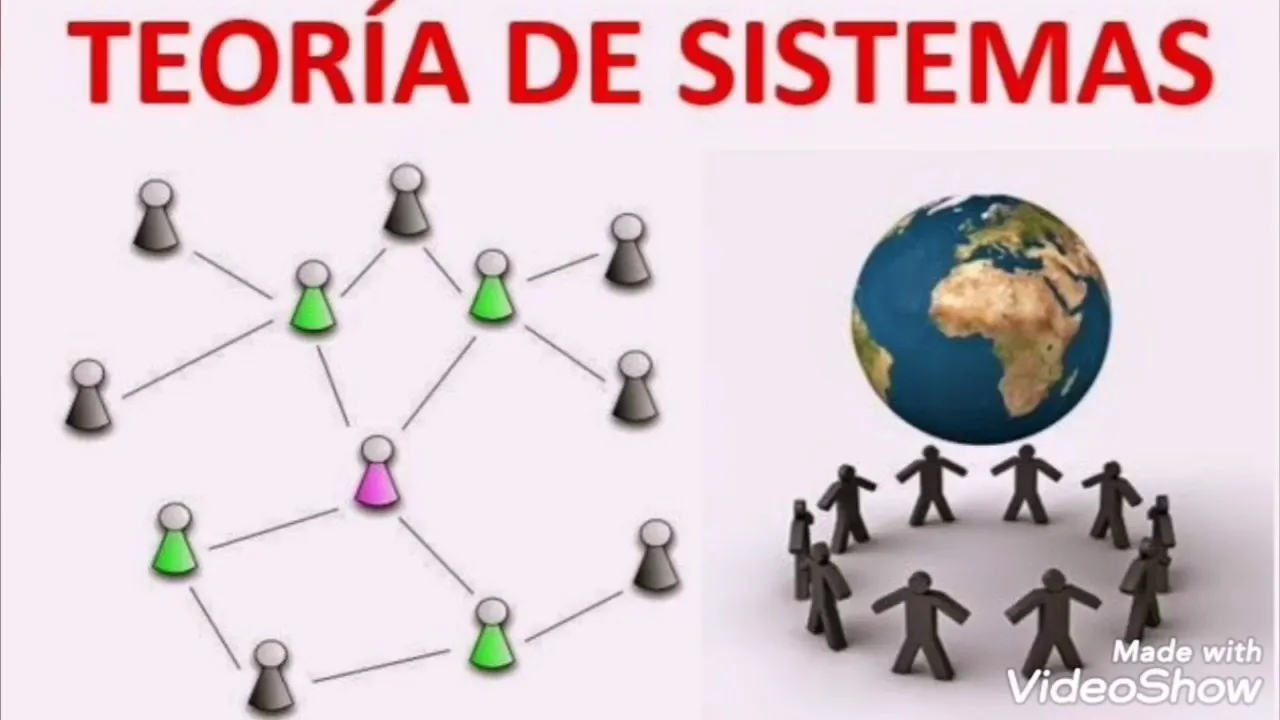
General Systems Theory, specifically the distinction between closed systems and open systems that continuously exchange matter, energy, and information with their surroundings.
The emerging field of Indigenous AI, exploring how diverse cultural epistemologies can guide ethical and non-anthropocentric machine learning designs.
Advanced frameworks in cybernetics and active inference (e.g., the Free Energy Principle) to model how intelligent systems interact dynamically with environments.
Practical applications of combining TEK and ML in environmental monitoring, climate change adaptation, and biodiversity conservation strategies.
Bio-inspired and neuromorphic computing paradigms that seek to implement embodied intelligence principles directly into hardware and software architectures.
416 views9likes1:01:14Original Release: 2021-05-12
[Music] welcome to the mit center for art science and technology's 2021 symposium unfolding intelligence the art and science of contemporary computation cast was established in 2012 with the goal of building and building on connections between the worlds of art science and technology this is the third in a series of symposia the cast has convened since then and as with its predecessors we bring together artists scientists engineers and humanists from within mit and from the world at large to discuss areas of rapidly evolving research and urgent social relevance and defined in that dialogue stimulation confirmation provocation intersection and we hope common purpose at mit cass partners with departments labs and centers to integrate the arts across the curriculum to enrich and encourage artistic collaboration and to provide support to faculty and members of the mit community as they pursue their own artistic practice and or research in addition to symposia like this cass facilitates the sharing of this creative work beyond the institute by producing concerts exhibitions and publications and making them available to the public so thank you for being with us today we hope you will join us throughout the week at virtual events addressing the aesthetic technical and critical issues pertaining to artificial intelligence and computational media we also look forward to seeing you on friday april 9th as the symposium culminates with a live interactive event to which all attendees are invited and which you can join presenters and artists in breakout rooms to explore hidden threads between all that has been discussed this week welcome my name is caroline jones and i'm an art historian teaching in history theory criticism section of the department of architecture here at mit this is my recorded introduction to the first of two sessions on the theme of open systems in the unfolding intelligence symposium hosted by the center for art science and technology this event is also supported by the transmedia storytelling initiative our recorded presentations will be followed by a live discussion and q a i want to thank mellon postdoc will lock it and cast director leela kenny for making this symposium a reality during the long tale of a pandemic assisted by katherine higgins as the open system session producer we will be holding the second part of our session this evening at 5 00 pm eastern daylight time i do hope that those listening might be able to come to both so that we can have the kind of cumulative and collaborative conversation that we so miss from pre-pandemic times please feel free to ask any questions during this webcast on the webpage you'll find links to the entire symposium our colleagues at the list visual arts center are also hosting related events on the future of ai that i hope you can visit we joke about the fire hose of information at mit and this week of events is no exception i want to begin my brief introduction by speaking the words of mit's recently achieved land acknowledgement although we gather virtually the resources and capacities of the institute come from being a land-grant university based on the ongoing occupation settling and colonization of existing people's land mit acknowledges indigenous peoples as the traditional stewards of this land recognizing the enduring relationship that exists between them and their traditional territories the land on which we sit is the traditional unseated territory of the wampanoag nation among others we acknowledge the painful history of genocide and forced occupation of their territory and we honor and respect the many diverse indigenous peoples connected to this land from time immemorial acknowledging the living indigenous communities here in massachusetts is important to me and this evening session will open directly onto questions of indigenous epistemologies of kinship in machinic and earth systems framed in biology as mutualism in our ecologies and algorithms in our machine learning prostheses but this morning's session is quite different i have set our two extraordinary speakers a different charge since they both operate out of northern europe and deal with those cultural imaginaries on a daily basis first let me introduce them briefly and then explain the somewhat challenging charge that i gave them for today's conversation i first came to know laura's van larsen through his very clever anthology networks issued in 2014 but this prolific curator critic has also issued other edited volumes the 2014 phantoms of liberty fundamentalism of the new order in 2018 and two different versions of the new model in 2020.
i sought out artist jenna in 2018 after seeing her extraordinary performance extremophile at the serpentine marathon in which the clean suit she wore served as the backdrop for the projection of an amazing film about our relations and sonic meditations um on our interplanetary relations with extremophile bacteria in 2019 i was thrilled to learn that lars was organizing an exhibition mud muses that would include jenna's work the mederna museum exhibition is named for the composition of bubbling mud that i'm showing you here by earlier art and technology artist robert rashenberg riffing on rauschenberg's expansive and improvisatory aesthetic lars encouraged us to think about technology not as a 20th century thing of electronics and metal or a 21st century thing of algorithms but courtesy of ursula le guin's rant about technology mobilizing her expanded definition of technology as the active human interface with the material world in this case mining mud but in yena's case imaginary magma bubbling inside a series of activated lava lamp glass heads molded from her own countenance jenna then used machine learning to read the random shapes morphing in the heads for several other compositions i'm sure they'll be talking about suta's work has been featured at art museums and contexts internationally including guggenheim bilbao and larsa's show at modena musee and in an upcoming exhibition and edition of e-flux i'm happy that she accepted our invitation to be a visiting artist here at mit despite covid and i'm sure she'll talk about the work she's doing with my physicist colleague marcus buehler in her upcoming conversation with lars the a.i that yanasutala deploys can riff on the chemical and kinetic activity of molecules on their larger aggregation in primordial organisms or on the fluid dynamics of psychedelic wax to get out of the way of their discussion i'll cut to the chase i knew that lars was the right intellectual to draw jenna out on the subject of an alternative definition of ai as alien intelligence from the intelligence the poorly understood gut brain of the microbes that govern our human moods to the intelligence of other than human entities in the universe for me open systems implies opening out intelligence to these different kinds of forms that might be machinically more than human or organically multi-species or cosmically other the question that unites this morning in this evening session is how opening our machinic systems to these questions of alien or more than human cognition really raises the stakes of our fantasies of computers as potentially sentient entities if artificial intelligence so closely modeled on humans is seen as alien instead we have to do a lot more work to figure out how it operates and how it culturally signifies i was inspired by sutado's work with slime molds as models for distributed cognition and by lars's encyclopedic knowledge of popular culture tropes to ask them to consider alien intelligence as prefigured in cold war science fiction which might have been particularly intense and suited as native finland on the border between the soviet union and its nato counterparts if illustrators of h.g wells imagined his martians as spidery or octopoid alien zapping people through electric wires and transformers coming out of their bodies the post-nuclear imaginary of aliens became distinctly humanoid these hairless big-eyed cranial domed scarily sentient aliens appeared during the atomic age fueled by u.s nuclear weapons testing in the nevada desert as well as mono amano with soviet underground nuclear tests in the mutually a third assured threat of biocidal destruction i thought lars was just the person to excavate the bizarre length that i can intuit between eastern bloc cybernetic theorists such as the urban designer branco petrovic whose effluent man of 1971 seems uncannily prescient of our ep like tropes a greenish-white embryonic creatures of unknown intention since lars put petrovic into one of his recent exhibitions he's more qualified than most to talk with jenna about this weirder side of how we model cybernetic modes of future intelligence and in soothless work this feedback looping can embrace slime molds as well as lava heads exhibiting more than human cognitive facilities months ago when i invited them to join this symposium i particularly challenged these profoundly creative individuals to explore the whiteness of ai in the figure of the powerful cold war alien it's not easy to situate jenna's gorgeous crystal heads with their color sorted magma into discourses of wraith particularly when works such as extremophile and hula biont are explicitly engaged with swarm cognition in bacteria that might have 700 sexes and no capacity to be raced at all at least not so far but to invoke the alien in us discourse is to engage the atomic age fantasies of a superior perhaps sinister possibly beneficent but in any case dominating humanoid concepts of intelligence that track with deeply biased algorithms in white favoring tech so while it's not required that lars and jenna unpack this complex for those of us here in the u.s i'd be grateful if they could in their brilliant conversation agree to talk with me about this matter after their recorded presentations are concluded an aid to our discussion might be found in the recent work of artist ryan quo who trenchantly questions the way whiteness functions on our screens as a kind of default subject position his computational works emerges apps websites and occasionally videos shown here is a still from his work okay also pertinent is the fully complex meditation he calls pointer to sum up this challenge to the alienating effects of our ai with a final bit of my own meditation on computation's whiteness i remind you that the pointer finger originated in the animated glove pan of mickey mouse from early american cinema itself a remnant of the live minstrel show in which fight white performers appropriated black song and dance this in turn became the cute little pixelated hand of another kind of mouth only 50 years later the navigational computer mouse whose clicks and drags are now harvested by ai from our networked computers yana sutala by moving to the radical alternative bacterial movements to train machine learning obviously avoid the algorithmic bias built into human speech recognition and not to mention the racial bias built into facial recognitions incapacities and homophilies echo chambers creating software to construct martian glossolalia and a beautiful illegible script from divinings of microbial movement and machine learning sutella's take on the whiteness of ai may well intend to skip the cultural baggage of human imaginaries altogether seeking the absolute open system of a planet not our own let us turn the screen over to lars and jenna for their conversations on open systems and i'll rejoin after the end point so that we can take questions and have a discussion with you the audience thank you thank you caroline and thank you for the invitation to here at unfolding intelligence i'll just say that for our conversation and the sienna knows i framed my questions to a work around the simple genealogy of western esoteric counter cultures so my questions take the starting point and elements of witchcraft spiritualism and psychedelia that can be found in guinness work and research [Music] now esoterica can be broadly defined as embodied other knowledges and knowledge of others or as embodied other intelligences and intelligence of others and that's including more than human others of course whether they're ghosts or aliens or more abstract entities such as fields of energy and other imperceptible agents and arenas of being it's in this sense that haunting has become an indispensable attitude to history cultural theorist carla fraccero writes that quote to assume the perspective of the ghosts foregrounds the imperative issuing from the other in the labor of the historian unquote so a historical space that is haunted by a dramatic and violent past can be opened up until days that potentially refashion social relations and what we think we know [Music] um it must also be said that what i broadly call western esoterica also has proven to be politically unstable and ambiguous esoterica tends to bring institutional chaos with it and certain forms of it has historically been employed to legitimize oppressive regimes so our conversation on open systems and on vienna's work revolves around what you could call political ecologies of historical knowledges that have that were or are inimical or marginal to the modern constitution from the others point of view and our conversation will deal with the techniques that have been employed by counter cultural groups to produce system errors in the program of western modernity often by memes of what gloria and valdour has called spiritual activism [Music] witchcraft spiritualism and psychedelia are counter traditions within empire they are not situated outside of empire but at its limits and as such they can be tested against the principle of epistemic disobedience that walter mignolet sees as a prerequisite for decolonization we'll start with witchcraft and there is a web of patriarchal domination that connects the development of capitalism colonialism and the repression of women in her amazing book caliban and the witch from 2004 silvia federici shows how primitive accumulation took shape in the middle ages in the form of the capitalist orders colonial expansion for the purpose of building an entirely new economy in the so-called new world an expansion that was combined with the subsumption of women into the social reproduction the witch hunts in europe implied a continental famous eyes and with this the eradication of other knowledges which women as carers and knowers of communities had been primary carriers in this way patriarchy demonized witchcraft as a gender transgression into the realm of the more than human magic remedies were means of such transports thus in 17th century denmark witches farmer copaya included fecal pancakes with which you could supposedly transfer vitality from a healthy person to the weak and ill and this act of consuming thesis was of course considered an attack of on the values of the lutheran church but it can also be seen to represent an entirely different organization of the relation between the human and the more than human and jenna is from you that i have the story of danish fecal pancakes i know that previously you have worked with god machine poetry but equal pancakes how do they factor into your work yeah so i've been really curious about that particular piece of danish history and the pancake remedy which feels closely related to fecal microbiota transplants a form of bacterial therapy that i've been studying as part of my residency at mit and yeah as the story goes there was a case of witchcraft reported on the island of bornholm in 1679 where a pancake had nearly poisoned the farmhand and the court documents reveal that at the core of this case was actually an attempt to cure a sickly child by transferring crafter or vitality from another healthy child born at the same time and the transfer was to happen through pancakes made from the feces of the healthy child in the size of a hen's egg apparently unfortunately the pancakes didn't work to cure the child and they were accidentally fed to a farmhand who then reported it and during the trial it was revealed that this practice had been common to the region in earlier times and i've also read about an even deeper history of fecal transplants in 4th century china for the treatment of food poisoning anyway what i'm mostly interested in are the possible mental health benefits of such bacterial therapies the connection between the microbiome and our thoughts and emotions the ability of excrement to cure depression in particular and it certainly feels like some kind of a circle is closing when the most prominent method methods for treating depression seem to be excrement and and ketamine at the moment and another suggested method is to breathe uh mycobacterium vaccine from the soil while gardening anyway i'm fascinated by the fact that we're more bacteria than so-called human cells as as donna haraway put it to be a one at all you must be a mini in my work on the gut brain axis i'm exploring this kind of multiplicity as an alternative to individuality also the idea that through fecal transplants or pancakes we can accommodate the bacteria of others i really want to celebrate our commingling with bacteria and human bodies as connected environments um i've encountered some fascinating projects at the at the campus uh stool based biobanks and that focus on collecting and preserving the biodiversity of human gut microbes for future generations astrobiologists studying coprolites sewage epidemiology and and this sort of stuff um right um we should go on to spiritualism because in uh in spiritualism in 19th century spiritualism there is a history of [Music] automation that that is hidden in there you could say so spirit mediums especially young women were understood to be capable of entering into contact with the spirits of the dead the medium was a channeler a receiver of messages from the other side as it were messages to be broadcast to the living and in this way the the medium was seen as a telesubject to put it like that someone with enhanced connectivity this idea of the medium as a conduit between worlds led to practices of automatic writing in which the conscious subject takes the backseat and supposedly allows for someone or something else another intelligence to to take control now as an unholy mix of science and religion spiritualism had an affirmative relation to new technology so for instance in 1854 there was a group of spiritualists who petitioned the u.s congress for funding to develop a so-called spirit telegraph and that's a kind of super powerful telegraph for communication with the spirits of the dead they didn't get the funding i can reveal but there's congress for you isn't it um but now you know your work nimiya city i i guess it's pronounced is based on the 19th century swiss medium helen smith's automatic rising and oral transmissions which she herself referred to as communication with martians in martian language so in a non-human alien language for this project you collaborated you could say with the wonderfully named bacteria bacillus subtilis which is found in the human gut but it's also been taken on space flight to mars to test the limits of life so in your work anemia or anemia setting an ai generated a script based on observations of the activity of the bacteria and a neural network trained on your voice produced sound to match the configuration of bacteria over time the machine learning process developed a language of its own and became capable of writing and just to explain you recorded with your own voice whatever you could find of smith's writing does interpreting or bastardizing smith's martian language with your own voice and this was used to teach the ai yeah so my question the media cci is why do we need an entirely new language or for which new community do we need in the in the words of uh madeleine jeans and arakawa we must forget language and all those mechanisms that structure us via the world and so stutter our way to divinity and a lot of my recent work has been interfering with language or trying to sense the world in some other way um that's because i find it difficult to truly collaborate with life forms with which we don't share a language and and yet i'd like to do just that that um my friend k allied mcdowell recently wrote the book uh pharmacoai together with openai's neural net language model gbt3 they describe the writing process as experimentation with a language ecology that's not limited to human meaning and i really relate to this type of linguistic project thank you [Music] time is running i can i can tell we should we should jump to psychedelia which another topic that's on the edge of the symbolic order [Music] and this this concerns your new project wet on wet which is a collaboration through mit center for art science and technology here you work with the material scientist marcus j buehler who has developed a method for expressing molecular vibrations in audibles and of course vibrations or the vibe was an archetypal probe of 60s counterculture as we know from the beach boys song about good vibrations but together with beulah you've compiled a sonic toolkit for amplifying the waves of emotional molecules in domestic waters and this is inspired by masaru emoto's idea about what the blueprint priority and how different emotional energies and vibrations can change the physical structure of wet on wet sounds like hydro feminism that meets speculative materialism in a kind of nano synesthesia the theorist steve goodman has said that human audition is a fold on the vibratory continuum of matter so human addiction is not isolated to one modality one kind of perception but touches other sensors and induces other material responses um to begin with could you just briefly explain what are these emotional molecules that you work with so marcus and i work with seven molecules the lavender bonding hormone oxytocin the neurotransmitters dopamine serotonin and norepinephrine the energy carrying atp a growth factor and an antibody and yeah the first outcome of the project will be a video where one can hear and see visualizations of molecular vibrations that are resonating in this kind of waldorf style wet on wet painting that i have been doing for block down meditation and the sonified molecules are imprinted on the surface of water using an acoustic transducer additional patterns are generated by a neural network that has learned from the molecular ripples and and is now seeing them everywhere um yeah and you refer to the the domestic orders and since the work will initially be presented online and experienced at home i'm hoping to make it more tangible or felt by encouraging people to amplify the presence of these so-called emotional molecules in their domestic environments through programming the molecular vibrations into water for yeah painting drinking cooking bathing fermenting farming watering plants etc one will be able to do this by taking a thin glass vessel with a small amount of water inside and placing the vessel on their mobile phone while it's playing the sound of a molecule in the video and the idea comes from masaru emoto's experiments which you also refer to among other esoteric practices around water memory or dosing water with spiritual potentials the topic of sonifying microscopic even nanoscale phenomena is very interesting to me um observing life by listening instead of only looking um marcus will actually join me in a breakout session tomorrow to talk more about his method before i met marcus i had also been in discussion with physicist jim jamsevsky who's known for his work on sonocytology at the ucla and particularly for the screaming east uh that's um that anthropologist sofia roos who i also met here on the campus has written so well about um jim cevsky is basically using the tip of a microscope like a needle on a record and and the record so far has consisted of yeast cells great just to uh to get back to the political ecologies i have a long difficult question um again my my starting point this is the idea of of of the vibration or yeah the good vibration because in 60s counterculture the the vibe was conceived as something more than audible right it was uh the virtuality of the tremble that had to be picked up as it were more than heard actually so so for those who were tuned in and experienced and in the know the vibe was conducive to a special kind of fluid subjectivity that could open up to any becoming any transformation supposedly uh so in relation to what on west this is something that you that you link to you you conceptualize through a discussion of oceanic feelings as a sense of oneness with the world or a limitlessness so on a neurochemical level you point out and now i'm quoting you this feeling quote is triggered by the love and bonding hormone or citizen the oceanic has the potential to unsettle subjectivity it can be a point of departure for new social and political models that do not rely on discrete selves on quote so i'm wondering about the oceanic as a political concept already freud was troubled by the identification of religious feeling as something limitless what if you don't feel part of this indissoluble bond of being one with the external world you wrote and then and then in the 1960s as a historian of architecture felicity scott points out counter-cultural claims to oceanic feelings operated not as the welcoming of strangers but at the expense of politics so if we follow freud and felicity got the oceanic feeling rather undermines political encounters uh at least political encounters that are premised on self-conscious decisions this can be contrasted with that part of 60's counter culture that wasn't premised on oceanic universalism namely the black power movement that rejected the idea of universalism and instead advanced the claim of particularism today theorists such as jane bennett and pono latura and others are perhaps more on the oceanic side of things for instance when jane bennett emphasizes distributed agency and what she calls the pop public as the product of conjoined action [Music] so my question is you know why do you use the concept of the oceanic and how can we use this concept today without falling into the traps uh outlined by freud and missed by the hippies and and how does the oceanic translate to to current political concerns and and concepts so i've been focusing on inter-species alliances and and rethinking humanity in a material and worldly setting i was always inspired by uh geologists diana and mark mcmenamin's idea about the hyperc according to which terrestrial organisms are bonded by their commingling body fluids and that together form a sea through which other organisms and nutrients can move and similarly astrida naiminis writes about the flow and flush of waters that sustain our own bodies but also connect them to other bodies and to other worlds beyond our human selves i i'd like to think of the oceanic as a common identity that can help us act together for them advancement of collective and also beyond human interest and of course we should work towards distributing the future evenly both socially and environmentally speaking and and finding university of unity in diversity or the particularities that you mentioned um i remember this lecture by rossi freitas in castel some years ago um where she asked since when was human and all-inclusive category and and continued that she'd rather run with the bacteria right at the unpacked the kind of over-inflated image of human as the measure of all things pointing out how even the concept of post-human fails to really stand for post-power post-class post-gender post-race and she called into question how that which is which is human depends on a process of exclusion and that we were not all human to begin with great thank you i think that's a a great note on which to finish and i guess our time is up now as well i'll see you in the discussion wow that was fantastic um i wish we were in the same yeah i wish we were breathing the same molecules but we're having to transduce ourselves through a comprehensive set of algorithms running lars over zoom vienna over the web interface i don't know where i am i want to just hone in on this beautiful place that you ended us with jenna and you know could could ai yeah could we possibly turn this human-addled biased set of algorithmic languages um and machine learning protocols into some sort of oceanic connector i mean that this is the this is the task in some sense of the entire symposium what are the promises of ai what are the perils of ai i chose to highlight your engagement with the ai as alien but it is this incredibly powerful connector for you in your work so maybe maybe you could help us think about that as your own very creative problem and very creative process how do you engage the machine learning algorithms as both alien and as both connecting you to others uh yes first of all i didn't manage to give my thanks in the recorded session so here it goes thank you caroline for the invitation and and thank you cast for having me as a president artist and and happy to be talking with you lars and caroline today live um yeah so um a lot of my recent work explores these kinds of um ghosts in the machines of our creation um for example the the the so-called black box problem in machine learning means that it's sometimes hard to explain how an ai has come to its conclusions so and on the one hand the work such as nimiya seti or imagma is about getting in touch with the non-human condition of the computers that work as our interlocutors and infrastructure but on the other hand it's also about the computers escaping their human origins and and getting in touch with themselves and the more than human world around them so so i've i've been exposing the the machines to bacterial movements um randomness in in a bubbling kombucha tea culture which consists of of this symbiotic colony of bacteria and yeast or most recently ripples based on vibrations from the sounds of molecules so i guess there's this sort of idea about um could machines have some sort of embodied cognition because i've been like caroline also mentioned or you mentioned in the introduction um i've been looking into the microbiome or the the composition of microorganisms living in our guts and and their effects on our our thoughts and emotions so so i somehow wanted to move some sort of thinking from this territory to to the realm of machines as well um and i'm not sure if i'm fully answering it was a big question also about connecting i think it's i think there are many questions and we can just keep keep going with them i mean lars brought so many beautiful writers to all of these questions he can probably also jump in with some references for us but um i love the black box problem and when i wrote a question to start us off i was actually thinking of a computer scientist judah pearl who tells us we should be frightened because the place that machine learning has gone with so-called deep learning where it where it teaches itself is no longer comprehensible to computer scientists in other words they see the outcome but they don't know as scientists how to trust it because they no longer understand the steps the machine took to get that answer right so for computer science the black box is a very serious place of anxiety um and it's also a place of science fiction the singularity you know the machine general intelligence is going to happen and so on what i love about your responses and and your processes is that they come down to these quite specific projects of translation where you're actually interested in the alien operations of the machine you know in in what what patterns it will find that are different from the ones ones you can so i i i mean i encourage lars to come in on this idea of the black box and particularly lars with the provocation at the end which is where you know how do black boxes relate to black power so you know the um the black community is very actively rewriting algorithms right and they're very dedicated to uh putting human difference back in something like a sentencing algorithm which is supposedly determining on the basis of past patterns whether that human should go to prison or not right so in other words it's a very active social area of programming and yet for engineers the black box is supposed to be you know absolutely neutral and objective so by by by applying the ai to some sort of fluids you know you're insisting on ai as a way of connecting between difference anyway so i'm just surfacing this massive tangle hoping maybe lars can start us off with untangling it thank you caroline that was a big arc you would think yeah but but uh i think your question is part of about you know how to connect uh through something this also does uh that's a problem of mediation well that's that's where many of these questions last obviously to uh to start and like you did yourself when you introduced in the 20th century i think the uh the the four of the black box uh is is the rough it's it's it's measure of the mainframe or is these uh uh it's not close to what we eat we are getting right now we are getting a kind of a total word salad a word salad made out of the garden the cybernetic garden you're trying to conjure for us um i wish we had you know i wish you could like type some of these uh apisu for us because we're we're literally kind of getting every third word which is the machine's decision about what we should be able to hear from you but it's all good it's all good we're starting to get some some questions from um the audience and i want to bring those in too because those are those are precious parts of our community so one question got named so i'm just going to tell the audience that like they get farther if they put their name on it so matthew richie who's also part of this symposium says proposing a division between the oceanic or immersive in the particular seems to miss out on the concept of the coastal community bridging the space between the particular and the commons through highly localized technologies and practical edge farming practices so the the the question coming out of that comment is can we find an ethics on the technologies of edges i don't know where you want to take that poetically but that's that's the question you know that's also a sculptor's a sculptor's question yeah so you know you've made you've made different kinds of edges for slime mold to navigate and then there's of course a disciplinary component because they're the edges of disciplines that we might try to dissolve in any case that's matthew's contribution to the conversation and perhaps this somehow goes back to the the particularities that that we were talking about with with lars as well if i if i understand the question right that it's [Music] about things not fully blending in but also appreciating the the edges or particularities if i if i understand it it writes so for example like um i'm not sure if this is going into the the right direction but but i was i was thinking how um um with this with this idea of the hyper c or being connected aquatic environments uh uh through our bodies um and and and wanting to be kind of a good good host to say the bacteria that that live in us and move through us and live in other bodies and and so on but uh we should also think about for example the the the network the the human and and and more than human network that that this that we really need to host to and and to consider the most uh efficient ways to to sort of uh benefit different kinds of particularities and and uh and different cultural bacterial and living conditions um some of them uh compromised um yeah so so i i just kind of read this question i don't know if i'm really going into a totally other other field that may be kind of similar to the into species relations that i've been dealing with the the survival of the fitness narrative won't do also in in even human relations or or yeah so i think that you know the oceania i think the oceanic which is a metaphor that um that you offered us is proving to be really stimulating for the crowd and we just subtracted lars video in hopes that it'll strengthen his bandwidth here um but but will lock it who's been the melon postdoc helping us you know conjured this entire symposium will wonders about how kaia silverman you know media theorist sees the oceanic as a kind of um useful analogy uh that also brings us into an affinity uh with the past that might be problematic but will wants to take this in a more generous kind of hospitality direction that you're now suggesting is is our ai more analog now in its kind of receptivity to human impulses and intuitions and can we render it thereby more susceptible to some of our troubled pasts and some of our troubled relationships to our past can we make it more permeable uh to its own biases that we've baked into it might be another way of putting it and lars we can't see you but if you have something to say just blurt it out wow we're hearing little bits of you hello hello no i'm not coming through we heard hello hello and yeah you still hearing you're still picking up yes we've got our ocean the oceans between us are proving extremely non-communicable communicable but maybe jana you want to pick up will's question about whether whether you experience ai i mean you've had quite a bit of artistic engagement with machine learning and with the computational as metaphor and as technology would you would you say that you're finding a little bit more permeability now to this interface that might make it more open to some of our own troubles and differences um certainly i think we should should thrive to our strive to that end and and i'm uh hopeful in terms of uh art uh giving some space to these sorts of experiments and and the possibility to to feed in uh critical also useless content uh to the these intelligent machines um and i've certainly been surprised by machine learning algorithms in the the recent years uh this this this black box that that we've been talking about i i feel if even though i knew what i fed into the machines it's always been the results have often been eerie strange something that i didn't expect i've often i've also been in this kind of poetic troubles of having to dumb down the algorithms because otherwise they would become too boring because they're too uh too smart so to say or or they see world to to clearly too much like us um things like this but but uh but but i'm on my own behalf at least i'm trying to use my my position and and the possibility to use some of these machine learning algorithms towards making some sort of useless strange cuts in there or or inserts you should say probably yeah well i love in your work how each project wants to be applied in multiple forms with phone interfaces and you know a video and possibly you know something more immersive so maybe you and lars might have some thoughts about the you know post covid the kind of the spatial interface with the kind of vibrational ai that you're now exploring the vibrational machine learning that you're now exploring in wet on wet do you you imagine a real-time interface of that with with a person in their kitchen with some water and an iphone hopefully not directly in the iphone but you know some kind of mediated uh interface is that something you'd want to just forecast for us about how you see that work going forward and whether ai gives you permission to do some of these uh stranger things with these molecules that marcus wants us to believe in [Laughter] uh certainly hope so and and um and as as far as the the multiple media of the work and and especially at a time like this when when a lot of work thoughts uh emotions somehow need to be channeled through online interfaces uh via via machines and and and so on i try to find ways to to use for example sound is a pretty good medium in that that those terms that it travels travels uh well uh through wires and and and still can create a very rich experience um a very emotionally and and embodied experience in the the receiver and and i've been thinking about all these uh home rituals like for example the the sort of programming the esoteric programming of water with this uh vibrations or or molecular frequencies that we've been working on with marcus oh i hear your larynx sorry i didn't mean to interrupt you no come on we've got about we've got about five minutes left in the discussion and if we can hear you lars i'd love to have your thoughts a lot of the commentary is coming in muhammad abboud wonders about you know the machinery of code structuring whether you ever get into the black box you know uh with regard to randomness or not randomness whether that's a level of attention that you have and then just to get some of the last questions in the room the virtual room jennifer leung wants to think further about the whiteness of ai you know um there's a lot of thoughts about medicalized exclusions in the u.s as covid rolls out so very very differently in our you know highly disparate society in any case the traditions of other cultures is something she responds to in your work with the you know the yellow soup from china um so anyway those are two very different questions how inside the black box do you as an artist want to get and maybe lars if we can hear you you'll tackle this other question about whether our machinic algorithms can expand to include these these other traditions in these other epistemologies which bridges to the afternoon session as well can we hear you can you hear me am i going through can you hear me all right well i think i just to start with the black thing i think it's significant that andrew pickering also speculative basics and of the unknowable uh because things are pickering relative cybernetics is always getting on in an environment and since uh cybernetic the the communication and uh that's privileged by is the feedback loop then feedback loop you are always producing data uh and they do so constantly and not know you can never know final outcomes so these are pro that are running index as we know and in the in the world view of speculative cybernetics everything is networks um the the isn't that the human brain is the network it's got a and from and from recent science so i i think that this idea of cyber as the quality of the unknowable and the great winter that lies in that um isn't uh is is an important image of figure to uh uh to contrast the idea of the black box it's a way making the blacks um that's i guess to what talking about when she talks about what was it just said use things that you uh produ your work which is a is a very humble way of putting and then there's the network and the two different kinds of two different of the unknowable thank you for that i think we got the gist so andrew pickering the epistemology of the unknowable great places to end uh we're just going to pull out to the big picture on the symposium as a whole and direct our fellow participants and audience members to come to the department and and and say anything about um you know your your breakout session tomorrow and who else will be there i think i think you'll be with marcus maybe in that session yes so we're gonna speak about the wet on web project uh in particular with marcus so more about that tomorrow and hopefully some of the audience today can join join that discussion as well and hopefully the connection will be a bit better um [Music] yeah well i think we can i think we can all embrace the very glitchy aesthetics that came out of our encounter because really our open systems included a lot of randomness and a lot of noise which is in the spirit of our so sure that celebration um i'll hope that maybe you guys can uh come to the afternoon session with jason edward lewis and megan frederickson where we're going to be talking about how megan as a biologist uses ai to to parse genomic relations and how jason sees the possibility of kinship with machines thank you you
Up Next
10:32
Fairness Metrics in Machine Learning: Equal Opportunity & More
@adataodyssey
8.1K views•2023-07-30

57:48
Secure Multiparty Computation (MPC): Foundations & Challenges
@SimonsInstitute
7.3K views•2015-05-28
13:03
Bypassing Tor Censorship: Bridges and Pluggable Transport Guide
@Coding_ForEveryone
397 views•2024-06-11
18:41
Neural Networks Explained: Math, Layers, and Learning Fundamentals
@3blue1brown
21.9M views•2017-10-05
Related Study Plans & Knowledge Roadmaps
Structured learning paths in Artificial Intelligence
artificial-intelligence
Aligning LLMs: DPO, TRL & Custom Datasets
01Foundations of Python & Machine Learning
02Transformers and Large Language Models (LLMs)
03Aligning LLMs: SFT and RLHF
+ 3 more learning modules
24h6 modules
Explore Roadmap
artificial-intelligence
Federated Learning: PyTorch, Flower & Privacy
01Python & Machine Learning Foundations
02Deep Learning Basics with PyTorch
03Introduction to Federated Learning
+ 2 more learning modules
35h5 modules
Explore Roadmap
artificial-intelligence
Securing LLMs: Guardrails AI & NeMo Gateway
01Introduction to LLMs, Python, and APIs
02Understanding LLM Vulnerabilities & Threats
03Defending LLMs with Guardrails AI
+ 2 more learning modules
15h5 modules
Explore Roadmap
artificial-intelligence
Building Recommenders: Two-Tower & Vector DBs
01Foundations of Python & Machine Learning Basics
02Introduction to Recommender Systems
03Deep Learning & Representation Learning
+ 3 more learning modules
75h6 modules
Explore Roadmap