





![[알릴레오 북's 16회] 자유의지냐? 운명이냐? / 운명의 과학 - 한나 크리츨로우](https://i.ytimg.com/vi/hTYZF_6xt_M/maxresdefault.jpg)







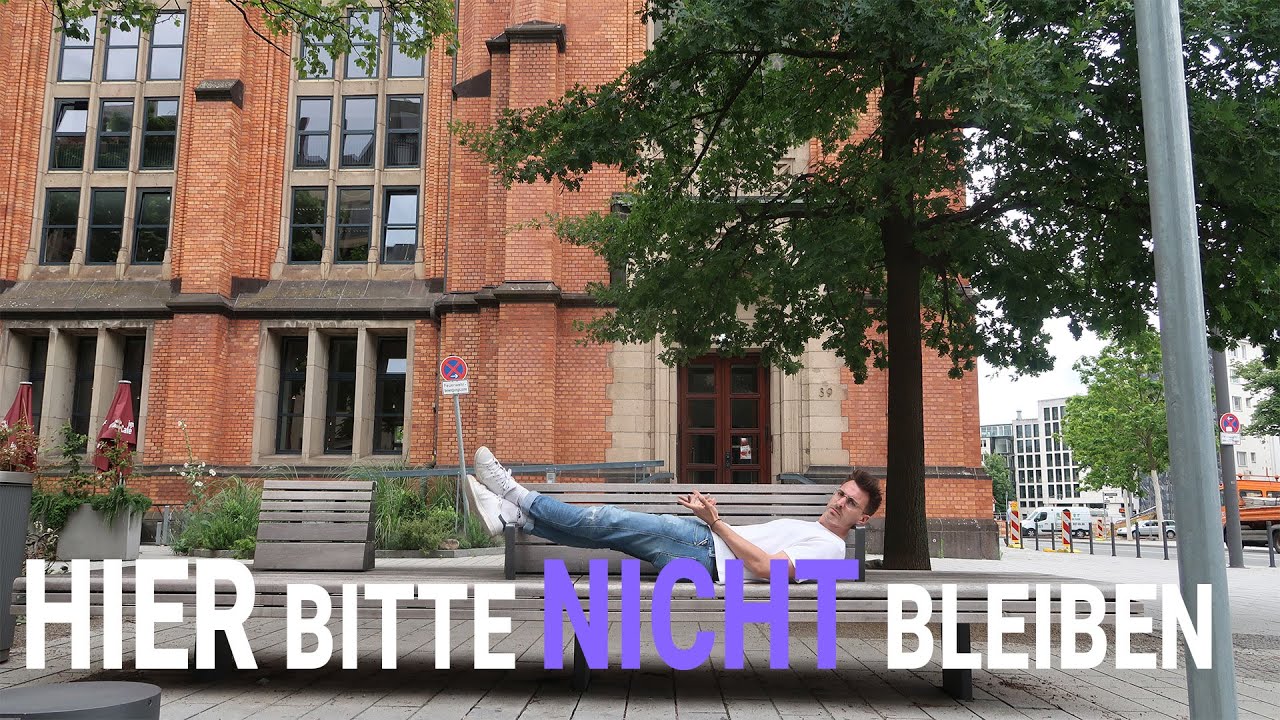
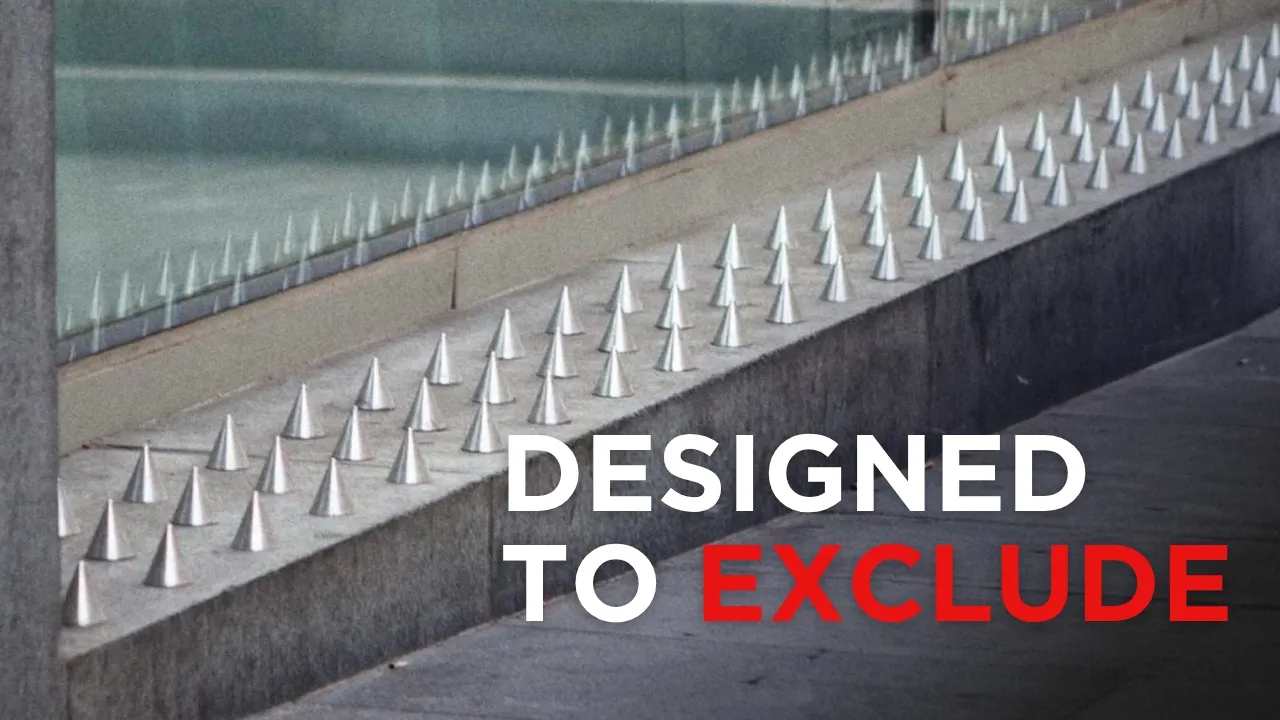


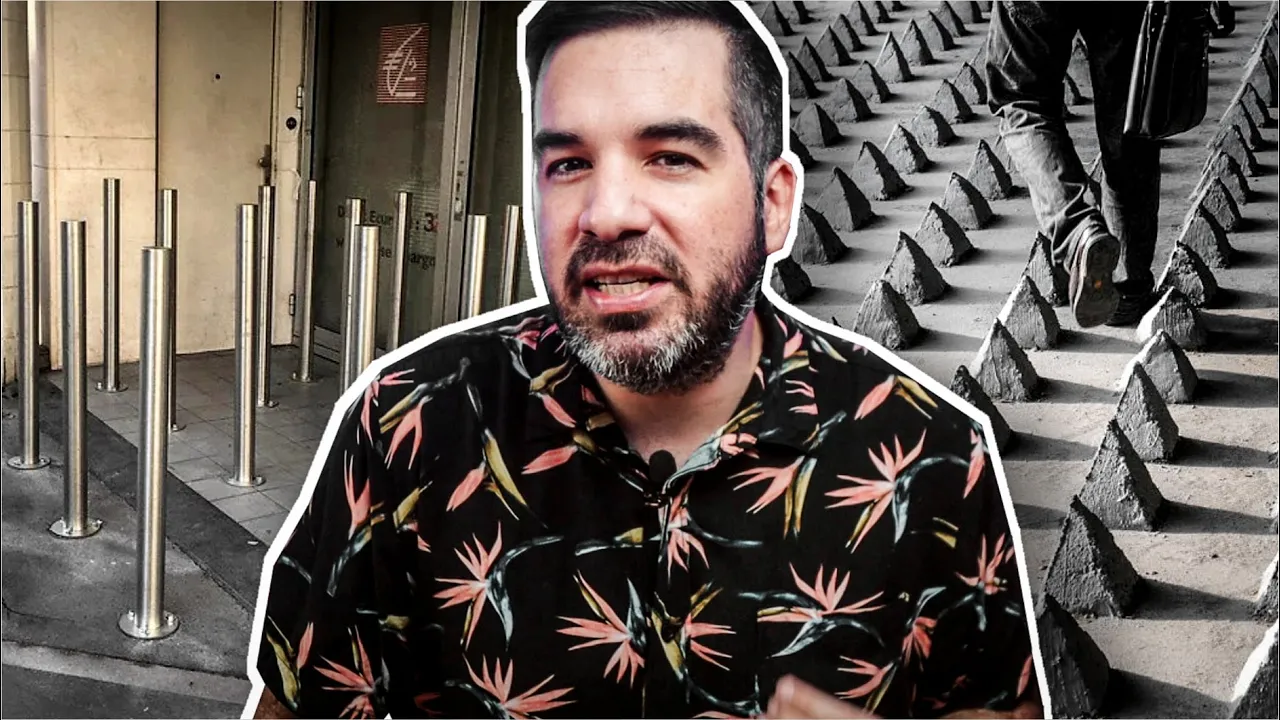











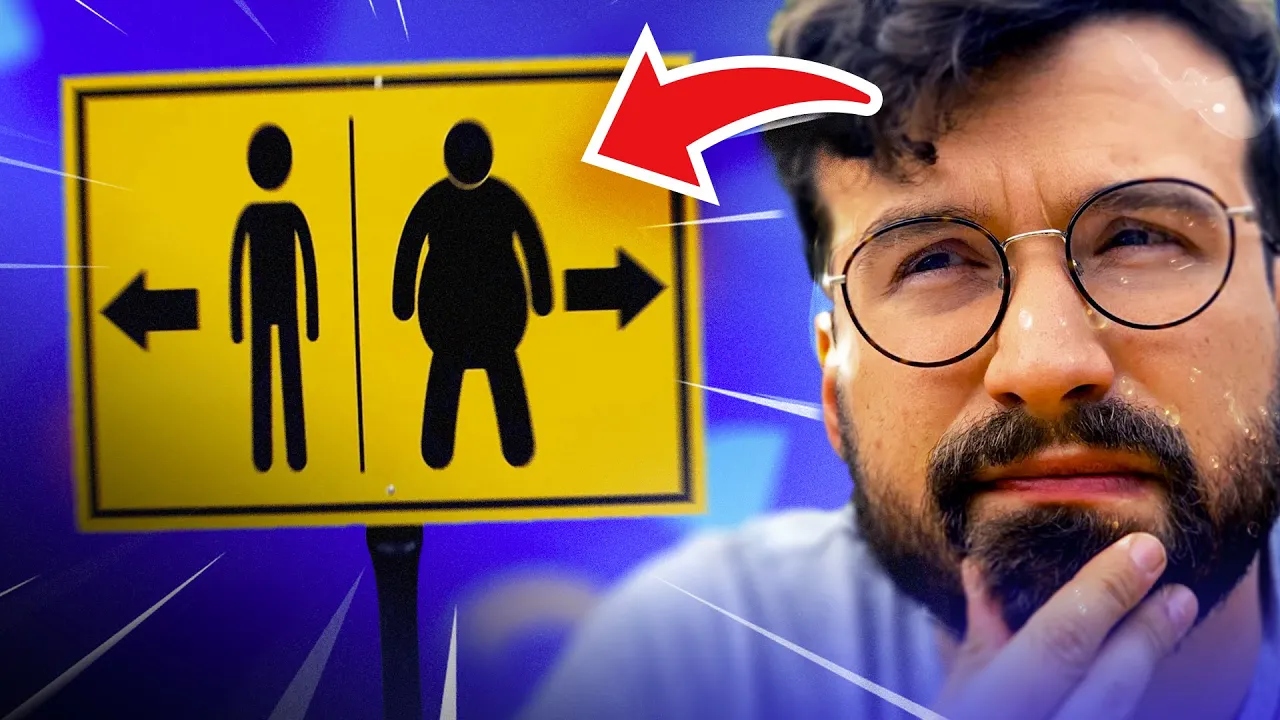

Cities employ subtle design elements to influence citizen behavior without overt enforcement, including armrests on benches to prevent homeless individuals from sleeping, fake security cameras to encourage self-regulation, empty police cars to create perceived surveillance, anti-homeless spikes under bridges, small trash can openings to limit waste disposal, anti-sticker covers to protect municipal advertising revenue, uncomfortable half-benches to discourage loitering, thin sidewalks to promote driving over walking, bizarre benches designed by social scientists to minimize sitting time, and metal studs to prevent skateboarding—demonstrating how urban infrastructure serves both practical and behavioral control purposes.
Urban Design Tactics That Shape City Behavior
Added:Basic principles of urban planning and the historical evolution of how public spaces are structured.
Fundamental concepts of environmental psychology, specifically how physical surroundings influence human emotions, cognition, and social interaction.
The concept of 'Nudge Theory' from behavioral economics, which explores how choice architecture can influence people's decisions without coercion.
An understanding of the distinction between public, private, and quasi-public spaces in a city.
An in-depth examination of 'defensive' or 'hostile' architecture, including its socio-economic impacts on marginalized populations like the unhoused.
The ethical implications of urban engineering, debating the balance between civic order, public safety, and democratic freedom of movement.
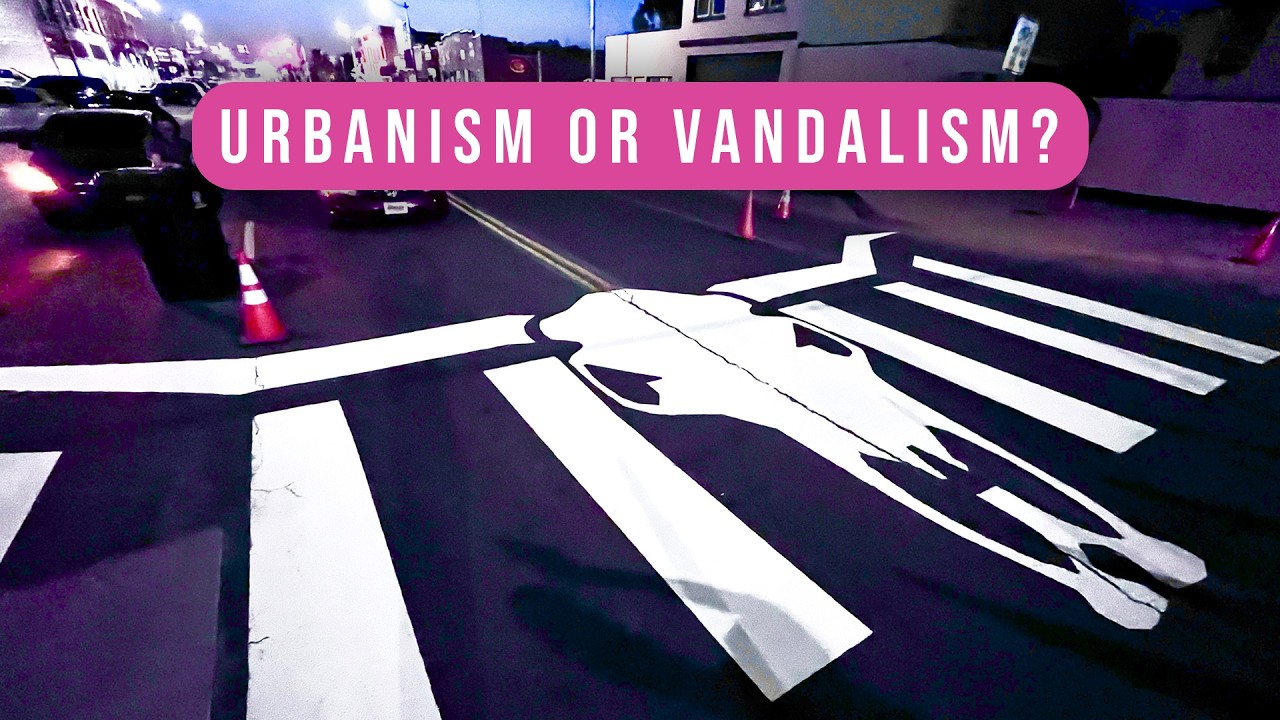
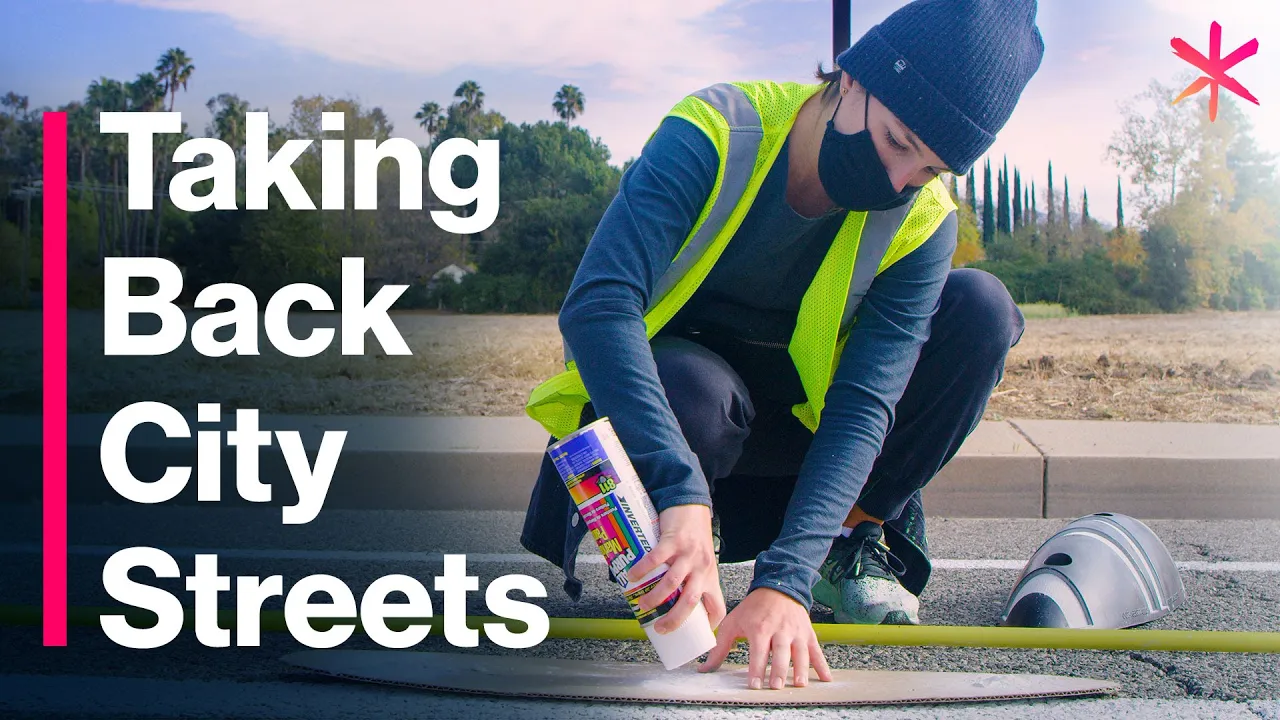
Tactical Urbanism and citizen-led design interventions, exploring how communities can reclaim and modify public spaces from the bottom up.
The future of behavioral design in 'Smart Cities', where digital surveillance and real-time data integrate with physical architecture to guide human behavior.
3.3M views27.3Klikes7:37Original Release: 2017-02-03
[Music] hey guys what's up it's Charlie here and today we're going to be looking at 10 sneaky ways cities control your behavior so cities can be fun and interesting places to visit or live in the city has a tough time making sure everyone asks how the city wants so these are 10 of the sneaky techniques they Ed to control you without you even knowing so guys be sure to like the video and subscribe and comment I subscribed and I'll try to reply to all of you so coming in at number 10 we have armrests you know when you're out in the City and you get tired and want to sit down but all of the benches are very restrictive and they don't give you much space to sit down because most benches in cities have armrests and while you might be thinking that the city does this so that you can be more relaxed and more comfortable well the city probably wouldn't spend a ton of money putting these metal armrests on every bench just so that you guys can have a bit more Comfort the real reason they put these in is to stop homeless drunk or tired people sleeping on them which is a lot more Sinister so the armrests on benches have nothing to do with comfort and now you know it's just to stop homeless people sleeping on them kind of harsh if you think about it next up is fake security cameras if you guys live in a city you know there's hundreds of security cameras everywhere even in bizarre places and it can make you kind of paranoid because everywhere you go you seem to be being watched and with the thousands of security cameras around you probably wonder who's watching well a lot of the time no one that's right around 40% of all security cameras have no one watching them because they're fake studies show that people still behave a lot better just by knowing security cameras in nearby and because it's so easy to buy a fake camera that looks real the people who are being watched have no way to know which cameras are real and which aren't and the reason cities are doing this is to cut costs because security cameras can be expensive as they require buying setting up a wiring a person watching what they're showing electricity and maintenance costs so don't be too paranoid guys or maybe you should in fact there's no way to tell next up we have empty police cars when you're in a big city it's no surprise that there would be more police cars than in a small town or Village but have you noticed that a lot of police cars in cities are empty and it's not because police are working extra hard solving a lot of crimes cities actually tell police to park cars up and just leave them there to make people think that a police presence is more prominent and make them behave better so people will be thinking that a police officer could just be around the corner when in reality they probably just parked there a while ago and are somewhere completely different and while you might think who even notices police cars anyway well this really does work and areas who have tested this have reported significant drops in crime so next time you want to rob a bank but there's a police car nearby it's probably just a decoy so go ahead and do it actually my lawyer just called me and told me to retract that so forget that ever happened next up we have spikes if you ever look at the ground in a city you've probably noticed these metal spikes and wondered what they were for and while a lot of people believe they're just decorative their purpose is very similar to the armrests it's actually to stop people especially homeless people sitting and sleeping there in London a very classy department store called selfridges came under Fire for putting these in front of their store and forcing a lot of homeless people out of the way just because they didn't want them around and they got so much backlash for this that they had to remove them but it's not just classy stores that use these cities install these under bypasses and bridges to stop homeless people taking Refuge under them and while these spikes are very uncomfortable to sleep on they're usually quite blunt however one apartment was forced to remove their anti-homeless spikes because they were so sharp and they were a danger to the general public let alone anyone actually wanting to sleep on them next up we have small trash can openings have you ever noticed that putting things in trash cans in cities can be a real pain because they even have apps or very small openings well this isn't a mistake or design flaw it's actually to make sure that people only put small things in trash cans and there are two reasons for this but they're both about saving or making money firstly if trash cans get overfilled in cities it means they have to pay people to empty them more frequently and if they made the trash can openings big then people might start getting rid of really big things in them and most cities charge a lot of money to collect these things and take them to scrapyards so next time you can't fit something in a city trash can just know it's making the city a lot of money next up is anti- sticker covers since the 1970s it's been a popular Trend to put stickers on lamp posts and while this can look pretty cool sometimes cities see it as vandalism and don't want people to do it so to prevent this happening a lot of cities have started putting covers on lamp posts and traffic lights with a non-stick material so that people can no longer stick stickers on lamp posts but the main reason that cities do this is actually yep you guessed it money advertisers pay cities thousands of dollars to advertise all around the city and lamposts are often used illegally by companies promoting their services because they stick up posters advertising their business for free so to combat this many cities especially in Asia are now introducing these covers and so far they've been pretty successful so don't be surprised if you see one of these lamp poost covers coming to a city near you but next up we have half benches so you've seen benches with armrests to stop people lying down or sleeping on them well these benches called half benches are even worse they give you something to lean on but you can't sit on them let alone lie down and while one of the reasons they make these is similar to the armrests which is to drive homeless people away the other reason they make these is to prevent people from being there too long because cities don't want you to loiter around or relax they want you to keep moving some cities even install these in busy shopping areas so that people are forced to walk around and spend more money rather than sitting down and not making the city's economy any better next up is thin sidewalks so this one is mainly in the suburbs but it is a crazy way that they control your behavior so I had to include it have you ever been walking in the suburbs and you noticed the sidewalks are incredibly thin well there's a reason for that they want you to drive more than you walk while suburbs used to be marketed as small tight-nit communities when a lot of them were built in the 1950s since then governments have been more eager to get these suburbs connected to cities to boost housing prices which help the economy and to make people travel to stores out of town which also has a positive economic effect so governments have built Suburban roads big and sidewalks thin to intertwine the suburbs and City to make more money next up is bizarre benches we've had quite a few bench related ones on this list already but it looks like City's love controlling people using benches and the reason for this one is very similar to why they make half benches cities install a lot of odd and uncomfortable benches around and while most assume that it's just artistic preference and go with the flow benches are actually designed by social scientists to make people hang around for as little time as possible and if you're wondering why cities even bother with benches at all if they're making them so nasty to sit on well in presentations and reports meetings cities have to do benches as a key part of the criteria in terms of how the city ranks on its facilities so cities have to have benches but that doesn't stop them from making them as uncomfortable as possible and next up we have metal studs you've probably sat on a wall or chair in the city before that had metal studs or strips on it and while most people just ignore them the real reason they're there is actually to discourage skating cities have a big problem with large groups of skaters doing tricks that they think are dangerous around their cities so to combat this metal studs are put in place to make it impossible for people to skate or do trucks on certain surfaces without falling off and they don't just put these on Floors or seats they sometimes put these metal studs in really obscure places such as on railings which would really hurt if somebody didn't see them rode over them and then fell off I mean surely that's more dangerous than the people doing their tricks in the first place but that just about wraps up this video check out the pole in the top right corner and you guys can vote for the craziest way cities control your behavior but as always thanks for watching check out some more videos on screen right now leave a like if you enjoyed and if you haven't already what are you waiting for subscribe he
Up Next

40:39
Sally Engle Merry on Human Rights, Local Justice & Indicators
@cmi-uiblawtransform1395
703 views•2020-10-06
54:57
Contemporary Sociological Theory: Micro, Macro, Integrative
@NaSESYNC
45.7K views•2016-02-17

19:23
How to Analyze Conversations Scientifically | Elizabeth Stokoe | TEDx
@TEDx
1M views•2014-12-04

9:41
What is Sociology? The Sociological Perspective Explained
@crashcourse
4.6M views•2017-03-13
Related Study Plans & Knowledge Roadmaps
Structured learning paths in Sociology
sociology
Celebrity Culture: From Hollywood to TikTok
01Foundations of Celebrity Sociology
02The Rise of Micro-Celebrity & Digital Platforms
03Parasocial Relationships & Algorithmic Intimacy
+ 2 more learning modules
12h5 modules
Explore Roadmap
sociology
Hostile Architecture: Space, Power & Control
01Introduction to the Sociology of Space
02Social Control and Surveillance in the City
03Hostile Architecture and Defensive Design
+ 2 more learning modules
12h5 modules
Explore Roadmap
sociology
Loneliness Epidemic: Third Places & Isolation
01Foundations of Social Capital and Community Cohesion
02The Death of Third Places and Urban Space Erosion
03The Privatization of Leisure and Atomization
+ 2 more learning modules
12h5 modules
Explore Roadmap
sociology
Sociology of Tourism: Gaze, Power & Heritage
01Foundations of the Sociology of Travel and Leisure
02John Urry and the 'Tourist Gaze'
03Staged Authenticity and Cultural Commodification
+ 2 more learning modules
14h5 modules
Explore Roadmap