





![IB Economics Revision Session: Microeconomics [HL/SL]](https://i.ytimg.com/vi/j6Rxiss1qiE/maxresdefault.jpg)










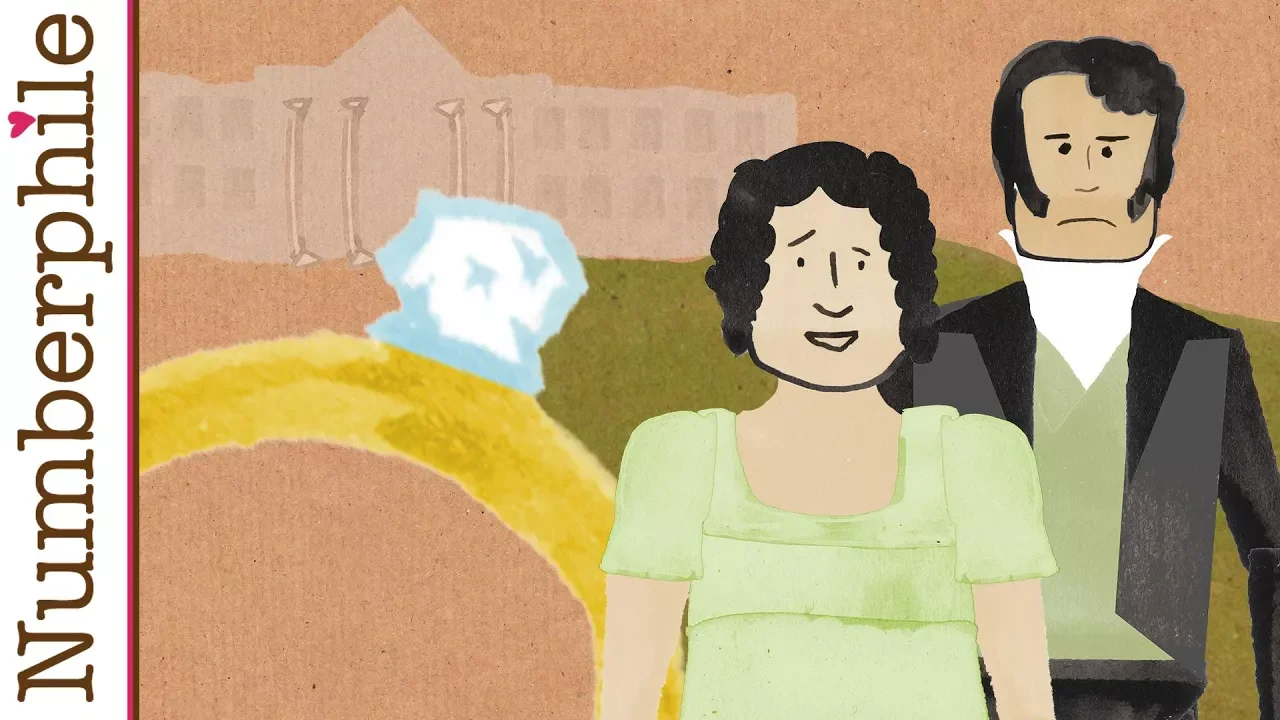








Market design is the application of economic principles to create effective institutions for allocating scarce resources, particularly in matching markets where traditional price mechanisms fail. Unlike commodity markets where prices alone determine allocation, matching markets require careful institutional design to ensure efficiency and fairness. Al Roth's Nobel Prize-winning work demonstrates this through kidney exchange programs, which enable compatible donor-recipient pairings without monetary transactions, thereby circumventing legal and ethical barriers to organ sales while still achieving market-like efficiency through strategic matching algorithms.
Nobel Laureate Al Roth on Market Design & Kidney Exchange
Added:Basic microeconomic principles, specifically how price discovery coordinates supply and demand in traditional markets.
The concept of market failure and why certain goods or services cannot or should not be allocated using monetary prices.
Introductory game theory, particularly how individual preferences and strategic behavior influence system outcomes.
The fundamental economic problem of barter and the 'double coincidence of wants' in non-monetary trade.
The Gale-Shapley (Deferred Acceptance) algorithm and its mathematical proofs regarding stable matching.
The Top Trading Cycles (TTC) algorithm and its specific application to kidney exchange chains.
The concept of 'repugnant transactions' and the ethical boundaries of market design (e.g., organ sales, surrogacy).
Real-world implementation challenges of school choice systems and the National Resident Matching Program (NRMP).
57.7K views373likes59:15Original Release: 2013-05-13
[Music] I'm delighted uh this evening to uh have the privilege of uh introducing this evening speaker uh El Roth um El is uh the inaugural Craig and Su M cor professor of Economics uh at Stanford uh Al arrived here uh just in time to win the Nobel Prize uh which we're uh very pleased about uh not just because he won the prize because he did it here um uh this was uh more like a homecoming uh for El since he received Masters and doctor's degrees in operations research at Stanford in in 1973 and 74 uh before Stanford he was the George gun professor of economics and business administration at Harvard and before that he was the Andrew melan professor of Economics at the University uh of Pittsburgh uh we're so excited to have El with us uh he is a an expert in Market design and not just in the in the theory of Market design but in uh putting that into practice and and things as you'll tell you like school systems and uh and kidney uh uh transplants and and so on it's a it's a privilege in an honor El to have you with us and please join me in giving a very warm GSB welcome to El ra thanks see you next week so it's good it's good to be here uh I guess uh I heard from the reactions to the Deans calling out the years I have a some idea of how many of you are here from 2012 and uh and from 1998 and welcome back uh I also returned this year I as as the dean mentioned I got my PhD in 74 uh my adviser was Bob Wilson how many of you had a class with Bob when you were here well I hope you appreciated him he uh he started Market design he's one of the Giants in that uh field and I'm going to tell you about what what's happened to it since then because uh you know it's grown quite a bit uh since its Beginnings here at Stanford so what what Market designers do is is think about what Market what it might better be called Marketplace design we think about what markets do and what marketplaces have to accomplish in order to make markets work well and so what I want to do today and just talking to you is to think a little bit about what markets are because you're all out you're all out in the market now but markets are lots of different things and I want to spend uh you know the time together tonight uh talking about how markets work and how they fail and how we can fix them when they're broken and how markets may be a more comprehensive class of Institutions than you're accustomed to thinking about and uh so I'll tell you a little about my work and I'll I'll focus on the parts that that are least like the markets you're familiar with and so let me start by by asking what's the role of money in markets so here's a fruit market in the New York Stock Exchange and mostly when we think about markets we think about commodity markets and in commodity markets the bow of money is huge the in supply and demand decide who gets what so the thing about commodity Market is if you're making small enough trades in a big enough market you don't particularly care you don't have to care who you're dealing with right when you buy 100 shares of at& on the New York Stock Exchange you don't have to fill out any application form you don't care who the seller is you're not worried about whether he's taken good care of those shares while he had them and and he's not going to worry about whether you'll take good care of them when you're have this is an arms length Anonymous transaction and the job of the New York Stock Exchange is price Discovery it's to find the price at which Supply will equal demand and that's the price at which you transact but in many markets prices don't do all the work and you're all familiar with these markets although we don't always think of them that way for instance Stanford doesn't fill its MBA class by raising tuition until just enough people are ready to come to Stanford right Stanford is expensive to go to but it's cheap enough that lots of people would like to come and so Stanford sets a tuition gets lots of applicants and then chooses which ones can come so the price doesn't decide who gets into Stanford okay the labor markets are like that too when you go out on the job market uh it may sometimes seem as if your company lowers the wage until just enough people remain who want to do the work but but that's probably not the way they do that in most of the companies that you work for so instead they get lots of applications and they have to choose who to make an offer to and of course just as Stanford can't choose who comes firms can't choose who comes either you can't choose to go there but they can't choose that you come there they have to compete with the other offers you're getting Stanford has to compete with Harvard so matching markets are the markets in which you can't just choose what you want even if you can afford it you also have to be chosen right you can't just decide to come to Stanford you have to be admitted you can't just decide to show up for work at Google you have to be hired but Stanford can't just decide that you'll come either and Google can't just decide that you'll come so these are are matching markets that have courtship they're they're a lot like they're a lot like marriage right you have to you can't just choose your spouse you also have to be chosen and a lot of the marketplace institutions are about that courtship there applications and Admissions and selections and visiting days and recruitment so I've been involved with my colleagues in a bunch of matching markets and some of them use money and some of them don't use money at all and I'll Focus today on some of the The Stranger ones on one of the stranger ones that doesn't but even the ones that use money the labor markets for instance uh that isn't what decides who gets what so the the the thing about matching markets is just about every Market that isn't a commodity Market is a matching Market you care about who you're transacting with and the price therefore isn't the only thing that decides what happens in the market so my colleagues and I have have designed a lot of labor market clearing houses for instance if you have friends who who are doctors they they go through an unusual job market when they graduate from medical school called the national resident matching program and that's something that I got to design um we've we've made some Innovations for new PhD economists recently you know that's one that that's close to home those are both markets where of course money is used everyone who's a doctor or who's a professor of Economics gets paid but it's not the pay that decides who's a professor at Stanford or who's a doctor at Stanford Hospitals now there are other matching markets where we don't use money at all because we don't think it would be an appropriate thing to do so school choice systems for who goes to which Public Schools right we we think as a society we think we have an obligation to provide education uh to our children and you know public school is mandatory and public school is free but there still are issues of choice who goes to which school and my colleagues and I have have gotten to design Choice systems for for New York City high schools and for Boston public schools and recently in Denver and New Orleans and just last week we hosted a conference of many school districts here to to talk about these things and so I imagine that that some of the technology some of the kinds of things I'll tell you a little about uh when I talk about kidney exchange uh are are going to diffuse into more American cities maybe one near you uh but what I'm going to tell you about today mostly is kidney Exchange kidney exchange is a market where no money is used but after I tell you about it I hope you'll see why I think of it as being clearly a Marketplace and so that's really the subtext of my talk today is how how things that you might not think of as markets are act like Market places and we should think of them as markets and again many many of the most important markets are matching markets so so before I go on to tell you about kidneys think about all the matching that you have all gone through right at some point you got into schools at various levels uh you got into college right these are things that cost a lot of money sometimes but the money isn't determine who goes doesn't determine who goes where then you're all graduates of Stanford uh you've all gotten jobs some of you have created your own jobs but some of you have have gotten jobs with existing firms many of you have uh those are matching markets uh many of you are married some of you who aren't married are are going to be married some sometime in the future you're engaged in a in a kind of marriage Market where you can't just choose what you want you have to also be chosen and I'm going to talk to about some aspects of medical care where you can't just choose what you want but also have to be chosen in particular I'm going to talk about organ transplantation so this is a good example of the allocation of scarce resources so it's a a natural topic for economists but it's without the use of money because we in most of the West we have laws against uh buying organs for transplantation and it's a big part of the economy although you can't buy a kidney the care of patients with endstage renal disease with with kidney disease is a a multi-billion dollar industry so this is an industry with lots of interest it's a a not insignificant part of Health Care expenditures it's the biggest single program in Medicare um so so many billions of dollars are spent uh on this and the unusual thing about transplantation is that it's not only the the treatment of choice it's not only the best treatment it's also the cheapest so dialysis is very expensive it costs Medicare about $85,000 a year to keep someone on dialysis but it only cost about $120,000 uh for someone to get a transplant after which they need immunosuppressive drugs that cost about $220,000 a year and they get up and go back to work something that when they're on dialysis after a while they can't do so uh so this is not an insignificant part of the economy but it's a part of the economy that has very scarce resources and that's I'm going to I'll tell you how how we try to get more transplants and in a in a Marketplace that plays out without any money although although there's important money in the background so so what's the story with kidney exchange so many more people need kidneys than there are organs available so there are 95,000 people on the on the deceased donor waiting list at the moment in the United States they're waiting for an organ from uh a deceased donor so when you signed up for a California driver's license when you were here if you did that you had an opportunity to register on the California Oregon donor registry that's where deceased donors mostly come from uh that registry um so the waiting list has 100,000 people that means you might have to wait a long time because we only have about 11,000 deceased donors in the United States a year 11,000 deceased donor transplants that's only about 6,000 deceased donors um but deceased donors aren't the only source of transplants you each have two kidneys and if you're as healthy as I hope you are then if you knew someone who had uh kidney disease you could give them a kidney because if you're healthy you can remain healthy with one kidney so you might be healthy enough to give someone you love a kidney but they might still not be able to take your kidney and that's where the possibility of exchange comes in which of course of course is a natural subject for economists to study so the idea of exchange is you want to give a kidney to someone uh in in this case supposing you're donor one but your potential recipient has a different blood type than you two you do so blood type A and blood type B so you'd like to give recipient one a kidney but you can't she's got a different blood type than you do and donor two and recipient two are in the opposite situation so an exchange is possible where donor one the blood type a donor gives a kidney to receive recipient to the blood type A recipient everyone gets a compatible kidney this kind of thing happens for for other reasons than than blood type incompatibility turns out the chance that one of you could take my kidney is a little over 50% the chance that my wife can take my kidney is only about 30% and that's because my wife and I are parents and in the course of childbirth my wife's uh immune system might have been exposed to some of the proteins that our boys inherit from me and if so she might have anti bodies to those proteins that would be ready to attack my kidney if it should show up so there are other kinds of incompatibilities than than just blood type incompatibility and someone who's been sick for a long time or who's had a previous kidney transplant will have lots of antibodies to human proteins and they'll be hard to match whereas other people will be easy to match I just came back from Korea which is a place actually where where kidney exchange has been going for some time and the issue there is in Korea but not in the United States uh blood types A and B are equally frequent so this kind of simple exchange can go on quite easily there okay now notice that no money changed hands in that exchange and one there are many reasons for that but one reason is it's against the law okay so here's a a sentence from the 1984 National organ transplant act that says it should be unlawful for any person to knowingly acquire Etc any human organ for valuable consideration for use in human transplantation so you might worry that that's going to rule out kidney exchange too that sure looks like valuable considerations going on there a kidney is being exchanged for a kidney and you could get very philosophical about this but eventually we got an amendment to the to the U to the Nota that that simply says the preceding sentence that one doesn't apply to kidney exchange I learned something about Federal legislation while this was going on there was no opposition to this no one opposes kidney exchange but it still took three congresses before this bill passed and uh it didn't pass until Charlie Norwood the the representative from Georgia who whose name is on the bill now uh died of a immunosuppressive related disease he'd had a transplant and and you take immunosuppressive drugs Forever After So You're vulnerable to some kind of diseases so it went down just out of neglect in two congresses in the third Congress Charlie Norwood died and his colleagues named the bill after him and passed it it passed by a claim with no dissent uh so you know legislation there are some frictions out there in the world okay so let me tell you about some other frictions about the actual frictions in running the an exchange so here's here's a picture of an exchange I'm The Man in the Yellow gown you can tell that I'm keeping my hands out of the way so no one hands me anything and uh and and and what I would like to not be handed is in this bucket here there's a kidney in there and behind me not in this picture but behind me in this picture off screen is another operating room um and the kidney has just been removed just steps away and carried over into this operating room where it's being transplanted into this patient and this is all happening in uh Cincinnati Ohio and at the same time in Toledo Ohio the donor her patient and his the transplant recipient his donor are doing the same thing in Toledo Ohio and when I say at the same time I mean literally at the same time because you can't write a contract on a kidney because no valuable consideration can be given for a kidney so what they do in this kind of exchange is they they prep the patients they anesthesized them they make the initial incisions then they get on their cell phones and they say we're ready to go here in Cincinnati are you ready in Toledo and when they're told that everything went smoothly in the preparations in Toledo then they go ahead and they take the kidney and everything proceeds from there so so this kind of simultaneous this kind of simultaneous exchange requires four surgeries at the same time two nephrectomies taking the kidney out and two transplants putting the kidney in that means it takes a lot of resources to do this simple exchange you need four operating rooms and four surgical teams to do it so uh even the simplest two-way exchange is hard it it involves a lot of resources and we'd like to do other kinds of exchanges because if you're restricted to two-way exchanges you don't get as many transplants as you could otherwise this way we get two transplants that wouldn't otherwise have happened so that's great two live donor organs are are donated to patients who need them but sometimes you can't find two-way exchanges so sometimes you'd like to be able to do a three-way exchange for instance here's three pairs each pair can give a kidney to the patient in the next pair in a three-way cycle so that would require six operating rooms and six surgical teams and over time we've become able to do that we can assemble those Logistics but that's about our limit right every now and then a larger exchange gets done but but the logistics of getting everybody in place simultaneously to do a three-way Exchange is about all we can manage and it's still not enough so the question is what can you do in this Marketplace that we're creating to facilitate exchange where exchanges are hard large exchanges are hard because of the simultaneity requirement well it turns out so here's a picture where where think of each circle as being a a typically a pat a pair a patient donor pair and an arrow goes from one Circle to another if a kidney from that pair can go to the patient in the other pair okay so you see that there's a a three-way exchange that's possible here and a two-way exchange there's also a non-directed donor so this is a donor who doesn't have a particular patient in mind and we can sometimes get some chains going where he'll give a kidney to some pair and the donor in that pair will give a kidney to the patient in the next pair and so forth so let's think about those chains a little bit when non-directed donors first started to show up so 10 years ago they were they were pretty rare uh what we used to say to them first of all they would they would be any donor gets a thorough physical exam and psychological exam make sure they know what they're doing and they're willing uh and and non-directed donors 10 years ago were treated with a a certain suspicion you know sort of the The Catch 22 of surgery was you know if you want to give someone a kidney maybe maybe you're unbalanced um but but nowadays we we've seen many more of these just incidentally a big group of non-directed donors when when you look at the non-directed owners in the United States a big group of them come from faith-based organizations the second big group are policemen and firemen um they turn out to uh you know like to save people and they're not afraid uh but what we used to say to them is we used to say well you know you you pass through all the screens you could give a kidney to a person to a patient on the waiting list somebody waiting for a long time for a kidney uh a live donor kidney is better than a deceased donor kidney you'll save their life um and that way you'd get an extra transplant that you wouldn't other otherwise but now that we have this pool of patient donor pairs we can say to non-directed donors we can say you know you could start a chain you could you could give um a kidney to a patient who has a donor who would give a kidney to another patient who has a donor and that donor could could give to a person to a patient on the waiting list so this is a sort of abstract look at that this is what it looks like you know when you take a picture of the people and one question is why are there only six people in that picture and the reason there were only six people in the picture is we can only muster six operating rooms at a time okay so as long as we're doing these chains simultaneously this is as big as the picture gets so let's think again about this Marketplace why do we do them simultaneously and could we relax that in some circumstances because if you could if you could do it not simultaneously you could use the same surgical teams and the same operating rooms over at different times and you could get more people into the chain so let's think about why we do it simultaneously so let's go back to that that simple exchange that I showed you about initially with between two pairs and suppose we always do these simultaneously let's see why supposing we didn't do it simultaneously suppose the idea was that on day one pair donor two would give a kidney to recipient one so he doesn't have a kidney anymore he's successfully given that kidney and on day two donor one is supposed to give a kidney to recipient too but something goes wrong and that link breaks and it doesn't happen well that's a tragedy for pair two they've had a surgery that didn't help them they've given a kidney and not gotten one and they don't have a kidney anymore they can't participate in kidney exchange next week because they don't have a kidney to exchange so they they've been tragically harmed so we never do that we always do that simultaneously but now suppose a living non-directed donor shows up and let's think about doing that non-simultaneously so on day one the non directed donor gives to recipient one successfully and on day two the donor one fails to give to recipient 2 for whatever reason just same reason it was here whatever it was well that's really disappointing recipient 2 didn't get a kidney but it's not tragic the pair two they haven't given a kidney yet they still have a kidney they can take part in kidney exchange next week and they're no worse off than they were before the non-directed donor showed up so they're disappointed but they're not really harmed the cost of a broken link is much less so we can start to explore whether the benefit of doing things non-simultaneously might be worth the the risk we'd have to discover how big the risk is and how big the benefit is so the first non-simultaneous exchange we did was in 2007 it was reported in this paper uh in 2009 uh and the first author is Mike Reese he's one of the heroes of this story he's a he's the kidney surgeon in in Toledo Ohio uh there's a bunch of economists and computer scientists in here so it's an unusual medical paper and that first non-simultaneous chain had 10 transplants it had 20 people in the picture okay here's the here's the better picture as it showed up in People magazine sometime later okay so that's a uh a much bigger picture so so what's going on there here's a a Marketplace that we've now opened up a new kind of exchange and we're starting to to see more transplants well what's going on it turns out that when when we started kidney exchange and no one knew anything about it the patients we got were ordinary sick people ordinary people with kidney disease and some of them were pretty easy to match to each other and some of them were hard to match as in the last 10 years as kidney exchange has grown in the United States transplant centers have learned to do it and they're now often withholding their easy to match pairs so if people come in and they're like that those two pairs I showed you often we never see them in kidney exchange they just get transplanted in their Hospital means that the patients we are seeing are hard to match what does it mean to be hard to match it means you've got a lot of antibodies so there aren't many kidneys you can take when we draw those arrows between circles there aren't so many arrows okay so here's a bit of data from from one of our kidney exchanges and you can see there are these guys in blue who have a lot of arrows pointing into them they can take a lot of kidneys they're the low sensitized patients but there's lots of people who although they donors can give kidneys to the easy to match patients they can't get kidneys from many people so this graph's a little hard to look at so what I want you to think about is supposing all those things are sort of strings and you grab the blue nodes in your hand and you shake it you're going to get a picture that looks like this jellyfish and at the top we've got the easy to match Pairs and they're sort of in a densely connected part of the graph lots of lots of exchanges can go on there and then there are these chains hanging down and it's those chains that that we're getting in these long simultaneous chains if you get a non-directed donor you can start at the bottom of one of those chains and just move it right up and some of those chains can be pretty long so here's a chain that has 60 people in it okay the very first one is a non-directed donor and the others are all hardto match patients who uh who we couldn't take care of in small exchanges so 60 people in the picture means 30 transplants 30 donors and 30 transplants okay so so that's basically what we're seeing now this is the the fastest growing part of of of organ transplantation um and it's exciting to see but let's think a little about this why don't we just buy and sell kidneys right the you know when you talk to Gary Becker at the University of Chicago he says there's no shortage of kidneys you've all got two you know this room has a huge excess of kidneys because you only need one okay so I don't know the answer to to why we don't allow buy and sell kidneys but it's certainly something that economists and business people ought to know more about because there are lots of things we don't allow you to buy and sell and that reflects the fact that people have uh you know Ordinary People not economists not business people have uh intuitions about what's the proper scope of markets we probably have some of those intuitions ourselves and one reason to think about it is because making markets illegal doesn't necessarily stop them from happening right so there are lots of things you can't buy and sell in the United States uh and there are black markets for many of them you know think of of of illegal drugs for example so let's think about this a little bit and when I started to think about this I I needed a word that would say what I wanted so I I borrowed the word repugnant and I don't I don't mean when I say a transaction is repugnant I'm not thinking of its of of its simple meaning that you don't like it what I mean is I I'll say a transaction is repugnant if some people would like to engage in it and other people don't want them to okay so repugnance has been really important uh historically it's important presently you know here we are in California I think a prototypical repugnant transaction the way I'm using the term is same-sex marriage right a repugnant transaction is a transaction that some people want to engage in and other people don't want them to so right now if Rhode Island uh changes its law which I think they're about to we'll have 10 states in the District of Columbia that allow same-sex marriage and the rest of the states don't and right now California is one of the ones that don't don't although before The Supreme Court they've already heard oral arguments is a case that will decide whether same-sex marriage is legal in California so whether it's legal or not there are going to be Californians who want to marry each other the question is will we allow them to to pursue that transaction so that's a repugnant transaction and and the the fact that it's changing and is likely to keep changing means that these repugn change over time so think for instance about interest on loans there were hundreds of years in Europe where charge ing interest on loans was a repugnant transaction they were people who wanted loans and people who would like to charge interest on them um but but it wasn't allowed and that's changed and it's had of course profound effects on the economy we could hardly have the global capitalist economy that we have if we didn't have a market for Capital so so the idea that you couldn't have a market for Capital had first order important effects on on how we organize our economic lives but it's not the case that as we get more modern things that used to be repugnant become less repugnant it also goes the other way we live in a country where there used to be markets for slaves in the United States and that's not a great example because because it's not a voluntary transaction on the part of the slave but the most common form of the most common way to buy passage across the Atlantic Ocean during the years after the American Revolution was indentured servitude there you would be in Ireland or someplace and you would want to come to Boston and you didn't have the fair to to pay the captain to take you across and so you would sign articles of indenture and when he got to Boston he would sell your labor Services unconditional you know you couldn't quit for five years to the highest bidder and that's a form of involuntary servitude that is entered into voluntarily but the 13th Amendment to the Constitution says we don't allow that anymore so so there are things that used to be repugnant and are not anymore and there are things that used to not be repugnant and now are so so these are things worth understanding I don't pretend to understand them but let me let's think about them a little because I think they're worth thinking about and fun to think about why can't you eat horse or dog meat in a restaurant in California you may not want to eat horse or dog meat in a restaurant in California so you might not know that you can't but you can't in fact well I'll tell you about the rest of the country but the short answer is it's against the law right horse meat may not be offered for sale for human consumption it's a felony dog meat is just a mist demeanor there's no law in California against eating grasshoppers or cockroaches right by and large you can't eat them in restaurants either and that's because no one wants to the reason there's a law against eating horse meet is not because no one wants to it's because some people want to and other people don't want them to so this was actually passed by the class of 1998 uh when they were here in a referendum okay so you guys got to vote on this if you were California residents as many people people voted for it it was a referendum as many people uh voted for it as voted for Gray Davis who was elected governor that year so um so again you know this is something because we have a referendum system in California people there there were people who thought it was a really bad idea that other people were eating horse meat and that we ought to make a law against it and you know through the the magic of referenda they did now needless to say this is something that varies by time and place there are lots of places in Europe where you can eat horse meat you can eat horse meat anywhere in the United States it's not illegal except in California but in order to eat meat in a restaurant in the United States it has to be inspected and Congress has refused to allow the to provide funds for the US Department of Agriculture to inspect horse meat so although it's not illegal it's a crime in California it's not a crime in New York but no horse meat is available in New York you'll have to go to France or Japan there are lots of places where they like horse meat okay so as I been saying transactions vary from place to place whether they're repugnant or not so let's think about dwarf tossing you guys are going to go out drinking tonight maybe maybe you've thought about dwarf tossing already so here's here's uh you know in England it's it's legal and Lenny the giant he's this small man wearing the helmet and he earns his living by engaging in an athletic event in which larger and probably drunker men um throw him for distance and he lands athletically and rolls and is wearing safety equipment here's the the Ontario dwarf tossing ban Act of 2003 it says in Ontario this is a repugnant transaction you can't do it and it's not an occupational health and safety it doesn't say Lenny the giant should wear a helmet Lenny the giant is already wearing a helmet it says no person shall organize a dwarf Crossing event or engage in dwarf Crossing it basically says yuck you know you shouldn't do that now a French dwarf when when France banned dwarf Crossing a French a French dwarf took who who wanted to continue earning his living this way so it's a repugnant transaction there are people who want to engage in it and other people who don't want them to and that happened in France too and the French dwarf took his case before the UN High Commissioner on human rights and he said that um that his right to employment was was being uh denied and the the French case said you know this is just sort of yuck but in French it said it said um you know this is a an affront to human dignity we all we are all less human when Manuel bockenheim earns his living this way and he had a very moving statement when I read the case materials I thought you know the little guy is going to win because what he said is he said his case his statement said something like he said you know the essence of human dignity is having a job and there aren't a lot of jobs for dwarves in France and this is my job and I remember thinking oo but he didn't win France won the UN committee found for France basically saying that every time he earned his living that way each of us became a little less human and that we shouldn't allow it even though it was a voluntary transaction so Republican transactions are are of All Sorts but it's hard to tell what they are right it's hard to tell why HSE meet is repugnant in California not in France because again it's not the wild west that was a 1998 referendum um and it's not just the small size of the dwarves you know jockeys are small we we don't mind small guys riding horses and seeing how fast they can make them go and there are things that are even closer to dwarf tossing like Wife Carrying so these guys are also athletes they are not married to each other uh Wife Carrying Wife Carrying is for for Speed not for distance but um but it's not dignified you know you know here the American champion they still use the old-fashioned uh technique but nowadays most people use the Estonian position and you know particularly for getting through the uh the water hazards uh so there's a there's a a North American championship at Sunday River ski resort each year in in near Boston and there's a world championship in uh in Finland each year so I'm not aware of any place in which in which uh Wife Carrying is repugnant but I have trouble thinking of why of I'm not sure it shouldn't be but I have trouble thinking of a rule that would say dwarf tossing is and Wife Carrying isn't or or vice versa so although I can't think of general rules one thing you notice is that adding money to the mix sometimes makes things repugnant okay so something isn't repugnant by itself but when you add money to it it becomes repugnant so interest on loans loans weren't repugnant people didn't in in you know medieval Europe didn't think that it was a bad thing to lend someone else money to start a business to you know to to buy stock for a ship to go on a uh a trading Mission it was charging interest having your money earn money that was repugnant um adoption you adoption is expensive if if you want to uh adopt a baby it'll probably cost a lot of money but you may not buy the baby from the birth mother okay there are some parts of the transaction that you can't do prostitution is illegal in many places not in all places you know if you look around the world and different parts are illegal sometimes brokerage is illegal pimping is illegal but prostitution is not but by and large we're not um in most of the world we're we're not against sex we're against payment for sex right so it's adding money that that uh makes those transactions repugnant and sometimes there are transactions that have money that aren't repugnant but if there's too much money it becomes repugnant and that's where we we think about laws against price gouging if you're if there's a blizzard and you're you want to raise the price on your snow shovels at your hardware store you'll often find yourself in violation of local law of state law uh and similarly in Europe right now there's talk about limiting the pay of bankers and and I mean we have some of that in the United States as well with the idea being that money is fine but too much money might make a a transaction that we didn't approve of so you know some of this may impact you guys um these are people us especially those of us who haven't gone to business school and aren't economists ordinary people have intuitions about economic transactions that often shape What markets we see and what we don't and we would markets require lots of social support so so we would be well advised to understand these intuitions better than we do most people can pick the economist out from this New Yorker cartoon right so this poor guy uh he's come to dinner and he's trying to he didn't have time to get a bottle of wine he's trying to to offer his host some money and and you know that's you laugh you know if if uh if you invited me to dinner at your house the shest thing I could do that would get me never invited again is after dinner say you know that was a wonderful dinner you know can I that that would cost you know $75 or a nice can I just pay for that you know you'd say this guy doesn't understand we're not a restaurant you know we're not selling food the inviting him to dinner at our house is an offer of friendship and he could invite us to dinner at his house he could invite us back he could bring a nice bottle of wine he could do a lot of things that that would look like a transaction but he can't pay for it right right so so even those of us who are very into the economy understand that there are some things that would be really offensive to offer to pay there are some transactions that can't be monetized and that when when you think about why we have laws against selling kidneys buying and selling kidneys there are there are a couple of arguments one of them I've sort of classified them here one of them is just that it's a bad idea you know it's it's a bad thing people should never be um means and always should be ends many of the Christian churches adop adopt that kind of language another hardest for economists to understand is they say you know if you offer too much money it's so tempting that you do it against your better judgment it's a form of coercion uh I have trouble understanding that because of course if you offered me $1 million for my house you could have it you know I would just feel like I had to sell it to you I would be coerced but happy um the arguments that I I can make the most sense out of and the most sympathy with are the slippery slope arguments I'm not we don't have much time today so I'm not going to go into them but those are arguments that say you know if you start with allowing people to sell their kidneys you might end up living in a less sympathetic Society than you would like to live in and I think those have to be taken very seriously and we have to to think about them so let me get a sense of the meeting test yourself for repugnance I'm G to ask for a show of hands are you willing to contemplate carefully regulated sales of live kidneys put up your hand if you if you are okay keep it up cuz look around see lots of you right NBA reunion uh keep it up keep it up how many of you who are willing to contemplate the sales of live kidneys would be willing to contemplate the sales of live Hearts kills the seller voluntary okay so my point is lots of us have our hands up for kidneys which means maybe that we feel less of this repugnance than the General Public but many of you not all of you until I bullied you uh started to pull your hands down for hearts which means we all have places that we're at least willing to understand the idea that some transactions might be repugnant even if they were willingly entered into um and therefore it behooves us to try to understand where other people draw those lines even when they draw them in different places than we do right so so you may think kidney sales would be a good idea but in order to have this kind of discussion we're going to have to seriously engage with people who think that kidney sales would be a terrible idea a bad idea the kind of bad idea that only bad people have okay and I I I meet lots of those people so kidney exchange achieves some of the benefits of a market without running into this barrier of repugnance you know so the thing we've achieved with kidneys so as Market design is we're very pragmatic you know we say you can't sell kidneys you know we can debate that till the cows come home but in the meantime what are we going to do for the patients and what we're able to do is get the benefits of exchange without running into the barriers of repugnance so let me just close with a thought on what is a free market because here I am you know designing markets and that can seem like a funny thing and I think the right metaphor to look at is is a free market isn't a market without rules it's a market with rules that allow it to operate freely you know the New York Stock Exchange has lots of rules and some of them are laws that if you violate you can go to jail you know rules against insider trading and they're designed to help make it a very efficient commodity market so I think a good metaphor is you think of a a wheel that can rotate freely it rotates freely because it has an axle and well oiled bearings and and that's what lets it uh go so I think the political discussion on free market is often that free markets are less aair they don't have rules at all but very few markets are like that when you get jobs when you apply for colleges when you buy and sell stocks on New York Stock Exchange you're engaging in markets that have a lot of rules and if if the markets are designed well then the rules allow the market to work well so a big part of that of course is is uh handing out information moving it around and and helping aggregate it so I was advised that I should should end by telling you some stories and giving you some advice having to do with uh the Nobel Prize so here's a picture of me and the king of Sweden I'm the guy on the left um let me tell you a story um you hear about the Nobel Prize in a phone call in the middle of the night if you live in California but the guys giving the phone call have some experience at this and it turns out the thing that they're really concerned with is that you shouldn't think it's a hoax so they call you up in the middle of the night we actually missed the first phone call you know my wife said I think the phone's ringing and I woke up and it wasn't ringing but they called back um and uh and and the guy on the phone says I I still don't know who it was who who made the initial call Swedish accent and he said you know you've won the Nobel Prize he said but I'm here with six of my colleagues and two of them are people you know and they're now going to tell you so so that was their way of of I guess uh forestalling that you should say oh come on who is this is that is that Ted uh you know uh and and they did that actually at 3:30 and they said so it's not going to be announced for a half an hour yet you know keep it a secret uh and and what I what I did in that half hour and this is my advice what I did in that half hour is I uh I took a shower and I got dressed and if you're ever in that situation you should definitely do that because there isn't any time afterward for the next many hours it was a it was a busy day um fun but not relaxing so uh it's great for me to be back at Stanford I I welcome you back to Stanford and uh there was one slide I skipped let me just tell you about that what do markets do what do marketplaces do for markets uh uh they have to make the market thick they have to bring enough people together to to make the transactions that that will make the market work once you have those people together sometimes it's hard to do the transactions with kidneys it's because of the operating rooms but but you have a lot of transactions to consider so markets have to become uncongested to work well and they have to be safe to participate in and some kinds of transactions are repugnant so I think when you go back out into the marketplace if you think about these things you'll you'll get a chance to to see markets and Market institutions in a little bit of a different way and uh that's a good thing so thank you very much I I i' I've I've used up our time but I am willing to take questions if there are questions does this are there microphones around do someone uh here you go there's there's people with microphones to it's live yeah thank you that was fascinating I'm I'm just curious you said there's no contracts uh because then it would be value consideration Etc but you have a chain of you know 60 people so somewhere along the line you get a guy who goes we're good you know absolutely so how do how is thatfor so so the non-simultaneous donors the ones who so we do them in batches but then there's Bridge donors and the nurse social workers transplant coordinators they they talk to these people beforehand and they don't nominate everyone to be a bridge donor our reneg rate our our broken link rate is 2% so mostly it turns out so one of the things economists are learning is this thing called behavioral economics one of the things economists are learning is people are a lot nicer than we give them credit for but this is a more complicated transaction than that supposing it's costly it's a big deal but but let's think about it why supposing you're going to be the bridge donor um why are you the bridg donor well you had signed up to give your your sister or your wife or your mother a kidney and you weren't able to but because of your willingness your sister gets a kidney and now you've agreed that next Tuesday at 5:30 in the morning you'll show up at the O and give a kidney future thanksgivings at your family are going to remember how you saved your sister's life the discussion would be a lot funnier if you didn't give the kidney in the end so uh you know that those thanksgivings would that would be a different story so so I think I'm not quite sure what goes into it but once the transplant coordinators say that we've talked to this person and he's he's good to go they almost always are could you talk a little bit about the key elements as you see them for Market design for school choice yeah uh well so thickness has to do with getting all the schools involved there are uh some schools sometimes have some valtion if it's a simple District uh School District they can command all the schools and then thickness isn't a problem but if there are a lot of charter schools and things like that they sometimes have to be coordinated so you can get all those schools together so that uh so you can deal with congestion because what's congestion in a in a school choice system it's children having multiple many children having multiple offers while many more don't have any offers because multiple offers are being held and weight lists are being formed so um when we looked at this in New York City initially for New York City high schools we found that 177,000 children a year were getting multiple offers um and about 30,000 at the end of the process had to be put into schools for which they had uh expressed no preferences just because time ran out on the waiting list so we looked at the 17,000 who were getting multiple offers and we found they had been asked for preferences beforehand we found that they almost invariably took the school that they had said they likeed best so one of the things we did is we organized the system so that they now only get one offer they get offer from the school that that they ranked highest that's willing to accept them and that allows a lot more students to get offers another thing that's going on is the market has to be safe so in the city of Boston the they had an existing school choice system that sounded very nice it it they tried to give as many people as possible their first choice the problem with that is if you didn't get your first choice it was very likely that your second choice was going to be full of people who had listed it as their first choice so it became very important to to think carefully what you should list as your first choice you couldn't just list your first choice as your first choice so we've now made it safe for them to do that we we've now made it safe in Boston so that families can list the schools in the order in which they prefer them and if they don't get their first choice they'll have just as much chance of getting their second choice as if they had listed it first and that lifts a big burden of strategizing from families and it also gives the school system good data on what schools people like so those are the kinds of Market design things that we think about and and we've been able to do them in a couple of American cities now yes have a microphone for this job you're you can go next oh oh sorry ahe someone has a microphone already yes I have a microphone wave your hand I can't see you thank you well thank you for coming I find this so fascinating and as an economist by training I love the sort of optimization problem in it all but I think one thing that the next step I have a question about is the sort of understandability of this system for everyone who participates CU I think that while ideally any optimal solution would be very elegant I imagine sometimes they're quite complex and in some markets that may not matter but some things like the public school assignment people are sort of unwilling participants like they don't have choose to be part of it they have to be part of it and if they don't understand it y there may be broken trust there may be confusion um so how does that both go into how you design the market and then how does what are the implications for when you're rolling it out and trying to make it successful right that's a giant consideration and what we've come to understand is that communicating about how the system works is part of the design of the system so we've we've started to tell school districts is not just that we'll help you design an algorithm that has good properties but we'll help you design an algorithm and a communication package that will help convey it because indeed we we had some startup problems of this sort so there are two ways there are a couple of ways that a school choice system can be complex I just describe to the old system used in Boston and it was simple I was able to describe it to you it was simple to describe but it complex to participate in because you couldn't just put down your first choice as your first choice you had to know all sorts of things about the schools for instance Boston Schools would give sibling priority to to children who had an older sib in the school and so parents who had children um engage about to enter kindergarten if they were in prosperous well-informed Highly Educated neighborhoods they would develop an intelligence Network that knew how many sibs there were going in so they know how many places were really in each school it was hard work um so we've got a system that's a little more complicated to describe but it's very simple to play you just decide which schools you like and it's safe to tell Boston public schools which schools you like so I could descri the the the system that we use is not that hard to describe it's based on the Deferred acceptance algorithm that Lloyd chapley just got the Nobel Prize for he he and I shared it uh it's pretty simple to describe I won't won't do it right now it's more complicated to describe than the try to give everyone their first choice and then give every as many people as possible their second choice than that system but that system is hard to play so I think what happens is we communicate what's going on some people understand it it's enough though if other people just get the message that it's safe to put down your your true preferences well thank you for Professor this has been fascinating and you must find very rewarding to have uh created work that's saved thousands of lives can I ask where else you'd like to see this work applied what else you'd like to transform right well so we started with these sort of centralized marketplaces not because those are the most common or whatever but because those are the easiest to to get your arms around and and see where the design is where the rules are but most marketplaces operate on decentralized rules and in some of the marketplaces we've worked on market for for later career doctors in various Specialties for instance what we've done is we've changed the Rules of Engagement in decentralized markets rules about the market culture what what how an offer for of employment should be made how long it should be left open what whether people can change their minds under what circumstances so having rules like that in decentralized markets is part of their design and it's part of their their culture it's a soft part of the rules often when you actually see markets operating there are conventions about that that make the market Market work well or badly but but there may not be trade organizations that can uh provide guidelines although sometimes there are so I think that we need to do more about thinking about decentralized markets we also as a profession economists have spent a lot of time thinking about the price of transactions but not very much time thinking about their timing so for instance now when we look at Securities markets and high-speed trading uh there are questions about whether would we really lose a lot of efficiency If instead of being able to trade at any time you could only trade every second on the second uh but if that's a tiny change right because there's very little real economic information that happens in a second but of course high-speed traders who can trade in milliseconds they can force liquidity providers to to have bigger spreads because they can get information earlier and trade against stale spreads things like that so I think questions like that you know should we how should we be thinking about the micr structure of financial markets are are things that will'll surely have to think about um you know I see Market design everywhere so I I uh you know if you type Market design in Google you'll find my blog by the name of Market design and I I make a post almost every day and some of them are not very germine but basically it's because I see Market design everywhere I started it for a class and I just wanted them to know that you know I could I could stand up here and tell you things that could use Market design a lot but if you if you type Market design into Google you'll see the kind of things I've been concerned with was it thank you for that uh insightful talk do you think some of the theories that you w your hand I can't see I'm here I'm here ah I got you okay do you think some of the uh Market matching theories are more applicable in Emerging Markets where there are institutional gaps yep so you know a lot I think for development economics I think Market design is is a big thing um you know I talked about commodity markets at the beginning of my talk and I said well commodity markets are easy you know price decides who gets what but of course commodity markets have to be designed um you know God designed wheat but wheat isn't a commodity number two red winter wheat is a commodity and number two red winter wheat you know God didn't make that the Chicago Board of Trade made that uh now why is it good to have number two red winter wheat as a commodity well wheat is different different Farmers grow different stuff and before we had a commodity market for wheat you had to know your farmer you had to have someone go out in the field and inspect it how much white wheat is mixed with the red wheat how much moisture how many bugs you know and and so once you have a commodity and and enforceable standards you can all of a sudden not care who the farmer is the railroads can come by and they can take the number two red winter wheed and and mix it together in in rail cars and not care who it came from but before that the market for wheat was a matching market so Ethiopia has just made a commodity Market a good one for or a better one for coffee so the so it used to be that if you wanted to buy coffee you had to send your man to Addis and he he would taste coffee you know he would reach a long-handled spoon into big bags of coffee and pull out some beans and and grind them and uh taste them and decide whether he wanted to buy coffee from this farmer well now they've got a system a market design where where there's Anonymous tasting there are guys who who receive bags of coffee and Sample them and don't know who's the farmer and they they can make reliable judgments about quality turns out what do I know about this you know because of this I've learned about coffee um it turn out what makes high quality coffee among other things is waiting until the Cherry is red so a coffee bush has a a cherry on it and the bean is inside so by the time someone has sold you the beans you can't see whether they picked waited till the Cherry was ripe whether it was red or or whether it was green so the cheap way to pick coffee is you go to some Hillside that's mostly red and you say to your Pickers go pick all the beans we're not coming back here get them all but once you have tasters who can tell that you've got unripe beans to get with your ripe ones you say to the uh Pickers pick only the red cherries and we'll come back next week and we'll pick the rest when they're red so just having a commodity Market not only does it let places like Starbucks buy by the ton and you know grade a coffee but it causes there to be more great a coffee because you now get you now get paid back when you take the trouble to to make your coffee grade A so I'm not quite sure that's the kind of thing you were thinking of but when I think about Emerging Markets you know you think about how to make the markets work so that that they'll be able to they'll be designed properly to work well for for the conditions that they have there uh thank you very much Professor I'm really interested in the online currency Bitcoin and I was wondering if you'd had a look at this and whether there are any aspects of that market that you think are fundamentally unworkable or um if you do think it's sustainable H so I don't know much about Bitcoin except for I've read in the newspaper um you know it's it's sort of a cross between paper money and gold right it's a little like gold because it's hard to mine right it's hard to to increase the supply that's I think it's Advocates think of that as a good thing but of course that's not a good thing for for an economy-wide currency because as the economy grows you need more currency and if it's hard to get uh there can be shortages um but it's also like paper money in the sense that you can't hold it in your hand you you can't uh use it as a it later you can't use it to fill teeth you know or to make jewelry it's it's a Fiat money it's only money as long as people are willing to accept it as money so I don't see it it's pretty interesting you know the fact that you have to solve um computationally hard problems in order to create a new Bitcoin and that this is something can be verified it's a a fascinating example of an attempt to make a currency but I can't see it becoming a large part of the world economy and partly it's because of the limits you know gold can't be that large a part of the world economy for the same reason right you don't want to you know here we are talking about what U central banks do and how much unemployment should go with how much inflation gold doesn't let you do any of those things and um you know commodity money made a lot of sense when when when we couldn't do better than that uh so Bitcoin is is almost a commodity money except it's not even a commodity so it's fascinating stuff from what I read uh I wouldn't bet the whole Ranch on it and I I think that it's all the time we have for questions okay well thank you [Music]
Up Next
99:39
Matching Market Design Explained | Parag Pathak Lecture
@iashuji
2.1K views•2018-07-05
5:07
Impact of Yuan in Indo-Russian Trade Amid Sanctions
@WION
261.9K views•2022-07-01

35:37
US National Debt Sustainability | Mohamed El-Erian Analysis
@stanfordgsb
41.2K views•2024-09-19

113:18
The Age of Easy Money: Fed & Inflation | Full Documentary
@frontline
21.2M views•2023-03-15
Related Study Plans & Knowledge Roadmaps
Structured learning paths in Economics
economics
Sovereign Debt: Defaults, IMF & Restructuring
01Introduction to Sovereign Debt & Government Bonds
02Debt Sustainability & Credit Ratings
03Anatomy and History of Debt Crises
+ 2 more learning modules
12h5 modules
Explore Roadmap
economics
Market Design: Matching Theory & Gale-Shapley
01Introduction to Market Design and Price-Free Markets
02Two-Sided Matching & The Gale-Shapley Algorithm
03School Choice Systems and Mechanism Design
+ 2 more learning modules
10h5 modules
Explore Roadmap
economics
Impossible Trinity: Forex, Capital & Policy
01Introduction to Monetary Policy and Central Banking
02Exchange Rates and International Capital Flows
03The Mundell-Fleming Model
+ 2 more learning modules
8h5 modules
Explore Roadmap
economics
Healthcare Economics: Market Failures & Systems
01Introduction to Healthcare Markets and Market Failure
02Asymmetric Information and Adverse Selection
03Moral Hazard and Insurance Design
+ 2 more learning modules
12h5 modules
Explore Roadmap