



















Financial statements consist of three core documents—the balance sheet (showing assets, liabilities, and equity at a point in time), the income statement (displaying revenues, expenses, and net profit over a period), and the cash flow statement (tracking cash inflows and outflows)—which together provide a complete picture of a company's financial health; the balance sheet further categorizes items into current (short-term) and non-current (long-term) sections, with equity comprising common shares, preferred shares, retained earnings, contributed surplus, and other comprehensive income, while financial statement notes provide essential context for understanding accounting policies, detailed breakdowns of line items, and disclosures about commitments and contingencies.
Reading Financial Statements: Balance Sheet, Income Statement & Cash Flow
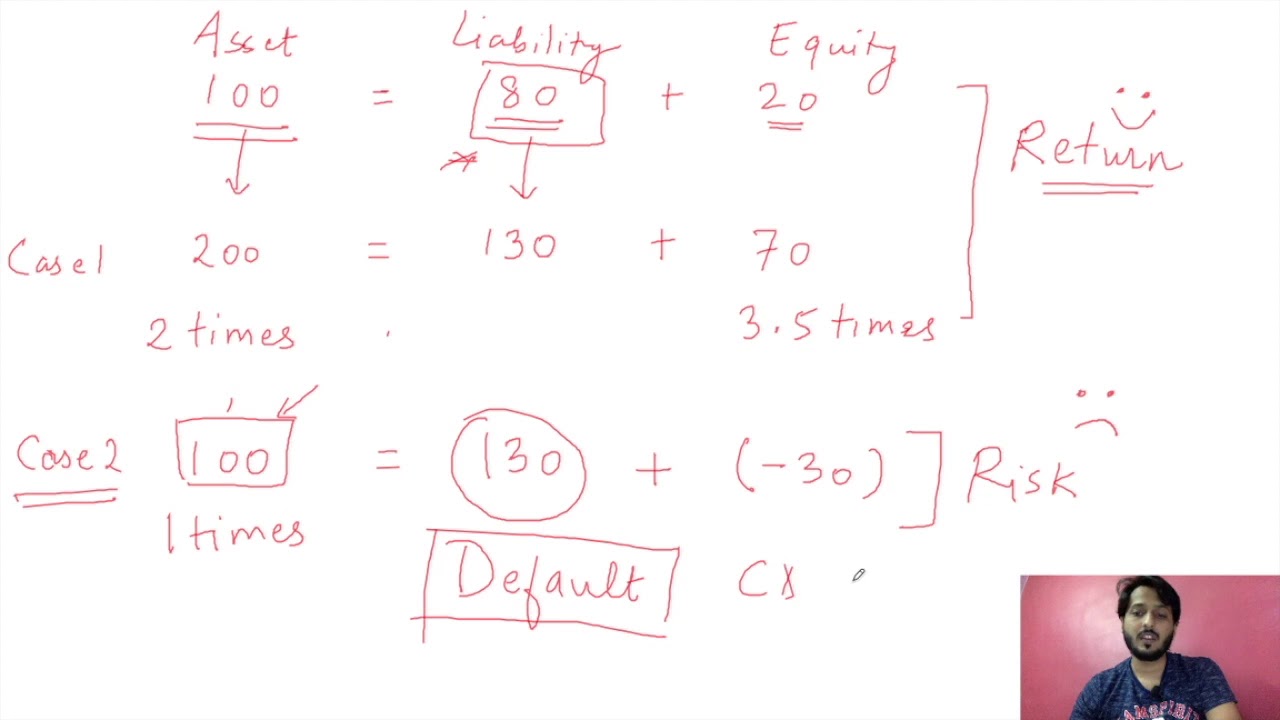
Added:hi and welcome to module one of our course on reading financial statements the purpose of this course is to help you read a company's annual report including how to read a set of financial statements in this module we start with a balance sheet and the related notes to the financial statements we use espresso software's 2018 financial statements and related notes to demonstrate the key concepts this course assumes that you have a general understanding of the basic components that make up the three key financial statements we cover these in our accounting fundamentals course which we do consider the precursor to this course now let's get started let's start with the general overview of the three key financial statements namely the balance sheet also known as the statement of financial position the income statement also known as the statement of operations or the profit and loss statement and finally the statement of cash flows let's look at each of them individually as a refresher for what each is used for the balance sheet or statement of financial position represents a snapshot of the financial position of the company at a point in time it contains the assets liabilities and equity of a company the balance sheet is an important component in determining the financial strength of a company the income statement also called the profit and loss statement or the statement of operations contains the transactions of a company for a period of time the income statement starts at a zero bounce at the beginning of a fiscal year and records all of the transactions affecting revenues and expenses throughout the year at the end of any period it shows the amount of revenue earned expenses incurred and the net profit after amortization interest and taxes are factored in therefore the importance of the income statement is in showing the profitability of the company the statement of cash flows acts as a kind of bank statement for a company it shows the opening cash balance of the company and then lists all of the transactions affecting cash to arrive at the closing cash balance the closing cash balance will match the balance reflected on the balance sheet the difference between the bank statement and the statement of cash flows is that the cash transactions are sorted by activity type on the statement cash flows are sorted by operating activities investing activities and financing activities the statement of cash flows therefore is a very useful financial statement to understand where cash is being generated and where it's being used in the business it's time to start exploring the balance sheet in more detail here is a simplified balance sheet that contains the most commonly used accounts the balance sheet is presented in a horizontal format with the assets on one side and the balancing liabilities and equity showing on the other side it's also commonly presented in a vertical format the balance sheet represents the financial position or strength of the company you can see that based on the total assets versus total liabilities this company appears to be financially stable one item to explore further is the separation of assets and liabilities into current and non-current items and the equity components as you have seen the balance sheet is separated into current and non-current sections on both the assets and liabilities sides of the balance sheet current assets are those that are expected to be converted into cash in less than a year and include items like accounts receivable and inventory non current assets are those expected to be held for greater than one year and include items such as property plant and equipment the same holds true for current liabilities these are liabilities that will be paid in less than a year trait accounts payable are a good example of a current liability non current liabilities are those that have repayment terms that are longer than one year an example would be a loan repayable over a five year period let's look at espresso software's balance sheet as an example of what a typical reporting company will include for its assets liabilities and equity there are a few key items to note when you first look at the balance sheet first espresso software statements are in millions of dollars by reducing the numbers in this manner the statements are a lot more readable the statement will always have a notation if the numbers are not reported as whole dollars also you'll see that both 2018 and 2017 accounts are reported this is to provide the reader of the financial statement comparative results you can compare this year to last year to see how the balances have changed finally if you look at the bottom of the page you will see the sentence see accompanying notes this is stated because the balance sheet on its own doesn't provide enough detail to allowed a reader to understand what the company really owns and what it owes we'll get to the financial statement notes a little later for now let's spend some time focusing on the accounts making up the balance sheet a lot of the balance sheet accounts should look familiar to you for example cash accounts receivable inventories property plant and equipment accounts payable debt common stock and retained earnings or for espresso software retained deficit indicating that they've been accumulating losses for a period of time there are likely several balance sheet accounts that are unfamiliar to you let's take some time to explore those items in more detail often times a company will hold investments for two reasons if it has excess cash that it doesn't have a use for within the very near term or if it's accumulating it to make a large purchase that it may make external investments in this case investments will be either short term where the investments will be held for less than a year or long term where they will be held for more than a year the company may also make internal investments for example in a joint venture or a subsidiary company deferred income taxes are an item you will often see in financial statements for espresso software you'll see that they actually appear in several places on the balance sheet they're found in the current and non-current asset sections as well as in the non current liability section but what exactly are deferred taxes the easiest way to explain them is related to tax rolls versus accounting rolls when a company prepares an income tax return they use tax rolls these are not always the same as the accounting worlds if the deduction is never allowed for tax purposes then a permanent difference occurs and no further work is required however if the deduction will be allowed in the future then this is a timing difference and therefore record it in the accounts for example depreciation or amortization on a piece of equipment might be calculated using the straight-line method for accounting purposes however for tax purposes an accelerated method is used therefore the amount of taxes owing will be different until the equipment is fully depreciated the difference between accounting income and taxable income is the basis for deferred income taxes also known as future income taxes and is recorded on the balance sheet if there is less tax payable in the future it's an asset if there will be more tax payable in the future it's a liability accounting rules don't allow the two amounts to be netted against each other therefore if a company has timing differences going both ways and both an asset and the liability will be recorded much like we see for espresso software goodwill is another account seen in many financial statements if a company is purchased for more than the fair value of its assets less liabilities also known as net assets then the difference between the purchase price and the fair value is recorded as goodwill it's considered an asset because the reason for paying more for a company's physical assets is because of the intangible value of the company things like brand customers and intellectual capital are factored in these factors are considered to be benefits that will last longer than one year and hence why goodwill is recorded as non current the value of goodwill is measured each year to determine if it is still appropriate if not it's written down to the amount considered to be a fair value similar to Goodwill intangible assets are items of value that are used to generate revenue and have no physical substance examples would be the coca-cola trademark design or the Nike swoosh these trademarks have a value to the organization they're owned and cannot be used by others and they enhance the earning potential of the organization a patent to produce an innovative product had a cost to develop and apply for and will result in future earnings so those costs are considered the cost to develop or purchase the intangible asset intangible assets appear on the balance sheet in the non-current section they're amortized much like physical assets are unearned revenue arises when a company sells something it is not yet delivered in espresso software's case it's for software licenses and subscriptions over a period of time as the period expires a portion of the subscription amount is included in income the balance is shown as a liability commitments are future obligations that a company has agreed to their future liabilities for the company and therefore are disclosed in the balance sheet so a reader is informed of the liability for espresso software they've committed to constructing new buildings building improvements and leasehold improvements contingencies are things that may or may not happen depending on certain circumstances readers of financial statements would want to know if there was likely to be a circumstance that could result in the company being liable when it's likely a loss will be suffered in the future and the amount can be reasonably estimated then the contingent liability must be recorded on the balance sheet an example of a contingency would be a lawsuit that's been taken against a company if the company believes it will be unsuccessful and can estimate the amount it would have to pay then it would set the amount up as a liability under the shareholders or stockholders equity section of the balance sheet or where the shares of the company can be found equity is almost always made up of common shares also known as common stock common shares allow for participation in the profits of the company after all debtors and preferred shareholders are paid the participation normally comes in the form of a dividend common shares also allow for voting rights in a company common shareholders are usually allowed to cast one vote for every share held finally if a company were to be dissolved any residual amount after everyone else was paid would go to the common shareholders equity may include preferred shares preferred shares or preferred stock are different than common shares in the way that shareholders participate usually preferred shares offer a fixed dividend however the dividend may not be paid annually preferred shared dividends will accumulate and be paid before common share dividends are paid a balance sheet normally indicates shares authorized and those outstanding but what's the difference authorized shares are the total number of shares that a company has to sell outstanding shares are the total number of shares the company has sold the balance sheet may also show outstanding shares as issued or paid out shares one final item that may appear in the equity section of a company's balance sheet is contributed surplus a company may issue shares with a par value par value is simply the face value of the share on issuance where a company receives more for the share than its par or face value then the excess amount is referred to as contributed surplus let's look at a simple example if a company were to issue 180,000 shares for 40 cents each and shares have a par value of 25 cents how would this be shown on their balance sheet there'd be two lines the first would be the paid up or paid in share capital of 180 thousand multiplied by the 25 cent face value for a total amount of $45,000 the second would be contributed surplus for the difference of 15 cents multiplied by the 180 thousand shares for a total of $27,000 other comprehensive income or OCI represents certain gains and losses that a company may have that are not always recorded through the income statement instead they go directly to retained earnings examples of typical items within OCI include unrealized gains and losses on investments and hedging instruments OCI is recorded in the equity side of the balance sheet sometimes the statement of shareholders equity will show at the bottom of a company's balance sheet other times it will show as a separate financial statement the statement of shareholders equity is made up of all the equity transactions for the year it's usually broken into components one component shows all of the share or stock transactions that occurred during that year the other component is related to retained earnings and all of the transactions affecting it for the year the statement starts with the opening balance of each component shows the activity for each and then ends with the components closing balances a critical part of reading a set of financial statements relate to the notes that accompany them take for example espresso software's balance sheet without them notes of the financial statements do you know how inventory is recorded what's included in deferred income taxes or what commitments the company is made the actual financial statements themselves only tell part of the story in order to provide full disclosure notes are provided to allow the reader of the financial statement to understand and make judgments of the financial activities of the company there are three types of notes of the financial statements significant accounting policies direct information and indirect information perhaps the most important financial statement note is the first one that's presented the significant accounting policies note this note presents important information such as which accounting standards the company follows how inventory and investments are valued what type of financial instruments the company has how revenue is recognized how property plant and equipment is advertised and any other significant policies that would help the reader understand the statements there are several notes of the financial statements that relate directly to the account shown on the financial statements examples of these notes include a breakdown of the types of investments debt and financial instruments what's included in inventory property plant and equipment intangible assets income taxes and other key information to help a reader understand what makes up the numbers in more detail the financial statements on their own do not provide the entire financial picture of an organization because of this there are notes of the financial statements included that are not related to any of the numbers on the statements these notes contain information such as any commitments contingencies where there's a potential gain or a loss that isn't able to be estimated and details related to stock-based compensation plans
Up Next

Building a Financial Model in Excel: Speed Test with Dynamic Arrays
@matthewbernath2917
8.1K views•2020-09-08

Retention Habits of Top DTC Ecommerce Brands Revealed
@SendItPodcast
44K views•2026-03-03
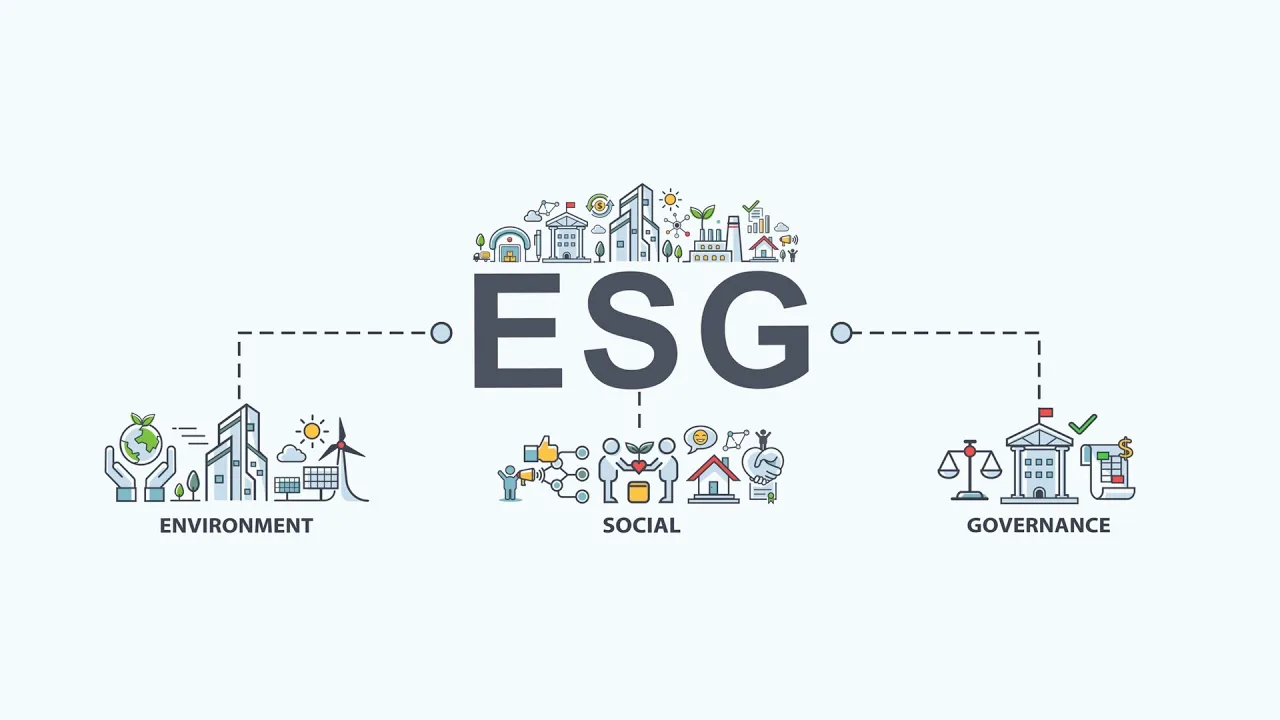
ESG Framework and Standards: A Comprehensive Guide
@CFI_Official
1.4M views•2022-08-30

The Planned Obsolescence of Light Bulbs and Tech
@veritasium
25.3M views•2021-03-26
Related Study Plans & Knowledge Roadmaps
Structured learning paths in Business